Waterton Lakes Fishing Guide
There's nothing quite like the allure of Waterton Lakes National Park, a true gem tucked away in the southwest corner of Alberta. Many anglers dream of casting a line in its pristine, glacier-fed waters, hoping to connect with a trophy trout amidst stunning mountain backdrops. However, the excitement can quickly turn to confusion when you realize that fishing in a national park comes with its own distinct set of rules and challenges, often different from the provincial regulations you might be used to. This guide is designed to cut through that complexity, providing you with everything you need to know to plan a successful and responsible fishing trip to Waterton Lakes.
Understanding Waterton Lakes National Park Fishing Regulations
One of the biggest hurdles for anglers visiting Waterton Lakes National Park is navigating the specific regulations that govern fishing within its boundaries. It’s not just about having an Alberta fishing license; you're dealing with federal park rules, which are designed to protect the park's delicate ecosystems and native fish populations. Failing to understand these can lead to fines and a ruined trip, so let's get into the nitty-gritty.
National Park Specifics Versus Provincial Fishing Rules
It's a common misconception that if you have your provincial Alberta fishing license, you're good to go anywhere in the province. That's not the case for Waterton Lakes, or any other National Park in Canada. While the province of Alberta sets the overarching rules for most waterways, Parks Canada has its own distinct set of regulations for fishing within the national park system. These rules are generally much stricter and more focused on conservation of native species and pristine habitats.
For example, certain species that might be legal to harvest provincially could be strictly catch-and-release only within the park. The use of bait, a staple for many anglers, is often completely prohibited in national parks to prevent the introduction of aquatic invasive species and to minimize harm to fish that are released. It’s vital to think of Waterton as a separate fishing jurisdiction entirely. You absolutely cannot assume provincial rules apply; always, always check the specific Parks Canada regulations for Waterton before you even pack your gear.
Permits, Licenses, and Mandatory Declarations
To legally fish in Waterton Lakes National Park, you'll need a specific National Park Fishing Permit. This is in addition to, not instead of, your provincial Alberta fishing license, although some exemptions may apply to youth or seniors provincially, they do not apply to the federal park permit. You can purchase these permits at the Waterton Lakes National Park Visitor Centre or park gates. The fees collected go directly towards supporting conservation efforts within the park, which is a comforting thought when you're paying.
Beyond the permit, there's another crucial step: the mandatory "Clean, Drain, Dry" declaration. This isn't just a suggestion; it's a critical component of preventing the spread of aquatic invasive species like whirling disease or zebra mussels. If you're bringing any watercraft (boats, kayaks, canoes, float tubes, even waders or fishing nets) into the park, you must have it inspected and declared. This typically happens at specific inspection stations, especially during peak seasons. Without this declaration, your boat might not even be allowed on the water, and you could face significant penalties. It’s a bit of an extra step, but one that ensures the beautiful waters of Waterton remain healthy for generations to come.
Gear Restrictions and Conservation Rules in Waterton
Waterton Lakes National Park enforces several gear restrictions, primarily aimed at protecting fish and their habitat. The most widespread rule is the mandatory use of single, barbless hooks. This is non-negotiable for all fishing within the park, and you'll find similar requirements in many of Alberta's special regulation waters. Barbless hooks minimize tissue damage, making catch and release much safer for the fish. If you're using barbed hooks, simply crimp down the barb with a pair of pliers before you start fishing.
Furthermore, bait bans are common throughout the park. This means no worms, minnows, salmon eggs, or any organic material that could either introduce non-native species or be ingested too deeply by fish, causing fatal harm upon release. Artificial lures and flies are generally permitted, but always double-check the current regulations guide for any specific water bodies within the park, as some areas might have even tighter restrictions, like fly-fishing-only zones. Understanding these specific requirements is key to a responsible and rewarding experience in this pristine environment. You can learn more about specific regulations by consulting your copy of the official "Reading the Alberta Guide to Sportfishing Regulations".
Key Fish Species in Waterton Lakes
Waterton's clear, cold waters are home to a diverse range of fish species, each offering a unique challenge and reward to the angler. Understanding what you might encounter and where these fish prefer to live is essential for a productive day on the water.
Lake Trout: The Deepwater Giants of Waterton
For many anglers, the opportunity to target Lake Trout is the primary draw to Waterton Lakes. These magnificent fish, often referred to as "Lakers," thrive in the cold, deep, oxygen-rich waters of Upper and Lower Waterton Lakes. They are native to these glacial lakes and can grow to impressive sizes, with individuals weighing in the double digits not uncommon.
Lake Trout are powerful fighters, known for their deep dives and stubborn runs. They spend much of their lives in the cooler, deeper sections of the lake, especially during the warmer summer months. This makes them a prime target for anglers employing specific deepwater techniques. However, it's crucial to remember that while abundant, these fish are a vital part of the park's ecosystem. While there might be opportunities for limited harvest under certain conditions, catch and release is highly encouraged, especially for larger, older fish that are crucial for reproduction. Knowing "How to Catch Lake Trout in Alberta" can give you a leg up, but remember to adapt techniques for the park's specific rules.
Rainbow and Cutthroat Trout: River and Stream Dwellers
While the big lakes are famous for their Lakers, the rivers and streams feeding into and out of Waterton Lakes offer fantastic opportunities for those seeking Rainbow Trout and the stunning, native Westslope Cutthroat Trout. These fish prefer moving water, often holding in seams, riffles, and deeper pools within the Waterton River and its tributaries.
Rainbow Trout are known for their acrobatic jumps and spirited fights on lighter tackle. Westslope Cutthroat Trout, recognizable by the distinctive red or orange slash marks under their jaw, are a native species and hold significant conservation importance. They are often found in the smaller, colder headwater streams. Both species are typically eager to strike a well-presented fly or small artificial lure. Catching a vibrant cutthroat trout in its native mountain habitat is a truly special experience, one that emphasizes the wild beauty of Waterton. Be mindful that Bull Trout, an endangered species, also inhabit these waters. While legal to fish for with a provincial license, the "Alberta Bull Trout Zero Possession Rule" means any you might encounter in the park (if not specifically stated otherwise) must be immediately released unharmed.
Other Species to Expect and Respect
Beyond the marquee trout species, Waterton Lakes National Park is home to several other fish that anglers might encounter. Mountain Whitefish are common in the rivers and shallower areas of the lakes. These silvery fish are often overlooked but provide excellent sport on light tackle and are surprisingly good to eat (where harvest is permitted). You might also come across various sucker species, which are important parts of the aquatic food chain.
While targeting these other species, it’s always a good practice to be prepared for anything. If you're fishing a deep section of Upper Waterton Lake, for instance, you might hook into a Lake Whitefish or even a Burbot, particularly if you're jigging near the bottom. The park's diverse ecosystem means you never quite know what might grab your line. Always ensure you can correctly identify your catch to adhere to specific regulations, especially if dealing with species like Bull Trout where identification is critical.
| Fish Species | Typical Size (Waterton) | Preferred Habitat | Common Techniques | Conservation Status (Park) |
|---|---|---|---|---|
| Lake Trout | 2-20+ lbs | Deep, cold lake waters | Trolling, Jigging | Native, often Catch & Release |
| Rainbow Trout | 10-20 inches | Rivers, stream mouths, lakeshores | Fly Fishing, Spin Fishing | Stocked/Native, Catch & Release |
| Westslope Cutthroat Trout | 8-16 inches | Cold, clear mountain streams | Fly Fishing, Small Lures | Native, Catch & Release |
| Mountain Whitefish | 10-18 inches | Rivers, shallow lake areas | Fly Fishing, Small Lures | Native, Limited Harvest Possible |
| Bull Trout | 1-10 lbs | Cold, pristine mountain streams | Fly Fishing, Small Lures | Native, Catch & Release ONLY |
Note: Always consult the official Waterton Lakes National Park fishing regulations for current bag limits and species-specific rules, as these can change annually.
Top Fishing Spots and Access Points
Waterton Lakes National Park offers a variety of fishing experiences, from the expansive main lakes to secluded alpine tarns and flowing rivers. Knowing where to go and how to access these spots can make all the difference in your fishing success.
Upper and Lower Waterton Lakes: The Main Event
The most prominent fishing opportunities in Waterton Lakes National Park are undoubtedly the Upper and Lower Waterton Lakes. These deep, clear, and often windy lakes are famous for their Lake Trout population. Upper Waterton Lake, in particular, stretches across the international border into Montana, though fishing regulations are strictly for the Canadian side.
Upper Waterton Lake is the larger and deeper of the two, offering immense potential for targeting trophy Lake Trout. The steep mountain walls plunge directly into the water, creating deepwater structure close to shore. Anglers typically target Lake Trout by trolling with downriggers or by deep jigging over underwater ledges and drop-offs. Public boat launches are available, allowing access for powerboats. Given the size and depth, a good fish finder is invaluable here to locate schools of baitfish and the lakers that follow them. The often strong winds can make boating challenging, so always check the weather forecast before heading out.
Lower Waterton Lake, while smaller and shallower than its upstream counterpart, still offers excellent fishing, particularly for smaller Lake Trout, Rainbow Trout, and Mountain Whitefish. Its more sheltered bays and shorelines can be productive for casting from shore or from a kayak, especially early or late in the season. The mouth of the Waterton River, where it flows into the lower lake, can be a hotspot for trout congregating to feed.
For those looking to explore these waters with a guide, services are available in the Waterton townsite. Booking a guided trip through platforms like FishingBooker can provide invaluable local knowledge, especially if you're new to deepwater lake trout fishing or navigating the park's specific rules.
Cameron Lake and Other Alpine Gems
Beyond the main lakes, Waterton offers enchanting experiences in its smaller, more intimate water bodies. Cameron Lake, located at the end of the Akamina Parkway, is a popular and accessible alpine lake. While not as deep as the main Waterton Lakes, it's known for its population of Cutthroat Trout and Rainbow Trout. The scenery here is simply breathtaking, with towering peaks reflecting in the calm waters.
Cameron Lake is a fantastic spot for float tubing, kayak fishing, or even shore casting with light spinning gear or a fly rod. Small spoons, spinners, and various fly patterns (dry flies, nymphs, and small streamers) can be very effective here. Fishing can be excellent during the early summer and fall, as the water remains cool. Always respect the alpine environment and practice careful catch and release, especially for the sensitive cutthroat population.
Other smaller lakes and ponds within the park, such as Summit Lake or Crandell Lake, may also hold trout. Access to these often requires hiking, adding an element of wilderness adventure to your fishing trip. Before venturing to any of these smaller, less-frequented spots, be sure to confirm their specific regulations, as some might be designated for research or have even more stringent restrictions. The "Best Fishing Lakes in Alberta" article also highlights some other pristine spots, but remember, Waterton has its own unique charm.
Shore Access Versus Boat Fishing
Waterton offers opportunities for both shore-based and boat-based angling, each with its own advantages and challenges.
Shore Fishing is readily available on Lower Waterton Lake, especially near the townsite and along designated picnic areas. Cameron Lake also offers decent shore access. This is a great option for families or those who prefer a simpler, less gear-intensive approach. Casting small spoons, spinners, or bait (if permitted, which is rare in the park) can yield results for Rainbows and Whitefish. Fly fishing from shore can also be productive in certain areas. Remember to be mindful of hikers and other park visitors, as shared spaces are common.
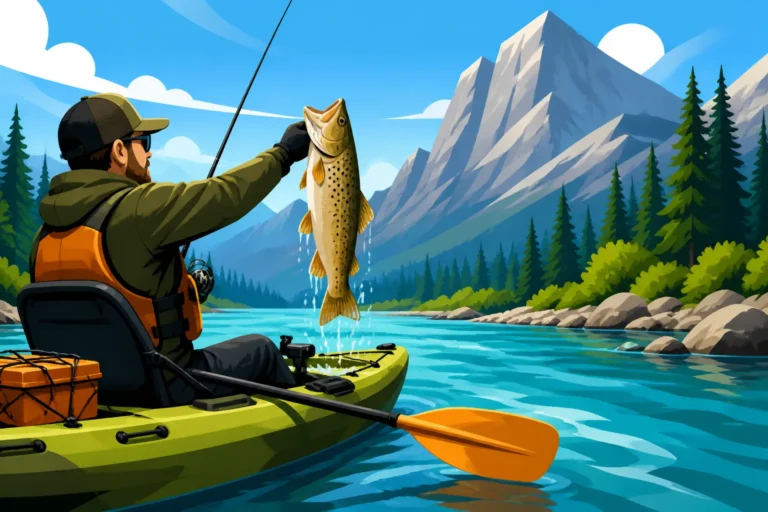
Boat Fishing, whether from a powerboat, canoe, or kayak, provides access to the deeper waters of Upper and Lower Waterton Lakes and the entirety of Cameron Lake. For Lake Trout, a boat is almost essential to cover the vast depths where they often reside. Canoes and kayaks are fantastic for exploring the quieter bays and inlets, or for reaching areas inaccessible to larger vessels. When bringing a boat, remember the mandatory "Clean, Drain, Dry" inspection. Additionally, all boaters must adhere to "Alberta Boating Laws for Anglers" and ensure they have all required safety equipment, including properly fitting life jackets for everyone on board. If you plan to operate a motorized boat, a "Alberta Pleasure Craft Operator Card Requirement" is mandatory.
Best Techniques and Times to Fish Waterton
Successfully fishing in Waterton Lakes often comes down to understanding the species you're targeting and employing the right techniques for the unique environment. Given the park's focus on conservation, ethical angling practices are just as important as the fishing itself.
Trolling and Jigging for Lake Trout
When it comes to Lake Trout in Upper Waterton Lake, trolling is arguably the most popular and effective method. These fish often suspend at various depths, following baitfish like Mysis shrimp, which are abundant in the deeper waters. Using downriggers allows you to present lures consistently at specific depths, which is critical when Lakers are holding deep. Popular trolling lures include large spoons, crankbaits, and even large streamer flies fished behind flashers or dodgers. Experiment with different depths and speeds until you find what the fish are keying into. Early mornings and late evenings are often the most productive times.
Jigging is another highly effective technique, especially when you've located a school of Lake Trout or are fishing over known structure. Heavy jigging spoons, often tipped with a piece of sucker meat (if allowed, check regulations carefully) or a soft plastic trailer, are dropped to the bottom and then aggressively jigged. The erratic movement of the jig mimics a wounded baitfish, often triggering a strike. Sonar is incredibly useful for finding fish and understanding the underwater topography when jigging. This method can be particularly exciting when you see a fish rise on your screen to hit your presentation.
Fly Fishing and Spin Fishing for Stream Trout
For the Rainbow and Cutthroat Trout in the rivers and smaller lakes like Cameron, fly fishing offers a classic and rewarding experience. The clear waters and abundant insect life make for excellent dry fly, nymph, and streamer fishing opportunities. For dry flies, match the hatch if you see insects on the water; otherwise, attractor patterns like elk hair caddis or parachute Adams are good starting points. Nymphing with indicators is highly effective for subsurface feeding fish, using patterns like prince nymphs, pheasant tails, and stoneflies. Smaller streamers can also tempt larger trout, especially in deeper pools.
Spin fishing is also very productive in these waters. Light spinning rods with 4-6 lb test line are ideal. Small inline spinners (e.g., Mepps, Panther Martin), tiny spoons (e.g., Little Cleo, Krocodile), and small crankbaits are excellent choices. Cast them into seams, eddies, and behind rocks, retrieving them to mimic fleeing baitfish. Remember the barbless hook rule for all lures, and ensure your lures are artificial if a bait ban is in effect. For more localized advice, consider hiring a guide through platforms like FishingBooker, who can provide up-to-the-minute information on hatches and effective patterns.
Seasonal Considerations for Waterton Fishing
The best time to fish Waterton Lakes National Park depends largely on what you're hoping to catch and the type of experience you seek.
Spring (May-June): As ice comes off the lakes (usually late April/early May), the Lake Trout become more active in shallower waters before retreating to the depths. This can be a fantastic time for both trolling and jigging. Rivers will be cold and may experience high water flows from snowmelt, but toward late spring, river trout fishing can pick up, especially for pre-spawn rainbows. Ensure you verify "Alberta Fishing Season Dates by Zone" as specific dates can vary.
Summer (July-August): This is peak season for park visitors. Lake Trout are typically deep, requiring specialized gear for trolling or jigging. River fishing for Rainbow and Cutthroat Trout can be excellent, particularly in the mornings and evenings when water temperatures are cooler. Dry fly fishing can be fantastic during hatches. Be mindful of warmer water temperatures in streams, as trout become stressed in water above 18-20°C; consider fishing earlier in the day or targeting deeper lake waters during heatwaves.
Fall (September-October): Many consider fall the prime time for fishing in Waterton. Lake Trout become more active in shallower waters as they prepare for spawning, offering some of the best opportunities for big fish. The cooler air and water temperatures mean river trout are aggressive, feeding heavily before winter. The crowds thin out, and the scenery with changing leaves is simply spectacular. However, weather can be unpredictable, so be prepared for cold, wind, or even early snow.
Conservation and Responsible Angling in Waterton
Fishing in a National Park isn't just about catching fish; it's about being a responsible steward of a protected wilderness. Waterton Lakes National Park places a strong emphasis on conservation, and anglers play a crucial role in maintaining its ecological integrity.
Why Catch and Release is Paramount
While some limited harvest might be allowed for certain species in Waterton, the overall ethic of fishing in a National Park heavily leans towards catch and release. This is particularly true for native species like Westslope Cutthroat Trout and, especially, for Bull Trout (which are always zero possession). Large, old Lake Trout are also vital breeders and should be released carefully.
Practicing proper catch and release techniques is essential:
- Minimize fight time: Bring fish in quickly to reduce stress.
- Handle fish gently: Keep the fish in the water as much as possible. Avoid touching their gills or eyes.
- Use wet hands: Dry hands can remove the fish's protective slime coat, leaving it vulnerable to disease.
- Barbless hooks: As mentioned, these are mandatory and make hook removal much easier and less damaging.
- Careful hook removal: Use pliers or forceps to quickly remove the hook. If a fish is deeply hooked, cut the line as close to the hook as possible.
- Revive properly: Hold the fish gently in the water, facing into the current, until it can swim away strongly on its own.
This dedication to conservation ensures future generations can enjoy the same incredible fishing experiences. You can find excellent resources on "Alberta Catch and Release Only Waters" to hone your skills.
Preventing Aquatic Invasive Species
The threat of aquatic invasive species (AIS) is a serious concern for Waterton Lakes National Park. Whirling disease, zebra mussels, and other invaders can devastate native fish populations and alter entire ecosystems. This is why the "Clean, Drain, Dry" protocol is so critical.
Before entering the park:
- Clean: Thoroughly clean your boat, gear, waders, and any equipment that has been in contact with water. Remove all visible mud, plants, and aquatic organisms.
- Drain: Drain all water from your boat's bilge, live wells, ballast tanks, and any other water-holding compartments. Ensure your motor is tilted to drain completely.
- Dry: Allow all equipment to dry completely for at least 48 hours, or longer if conditions are cool and humid. The sun and air are excellent sanitizers.
Upon arrival at the park, be prepared for a mandatory inspection. By diligently following these steps, you become a frontline defender against these environmental threats.
Wildlife Encounters and Safety
Fishing in Waterton Lakes National Park means you are in prime wildlife country. Encounters with bears, cougars, elk, and other animals are possible, and even likely. Safety should always be your top priority.
Bear Safety: Waterton is home to both grizzly and black bears. Carry bear spray and know how to use it. Make noise while hiking or fishing in dense areas to avoid surprising a bear. Store food and attractants securely, preferably in bear-proof containers or your vehicle. If fishing from shore, be aware of your surroundings and look for signs of bear activity.
General Safety: The weather in the mountains can change rapidly. Be prepared for all conditions with appropriate layers of clothing. If boating, winds can pick up quickly, creating dangerous waves; always wear a life jacket and check the forecast. Cell service can be spotty, so inform someone of your plans and expected return time. Fishing solo in remote areas carries inherent risks, so consider going with a buddy or hiring a local guide who knows the terrain and wildlife patterns, perhaps found through services like FishingBooker. Enjoy the wild beauty, but always with respect and caution.
Disclaimer
Please note that fishing regulations in Alberta and within Waterton Lakes National Park are subject to change. Always consult the most current Alberta Guide to Sportfishing Regulations and the specific Waterton Lakes National Park fishing regulations before planning your trip. This guide is for informational purposes only and does not supersede official government regulations.