North Saskatchewan River fishing access near Edmonton
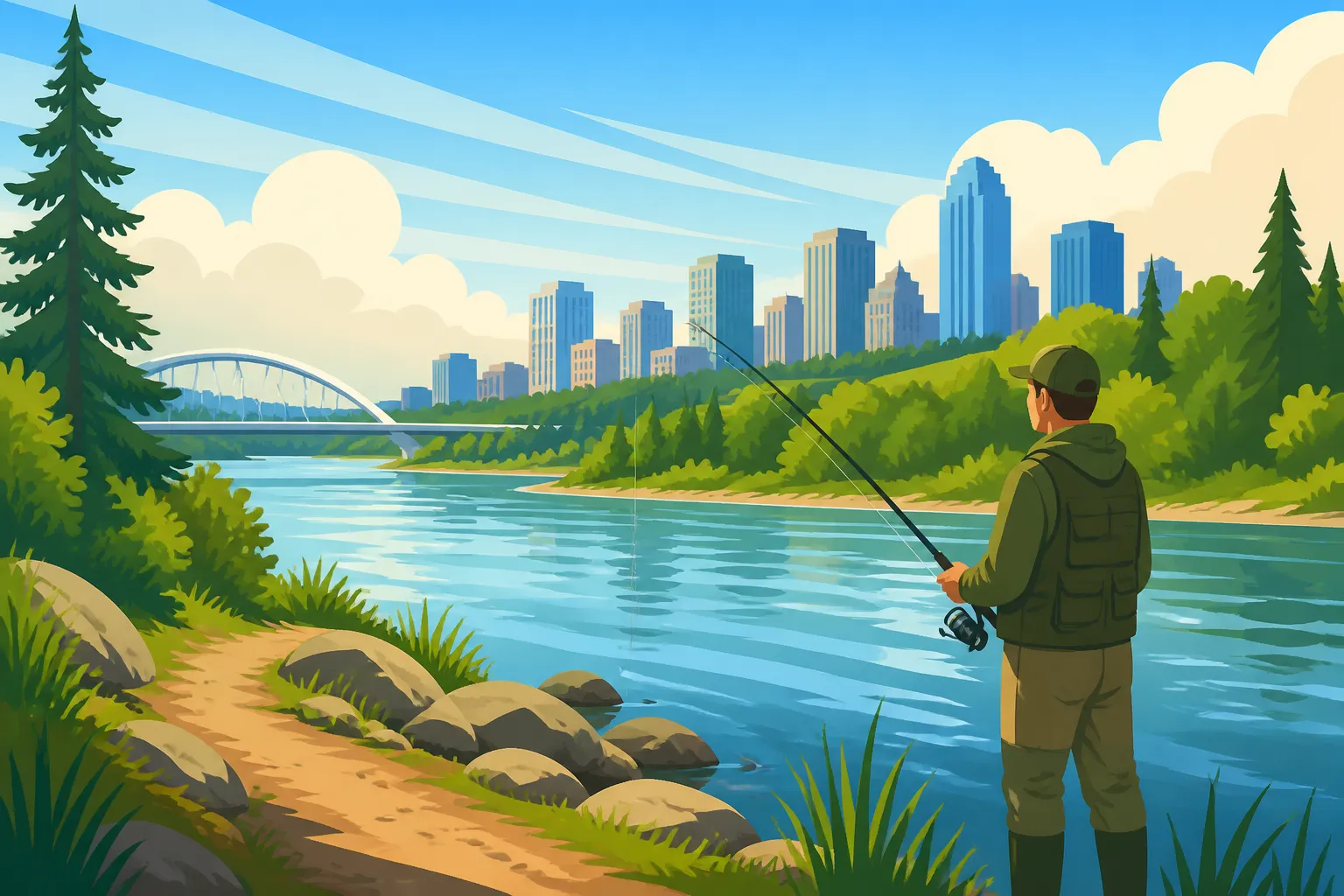
Trying to figure out where to cast a line on a massive river like the North Saskatchewan, especially when you're right in the heart of Edmonton, can feel like a daunting task. You know there are fish, but pinpointing the best, most accessible spots, understanding the nuances of the current, and knowing what gear to bring can be a real headache. This guide is here to untangle that frustration, offering a detailed breakdown of prime fishing access points near Edmonton, what species you can expect to encounter, and the essential tips to make your next river angling adventure a success.
Understanding the North Saskatchewan River Fishery Near Edmonton
The North Saskatchewan River, as it flows through and around Edmonton, is a vibrant and dynamic ecosystem, quite different from the still waters of a lake. It's a lifeline for a diverse array of fish species, each with their own habits and preferred habitats within the river's ever-changing currents. If you're new to river fishing, you might be surprised by the sheer variety and the challenges it presents, but that's also what makes it so rewarding. The constant flow means fish are always on the move, creating endless opportunities for anglers who know where to look.
What Species You Can Expect to Catch
When you drop a line into the North Saskatchewan near Edmonton, you're tapping into a pretty impressive aquatic community. The river is renowned for its robust populations of several popular game fish, as well as some interesting lesser-known species. Understanding what you're likely to hook into helps immensely with your tackle and technique choices.
Walleye are undoubtedly one of the biggest draws for anglers in this section of the river. These highly sought-after fish are often found in deeper pools, behind current breaks, or along submerged structures where they can ambush prey. They’re notorious for their keen eyesight, making them a challenging but rewarding target. You'll often find them lurking near the bottom, especially during low-light conditions. Many local anglers devote countless hours to mastering the art of catching these delicious fish, often sharing tales of impressive catches from various bends and depths along the river. If you're interested in really targeting these fish, you might want to delve into a comprehensive guide on How to Catch Walleye in Alberta.
Northern Pike are another prominent species, known for their aggressive strikes and powerful fights. While often associated with the weed beds of lakes, river pike are highly opportunistic predators. They'll often hold in slower eddies, backwaters, or around fallen timber where they can dart out to ambush baitfish. If you're throwing larger lures or spoons, there's a good chance you'll encounter one of these toothy critters. They're excellent sport, and if you're not careful, they can make short work of your tackle! For tips on landing these fighters, check out our guide on How to Catch Northern Pike in Alberta.
Beyond these two mainstays, the river also holds a solid population of Burbot, particularly active during the colder months or at night. These unique, freshwater cod-like fish are often found near the bottom, preferring rocky or silty substrates. They offer a different kind of angling experience, often biting on jigs or baited rigs fished close to the riverbed. Goldeye are another fun species, especially on lighter tackle, and they're often found in schools, making for fast action when you locate them. You might also encounter Sauger, which are cousins to the walleye and share similar habits but typically don't grow quite as large. Finally, both Lake Whitefish and Mountain Whitefish can be found, particularly in clearer, cooler sections or deeper runs, offering a more subtle fight for those targeting them. Each of these species adds to the rich tapestry of the North Saskatchewan's fishing appeal.
Seasonal Considerations for Edmonton's River Fishing
Fishing the North Saskatchewan River is a year-round endeavour for many passionate anglers, but the river’s character changes dramatically with the seasons, directly impacting fish behavior and access. Understanding these shifts is crucial for planning a successful trip and staying safe. This isn't like fishing a static pond; the river is a living, breathing entity that demands respect and adaptability from those who seek its bounty.
Spring, particularly in April and May, often brings the infamous "runoff." As the snow melts in the mountains and plains, the river swells, becoming high, fast, and often incredibly murky. While some dedicated anglers might brave these conditions for species like northern pike in calmer back channels, visibility is usually poor, and fishing can be exceptionally challenging. It's a time when many of the river's inhabitants are spawning, and it's generally a period to exercise caution, or perhaps scout new access points for later in the year. The river's power during runoff is immense, and safety should always be your top priority.
Summer, from June through August, typically sees the river levels stabilize and the water clarity improve significantly, especially after the initial peak of runoff subsides. This is prime time for most species, with walleye and pike actively feeding. The longer daylight hours mean more time on the water, and the warmer temperatures make for a more comfortable experience. However, summer also brings more recreational boaters and swimmers, so anglers need to be mindful of sharing the waterway. The fish are usually more spread out, and knowing the river's structure, like submerged rocks, fallen trees, and deeper scour holes, becomes even more important. Local guides, often found through platforms like FishingBooker, can be invaluable during these busy months for navigating the crowds and finding productive water.
Fall, from September until the river begins to freeze, is a favorite season for many experienced North Saskatchewan River anglers. The water temperatures begin to drop, often triggering an aggressive feeding period for walleye and pike as they bulk up for winter. The crowds thin out, and the stunning autumn foliage along the river valley adds to the experience. Water levels are typically lower and clearer than in summer, making it easier to read the river and spot prime fishing lies. This can be a fantastic time for trophy-sized fish, as they are actively foraging and often concentrated in deeper pools or along distinct current breaks.
Winter, once the river freezes over in specific areas, offers unique ice fishing opportunities, though the main channel of the North Saskatchewan rarely freezes solid and safely for extended periods. However, back channels, oxbows, and slower-moving bays adjacent to the main river can freeze enough for safe ice fishing, targeting burbot, pike, and sometimes even walleye. Access can be more challenging due to snow and ice, but the solitude and potential for large fish make it worthwhile for those prepared for the cold. Always check local ice conditions and never venture onto ice you're unsure about. For detailed info on seasonal patterns, you might want to consult Alberta Fishing Season Dates by Zone to ensure you're fishing legally and effectively.
Prime Public Access Points for Anglers in Edmonton
One of the greatest assets of the North Saskatchewan River in Edmonton is the extensive river valley park system, which provides numerous public access points. However, not all access points are created equal when it comes to fishing. Some are fantastic for shore anglers, offering easy walks to prime spots, while others might be better suited for small boat or kayak launches, giving you access to more river miles. It’s about knowing which spot best fits your angling style and what you’re hoping to catch.
Fort Edmonton Park Area
The area around Fort Edmonton Park and the adjoining trails offers some really interesting shore fishing opportunities, though you won't find a conventional boat launch here. Anglers often find success by walking the extensive trail system that runs parallel to the river. The banks can be steep in places, so always exercise caution, but there are numerous spots where the bank flattens out or where natural eddies form, creating excellent holding water for fish.
Specific spots to explore include areas near the footbridge that crosses the river, where the current can create deeper scour holes. These deeper pockets often hold walleye, especially during periods of stable water. Further downstream from the footbridge, towards the Quesnell Bridge, you'll find various bends and current seams that are worth investigating. Parking is available at Fort Edmonton Park, though it might require a bit of a walk to reach the prime fishing spots. The beauty of this area is the blend of urban accessibility with natural beauty, allowing you to quickly escape the city bustle. Just remember to pack light, as you'll be covering some ground on foot.
Capilano Park & Gold Bar Park
Moving downstream, Capilano Park and Gold Bar Park are popular choices for Edmonton anglers due to their relatively good access and diverse fishing environments. These parks are located on the south side of the river, offering a mix of shore fishing and potential for launching smaller, non-motorized boats like kayaks or canoes.
At Capilano Park, you'll find a decent amount of shoreline that can be accessed by foot. The river here can have a good mix of riffles, runs, and deeper pools. Anglers often target walleye and pike by casting from shore into these varied currents. There are often fallen trees and submerged logs that create excellent habitat and current breaks for fish, but also pose a snagging hazard. Parking is usually ample, making it a convenient spot for a quick fishing outing.
Just a bit further downstream, Gold Bar Park also offers great opportunities. It's particularly well-known for its network of trails, providing excellent bank access. While there isn't a formal boat launch, many kayakers and canoeists use the more gentle slopes to put in their watercraft. From a kayak, you can easily work the seams and eddies that are out of reach from shore. This wider perspective allows you to cover more water and target fish holding in mid-river structure. The confluence of the Mill Creek ravine with the North Saskatchewan River can also be a productive area, as it often attracts baitfish and, consequently, predatory species. If you're planning a trip with a small watercraft, ensure you understand all Alberta Boating Laws for Anglers, especially concerning life jacket requirements.
Dawson Park & Henrietta Muir Edwards Park
Closer to downtown, Dawson Park and Henrietta Muir Edwards Park provide more central river valley options, easily accessible from various parts of the city. These parks offer a good balance of natural riverside environment and urban convenience, making them quite popular.
Dawson Park, on the north side of the river, provides relatively flat, accessible shoreline in many areas. It's a great spot for family fishing outings or for anglers looking for an easy walk to the water. The river here features some slower-moving stretches and deeper bends that can be productive for walleye, especially during the fall. Access to parking is straightforward, and the paved trails make it easy to move along the bank to different spots. You might see anglers using bait rigs, jigs, or casting spoons and crankbaits.
Henrietta Muir Edwards Park, situated on the south bank directly across from Dawson Park, also offers excellent shore access and stunning views of the city skyline. This park is known for its wide open spaces and a network of trails. Similar to Dawson, the river here provides good structure with varying depths and currents. It's a popular spot for both casual and serious anglers. For those with kayaks or canoes, informal launch spots can be found, allowing you to explore the river more thoroughly. Again, for a full experience of river fishing, especially if you're new to the area, considering a guided trip through a service like FishingBooker can be incredibly beneficial.
Devon & Stony Plain Creek Confluence
While technically a bit outside the immediate Edmonton city limits, the area near Devon, particularly around the confluence of Stony Plain Creek with the North Saskatchewan River, is highly regarded by local anglers and deserves a special mention. Confluences are natural magnets for fish because they introduce new currents, water temperatures, and often, new food sources.
This spot offers excellent access and a diverse fishery. The creek mouth itself can be incredibly productive, especially during periods when baitfish are moving in or out. Walleye and pike often congregate here, waiting to ambush prey. The main river channel in this area also features a good mix of deep runs and shallower riffles, providing varied habitat for different species. Many anglers choose to launch small boats or kayaks here to explore the rich structure that the confluence creates. Parking is typically available, and the slightly less urbanized setting can offer a more tranquil fishing experience compared to the spots closer to downtown. It's a fantastic option if you're willing to drive just a little further for potentially bigger rewards and a different river dynamic.
Essential Gear and Techniques for North Saskatchewan River Anglers
Fishing a large, flowing river like the North Saskatchewan requires a slightly different approach than stillwater fishing. The current is a constant factor, influencing fish behavior, lure presentation, and even safety. Having the right gear and understanding effective river techniques will significantly increase your chances of success and make your experience much more enjoyable. It's about adapting to the river's rhythm, rather than trying to force a lake-style presentation onto a moving body of water.
Recommended Tackle and Lures
For the dominant species like walleye and northern pike, a versatile medium-heavy spinning rod or baitcasting setup is often your best bet. A rod in the 7-foot range provides good casting distance and enough backbone to handle strong river fish. For line, 15-20 lb braided line is popular for its sensitivity and strength, often paired with a fluorocarbon leader (10-15 lb for walleye, 20-30+ lb for pike to resist their sharp teeth).
When it comes to lures, jigs are incredibly effective on the North Saskatchewan. A 3/8 to 1/2 ounce jig head, tipped with a plastic grub (like a Mister Twister or Berkley Gulp! minnow) or a live minnow, is a walleye killer. The key is to present it so it bounces along the bottom with the current, mimicking a wounded baitfish. Different colors work on different days, but natural shades like brown, green, and white are often reliable. For more specific lure advice, check out the Best Tackle for Alberta Walleye.
Crankbaits and swimbaits are also excellent, especially for covering water and targeting active fish. Look for lures that dive to the river's depth and have a tight wobble. Colors can vary, but silver, blue, firetiger, and perch patterns are often successful. For northern pike, larger spoons (like Len Thompson Five of Diamonds or Daredevil) and spinnerbaits are incredibly effective. Their flash and vibration can entice aggressive strikes. If you're serious about battling pike, our guide on Best Pike Gear for Alberta Lakes has some excellent suggestions. Don't forget a strong wire leader when targeting pike to prevent bite-offs! For burbot, a jig tipped with a piece of cut bait (like smelt or an oily fish) fished right on the bottom can be incredibly productive, especially after dark.
Safety and River Specific Techniques
Safety on the North Saskatchewan River cannot be overstated. The river's current, especially during periods of high flow, can be incredibly powerful and deceptively dangerous. Always wear a life jacket, even if you're just shore fishing in an area with a steep bank. Wading should only be attempted in known safe areas with appropriate footwear (felt-soled boots or studded rubber soles) and ideally with a wading staff for stability. Be aware of submerged hazards like logs, rocks, and sudden drop-offs. Always let someone know where you are going and when you expect to return. The water can be extremely cold, so dress in layers and be prepared for changing weather conditions.
When it comes to techniques, "reading the river" is paramount. Look for current breaks: anything that slows the water down, such as eddies behind large rocks, fallen trees, or sudden changes in bank contour. Fish will often hold in these calmer areas, expending less energy while waiting for food to drift by. Casting upstream and allowing your lure to drift downstream with the current, maintaining a tight line to feel for bites, is a fundamental river technique. This is known as "drift fishing" or "controlled drifting."
For shore anglers, focus on casting to visible structure, seams where fast and slow water meet, and the edges of deeper pools. If you're using a boat or kayak, trolling can be very effective, especially with crankbaits, allowing you to cover vast stretches of river. Drifting with jigs or bait can also be highly productive, but you need to be constantly mindful of your boat's position relative to the current and any hazards. The North Saskatchewan is a rewarding river, but it demands respect and careful planning from every angler.
Navigating Regulations and Best Practices
Fishing in Alberta, especially on a major system like the North Saskatchewan River, means adhering to specific rules and regulations. These aren't just arbitrary guidelines; they're in place to protect our precious fish stocks and ensure sustainable fishing for generations to come. Skipping over these details isn't just irresponsible, it can lead to hefty fines, so taking a few minutes to get familiar with the rules is a crucial part of any fishing trip.
Key Alberta Fishing Regulations to Know
First and foremost, you absolutely need an Alberta fishing license if you are 16 years of age or older. There are various options depending on whether you're a resident or non-resident, and how long you plan to fish. You'll also need an Alberta WIN Card, which is your Wildlife Identification Number, required for purchasing any hunting or fishing license in the province. Getting your WIN card and fishing license is the non-negotiable first step. If you're new to this, our comprehensive Alberta Fishing License Guide for 2026 can walk you through the process, and you can also find details on Where and How to Buy an Alberta Fishing License.
Beyond the license, you must be intimately familiar with the specific regulations for the North Saskatchewan River, as rules can vary by water body and even by specific zones within a river system. The Alberta Guide to Sportfishing Regulations is your bible for this. Pay close attention to:
- Season Dates: When certain species can be legally targeted and kept. While many sections of the North Saskatchewan are open year-round for certain species, others may have closures. You can find more details in Alberta Fishing Season Dates by Zone.
- Bag and Possession Limits: How many fish of a particular species you can keep in a day (bag limit) and how many you can have at home or in your possession (possession limit). These are critical for managing fish populations. For example, the Alberta Walleye Limit by Zone and Alberta Northern Pike Limit are strictly enforced. Exceeding these limits is a serious offense. For a broader overview, check out Alberta Bag and Possession Limits by Species.
- Size Restrictions: Minimum or maximum size limits for keeping certain fish, designed to protect juvenile fish and large breeding adults.
- Gear Restrictions: What types of hooks (e.g., single barbless), bait (e.g., no live baitfish), or fishing methods are allowed. While the North Saskatchewan generally allows for a variety of tackle, it's always good to double-check.
Always carry a copy of your license and the current regulations (either physical or digital) while fishing. Enforcement officers routinely patrol these popular areas, and ignorance of the rules is never an excuse. Our detailed explanation of Alberta Fishing Regulations Explained can help demystify the legal jargon.
Conservation and Responsible Angling
Beyond simply following the law, responsible angling practices are vital for ensuring the health and future of the North Saskatchewan River's fishery. We, as anglers, are stewards of this incredible natural resource.
Catch and Release: For many species, especially larger walleye and pike, catch and release is highly encouraged. These larger fish are vital for a healthy breeding population. If you do plan to release fish, handle them with extreme care. Minimize their time out of the water, use wet hands, and support their body weight. Consider using a rubberized landing net, which is much gentler on a fish's slime coat and fins than knotted nylon. Avoid taking photos that unduly stress the fish.
Proper Fish Handling: If you do decide to keep a fish within legal limits, dispatch it quickly and humanely. Keep fish on ice to maintain quality. Never waste fish; only keep what you will eat.
Respect the Environment: Pack out everything you pack in, including all trash, broken lines, and discarded bait containers. Do not leave hooks, weights, or line segments that could harm wildlife. Stay on designated trails where possible to prevent bank erosion. Be mindful of wildlife and other river users, giving them space and respecting their activities.
Report Poaching: If you witness illegal fishing activities, such as exceeding limits, fishing out of season, or using illegal gear, report it to the Report A Poacher line. Protecting the resource falls to all of us. By practicing ethical and responsible angling, we can all contribute to the long-term health and abundance of the North Saskatchewan River fishery for everyone to enjoy.
North Saskatchewan River Access Near Edmonton: Key Features & Opportunities
To help you visualize your next fishing trip, here's a quick overview of some of the key access points discussed, along with their general characteristics. Remember, conditions can change, so scouting the area beforehand is always a good idea.
| Access Point | Location Relative to Edmonton | Primary Access Type | Best For | Key Features |
|---|---|---|---|---|
| Fort Edmonton Park Area | Southwest Edmonton | Shore / Trail | Walleye, Pike | Extensive trails, footbridge, deeper holes, urban convenience, parking |
| Capilano Park | East-Central Edmonton | Shore / Small Craft | Walleye, Pike | Good shoreline access, current breaks, varied depths, easy parking |
| Gold Bar Park | East-Central Edmonton | Shore / Small Craft | Walleye, Pike, Goldeye | Extensive trails, informal kayak/canoe launch spots, Mill Creek confluence |
| Dawson Park | Northeast Edmonton | Shore | Walleye, Pike | Flat, accessible shoreline, slower stretches, easy parking, downtown views |
| Henrietta Muir Edwards Park | Southeast Edmonton | Shore / Small Craft | Walleye, Pike | Wide open spaces, trails, urban backdrop, informal kayak/canoe launch |
| Devon Area (Stony Plain Creek Confluence) | Southwest of Edmonton | Shore / Boat / Kayak | Walleye, Pike, Burbot | Confluence effect, diverse habitat, formal boat launch potential, less urban |
This table provides a snapshot, but each location offers its own unique challenges and rewards. Whether you prefer the solitude of a quiet bank or the versatility of a small boat, the North Saskatchewan River near Edmonton truly has something for every angler.
Disclaimer
Please remember that fishing regulations, conditions, and access points can change. Always consult the most current Alberta Guide to Sportfishing Regulations before heading out. Safety should always be your number one priority when fishing on or near any body of water.