Best Fishing Rivers in Alberta
If you've ever gazed at a map of Alberta and seen the intricate web of rivers, you know the feeling: excitement mixed with a touch of overwhelm. Where do you even begin to cast a line in such a vast and diverse landscape? Many anglers grapple with this, wondering which rivers hold the legendary fish, which offer serene solitude, and which demand a specific skillset. This comprehensive guide is designed to cut through that confusion, giving you the inside scoop on Alberta's best fishing rivers, what makes them special, and how to approach them for a successful and memorable angling adventure.
The Mighty Bow River: A World-Class Trout Fishery
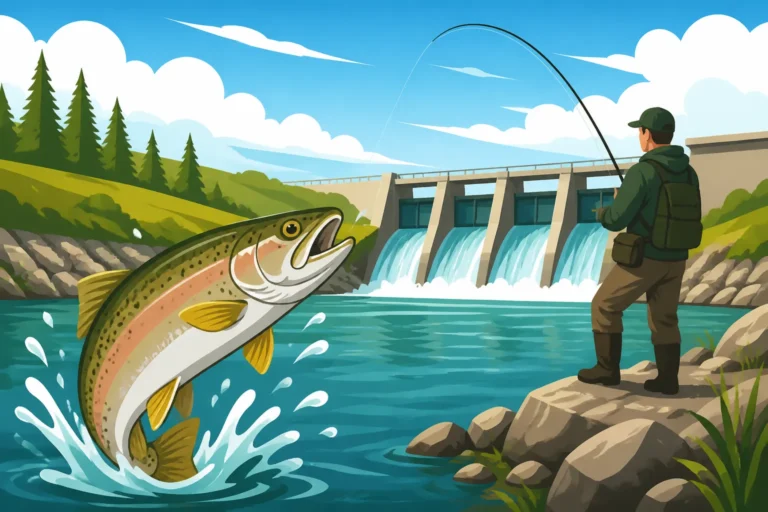
The Bow River is more than just a river; it's a living legend in the angling world, particularly renowned for its robust trout population. Originating in the Canadian Rockies and flowing southeast, this river transforms from a pristine mountain stream into a nutrient-rich tailwater fishery below the Bearspaw Dam. This transformation, largely due to agricultural runoff and the unique dynamics of a tailwater, creates an incredibly fertile environment for aquatic insects and, consequently, large, healthy trout.
Bow River's Unique Ecosystem and Trout Population
What truly sets the Bow River apart is its remarkable ability to grow massive rainbow and brown trout. These fish thrive in the consistent water temperatures provided by the dam, which buffer against extreme heat in summer and severe cold in winter. The river's ecosystem is a veritable buffet for trout, teeming with a rich diversity of invertebrates like caddisflies, mayflies, stoneflies, and scuds, along with baitfish. This abundant food supply allows trout to reach impressive sizes, often exceeding 20 inches, making every hook-up a potential battle with a trophy fish. Even though it flows directly through a major metropolitan area like Calgary, the river maintains an astonishingly healthy and vibrant fishery, a testament to its unique characteristics and ongoing conservation efforts. The clear, cold, oxygen-rich waters provide ideal conditions, allowing these powerful fish to grow to their full potential, offering an unforgettable challenge to anglers.
Prime Sections and Access Points
The Bow River offers varied fishing experiences depending on the section you choose. The stretch immediately below the Bearspaw Dam is famous for its fast currents and large fish, often requiring specific wading or drift boat techniques. As the river flows through Calgary, numerous public access points allow for convenient shore fishing or launching small boats. However, the most iconic and perhaps most productive section is often considered to be the 50-kilometre stretch from the Carseland Weir (also known as the Carseland Dam) downstream to Wyndham-Carseland Provincial Park. This "blue ribbon" section is where many guided drift boat trips focus, offering unparalleled opportunities for both fly and spin anglers to target aggressive trout. Access here is a mix of public boat launches, designated day-use areas, and some private land, so it’s always wise to be aware of your surroundings and respect property boundaries. If you're looking for prime spots, consider checking out the details on Bow River Trout Fishing Near Calgary to pinpoint some exceptional locations.
Techniques for Bow River Trout
Given the Bow's diverse conditions, a range of techniques can be highly effective. For fly anglers, the river is a dream come true, offering fantastic opportunities for dry fly fishing during prolific hatches, particularly in late spring and summer. Nymphing is consistently productive year-round, imitating the abundant aquatic insects in the water column. Streamer fishing can be incredibly exciting, especially for targeting larger, more aggressive brown trout. Spin fishers also find great success using small spoons, spinners, and jerkbaits that mimic baitfish or larger insects. It’s crucial to match your presentation to the current conditions and what the fish are feeding on. For instance, after a rain, larger, darker patterns might work better, while on bright, sunny days, subtle presentations are key. Understanding the seasonal variations in insect activity and fish behavior is paramount. A deeper dive into Fly Fishing for Trout on the Bow River will give you specific patterns and strategies that seasoned Bow River anglers swear by.
Crowsnest River: A Gem of the Southwest
Tucked away in the scenic southwestern corner of Alberta, the Crowsnest River is a truly special place for trout enthusiasts. Unlike the broader, more powerful Bow, the "Crow" is a quintessential mountain stream—intimate, freestone, and full of character. It winds through picturesque valleys, flanked by towering peaks, offering not just exceptional fishing but also breathtaking views and a sense of wilderness solitude that is harder to find on more urban rivers.
Character and Fish Species
The Crowsnest River is celebrated for its crystal-clear, cold waters, which are ideal for its primary inhabitants: rainbow trout, westslope cutthroat trout, and the elusive bull trout. The rainbow trout here are known for their feisty nature and vibrant colours, often punching above their weight when hooked. Westslope cutthroat trout, a native species, are particularly prized for their distinctive red slashes under their jaw and their willingness to rise to a dry fly, making them a favourite target for many fly anglers. However, it’s imperative to remember that bull trout in the Crowsnest (and most of Alberta) are a protected species, and a zero-possession rule applies; they must be immediately and carefully released. Catching one is a rare and exciting event, but conservation is the absolute priority. The river's clean gravel beds provide excellent spawning habitat, sustaining a healthy wild population that contributes to its reputation as a world-class trout stream. If you're looking for a detailed guide on this specific waterway, you might find more information on Crowsnest River Trout Fishing.
Notable Stretches and Public Access
The Crowsnest River provides a variety of fishing experiences along its length. The upper sections, closer to the headwaters, are often smaller and more intimate, perfect for stealthy walk-and-wade anglers targeting native cutthroat. As it flows through towns like Coleman and Blairmore, access becomes more frequent, with numerous bridge crossings and public easements. One of the most famous and heavily fished stretches is around the spectacular Lundbreck Falls, where the river narrows and plunges, creating turbulent, oxygenated pools that hold strong fish. Further downstream, below the falls, the river widens somewhat, offering broader runs and riffles. Anglers can find ample public access through various provincial recreation areas and by respecting private land boundaries. The area around the Frank Slide also offers accessible fishing, with the dramatic landscape adding to the allure. Always carry a map and be aware of designated fishing areas to ensure you are on public land or have permission to access private stretches.
Recommended Crowsnest River Strategies
Fly fishing is undoubtedly the most popular and often most effective method on the Crowsnest River. Anglers frequently employ dry-dropper rigs, presenting an attractor dry fly with a nymph trailing beneath, to cover both the surface and subsurface feeding zones. Euro nymphing techniques are also gaining popularity, allowing anglers to fish deep currents with precise control. During specific hatches, such as golden stones or caddis, dry fly action can be phenomenal, with trout eagerly rising to well-presented imitations. For spin anglers, light tackle with small spinners, spoons, or soft plastics can also entice bites. However, a critical regulation to remember is the mandatory use of barbless hooks on many Alberta trout streams, including sections of the Crowsnest. This regulation significantly aids in the safe release of fish, aligning with the river’s conservation ethos. Understanding and adhering to rules like the Alberta Barbless Hook Requirement Waters is not just about legality, but about preserving this incredible fishery for future generations.
Oldman River: Prairie River with Mountain Roots
The Oldman River, a significant waterway in Southern Alberta, offers a fascinating contrast in fishing experiences, transitioning from its cold, clear mountain origins to a broader, slower-moving prairie river. This geological journey directly influences the species of fish found and the techniques required to catch them. Anglers who explore the Oldman can literally follow the river from high-country trout fishing to warmwater species action, making it a truly versatile destination.
Diverse Habitats and Target Species
In its upper reaches, high in the Rocky Mountains and foothills, the Oldman River is a classic trout stream. Here, you'll encounter feisty rainbow trout, colourful cutthroat trout, and occasionally brown trout, thriving in the oxygen-rich, relatively pristine waters. These sections are characterized by rocky bottoms, swift currents, and distinct pools and riffles—ideal trout habitat. As the river flows eastward out of the foothills and onto the prairies, it gathers warmth and sediment, its character shifting dramatically. Below the Oldman River Dam and various reservoirs, the water becomes warmer and murkier, and the species composition changes. Here, anglers target robust walleye, aggressive northern pike, and shimmering goldeye. This ecological transition means you can literally catch multiple different species in a single day by simply moving along the river's course, showcasing Alberta's incredible biodiversity.
Best Fishing Zones and Access
The Oldman River provides varied access points, catering to different angling preferences. The upper Oldman, particularly west of Fort Macleod, is best explored by wading or using smaller rafts and kayaks, with access often found near bridge crossings or through designated public lands. This is where the prime trout fishing takes place, demanding a more wilderness-oriented approach. As the river progresses through more agricultural landscapes and passes through urban centers like Lethbridge, boat launches become more common, opening up opportunities for larger boat fishing, especially for warmwater species. The various reservoirs along its length, such as the Oldman River Reservoir, also provide popular access for both boat and shore anglers. These reservoirs can hold substantial populations of pike and walleye, offering a different challenge than the flowing river. Finding public access can sometimes be a puzzle, so exploring resources like Oldman River Fishing Spots can be very helpful for planning your trip and identifying key entry points.
Effective Methods for the Oldman
Given the Oldman River's diverse habitats, a versatile approach is key to success. For the upper trout sections, fly fishing with nymphs, dry flies, or streamers is highly effective, similar to other mountain streams. Light spin gear with small lures, like Panther Martin spinners or Rapala minnows, can also produce excellent results. As you move downstream into the warmer, wider prairie sections, different tactics come into play. For walleye, jigging with soft plastics or live bait (where permitted) is often productive, as is bottom bouncing with worm harnesses or trolling crankbaits. Pike will readily strike larger spoons, spinnerbaits, and even topwater lures in the right conditions, particularly in slower backwater areas or near weed beds. For those looking to maximize their chances or explore less-known stretches, consider connecting with a local guide. Platforms like FishingBooker can be an invaluable tool for finding experienced guides who know the river's intricacies and can put you on fish, regardless of the section or species you're targeting.
North Saskatchewan River: Urban & Wilderness Angling
The North Saskatchewan River is a lifeline of Central Alberta, a grand waterway that flows from the glaciers of the Rockies, through the provincial capital of Edmonton, and continues eastward across the prairies. Its sheer size and length mean it offers an incredibly diverse range of fishing opportunities, from the rugged wilderness of its headwaters to its bustling urban stretches, making it accessible to a wide variety of anglers.
The River's Journey and Fish Diversity
As the North Saskatchewan River begins its journey in the mountains, it's primarily a cold, fast-flowing environment, supporting some mountain whitefish and the occasional bull or cutthroat trout in its tributaries. However, as it moves downstream and gains volume, particularly after passing through Edmonton, its character changes. The river becomes a rich, turbid ecosystem, home to a fantastic array of species. Anglers here can expect to catch abundant northern pike and walleye, along with goldeye, burbot, and even prehistoric lake sturgeon (which are protected and require specific conservation practices). In the clearer, oxygenated sections, especially around feeder creeks, you might still find mountain whitefish. While typically not a primary trout river in its lower reaches, the sheer diversity of species makes it an exciting challenge for those looking to experience true prairie river fishing.
Access in and Around Edmonton
One of the greatest advantages of the North Saskatchewan River is its accessibility, especially within the greater Edmonton area. The city has invested in numerous public boat launches and designated fishing access points along its banks, making it easy for both boat and shore anglers to get on the water. Popular spots include areas around Fort Edmonton Park, the Dawson Park boat launch, and various bridges that offer shore fishing opportunities. For those looking to escape the city a bit, upstream from Edmonton, toward Devon, offers a slightly more natural feel, while downstream sections provide extensive stretches of river often best explored by boat. Always be mindful of local park rules and regulations when accessing urban stretches. If you're pinpointing specific spots to drop a line, a resource like North Saskatchewan River Fishing Access Near Edmonton can offer valuable details on the best places to launch and fish within the city and surrounding areas.
Techniques for the North Saskatchewan
Given the North Saskatchewan River's size, depth, and turbidity, specific techniques prove most effective. For walleye, bottom bouncing with live bait rigs (like minnows or worms) or jigging with heavier jigs and soft plastics is often the go-to. Trolling crankbaits can also be very productive, especially when covering large stretches of water or searching for active fish. Northern pike are aggressive predators and will strike a variety of lures, including large spoons, spinnerbaits, and deep-diving crankbaits. Focusing on areas with current breaks, submerged structure, or weed beds (where present) will increase your chances. For goldeye, lighter tackle with small spoons or flies can be incredibly fun, especially during their active feeding periods. And for those targeting mountain whitefish, especially in clearer upstream areas, fly fishing with small nymphs or dry flies can be very rewarding. It’s important to use appropriately weighted gear to handle the river’s strong currents and to ensure you can get your lures down to where the fish are holding.
Peace River & Athabasca River: Northern Giants
Venturing into Northern Alberta brings you to the immense Peace River and Athabasca River, two of Canada's most powerful and majestic waterways. These rivers are on a different scale entirely, flowing through vast, often remote wilderness. Fishing here is an experience of epic proportions, characterized by big water, big fish, and an undeniable sense of rugged adventure. They represent the true essence of Alberta's wild North.
Scale and Species of Northern Rivers
The sheer volume and length of the Peace and Athabasca Rivers are staggering. They drain massive watersheds, carving deep valleys and braiding into complex systems of channels and islands. These rivers are colder and often turbid, but incredibly rich in nutrients, supporting a thriving ecosystem. The primary target species here include formidable northern pike, robust walleye, delicious burbot, and impressive lake whitefish. What truly makes these northern rivers unique, however, is the presence of Arctic grayling. These stunning fish, with their distinctive dorsal fin and iridescent colours, are a true prize for many anglers and signify the pristine nature of these northern waters. While less common, the occasional lake trout or even a large, ancient sturgeon can be encountered in the deeper, colder sections or where tributaries flow in.
Navigating and Accessing These Vast Waters
Accessing the Peace and Athabasca Rivers often requires a different approach than their southern counterparts. While towns like Peace River and Athabasca offer some public boat launches, much of these rivers flow through vast, undeveloped territory. Boat access is absolutely critical for effectively fishing these waters, and larger, sturdy boats are often necessary to navigate the strong currents and unpredictable conditions. Road access can be limited, and for many remote stretches, hiring a local guide or utilizing services like those offered through FishingBooker can be invaluable. Guides possess the local knowledge of hidden channels, productive eddies, and safe navigation routes that are essential for a successful and safe trip. For adventurers, fly-in trips to remote cabins or lodges on tributaries can also provide unparalleled access to untouched fisheries. If you're planning on exploring the Athabasca, especially its more accessible spots, you might want to look into Athabasca River Best Fishing Access for some starting points.
Successful Strategies for Northern Fishing
Fishing these northern giants demands heavy-duty tackle and a strategic approach. For northern pike, casting large spoons, spinnerbaits, and oversized crankbaits into current breaks, backwaters, and near submerged timber is often effective. Trolling large, deep-diving plugs can also cover a lot of water and entice strikes from trophy-sized pike. Walleye typically hold in deeper pools, along current seams, or near structure. Vertical jigging with heavy jigs and soft plastics, or bottom bouncing with large worm harnesses, are proven methods. Burbot, often referred to as "freshwater cod," are usually caught by jigging near the bottom, especially during low-light conditions or through the ice in winter. For Arctic grayling, lighter tackle is preferred, and fly fishing with small dry flies or nymphs in clearer tributary mouths or slower mainstem eddies can be incredibly rewarding. Given the remoteness and potential for encountering large fish, always ensure your gear is robust, and you have all necessary safety equipment, including reliable communication devices.
Lesser-Known Gems and Mountain Streams
While the major rivers capture much of the attention, Alberta is also crisscrossed by countless smaller rivers and pristine mountain streams that offer equally, if not more, rewarding angling experiences. These waters often demand a bit more effort to reach but reward the intrepid angler with solitude, stunning scenery, and opportunities to catch wild, spirited trout.
Small Rivers and Tributaries
Beyond the main arteries, Alberta boasts a network of smaller rivers like the Highwood, Sheep, and Elbow Rivers in the south, and numerous unnamed tributaries flowing into larger systems. These waters are typically colder, clearer, and often feature significant gradients, creating a classic "pocket water" environment of riffles, runs, and plunge pools. Here, the fish tend to be wilder and often smaller than their counterparts in the nutrient-rich tailwaters, but what they lack in size, they make up for in beauty and fighting spirit. These streams are often excellent places to target native cutthroat trout, small wild rainbows, and occasionally brook trout in higher elevations. Fishing these intimate waters requires stealth, precise casting, and an appreciation for the subtle beauty of untouched wilderness. It's a different kind of challenge, where connecting with nature is as important as connecting with a fish.
Exploring the Kananaskis Country Rivers
Kananaskis Country, a vast area of parks and wilderness west of Calgary, is a treasure trove of smaller, picturesque fishing rivers. The Kananaskis River itself, along with the Spray River and numerous feeder creeks, offers fantastic opportunities. Many of these waters are part of regulated zones, often with specific catch-and-release rules or bait restrictions, emphasizing conservation. The fishing here is primarily for various species of trout, including rainbow, cutthroat, and brook trout. Some sections are regularly stocked, providing good opportunities for beginners or families, while others hold healthy populations of wild, naturally reproducing fish. The stunning mountain backdrop, with its towering peaks and dense forests, makes every fishing trip in Kananaskis Country a truly immersive outdoor experience. For a more detailed guide to these scenic waters, exploring Kananaskis Country Fishing Guide can provide invaluable local insights and access tips.
Rules and Regulations on Smaller Waters
When exploring Alberta's smaller rivers and mountain streams, it is absolutely paramount to be intimately familiar with the specific regulations that apply to each body of water. Many of these more delicate ecosystems are subject to special regulations designed to protect vulnerable fish populations, especially native species like bull trout and westslope cutthroat trout. These regulations can include mandatory catch-and-release, specific season dates, bait bans, single-hook only rules, or even barbless hook requirements. Failing to adhere to these rules can result in significant fines and impact the health of these sensitive fisheries. The official Reading the Alberta Guide to Sportfishing Regulations is your most important tool, providing detailed, zone-specific information that can change year-to-year. Always check the guide before heading out, especially when venturing to a new or less-frequented stream.
Essential Considerations for River Angling in Alberta
Embarking on a fishing adventure on Alberta's rivers requires more than just knowing where to go and what to catch. A truly prepared angler understands the dynamics of river systems, the importance of regulations, and their role in conservation. These essential considerations ensure not only a more successful trip but also a safer and more responsible one.
Understanding River Flows and Conditions
Alberta's rivers are dynamic, constantly changing with the seasons and weather patterns. Snowmelt in the spring can lead to high, turbid flows, making fishing challenging and wading dangerous. Heavy rains can cause sudden spikes in water levels and murkiness, impacting fish behavior and visibility. Conversely, late summer and fall can bring lower, clearer flows, which can make fish spookier but also more visible. Checking provincial river flow data and weather forecasts before your trip is crucial. Resources like Alberta Environment and Protected Areas provide real-time streamflow information, which can help you decide whether to wade, use a boat, or even postpone your trip. Understanding how current conditions affect fish location and feeding habits will significantly improve your chances of success and, more importantly, ensure your safety on or near the water.
Licenses and Regulations: Your Angler's Compass
Before you even think about casting a line in any Alberta river, you absolutely must have the proper licenses. Every angler over the age of 16 (and under 65, with some exceptions) needs an Alberta Sportfishing Licence and a Wildlife Identification Number (WIN) card. These are not just formalities; they are critical tools for funding conservation efforts and tracking angler participation. Beyond the general license, Alberta's vast and diverse waters are divided into numerous management zones, each with its own set of specific regulations, including varying bag limits, possession limits, season dates, and special restrictions for certain species or sections of river. Failing to understand and adhere to these rules can lead to significant penalties, including fines and equipment confiscation. It is your responsibility as an angler to be fully aware of the rules for the specific river and zone you are fishing. To get started, make sure to read up on the Alberta Fishing License Guide for 2026 and ensure you understand Alberta Fishing Regulations Explained to avoid any surprises.
Conservation and Responsible Angling
Alberta's rivers are precious natural resources, and responsible angling practices are vital to ensure their health and sustainability for future generations. This starts with understanding and respecting catch-and-release practices, especially for sensitive species like bull trout, which have a zero-possession limit, and for large, spawning-sized fish of any species. When practicing catch and release, handle fish gently, minimize their time out of water, use wet hands, and revive them properly before release. Using barbless hooks (often mandatory in trout streams) greatly reduces harm to fish. Proper species identification is also crucial, as misidentifying a protected species could have serious conservation implications. Finally, always practice Leave No Trace principles: pack out everything you pack in, dispose of waste properly, and avoid disturbing wildlife or sensitive habitats. By acting as stewards of these incredible rivers, we can help preserve Alberta's world-class fishing for many years to come.
Alberta's Top Fishing Rivers Summary
To help you quickly decide where to cast your line, here's a summary of Alberta's premier fishing rivers:
| River Name | Primary Target Species | Key Characteristics | Recommended Techniques | Best For |
|---|---|---|---|---|
| Bow River | Rainbow Trout, Brown Trout | World-class tailwater, nutrient-rich, large fish | Fly fishing (dry, nymph, streamer), spin | Trophy trout, drift boat fishing |
| Crowsnest River | Rainbow Trout, Westslope Cutthroat, Bull Trout (C&R) | Pristine mountain freestone, clear, cold | Fly fishing (nymph, dry-dropper), light spin | Wild trout, scenic wading, conservation focus |
| Oldman River | Trout (upper), Walleye, Pike, Goldeye (lower) | Transitions from mountain stream to prairie river | Fly/spin (trout), jigging/trolling (warmwater) | Diverse species, varied landscapes |
| North Saskatchewan River | Walleye, Northern Pike, Goldeye, Burbot, Whitefish | Large prairie river, flows through Edmonton | Jigging, trolling, casting spoons/spinnerbaits | Urban access, diverse warmwater species |
| Peace River | Northern Pike, Walleye, Arctic Grayling, Lake Whitefish | Immense northern river, remote wilderness, powerful | Heavy casting/trolling, jigging | Arctic Grayling, wilderness adventure |
| Athabasca River | Northern Pike, Walleye, Arctic Grayling, Burbot | Northern giant, remote, challenging currents | Heavy casting/trolling, jigging | Remote fishing, large northern species |
| Highwood/Sheep/Elbow | Cutthroat, Rainbow, Brook Trout | Smaller mountain streams, clear, wild populations | Light fly fishing, small lures | Solitude, native trout, walk-and-wade |
| Kananaskis River | Rainbow Trout, Cutthroat Trout, Brook Trout | Mountain river, scenic, stocked & wild sections | Fly fishing, light spin | Mountain scenery, accessible trout |
Disclaimer
The information provided in this guide is for general informational purposes only. Fishing regulations in Alberta are subject to change, and it is the responsibility of every angler to consult the most current Alberta Guide to Sportfishing Regulations before fishing. Always prioritize safety, respect private property, and practice ethical angling to preserve Alberta's fisheries.