Alberta zone ES1 season dates
Trying to figure out specific fishing season dates for a particular zone in Alberta can feel like deciphering an ancient scroll, especially with all the various regulations and updates. It's incredibly frustrating when you just want to get out on the water but are worried about inadvertently breaking a rule. This comprehensive guide will walk you through everything you need to know about Alberta's ES1 fishing zone, helping you confidently understand its season dates and general regulations so you can focus on the joy of fishing.
Understanding What Alberta Zone ES1 Means for Anglers
Alright, let's cut through the jargon. When you see "ES1" in the Alberta Guide to Sportfishing Regulations, it's not just a random code. It stands for "Eastern Slopes 1," and it's one of the twelve major fishing zones that Alberta Environment and Protected Areas uses to manage our diverse fisheries. Think of it as a specific geographical area where a certain set of general rules apply, though you always have to be mindful of special regulations that override these general rules for specific lakes or rivers within ES1.
The Eastern Slopes zones, including ES1, are incredibly important because they encompass a significant portion of Alberta's mountain and foothill streams, many of which are home to our beloved native trout species. This makes the regulations in these zones particularly vital for conservation, ensuring that we can all enjoy these pristine waters for generations to come. When you're planning a trip to a spot like the upper reaches of the Bow River or some of its tributaries, you're almost certainly going to be fishing within an Eastern Slopes zone, and ES1 covers a significant chunk of that prime real estate. Failing to understand these zones and their rules can lead to disappointment on the water or, worse, unintended legal troubles.
Geographical Boundaries of ES1
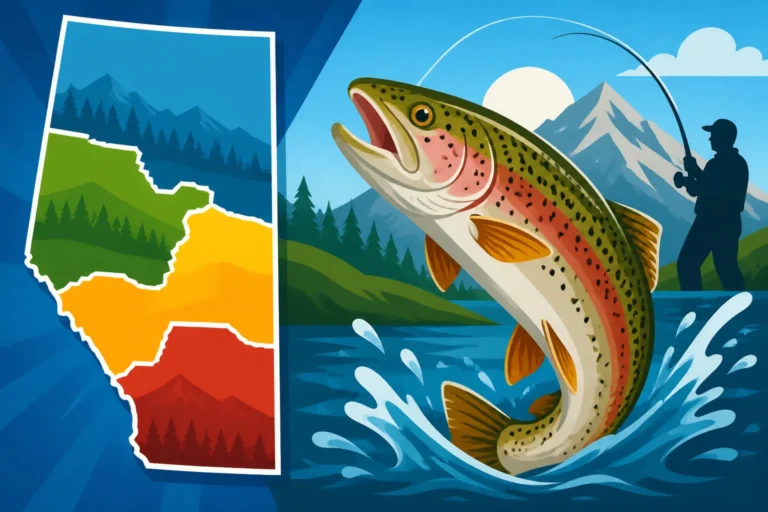
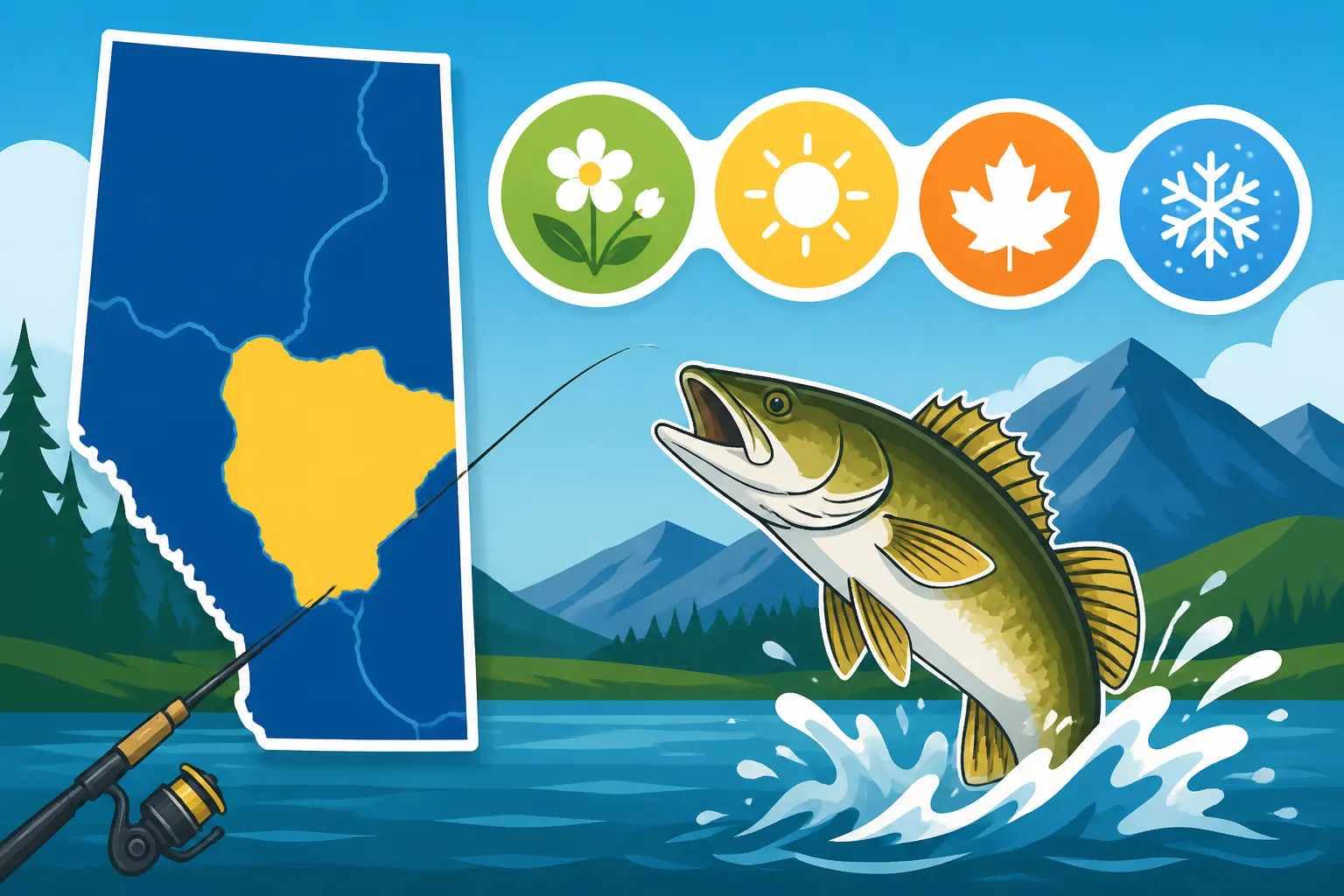
Zone ES1 stretches across a fascinating and diverse landscape, primarily covering the areas along the eastern slopes of the Rocky Mountains, from the Red Deer River basin south to the Oldman River basin. This means it includes popular angling destinations in Kananaskis Country, a huge swath of land that draws countless outdoor enthusiasts. It's characterized by its stunning mountain scenery, clear-flowing rivers, and numerous smaller streams and lakes.
For instance, if you're looking to cast a line in the upper Bow River system above Calgary, or perhaps explore some of the more remote creeks nestled in the foothills, there's a good chance you'll be within ES1. This zone is a mosaic of different habitats, from high-alpine lakes to broader valley rivers, each with its own unique characteristics and, often, specific fishing rules layered on top of the general ES1 regulations. It's crucial to consult the official maps within the Alberta Guide to Sportfishing Regulations to pinpoint exactly where the boundaries lie for any specific waterbody you plan to fish. Sometimes, a river might start in one zone and flow into another, so knowing your exact location on the water is paramount.
Why Zone-Specific Regulations are Necessary
You might wonder why we can't just have one set of rules for the whole province. The truth is, Alberta's aquatic ecosystems are incredibly varied, and fish populations face different pressures depending on where they live. What works for walleye in a large, productive prairie lake like Lesser Slave Lake might be devastating for native cutthroat trout in a delicate mountain stream.
Zone ES1, in particular, is home to sensitive trout species like bull trout and westslope cutthroat trout, which require careful management due to their susceptibility to habitat changes and angling pressure. These species often have different spawning times, growth rates, and environmental needs than, say, pike or perch found in more northern or prairie lakes. Therefore, zone-specific regulations allow fisheries managers to tailor rules, such as season dates, bag limits, and gear restrictions, to protect and sustain these localized populations. It's all about balancing angler opportunity with long-term conservation, ensuring that the incredible fishing opportunities we have today will still be there for future generations. It’s also why understanding the nuances of the rules for specific water bodies, not just the general zone, is so vital.
General Season Dates and Species in Alberta Zone ES1
Now let's get down to the nitty-gritty: the actual season dates you can expect in ES1. It's important to remember that while there are general season dates for the zone, many specific water bodies have their own special regulations that supersede the general rules. Always, and I mean always, check the specific waterbody you intend to fish.
In ES1, much of the angling focus is on trout species. You'll find rainbow trout, brown trout, cutthroat trout, and the highly protected bull trout. Mountain whitefish are also common. For many of the streams and rivers in ES1, the general open season for trout typically runs from June 16 to October 31. This timing is crucial because it aligns with the period after many trout have completed their spring spawning, giving them a chance to recover, and before the harsh winter conditions set in. Fishing outside these dates can be illegal and harmful to fish populations.
For some of the smaller lakes or stocked ponds within ES1, the season might be year-round, or it might open earlier, particularly for rainbow trout that are often stocked to provide recreational opportunities. Always confirm the specific waterbody's dates in the official guide. For species like northern pike or walleye, which are less common in the primary ES1 rivers but might exist in some of its lakes, the season dates would also need to be checked individually, as their spawning cycles and management needs differ significantly.
Common Fish Species and Their Typical Seasons
Within ES1, the stars of the show are undoubtedly the various trout species and mountain whitefish. Here’s a general overview, but again, this is general and special regulations are very common:
- Rainbow Trout: Often stocked in lakes and thriving in many rivers. General season for rivers and streams is typically June 16 – October 31. Some stocked lakes might be open year-round or have earlier openers.
- Brown Trout: Predominantly found in larger rivers like the Bow River, where they can grow quite large. Their season often follows the general June 16 – October 31 pattern.
- Cutthroat Trout: Native to many Eastern Slopes streams, particularly the Westslope variety. They are sensitive, and their seasons are tightly managed, often June 16 – October 31, frequently with catch-and-release rules. You can learn more about specific rules around them in our guide on Cutthroat Trout Native Range in Alberta
- Bull Trout: These magnificent native char are highly protected. The general rule is a zero possession limit province-wide, meaning all bull trout must be immediately released. For more on this, check out our piece on Alberta Bull Trout Zero Possession Rule Their season for angling, if permitted even for catch and release, often mirrors the June 16 – October 31 window, but check very carefully for specific water bodies.
- Mountain Whitefish: Found in most trout rivers. Their general season also typically runs June 16 – October 31. They are a fun species to target when trout might be less active.
Remember, even within these seasons, specific sections of rivers or individual lakes can have different rules. For example, a particular stretch of the Elbow River might be catch-and-release only with a fly rod, while a nearby stocked pond might allow bait and a generous bag limit. This level of detail is why just knowing "ES1 is open" isn't enough.
Exceptions and Special Regulations in ES1
This is where things get really interesting – and sometimes, a little complicated. Zone ES1 is famous for its "Special Regulation Waters." These are water bodies where the general zone rules are overridden by specific rules designed to protect unique fisheries or provide particular angling experiences. You might encounter rules like:
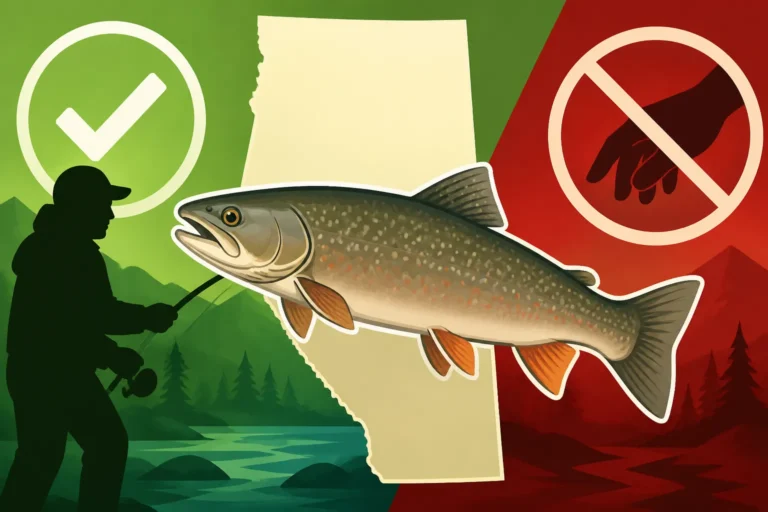
- Catch and Release Only: Many prime trout streams within ES1, particularly for sensitive species like bull trout or westslope cutthroat, are strictly catch and release. This means no fish can be kept. Our article on Alberta Catch and Release Only Waters can give you a broader understanding.
- Gear Restrictions: This is very common. You might find "fly fishing only" sections, or "barbless hook" requirements. Using a barbed hook in a barbless-only section, even accidentally, can result in a significant fine.
- Bait Bans: Certain waters may prohibit the use of bait (like worms or minnows) to reduce mortality rates, especially on catch-and-release stretches.
- Specific Season Dates: Even if the general ES1 season is June 16 – Oct 31, a particular lake might have a year-round open season for specific species, or a river might close earlier or open later to protect spawning fish.
You must look up the specific water body in the Alberta Guide to Sportfishing Regulations. It’s like buying something on Amazon; you don't just assume it's the right size, you check the product details. The guide will list "Special Regulations" by waterbody, often right after the general zone rules. Missing these details can quickly turn a fun day into a frustrating and costly experience.
Navigating the Alberta Guide to Sportfishing Regulations for ES1
Navigating the Alberta Guide to Sportfishing Regulations can feel daunting at first glance. It's a thick document packed with legal speak and tables. However, it's your absolute best friend when it comes to understanding Alberta fishing rules, including those for ES1. This guide is published annually by Alberta Environment and Protected Areas and is the definitive source of information.
The guide is typically structured with an overview of provincial regulations, followed by sections detailing general zone regulations, and then the critical "Special Regulations by Water Body" section. For ES1, you'll first locate the Eastern Slopes section, then find ES1 within that. You'll see general season dates and bag limits for common species that are assumed for the entire zone unless otherwise stated. Then, you flip to the specific water body listings. If the river or lake you're interested in is listed there, its specific rules always take precedence over the general ES1 rules.
Many anglers find it helpful to download the PDF version of the guide to their phones or tablets. It’s searchable, which can save a lot of time on the water. You can also pick up a physical copy at most fishing license vendors or from the Alberta Environment and Protected Areas offices. No matter how seasoned you are, always cross-reference your plans with the current year's guide.
Step-by-Step Guide to Finding ES1 Regulations
To make this less intimidating, here’s a step-by-step process for finding ES1 regulations:
- Obtain the Current Guide: Head to the MyWildAlberta website or pick up a physical copy. It's crucial to have the current year's guide because regulations can change annually. Our guide on Reading the Alberta Guide to Sportfishing Regulations provides an in-depth look at this process.
- Locate the Eastern Slopes Zone Section: The guide is usually divided by geographical zones. Find the "Eastern Slopes" section.
- Find ES1: Within the Eastern Slopes section, you'll see ES1 (Eastern Slopes 1) clearly marked. This section will outline the general season dates and bag limits for species within this zone, like the June 16 – October 31 window for trout. You'll also see Alberta Bag and Possession Limits by Species detailed here.
- Check "Special Regulations by Water Body": This is the most crucial step. After the general zone rules, there’s usually an alphabetical listing of individual water bodies. Look for the specific lake, river, or creek you intend to fish. If it's listed, its specific regulations (season dates, gear restrictions, bag limits, etc.) override the general ES1 rules. For instance, if you're fishing for walleye, you'll want to check Alberta Walleye Limit by Zone to make sure you're compliant, but remember, ES1 is primarily trout territory.
- Interpret the Symbols and Codes: The guide uses various symbols and codes (e.g., "C&R" for catch and release, "BH" for barbless hooks). Familiarize yourself with these legends, usually found at the beginning of the "Special Regulations" section.
- Double-Check Any Ambiguity: If anything seems unclear, err on the side of caution. Call the nearest Alberta Environment and Protected Areas office or a local tackle shop. They're often happy to clarify.
It really is an essential part of trip planning. Don't skip it!
Utilizing the MyWildAlberta Website and App
In our increasingly digital world, relying solely on a physical book isn't always the most convenient option. Thankfully, Alberta Environment and Protected Areas has done a fantastic job of providing online resources. The MyWildAlberta website is an invaluable tool. It hosts the current sportfishing regulations guide in an easily downloadable PDF format. This means you can have the entire guide on your phone or tablet, making it searchable even when you're out of cell service (just make sure you download it before you head out!).
Beyond the PDF, the MyWildAlberta portal often has interactive maps or summaries that can help visualize zone boundaries and locate specific regulations. There's also an official Alberta fishing regulations app, which many anglers find incredibly useful for quick look-ups on the water. Our guide on How to use the Alberta sportfishing regulations app delves into this in more detail. These digital tools can be a real time-saver, allowing you to quickly verify a regulation for a specific water body without fumbling through pages. Just ensure the app is updated with the latest year's regulations, as out-of-date information can be misleading. Many anglers even pick up small, waterproof cases for their phones (often found on Amazon) to keep them safe while accessing the regulations courtside.
Important Considerations for Fishing in ES1
Fishing in ES1 isn't just about knowing the season dates; it's also about understanding the broader conservation ethics and practicalities of being an angler in these sensitive environments. The Eastern Slopes are truly special, and our collective actions help preserve them. Beyond the specific dates, remember that the overall health of the fishery depends on responsible angling.
This includes proper catch-and-release techniques, especially if you're targeting protected species or fishing in waters with mandatory catch-and-release rules. Using appropriate gear, handling fish gently, and minimizing their time out of water are all crucial. In ES1, you'll often encounter pristine headwaters that are easily impacted by human activity, so practicing Leave No Trace principles is also paramount. Pack out everything you pack in, and leave the area as, or even better than, you found it.
Conservation and Catch-and-Release Practices
Conservation is at the heart of many ES1 regulations, particularly concerning native trout species. As mentioned, bull trout and westslope cutthroat trout are often subject to catch-and-release rules or zero possession limits. This isn't just a suggestion; it's a legal requirement designed to protect vulnerable populations.
When practicing catch and release, especially with fragile species like trout, certain techniques can dramatically increase the fish's survival rate:
- Minimize Handling: Keep the fish in the water as much as possible. If you must lift it for a photo, do so quickly and support its body horizontally.
- Wet Hands: Always wet your hands before touching a fish. Dry hands can remove the protective slime layer, leaving the fish susceptible to disease.
- Barbless Hooks: Many ES1 waters mandate barbless hooks for a reason. They make hook removal much easier and reduce harm. You can easily crimp the barb on most hooks with a pair of pliers.
- Quick Release: Use forceps or pliers to quickly remove the hook. Avoid excessive struggling.
- Revive the Fish: If a fish is lethargic, hold it gently in the current until it can swim away on its own. Don't simply toss it back.
By adhering to these practices, you're not just following the rules; you're actively contributing to the health and abundance of the fish populations we all cherish. You can also explore Alberta Catch and Release Only Waters for more detailed information on specific locations.
Responsible Angling and Ethical Behavior
Beyond the legal requirements, ethical behavior is a cornerstone of responsible angling. This includes respecting other anglers, private property, and the environment. In popular areas within ES1, such as stretches of the Bow River or Crowsnest River, you'll often encounter other people fishing. Give them space, avoid wading through their fishing spots, and keep noise to a minimum.
Ethical angling also extends to what you take home. Even if a specific water body allows for a bag limit, consider whether you need to keep fish. Many anglers choose to voluntarily release all or most of their catch, especially larger, older fish that are valuable breeders. If you do decide to keep fish, make sure you know your Alberta Bag and Possession Limits by Species and clean them away from the water's edge to avoid attracting scavengers or impacting water quality. Always pack out all your trash, including discarded fishing line and bait containers. These small actions collectively make a huge difference in maintaining the quality of our fishing experiences.
Checking for Emergencies and Updates
Finally, always be aware that conditions can change rapidly in the Eastern Slopes, which can impact fishing seasons or access. Rivers can blow out with heavy rain, making them unfishable or even dangerous. Forest fires can lead to area closures, and unexpected regulation changes can occur.
Before heading out to fish in ES1, it's a good habit to check a few things:
- Weather Forecast: Mountain weather is notoriously unpredictable. Be prepared for anything.
- Water Levels: Check real-time water levels (e.g., through Alberta Environment and Protected Areas' streamflow data) for rivers you plan to fish. High, muddy water makes fishing difficult and can be unsafe.
- Alberta Environment and Protected Areas Alerts: Keep an eye on the MyWildAlberta website for any emergency closures, advisories, or regulation updates that might affect your chosen fishing spot. These could be related to specific Special Regulation Waters in Alberta or broader environmental concerns.
- Local News/Forums: Local fishing forums or tackle shops are often excellent sources of up-to-the-minute information on fishing conditions and any unofficial word-of-mouth updates.
Being prepared for the unexpected is part of the adventure, but being informed about closures or dangerous conditions is simply being responsible.
Conclusion
Understanding Alberta's ES1 zone season dates and regulations might seem like a lot to take in, but with the right resources and a commitment to responsible angling, it becomes second nature. By knowing the general ES1 season dates, diligently checking for special regulations on specific water bodies, and practicing good conservation habits, you'll be well on your way to enjoying some of Alberta's most spectacular fishing opportunities. Always carry your current guide, or have it downloaded on your phone, and make sure you've got your valid Alberta Fishing License Guide for 2026 and WIN card. Tight lines, and happy fishing!
Disclaimer
The information provided in this guide is for general informational purposes only and is not a substitute for the official Alberta Guide to Sportfishing Regulations. Regulations can change annually and by specific water body. Always consult the most current official guide and relevant provincial authorities before engaging in any fishing activities. Compliance with all applicable laws and regulations is the sole responsibility of the angler.