Special Regulation Waters in Alberta
There's nothing quite like the excitement of planning an Alberta fishing trip, but that excitement can quickly turn to frustration when you start trying to decipher the provincial regulations. It often feels like you need a law degree just to figure out where you can fish and what you can keep! Many anglers, myself included, have stood by a beautiful lake or river, rod in hand, completely unsure if they're following the rules because the "general regulations" you memorized seem to vanish in favour of special rules for that specific spot. This guide is here to help you cut through that confusion and understand the ins and outs of special regulation waters across Alberta, ensuring your next outing is both productive and compliant.
What Exactly Defines Special Regulation Waters in Alberta?
When you first dive into fishing in Alberta, you'll quickly learn about the overarching provincial regulations. These are the general rules that apply almost everywhere unless explicitly stated otherwise. However, many of Alberta's most cherished and ecologically sensitive water bodies operate under a different set of rules – these are known as "special regulation waters." Ignoring these specific guidelines, even unintentionally, can lead to hefty fines and enforcement action, spoiling an otherwise perfect day on the water.
The Core Concept Beyond General Rules
Think of general regulations as the baseline. They cover things like the basic requirements for an Alberta Fishing License Guide for 2026, overall provincial bag limits for common species, and general season dates. But Alberta's diverse aquatic environments, from the glacial-fed mountain rivers to the vast prairie lakes, each have unique ecosystems and varying fish populations. A "special regulation water" is essentially a specific lake, river, or even a section of a river that has its own tailored set of rules, overriding the general provincial regulations.
These rules aren't arbitrary; they are carefully crafted by Alberta Environment and Protected Areas (AEPA) based on scientific assessments of fish stocks, spawning patterns, and conservation needs. For example, a river known for its vulnerable bull trout population will likely have much stricter rules than a stocked pond teeming with rainbow trout. The core concept is all about localized management to ensure sustainable fishing for generations to come, but it certainly adds a layer of complexity for us anglers to navigate.
Identifying a "Special Regulation" Water
So, how do you know if the water body you're heading to is under special regulations? This is where many anglers get tripped up. You can't just assume a small creek will follow the same rules as a major river. The primary source for this crucial information is the official Reading the Alberta Guide to Sportfishing Regulations. This guide is published annually and is an absolute must-have for every angler. Within its pages, specific lakes, rivers, and sections of rivers are listed with their unique regulations.
Beyond the physical guide, there are digital resources that make identification a bit easier. The MyWildAlberta website is an excellent resource, often featuring an interactive map where you can search for a specific water body and view its regulations. Many seasoned anglers also rely on the Alberta Fishing Regulations App and Zone Lookup, Explained, which offers on-the-go access to detailed rules. When you pull up information for a specific waterbody, look for keywords like "Special Regulations Apply" or a table of rules that differ significantly from the general provincial guidelines. If you see specific restrictions on bait, hooks, size, or seasons listed next to a particular body of water, you've found a special regulation water.
Why Do We Have These Specific Rules?
It’s easy to feel overwhelmed by the sheer volume of rules and regulations, especially when you encounter special regulations that seem to change from one bend of the river to the next. But these rules aren't designed to make fishing harder; quite the opposite. They are vital tools in managing Alberta’s fisheries, ensuring that our grandchildren, and their grandchildren, can enjoy the same incredible angling experiences we do today.
Protecting Vulnerable Fish Populations
One of the most critical reasons for special regulations is the protection of vulnerable fish populations. Alberta is home to several species that face environmental pressures, habitat loss, or slow reproductive rates, making them particularly susceptible to overfishing. A prime example is the native bull trout. These magnificent fish are highly sensitive to habitat disturbance and angling pressure. To safeguard their numbers, many waters where bull trout reside have a Alberta Bull Trout Zero Possession Rule, meaning any bull trout caught must be immediately and carefully released. Other areas might implement catch-and-release only rules or specific season closures to protect spawning grounds.
These conservation efforts extend to other species too. For instance, some walleye populations in certain lakes have faced challenges, leading to highly specific regulations like the Alberta Walleye Special Harvest Licence Program in designated lakes, or adjusted slot limits designed to protect breeding-size fish. Without these targeted regulations, some of Alberta's most iconic and ecologically important fish species could face severe decline, permanently altering our aquatic ecosystems.
Enhancing the Angling Experience
While conservation is paramount, special regulations also serve to enhance the angling experience. Imagine fishing a pristine mountain stream that is constantly being harvested, or a world-renowned trout river that is overrun with anglers using methods that decimate the fish population. Special regulations can create "quality fisheries" – places where the focus shifts from quantity (how many fish you can keep) to quality (the size, health, and challenge of catching fish).
This often manifests as "catch and release only" sections, such as those found on parts of the Bow River or Crowsnest River. By mandating that all fish be released unharmed, these sections allow trout to grow larger, become more numerous, and provide an exceptional challenge for anglers. Similarly, "fly-fishing only" or "single barbless hook" rules, often found in our most famous trout streams, reduce mortality rates and maintain the delicate balance required for a thriving wild trout fishery. Anglers who frequent these areas appreciate the opportunity to target larger, healthier fish, knowing that the regulations are in place to preserve that experience for everyone. It's about ensuring a sustainable and rewarding pursuit, not just a harvest.
Managing Specific Water Bodies for Sustainability
Alberta's water bodies are incredibly diverse, and a one-size-fits-all approach simply doesn't work for their management. Special regulations allow AEPA to implement tailored rules that address the unique conditions and pressures of individual lakes, rivers, and even specific sections of water. For instance, a small, easily accessible stocked pond might have very generous limits to encourage harvest and provide recreational opportunities, whereas a large, remote lake with a delicate lake trout population, like Cold Lake, will have much stricter rules on catch limits or season dates.
Take, for example, Alberta Lake Trout Limit on Cold Lake. These specific rules are in place because lake trout are long-lived and slow to reproduce, making them vulnerable to overfishing if not carefully managed. Another example might be waters that close early in the fall to protect spawning fish, or those with unique Alberta Zone-Specific Season Dates, Explained due to local climatic conditions affecting ice-out or spawning migrations. These specific rules help prevent localized depletion, manage invasive species (in some cases), and ensure that each water body can continue to support its unique fishery in a healthy and sustainable way. It’s a nuanced approach to an incredibly complex challenge.
Common Types of Special Regulations You'll Encounter
Navigating Alberta's special regulation waters means becoming familiar with a variety of rules that can impact how, when, and what you fish. These aren't just minor suggestions; they are legally binding requirements that demand your attention before you cast a line.
Gear Restrictions: Barbless Hooks, Bait Bans, Fly-Fishing Only
One of the most frequent types of special regulations you'll encounter revolves around your gear. These rules are primarily designed to minimize harm to fish, especially in catch-and-release fisheries, and to prevent the introduction of harmful organisms or substances.
- Barbless Hooks: Many of Alberta's pristine trout streams, particularly the popular ones, mandate Alberta Barbless Hook Requirement Waters. This means your hooks must either be manufactured without a barb or have the barb pinched down completely so it doesn't snag. The purpose is simple: a barbless hook causes less damage to a fish's mouth and can be removed much more easily, significantly increasing the fish's chances of survival after release. If you're heading to a river like the Bow or the Crowsnest, always check if barbless hooks are required. You can usually find a good selection of barbless hooks or tools to pinch down barbs on Amazon before your trip.
- Bait Bans: In many sensitive waters, particularly those with wild trout populations or areas designated for catch-and-release, there will be a "bait ban." This means you cannot use anything considered "bait," which includes live or dead minnows, worms, grubs, maggots, or even scented soft plastics. The rationale here is twofold: bait fishing often leads to deeper hooking, increasing mortality, and it also prevents the accidental introduction of invasive species or diseases through bait. In these areas, you're typically restricted to using artificial flies or lures.
- Fly-Fishing Only: This is a more specific gear restriction often found on particularly sensitive or high-quality trout streams. As the name suggests, only fly-fishing gear (fly rod, fly reel, fly line, and artificial flies) is permitted. These Alberta fly fishing only special regulation waters are managed to provide a unique angling experience and further minimize stress on fish populations, promoting the art of fly-fishing while ensuring a sustainable fishery.
Harvest and Possession Limits: Zero Possession, Slot Limits, Daily Bag Limits
Beyond gear, how many fish you can keep, if any, is a huge part of special regulations. These limits vary wildly depending on the species and the health of the local fish population.
- Zero Possession: As mentioned with bull trout, "zero possession" means you are not allowed to keep any of that specific fish species, regardless of size. If you catch one, it must be released immediately and unharmed. This is a critical conservation measure for threatened or endangered species. You'll find many Alberta Catch and Release Only Waters where this rule applies to all species, or specific species within that water.
- Slot Limits: This is a common and often confusing regulation for species like walleye and pike. A "slot limit" specifies a range of sizes that you must release, while allowing you to keep fish both below and/or above that range. For example, a regulation might state you can keep fish under 43 cm, and over 63 cm, but any fish between 43 cm and 63 cm must be released. These limits are designed to protect the breeding-size fish (the ones in the "slot") which are crucial for the population's future. For instance, checking the Alberta Walleye Limit by Zone will often reveal specific slot limits for various lakes. It’s always a good idea to have a measuring tape with you.
- Daily Bag and Possession Limits: While general regulations set provincial limits for different species, special regulation waters often have much tighter limits. For example, the provincial limit for pike might be three, but a specific lake could have a special regulation of "one pike over 63 cm and two under 63 cm," or even just "one pike" regardless of size. It's crucial to consult the specific waterbody's entry in the regulations guide because the general limits usually won't apply. Knowing your bag and possession limits for each species in the waters you're fishing is non-negotiable.
Season Dates and Time Restrictions: Unique Openers, Closures, Night Fishing Bans
Finally, special regulations can dictate when you can fish a particular water body, down to the time of day.
- Unique Opening and Closing Dates: While there are general provincial season dates for many species (e.g., trout opener on May 15th), many special regulation waters have their own specific seasons. A river might open later to protect spring spawners, or close earlier in the fall for the same reason. For example, the Alberta Trout Season Opener Dates by Zone will show you how these dates can differ. It’s not uncommon to find a water body that is entirely closed for fishing for certain months of the year, or even year-round for extremely sensitive areas.
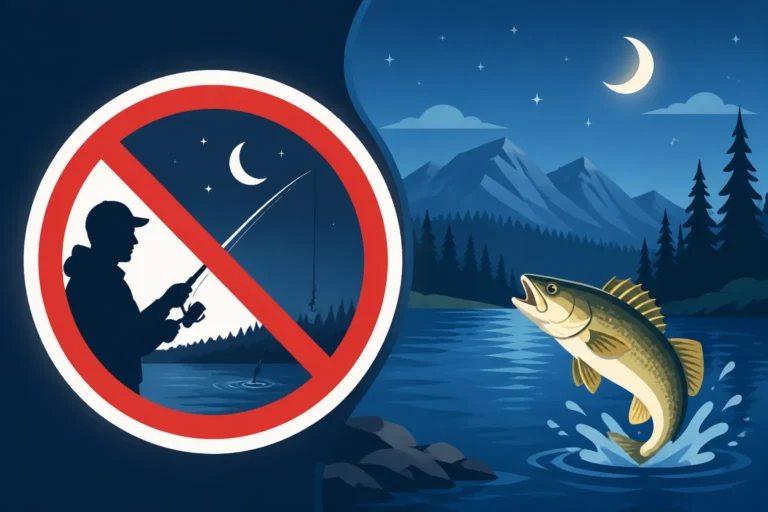
- Night Fishing Bans: To manage fishing pressure and prevent poaching, some waters implement Alberta Night Fishing Restrictions. This means fishing is only permitted between certain hours, typically from one hour before sunrise to one hour after sunset. These regulations are particularly common on easily accessible lakes or rivers, especially during peak seasons. Always check for time restrictions if you plan on fishing early morning or late evening.
Navigating the Alberta Guide to Sportfishing Regulations
The Alberta Guide to Sportfishing Regulations is your bible when it comes to understanding where and how you can fish. It's comprehensive, but it can also be a bit daunting for newcomers or even seasoned anglers who aren't used to diving deep into regulatory text. Think of it as a detailed map to successful and legal fishing.
Decoding the Zone-Specific Maps and Tables
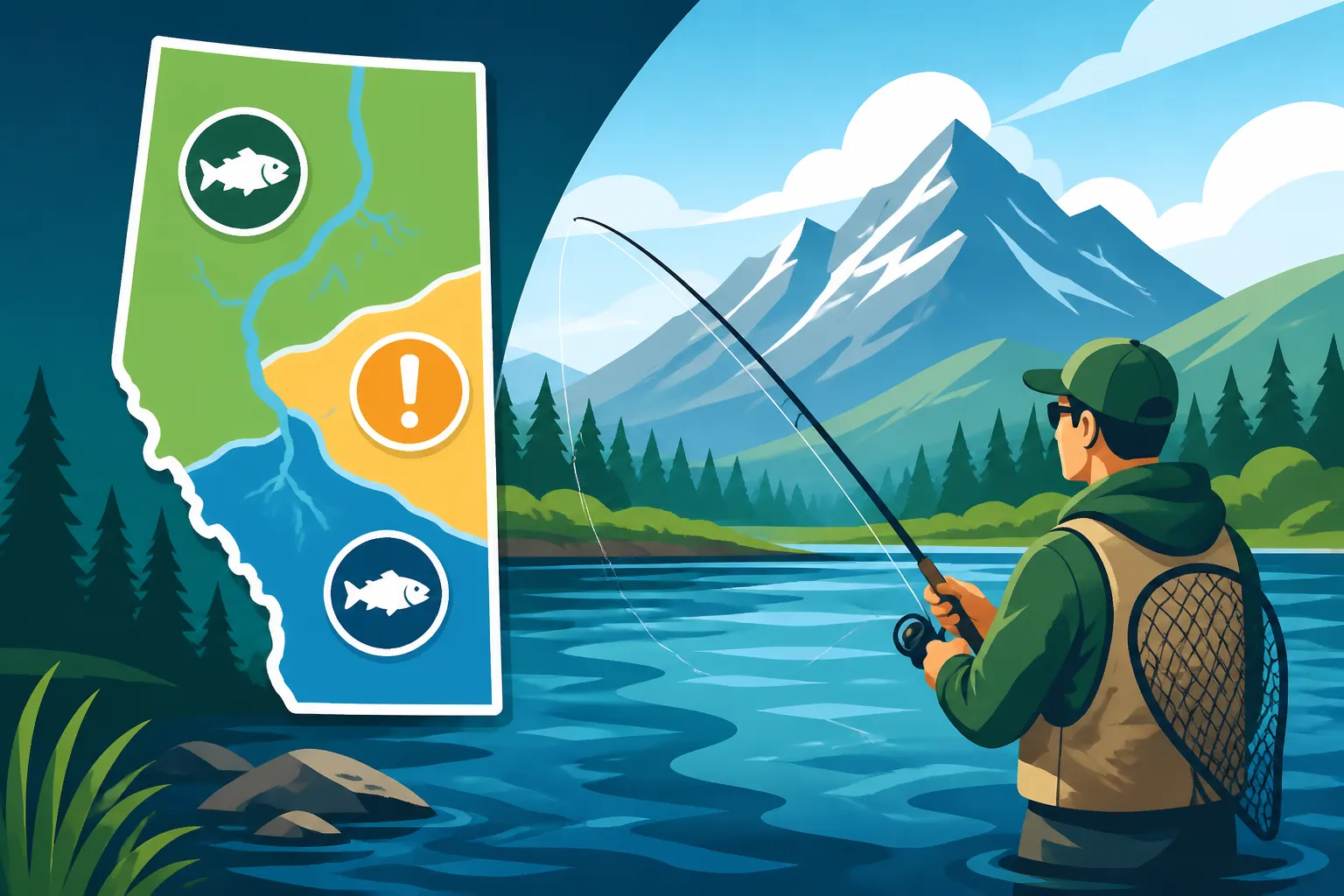
The guide is broken down into various "zones" (e.g., Eastern Slopes, Prairie, Northern Boreal). Each zone has its own introductory section outlining the general regulations that apply to most waters within that zone. This is your first point of reference. However, the real meat of understanding special regulations comes from the detailed lists of individual water bodies.
You'll find extensive tables listing specific lakes and rivers, often alphabetically within each zone. This is where you need to pay close attention. Locate the water body you intend to fish. If it's listed, any regulation specified there overrides the general regulations for that zone. For example, the general trout limit for the Eastern Slopes might be three, but the table entry for a specific stretch of the Bow River might clearly state "Trout: Catch & Release Only." That specific rule is what you must follow. These tables will explicitly detail special seasons, bait restrictions, barbless hook requirements, and specific bag and possession limits. It’s a process of elimination: start general, then get specific. If a water body isn't listed under special regulations, the general zone rules apply.
The MyWildAlberta App and Online Resources
In this digital age, wrestling with a paper guide isn't always the most convenient option, especially when you're already at the boat launch or riverside. Fortunately, Alberta Environment and Protected Areas has embraced technology to make regulations more accessible. The MyWildAlberta website is a fantastic online portal where you can view the entire digital guide, search for specific regulations, and often find updates or advisories that might not be in the printed version.
Even better is the official Alberta Fishing Regulations App and Zone Lookup, Explained. This app, available for both iOS and Android, puts all the regulatory information right in your pocket. You can use its interactive map features to pinpoint your location or search for a specific water body, and it will pull up all the relevant general and special regulations. This is incredibly useful for double-checking rules on the fly. Many anglers swear by it, downloading the regulations for offline use (because let's face it, cell service isn't always great by the water). Carrying your phone with the app, perhaps in a waterproof case you picked up from Amazon, can be a game-changer for staying compliant.
Practical Tips for Anglers in Special Regulation Areas
Understanding special regulations is one thing, but consistently applying them in practice is another. It takes a bit of preparation and a healthy dose of caution to ensure your fishing adventures in Alberta's diverse waters are always on the right side of the law.
Pre-Trip Planning and Gear Checks
The single most important tip for fishing special regulation waters is to do your homework before you leave home. This isn't a situation where you can just wing it.
- Consult the Guide (Paper or Digital): Before every trip, take a few minutes to look up the specific lake or river you'll be fishing in the current Alberta Guide to Sportfishing Regulations. Pay attention to the zone, then cross-reference with the detailed water body lists. Are there any specific bait bans? Do you need barbless hooks? What are the season dates? If you're using the app, make sure it's updated.
- Review All Species: Don't just check the regulations for your target species. Know the rules for all species that might be present in that water. You might be targeting pike, but accidentally catch a bull trout. Knowing the zero possession rule for bull trout beforehand is crucial.
- Prepare Your Tackle: Based on the regulations, prepare your tackle box accordingly. If there's a bait ban, leave the worms at home. If barbless hooks are required, ensure all your lures have them or carry a pair of pliers to pinch them down. Many anglers find it helpful to have separate tackle boxes or trays for "bait-allowed" and "artificials-only" waters to prevent accidental mix-ups. You can find specialized barbless hooks or even hook pliers on Amazon if you need to stock up.
- Measure Up: Always carry a measuring device. A soft tape measure or a rigid bump board is essential for accurately measuring fish against slot limits or minimum/maximum size requirements. This is especially important for species like walleye or pike where specific Alberta Walleye Limit by Zone rules might apply.
When in Doubt, Ask or Err on the Side of Caution
Even with all the preparation, sometimes you might still find yourself uncertain about a specific rule. Maybe the water looks like it could be part of a regulated stretch, but you're not sure where the boundary lies. Or perhaps a regulation seems ambiguous.
- Ask a Local Expert: If you're visiting a new area, strike up a conversation at a local tackle shop or marina. The folks who live and fish there daily are often a fantastic source of hyper-local knowledge about specific stretches of water and their regulations. They can often provide insights that might not be immediately obvious from the general guide.
- Contact Enforcement: Don't hesitate to reach out directly to Alberta Environment and Protected Areas officers or local Fish and Wildlife offices if you have a genuine question about a regulation. It's far better to ask for clarification than to risk a fine. They are there to help ensure compliance and conserve resources.
- Err on the Side of Caution: This is the golden rule. If you are truly unsure about a regulation, always choose the most conservative option. For example, if you're not 100% sure about a bait ban, use only artificial lures. If you're unsure about a size limit, practice catch and release for that species. It's always better to go home without a fish than to go home with a ticket or, worse, to inadvertently harm a vulnerable fish population. Your integrity as an angler depends on it.
Table of Common Special Regulations in Alberta
To help you quickly grasp the most common types of special regulations, here's a handy table summarizing what they are and their typical implications for your fishing trip. Remember, always refer to the official Alberta Guide to Sportfishing Regulations for the most accurate and up-to-date information for your specific fishing location.
| Regulation Type | Description | Common Purpose | Angler Action Required |
|---|---|---|---|
| Barbless Hooks | All hooks used must be without a barb (pinched down or manufactured that way). | Reduce fish mortality for catch & release. | Check/pinch all hook barbs before fishing. |
| Bait Ban | No natural or scented baits (worms, minnows, maggots, PowerBait, etc.) allowed. | Reduce deep hooking; prevent disease/invasives. | Use only artificial lures or flies. |
| Catch & Release | All fish of a specified species (or all species) must be immediately released. | Conservation of vulnerable/trophy populations. | Handle fish minimally, release quickly. |
| Slot Limit | Only fish outside a specific size range can be kept. | Protect breeding-size fish. | Measure all kept fish; release those in the protected slot. |
| Zero Possession | No fish of a specific species can be kept, ever. | Extreme conservation for highly vulnerable fish. | Immediately release any caught fish of that species. |
| Fly-Fishing Only | Only fly rods, reels, lines, and artificial flies are permitted. | Provide quality angling; reduce mortality. | Use appropriate fly-fishing gear and techniques. |
| Season Closure | Fishing is prohibited during specific dates (e.g., spawning season). | Protect spawning fish or juvenile fish. | Do not fish the water body during closed periods. |
| Night Fishing Ban | Fishing is restricted to daylight hours (e.g., 1 hour before sunrise to 1 hour after sunset). | Manage pressure; deter poaching. | Do not fish outside the permitted hours. |
Disclaimer
The information provided in this guide is for general informational purposes only and is not a substitute for the official Alberta Guide to Sportfishing Regulations. Regulations can change, and it is the responsibility of every angler to consult the current official guide published by Alberta Environment and Protected Areas before fishing. Failure to comply with regulations can result in significant fines and penalties.