Life Jacket Requirements for Alberta Boaters
Navigating Alberta's beautiful waters, whether you're chasing walleye on Lesser Slave Lake or fly fishing for trout on the Bow River, is an incredible experience. But the joy can quickly turn to tragedy if you're not prepared, and one of the most common oversights is understanding the rules around life jackets. It's easy to assume you know the drill, but the specific requirements for life jackets, or Personal Flotation Devices (PFDs), in Alberta can be a bit confusing, leaving many boaters unknowingly at risk or facing fines. This comprehensive guide is here to untangle all those regulations, ensuring you and your loved ones stay safe and compliant on every aquatic adventure.
The Unseen Dangers of Alberta's Waters
When we head out onto a calm lake or a gently flowing river, it's easy to get complacent. The sun is shining, the fish are biting (hopefully!), and the thought of an emergency seems miles away. But Alberta's waters, as beautiful as they are, harbor unseen dangers that can turn a perfect day into a nightmare in a matter of seconds. Understanding these inherent risks is the first step in appreciating why Transport Canada, and thus Alberta, takes life jacket regulations so seriously.
The Shocking Reality of Cold Water Immersion
One of the biggest, yet often underestimated, threats on Alberta's lakes and rivers is the sheer cold of the water. Even in the height of summer, many larger lakes and mountain-fed rivers, like parts of the Oldman River or the glacial-fed Bow River, remain shockingly frigid. If you accidentally fall overboard, this isn't just an uncomfortable dunk; it's a genuine life-threatening situation. The immediate physiological response, known as cold shock, causes an involuntary gasp for air, often followed by hyperventilation. If your head goes under during that gasp, you can inhale water, leading to drowning almost instantly.
Even if you don't inhale water, the cold saps your strength incredibly fast. Within minutes, your muscles become uncooperative, making it incredibly difficult to swim, tread water, or even grab onto a rescue device. Hypothermia then sets in, further impairing your judgment and physical ability. A properly worn life jacket buys you precious time by keeping your head above water and conserving body heat, giving rescue efforts a chance to succeed. Without one, even strong swimmers can succumb to the cold's brutal grip.
Unpredictable Conditions and Sudden Emergencies
Alberta's weather is famously fickle. A serene morning can give way to a fierce afternoon thunderstorm with white-capping waves and driving rain, particularly on larger bodies of water like Lesser Slave Lake or Pigeon Lake. These sudden changes can capsize small boats, throw occupants overboard, or disable engines far from shore. Imagine you're enjoying a quiet afternoon fishing on a smaller lake, and an unexpected gust of wind or the wake from a passing powerboat throws you off balance. Or, perhaps your boat encounters a submerged log or rock in a river, causing an abrupt stop or even a flip.
In such chaotic moments, there's no time to fumble for a stowed life jacket. Panic sets in, and the instinct to survive is primal. Having a life jacket already on, or immediately accessible and donned, is the only way to ensure you stay afloat and visible amidst the confusion. These aren't hypothetical scenarios; they happen with unfortunate regularity, reminding us that nature can be unforgiving, and preparedness is our best defense.
Saving Lives: The Undeniable Statistics
It's a stark truth that the vast majority of recreational boating fatalities involve individuals who were not wearing a life jacket or PFD. Studies consistently show that wearing a life jacket would have prevented many of these tragic outcomes. These aren't just numbers; they represent families torn apart, communities in mourning, and lives cut short prematurely. The message from organizations like Transport Canada and the Canadian Safe Boating Council is clear and unequivocal: life jackets save lives.
Consider the ripple effect of a drowning. Beyond the immediate loss, there's the emotional devastation for friends and family, the trauma for witnesses, and the resource strain on emergency services. Every decision to forgo wearing a life jacket is a gamble, not just with your own life, but with the well-being of those who care about you. It's a simple, proactive step that offers an unparalleled level of protection against the most severe consequences of a boating accident.
Navigating the Law: Mandatory Life Jacket Requirements in Alberta
When you're out on the water in Alberta, whether you're in a motorized boat, a canoe, a kayak, or even on a stand-up paddleboard, you're governed by federal regulations set by Transport Canada. These aren't just suggestions; they are legally binding rules designed to keep everyone safe. Understanding the nuances between different types of flotation devices and knowing exactly what's required on your vessel is absolutely critical. It's not enough to just have them; they must be the right kind, in good condition, and readily accessible.
PFD vs. Life Jacket: Decoding the Legal Distinction
This is where a lot of confusion lies. Many people use "life jacket" and "PFD" (Personal Flotation Device) interchangeably, but legally, and in terms of performance, there's a significant difference that Transport Canada highlights.
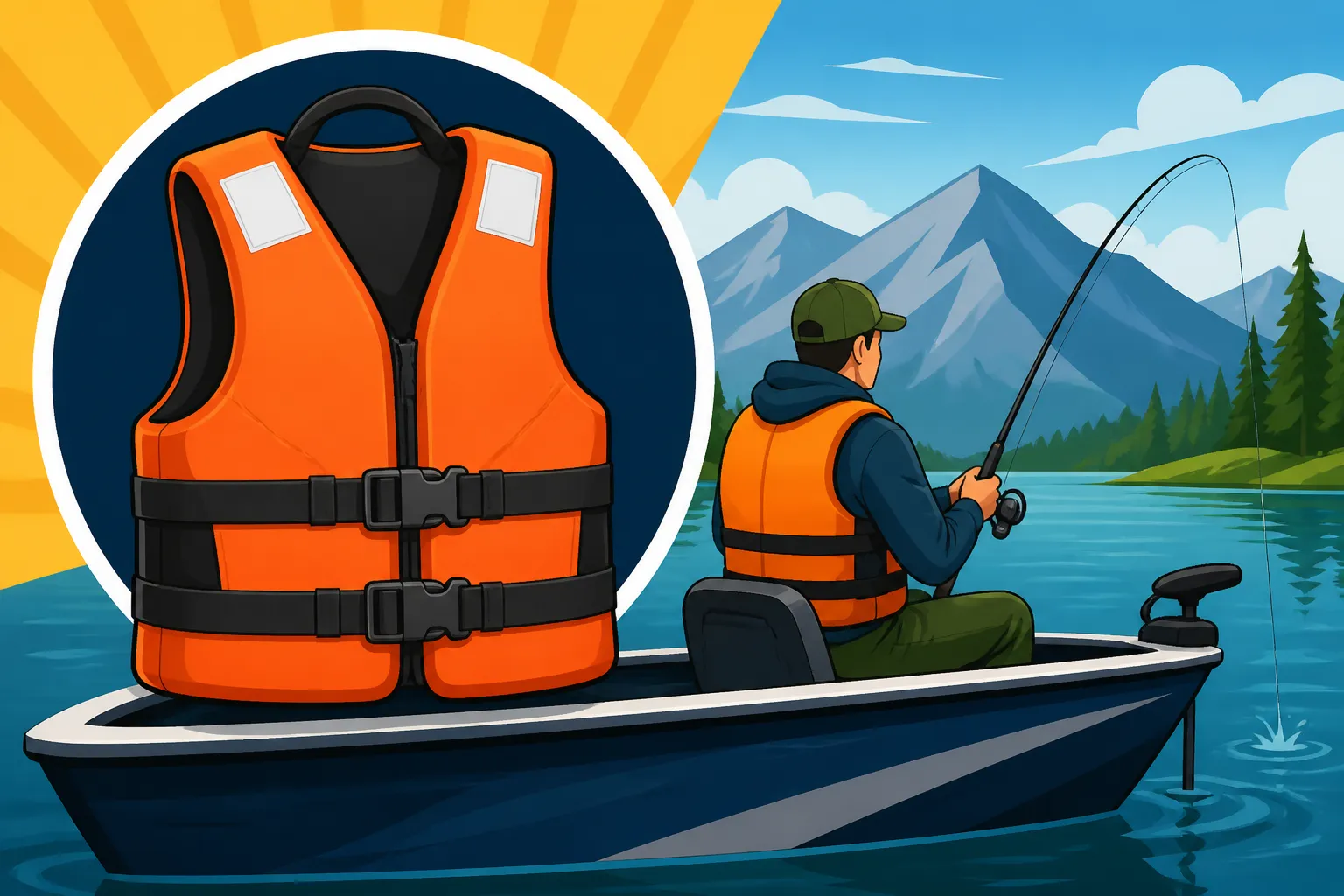
- Life Jackets: These are designed primarily to save your life. They typically offer more buoyancy than PFDs and are specifically engineered to turn an unconscious person face-up in the water, even if they're injured. They're often brightly coloured (orange, red, yellow) for maximum visibility and come in a limited range of sizes. They're essential if you're venturing into rough, open waters or if there's a higher risk of being incapacitated.
- PFDs (Personal Flotation Devices): PFDs are designed for comfort and wearability during activities like kayaking, canoeing, or fishing. They offer good buoyancy and will keep you afloat, but they are not guaranteed to turn an unconscious person face-up. They come in a much wider array of styles, colours, and designs, often with pockets and features appealing to anglers or paddlers.
The law generally states you must have an approved life jacket or PFD for each person on board. "Approved" means it bears a label indicating it's approved by Transport Canada, the Canadian Coast Guard, or a recognized foreign certification body (e.g., U.S. Coast Guard for some specific vessels, but typically Canadian standards apply for Canadian waters). So, while a PFD offers more comfort for an active day, a traditional life jacket provides the highest level of safety, particularly if you might be alone or in very cold, challenging conditions. Always check the label to confirm approval and buoyancy rating.
Quantity, Sizing, and Condition for All Onboard
It's not enough to just have a life jacket; you need the right life jacket for each person. The regulations are very clear:
- One Per Person: Every person on board your vessel, regardless of age, must have an approved life jacket or PFD. This includes infants, toddlers, children, teenagers, and adults.
- Proper Sizing: Each device must be correctly sized for the individual it's intended for. A child's PFD won't fit an adult, and an adult's PFD will be useless, or even dangerous, on a child. Ensure the weight and chest size limits on the label match the wearer. For example, if you're taking your nephew out on the boat, make sure his PFD isn't one he's "grown into" from last year, or worse, one that's clearly too big. The fit should be snug but comfortable, without riding up around the ears.
- Good Condition: Life jackets and PFDs must be in good working order. This means no rips, tears, broken zippers, missing buckles, or excessive fading that compromises the integrity of the material. The buoyancy material shouldn't be compressed or waterlogged. Take the time to inspect them before each season, and regularly throughout. A life jacket that's been stored improperly, or has been in use for many years, might no longer provide the buoyancy it's rated for. It's a good idea to perform a buoyancy check at the beginning of the season in shallow water to ensure it still performs as expected.
Remember, compliance isn't just about avoiding a fine; it's about providing effective flotation when it truly matters. An improperly sized or damaged life jacket is as good as no life jacket at all.
When Must a Life Jacket Be Worn?
This is another common area of misunderstanding. While the law mandates you have an approved life jacket or PFD for everyone on board, it doesn't always mandate you wear it. However, common sense and best safety practices often dictate that wearing it is the safest option.
Mandatory Wearing Scenarios:
- Children Under 16 on Personal Watercraft (PWC): In Alberta, all persons under the age of 16 operating or being towed by a Personal Watercraft (PWC) must wear an approved life jacket or PFD. This is a critical rule to protect our youngest adventurers on these powerful machines.
- Children in Open Boats: While not strictly mandated by federal law to wear it at all times in all open boats, some provincial or municipal bylaws may exist, and it is universally recommended. For instance, when it comes to any vessel under 6 meters (about 19.7 feet) that is underway, children 12 and under must have a PFD available and there should be a competent adult supervising. It's really just safer to have them wear it constantly.
- Paddlers and Small Vessels (Strongly Recommended/Often Required by Practice): While federal law primarily focuses on having the device on board and readily accessible for vessels like canoes, kayaks, and stand-up paddleboards, many paddlers recognize the immediate danger of capsizing and wear their PFDs consistently. In some jurisdictions or specific areas (e.g., whitewater rafting, or certain provincial park regulations), wearing a PFD may be explicitly required. Always check local regulations. For serious anglers venturing out in a kayak or canoe, wearing your PFD makes perfect sense – you can't put it on once you're already in the water.
- Specific Activities: If you're being towed behind a boat (e.g., waterskiing, wakeboarding, tubing), you are legally required to wear an approved PFD or life jacket.
"Readily Accessible" Means What?
For all other circumstances where wearing is not mandatory, the life jacket or PFD must be "readily accessible." This doesn't mean it can be stowed away in a locked compartment under a pile of gear. It means it must be immediately available to be put on in an emergency. Imagine hitting a wave on the Bow River, or your engine dying on Lake Athabasca, and someone falls out. Can they grab it and put it on in seconds? If not, it's not readily accessible. Many experienced boaters keep them either on, or draped over a seat, or in an open storage compartment within arm's reach.
You might also be interested in a broader overview of Alberta Boating Laws for Anglers, which covers more safety elements beyond just life jackets.
Selecting the Right Flotation Device for Your Alberta Adventures
Choosing a life jacket or PFD isn't a one-size-fits-all decision, especially with the variety of activities Alberta's waters offer. Just as you wouldn't use a delicate fly rod for heavy lake trout trolling, you shouldn't expect one type of PFD to suit every scenario. Understanding the different categories and how they perform is key to making an informed choice that prioritizes both safety and comfort.
Types of Life Jackets and PFDs: Inflatable, Foam, and Hybrid
Transport Canada classifies life jackets and PFDs into various types based on their design and buoyancy characteristics. Knowing these can help you pick the best one for your specific needs.
- Inherently Buoyant (Foam) PFDs/Life Jackets: These are the most common and arguably the most reliable. They are filled with closed-cell foam that provides constant buoyancy. They don't require any action from the wearer to activate, making them ideal for children, weak swimmers, or anyone who might be unconscious. They are robust, require minimal maintenance, and are generally less expensive. The trade-off is often bulkiness, which some people find restrictive, especially when actively fishing or paddling. For general boating on a runabout on Sylvan Lake or a larger fishing boat on Cold Lake, these are an excellent, dependable choice. You can find a wide variety of these, from basic vests to more feature-rich fishing PFDs, easily online on platforms like Amazon.
- Inflatable PFDs: These offer a sleeker, less bulky profile, making them very popular among anglers and those who dislike the restrictiveness of foam vests. They provide buoyancy only when inflated, either automatically upon immersion in water (hydrostatic or water-activated models) or manually by pulling a cord. They typically offer more buoyancy than foam PFDs. However, they require careful maintenance, regular inspection of the CO2 cylinder, and rearming kits after each inflation. They are also generally not approved for persons under 16 or for non-swimmers, as the wearer must be conscious and able to assist in their inflation. If you're a seasoned angler who wants maximum freedom of movement while casting on the Bow River, an inflatable PFD can be a great option, but understand its limitations and maintenance needs.
- Hybrid PFDs: As the name suggests, these combine elements of both foam and inflatable designs. They offer some inherent foam buoyancy for minimal flotation (often enough to keep you afloat in calm waters) and additional inflatable buoyancy that can be activated when needed. They strike a balance between comfort and inherent safety, offering a step up from a purely inflatable PFD in terms of immediate flotation. These can be a good compromise for those who want less bulk than a full foam vest but more inherent safety than a purely inflatable one.
Fit, Comfort, and Activity-Specific Designs
Beyond the type, the fit and design are paramount for both safety and encouraging consistent wear. A PFD that's uncomfortable or ill-fitting is less likely to be worn, defeating its purpose.
- Proper Fit: This is non-negotiable. A PFD should fit snugly but allow for full range of motion. Test the fit by lifting your arms above your head; if the PFD rides up past your ears, it's too large. For children, this is especially critical, as an ill-fitting PFD can slip off in the water. Look for adjustable straps at the shoulders, sides, and waist to customize the fit.
- Comfort: Modern PFDs come with features designed for comfort, such as mesh panels for ventilation, ergonomic cuts for paddling, and softer foam materials. If you're planning a long day of fishing on the North Saskatchewan River, consider a PFD with pockets for tackle and gear, or one with a high back that won't interfere with your boat seat. Brands like Mustang Survival and Old Town (available on Amazon) offer specialized fishing PFDs that prioritize both safety and angler-specific features.
- Activity-Specific Designs:
- Kayaking/Canoeing/SUP: Look for PFDs with larger armholes and a high back to allow for unrestricted paddling motion and comfortable seating against a high-backed seat.
- Fishing: Many PFDs now include multiple pockets, D-rings for attaching tools, and even built-in rod holders. These can be incredibly convenient, replacing the need for a separate fishing vest.
- Personal Watercraft (PWC) / Watersports: These typically need a snugger fit to prevent them from riding up at high speeds. They often have less bulk to allow for agility.
- Infants/Children: These PFDs usually include a large collar to support the child's head above water, a grab handle for easy retrieval, and a crotch strap to prevent the PFD from riding up.
Maintenance and Inspection for Longevity
Even the best life jacket or PFD is only effective if it's properly maintained. Neglect can lead to material degradation, reduced buoyancy, or malfunctioning inflation mechanisms.
- Regular Inspection: Before each season and periodically throughout, give every PFD a thorough once-over. Check for rips, tears, fraying straps, broken buckles or zippers, and signs of mildew. Squeeze foam panels to check for waterlogging or compression.
- Cleaning: Rinse PFDs with fresh water after use, especially if they've been in saltwater or heavily chlorinated pools. Allow them to air dry completely out of direct sunlight to prevent mildew and material degradation. Never use harsh detergents or bleach.
- Storage: Store PFDs in a dry, well-ventilated area, away from extreme temperatures and direct sunlight. Hanging them can help maintain their shape. Avoid storing them compressed under heavy items, which can damage the foam.
- Inflatable PFDs Specifics: If you have an inflatable PFD, follow the manufacturer's instructions for checking the CO2 cylinder and inflation mechanism. Test inflate it annually to ensure the bladder holds air, and replace the CO2 cylinder and bobbin (for automatic models) as recommended after each inflation or according to the expiry date. Replacement kits can also be found easily on Amazon.
Proper care not only extends the life of your PFD but, more importantly, ensures it will perform as intended should an emergency arise. It's an investment in safety that pays dividends.
Special Circumstances and Exemptions in Alberta Boating
While the general rules for life jackets and PFDs apply broadly across Alberta's waters, there are specific scenarios and age groups that come with their own particular considerations or even exemptions. Understanding these nuances is crucial for ensuring everyone on board is safe and compliant, whether you're bringing the grandkids fishing or hitting the lake on a speedy PWC.
Children and Youth Under 16 Rules
The safety of children on the water is paramount, and Canadian boating regulations reflect this concern. While a child under 16 doesn't always have to wear a life jacket in every type of vessel (unless being towed or on a PWC), there are very strict requirements about having a properly sized, approved device for them.
- On Board, Readily Accessible, and Properly Sized: For all children, regardless of age, there must be an approved, properly fitted life jacket or PFD available for them on board the vessel. This means it's not tucked away in a deep locker; it's right there, ready to be put on in an instant. This aligns with other regulations, such as those governing Alberta Youth Fishing License Exemption Under 16, where specific age cutoffs dictate different rules.
- Strong Recommendation to Wear: Even where not legally mandated, it is strongly, unequivocally recommended that all children wear their life jackets at all times when on a boat. Children are more prone to accidental falls, less capable of swimming in cold or rough water, and quicker to succumb to cold shock. Accidents happen quickly, and there simply isn't time to grab and fit a PFD to a struggling child once they're in the water. Many responsible parents and guardians enforce a "jacket on boat" rule for kids from the moment they step aboard.
- Mandatory on Personal Watercraft (PWC) or When Towed: As mentioned earlier, any person under 16 operating a PWC, or any person of any age being towed behind a vessel (e.g., waterskiing, tubing), must wear an approved PFD or life jacket. This applies to activities on popular lakes like Gull Lake or Sylvan Lake where these activities are common.
Paddlers, Kayakers, and Stand-Up Paddleboard Users
The explosion in popularity of paddle sports in Alberta has also brought increased scrutiny on safety. While smaller, non-motorized vessels often feel less dangerous than a powerboat, the risk of capsizing and cold water immersion is very real, especially on fast-flowing rivers or large, windy lakes.
- Approved PFD/Life Jacket Required: Just like larger boats, canoes, kayaks, and stand-up paddleboards must have an approved PFD or life jacket for each person on board.
- "Readily Accessible" for Paddlers: For paddlers, "readily accessible" often means having it physically on, or clipped to the deck, or stowed right at your feet. For a kayak or SUP, if it's under a bungee cord in the back, it's technically "on board" but likely not "readily accessible" if you suddenly flip. Most experienced paddlers opt to wear their PFD for the entire duration of their trip, recognizing that the moment of capsize often means there's no opportunity to don a stowed device.
- The Case for Wearing it: Imagine you're paddling a canoe on the gentle segments of the Red Deer River, and you hit a submerged rock. You're in the water instantly. If your PFD is still in the bow, it's not helping you. By wearing it, you eliminate that crucial, often impossible, step.
Personal Watercraft (PWC) and High-Speed Activities
PWCs (like Jet Skis or Sea-Doos) operate at high speeds, often making sharp turns and waves. This inherently increases the risk of being thrown from the vessel.
- Mandatory Wearing: Anyone operating or riding on a PWC must wear an approved PFD or life jacket. This isn't an option; it's a legal requirement due to the dynamic and high-speed nature of these crafts. Furthermore, understanding the Alberta PWC operator minimum age is also essential for compliance.
- Snug Fit is Crucial: For PWC users, a snug-fitting PFD is vital to prevent it from riding up or coming off during a fall at speed. Look for PFDs specifically designed for watersports.
- Towed Activities: As mentioned, anyone being towed behind any vessel (waterskiing, wakeboarding, tubing, etc.) must wear an approved PFD or life jacket. This applies equally to high-speed towing on larger lakes.
It's clear that while the core principle of having an approved life jacket or PFD for every person holds true, how and when it's used can vary. When in doubt, wearing your PFD is always the safest and most responsible choice.
The Serious Consequences of Non-Compliance
Ignoring life jacket requirements isn't just a minor oversight; it carries significant legal, financial, and ultimately, human costs. Enforcement officers, like the RCMP and Fish and Wildlife officers, patrol Alberta's waters, and they don't hesitate to issue penalties for non-compliance. But beyond the immediate legal ramifications, the true cost can be far more devastating.
Fines and Penalties for Missing or Improper Gear
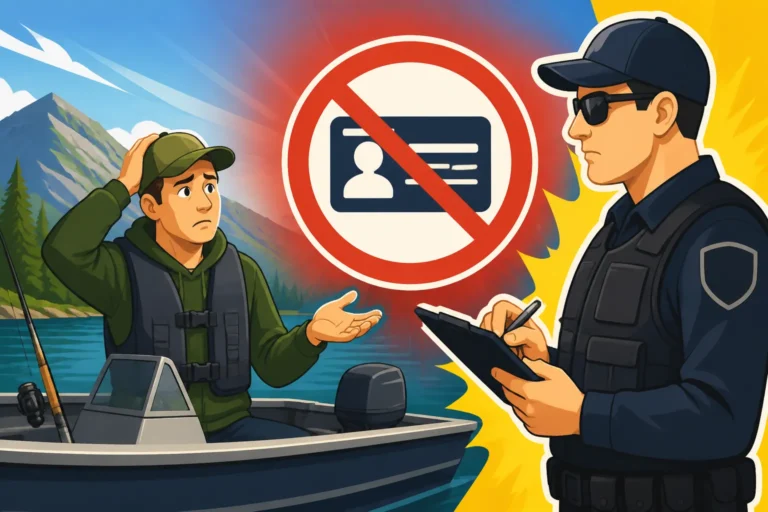
If you're stopped by an enforcement officer on the water and found to be in violation of Transport Canada's life jacket regulations, you could face hefty fines. These aren't small tickets; they can run into the hundreds of dollars per infraction.
- Immediate Fines: For instance, not having enough approved life jackets or PFDs on board, or having ones that are not readily accessible, can lead to on-the-spot fines. The fines can be applied per missing or non-compliant device, meaning if you have multiple people without proper PFDs, the costs can quickly add up. For example, if you're on a boat with three people and only one PFD, you could face penalties for the two missing devices.
- Court Appearances: Depending on the severity of the infraction or if there are multiple violations, an officer might issue a summons to appear in court, where a judge could impose even higher penalties, community service, or other legal consequences. This also means time off work and legal fees.
- Impoundment: In extreme cases, especially if other safety violations are present (like operating under the influence, which has severe Alberta boating under the influence penalties), your vessel could even be impounded.
These penalties are designed to be a significant deterrent, highlighting the seriousness with which authorities view water safety. They serve as a stark reminder that these aren't optional guidelines but mandatory regulations.
Insurance Implications and Liability
Beyond legal penalties, non-compliance can have serious financial repercussions, particularly if an accident occurs.
- Voided Insurance: Most marine insurance policies have clauses requiring the vessel operator to comply with all relevant federal and provincial boating regulations, including safety equipment like life jackets. If you have an accident and it's discovered that you or your passengers were not compliant with life jacket requirements, your insurance company could deny your claim. This means you would be solely responsible for the cost of damages to your boat, other vessels, or property.
- Personal Liability: If an accident results in injury or death to a passenger, or damages to another vessel, and you were not compliant with safety regulations, you could face significant personal liability. Lawsuits for negligence can result in massive financial judgments against you. Imagine the financial ruin if you were found liable for a serious injury to a friend who wasn't wearing an available PFD due to your negligence. This also ties into the general principles of liability that come with Alberta Boat Registration Rules and other boating obligations.
- The Burden of Proof: In any accident investigation, one of the first things authorities and insurance companies will look at is compliance with safety regulations. If you cannot demonstrate that you met all requirements, the burden of proof will shift, potentially complicating your defense significantly.
The financial and legal risks associated with non-compliance are substantial and can haunt you for years, far outweighing the minor inconvenience of ensuring everyone has and uses their proper flotation device.
The Ultimate Cost: Loss of Life
While fines and legal battles are daunting, they pale in comparison to the ultimate, irreversible cost of non-compliance: the loss of human life. This is the tragic reality that underpins all life jacket regulations.
- Preventable Tragedies: As discussed earlier, statistics consistently show that the vast majority of drowning deaths in recreational boating could have been prevented if the individual had been wearing a life jacket. Every year, families in Alberta experience the unimaginable grief of losing a loved one to a preventable drowning.
- Impact on Loved Ones: The emotional toll on family, friends, and even first responders is immeasurable. The regret and guilt associated with a preventable death can be a lifelong burden for those left behind. Think of the families who planned a fishing trip to Lake Athabasca, only for it to end in tragedy because someone chose not to wear their PFD.
- The "I'm a Strong Swimmer" Myth: Many people believe their swimming ability makes them immune to drowning. This is a dangerous misconception, especially in cold water, strong currents, or unexpected falls where injury or unconsciousness can occur. Even Olympic swimmers can succumb to cold shock and panic without a PFD.
Ultimately, choosing to wear a life jacket or PFD isn't just about following rules or avoiding fines; it's about protecting life itself. It's the single most effective piece of safety equipment you can have on the water, offering a lifeline in moments when every second counts.
Beyond the Law: Best Practices for Alberta Water Safety
While understanding and adhering to the legal requirements for life jackets is crucial, true water safety goes beyond mere compliance. As veteran anglers and outdoor enthusiasts, we know that the rules are a baseline, not an exhaustive guide to staying safe. Embracing best practices means cultivating a culture of safety that protects not just you, but everyone sharing Alberta's beautiful aquatic environments.
Wearing Your Life Jacket: Always the Best Policy
Even when the law doesn't explicitly require you to wear your life jacket, making it a habit is the smartest decision you can make. The moment an emergency strikes is not the time to retrieve a stowed PFD.
- The "Jacket On" Rule: Adopt a "jacket on" policy for yourself and all passengers, especially for children. This means the life jacket goes on before stepping into the boat and stays on until you're safely back on shore. This eliminates the "I'll put it on if something happens" gamble, which almost always ends poorly. On a fishing trip to the Crowsnest River, it's easy to get absorbed in the moment, but wearing your PFD from the start ensures you're protected, even if you just slip on a wet rock near the bank.
- Cold Weather Considerations: In Alberta, our waters are often cold for much of the year. If you're ice fishing or boating in early spring or late fall, consider wearing a flotation suit (full-body PFD suit) or a PFD over layers of warm clothing. Even a quick dip in icy water can be fatal, and a PFD provides critical insulation and buoyancy.
- Lead by Example: As the boat operator or an experienced angler, your actions set the tone. If you wear your life jacket, others are more likely to follow suit. Your commitment to safety can inspire confidence and encourage good habits among your companions.
Additional Safety Gear for Your Vessel
A life jacket is fundamental, but it's just one component of a comprehensive safety plan. Transport Canada mandates an Alberta required boat safety equipment checklist for all vessels, which includes much more than just PFDs.
- Sound-Signaling Device: A whistle or horn is essential for signaling other boaters or attracting attention in an emergency.
- Bailer or Hand Pump: Even a small leak can turn serious. Having a way to remove water from your boat is crucial.
- Watertight Flashlight or Flares: For signaling at night or in low visibility conditions.
- Throw Bag or Buoyant Heaving Line: If someone falls overboard, this allows you to retrieve them without putting yourself at risk.
- First Aid Kit: Essential for treating minor injuries on the water.
- Anchor: Especially on lakes, an anchor can prevent your boat from drifting into danger if you lose power.
- Fire Extinguisher: For motorized vessels, a fire extinguisher is a must-have.
- Navigation Lights: For night operation or restricted visibility.
- Pleasure Craft Operator Card (PCOC): If you operate a motorized vessel, you're legally required to have your Alberta Pleasure Craft Operator Card Requirement. This card demonstrates you've passed a boating safety course and understand the rules of the water.
Having these items on board and knowing how to use them will dramatically increase your overall safety margin. You can find many of these essential safety items in marine stores or online, for example, on Amazon, often bundled as complete boat safety kits.
Educating Yourself and Others on Water Safety
Knowledge is power, especially when it comes to preventing accidents. Continuous learning and sharing that knowledge are vital.
- Take a Boating Safety Course: Even if you've been boating for years, a certified boating safety course (like the one required for a PCOC) can refresh your knowledge, introduce new regulations, and highlight best practices. Many incidents occur due to a lack of understanding of basic rules or navigation.
- Stay Informed: Alberta's fishing regulations, boating laws, and local conditions can change. Regularly consult the official Alberta Guide to Sportfishing Regulations and Transport Canada's safe boating guide.
- Share Your Knowledge: Be a water safety advocate. Educate your friends, family, and fellow boaters on the importance of life jackets and other safety measures. If you see someone heading out unprepared, a friendly reminder could save a life. Consider showing younger anglers how to read the Alberta Fishing Regulations App and Zone Lookup, Explained to empower them with knowledge.
- Pre-Trip Safety Briefings: Before every outing, especially with new passengers or children, take a few minutes to conduct a brief safety talk. Point out where all safety equipment is located, how to use it, and what to do in an emergency. This proactive approach can make all the difference when seconds count.
By going beyond the minimum legal requirements and embracing a comprehensive approach to water safety, you contribute to a safer and more enjoyable experience for everyone on Alberta's beautiful lakes and rivers.
Disclaimer
The information provided in this guide is for general informational purposes only and does not constitute legal advice. While we strive to provide accurate and up-to-date information, boating regulations are subject to change by Transport Canada and provincial authorities. It is the responsibility of every boater to consult the official Transport Canada boating safety regulations and the Alberta Guide to Sportfishing Regulations to ensure full compliance. Always prioritize safety and exercise good judgment when on the water.