Best starter combo for a first-time angler
It can feel incredibly daunting when you're just starting out in the world of fishing. You walk into a tackle shop or browse online, and suddenly you're swamped with a dizzying array of rods, reels, lines, and lures, all promising different things. For a first-time angler in Alberta, trying to piece together a functional setup can easily turn excitement into frustration. This guide is here to simplify that initial step, helping you pick the absolute best starter rod and reel combo so you can hit Alberta's incredible waters with confidence, without feeling like you need a degree in angling.
Why a Starter Combo is Your Best Friend as a Beginner Angler
When you're new to fishing, the idea of buying a rod, then a reel, then line, and hoping they all work well together can be a real headache. This is exactly where a pre-matched rod and reel combo shines. It takes all the guesswork out of the initial equipment selection, letting you focus on the fun part: actually fishing!
Simplicity and Ease of Use
One of the biggest hurdles for new anglers is understanding how all the different gear components fit together. Rods have different powers and actions, reels have different sizes and gear ratios, and lines come in various weights and materials. It's a lot to learn all at once! A starter combo bypasses this complexity entirely. The manufacturer has already done the legwork, pairing a rod and reel that are perfectly balanced in terms of weight, feel, and performance. This means you get a setup that casts smoothly, handles fish effectively, and is a joy to use from your very first cast. Imagine trying to cast a tiny ultralight reel on a heavy-duty salmon rod – it just wouldn't work. Combos prevent these mismatched scenarios, giving you an optimal experience right out of the box.
Cost-Effectiveness
Let's be real, fishing can get expensive, especially if you dive headfirst into specialized gear. A major benefit of starter combos is their affordability. Buying individual, high-quality rods and reels separately can quickly add up to a significant investment. Combos are designed to offer excellent value, providing a complete, ready-to-fish setup at a fraction of the cost. This makes them an ideal entry point, allowing you to discover if fishing truly hooks you before you commit to more specialized (and often pricier) equipment. You can often find fantastic deals on reputable starter combos, especially during sales, making it even easier to get started without a huge financial commitment. Keep an eye out at larger sporting goods stores like Bass Pro Shops or even online marketplaces like Amazon, where competitive pricing can make a big difference.
Built-in Compatibility
The magic of a combo lies in its inherent compatibility. The rod's power (how stiff it is), action (where it bends), and length are all designed to complement the reel's size, line capacity, and drag system. This means that when you're fighting a fish, the rod flexes properly to absorb shock, and the reel's drag system works in harmony to prevent line breakage. You won't have to worry about a reel being too heavy for the rod, throwing off the balance and making casting feel awkward, or a reel being too small to hold enough line for the rod's capabilities. This seamless integration ensures that the combo performs as a single, cohesive unit, which is crucial for building confidence and developing proper casting and retrieval techniques as a beginner.
Decoding the Components: What Makes a Good Starter Rod and Reel?
Now that we understand why combos are great, let's look at what to actually consider when choosing one. You don't need to be an expert, but knowing a few key terms will help you make an informed decision that suits your fishing aspirations in Alberta.
Rod Characteristics: Length, Power, and Action
When you pick up a rod, you'll notice a few labels or descriptions that tell you about its characteristics. These aren't just jargon; they actually dictate how the rod will perform for different types of fishing.
- Length: For a general-purpose starter combo, a rod length between 6'0" and 7'0" (6 to 7 feet) is often ideal. Shorter rods (under 6 feet) are great for tight spaces, like small streams or dense brush, but don't cast as far. Longer rods (over 7 feet) offer greater casting distance and leverage, which can be useful on larger lakes or rivers, but they can be harder to manage for a novice, especially in areas with overhead obstructions. For most of Alberta's diverse waters, a 6.5-foot rod offers a fantastic balance of castability and control.
- Power (or Weight): This refers to how much force it takes to bend the rod. Common powers range from ultralight, light, medium-light, medium, medium-heavy, to heavy.
- Light or Medium-Light power rods are excellent for smaller fish like trout and perch, offering a sensitive feel for lighter bites and a lot of fun fighting smaller catches. These are fantastic if you're planning on fishing many of Alberta's stocked ponds or smaller trout streams.
- Medium power rods are the true workhorses for a beginner. They are versatile enough to handle everything from average-sized trout and walleye to smaller northern pike. This is generally the sweet spot for a first-time angler who wants to explore various species and locations without buying multiple setups.
- Action: This describes where the rod bends when pressure is applied.
- Fast Action rods bend mostly in the tip. They are sensitive, good for feeling subtle bites, and provide quick hook sets.
- Moderate (or Medium) Action rods bend through the upper half or two-thirds of the rod. They offer a good balance of sensitivity and forgiveness, making them more versatile and easier to cast for beginners. They absorb the shock of a fish fight well, reducing the chance of pulling the hook. For a starter combo, a moderate or fast action rod is usually a safe bet, with moderate being a bit more forgiving for learning.
Reel Types: Spinning for Starters
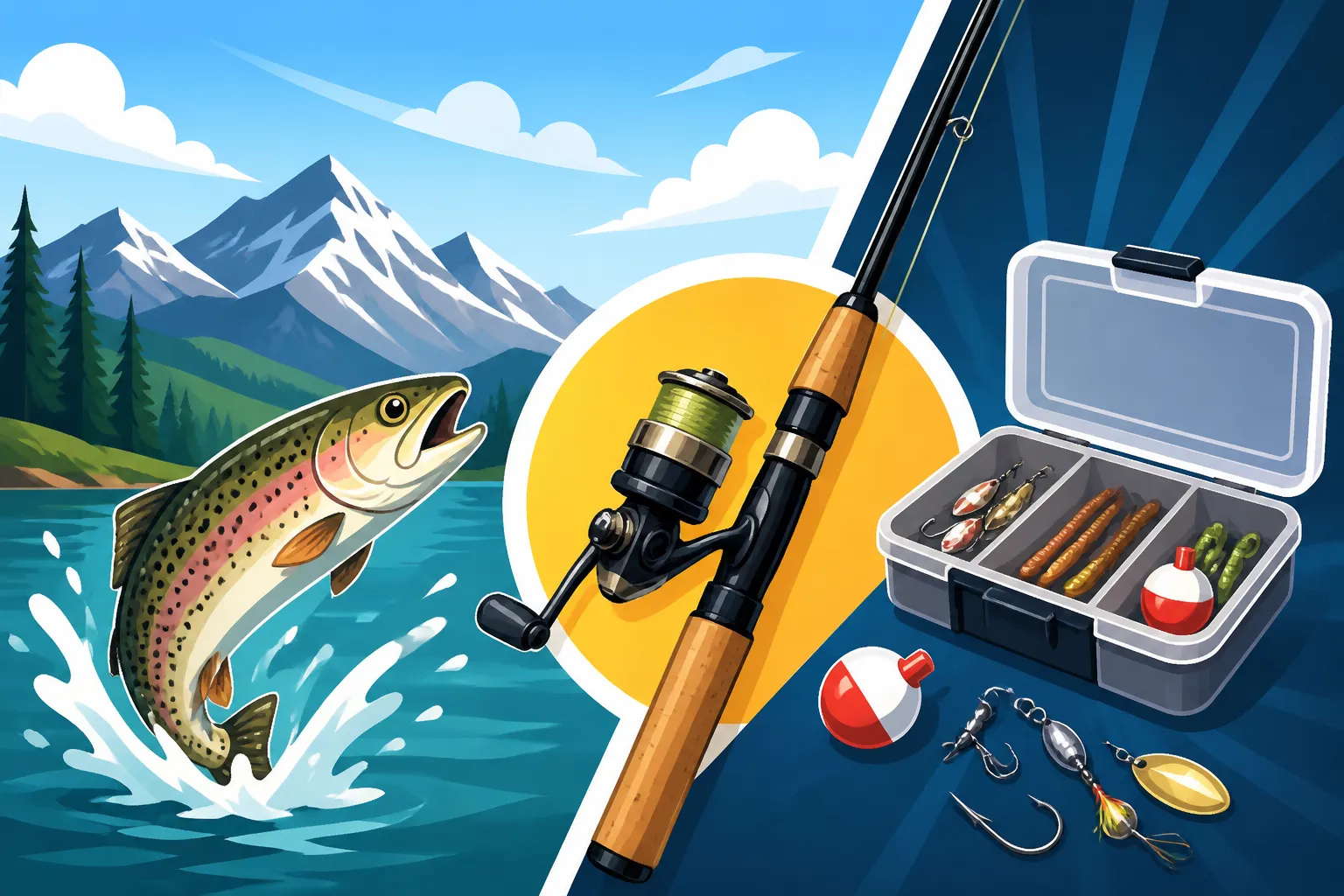
While there are several types of fishing reels, for a first-time angler, a spinning reel combo is almost always the recommended choice.
- Ease of Use: Spinning reels are incredibly forgiving and easy to learn. They are designed to be cast simply by flipping a bail, holding the line with your finger, and releasing it on the forward cast. This stands in stark contrast to baitcasting reels, which are notorious for "backlashes" (a tangled mess of line) if not used with precise thumb control, often leading to frustration for beginners.
- Versatility: Spinning reels handle a wide range of line weights and lure sizes, making them suitable for most common Alberta fishing scenarios, from tossing small spinners for trout to working jigs for walleye. They also excel with lighter lines and lures, which are often necessary for finicky fish.
- Maintenance: Spinning reels are relatively simple to maintain. A quick rinse after saltwater use (though less common in Alberta, it’s good practice), and occasional lubrication of key points will keep them running smoothly for years. This simplicity means less time tinkering with gear and more time actually fishing!
Pre-Spooled Line: A Beginner's Blessing
Many starter combos come with line already spooled onto the reel. This might seem like a small detail, but it's a huge convenience for a beginner. Spooling line correctly can be tricky – too much, and it jumps off the spool; too little, and you lose casting distance. Plus, knowing what kind of line to choose (monofilament, fluorocarbon, braided) and what test strength is appropriate can be another layer of complexity.
- Monofilament Line: Most pre-spooled combos will come with monofilament line. This is an excellent all-around choice for beginners because it's affordable, has good knot strength, and offers a bit of stretch, which acts as a shock absorber during a fish fight. It's also transparent and fairly abrasion resistant. The line weight (e.g., 6 lb, 8 lb) will be matched to the rod and reel, ensuring everything works in harmony.
- Ready to Fish: Having the line already on means you can literally buy the combo, tie on a hook or lure, and start fishing. No need for special tools or a trip to the tackle shop to have someone spool it for you. This immediate gratification is a big win for building initial enthusiasm.
Matching Your Combo to Alberta's Fishing Opportunities
Alberta is a vast province with an incredible diversity of fishing experiences, from mountain streams to massive prairie lakes. Your starter combo should ideally be versatile enough to tackle a few of these common scenarios.
Versatile Combos for General Purpose Fishing
For a first-time angler, the goal isn't necessarily to specialize but to gain experience across different environments. A medium power, moderate action spinning combo around 6'6" to 7'0" is your ultimate all-rounder for Alberta.
- Trout in Stocked Ponds and Smaller Rivers: This type of combo handles light lures like spinners, small spoons, and even bait setups for rainbow and brook trout in provincial parks and smaller water bodies. You can find many great spots to try out your new gear by checking out guides like Alberta Provincial Park Fishing Guide or List of Alberta stocked trout lakes.
- Walleye and Pike in Lakes: While specialized gear exists for these species, a medium combo can absolutely get you started with walleye and smaller northern pike. It will let you cast a variety of lures such as jigs, spoons, and smaller crankbaits. You might be targeting these fish in places like Pigeon Lake or Keho Lake. If you're looking for more info on these species, check out Walleye Fishing in Alberta and Northern Pike Fishing in Alberta.
- Panfish: Yellow perch and other panfish are abundant in many Alberta lakes and offer excellent action for beginners. Your general-purpose combo, especially if it leans towards medium-light, will be perfectly suited for catching these smaller, but feisty, fish.
| Combo Power | Rod Length Range | Recommended Line Weight | Best For (Alberta Examples) |
|---|---|---|---|
| Light/Medium-Light | 5'6" – 6'6" | 4-8 lb mono | Stocked trout ponds, smaller creeks, perch, small stream trout. |
| Medium | 6'0" – 7'0" | 6-12 lb mono | All-around versatile, walleye, smaller pike, larger trout rivers like the Bow. |
| Medium-Heavy | 6'6" – 7'6" | 10-20 lb mono/braid | Larger pike, bigger walleye, targeting heavier fish in dense cover. |
Specific Considerations for Trout Streams vs. Walleye Lakes
While a medium combo is great, if you know you're going to spend most of your time in a particular type of water, you can tailor your choice slightly.
- Mountain Trout Streams: If your heart is set on chasing trout in the crystalline waters of Alberta's Rocky Mountain streams, a slightly lighter combo (medium-light power, 6'0" to 6'6" length) will give you more finesse for smaller presentations and make even average trout feel like giants. These rods are incredibly sensitive, allowing you to feel the subtle taps of trout in cold, clear water. Consider reading Best Fishing Rivers in Alberta or Best Trout Streams in Alberta for ideas on where to go. You'll likely be casting small spinners or spoons, and a lighter setup makes this much more enjoyable and effective.
- Prairie Walleye Lakes: For bigger water targeting walleye, you might lean towards the upper end of the medium power range, perhaps a 7'0" rod. This extra length can aid in casting further, especially from shore or a small boat, and provides better leverage when jigging or trolling. It also helps control a larger walleye if you hook into one. Places like Lesser Slave Lake are renowned for their walleye, and a slightly longer rod can be an advantage there. Looking up Best Walleye Lakes in Alberta might give you some destination inspiration.
Key Features to Look for in a Starter Combo
Even within the "starter combo" category, there's a range of quality. Here are a few things to keep an eye on:
- Smooth Drag System: This is crucial. The drag is the mechanism on the reel that allows line to be pulled out under pressure, preventing your line from breaking when a fish pulls hard. Test it by pulling line directly from the spool; it should come out smoothly, without jerking or sticking. This is perhaps the most important feature for a beginner, as it saves countless lost fish.
- Comfortable Handle: You'll be holding this rod for hours, so a comfortable handle is important. Cork and EVA foam are common materials. Hold a few combos in the store (or pretend to cast if shopping online from a retailer like Bass Pro Shops or Amazon) to see what feels good in your hand.
- Sturdy Rod Guides: These are the rings along the rod that the line passes through. Look for guides that are securely attached and have smooth inserts (often ceramic or stainless steel). Cheap, rough guides can damage your line over time.
- Reliable Reel Seat: This is where the reel attaches to the rod. Make sure the reel sits firmly and doesn't wobble. A wobbly reel will throw off your casting accuracy and feel unbalanced.
Beyond the Combo: Essential Gear for Your First Alberta Fishing Trip
While a good rod and reel combo is the foundation, a successful and enjoyable first fishing trip involves a few other essential items. Don't worry, these don't need to be expensive or fancy, but they will make your experience much better.
Terminal Tackle and Baits
"Terminal tackle" refers to everything you tie to the end of your fishing line.
- Hooks: A small assortment of hooks in sizes 6, 8, and 10 will cover most bait fishing needs for trout and panfish. Barbless hooks are often required or highly recommended in many Alberta waters, so get used to using them! Alberta Barbless Hook Requirement Waters is a good resource to check.
- Sinkers/Weights: A few split shot weights (small, pinch-on weights) and perhaps a couple of small bell sinkers (1/8 oz to 1/4 oz) will help get your bait down to where the fish are.
- Bobbers/Floats: Essential for suspending your bait at a specific depth and indicating bites. Small clip-on bobbers are perfect for beginners.
- Swivels/Snaps: Small snap swivels (size 10-14) are handy for quickly changing lures and preventing line twist, especially when using spinners.
- Lures: A few simple, effective lures are a great starting point.
- Spinners: Rooster Tails, Mepps, and Panther Martins in sizes #0 to #2 are deadly for trout and perch.
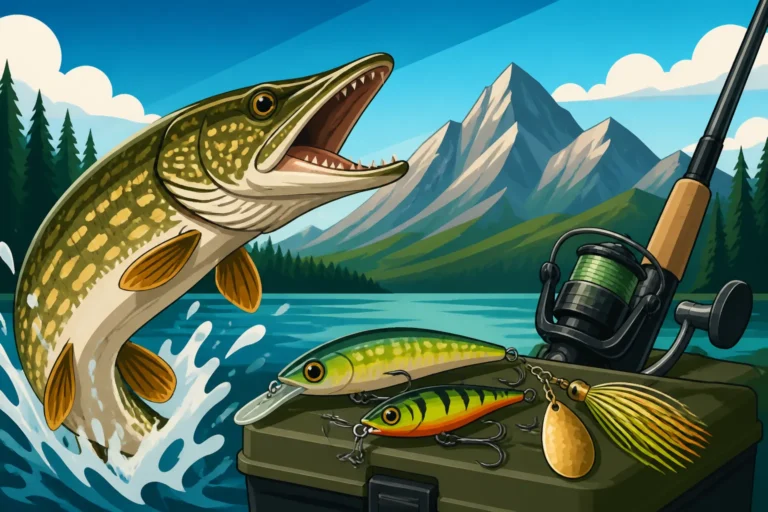
- Spoons: Small casting spoons like Len Thompsons or EGBs are great for trout, walleye, and pike.
- Jigs: Small marabou jigs or plastic grub jigs in 1/8 oz to 1/4 oz are very versatile for walleye and perch.
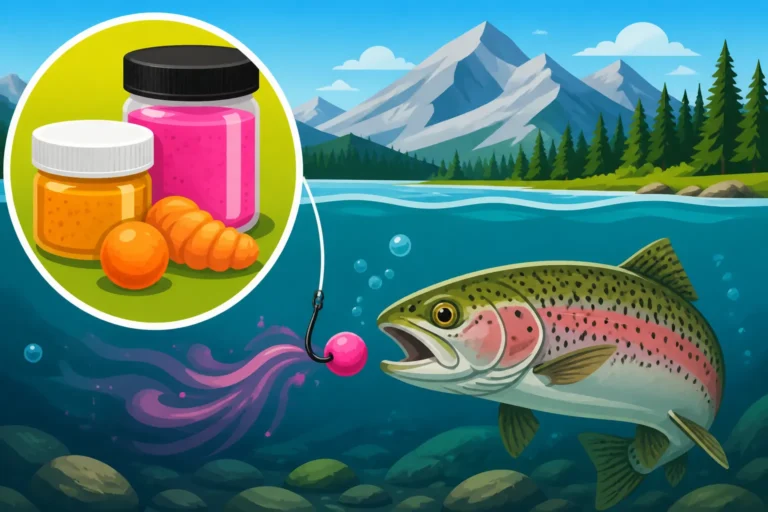
- Bait: Live worms (nightcrawlers) are universally effective and easy for beginners to use. PowerBait or Berkley Gulp are also excellent artificial bait options for stocked trout.
- Tackle Box or Bag: You'll need somewhere to store all this! A small, organized tackle box or a convenient tackle bag will keep your gear tidy. Check out Best Tackle Box Setup for Alberta Anglers for some ideas.
Safety and Comfort Items
Being safe and comfortable on the water makes all the difference.
- Pliers/Forceps: Absolutely essential for safely removing hooks from fish, especially if they've swallowed the hook. Long-nosed pliers or fishing forceps are highly recommended for responsible catch and release.
- Small Net: A small, rubberized landing net is fantastic for safely landing fish, preventing injury to both the fish and yourself. It also helps avoid fumbling with a feisty fish on shore. A good resource is Best Landing Net for Trout.
- Sun Protection: A wide-brimmed hat, sunglasses (polarized ones reduce glare and help you see into the water!), and sunscreen are non-negotiable, even on cloudy days.
- Insect Repellent: Alberta has its fair share of mosquitoes and other biting insects, especially near water. Don't leave home without it.
- Water Bottle/Snacks: Stay hydrated and energized!
- First-Aid Kit: A small kit for minor cuts, scrapes, or stings is always a good idea.
- Appropriate Clothing: Dress in layers, as Alberta weather can change quickly. Waterproof outer layers are a bonus.
The Importance of Regulations and Licenses
Before you even make your first cast, you must have an Alberta fishing license and understand the regulations for the specific body of water you're fishing.
- Fishing License: In Alberta, almost everyone needs a Wildlife Identification Number (WIN) card and an annual fishing license. There are exceptions for youth under 16 and seniors over 65, but it's crucial to confirm the current rules. You can learn more by checking out Alberta Fishing License Guide for 2026 and Alberta Fishing License Age Requirements.
- Alberta Guide to Sportfishing Regulations: This guide is your bible! It details season dates, bag limits, special regulations for specific waters (e.g., catch and release only, barbless hooks), and species identification. Ignorance of the law is no excuse, and wardens do patrol. You can find out more by reading Alberta Fishing Regulations Explained. This guide is readily available online through Alberta Environment and Protected Areas (AEPA) or at most tackle shops. Familiarize yourself with it before you head out, and keep a copy (digital or paper) with you.
Getting your first fishing combo is an exciting step into a rewarding hobby. By choosing a versatile, easy-to-use spinning combo and equipping yourself with a few essential accessories, you'll be well-prepared for many enjoyable hours on Alberta's beautiful waters. Tight lines!
Disclaimer
This article is for general informational purposes only and does not constitute professional advice. Laws, prices and regulations vary by location and change over time. Consult a qualified professional for guidance on your specific situation.