Best lakes for burbot in Alberta
There's a special kind of thrill that comes with chasing burbot in Alberta's frosty waters, but let's be honest, finding those elusive freshwater cod can feel like cracking a secret code. Many anglers get frustrated trying to locate them, especially if they're new to the game or unfamiliar with the unique habitats burbot prefer. This guide is here to unravel that mystery, sharing the best lakes in Alberta where you can target burbot and boost your chances of a successful, memorable ice fishing adventure.
Understanding Alberta's Burbot: Why They're So Unique
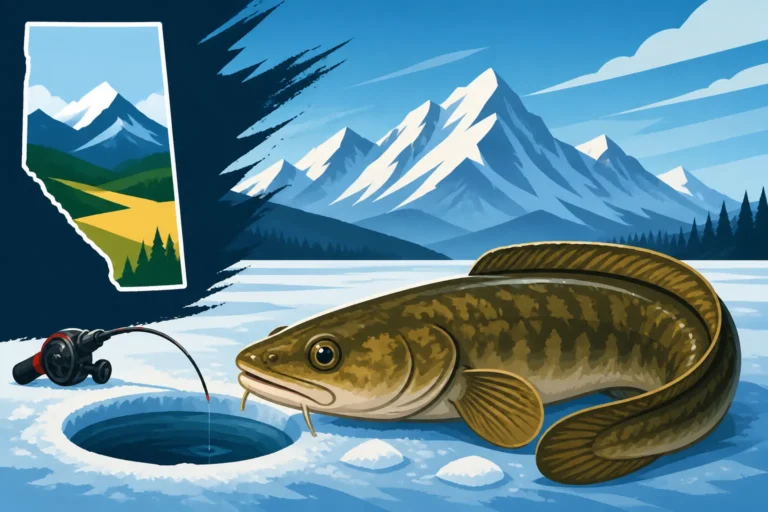
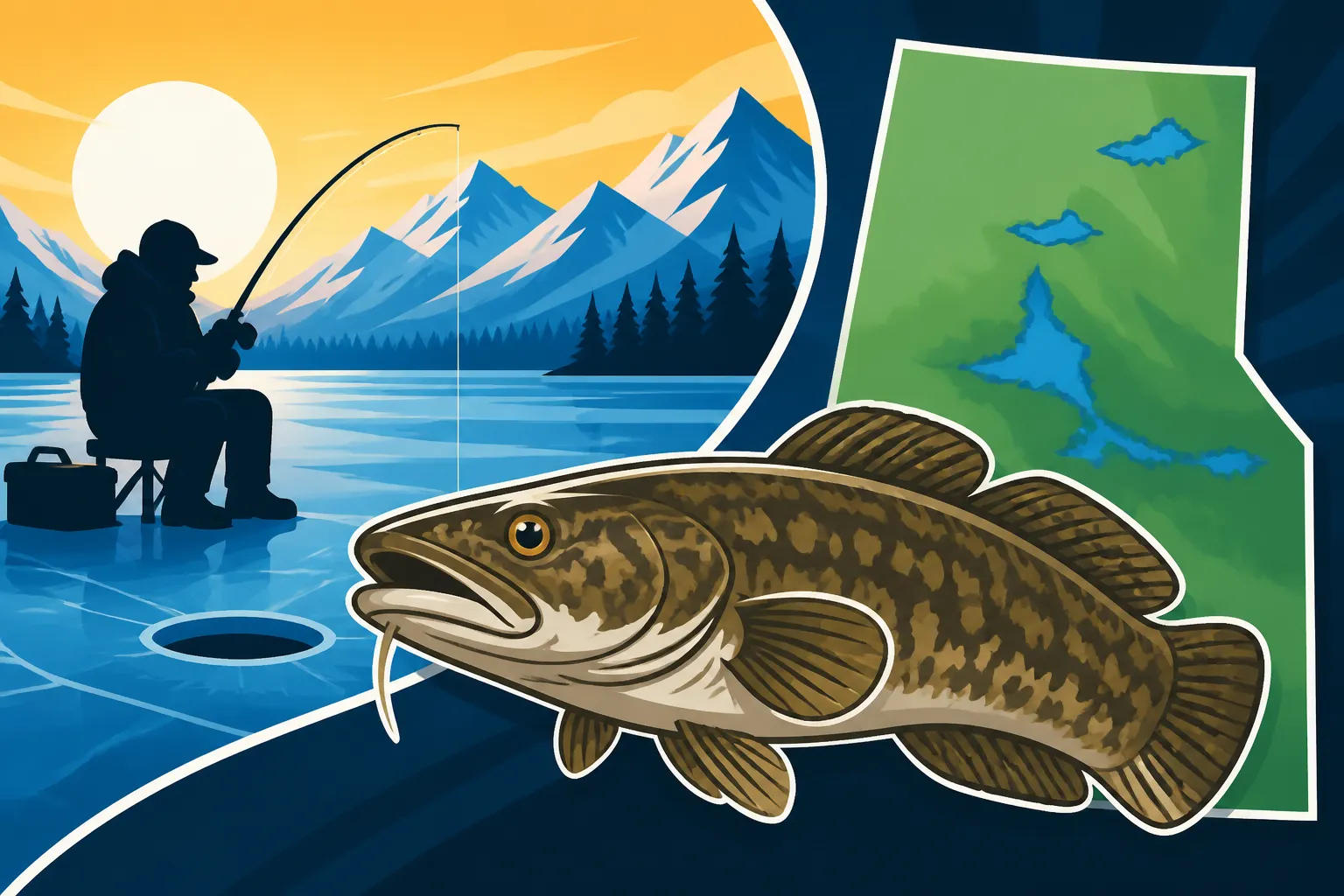
Burbot, often lovingly referred to as "Mariah" or "the poor man's lobster," are truly one of Alberta's more fascinating fish species. Unlike many other freshwater fish, they thrive in cold, deep, oxygen-rich waters, which means they're often most active when other species are hunkering down. This makes them a prime target for ice anglers, offering a unique opportunity to keep the fishing excitement going through the winter months. Their elongated, eel-like bodies and single barbel on their chin make them unmistakable, and their firm, white flesh is incredibly delicious. But to catch them, you first need to understand their preferred hangouts.
The Burbot's Preferred Habitat
Burbot aren't just any fish; they're creatures of comfort when it comes to their environment. They love the deep, dark, and often cold parts of a lake. Think rocky bottoms, submerged humps, steep drop-offs, and areas with plenty of structure where they can ambush prey. These aren't the fish you'll typically find cruising in shallow weed beds, especially once the water cools down. Instead, they hug the bottom, often in depths ranging from 20 to over 100 feet, depending on the lake and time of year. Their nocturnal nature means they're often most active during twilight and after dark, which is why many burbot enthusiasts are dedicated night anglers. Knowing this helps narrow down the search in any given lake.
What Burbot Eat and How It Guides Your Fishing
Burbot are opportunistic predators, and their diet consists mainly of other fish. Smelt, cisco, perch, and even small walleye or pike are all on their menu. This predatory nature means that presenting baits that mimic these food sources, or are simply irresistible in their scent, is key. They're not particularly picky when they're hungry, but they do respond incredibly well to baits that are easy to find on the bottom. Understanding their diet directly translates to your bait choices and fishing techniques, guiding you towards effective strategies that mimic their natural feeding habits in the cold, deep water. If you want to dive deeper into their behavior, check out Burbot in Alberta Lakes.
Top Alberta Lakes for Chasing Burbot
Alberta is blessed with some incredible lakes, and a handful of them truly stand out when it comes to burbot fishing. These lakes offer the ideal combination of habitat, forage, and a healthy burbot population that makes them reliable destinations for anglers seeking this unique species.
Lesser Slave Lake
Lesser Slave Lake is, without a doubt, a premier destination for burbot in Alberta. This massive lake is famous for its walleye, but beneath its icy surface lies an equally impressive burbot fishery. The lake's vast, deep basins, extensive shoals, and varied bottom structure provide perfect habitat for burbot to thrive. Anglers often target burbot here through the ice, especially during the colder months when these fish are most active.
The key to success on Lesser Slave is often finding those deep water transitions or areas adjacent to significant structure. While precise depths can vary, many anglers find success in the 40 to 80-foot range, especially near drop-offs where burbot can move between shallower feeding grounds and deeper resting areas. The sheer size of the lake means there's a lot of water to cover, but once you find a promising spot, you can often experience fantastic action. This lake is also known for producing some truly large burbot, making it a bucket-list destination for many.
Cold Lake
Straddling the Alberta-Saskatchewan border, Cold Lake is another titan of Alberta's fishing scene, and it's a phenomenal spot for lake trout, northern pike, and yes, burbot. As its name suggests, Cold Lake maintains deep, frigid waters, which are exactly what burbot adore. Its considerable depths, with areas reaching well over 300 feet, offer ample habitat for these deep-water dwelling fish.
Fishing Cold Lake for burbot often means heading to the deeper sections and exploring the vast underwater topography. Look for ledges, deep humps, and the edges of the main basin. Depths from 60 to 120 feet are often productive, though burbot can be found shallower or much deeper depending on the time of year and available forage. The fishing can be challenging due to the lake's size and depth, but the reward can be substantial, with many anglers reporting impressive catches. Just like Lesser Slave, Cold Lake requires a bit of homework to find the best spots, but the effort is well worth it. You might find some helpful tips in How to Catch Lake Trout in Alberta as the techniques for deepwater species can overlap.
Lac La Biche
Lac La Biche might be a bit shallower overall than Lesser Slave or Cold Lake, but don't let that fool you – it's a fantastic burbot fishery, particularly known for consistent action. This lake offers a mix of depths and plenty of structure, making it attractive to burbot. It's often considered a more accessible option for many anglers due to its location and slightly less intimidating size compared to its larger counterparts.
For burbot in Lac La Biche, focus your efforts on the deeper channels and holes, as well as areas where there's significant submerged structure like old stumps or rocky patches. While you might not be fishing hundreds of feet deep, target depths around 25 to 60 feet can be very productive. Night fishing is particularly popular here, with anglers setting up shelters and lights to draw in the fish. The consistent action can make it an ideal spot for those looking to experience burbot fishing without venturing into the extreme depths of other lakes.
Sylvan Lake
Closer to Calgary and Edmonton, Sylvan Lake offers another excellent opportunity for burbot, especially for anglers looking for a more convenient trip. This popular recreational lake also boasts some significant depths and varied bottom contours that appeal to burbot. While it sees a lot of summer activity, winter turns it into a prime ice fishing spot for various species, including our beloved burbot.
On Sylvan Lake, concentrate your efforts on the deep drop-offs and the central basin. Areas around 40 to 80 feet deep often hold burbot. Like other lakes, seeking out transitions in depth or submerged structures will increase your chances. The accessibility and good burbot population make Sylvan Lake a great choice for a day trip or a weekend outing. Its convenience makes it a popular spot for winter anglers, and for good reason!
Table: Burbot Fishing Hotspots in Alberta
| Lake Name | Primary Depths for Burbot | Key Features for Burbot | Notes |
|---|---|---|---|
| Lesser Slave Lake | 40 – 80+ feet | Deep basins, extensive shoals | Excellent for large burbot, vast area to explore. |
| Cold Lake | 60 – 120+ feet | Extreme depths, ledges, humps | Offers trophy potential, very deep and cold water. |
| Lac La Biche | 25 – 60 feet | Deeper channels, varied structure | Consistent action, more accessible depths. |
| Sylvan Lake | 40 – 80 feet | Deep drop-offs, central basin | Convenient access, good winter fishery. |
Essential Gear and Techniques for Alberta Burbot
Once you've picked your lake, the next step is to ensure you're equipped and ready to tackle these bottom-dwelling beauties. Burbot fishing often involves specific gear and techniques that differ from targeting other species.
The Right Rod and Reel Setup
For burbot, you'll want a medium-heavy to heavy action ice fishing rod. These fish can put up a surprisingly strong fight, especially the larger ones, and you'll be fishing with heavier weights in deep water. A rod around 36 to 48 inches long with a sensitive tip but plenty of backbone is ideal. Pair this with a sturdy spinning reel or a baitcasting reel spooled with 15-20 lb braided line, especially if you're fishing in deeper water. Braid offers excellent sensitivity and low stretch, which is crucial for feeling subtle bites in the depths. Adding a fluorocarbon leader of 10-15 lb test is a good idea, as it's nearly invisible underwater and resistant to abrasion from rocky bottoms. You can often find a great selection of these rod and reel combos, perfect for ice fishing, on Amazon.
Baits and Lures That Burbot Can't Resist
Burbot are primarily scent-driven predators, so smelly baits are your best friend. Cut bait, particularly oily fish like smelt, herring, or even a piece of raw shrimp, is incredibly effective. Many anglers will tip a jig with a piece of cut bait to combine scent with visual attraction. Glow-in-the-dark jigs, spoons, or even small rattle baits are also fantastic, especially since burbot are often active in low light or complete darkness. The glow helps them locate your offering in the murky depths. You can find a huge variety of glow jigs and other burbot-specific lures on Amazon, making it easy to stock up before your trip.
Consider carrying a variety of jig weights, from 1/2 oz up to 2 oz or more, to ensure you can reach the bottom efficiently in varying depths and currents.
Effective Burbot Fishing Techniques
- Jigging: This is the most common and often most effective technique. Drop your baited jig or spoon to the bottom, then lift it a foot or two and let it fall back down, stirring up the bottom sediment. This mimics a struggling baitfish or an easy meal for a burbot. Experiment with different jigging cadences until you find what the fish are responding to.
- Deadsticking: This technique involves setting up a second rod in a holder, often with a simple weight and a piece of cut bait resting directly on the bottom. Burbot can be surprisingly subtle biters, so having a rod with a sensitive tip or a tip-up for deadsticking can be very effective, especially while you're actively jigging with another rod.
- Night Fishing: As mentioned, burbot are largely nocturnal. Many of the best burbot catches happen after sunset. Be prepared with good lighting (headlamps, lantern for the hut), and ensure you have all your safety gear for night ice fishing. The deeper into the night, the better the bite can often be.
For more in-depth technique guidance, be sure to check out How to Catch Burbot Through the Ice and Jigging for Burbot Through the Ice.
Regulations and Conservation for Burbot Fishing in Alberta
Before you even think about dropping a line, it's absolutely crucial to familiarize yourself with Alberta's current fishing regulations. These regulations are designed to protect our fish populations and ensure sustainable fishing for everyone.
Checking the Regulations is Non-Negotiable
Alberta's fishing regulations can vary significantly from one water body to another, and even within different zones on the same lake. For burbot, there will be specific bag and possession limits, and sometimes even size restrictions. Always consult the most current Alberta Guide to Sportfishing Regulations before heading out. This guide is your ultimate source for information on open seasons, catch limits, and any special regulations that apply to your chosen lake. You can usually find a digital copy on the provincial government's website, or a physical copy at most tackle shops and Alberta Environment and Protected Areas license agent list.
Responsible Angling Practices
As responsible anglers, we all have a role to play in conservation. When burbot fishing:
- Respect Limits: Adhere strictly to the bag and possession limits. These aren't suggestions; they're rules designed to maintain healthy fish stocks. For a general overview, look into Alberta Bag and Possession Limits by Species.
- Handle with Care: If you're planning to release any burbot, handle them gently. Burbot have a protective slime coat; try to minimize contact with dry hands or gloves. Support their body weight if they're large.
- Leave No Trace: Pack out everything you pack in. This includes all your trash, fishing line scraps, and any discarded bait. Keeping our lakes clean is vital for the health of the environment and the enjoyment of all users.
- Ice Safety: Always prioritize ice safety. Check ice thickness regularly, especially when moving to new areas or during periods of fluctuating temperatures. Be aware of varying ice conditions and never venture onto unsafe ice.
By understanding the burbot's unique habits, knowing where to find them, using the right gear and techniques, and always practicing responsible angling, you'll be well on your way to enjoying some of the most rewarding ice fishing Alberta has to offer. Happy fishing!
Disclaimer
This article is for general informational purposes only and does not constitute professional advice. Laws, prices and regulations vary by location and change over time. Consult a qualified professional for guidance on your specific situation.