Where Arctic grayling are found in Alberta
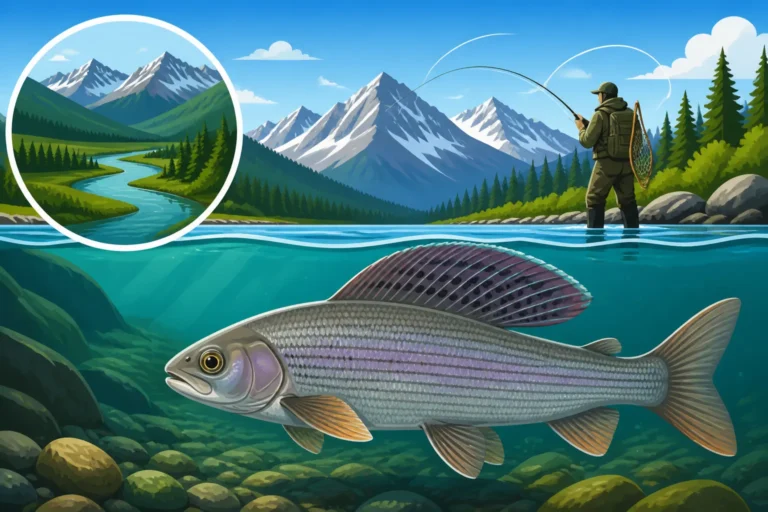
For many anglers in Alberta, there's a certain magic associated with the Arctic grayling. This stunning fish, with its iridescent dorsal fin resembling a sail, represents the wilder, colder corners of our province. But if you've ever tried to target them, you know the frustration of not knowing where to start. They aren't in every lake or river, and finding them requires a bit of local knowledge and a willingness to explore. This comprehensive guide is here to shed light on exactly where these magnificent fish call home in Alberta, helping you plan your next adventure to seek out the 'sailfish of the north.'
The Allure of Arctic Grayling in Alberta
There's something truly special about hooking an Arctic grayling in Alberta. They're not just another fish; they're a symbol of pristine wilderness, clean, cold water, and a thriving ecosystem. For many, the quest for grayling is as much about the journey into the remote and beautiful landscapes they inhabit as it is about the catch itself. Their delicate beauty and vibrant colors make them a coveted species, and the challenge of finding them only adds to their appeal.
Why Grayling are Special to Alberta Anglers
Arctic grayling hold a unique place in the hearts of Alberta anglers. Unlike some of our more common species, grayling are often found in relatively undisturbed, wild environments, far from the bustling crowds. This naturally makes an outing for grayling feel like a true escape, a real connection to nature. They are also notoriously particular, often preferring specific water conditions and feeding on delicate insects, which makes catching them a testament to an angler's skill and patience. The reward isn't just a fish on the line, but a glimpse into an untouched world and the satisfaction of outsmarting a truly wild creature. You'll often find that the areas where grayling thrive are simply breathtaking, adding another layer to the overall experience.
Understanding Grayling Habitat Preferences
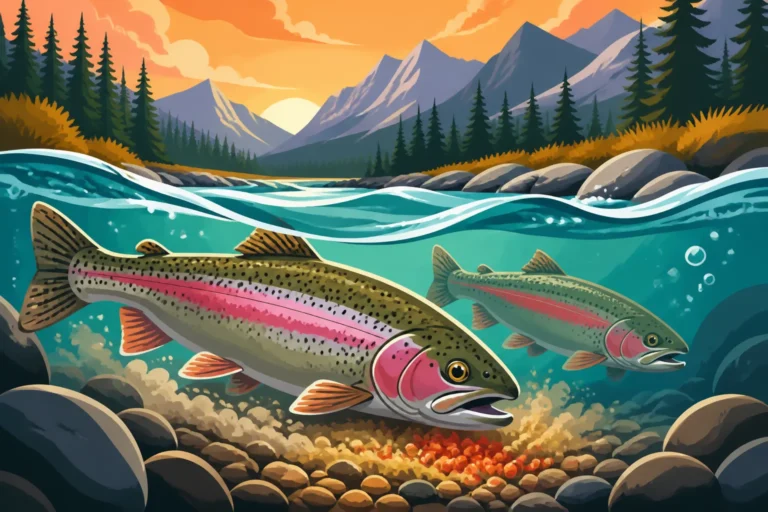
To find Arctic grayling, you first need to understand what makes them tick. These fish are true cold-water specialists. They absolutely thrive in clear, clean, cold rivers and streams, particularly those with gravel or rubble bottoms that offer excellent spawning grounds. They prefer moderate to slow currents, often congregating in deeper pools, runs, and eddies where they can rest and ambush insects drifting by. Unlike some trout species that might tolerate warmer, less oxygenated water, grayling are far more sensitive. Look for waters with consistent cool temperatures, even in summer, fed by mountain snowmelt or deep springs. They are also quite migratory within their river systems, moving between spawning, feeding, and overwintering habitats. Understanding these movements, though often localized to specific river sections, can be key to consistent success.
Primary Regions for Arctic Grayling in Alberta
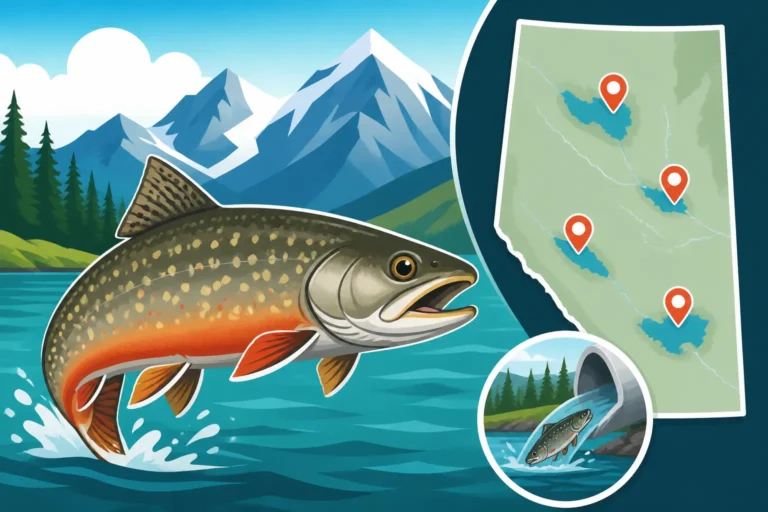
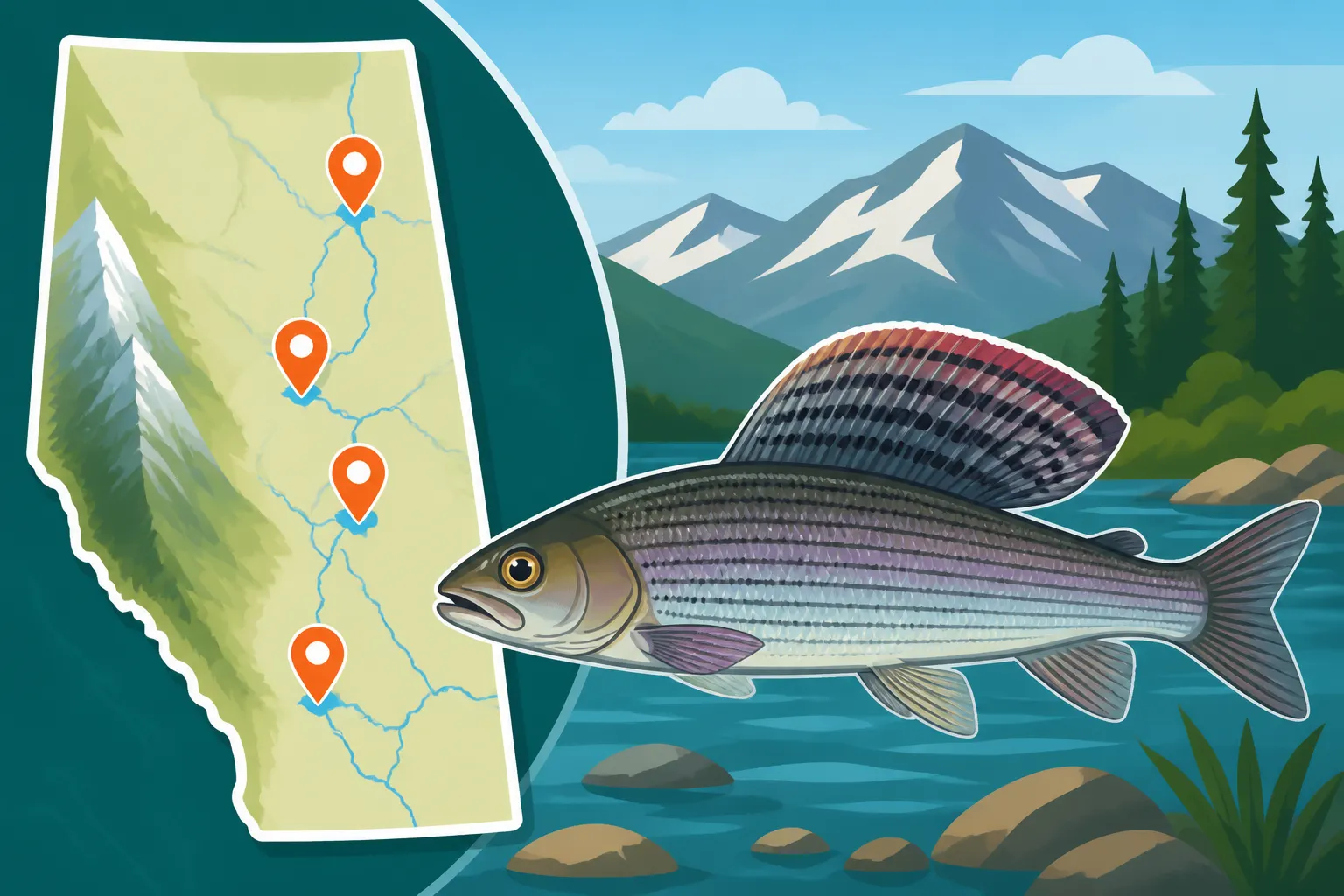
Alberta is a vast province, and the distribution of Arctic grayling isn't uniform. While their historical range was broader, today they are primarily found in specific regions where their stringent habitat requirements are met. Knowing these general areas is your first step to narrowing down your search.
Northern Alberta: The Stronghold
When you talk about Arctic grayling in Alberta, the conversation almost always turns north. The vast wilderness of northern Alberta, with its myriad of pristine rivers and streams flowing into larger systems like the Peace and Athabasca, represents the true stronghold for these fish. Rivers here are often fed by muskeg and slow-melting snow, maintaining colder temperatures throughout the summer. These waters often have relatively undeveloped shorelines and less human impact, which is crucial for grayling populations. Anglers venturing into these regions, sometimes requiring bush planes or extensive backcountry travel, often find the most robust and healthy grayling populations. It’s a commitment to get there, but the rewards are often spectacular, offering a chance to fish for truly wild, untouched grayling.
Western Mountain Streams: A More Delicate Presence
While northern Alberta boasts larger, more stable populations, you can also find Arctic grayling in some of the high-elevation, clear mountain streams and rivers in western Alberta, particularly in the foothills and eastern slopes of the Rockies. Here, their presence is often more localized and delicate, typically found in the upper reaches of river systems where water temperatures remain consistently cold due to snowmelt. These populations can be more vulnerable to environmental changes and pressure, so conservation efforts are particularly important. Fishing in these areas often means hiking into beautiful, rugged terrain, and you might find grayling coexisting with various trout species. Always check the specific regulations for these sensitive waters, as they often have unique rules to protect these precious fish, sometimes falling under Alberta Catch and Release Only Waters designations.
River Systems to Target for Grayling
Now, let's get a bit more specific. While a comprehensive list is beyond the scope of a single article, here are some general river systems known to hold Arctic grayling in Alberta. Remember, even within these systems, grayling will prefer certain sections.
- Peace River Tributaries: Many of the clear, cold tributaries feeding into the mighty Peace River in northern Alberta are prime grayling habitat. These include rivers like the Smoky, Little Smoky, and Simonette, though grayling might be found further upstream in their smaller feeder creeks.
- Athabasca River System: Similar to the Peace, the Athabasca River and its countless tributaries in the north are critical for grayling. Think of smaller, clean flows feeding into the mainstem, particularly as you move further north and west.
- Wapiti and Kakwa River Systems: These systems, located west of Grande Prairie, offer fantastic grayling opportunities. They flow out of the mountains and foothills, providing that essential cold, clear water that grayling crave.
- Eastern Slopes Tributaries: In the foothills, rivers flowing off the Rockies like the Red Deer River and Oldman River systems can have grayling in their upper, colder reaches and smaller tributaries. It's often a quest to find them here, and they are less abundant than in the true north. Researching specific small streams and high-country creeks is key for these areas. For general river advice, you might find more on Best Fishing Rivers in Alberta.
It’s always a good idea to consult the most recent Alberta Guide to Sportfishing Regulations to understand specific zones and any special restrictions on these waterways, as conditions and populations can change.
Identifying Key Grayling Waters
Finding a general region is one thing, but pinpointing the exact spots where grayling congregate is another. It takes a keen eye, a bit of research, and sometimes a willingness to walk the banks or paddle upstream.
Characteristics of Productive Grayling Streams
When you're out scouting, keep an eye peeled for certain features that scream "grayling habitat." First and foremost, look for exceptionally clear water. Grayling are sight feeders, and murky water isn't ideal for them. The water should also be noticeably cold, even on a warm day. You'll often find them in streams that have a good mix of riffles (shallow, fast-moving water), runs (deeper, smoother flows), and pools (still, deep sections). They frequently hold in the slower currents at the edges of runs, behind boulders, or at the tailouts of pools where food drifts by. A healthy insect population – think caddis, mayflies, and stoneflies – is another strong indicator. Finally, a substrate of clean gravel and small rocks is crucial, especially for spawning. If the stream bed is silty or heavily muddied, grayling are less likely to be present. Rivers like those discussed in Best Fly Fishing Rivers in Alberta often share these characteristics.
Tools for Locating Grayling Hotspots
In today's day and age, you've got more tools at your disposal than ever before to help you pinpoint those elusive grayling spots. Don't rely solely on old tales; combine them with modern aids.
- Topographical Maps: These are your best friend for understanding the lay of the land, identifying remote access points, and tracing small tributaries. You can find excellent detailed maps, both paper and digital versions, on platforms like Amazon or specialized outdoor retailers. They'll show you elevation changes, stream gradients, and potential access roads or trails.
- Satellite Imagery: Services like Google Earth can give you a bird's-eye view of rivers and streams, helping you spot promising pools, rapids, or stretches of clear water that might otherwise be hidden. You can often see the characteristics of the riverbed and surrounding terrain.
- Local Knowledge and Forums: Don't underestimate the power of connecting with other anglers. Local tackle shops are treasure troves of information, and online fishing forums dedicated to Alberta fishing can provide invaluable tips, though always take advice with a grain of salt and respect local etiquette regarding sharing specific "honey holes."
- Regulation Guides: Seriously, dig into the official Alberta Guide to Sportfishing Regulations. It provides zone maps and specific regulations for various waters, which can implicitly guide you to where certain species are known to exist or are being managed. You'll find crucial details on Alberta Fishing Regulations Explained within these guides.
- Specialized Fishing Apps: Many apps now integrate maps, regulations, and even user-submitted fishing reports. While some might focus more on popular trout or walleye lakes, a good general fishing app can still provide valuable intel on smaller streams and tributaries where grayling might reside.
Table: Typical Arctic Grayling Habitat Characteristics in Alberta
| Feature | Northern Rivers (e.g., Smoky, Athabasca tributaries) | Western Mountain Streams (e.g., upper Red Deer, Oldman tributaries) |
|---|---|---|
| Water Temperature | Consistently cold, often spring-fed | Consistently cold, often snowmelt-fed |
| Water Clarity | Very clear, especially in upstream sections | Exceptionally clear, pristine |
| Current Speed | Moderate to slow runs, deep pools, eddies | Moderate flows, well-defined pools, pocket water |
| Bottom Substrate | Gravel, sand, rubble, often stable | Clean gravel, small rocks, larger boulders |
| Surrounding Habitat | Boreal forest, muskeg, remote wilderness | Mountainous terrain, coniferous forests, meadows |
| Access | Often remote, requires off-road or air access | Hiking access common, sometimes roadside in lower reaches |
| Grayling Abundance | Generally higher, stable populations | More localized, often delicate populations |
Conservation and Sustainable Grayling Fishing
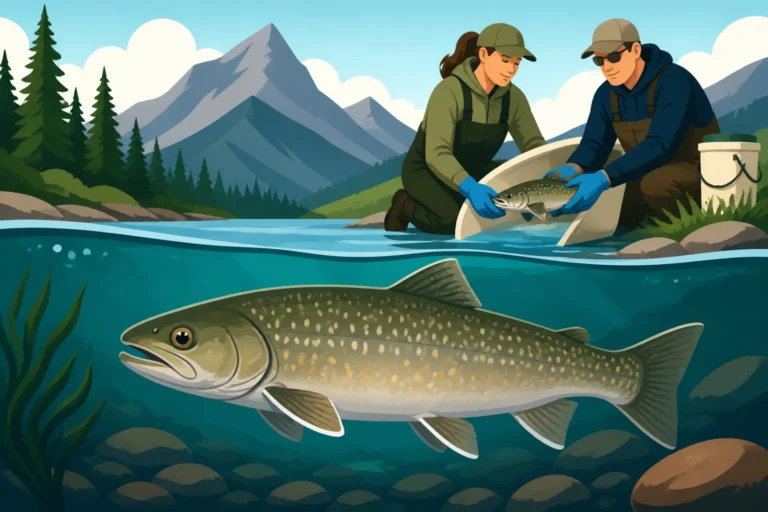
Finding these incredible fish is only half the battle; ensuring their continued survival for future generations is paramount. Arctic grayling, especially in certain parts of Alberta, are sensitive to habitat degradation and overfishing.
Protecting Alberta's Native Grayling Populations
Alberta's Arctic grayling are often considered a "species of special concern" or are protected under stringent regulations in many areas. This isn't just because they're pretty; it's because their populations can be fragile and slow to recover from disturbances. Habitat loss, changes in water quality, and increased fishing pressure all pose significant threats. As responsible anglers, it's our duty to minimize our impact. That means adhering strictly to all regulations, which you'll find detailed in documents like Alberta Bag and Possession Limits by Species, and practicing ethical angling. Supporting conservation initiatives and organizations that work to protect these sensitive ecosystems also plays a vital role in safeguarding the future of grayling fishing in our province.
Catch and Release Practices for Grayling
Given the delicate nature of grayling populations, catch-and-release is often the preferred, or even legally mandated, approach when fishing for them. To ensure the highest survival rates for these beautiful fish, follow these best practices:
- Use Barbless Hooks: This makes hook removal quick and easy, minimizing damage to the fish's mouth. Many fly fishing areas, where grayling are often targeted, require barbless hooks.
- Minimize Handling: Try to keep the fish in the water as much as possible. If you must lift it for a photo, do so quickly, supporting its body horizontally. Avoid squeezing or handling them by the gills.
- Wet Your Hands: Always wet your hands before touching a fish to protect its protective slime coat, which is vital for its health and disease resistance.
- Use Appropriate Gear: Don't use excessively heavy gear that will exhaust the fish, or gear that's too light and prolongs the fight unnecessarily. A good general-purpose fishing rod suitable for rivers, easily found on Amazon, can help you balance the fight without overstressing the fish.
- Revive Carefully: If a fish seems sluggish, hold it gently upright in the current, facing upstream, until it swims away under its own power. Don't just toss it back if it's still disoriented.
- Consider the Water Temperature: In extremely warm water, catch and release can be very stressful, even deadly, for cold-water species like grayling. If temperatures are high, consider fishing for other species or at other times.
By following these simple guidelines, you're not just ensuring a positive outcome for that individual fish, but contributing to the health and sustainability of Alberta's unique Arctic grayling fisheries.
Disclaimer
This article is for general informational purposes only and does not constitute professional advice. Laws, prices and regulations vary by location and change over time. Consult a qualified professional for guidance on your specific situation.