Is Northern Pike Good to Eat?
Many anglers in Alberta have a bit of a love-hate relationship with Northern Pike when it comes to the dinner table. You've probably heard the whispers: "They're too bony!" or "They're slimy and taste muddy." It’s true that pike require a bit more finesse than, say, a walleye, but dismissing them entirely is a huge mistake. With the right techniques and a little know-how, Northern Pike can transform into incredibly delicious, firm, and flaky white fillets that will surprise even the most skeptical eaters. This guide is here to walk you through exactly how to turn those common frustrations into culinary triumphs, making your next pike catch a truly rewarding meal.
Unpacking the Reputation: Why Northern Pike Can Be a Culinary Gem (or Not!)
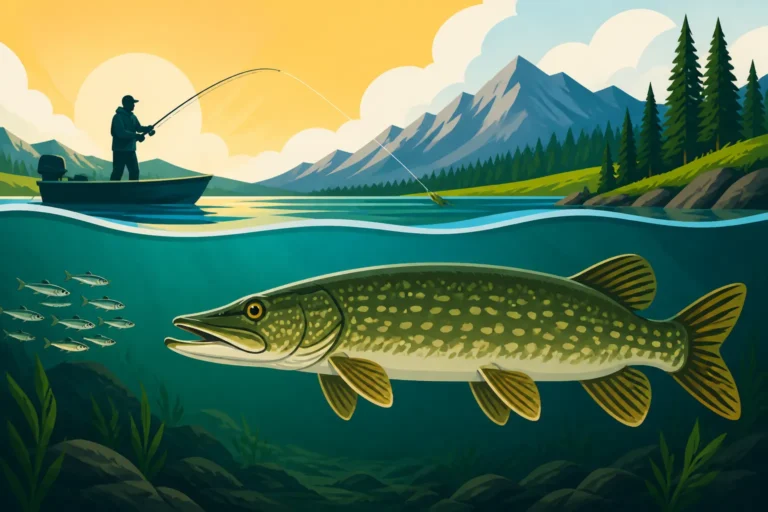
Let's be honest, the Northern Pike doesn't always get the respect it deserves in the kitchen. For many, the thought of those infamous Y-bones is enough to relegate a perfectly good pike to catch-and-release status or, worse, leave it for the critters. But this reputation often overshadows the genuine quality of the meat itself. Pike are tenacious predators, known for their powerful strikes and aggressive fights, making them an exciting catch in Alberta's diverse waters. It's time to separate the myths from the delicious reality.
The "Bony" Truth and the "Slimy" Myth
The biggest hurdle for most people with Northern Pike is, without a doubt, the Y-bones. These are a series of small, needle-like bones located along the lateral line in the upper half of the fillet. They're a pain, no question, and if you don't know how to deal with them, your meal can quickly turn into a frustrating bone-picking exercise. But here's the kicker: these bones are entirely manageable with the correct filleting technique. It's not about magically making them disappear; it's about knowing how to cut around them, leaving you with bone-free portions.
As for the "slimy" and "muddy" accusations? These are largely myths or, at best, easily avoidable issues. All fish have a natural slime coat, which is their protective barrier. Proper handling immediately after catching – getting the fish on ice quickly and cleaning it promptly – minimizes any "sliminess" that might transfer to the meat. The "muddy" taste often comes from fish caught in stagnant, warm water, especially during peak summer heat, or from poor cleaning practices. A pike caught from cold, clean Alberta waters, bled, and iced quickly, will taste nothing like mud. Instead, you'll find a clean, mild flavor. You might be surprised at how much Northern Pike Fishing in Alberta can be about harvesting a meal.
Pike's Flavor Profile and Texture
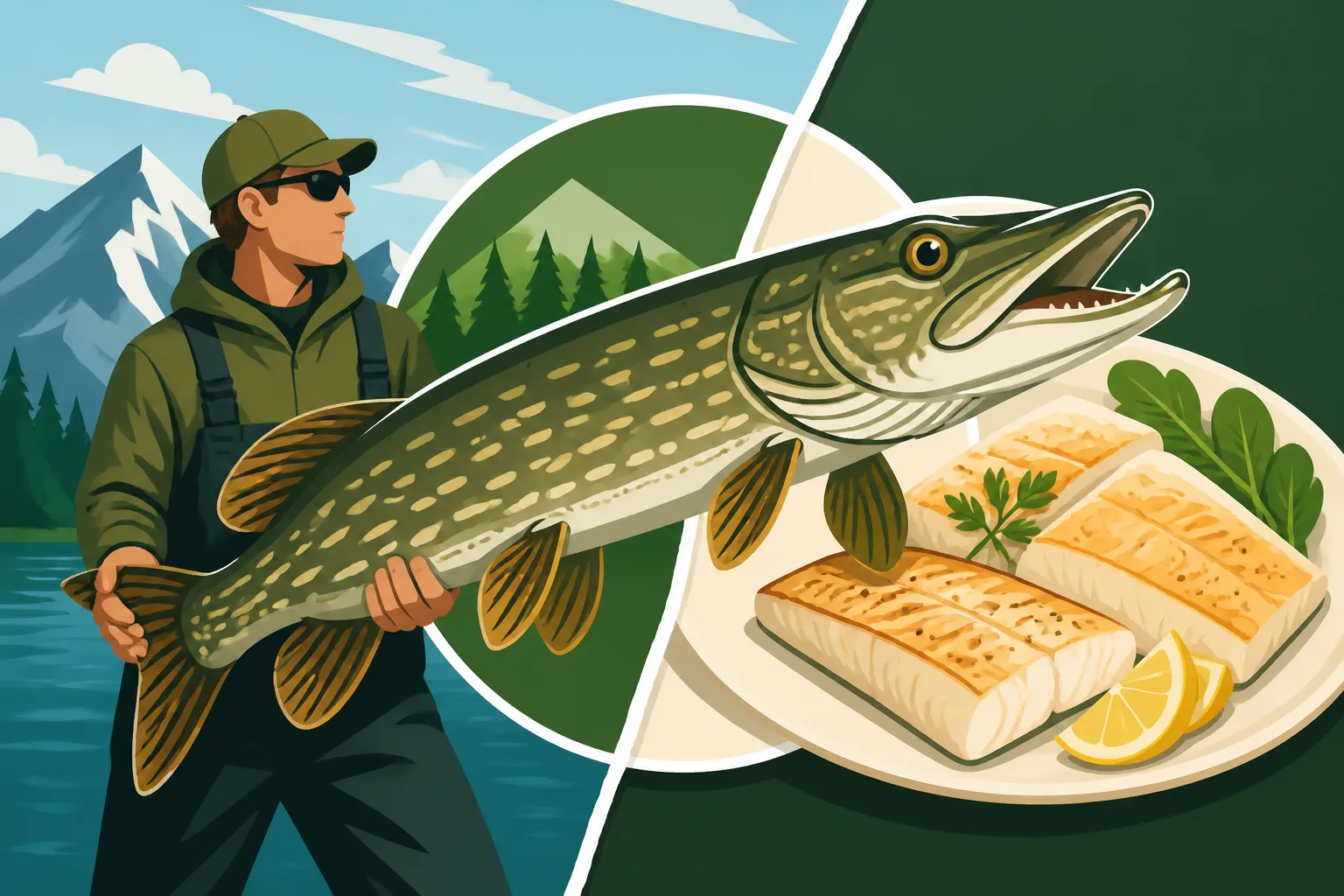
When properly prepared, Northern Pike offers a delightful culinary experience. The meat is very white, firm, and flaky, with a mild, slightly sweet flavor. It's not as delicate as, say, a rainbow trout from a mountain stream, but it's far from "fishy." Think of it as comparable to cod or haddock, but with a bit more structure. This firm texture makes it incredibly versatile for various cooking methods, holding up well to frying, baking, grilling, and even smoking.
Many anglers who have mastered the Y-bone fillet swear by pike as some of the best eating freshwater fish available. The key is that firmness and mildness. It takes on seasonings beautifully without being overpowered, making it a fantastic canvas for your favorite recipes. From a nutritional standpoint, pike is a lean protein source, rich in omega-3 fatty acids, making it a healthy choice for any diet. Considering What northern pike eat in Alberta lakes and their predatory nature, they are generally clean-eating fish that develop excellent muscle quality.
The Art of the Y-Bone Fillet: Turning Challenge into Delicious Reward
Alright, let's tackle the elephant in the room: those infamous Y-bones. This is where many anglers give up on pike as table fare, but it’s also where you can truly distinguish yourself as a seasoned fish cleaner. Mastering the Y-bone fillet isn't overly difficult; it just requires a specific approach and a sharp knife. Once you get the hang of it, it becomes second nature, and you'll unlock a whole new world of delicious, bone-free pike fillets. It’s an investment in skill that pays off handsomely.
Gathering Your Pike Filleting Arsenal
Before you even think about making the first cut, ensure you have the right tools. A sharp knife is non-negotiable – trying to fillet a pike with a dull knife is a recipe for frustration and potentially injury. You don't need a professional setup, but a few key items will make the process much smoother.
- Fillet Knife: A flexible, sharp fillet knife (around 6-8 inches) is ideal. Consider a high-quality stainless steel blade that holds an edge well. You can find excellent options on retailers like Amazon, from brands known for their cutlery.
- Cutting Board: A large, stable cutting board is a must. Something with a non-slip surface is even better, especially when dealing with a fish that might still have some slime.
- Paper Towels or Clean Cloth: Useful for gripping the fish and wiping down your knife.
- Bowl of Water: For rinsing your knife frequently, especially when working through different parts of the fish.
- Sharpening Steel or Stone: To keep that blade razor-sharp throughout the process. A quick strop can make all the difference.
A Step-by-Step Visual Guide (Descriptive) to Y-Bone Removal
Imagine you're standing at your cleaning station, a freshly caught Alberta pike laid out before you. Here’s how you’d go about getting those beautiful, bone-free fillets.
- First Fillet Cut (Behind the Gills): Start by laying the pike on its side. Make a diagonal cut behind the pectoral fin, just behind the gill plate, down to the backbone. Don't cut through the backbone.
- Running the Knife Along the Backbone: Turn your knife flat and run it along the backbone, from your initial cut all the way to the tail. Keep the blade as close to the bone as possible to maximize your yield. This separates the entire side of the fish into one large fillet. Repeat for the other side.
- Removing the Rib Bones: Once you have the large side fillet, lay it skin-side down. You'll see the rib cage running along one edge. Carefully slice these rib bones off, angling your knife slightly to follow the curve of the bones and remove them cleanly. You now have a large, relatively flat fillet, but the Y-bones are still in there.
- Identifying the Y-Bones: Lay the fillet skin-side down. Run your finger along the lateral line (the visible line running down the middle of the fillet). You'll feel the tips of the Y-bones starting a few inches behind the head end and continuing about two-thirds of the way down the fillet. They form a "Y" shape, with one arm of the Y pointing towards the head and the other towards the tail, rooted in the midline.
- Making the First "Y" Cut: Imagine the fillet is divided into three strips lengthwise. The middle strip is where the Y-bones are. To remove them, make a shallow cut along the top edge of where you feel the Y-bones, running from where they start to where they end. This separates the top, boneless loin from the middle, bony section.
- Making the Second "Y" Cut: Now, angle your knife and make a second cut along the bottom edge of where the Y-bones are. This cut should meet your first cut at the base of the Y-bones. Essentially, you are cutting around the Y-bone section, lifting it out like a long, narrow strip of meat with all the bones in it. You're left with a top loin and a bottom loin, both bone-free!
- Skinning the Fillets: With the Y-bones out, you can now easily skin your two boneless sections. Lay each section skin-side down, grip the tail end firmly, and angle your knife slightly down towards the cutting board. Work the blade between the skin and the meat, pulling the skin as you slice.
It takes a little practice, but once you've done a few, you'll be a pro. Don't worry if your first few aren't perfect; every attempt gets you closer to those pristine, bone-free fillets. Many anglers even watch videos online to get a visual sense of this technique, often using a search for "pike Y-bone removal." You can pick up a good quality fillet knife and sharpening stone from Amazon to ensure you’re always ready for cleaning your catch.
Filleting Tools Checklist
Here's a quick reference for the tools that will make your pike filleting experience more efficient and enjoyable.
| Tool | Purpose | Key Feature |
|---|---|---|
| Fillet Knife | Precise cutting, especially around bones and for skinning | Sharp, flexible blade (6-8 inches) |
| Cutting Board | Stable, clean surface for filleting | Large, non-slip, easy to clean |
| Sharpening Stone | Maintaining a razor-sharp edge on your fillet knife | Fine grit for regular maintenance |
| Fish Scaler | Removing scales (optional, if keeping skin on for certain recipes) | Efficient and easy to clean |
| Kitchen Shears | Snipping fins or tough skin sections | Heavy-duty, comfortable grip |
| Cooler with Ice | Keeping your catch fresh before cleaning and fillets cold afterwards | Good insulation, adequate capacity |
| Paper Towels | Gripping fish, cleaning knife, general cleanup | Absorbent, readily available |
Cooking Your Alberta Pike: From Lake to Plate Perfection
Once you've successfully removed those Y-bones and have a pile of beautiful, white, boneless pike fillets, the real fun begins! This is where you get to experiment and discover just how incredibly versatile and delicious Northern Pike can be. Forget any preconceived notions; these fillets are ready to absorb flavors and provide a fantastic meal. The firm texture holds up well to various cooking methods, ensuring a satisfying bite every time.
Tried-and-True Cooking Methods
Pike's firm, white flesh is excellent for almost any fish recipe. Here are some of our favorite ways to prepare it, highlighting its best qualities:
- Frying: This is a classic for a reason! Cut your boneless pike fillets into portion sizes. You can dredge them in seasoned flour, a cornmeal mixture, or even a beer batter. Fry in hot oil (vegetable, canola, or peanut) until golden brown and cooked through. The exterior will be crispy, and the interior will be moist and flaky. This method is fantastic for showcasing the pike's mild flavor. If you’re looking for Best eating fish species from Alberta lakes, fried pike often ranks high.
- Baking/Roasting: For a healthier option, baking or roasting is superb. Place fillets on a baking sheet, drizzle with olive oil or butter, season with salt, pepper, lemon, and your favorite herbs (dill, parsley, thyme work wonderfully). You can also add some sliced onions or bell peppers. Bake at 375-400°F (190-200°C) until the fish flakes easily with a fork, typically 12-18 minutes depending on thickness. You can even create a parchment paper packet with vegetables for an easy, flavorful meal.
- Grilling: Pike fillets can be grilled, but due to their flakiness, it's best to use a fish basket or foil packet to prevent them from falling apart through the grates. Marinate them briefly in lemon, garlic, and herbs, or a light teriyaki sauce. Grill over medium-high heat until cooked through. The slight char from the grill adds a wonderful smoky depth.
- Fish Cakes/Patties: If you have smaller or less-than-perfect fillet pieces, or just want to try something different, cooked pike makes amazing fish cakes. Flake cooked pike, mix with mashed potatoes, breadcrumbs, egg, and seasonings, then pan-fry until golden. Serve with a tartar sauce or spicy aioli. This is a fantastic way to use up every bit of your catch, and even picky eaters often love them. For other fish, you might ask Is Walleye Good to Eat?, but for pike, fish cakes are an absolute win.
- Pickling: While not a cooking method in the traditional sense, pickling pike is a time-honored tradition in many Northern communities. The vinegar brine tenderizes the remaining small bones to the point where they are edible, making the filleting process less critical. It's an acquired taste for some, but many consider pickled pike a delicacy.
Enhancing Pike's Natural Flavors
Pike's mild flavor profile means it's a fantastic canvas for various seasonings and marinades. Don't be shy about experimenting!
- Lemon and Dill: A classic pairing that brightens the fish's natural flavors.
- Garlic Butter: Simple, rich, and always a crowd-pleaser.
- Cajun or Blackening Seasoning: For those who like a bit of a kick, these spice blends add fantastic flavor and a crispy crust when pan-fried.
- White Wine and Herbs: A sophisticated touch that complements the delicate nature of the fish.
- Teriyaki or Soy Ginger Marinade: For an Asian-inspired twist, these sweet and savory marinades work beautifully, especially for grilling.
Remember, the goal is to enhance, not mask, the natural taste of the pike. Start with simple seasonings and adjust to your preference. With proper preparation, a fresh Northern Pike from Alberta's waters can easily become a regular and anticipated meal in your household.
Sustainable Harvesting: Enjoying Alberta Pike Responsibly
Beyond the culinary delights, understanding the role Northern Pike play in Alberta's ecosystems and adhering to regulations is crucial for responsible angling. Keeping a few pike for the table can actually be beneficial in some waters, but it's always important to be informed and respectful of conservation efforts. When considering Best time of year to fish in Alberta for pike, remember that regulations can change based on the season and specific water bodies.
Pike in Alberta's Ecosystem
Northern Pike are apex predators in many of Alberta's lakes and rivers. They are aggressive, grow to impressive sizes, and play a vital role in maintaining the balance of fish populations. In some lakes, an abundance of pike can lead to over-predation on other species, particularly smaller forage fish. In these situations, selective harvesting of pike can actually help improve the overall health and balance of the fishery. Conversely, in other, more sensitive waters, pike populations might be managed more restrictively to protect specific species or ensure the stability of the pike population itself.
Understanding the specific dynamics of the water body you're fishing is key. This knowledge comes from consulting the current Alberta Guide to Sportfishing Regulations, which outlines zone-specific rules. Northern Pike Habits in Alberta Lakes vary, so understanding the local conditions is paramount.
Daily Limits and Conservation
Alberta has specific regulations regarding the catch and possession of Northern Pike, which vary significantly depending on the management zone and the specific water body. These regulations are designed to manage fish populations effectively, allowing for recreational angling while also ensuring the long-term health of the species.
It is absolutely imperative that every angler consults the most recent Alberta Guide to Sportfishing Regulations before heading out. This guide will detail:
- Daily Bag Limits: The number of pike you are legally allowed to keep in a 24-hour period.
- Possession Limits: The total number of pike you can have in your possession at any time, including those at home.
- Size Restrictions: Some areas may have minimum or maximum size limits, or slot limits (e.g., you can only keep pike within a certain length range). These are often implemented to protect large breeding fish or to encourage growth in smaller fish.
- Special Regulations: Certain lakes or rivers might have unique rules, such as catch-and-release only, or a reduced limit, to address specific conservation needs.
For example, you'll want to know the Alberta Northern Pike Limit for your specific fishing zone. Fishing ethically also involves proper handling of fish you intend to release. Using single, barbless hooks can minimize harm, and quickly releasing fish not intended for harvest increases their survival rate.
By being mindful of these regulations and practicing responsible angling, you contribute to the sustainability of Alberta's fantastic pike fisheries. It allows future generations to enjoy the thrill of catching these magnificent fish and, for those who choose, the pleasure of bringing some delicious, bone-free fillets to the table. Learning How big northern pike get in Alberta might even make you think twice about keeping the largest ones, as they are often the most important breeders!
Disclaimer
This article is for general informational purposes only and does not constitute professional advice. Laws, prices and regulations vary by location and change over time. Consult a qualified professional for guidance on your specific situation.