Life span of a lake trout in Alberta
Many anglers gaze at the vast, cold waters of Alberta's deepest lakes and wonder about the creatures that lurk beneath. One question often surfaces: just how long do those magnificent Lake Trout actually live? It's a valid curiosity, as the age of these fish is directly tied to their impressive size and the health of their ecosystem. This guide dives deep into the fascinating longevity of Lake Trout in Alberta, exploring what allows them to thrive for decades and what this means for us anglers.
The Incredible Longevity of Alberta Lake Trout
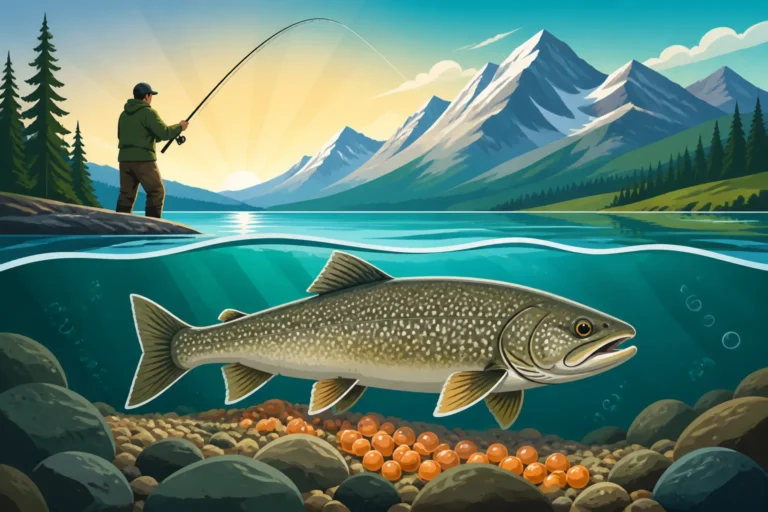
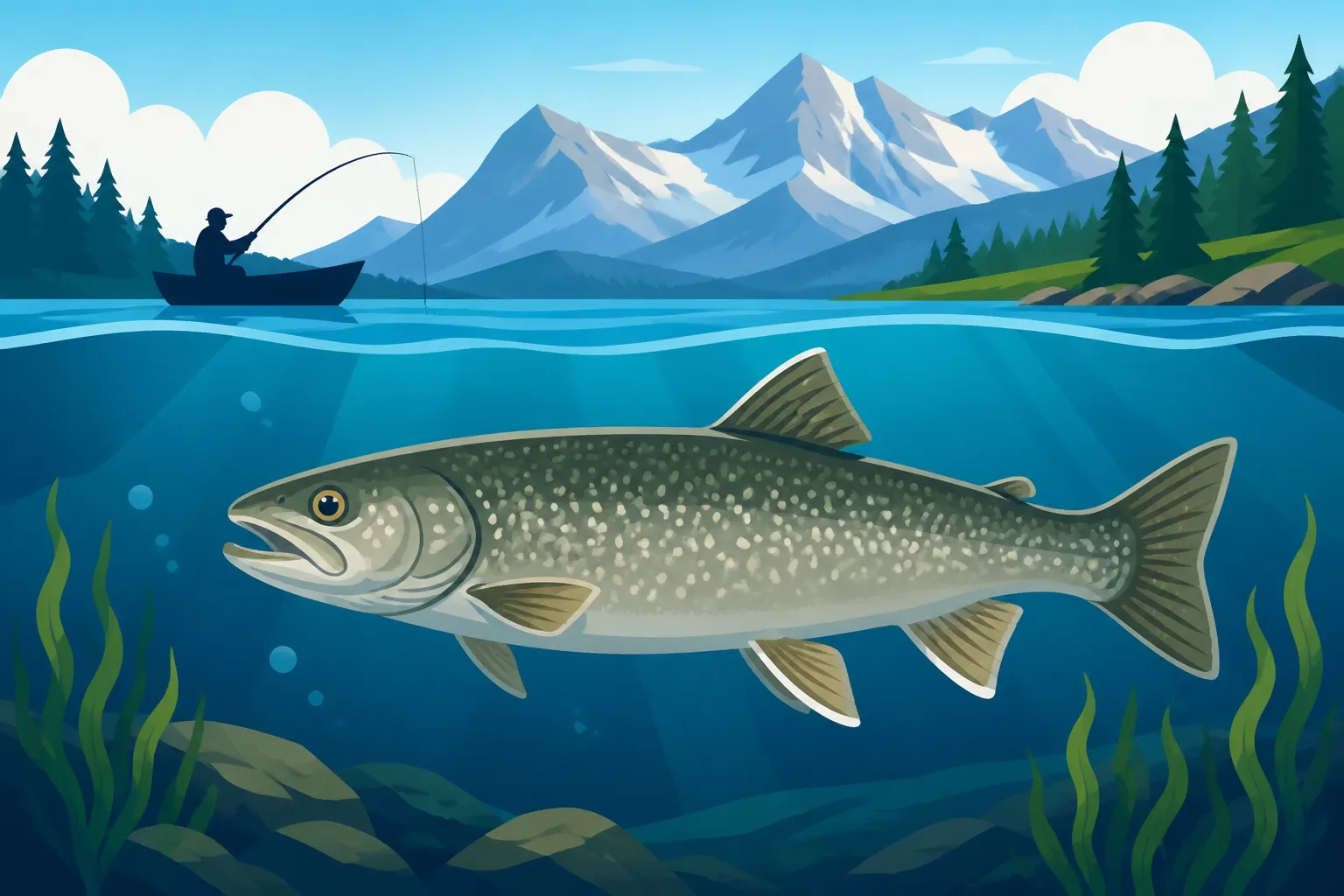
Lake Trout, or 'Lakers' as many of us affectionately call them, are truly remarkable fish. They are often associated with pristine, deep, and cold waters, and Alberta is blessed with several lakes that provide ideal conditions for these aquatic giants to not just survive, but to truly thrive and reach impressive ages. When you hook into a truly big one, you're not just fighting a fish; you're connecting with a creature that has potentially seen many decades pass by.
What Makes Lake Trout Live So Long?
Several biological and environmental factors contribute to the exceptional lifespan of Lake Trout. First and foremost is the cold water they inhabit. Unlike many warm-water species, Lake Trout have a much slower metabolism. Imagine a car running constantly versus one that idles for long periods – the latter experiences less wear and tear. This slower metabolic rate in cold water means they burn energy less quickly, grow at a more measured pace, and generally age at a reduced rate. They don't need to eat as frequently or move as much as fish in warmer waters, conserving vital energy. This physiological adaptation is crucial for their long lives.
Secondly, Lake Trout are often apex predators in their environments. In many of Alberta's deep, cold lakes, a mature Lake Trout sits at the top of the food chain, with few natural predators to threaten its existence once it reaches a certain size. This lack of predation pressure allows them to live out their natural lifespan, assuming other conditions are favourable. They grow large enough to deter most threats, leaving them free to dominate their underwater domains. This dominance means less stress from evading predators, allowing more energy to be put into growth and survival.
Average Lifespan vs. Maximum Lifespan
When we talk about the lifespan of Lake Trout in Alberta, it's important to distinguish between what's average and what's possible. In a healthy, well-managed fishery, it's not uncommon for Lake Trout to live into their 20s and 30s. Many of the respectable "trophy" sized fish caught in lakes like Cold Lake or Lake Athabasca are often in this age range. These are robust, mature fish that have seen many seasons come and go, successfully navigated countless challenges, and contributed to the spawning cycles multiple times.
However, the absolute maximum lifespan can be significantly higher. There are documented cases, particularly in the most northern and pristine waters, of Lake Trout reaching ages well into their 40s and even 50s, sometimes exceeding 60 years. These truly ancient fish are living relics, often inhabiting the deepest, most stable parts of their lake environments. Imagine a fish that was alive when your grandparents were children! These grand old fish are rare and highly valued, representing a lifetime of survival and the pinnacle of their species' potential. The largest fish in any lake are almost always the oldest, and sometimes these giants can be found lurking in the deepest parts. You can learn more about The largest lake trout ever caught in Alberta in our other articles.
Factors Influencing Lake Trout Lifespan in Alberta
While Lake Trout are inherently long-lived, their actual longevity in any given Alberta lake isn't guaranteed. A multitude of factors, both natural and human-influenced, play a critical role in determining how many years a Lake Trout will ultimately grace our waters. Understanding these factors helps us appreciate the delicate balance of these ecosystems.
Environmental Conditions
The environment is paramount to a Lake Trout's survival and age. Water temperature is perhaps the most critical. Lake Trout are a cold-water species, preferring temperatures generally below 15°C (59°F), and often much colder, especially in summer when they seek out deep thermal refuges. Lakes that remain consistently cold and well-oxygenated throughout their depths year-round provide the perfect environment for slow, steady growth and reduced stress, leading to longer lives. Lakes that experience prolonged periods of warm surface temperatures can compress their habitable zones, putting stress on fish. You can often find them hunkered down in deep water during warmer months, making Best Techniques for Deep Water Summer Lake Trout crucial for anglers.
Oxygen levels are also vital. Deep lakes can sometimes develop zones with low oxygen (hypoxia) during certain times of the year, which can be detrimental to fish, forcing them into less ideal conditions. Lakes with good circulation and consistent oxygen throughout their cold depths are better for long-term health. Habitat structure, including deep rocky reefs, underwater ledges, and ample foraging areas, provides crucial cover from predators (when they are young) and prime feeding grounds, further contributing to their ability to survive and grow old.
Food Availability and Competition
A stable and abundant prey base is essential for Lake Trout to grow large and sustain their long lives. In many Alberta lakes, Lake Trout feed on a variety of smaller fish like cisco (lake herring), whitefish, burbot, and even smaller trout. A healthy population of these forage fish ensures that Lake Trout have the energy needed to grow, reproduce, and maintain their body condition. When food is scarce, growth slows, and fish may become more susceptible to disease or struggle to survive harsh winters.
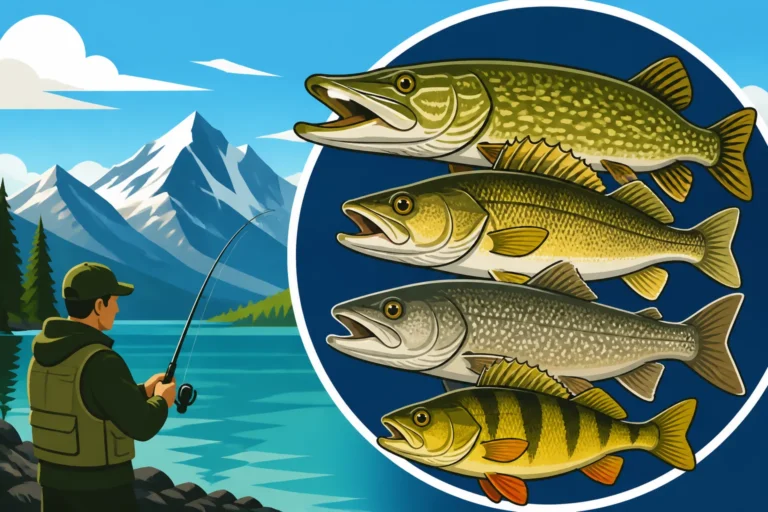
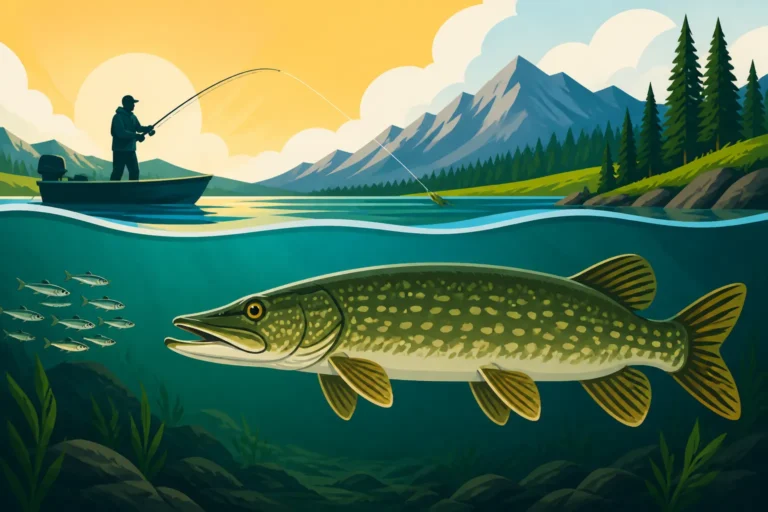
Competition for food, both from other Lake Trout (intra-species) and from other predatory fish species (inter-species), can also impact lifespan. In some lakes, if populations of other large predators like Northern Pike are too high, it can put pressure on the available forage, making it harder for Lake Trout to find enough food. Conversely, if Lake Trout numbers themselves become too dense for the available food, their growth rates can stunt, and they may not reach their full age potential. Managing the balance of these fish species is critical for overall ecosystem health. For more details on what these fish eat, check out What water temperature lake trout prefer and What baitfish Alberta walleye key on.
Fishing Pressure and Management
Human activity, specifically fishing pressure, has a significant impact on Lake Trout longevity. While natural mortality exists, angling can remove fish from the population, especially larger, older individuals which are often the most sought-after trophies. Heavy fishing pressure, particularly if combined with a high harvest rate, can deplete the population of older, larger fish, effectively "shortening" the average lifespan of Lake Trout in that particular lake. This is why regulations are so important.
Alberta's fisheries managers implement various strategies to protect Lake Trout and ensure their populations remain healthy and diverse, supporting the possibility of longer lives. These include bag and possession limits, size restrictions (e.g., slot limits that protect very large or very small fish), and seasonal closures during spawning. Catch-and-release practices, especially for larger, older fish, are increasingly encouraged to allow these valuable breeders to continue their contribution to the gene pool. If you want to know more about fishing regulations, check out Alberta Fishing Regulations Explained. Responsible angling plays a direct role in how many years these incredible fish can live. Many anglers choose specific gear for ethical catch and release, such as rubberized nets you can find on Amazon, which are gentler on fish scales and slime coats.
Recognizing Age in Lake Trout
Imagine reeling in a true giant, a Lake Trout that feels like it’s been around since the dawn of time. How can you tell if that fish is indeed an ancient monarch of the deep or simply a fast-growing youngster? While only scientific methods can give a precise age, there are some indicators and techniques to estimate a fish's tenure in Alberta's waters.
Physical Indicators of an Older Fish
When you're out on the water, you can often get a general sense of a fish's age by its size. This might seem obvious, but older fish generally tend to be larger, though growth rates can vary significantly between lakes and individuals. A 10-pound Lake Trout from one lake might be 15 years old, while a 10-pounder from a nutrient-rich lake with ample food might only be 10 years old. However, a truly massive Lake Trout, say over 20 pounds, is almost certainly a veteran of many seasons. You can read up on Lake Trout Average Size in Alberta Lakes to get a better idea of what to expect.
Beyond sheer size, coloration can sometimes offer clues. Very old Lake Trout might develop a deeper, richer color palette, sometimes with more pronounced patterns or a darker overall hue, though this can also be influenced by the specific lake's water clarity and substrate. Fin wear is another subtle indicator. Over decades of navigating rocky structures, spawning, and simply living, an old fish's fins, especially the caudal (tail) fin, can show signs of wear and fraying, becoming less pristine than those of a younger, more vigorous fish. These are not scientific proofs, but they offer visual cues to the experienced eye that you might be looking at a true old-timer.
Scientific Methods for Age Determination
For fisheries biologists, determining the precise age of a Lake Trout is crucial for managing populations effectively. They don't just guess; they use reliable scientific methods. The most common and accurate method involves examining a fish's otoliths, which are small ear bones. Like tree rings, otoliths lay down annual growth rings (annuli). By carefully removing, sectioning, and viewing these structures under a microscope, biologists can count the rings to determine the fish's exact age. It's a precise but lethal method, so it's only done on a sample of harvested fish or for research purposes.
Another method, less invasive but often slightly less accurate, is to analyze fin rays. A small section of a fin ray can be removed, and similar to otoliths, it will show growth rings. This allows researchers to age a fish without having to harvest it, which is invaluable for studying populations without impacting them directly. These methods provide the robust data needed to understand growth rates, longevity, and overall population health, informing the regulations that protect these long-lived fish for future generations of anglers. Specialized kits for collecting fin rays for scientific study might even be found on platforms like Amazon for researchers.
| Age Range (Years) | Typical Weight (lbs) | Characteristics | Significance |
|---|---|---|---|
| 0-5 | 0.5 – 5 | Rapid growth, often lighter coloration, pristine fins. | Young, actively growing fish, often targeted by anglers for sport. |
| 6-15 | 5 – 15 | Mature, actively spawning, good size for table fare. | Represents the bulk of the harvestable population in many lakes. |
| 16-30 | 15 – 30+ | Large, often deep-bodied, experienced spawners, potential trophy size. | Key breeders, increasingly important for catch and release. |
| 30+ | 30+ | 30+ | Very large, dark coloration possible, noticeable fin wear, rare. |
Note: Weight is highly variable based on lake productivity and specific genetics.
Implications for Anglers and Conservation
Understanding the incredible longevity of Lake Trout in Alberta carries significant implications, not just for how we fish, but for how we think about our role in preserving these magnificent fish for the future. It underscores the importance of thoughtful angling and robust conservation efforts.
Respecting Older Fish
When you know that a large Lake Trout could be 20, 30, or even 40+ years old, it changes your perspective, doesn't it? These are not just fish; they are living testaments to the resilience of Alberta's aquatic environments. For anglers, this means a heightened sense of responsibility, particularly when it comes to larger, older fish. These mature individuals are often the most prolific spawners, contributing significantly to the next generation of Lake Trout. Removing too many of them, even within legal limits, can have a disproportionate impact on the population's ability to sustain itself.
This is where catch and release practices become so vital, especially for those truly big, old "grandparent" fish. Handling these large fish with care, minimizing their time out of water, using appropriate landing nets (like knotless rubberized nets), and ensuring a strong recovery before release are acts of respect and conservation. We all want to experience the thrill of a big fish, but knowing that releasing it means it can continue to contribute for years to come adds another layer of satisfaction. Learn more about Alberta Catch and Release Only Waters and ethical angling in general.
The Role of Conservation in Supporting Longevity
The fact that Lake Trout can live for so many decades highlights the need for continuous and effective conservation strategies. Fisheries management isn't just about setting limits; it's about protecting the entire ecosystem that allows these fish to reach their full potential. This includes habitat protection, ensuring that the deep, cold, oxygen-rich waters they depend on remain pristine and free from pollution or degradation. Development along shorelines, water quality impacts from agriculture or industry, and changes in water levels can all affect their long-term survival.
Moreover, sustainable harvest limits and robust enforcement of regulations are critical. Alberta's fishing regulations, which you can find in resources like the Reading the Alberta Guide to Sportfishing Regulations, are designed to balance angling opportunities with the long-term health of fish populations. By adhering to these rules, participating in educational programs, and supporting conservation initiatives, anglers become active partners in safeguarding the future of Lake Trout in Alberta. Every decision, from what gear you choose to whether you keep a fish, can contribute to these species continuing their incredible, long lives in our beautiful province. For details on age requirements, see Alberta Fishing License Age Requirements.
Disclaimer
This article is for general informational purposes only and does not constitute professional advice. Laws, prices and regulations vary by location and change over time. Consult a qualified professional for guidance on your specific situation.