What baitfish Alberta walleye key on
One of the biggest frustrations for any angler chasing Alberta walleye is staring at a tackle box full of lures and wondering, "What are they really eating right now?" It's not just about throwing a flashy lure in the water; it's about understanding the underwater pantry that these incredible fish rely on. If you can crack the code of what baitfish Alberta walleye key on, you'll dramatically increase your chances of a successful day on the water, turning those frustrating days into memorable ones. This guide is all about helping you understand the primary forage for walleye in Alberta and how to use that knowledge to your advantage.
The Primary Forage Base of Alberta Walleye
Alberta's lakes and rivers are diverse, and so are the diets of their walleye populations. While walleye are opportunistic feeders, there are definitely some key baitfish species that make up the bulk of their diet in most productive waters. Knowing these primary food sources is the first step to "matching the hatch" and presenting something that looks like a tasty meal, rather than just another piece of plastic or metal. It's like knowing what your picky kids will actually eat for dinner—you're going for a sure thing!
Cisco (Lake Herring) and Their Importance
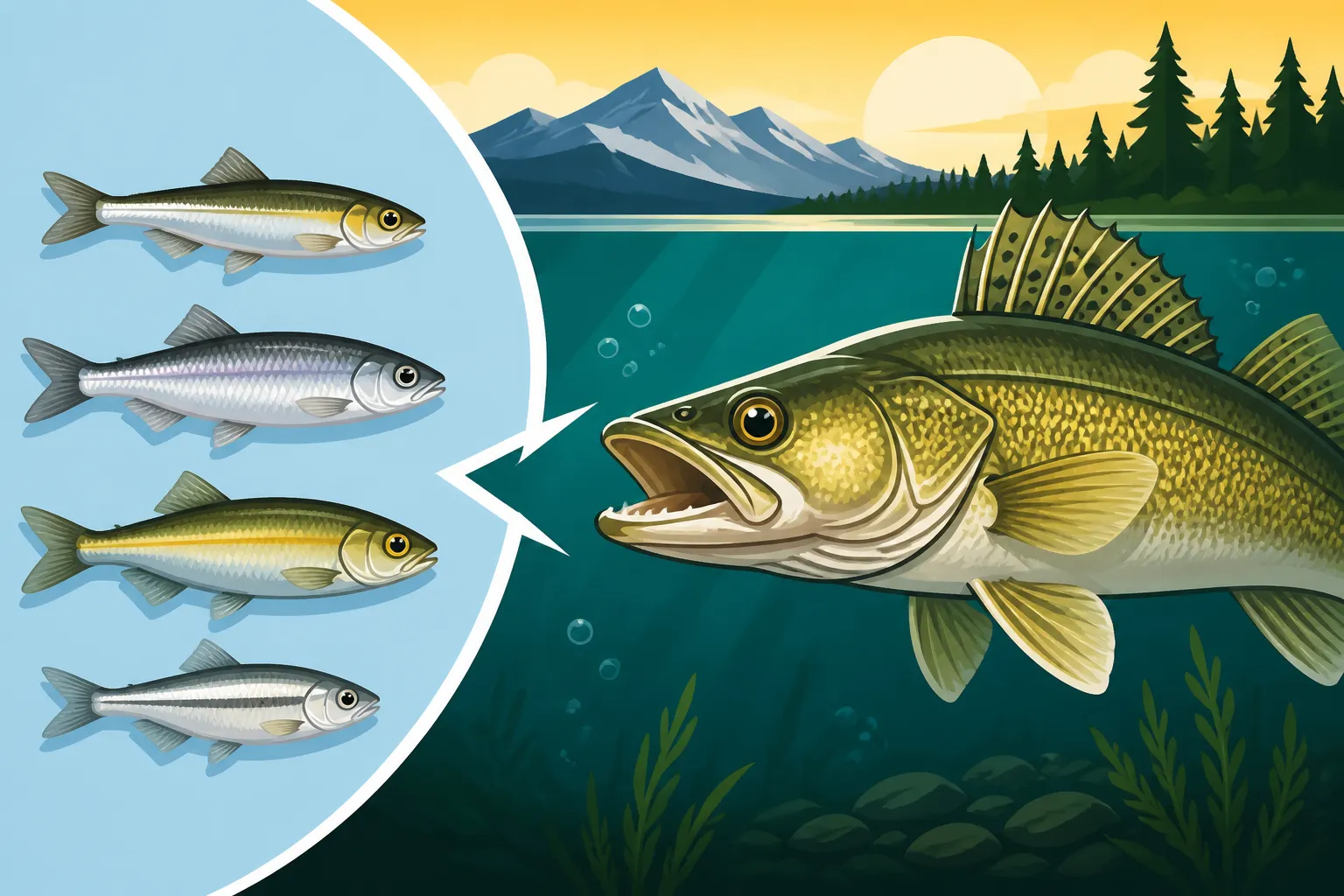
In many of Alberta's larger, deeper, and colder lakes, cisco, often referred to as lake herring, are an absolutely critical food source for walleye. These silvery, schooling fish are packed with protein and fat, making them a prime target for growing big, healthy walleye. Think of them as the ultimate energy bar for a hungry fish. Cisco tend to inhabit the cooler, deeper parts of the water column, especially during the warmer months, which means walleye will often follow them down. If you're fishing a lake known for its cisco population, like Lesser Slave Lake or even parts of Lac La Biche, understanding their movements is key to finding walleye. They often school in open water, making them a bit trickier to target than some other baitfish, but when walleye find a school, it's a feeding frenzy.
Yellow Perch: A Walleye Staple
If cisco are the "big meal" in some lakes, then yellow perch are the ubiquitous, always-available snack for walleye across almost all of Alberta's walleye waters. These striped beauties are found in nearly every lake and many rivers that hold walleye, and they are a year-round food source. Perch have a distinct profile, often with a slightly humped back and vertical bars, and walleye definitely recognize them. What makes perch so important is their habitat. They often hang around weed lines, rocky structures, and shallow flats, areas that walleye also love to patrol. This means that walleye don't have to travel far to find a meal, and it makes targeting them a bit more predictable for us anglers. There's a reason why so many walleye lures mimic the perch's distinctive look and swimming action—it's just what walleye expect to see. You'll hear many anglers discussing Best Baits for Walleye on Lesser Slave Lake, and perch imitations are always high on that list.
Suckers and Other Bottom Dwellers
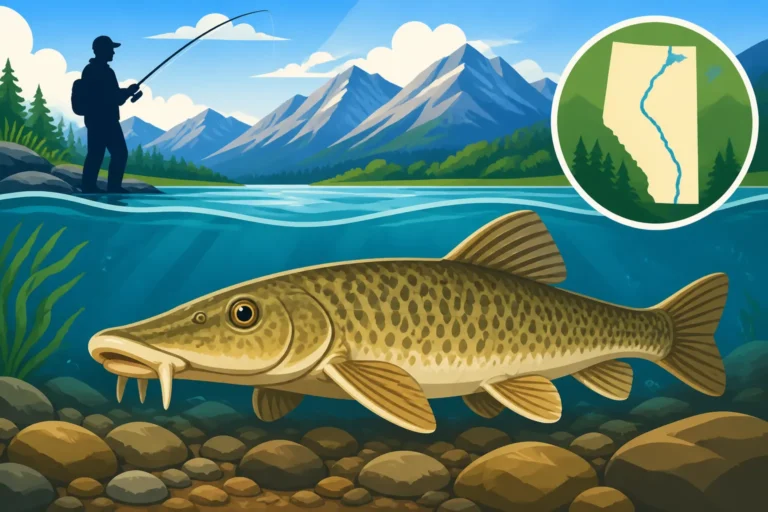
While not as flashy as cisco or as numerous as perch, various species of suckers (like white suckers or longnose suckers) and other bottom-dwelling fish play a significant role in the walleye's diet, especially in rivers and lakes with soft bottoms or abundant shallow areas. These fish are slow-moving and often cruise along the bottom, making them easy targets for walleye that are ambushing from cover or simply grubbing along the lakebed. Walleye are quite adept at rooting around for food, and a slow-moving, larger meal like a sucker can be very appealing, particularly for bigger walleye looking for an easy, high-calorie meal. Don't underestimate the appeal of a dark-colored, slightly chunky bait that looks like it's trying to hide in the mud or rocks.
How Walleye Hunt and Adapt to Different Baitfish
Understanding what walleye eat is only half the battle; knowing how they hunt these different baitfish species is crucial for presenting your lures effectively. Walleye are masters of their environment, utilizing their keen senses and adaptable hunting strategies to capitalize on whatever forage is most readily available. It's not just a lucky guess when you catch them; it's often because you've tapped into their natural hunting instincts.
Ambush Predators and Schooling Patterns
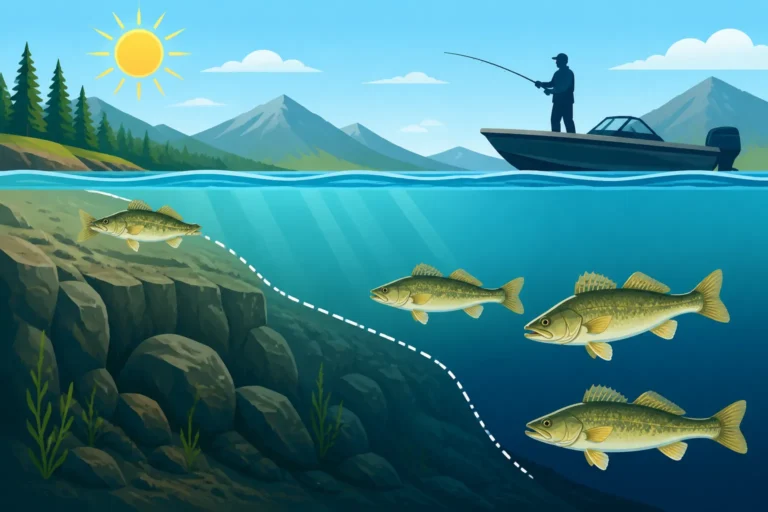
Walleye are classic ambush predators, especially when targeting schooling baitfish like cisco or even groups of yellow perch. They'll often position themselves on points, along drop-offs, near submerged structures, or at the edges of weed beds, waiting for a school of bait to pass by. When a school moves within striking distance, the walleye will dart out, often stunning or engulfing their prey with a quick, powerful lunge. This means that if you're marking schools of baitfish on your fish finder, there's a good chance walleye are lurking nearby, perhaps just below or to the sides, waiting for the perfect moment. Thinking about how the baitfish move is key. Do they dart quickly? Do they school tightly? Your retrieve should mimic these patterns. When you're trying to figure out How to Catch Walleye in Alberta, understanding this predator-prey dynamic is paramount.
Sensory Advantages: Sight, Sound, and Lateral Line
Walleye possess incredible sensory adaptations that make them formidable predators, even in low light or turbid water conditions. Their large eyes are specially designed to gather light, giving them a distinct advantage over many baitfish during dawn, dusk, and even bright moonlit nights. This is why "walleye chop" or overcast days can be so productive—it reduces the light penetration, putting the walleye in their element. But it's not just sight. Walleye also rely heavily on their lateral line system, a row of sensory pores that detect vibrations and pressure changes in the water. This allows them to "feel" fleeing baitfish or the thumping of a jig even in complete darkness or murky conditions. Lastly, some baitfish, like perch, can create subtle sounds or vibrations as they move, which walleye can pick up on. When selecting your lures, consider not just the visual, but also the action and any rattles that might mimic these vital signals.
Mimicking Key Baitfish with Your Lures
Now we get to the fun part: translating all this knowledge into actual fishing success! Once you understand what the walleye are eating and how they're hunting it, choosing the right lure becomes much less of a shot in the dark and more of a strategic decision. It’s all about giving them what they expect, or at least something very, very similar.
Matching the Hatch: Size, Shape, and Color
The concept of "matching the hatch" isn't just for fly anglers; it's absolutely crucial for walleye fishing too.
- Size: This is often the most important factor. If walleye are keying on small, 2-inch perch, throwing a 6-inch crankbait might not get their attention. Conversely, if they're gorging on large cisco, a tiny jig might be ignored. Pay attention to the size of any baitfish you see in the shallows or that you might cough up in the livewell. Generally, 3-5 inch lures are a good starting point for walleye.
- Shape: Different baitfish have different profiles. Cisco are slender and torpedo-shaped, while perch are deeper-bodied with a hump. Your lure's body shape should ideally mimic these. For example, a slim jerkbait is great for cisco imitations, while a deeper-bodied crankbait or a soft plastic swimbait with a wide profile works well for perch.
- Color: While walleye can see color, it's often less critical than size and shape, especially in deeper or stained water where contrast is more important. However, natural patterns that mimic perch (green, yellow, black bars), cisco (silver, white, hint of blue), or suckers (brown, grey, black) are always good bets. In stained water, brighter colors like chartreuse or orange can sometimes act as an attractant, even if they don't perfectly "match." For deeper waters or low light, glowing lures or those with UV finishes can also make a big difference, as walleye can pick up on these unique light spectrums. Many successful walleye anglers will tell you that What water temperature walleye prefer can also influence color choice, with more subdued colors often working better in colder water.
Lure Types for Specific Forage
Different lure types excel at mimicking specific baitfish actions and locations.
- Jerkbaits & Trolling Plugs: These are fantastic for imitating cisco and other slender baitfish that suspend in the water column. Jerkbaits are great for active presentations, allowing you to pause and twitch, mimicking a wounded baitfish. Trolling plugs, like those from popular brands you might find on Amazon, are excellent for covering water and presenting a constant, fish-like swimming action at a specific depth, which is ideal when walleye are following schools of cisco in open water.
- Jigs & Soft Plastics: These are incredibly versatile and can imitate almost any baitfish, but they truly shine when mimicking perch or suckers near the bottom or in cover. A jig dressed with a soft plastic swimbait, grub, or paddle tail can perfectly mimic a perch cruising or darting through weeds. Heavier jigs with soft plastic worms or creatures can effectively imitate suckers rooting along the bottom. The key here is to impart subtle movements that make the plastic "breathe" and look alive.
- Blade Baits & Spoons: These lures create a lot of flash and vibration, making them great for attracting walleye in less-than-ideal visibility or when they're actively chasing bait. A silver blade bait can look like a fleeing cisco, while a spoon jigged vertically can mimic a struggling baitfish falling through the water column, triggering aggressive strikes from walleye below.
Scent and Action: Beyond Visual Appeal
Don't forget that walleye rely on more than just sight. Adding scent to your lures can often be the difference-maker, especially in colder water or when fish are lethargic. Scented soft plastics or scent applied to hard baits can mask unnatural odors and encourage walleye to hold onto the bait longer, giving you more time to set the hook. Brands like Berkley PowerBait or Gulp! are very popular for this reason.
Action is equally important. A lure that wobbles erratically might perfectly mimic a distressed baitfish, while a straight, steady retrieve might imitate a confident, healthy one. The best action for any given day will depend on the walleye's mood and the behavior of their natural forage. Experiment with retrieve speeds, pauses, and twitches until you find what triggers a strike. Sometimes, a slow, methodical crawl along the bottom is what they want, other times, a quick, aggressive snap-jigging motion is best. This ties into understanding the walleye's feeding mood, which can often be influenced by Best time of day to catch walleye or even weather changes.
Seasonal Changes and Walleye Forage Shifts
Just like our own appetites change with the seasons, so too does the availability and preferred forage of walleye. What they're eating in April is likely very different from what they're targeting in August, or even when you're ice fishing in January. Being aware of these seasonal shifts is paramount to consistent success.
Spring Forage: Post-Spawn Hunger
After the rigors of the Walleye Spawning Season in Alberta in late spring, walleye are often hungry and looking for easy meals. In many systems, this is a time when smaller baitfish like minnows and juvenile perch become more active in the shallows as the water warms. Walleye will often be found near these shallower areas, ambushing baitfish that are also moving in to feed or spawn. Look for areas where streams flow into lakes, or shallower bays and points with new weed growth. Small crankbaits, jigs with soft plastics, and even live minnows are excellent choices during this period, mimicking the smaller, more abundant baitfish found closer to shore.
Summer Abundance: Open Water Tactics
As summer progresses and water temperatures rise, many baitfish, especially cisco, will move to deeper, cooler parts of the lake. Walleye often follow suit, suspending in open water or holding to deep structure near these baitfish schools. This is when deep-diving crankbaits, trolling with planer boards to cover wide expanses, or vertical jigging over deep humps and reefs becomes incredibly effective. Larger lures that imitate the bigger cisco or mature perch are often the ticket. On larger lakes, understanding the thermocline and where baitfish are holding within it is key. How deep walleye go in summer often directly correlates with baitfish depth.
Fall Feast: Preparing for Winter
Fall is a prime time for trophy walleye fishing, as these fish go on a serious feeding binge to pack on weight for the upcoming winter. Baitfish are often schooling up in large numbers, sometimes in surprisingly shallow water before moving deeper, or congregating on classic structures like main lake points and humps. Walleye will aggressively chase and gorge on these schools. This is a time when larger, more aggressive presentations like big swimbaits, jerkbaits, and heavy jigs can be incredibly effective. The walleye are looking for a substantial meal, and they're willing to chase it down. Thinking about Best walleye lures for Lesser Slave Lake in summer will still be relevant, but upsizing your offerings is often a good move.
Winter Ice: Slow and Subtle Presentation
When the lakes freeze over, the game changes dramatically. Baitfish movement slows significantly, and so does the metabolism of walleye. During ice fishing season, walleye are still feeding, but often require a more subtle and deliberate presentation. Small jigs tipped with minnow heads, dead sticks with live minnows, and small jigging spoons that flutter enticingly are often the most productive. Walleye will hold tight to structure or suspend just above the bottom, waiting for an easy meal. Your presentation needs to reflect this slower pace, mimicking a lethargic baitfish that's an easy target. Don't be afraid to leave your bait still for long periods, as walleye might take their time approaching.
Baitfish-Lure Matching Guide
Here's a quick reference table to help you match your lures to the primary walleye forage in Alberta:
| Primary Walleye Forage | Typical Size (approx.) | Common Habits & Location | Recommended Lure Types | Key Lure Characteristics |
|---|---|---|---|---|
| Cisco (Lake Herring) | 4-8 inches | Open water, suspended, deeper, schooling | Jerkbaits, Trolling Plugs, Swimbaits, Spoons | Slender profile, silver/white/blue colors, fast erratic action, deep diving |
| Yellow Perch | 2-6 inches | Weeds, rocks, structure, schooling | Crankbaits, Jigs with soft plastics (swimbaits, grubs), Blades | Deeper body, perch patterns (green/yellow bars), realistic action, varied depths |
| Suckers | 6-12+ inches | Bottom dwellers, rivers & lakes, slower moving | Heavy Jigs (with soft plastics or live bait), Bottom Bouncers, Spinner Rigs | Darker colors (brown/grey), chunky profile, slow retrieve, scent |
| Minnows (general) | 1-3 inches | Shallows, near shore, varied habitats | Small Jigs, Small Crankbaits, Live Minnows, Spinnerbaits | Small size, silver/gold, erratic darting action |
It's a wonderful feeling when you figure out what the walleye are keying on. Knowing the common forage species in Alberta's diverse waters, understanding their behaviors, and then confidently choosing a lure that imitates that meal can truly transform your fishing experience. Next time you're on the water, take a moment to consider what's on the menu for those hungry walleye. You might just find yourself reeling in more fish than ever before, armed with the knowledge of their underwater diet. Remember to check out the Alberta walleye daily limit and other regulations before you head out! If you're looking for more gear, you can often find great deals on lures and accessories on Amazon that specifically mimic these key baitfish.
Disclaimer
This article is for general informational purposes only and does not constitute professional advice. Laws, prices and regulations vary by location and change over time. Consult a qualified professional for guidance on your specific situation.