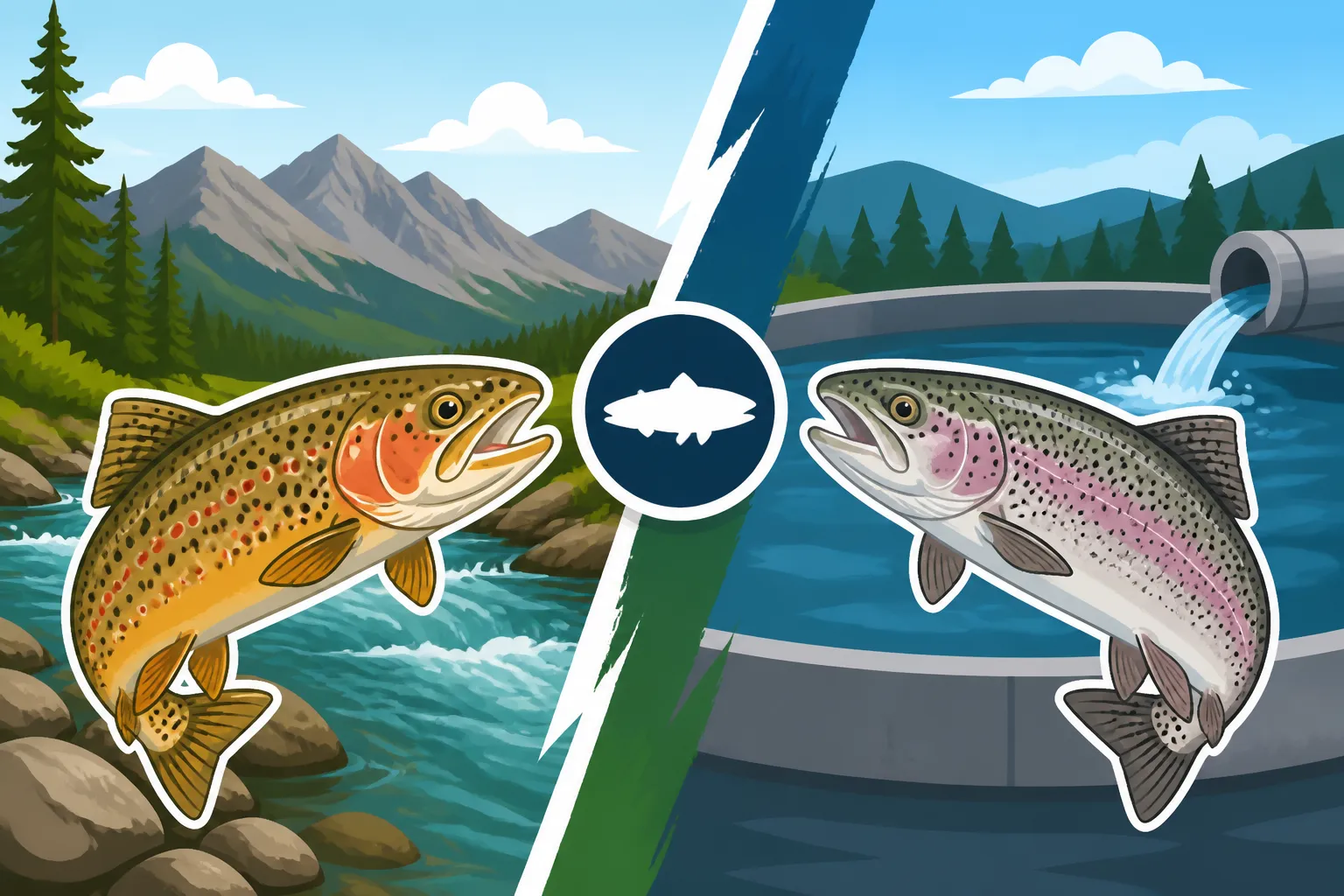
Difference between wild and stocked trout in Alberta
When you're out on the water, fly rod in hand or a spinnerbait cutting through the current, there's a certain magic to hooking into a beautiful trout. But have you ever paused to think about where that fish truly comes from? For many anglers in Alberta, the line between a wild, naturally reproduced trout and one raised in a hatchery and stocked into a lake or river can feel a little blurry. It's a common confusion, and understanding the differences isn't just a matter of curiosity; it can actually help you become a more effective and responsible angler. This guide will walk you through the distinct characteristics, behaviours, and roles that both wild and stocked trout play in Alberta's diverse fisheries.
The Fundamental Differences: Wild vs. Stocked Trout
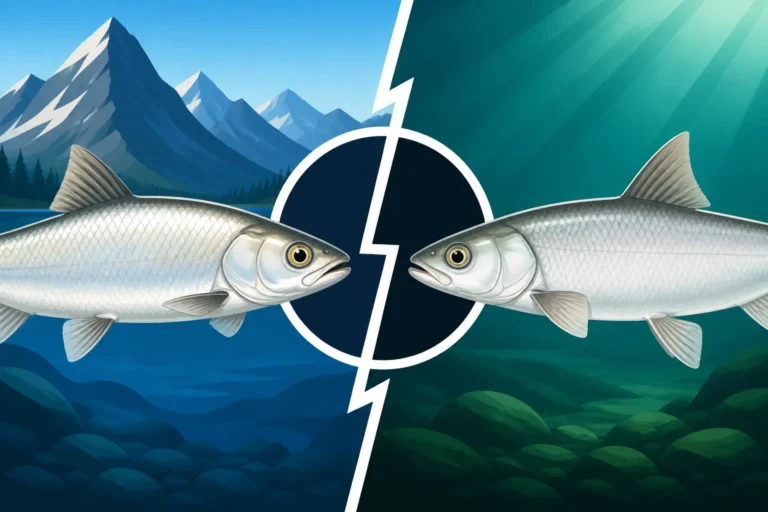
Let's cut right to it. While they might be the same species, a trout that grew up fin-to-tail in a river and one that spent its formative months in a concrete raceway are often worlds apart. These differences are clear once you know what to look for, impacting everything from their fight to their long-term survival.
Physical Appearance and Markings
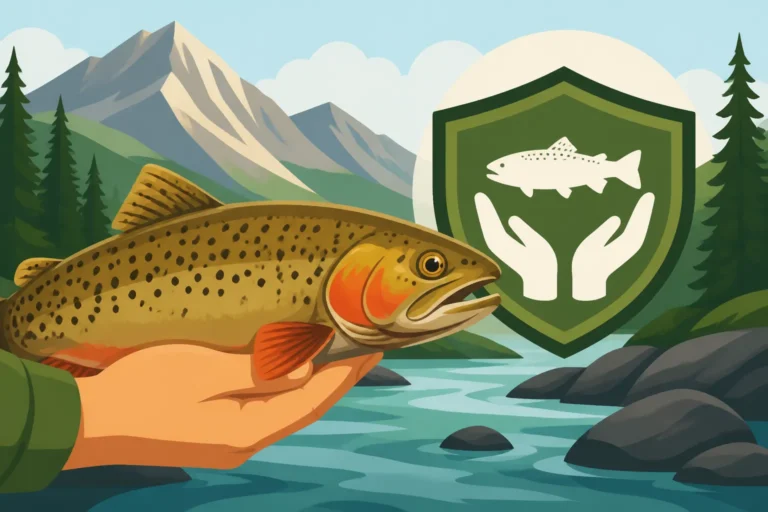
One of the most immediate ways to tell a wild trout from a recently stocked one is by simply observing its physical attributes. Wild trout, honed by nature, tend to be paragons of aquatic athleticism. Their fins are usually perfect: sharp-edged, fully formed, and often translucent. They use these fins constantly to navigate currents, escape predators, and hunt for food, leading to strong, well-defined musculature and a sleek, torpedo-like body shape. Their coloration is often vivid and varied, reflecting the specific environment they inhabit. A wild rainbow trout from a clear mountain stream, for instance, might have brilliant pink or red lateral stripes and incredibly vibrant spots, perfectly camouflaged for its surroundings. Trout Species Identification Guide for Alberta can be a great help here.
Stocked trout, on the other hand, frequently bear the tell-tale signs of their hatchery upbringing. Their fins, especially the pectoral and pelvic fins, can often appear worn, rounded, or even tattered. This isn't due to injury in the wild, but rather from the constant rubbing against concrete walls or other fish in crowded hatchery tanks. Their bodies might seem a bit more uniform or even disproportionately plump, especially if they've been fed a steady diet of pellets. The vibrant colours you see on a wild fish can also be muted or faded on a stocked counterpart, giving them a somewhat "washed out" appearance. Their snouts can sometimes be blunter from bumping into tank walls. These are subtle cues, but once you've seen enough examples, they become quite obvious.
Behavioural Traits and Survival Instincts
Beyond their looks, the behaviour of wild versus stocked trout tells an even deeper story. Wild trout are survivors. They've spent their entire lives evading ospreys, eagles, bears, and, of course, clever anglers. This makes them incredibly wary and often skittish. A mere shadow or an unnatural vibration can send them darting for cover. When you hook a wild trout, you're usually in for a spectacular fight – acrobatic leaps, powerful runs, and a tenacious struggle that speaks to their ingrained survival instincts. They are masters of their environment, understanding current breaks, feeding lanes, and where to find the best cover from predators.
Stocked trout, especially those recently released, haven't had the same schooling in survival. They've been fed daily, protected from predators, and have generally lived a relatively stress-free existence in the hatchery. Consequently, they tend to be far less wary and can often be easier to approach and catch. Their fight, while sometimes spirited initially, might lack the sustained power and acrobatic flair of a wild fish. They're often referred to as "pellet-pigs" because their primary instinct is to look for food, sometimes even rising eagerly to unfamiliar lures or baits. While this can make for a fun day of fishing, it's a stark contrast to the challenge a truly wild fish presents. The learning curve for these fish in a wild environment is steep, and sadly, many don't survive long after release.
Genetic Purity and Adaptability
The genetic makeup of wild and stocked trout is another critical distinction. Wild trout populations, especially those in isolated or pristine environments, possess unique genetic adaptations that have evolved over generations. These adaptations allow them to thrive in their specific local conditions, be it a fast-flowing, cold mountain stream or a nutrient-rich prairie lake. They are often highly tuned to their environment, demonstrating robust natural reproduction and resilience to local diseases or environmental shifts. Understanding Native trout species found in Alberta is key to appreciating this.
Stocked trout, particularly those from large-scale hatchery operations, are often bred for traits like fast growth rates and disease resistance in a hatchery setting, rather than for survival and reproduction in the wild. This can lead to a less diverse gene pool. When these hatchery fish interbreed with wild populations, there's a risk of "genetic dilution," where the unique genetic adaptations of the wild fish can be weakened or lost over time. This is a significant concern for conservationists, especially for sensitive species like Alberta's native bull trout or cutthroat trout. These genetic differences play a huge role in questions like Do Trout Reproduce Naturally in Alberta Streams?.
The Purpose Behind Stocking: Why Alberta Does It
Given the differences, you might wonder why stocking is such a prevalent practice in Alberta. It's not a random act; it's a carefully considered strategy by fisheries managers to achieve specific goals, balancing recreational opportunities with conservation efforts.
Enhancing Fishing Opportunities
One of the primary reasons for stocking trout in Alberta is to create and enhance fishing opportunities for anglers. Many urban ponds, smaller lakes, and easily accessible bodies of water wouldn't support a self-sustaining trout population due to various factors like habitat limitations, warm water temperatures, or high predator loads. By regularly stocking these locations, Alberta Environment and Protected Areas provides accessible "put-and-take" fisheries, particularly popular for families, beginners, and those who simply want a higher chance of success. This includes the regular stocking of rainbow trout, sometimes referred to as 'catchable' size fish.
These stocked fisheries can take pressure off more sensitive wild trout populations in other areas, allowing those native fish to thrive undisturbed. It's about spreading the love for fishing, ensuring that everyone, regardless of their skill level or access to remote wilderness, has a place to cast a line. For many, grabbing a basic spinning rod and a few PowerBait jars (easily found at many sporting goods stores, or on Amazon if you prefer shopping online) and heading to a stocked pond is their first introduction to the joys of angling.
Managing Fisheries and Conservation
While often associated with recreational fishing, stocking also plays a crucial role in broader fisheries management and conservation efforts. In some cases, stocking is used to re-establish fish populations in waters where they've been depleted due to environmental factors, overfishing, or habitat degradation. This might involve introducing trout to waters that were historically barren or where a native population has struggled. It's a way to jump-start a fishery or recover a species.
Sometimes, non-native species like rainbow or brown trout are stocked into specific waters to create a sport fishery, especially if native species cannot thrive there or if the goal is to provide a diverse angling experience. It's a complex science, and fisheries biologists constantly monitor these programs to ensure they meet their objectives without harming existing ecosystems. You can learn more about how regulations support this in the Alberta Fishing Regulations Explained.
The Role of Hatcheries
Hatcheries are the unsung heroes (or sometimes villains, depending on your perspective) behind stocked fisheries. These facilities, like the Sam Livingston Fish Hatchery near Calgary, are essentially fish farms where trout eggs are collected, hatched, and the young fish are raised in a controlled environment. They provide food, monitor water quality, and protect the fish from natural predators. This controlled setting allows for efficient, large-scale production of trout, ensuring a consistent supply for stocking programs.
The process involves careful breeding, often focusing on traits that ensure the fish reach a "catchable" size quickly and can survive the stress of transportation and initial release. While undeniably effective at producing fish, the hatchery environment is vastly different from a wild stream or lake. This is why stocked fish often lack the survival skills of their wild counterparts. Alberta stocks millions of fish each year; you might be surprised to read How many trout Alberta stocks each year.
Impact on Alberta's Ecosystems and Angling Experience
The presence of both wild and stocked trout creates a dynamic and sometimes complex interplay within Alberta's aquatic ecosystems and for the angling community. It's a balancing act that fisheries managers continually strive to perfect.
Ecological Considerations and Risks
While stocking offers benefits, it's not without its ecological considerations. One significant concern is the potential for disease transmission. Hatchery environments, with their high fish densities, can sometimes be breeding grounds for diseases. If these diseases are introduced into wild populations through stocked fish, they can have devastating effects on native species that haven't developed immunity.
Another risk is genetic dilution, as mentioned earlier. If stocked fish, which may have a less diverse or locally adapted gene pool, interbreed with wild populations, it can weaken the long-term fitness and survival capabilities of the native fish. This is particularly problematic for genetically unique populations like Alberta's westslope cutthroat trout. There's also the concern of competition for resources. In some cases, a large influx of stocked fish can outcompete wild fish for food and habitat, placing additional stress on already fragile ecosystems. This is why careful planning is crucial for stocking programs.
The Angler's Perspective: Pros and Cons
From an angler's point of view, both wild and stocked trout offer unique experiences. Stocked fisheries, especially those in urban areas or easily accessible ponds, provide a fantastic entry point into the sport. They offer a higher likelihood of catching fish, which is incredibly encouraging for beginners and kids. It's a great way to spend a casual afternoon, and the joy of a bending rod is undeniable, regardless of the fish's origin.
However, many seasoned anglers find a deeper satisfaction in pursuing wild trout. The challenge, the stealth required, and the sheer beauty of a naturally perfect wild fish make the reward feel profoundly greater. The fight of a wild Bow River rainbow trout, for example, is often described as exhilarating and unforgettable. It's about connecting with nature in its purest form. This is why many choose to strictly practice catch and release for wild fish, especially in special regulation waters like those found in Alberta Catch and Release Only Waters. The gear chosen for pursuing these different types of fish can also vary greatly, from simple worm and bobber setups for stocked ponds to highly specialized fly fishing equipment that many anglers seek out, perhaps browsing for a new fly reel on Amazon.
Supporting Both Populations
The good news is that Alberta's fisheries management aims to support both robust wild populations and thriving stocked fisheries. It's not an either/or situation. Many of Alberta's most iconic trout rivers, like the Bow River, are managed primarily for wild, self-sustaining populations, with strict regulations in place to protect them. In these areas, the focus is on habitat preservation, catch-and-release practices, and limiting angler impact.
Conversely, numerous lakes and ponds are dedicated "put-and-take" fisheries, heavily stocked to provide accessible angling. The key is understanding which waters fall into which category and adjusting your angling approach accordingly. Responsible angling means knowing the regulations for the specific water body you're fishing and respecting the intent of its management. Whether you prefer the thrill of a wild trout in a remote stream or the easygoing fun of a stocked pond, there's a place for you in Alberta's diverse fishing scene.
Identifying Your Catch: Tips for Anglers
So, you've got a fish on the line! How do you know if it's a wild warrior or a hatchery hopeful? Here are some practical tips to help you identify your catch on the water.
On-the-Water Identification Cues
When you've landed a trout, take a moment to observe it before releasing it or deciding to keep it (if regulations allow). Look closely at its fins. As discussed, the fins of wild trout are typically pristine and fully formed, with sharp edges. Stocked fish, especially the pectoral and pelvic fins, might show signs of wear and tear, appearing stubby, frayed, or rounded. This is often the easiest and most reliable indicator.
Next, examine the colour and body shape. Wild trout usually boast vibrant, rich colours that blend perfectly with their environment, along with a sleek, muscular, and streamlined body. Stocked fish can appear duller in colour and sometimes have a softer, slightly chunkier body, especially if they've been recently fed a rich diet. Their snouts might also be less pointed.
Here's a quick reference table to help you:
| Feature | Wild Trout (General) | Stocked Trout (Recently Released) |
|---|---|---|
| Fins | Perfect, sharp, complete, often translucent | Worn, rounded, stubby, frayed, opaque |
| Coloration | Vibrant, distinct, rich, specific to habitat | Often duller, less varied, uniform |
| Body Shape | Lean, muscular, streamlined | Plump, softer, sometimes disproportionate |
| Snout | Sharp, pointed, defined | Can be blunt or rounded |
| Spots/Markings | Sharp, clear, often unique patterns | Can be faded or less distinct |
| Overall Vibe | Athletic, camouflaged, wary | Less wary, can look 'mass-produced' |
Remember, these are general guidelines, and there can be exceptions. A "holdover trout," for instance, is a stocked fish that has survived in the wild for a significant period. These fish often develop more wild-like characteristics, making them harder to distinguish. What a holdover trout is delves deeper into this fascinating phenomenon. Also, a good waterproof fish identification chart, which you can often find at local tackle shops or online on Amazon, can be a great addition to your Best Tackle Box Setup for Alberta Anglers.
Regulations and Responsible Angling
Perhaps the most critical aspect of identifying your catch is to ensure you are complying with provincial fishing regulations. The rules regarding retention, size limits, and even tackle restrictions often differ between waters managed for wild populations and those heavily stocked. For instance, species like Bull Trout have extremely strict regulations, often a Alberta Bull Trout Zero Possession Rule, regardless of whether you think it looks wild or stocked. Ignorance of the rules is never an excuse, and penalties for violations can be significant, as you can read in Fishing Without a License in Alberta: Penalties.
Always consult the latest Reading the Alberta Guide to Sportfishing Regulations before heading out. This guide will clarify season dates, bag limits, and specific rules for each water body and species. By being able to distinguish between wild and stocked trout, you're not just satisfying your curiosity; you're equipping yourself to make informed decisions that contribute to the health and sustainability of Alberta's incredible fisheries for years to come.
Disclaimer
This article is for general informational purposes only and does not constitute professional advice. Laws, prices and regulations vary by location and change over time. Consult a qualified professional for guidance on your specific situation.