Are Carp Good to Eat from Alberta Waters?
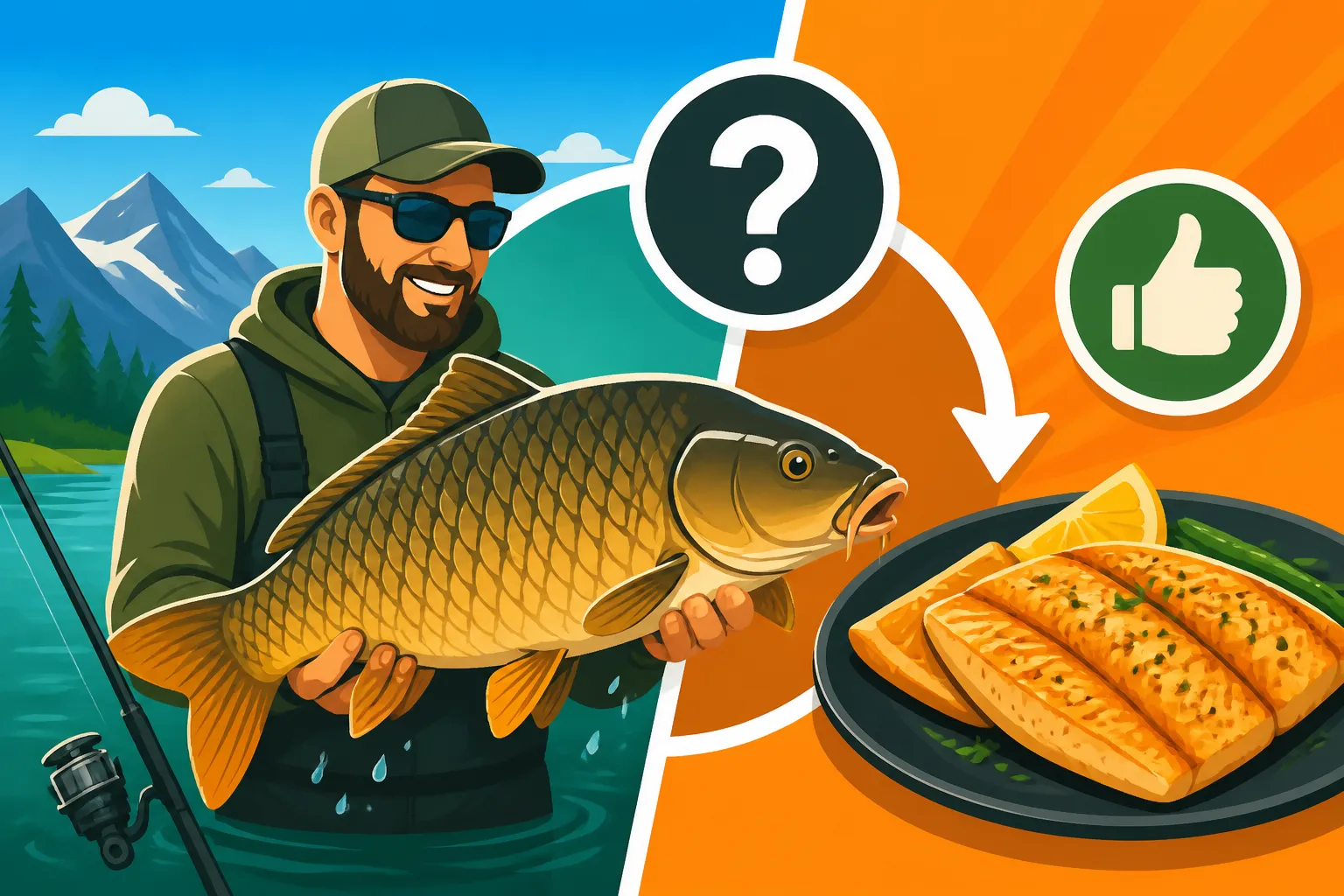
Many anglers in Alberta have wondered about catching carp, but a common hesitation often pops up: "Are carp good to eat from Alberta waters?" There's a persistent rumour that they're muddy, bony, and simply not worth the effort. This guide aims to tackle those assumptions head-on, offering a realistic look at how to transform a common catch into a delicious meal, provided you approach it with the right knowledge and techniques.
Dispelling the Myths: Why Carp Get a Bad Rap in Alberta
For many years, common carp have been viewed with disdain by a segment of the Alberta fishing community, often labeled as "trash fish" or "rough fish." This perception deeply impacts whether people even consider them for the dinner table. It's a shame, really, because this overlooks a fantastic food source right in our backyard.
The Common Perception vs. Reality
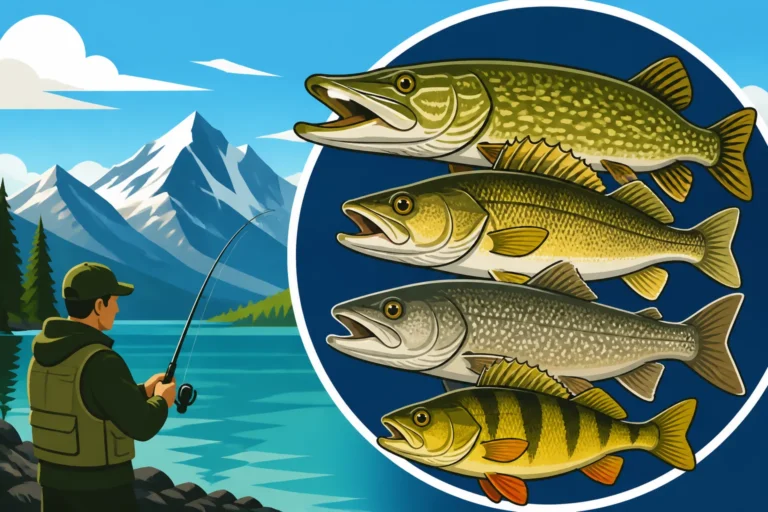
The ingrained bias against carp as a food fish in North America often stems from historical reasons and a lack of understanding about proper preparation. We tend to prize species like walleye, pike, and trout, while carp are relegated to the bottom of the culinary hierarchy. You might hear comments like, "Oh, carp? You can't eat those, they're full of bones!" or "They taste like mud!" These sentiments are strong and pervasive, often passed down through generations of anglers who've never actually tried a properly prepared carp. It's a self-fulfilling prophecy, really – if you don't believe it's good, you won't put in the effort, and thus, your experience will likely confirm your bias.
But let's be realistic. Many cultures around the world, particularly in Europe and Asia, revere carp as a delicacy. They are farmed specifically for consumption and are a staple in many traditional dishes. This cultural disconnect highlights that the problem isn't necessarily the fish itself, but rather our approach to it. Imagine if you just threw a freshly caught walleye into a pan without filleting or seasoning it; you probably wouldn't rave about its flavour either! The reality is, with a little care and knowledge, carp can be a delicious and rewarding fish to eat.
Understanding Carp's Habitat and Diet
One of the biggest factors influencing the taste of any fish is its environment and diet. When people complain that carp taste "muddy," they're often reflecting an experience with fish caught from stagnant, warm, or overly silty waters where the carp might have been feeding heavily on bottom detritus and algae. Just like any other fish, a carp’s flavour profile can be directly linked to where it spends its time and what it consumes. A walleye from a pristine, cold, deep lake will likely taste different from one caught in a shallower, warmer, nutrient-rich body of water.
In Alberta, common carp can be found in a variety of environments, from larger rivers like the Bow and South Saskatchewan to numerous lakes and sloughs. While they are often associated with warmer, shallower waters, they can also thrive in cooler, clearer environments. Knowing where your carp comes from can give you a hint about its potential flavour. A carp caught from a flowing river with a clean, gravelly bottom will generally have a much cleaner taste than one caught from a muddy, stagnant slough. Understanding Common carp size and habits in Alberta lakes can further inform your decisions about where to fish for the best tasting specimens. The key is to seek out active fish from cleaner water whenever possible, which will significantly improve the culinary outcome.
Preparing Carp for the Plate: From Water to Table
The transformation of carp from a perceived "rough fish" to a delicious meal begins the moment it leaves the water. Proper handling, cleaning, and cooking techniques are paramount to unlocking its culinary potential. This isn't just about cooking; it's about treating the fish with respect to ensure the best possible flavour and texture.
The Importance of Proper Handling
Unlike some fish that can tolerate a bit of neglect, carp truly benefit from immediate and careful handling. The first step, and one that many anglers overlook, is bleeding the fish. As soon as you catch a carp you intend to keep, cut its gills or sever the artery just behind the head. This allows the blood to pump out, which significantly improves the flavour by removing residual blood that can impart a "gamey" or metallic taste. A quick, humane dispatch followed by immediate bleeding is crucial.
After bleeding, chilling the fish quickly is equally important. Get it on ice as soon as possible, ideally in a cooler packed with ice slush. This not only preserves the meat but also prevents enzymatic breakdown that can lead to off-flavours. Think of it like handling prime beef; you wouldn't let it sit out in the sun, and the same care should be extended to your carp. If you're out on the water for an extended period, having a quality cooler, perhaps one you picked up from Amazon, is absolutely essential for maintaining the freshness of your catch. The longer the fish stays fresh, the better it will taste when it hits your plate.
Master the Fillet: The "Mud Vein" Secret
One of the most persistent complaints about carp is its "muddy" taste and its numerous small bones. Both can be addressed with proper filleting, especially mastering the removal of the "mud vein," also known as the lateral line. This dark strip of meat runs along the side of the fish and contains a higher concentration of fatty compounds that can hold onto stronger, sometimes less desirable flavours. Removing it is a game-changer.
Here’s how to do it:
- Fillet as usual: Start by filleting the carp into two boneless slabs of meat, just as you would a walleye or pike. A sharp Best Fillet Knife for Cleaning Walleye is indispensable here.
- Locate the mud vein: Lay the fillet skin-side down. You'll see a distinct reddish or darker brown line running horizontally through the middle of the fillet, typically where the lateral line was on the whole fish. This is the "mud vein."
- Cut it out: Using your fillet knife, make a V-shaped cut along both sides of this dark line, carefully excising the entire strip. You'll be left with two cleaner, lighter-coloured sections of fillet per side.
- Remove the Y-bones: Depending on the size of the carp, you might also encounter intramuscular "Y-bones" in the upper part of the fillet. These can be removed by making V-cuts around them or by cutting the fillet into boneless strips between the rows of bones. Alternatively, some cooking methods, like grinding for fish patties, can make these bones negligible.
This meticulous filleting might seem like extra work, but it makes a profound difference. Once this "mud vein" is gone, a significant source of the "muddy" flavour is eliminated, leaving you with cleaner-tasting meat.
Culinary Techniques to Transform Carp
With properly handled and filleted carp, you're now ready to cook! The texture of carp meat is often described as firm and flaky, similar to some whitefish, but with a richer, slightly sweet flavour. The key is to use cooking methods that complement this profile and ensure any remaining small bones are dealt with (if you didn't remove all of them).
- Frying/Deep Frying: This is a popular method. Cut the cleaned, boneless fillets into smaller chunks or strips, bread them with a seasoned cornmeal or flour mixture, and fry until golden brown and crispy. The high heat helps to break down any tiny remaining bones, and the crust adds wonderful texture.
- Smoking: Carp takes incredibly well to smoking. The long, slow smoke process not only imparts a fantastic flavour but also softens the bones to the point where they are often edible. Brine the fillets overnight before smoking for the best results. Smoked carp makes for excellent dips, sandwiches, or just a standalone snack.
- Pickling: Another traditional method, pickling involves soaking cooked carp chunks in a vinegar-based brine with spices. The acidity of the vinegar dissolves smaller bones and preserves the fish, yielding a tangy, flavourful treat.
- Grinding: If dealing with bones is still a concern, grinding the carp meat is an excellent option. Once ground, it can be used for fish patties, croquettes, or as a base for fish cakes. Mix with breadcrumbs, egg, and your favourite seasonings for a delicious and bone-free meal.
Don't be afraid to experiment with different spices and marinades. Citrus, dill, garlic, and hot peppers all pair wonderfully with carp. Remember, a common seasoning kit from Amazon can go a long way in elevating your culinary creations.
Sourcing and Safety: Eating Alberta Carp Responsibly
Before you even think about putting carp on your plate, it's crucial to consider where the fish came from and whether it's safe to consume. Responsible angling isn't just about following regulations; it's also about ensuring the food you harvest is healthy for you and your family.
Navigating Water Quality and Advisories
The "muddy" taste often associated with carp is sometimes a symptom of poor water quality, but more seriously, certain bodies of water can have advisories against consuming fish due to contaminants. Alberta Environment and Protected Areas (AEPA) routinely monitors fish populations and issues consumption advisories for specific species in certain lakes and rivers if levels of substances like mercury or PCBs are elevated.
It's absolutely essential to check current advisories before deciding to keep and eat fish from any body of water, including those where you might catch carp. These advisories are put in place for your health and safety. While I can't give you real-time information, a quick search on the official Alberta government website will provide you with the most up-to-date details on Which Alberta waters have fish consumption advisories and specific recommendations regarding Mercury advisory fish species in Alberta waters. Always err on the side of caution. If there's an advisory, or if the water looks questionable, it’s best to practice catch and release for that particular fish.
Legalities and Considerations for Anglers
Even if you’re targeting carp, you're still bound by Alberta's fishing regulations. Most importantly, you need a valid Alberta fishing license if you are 16 years of age or older, and under 65, unless you are exempt. While common carp are often considered an invasive species in some areas and may have different regulations regarding possession limits or season dates (sometimes allowing year-round harvest), a general fishing license is still typically required to fish for any species in Alberta's public waters. Ignoring this can lead to significant Alberta fishing without a license penalty. Always consult the latest Alberta Guide to Sportfishing Regulations for the most accurate and current information. A quick look at the Alberta Fishing License Guide for 2026 will give you a good overview of what's needed.
Beyond the license, be mindful of where you're fishing. Some provincial parks or protected areas might have specific rules for fishing, or even for the removal of fish. Understanding Alberta fishing regulations for provincial park lakes is important if you plan to fish in those areas. For example, some waters are designated "catch and release only" for all species, even if common carp are present. Always confirm local rules to ensure you're fishing legally and sustainably.
Beyond the Frying Pan: Other Ways to Enjoy Carp
While fried carp is a classic, the versatility of this fish really shines when you explore different culinary approaches. Thinking outside the box can transform carp into dishes that will impress even the most skeptical eaters.
Smoking and Pickling Carp
Smoking carp is a fantastic way to impart deep flavour and improve texture, making the flesh incredibly tender and, as mentioned, often softening smaller bones to be virtually undetectable. The process usually involves brining the carp fillets first, often with a mix of salt, sugar, and spices. After a good rinse, the fillets are slow-smoked over hardwoods like alder, apple, or hickory until they reach a flaky, moist consistency. Smoked carp can be flaked into salads, mixed with cream cheese for a spread, or enjoyed simply on crackers. The rich, smoky flavour is a far cry from any "muddy" reputation.
Pickling is another time-honoured method, particularly useful for preserving fish. Once cooked (often by simmering or baking), the carp is cut into bite-sized pieces and steeped in a vinegar-based brine spiced with ingredients like onions, dill, mustard seed, and bay leaves. The acidity of the brine works wonders, tenderizing the fish and, crucially, softening any remaining small bones to the point where they are easily consumed. Pickled carp can be a delightful appetizer or addition to a charcuterie board, offering a tangy counterpoint to richer flavours. These methods are excellent for utilizing a larger catch and extending its enjoyment.
Carp in Global Cuisine
It's easy to get caught up in local perceptions, but looking at how carp is viewed globally offers a fresh perspective. In many parts of Eastern Europe, carp is a traditional Christmas dish, often served fried or baked. Countries like Germany, Austria, and the Czech Republic have strong culinary traditions surrounding carp, where it's valued for its firm texture and flavour. In Asian cuisines, particularly Chinese, carp is a highly esteemed food fish, prepared in countless ways from steaming and braising to stir-frying.
These cultures demonstrate that with the right approach – from selecting healthy fish to employing specific preparation and cooking methods – carp can be a truly delicious and celebrated ingredient. Their reverence for carp underscores the fact that the problem isn't the fish itself, but often our unfamiliarity with how to best prepare it. So, don't let old biases deter you. Embrace the opportunity to try something new, and you might just discover a fantastic and sustainable food source right here in Alberta's waters. Just make sure you have all your essential gear, like the Best Tackle Box Setup for Alberta Anglers, ready for your carp adventure!
Disclaimer
This article is for general informational purposes only and does not constitute professional advice. Laws, prices and regulations vary by location and change over time. Consult a qualified professional for guidance on your specific situation.