How to tell a walleye from a sauger
It can be incredibly frustrating to reel in a beautiful fish, only to stare at it and wonder, "Is this a walleye or a sauger?" For many Alberta anglers, especially those new to different waters, these two species can look remarkably similar, leading to confusion about regulations, limits, and even how best to handle your catch. This guide is here to unravel that mystery, providing clear, practical ways to tell a walleye from a sauger, ensuring you stay compliant and confident on the water.
Why Proper Identification Matters for Alberta Anglers
Mistaking a walleye for a sauger, or vice-versa, might seem like a small detail, but in Alberta, it can have significant consequences. Our fisheries management relies heavily on accurate species identification to protect fish populations and ensure sustainable angling for everyone. Understanding the differences isn't just about showing off your fish ID skills; it's about being a responsible and informed angler.
Regulatory Compliance and Avoiding Penalties
The first and most critical reason for correct identification is staying on the right side of Alberta's fishing regulations. Walleye, being a highly popular and sometimes more sensitive species, often have stricter regulations regarding bag limits, size restrictions, and season dates compared to sauger. For instance, you might encounter specific slot limits for walleye in a particular lake, meaning you can only keep fish within a certain size range, while sauger might have a more generous limit. Imagine catching a fish, assuming it’s a sauger and keeping it, only to find out later it was an undersized walleye. This could lead to fines or even the loss of your fishing privileges. Every angler needs to be familiar with the regulations, and that starts with knowing what fish you've caught. You can always refer to the Alberta Fishing Regulations Explained or check the Alberta Walleye Limit by Zone for specific details.
Conservation Efforts and Sustainable Fishing
Beyond the rules, proper identification plays a vital role in the broader conservation efforts across Alberta. Fisheries biologists meticulously monitor populations of different species, and their management strategies are tailored to the unique needs of each fish. Walleye, for example, have faced significant pressures in some regions, leading to special harvest programs or catch-and-release-only designations to help their numbers rebound. Walleye Special Harvest Licence Recovery Program details these efforts. When anglers can accurately distinguish between species, it directly supports these conservation goals by ensuring that vulnerable populations, like certain walleye stocks, are not inadvertently over-harvested. Releasing a fish you might have mistakenly identified as a more abundant species could actually be releasing a vital member of a struggling population.
Culinary Preferences and Eating Quality
Let's be honest, for many, part of the joy of fishing is bringing home a fresh meal. While both walleye and sauger are highly regarded table fare, there can be subtle differences in their meat quality and texture that some anglers appreciate. Walleye are often praised for their firm, flaky, white flesh and delicate flavor, making them a top choice for many. Sauger, while also delicious, might have a slightly softer texture or a different subtle flavor profile, depending on their diet and habitat. Knowing which fish you have allows you to better appreciate its culinary attributes and plan your meal accordingly. If you're targeting fish specifically for consumption, knowing the species helps you decide if it's the specific taste you're looking for.
Key Physical Characteristics to Look For
When you have a fish in hand, there are several distinct physical markers that will help you differentiate between a walleye and a sauger. These aren't just subtle nuances; they're reliable indicators that, once you know them, become second nature to spot.
Dorsal Fin Markings and Caudal Fin Tip
This is often the go-to identifier for many experienced anglers, and for good reason. The dorsal fins – those fins on the back of the fish – hold some of the most consistent clues.
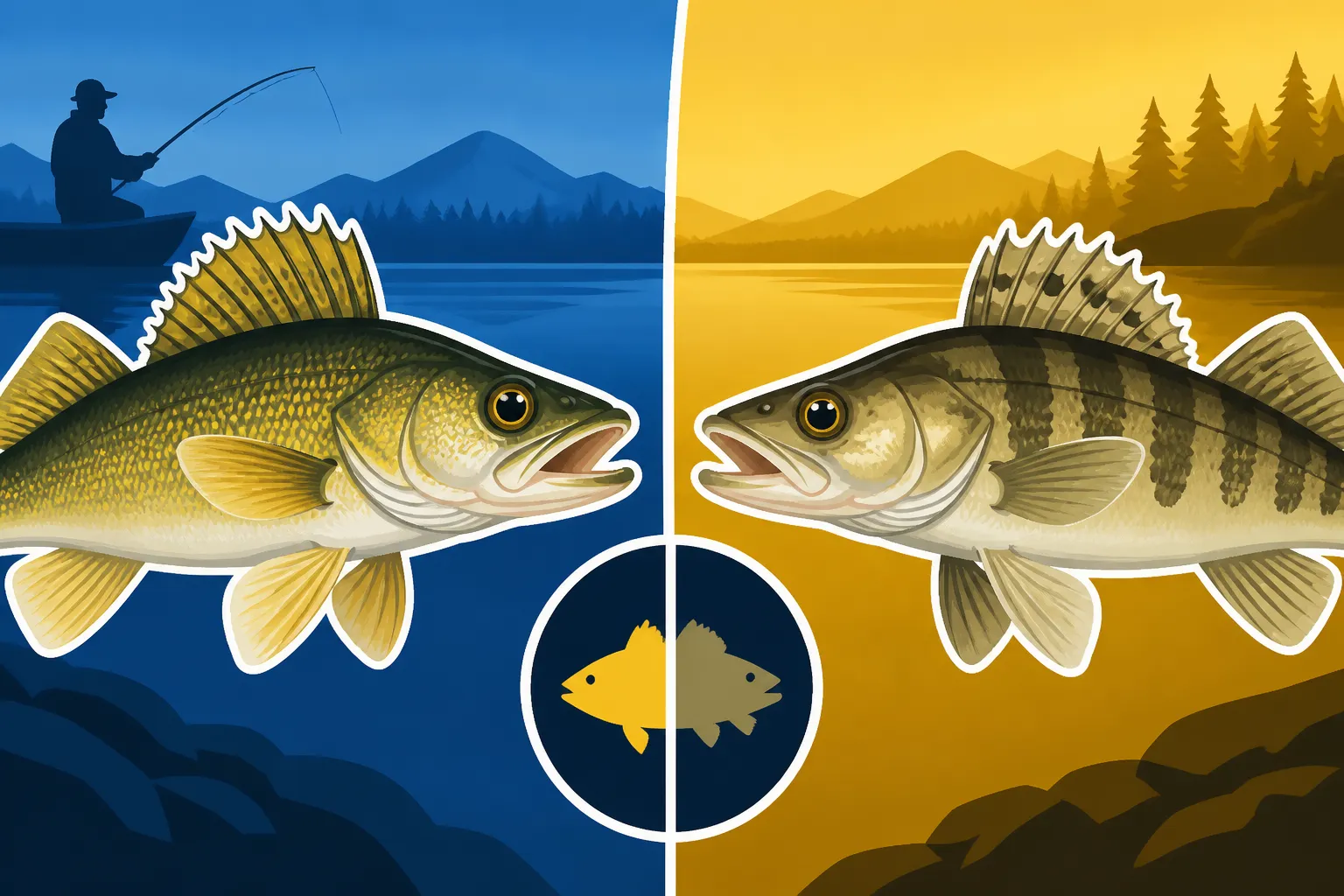
- Walleye: Look closely at the spiny front dorsal fin. A walleye will typically have a large, distinct, dark blotch at the very rear base of this fin, on the membrane between the last two or three spines. This blotch is usually quite prominent. Even more famously, the walleye's lower lobe of its caudal (tail) fin will almost always have a milky white tip. This white tip is like a beacon, especially when you're pulling the fish out of the water. It’s a classic walleye signature, one of the first things I look for.
- Sauger: In contrast, the sauger's spiny dorsal fin usually has distinct, dark spots arranged in rows or bands across the entire fin membrane, rather than a single large blotch at the back. These spots are often well-defined and spread out. The sauger's caudal fin, unlike the walleye's, will generally lack that distinctive white tip. It will be more uniformly colored, often matching the mottled pattern of its body. If you're ever struggling, check the tail tip first; it's a dead giveaway most of the time.
Body Shape, Coloration, and Overall Pattern
While dorsal fin markings are key, the overall look of the fish also provides strong hints.
- Walleye: Walleye tend to have a more slender, elongated body profile. Their coloration is often a beautiful olive-green to golden-brown on the back, fading to a brassy yellow or gold on the sides, with a white belly. They might have several faint, dark vertical bars or saddles along their sides, but these are usually quite indistinct and can vary in prominence. The scales often have a somewhat iridescent sheen. They look sleek and streamlined, built for chasing prey in open water.
- Sauger: Sauger often appear a bit more robust or cylindrical, sometimes described as having a more "snake-like" or stockier build than a walleye. Their most striking feature is their distinctive coloration: a heavily mottled or blotchy pattern of dark brown or black irregular spots and saddles over a lighter, often yellowish-brown to grey background. These blotches are much more pronounced and irregular than any markings you’d see on a walleye, almost like camouflage. This patterning helps them blend into their preferred murkier habitats.
Spiny Ray Count and Mouth Structure
For the really keen observers, or if you're still unsure, counting fin rays and examining the mouth can seal the deal.
- Spiny Ray Count: This is a bit more technical, but reliable. The spiny dorsal fin of a walleye typically has 13-16 spines, whereas a sauger usually has 11-13 spines. You can gently count these by carefully separating them. While a bit harder to do accurately on a squirming fish, it’s a scientific method that holds true.
- Mouth Structure: Both fish are predators with sharp teeth, but there are subtle differences. Walleye generally have a larger mouth with more prominent, sharp canine teeth that are easy to spot. Sauger tend to have a slightly more rounded snout and somewhat smaller teeth overall, though still very capable of holding onto prey. You might also notice that the cheek plates (operculum) of a walleye are typically smooth, whereas sauger often have a rougher feel due to tiny, embedded scales. When you're carefully unhooking a fish, take a moment to observe these details.
Here's a quick comparison table to help summarize these key differences:
| Feature | Walleye | Sauger |
|---|---|---|
| Spiny Dorsal Fin | Large, dark blotch at the rear base | Distinct dark spots in rows/bands across entire fin |
| Caudal (Tail) Fin | Distinctive white tip on lower lobe | Lacks white tip, more uniform/mottled |
| Body Shape | More slender, elongated | Often stouter, more cylindrical/snake-like |
| Body Coloration/Pattern | Olive-green/golden, brassy sides, faint bars | Heavily mottled, irregular dark blotches |
| Mouth/Teeth | Larger mouth, more prominent canine teeth | Slightly more rounded snout, somewhat smaller teeth |
| Cheek (Operculum) | Typically smooth to the touch | Often rough to the touch (small scales) |
Habitat and Behavior Differences
Beyond their looks, where and how walleye and sauger prefer to live and hunt also sets them apart. Knowing these preferences can give you a powerful clue about what you've just hooked, even before you get a good look. Different environments tend to favour one species over the other, so understanding the local conditions can make identification easier.
Preferred Water Conditions
Think about the clarity and flow of the water you're fishing – these are major factors influencing where you'll find walleye versus sauger.
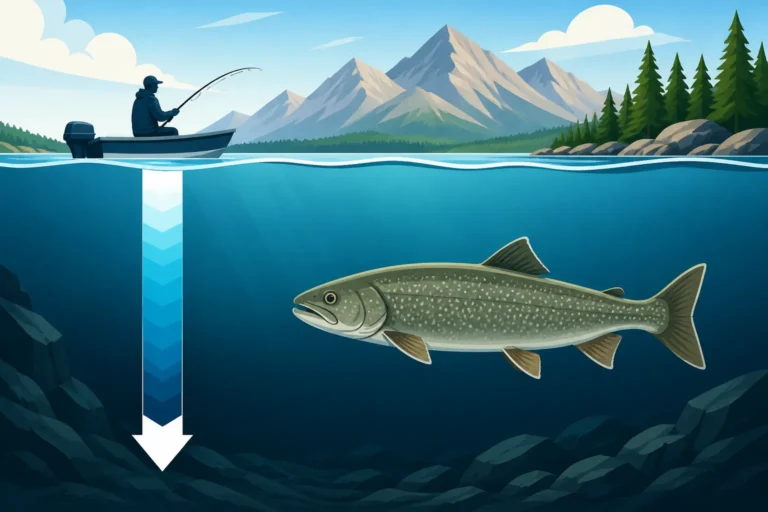
- Walleye: Generally, walleye prefer clearer, deeper, and cooler waters. You'll often find them in large lakes, reservoirs, and major rivers that have good structure, such as rocky drop-offs, humps, and submerged timber. They're typically more sensitive to bright light, so they'll often be found in deeper water during the day, moving shallower at dawn, dusk, or on cloudy days to feed. They thrive in environments where they can ambush prey from cover without being too exposed to sunlight. Lakes like Cold Lake are classic walleye havens.
- Sauger: Sauger, on the other hand, are often more tolerant of turbid (cloudy or muddy) water and faster currents. They are frequently found in larger rivers and the lower reaches of major tributaries, preferring environments with rocky or sandy bottoms, strong current breaks, and areas with deeper scour holes. Their mottled coloration is excellent camouflage in these murkier conditions. If you're fishing a big, silty river with a good flow, there's a higher chance you might encounter a sauger. The Athabasca River or parts of the North Saskatchewan River can be good examples of sauger habitat.
Feeding Habits and Locations
Their preferred habitats naturally influence how and where these fish hunt for food.
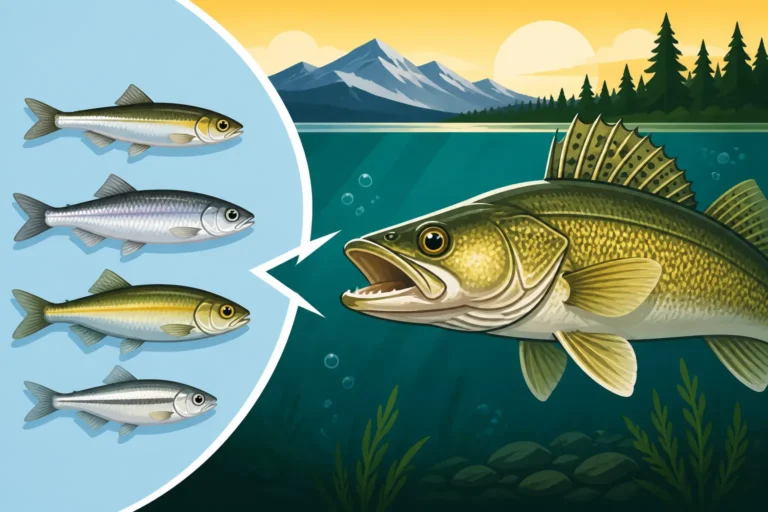
- Walleye: As light-sensitive predators, walleye are often most active during low-light conditions. They will typically feed on a variety of baitfish, leeches, and aquatic insects. In lakes, they might cruise along breaklines, points, and humps. In rivers, they'll hold in current seams, behind structure, or in deeper pools, waiting for an opportune moment to strike. Their larger mouths and teeth are well-suited for engulfing prey. If you're out Night Fishing for Walleye in Alberta, you're more likely to encounter them. Knowing What walleye eat in Alberta lakes can also give you clues.
- Sauger: Sauger, with their tolerance for murkier water, can be active throughout the day, though they also capitalize on low-light periods. They are adept bottom-feeders, often found hugging the riverbed or lake bottom, especially in areas with current. They feed on smaller baitfish, insect larvae, and crayfish. Their slightly more elongated, cylindrical body helps them navigate and ambush prey in tighter, current-swept spaces or along the bottom. If you're jigging right on the bottom in a deep river channel, you might be more inclined to hook a sauger.
Seasonal Movements and Spawning
Both species undertake seasonal movements, often tied to spawning, which can further differentiate their presence in certain areas at specific times.
- Walleye: Walleye typically spawn in the spring, shortly after ice-out, in shallow, rocky areas of lakes or in rivers with good current. These movements can concentrate them in certain areas, making them more accessible to anglers, but also more vulnerable. Post-spawn, they disperse to their summer feeding grounds.
- Sauger: Sauger also spawn in the spring, but they often prefer more turbid, riverine environments for their spawning activities, sometimes in areas with slightly less flow than walleye. Their exact timing can overlap, but understanding the preferred spawning grounds can sometimes hint at which species you're dealing with if you're fishing during that critical period.
Practical Tips for Anglers
Even with all this knowledge, identifying a fish can sometimes be tough in the moment, especially if you're trying to quickly release it. Don't worry, there are some practical steps you can take to build your confidence and ensure you're always making the right call.
Taking Photos and Using Resources
In today's digital age, your phone can be one of your best fish identification tools.
- Snap a Quick Photo: If you're uncertain about a fish and plan to release it, quickly and carefully take a clear photo of it, especially focusing on its dorsal fin and tail. Make sure to get a picture of its entire body. This way, you can release the fish quickly and then examine the photo later, comparing it to diagrams in your Reading the Alberta Guide to Sportfishing Regulations or online resources. Just remember, minimize handling time; the fish's health comes first.
- Use Fish Identification Apps: There are several excellent fishing apps available that can help with species identification. Many also provide real-time access to regulations, which is incredibly helpful. Look for one specific to Alberta or North American freshwater species. For example, a quick search on Amazon might reveal several highly-rated waterproof fish identification charts or books that you can take directly to the water with you. These physical guides can be invaluable when you're without cell service.
- Consult Experienced Anglers: Don't hesitate to ask a more experienced angler on the water if they can help you identify your catch. Most seasoned fishing enthusiasts are happy to share their knowledge and help newcomers learn. It’s part of the camaraderie of the sport.
When in Doubt, Release
This is perhaps the most important rule of thumb for any angler who isn't 100% sure about a fish's identity, especially if it's a species with specific regulations.
- Prioritize Conservation: If you've landed a fish and you're truly on the fence about whether it's a walleye or a sauger, or any other species with complex regulations, the safest and most responsible course of action is to carefully release it. This eliminates any risk of violating bag limits, size restrictions, or closed seasons for a specific species. It’s better to err on the side of caution and ensure that fish lives to be caught another day. Alberta Catch and Release Only Waters principles apply here – even if the water isn't designated 'C&R', adopting that mindset for ambiguous catches is excellent practice.
- Tools for Safe Release: Always carry the right tools for safe catch and release, such as needle-nose pliers or hemostats for easy hook removal, and a proper landing net. A good quality fish scale and measuring tape, easily found on Amazon, are indispensable tools for confirming size if you do decide to keep a fish you've confidently identified. Handle the fish gently, support its body, and get it back into the water as quickly as possible. This minimizes stress and increases its chances of survival. Knowing What sauger look like compared to walleye specifically, as well as their habits, empowers you to make informed decisions.
By paying attention to these key identification features and embracing responsible angling practices, you'll not only avoid potential regulatory issues but also deepen your connection to Alberta's incredible aquatic ecosystems. Happy fishing, and may your future catches always be clear!
Disclaimer
This article is for general informational purposes only and does not constitute professional advice. Laws, prices and regulations vary by location and change over time. Consult a qualified professional for guidance on your specific situation.