How much a trophy Bow River rainbow trout typically weighs
Oh, the Bow River rainbow trout! It's the stuff of legends, isn't it? Many of us dream of landing that truly exceptional fish, but when you hear whispers of "trophy" rainbows, it can leave you wondering what that actually means in terms of sheer weight. It's a common frustration trying to gauge your expectations, and this guide is here to shed some light on what a trophy Bow River rainbow trout typically weighs, and what factors contribute to that impressive size.
Understanding the "Trophy" Benchmark on the Bow River
When anglers talk about a "trophy" rainbow trout on the Bow River, they're not just spinning tales; they're usually referring to a fish that stands out significantly from the average catch. While size is often measured by length, weight is truly the ultimate indicator of a fish's robustness and age, especially when it comes to the sheer power and memory of the fight. The Bow is renowned for its prolific wild trout fishery, but hitting that trophy mark requires a bit more than just luck.
For many years, the benchmark for a true trophy rainbow on the Bow River has hovered around the 20-inch mark for length. However, length can sometimes be deceiving. A long, slender fish isn't quite the same as a shorter, incredibly plump one. It's that girth, that healthy mass, that really puts a fish into the "trophy" weight class. We're talking about a fish that looks like a football with fins – thick through the shoulders and deep through the belly.
The reality is that while 20 inches is a great fish, a trophy often implies something even larger and heavier. We're chasing those rare specimens that have defied the odds, grown to incredible proportions, and have the battle scars to prove it. These aren't your everyday catches, and that's precisely what makes them so special. They are the apex predators of their stretch of the river, wise and elusive.
Defining the Weight Range for a Trophy Rainbow
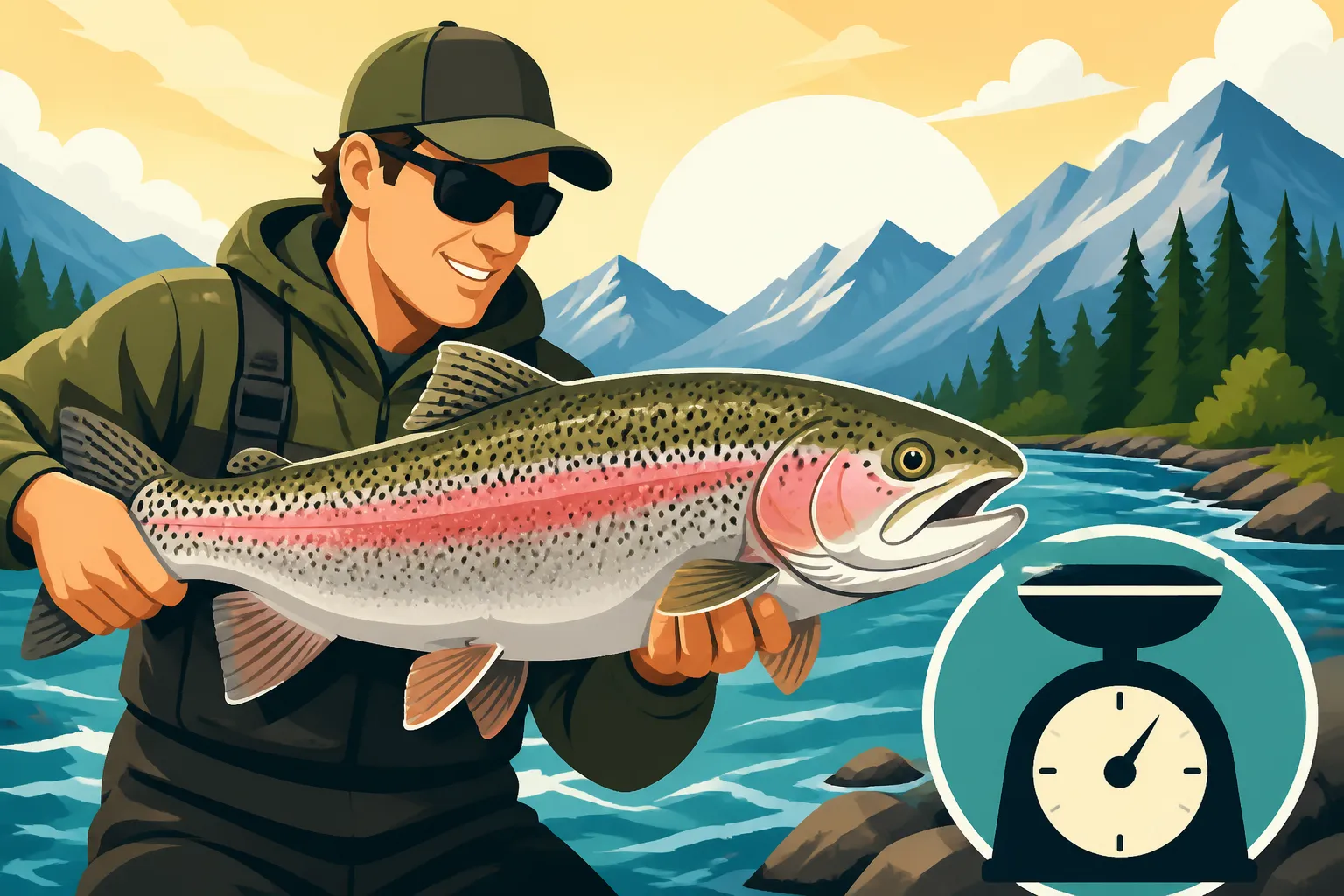
So, what does that translate to in actual pounds? A healthy, robust rainbow trout from the Bow River that truly earns the "trophy" designation will generally weigh in the range of 3 to 6 pounds. Now, before you scoff, remember these are wild, river-dwelling fish that fight incredibly hard for every ounce of their weight. A 3-pound Bow River rainbow will feel like a much larger fish on the end of your line due to the strong current and their incredible power.
For those truly exceptional, once-in-a-lifetime catches that push the boundaries of what's common, you might even encounter fish pushing 7 to 9 pounds or more. These are the true giants, the fish that make your knees tremble and your reel scream. Anglers who consistently spend time on the Bow might only encounter one or two of these in a lifetime, making them incredibly precious. Such fish are almost always meticulously cared for and released to continue their reign.
It's important to remember that these are average ranges for what most anglers would consider a trophy. Some might consider a super plump 2.5-pound fish a trophy if it's their personal best or was caught under particularly challenging conditions. Ultimately, a trophy is often in the eye of the beholder, but these weight ranges give you a realistic target to aim for if you're chasing truly impressive fish. You can find more details on general sizes in our guide to Rainbow Trout Average Size on the Bow River.
The Length-to-Weight Relationship in Bow River Rainbows
The classic "football with fins" analogy is key when we talk about the weight of a trophy rainbow. While length is a common measurement, a fish's condition—its plumpness and overall health—is what truly dictates its weight. A 20-inch rainbow that's lean from a tough winter or recent spawning might weigh 2.5 pounds, whereas a 20-inch rainbow that's been feasting all summer could easily hit 4 pounds.
This variation highlights why weight is often a better indicator of a "trophy" than length alone. The Bow River is incredibly rich in aquatic insect life and forage fish, which allows its rainbows to grow quickly and reach impressive sizes. Fish in prime condition are not only heavier for their length but also offer an incredibly powerful fight, testing both your gear and your angling skills. Understanding this relationship helps set realistic expectations for what you might encounter.
For context, let's look at some typical length-to-weight approximations for healthy Bow River rainbows:
| Length (Inches) | Typical Weight (Pounds) | Description of Fish |
|---|---|---|
| 16-18 | 1.5-2.5 | Very healthy, strong fish |
| 19-21 | 2.5-4.5 | Excellent, above average, potential "trophy" |
| 22-24 | 4.5-6.5 | Definitive trophy, rare and powerful |
| 25+ | 7+ | Absolute monster, once-in-a-lifetime |
These numbers aren't set in stone, of course, but they provide a good general guideline. The Bow River's consistent cold water and abundant food sources contribute to these impressive growth rates.
Factors Influencing Rainbow Trout Size and Weight
The Bow River is a special place, often cited as one of the best trout rivers in the world, and there are specific reasons why its rainbow trout grow to such impressive sizes and weights. It's a complex ecosystem, and understanding these factors can actually help you strategize your fishing efforts if a trophy rainbow is truly your goal. You'll definitely want to check out our full Bow River Fishing Guide for more in-depth information.
Abundant Food Sources and Rich Ecosystem
One of the primary drivers of large fish is an incredibly rich food source, and the Bow River does not disappoint. The river's ecosystem is teeming with a diverse array of aquatic invertebrates, including caddisflies, mayflies, stoneflies, and midges, which hatch in prolific numbers throughout the year. These insect hatches provide a continuous buffet for trout, allowing them to feed heavily and grow rapidly.
Beyond insects, the Bow also supports a healthy population of baitfish, such as sculpins and minnows, as well as crayfish. These larger prey items offer a significant caloric intake for trout, especially as they grow larger. Rainbows, being opportunistic feeders, will take advantage of these protein-rich meals, packing on weight much faster than if they relied solely on smaller insects. This rich larder is truly the engine behind the Bow's trophy trout.
The consistent water flow from mountain-fed sources and the relatively stable water temperatures throughout the seasons also contribute to this rich environment, creating ideal conditions for both the trout and their food sources to thrive. It’s a delicate balance, but one that the Bow has maintained remarkably well for decades.
Genetics and Age of the Fish Population
The genetic makeup of the Bow River rainbows plays a crucial role in their potential for size. The river's trout are primarily wild, naturally reproducing fish, descendants of various strains introduced over a century ago. These wild fish have adapted perfectly to the Bow's environment, developing strong, resilient genetics that allow them to grow large and live longer. This natural selection favors fish that can survive, thrive, and reproduce, leading to a population with excellent growth potential.
Age is, of course, directly related to size. Older fish have had more seasons to feed and grow. While the average lifespan of a Bow River rainbow isn't as long as some deep-water lake trout, a fish living for 4-7 years in the Bow can reach truly impressive sizes. Catch-and-release practices, which are widely adhered to by anglers on the Bow, allow these older, larger fish to continue to grow and spawn, contributing their strong genetics back into the population. This conservation ethic is paramount to maintaining the trophy fishery.
It's a testament to the river's health and the angling community's dedication that these robust fish continue to swim, offering incredible opportunities. This balance between wild genetics and angler stewardship is crucial for the river's future.
Water Quality, Flow, and Habitat
Excellent water quality is non-negotiable for a healthy trout fishery, and the Bow River generally boasts superb conditions, particularly downstream of Calgary where the most famous fishing stretches are located. The cold, oxygen-rich water originating from glacial melt and mountain runoff is perfect for trout. Consistent flows, managed by upstream dams, help maintain a stable environment, even through dry spells.
The river's physical habitat is equally important. The Bow features a diverse array of structure, including deep pools, swift runs, riffles, undercut banks, and extensive weed beds. These features provide vital cover from predators, holding areas where fish can rest and feed, and ideal spawning grounds. Larger fish often prefer specific types of holding water – deep, slow pools with overhead cover, or the edges of powerful current seams where food is funneled to them. Understanding these habitats, perhaps through a good pair of polarized sunglasses available on Amazon, can greatly increase your chances.
The health of the river bottom, with its gravels and cobbles, is also critical for insect production and successful spawning. Any degradation in water quality, flow patterns, or physical habitat could directly impact the ability of these rainbows to reach and sustain trophy weights.
Beyond Weight: The Experience of a Trophy Catch
While we're talking about specific weights, it's crucial to remember that the true measure of a "trophy" fish often extends far beyond what a scale reads. The Bow River offers an experience that transcends mere numbers, especially when you connect with one of its magnificent rainbow trout. The fight, the memory, and the privilege of handling such a creature are often more impactful than any exact poundage.
The Unforgettable Fight
Anyone who has hooked a large Bow River rainbow will tell you it's an experience you don't soon forget. These fish are renowned for their strength, acrobatic leaps, and blistering runs. They use the river's powerful current to their advantage, making a 3-pound fish feel like a 5-pounder, and a 5-pounder feel like a freight train. You'll see your backing, your rod will be bent double, and your heart will pound in your chest.
It's this raw, unadulterated power that truly defines the "trophy" experience for many anglers. It's not just the size, but the challenge and the battle. Having the right gear, like a reliable reel and a robust rod, is paramount. You don't want to be undergunned when that giant decides to peel line off your reel. For effective Fly Fishing for Trout on the Bow River, you need a setup that can handle these powerhouses.
Many anglers describe the fight with a large Bow River rainbow as an epic struggle, sometimes lasting minutes, sometimes even longer, particularly if you're using light tackle. It's a test of skill, patience, and good sportsmanship, as you work to bring the fish in safely while minimizing stress.
The Memory and the Photograph
Once you've landed that incredible fish, the moment of awe is palpable. Holding a truly magnificent Bow River rainbow, admiring its vibrant colours, perfect fins, and healthy girth, is a memory etched forever. While weight is the topic here, the visual impact of a large, perfectly conditioned fish is often what we remember most vividly.
Many anglers opt for a quick photo to immortalize the moment, carefully supporting the fish in the water to minimize stress. These photos, shared with friends or kept as personal reminders, are the real trophies. They represent the culmination of effort, patience, and connection with nature. Forget the need for a grip-and-grin shot with the fish out of water and away from oxygen; a quick, respectful shot in or just above the water is the best way to honour such a catch.
Remember, the goal with these incredible fish is always a safe and swift release. Our How to Catch Bull Trout and Release Them Safely article offers excellent tips applicable to rainbow trout as well, ensuring these magnificent creatures continue to grace the Bow's waters.
The Art of Catch and Release
The culture of catch and release is deeply ingrained in Bow River angling, particularly when targeting larger fish. This practice is absolutely vital for maintaining the health and trophy potential of the fishery. A large, old fish has successfully navigated countless challenges, contributed its strong genetics to future generations, and earned its right to continue swimming.
Anglers on the Bow take immense pride in handling these fish with the utmost care, ensuring they are revived and swim away strongly. This means using appropriate landing nets – a soft, rubberized net is ideal to protect their delicate slime coat and fins – and minimizing their time out of the water. If you're looking for a good option, many durable, trout-friendly landing nets can be found on Amazon.
Ultimately, the act of releasing a trophy rainbow, watching it power away back into the depths, provides a unique sense of satisfaction. It's about respecting the resource and ensuring that future generations of anglers will also have the opportunity to experience the magic of a trophy Bow River rainbow.
Tips for Targeting Larger Bow River Rainbows
If your dream is to land one of those truly massive Bow River rainbow trout, there are definitely strategies you can employ to increase your odds. It's not just about luck; it's about understanding the fish, the river, and refining your approach.
Gear Selection and Setup
To consistently hook and land larger fish in a powerful river like the Bow, your gear needs to be up to the task. While light tackle can be fun for smaller fish, a beefier setup provides the backbone needed to control a screaming run and prevent a break-off in heavy current. For fly anglers, a 6 or 7-weight rod is often preferred over a 5-weight, especially when throwing larger flies or fishing in windy conditions. Our guide to Best Fly Rods for the Bow River goes into more detail.
For spin fishing, a medium-light to medium power rod with a fast action, paired with a reliable spinning reel spooled with 8 to 10-pound test fluorocarbon or braid with a fluorocarbon leader, is a solid choice. The leader is especially important for its invisibility and abrasion resistance. Look for good quality line and leader materials on Amazon. Don't forget a sturdy Best Landing Net for Trout that can handle a larger fish and protect its delicate scales.
Having a selection of appropriate terminal tackle is also key. Strong, sharp hooks on your lures or flies are critical for a solid hookset. While lighter tippet might get more bites, stepping up your tippet or leader strength a notch or two can prevent heartbreak when a true monster takes your offering.
Preferred Baits and Lures for Big Fish
Larger fish often seek larger meals. While they will still occasionally slurp up a tiny mayfly, they are more inclined to expend energy on something that offers a greater caloric return. This means thinking about streamer patterns for fly anglers – imitations of sculpins, baitfish, or crayfish – or larger nymphs that mimic stoneflies or large caddis larvae. Check out our recommendations for Fly Patterns for the Bow River.
For spin anglers, larger spoons, deeper diving crankbaits, or even larger soft plastics rigged to imitate baitfish can be incredibly effective. Consider the primary forage available in the specific section of the river you're fishing. If there are lots of sculpins, use a sculpin imitation. If crayfish are present, a crayfish pattern could be gold. Matching the hatch is important, but matching the meal is often more important for big fish.
Sometimes, the simplest approach is best. A well-presented worm or roe imitation can also tempt larger, opportunistic trout, especially in high water or off-colour conditions. However, always check the current regulations for bait use as some special regulation waters may prohibit it.
Optimal Fishing Times and Locations
Targeting bigger fish often means fishing during periods when they are most active or when they are less pressured. Early mornings, late evenings, or during overcast days can be particularly productive. These low-light conditions often make larger, warier fish more comfortable moving out of heavy cover to feed.
Location is also paramount. Larger trout typically hold in deeper water, in slower seams adjacent to fast currents, behind large structures like boulders or fallen trees, or under undercut banks. They prefer areas where they can ambush prey with minimal effort while remaining concealed. Don't be afraid to slow down and meticulously work promising looking water, rather than rushing through. Often, the biggest fish are not in the most obvious spots.
Consider the Best Time of Year to Fish in Alberta for trout. Fall, for example, can be an exceptional time on the Bow as fish are fattening up before winter and the spawn. During this period, they can be more aggressive and willing to chase larger offerings. Pay close attention to water temperatures and flows; consistent conditions often lead to more predictable big fish activity.
Patient and Methodical Approach
Landing a trophy Bow River rainbow isn't typically a hurried affair. It requires a patient and methodical approach. This means taking your time to observe the water, identify potential holding lies, and make precise casts. For fly anglers, multiple drifts with a well-weighted nymph rig, or careful swings with a streamer, can be what it takes to tempt a reluctant giant.
Don't be afraid to experiment with different depths, retrieve speeds, or fly/lure patterns. Sometimes a subtle change is all it takes. Casts should be accurate, and presentations natural, minimizing any drag or unnatural movement that could spook a wary fish. Remember, these older, larger fish have seen it all, and they are masters of evasion.
Finally, manage your expectations. While the Bow River holds incredible fish, landing a true trophy is still a rare and special event. Enjoy the process, the beauty of the river, and the challenge. Every fish you catch, regardless of size, is a gift. The day you finally hook into that Bow River rainbow that bends your rod double and screams line off your reel – that's the day you'll understand what a true trophy really means.
Disclaimer
This article is for general informational purposes only and does not constitute professional advice. Laws, prices and regulations vary by location and change over time. Consult a qualified professional for guidance on your specific situation.