Alberta record walleye weight
Every angler who's spent time on Alberta's waters has dreamt of it: that one monumental catch, the fish of a lifetime, a true behemoth that pushes the scales. While many of us are happy just to get a bite, the idea of hooking a provincial record walleye is a powerful draw, inspiring countless trips and dedicated hours on the water. This guide will dive into the specifics of the Alberta record walleye weight, explore what makes a true trophy, and offer insights into how you might pursue your own personal best.
The Legendary Catch: Alberta's Walleye Record
For many, the provincial record is more than just a number; it's a testament to the incredible fish that swim in our lakes and rivers, and a symbol of what's possible with a bit of luck and a lot of skill. When we talk about the Alberta record walleye, we're discussing a truly exceptional fish that stands as the benchmark for all others.
The Record-Setting Weight and Its Elusiveness
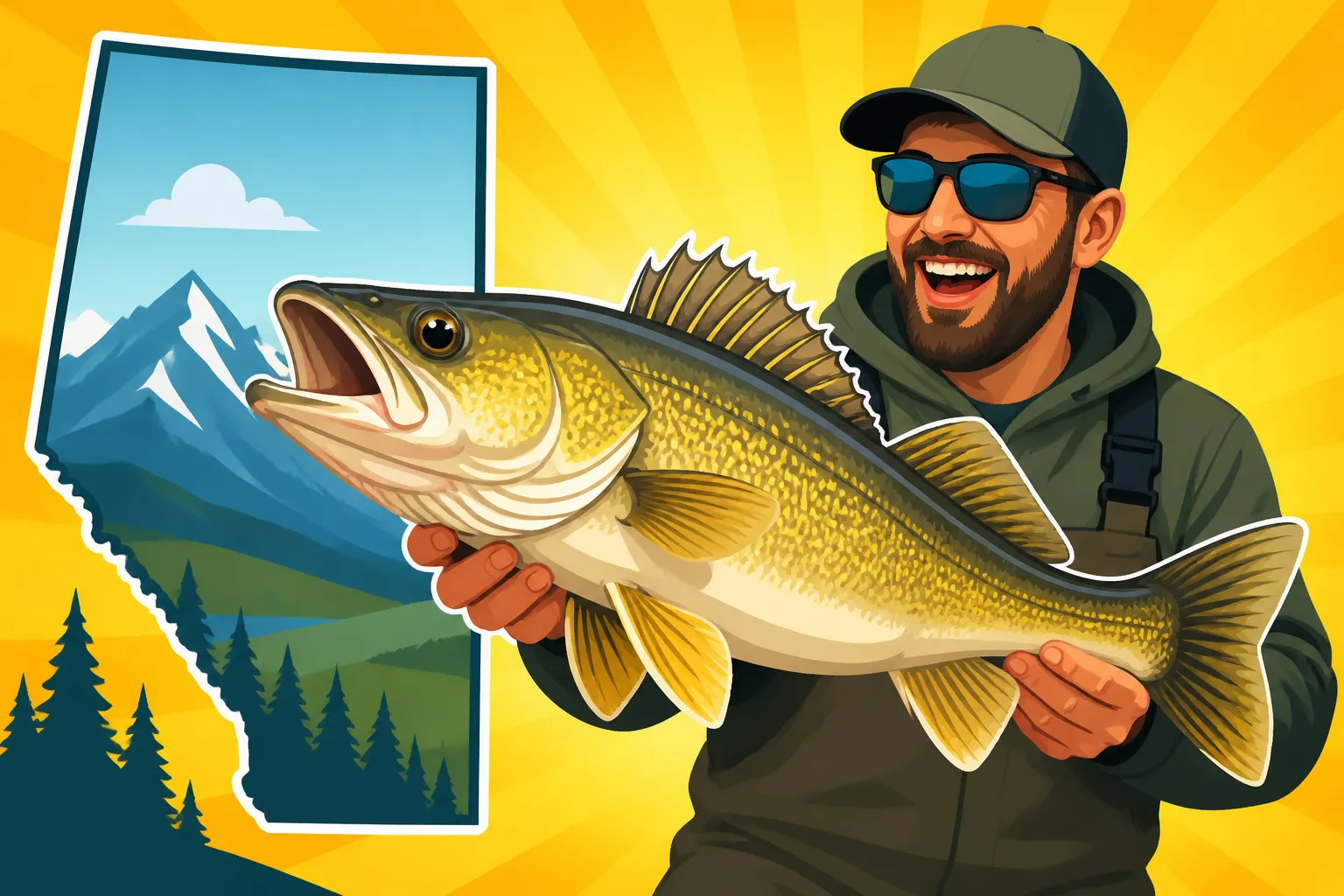
The current Alberta provincial record for walleye is a formidable 8.25 kilograms (18 pounds, 3 ounces). This is a fish of immense size, far exceeding what most anglers will encounter in their lifetime. Interestingly, the official records often hold a degree of mystique; the exact date, precise location, and the angler's name sometimes remain somewhat veiled or are from decades past, making it a bit of an enigma for those hoping to track down the story. This elusiveness can be a source of both frustration and inspiration for aspiring record-breakers. Without knowing the exact bait, the specific time of day, or the weather conditions, it adds to the legend rather than providing a clear roadmap.
While specific, granular details about the record-setting catch are scarce in official public records, what is clear is that this fish came from Alberta's rich waters, proving the province's capacity to grow truly giant walleye. Imagine the fight, the thrill of seeing such a massive fish emerge from the depths, and the sheer disbelief as it hits the net. That moment, for the lucky angler, would have been unforgettable, solidifying their place in Alberta's angling history. It’s a powerful reminder that giants truly do lurk beneath the surface, waiting for the right presentation and the right moment.
Why the Provincial Record Matters to Anglers and Conservation
The provincial record isn't just about bragging rights, though those are certainly a part of it! For anglers, it provides a tangible goal, a benchmark against which to measure their own achievements. It fuels conversations around campfires, inspires long hours of research, and pushes people to explore new techniques or refine old ones. It connects anglers across generations, with veterans recounting tales of past giants and newcomers dreaming of future glory. The pursuit of a trophy, even if not the provincial record itself, keeps the passion alive and fosters a deep connection to the sport and the natural environment.
From a conservation and management perspective, records like these offer valuable insights into the health and potential of our fisheries. A consistently high record, or records that are broken periodically, can indicate robust fish populations, ample food sources, and effective management strategies. They highlight areas where conditions are optimal for fish to reach exceptional sizes. This information helps fisheries biologists understand what factors contribute to truly massive walleye, informing decisions about stocking, habitat protection, and regulations like specific bag and possession limits or length restrictions. Ultimately, it encourages the careful stewardship of these resources so that future generations can also dream of catching a record-breaker. Alberta Fishing Regulations Explained delves deeper into these management strategies.
Understanding Trophy Walleye Potential in Alberta
Alberta boasts some truly incredible walleye fisheries, known for both their abundance and the potential for catching surprisingly large fish. Understanding where these giants typically reside and the conditions that allow them to thrive is crucial for any angler with dreams of a trophy catch. It’s not just about luck; it’s about understanding the ecosystem.
Where Alberta's Big Walleye Live
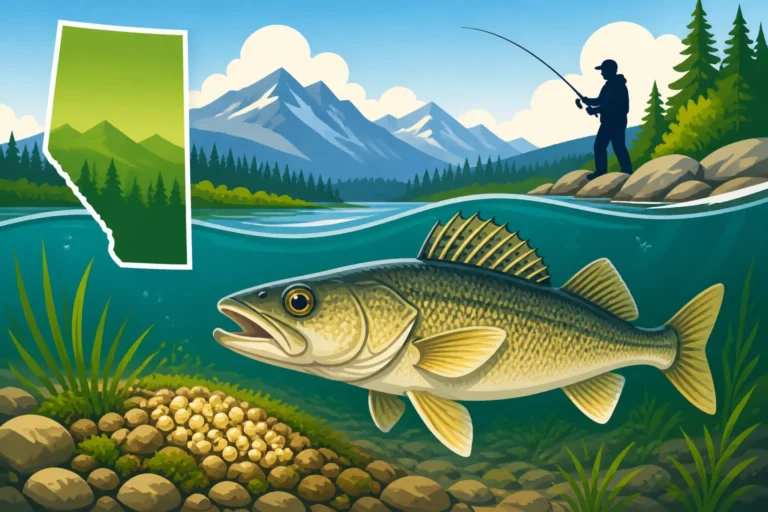
When you're chasing truly large walleye, you need to think big – big water, big forage, and big habitat. Many of Alberta's trophy walleye come from vast, nutrient-rich lakes, particularly in the northern and central regions of the province. These expansive waters offer the space, depth, and prey species necessary for walleye to grow to exceptional sizes over many years. Think about lakes like Lesser Slave Lake, which is practically synonymous with walleye fishing for many Albertans. Its immense size, varied structure, and abundant baitfish populations make it a prime candidate for producing giants. Other large lakes and even some major river systems that offer deep pools, consistent currents, and plenty of cover can also hold these elusive monsters.
While specifics can change, the general rule of thumb is to look for areas with ample forage – cisco, perch, shiners – and diverse underwater structure such as deep-water humps, submerged islands, drop-offs, and extensive weed lines that provide both ambush points and shelter. These areas are magnets for baitfish, which in turn attract the larger, predatory walleye. Exploring detailed guides like Best Walleye Lakes in Alberta or Lesser Slave Lake Walleye Fishing can provide more localized insights into specific high-potential waters. It's often about finding the right depth and structure where these older, smarter fish prefer to spend their time.
Factors Contributing to Walleye Size
Several critical factors converge to allow a walleye to reach that record-breaking size. It's a complex interplay of environmental conditions, genetics, and management. First and foremost is age. A walleye that reaches 18 pounds is an old fish, potentially 15-20 years old or even more, having survived countless winters and evaded countless predators (including anglers) throughout its long life. These older fish are the biggest because they've had the time to grow.
Secondly, a consistent and abundant food supply is non-negotiable. Walleye are opportunistic predators, and the more easily accessible high-protein food they have, the faster and larger they can grow. Lakes rich in forage species like cisco, perch, and suckers tend to produce bigger walleye. Genetics also play a role; some walleye strains simply have the genetic predisposition to grow larger than others. Finally, fisheries management is paramount. Regulations such as slot limits, which protect prime breeding-size fish by making them catch-and-release only, or the incredibly important Walleye Special Harvest Licence Recovery Program, are designed to allow fish to mature and reach their maximum size potential. By removing pressure on key size classes, these programs foster a population pyramid that includes more large, old fish, increasing the chances of a true trophy.
Chasing Your Own Personal Best Walleye
The dream of catching a personal best, or even a provincial record walleye, is a thrilling pursuit. It requires dedication, the right gear, and a solid understanding of how to approach these powerful fish. It's about being prepared for that one glorious strike.
Essential Gear and Techniques for Big Walleye
Catching a truly massive walleye often demands a bit more robust gear than you might use for average-sized fish. You're dealing with potentially heavy weights and powerful runs, especially in colder water. For rods, a medium-heavy to heavy power rod, typically 6'6" to 7'6" in length, will give you the backbone needed to turn a big fish and handle heavier lures. Combine this with a good quality spinning or baitcasting reel spooled with strong, abrasion-resistant braided line (20-30 lb test) and a fluorocarbon leader (15-20 lb test). This setup provides the sensitivity to detect subtle bites and the strength to land a monster. You can find a fantastic selection of these more heavy-duty fishing rods and reels with excellent reviews on platforms like Amazon, ensuring you're ready for anything.
When it comes to lures and baits, trophy walleye are often targeting larger prey. Bigger jigging spoons, substantial crankbaits, and even large swimbait imitations can be effective. Consider patterns and colors that mimic the primary forage species in the lake you're fishing. For instance, if cisco are prevalent, choose lures with a silver or white profile. Live bait, particularly large minnows or leeches, can also be irresistible to a trophy walleye, especially when presented on a slip bobber or a bottom bouncer rig. Ensure your hooks are sharp and strong enough to withstand the fight of a big fish. Exploring resources like Best Baits for Walleye on Lesser Slave Lake and Best Crankbaits for Alberta Walleye can give you an edge in selecting the right presentation.
And don't forget the tools for after the catch! A sturdy, rubber-coated landing net with a wide hoop is crucial for safely netting a big walleye, preventing damage to fins or slime coat. You’ll also want a reliable, certified scale to accurately weigh your catch – many anglers prefer digital scales for precision, and a quick search on Amazon will show you many highly-rated options. Don't cheap out on your scale if you're serious about accurate measurements!
Best Practices for Handling Trophy Walleye
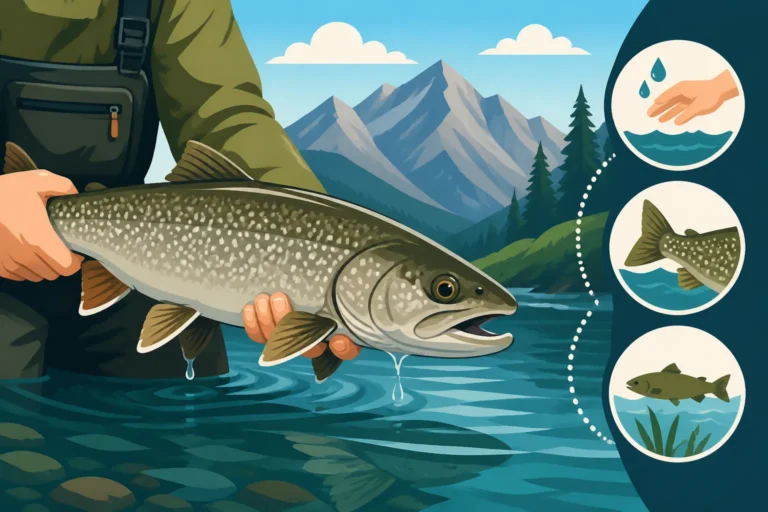
Landing a trophy walleye is only half the battle; ensuring its safe release (or proper handling if you decide to harvest within legal limits) is equally important. Many of the largest walleye are valuable breeding stock, and catch and release helps maintain healthy populations and the potential for future trophy fish. When you land a large walleye, minimize its time out of the water. Have your camera, scale, and measuring tape ready. Use wet hands or a wet glove to handle the fish, avoiding contact with its eyes or gills.
If you're weighing the fish, use a weigh sling or net to support its entire body, rather than hanging it by the jaw, which can cause internal damage. Get your measurements and photos quickly and efficiently, then gently release the fish back into the water, supporting it until it swims away under its own power. If it's a particularly large fish or the fight was long, holding it upright in the water to revive can make all the difference. Remember, the goal is to enjoy the moment, celebrate the catch, and then ensure that fish has the best chance to recover and perhaps be caught again, or pass on its strong genes to the next generation. Always refer to Alberta Bag and Possession Limits by Species to understand current regulations, especially for walleye in specific zones.
Alberta's Walleye Management and Conservation Efforts
Alberta's fisheries are a precious resource, and managing them sustainably, particularly for species like walleye which are highly sought after, is a continuous and vital effort. Understanding these efforts helps anglers appreciate the bigger picture and their role within it.
Current Regulations and What They Mean for Trophy Fish
Alberta employs a variety of regulations to manage walleye populations, with a strong focus on ensuring their long-term health and the opportunity for anglers to catch quality fish. These regulations often include specific bag and possession limits, which dictate how many fish of a certain species you can keep per day and how many you can have in your possession at any given time. More critically, for trophy fish, many zones implement "slot limits." A slot limit means that only fish within a specific size range (e.g., between 43 cm and 55 cm) can be harvested, while smaller and, importantly, larger fish must be immediately released.
This strategy is particularly effective for promoting trophy potential. By protecting the largest, oldest walleye, slot limits ensure that these prime breeders remain in the population to reproduce, passing on their genes and contributing to future generations of large fish. It also means that these large fish continue to grow, increasing the chances of them reaching record sizes. Knowing and adhering to these rules is not just about legality; it's a direct contribution to the sustainability of the fishery. Always consult the current Alberta Fishing Regulations Explained or the Alberta Walleye Limit by Zone guide before you head out, as these regulations can and do change to adapt to population health.
The Role of Anglers in Walleye Conservation
As anglers, we are not just participants in the sport; we are stewards of the environment. Our actions on and off the water have a direct impact on the health of walleye populations and the potential for future trophy fish. Practicing responsible angling techniques, especially catch and release, is paramount. This includes proper fish handling, using appropriate gear to minimize stress on the fish, and ensuring quick and gentle releases for those trophy-sized walleye that fall outside the harvest slot.
Beyond our individual fishing practices, actively supporting conservation initiatives and reporting any observed violations of fishing regulations are crucial responsibilities. Whether it's illegal netting, exceeding bag limits, or retaining protected species, reporting these activities helps enforcement agencies protect our shared resources. Joining local conservation groups or participating in programs like the Walleye Special Harvest Licence Recovery Program also allows anglers to contribute directly to the rehabilitation and enhancement of walleye fisheries. Ultimately, the health of Alberta's walleye populations, and the continued opportunity to pursue that elusive record-breaker, rests on the collective actions and commitment of its angling community.
| Walleye Size Category | Typical Weight Range (kg) | Typical Weight Range (lbs) | Age (Years) | Key Characteristics | Conservation Impact |
|---|---|---|---|---|---|
| Average Harvestable | 0.5 – 2.0 | 1 – 4 | 3 – 8 | Common catch, good eating size | Healthy population, sustainable harvest |
| Large/Trophy (Protected) | 2.5 – 7.0 | 5 – 15 | 8 – 15+ | Larger size, often targeted, key breeders | Critical for reproduction, often catch-and-release by regulation |
| Provincial Record | 8.25 | 18 lbs 3 oz | 15 – 20+ | Exceptional size, very rare, apex predator | Indicates robust ecosystem and successful management |
Disclaimer
This article is for general informational purposes only and does not constitute professional advice. Laws, prices and regulations vary by location and change over time. Consult a qualified professional for guidance on your specific situation.