Lake Whitefish in Alberta Lakes
Many anglers in Alberta find themselves chasing the more popular species like walleye, pike, and trout, sometimes overlooking a truly exceptional fish that swims in our deeper, colder lakes: the lake whitefish. These incredible fish offer a unique challenge and a delicious reward, but understanding where they live, what they eat, and how to effectively catch them can feel like a mystery. This guide is here to unravel that mystery, providing you with everything you need to know to successfully target lake whitefish across Alberta.
Understanding Alberta's Lake Whitefish
Lake whitefish are often considered a "coldwater classic" in Alberta's diverse aquatic ecosystems. While not always the flashiest fish, they are incredibly resilient, abundant in the right habitats, and provide an exciting angling experience, especially during the ice fishing season.
What is a Lake Whitefish?
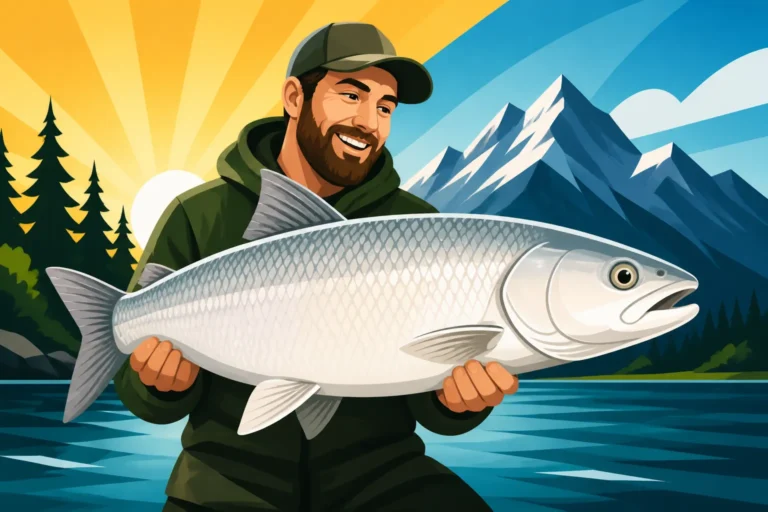
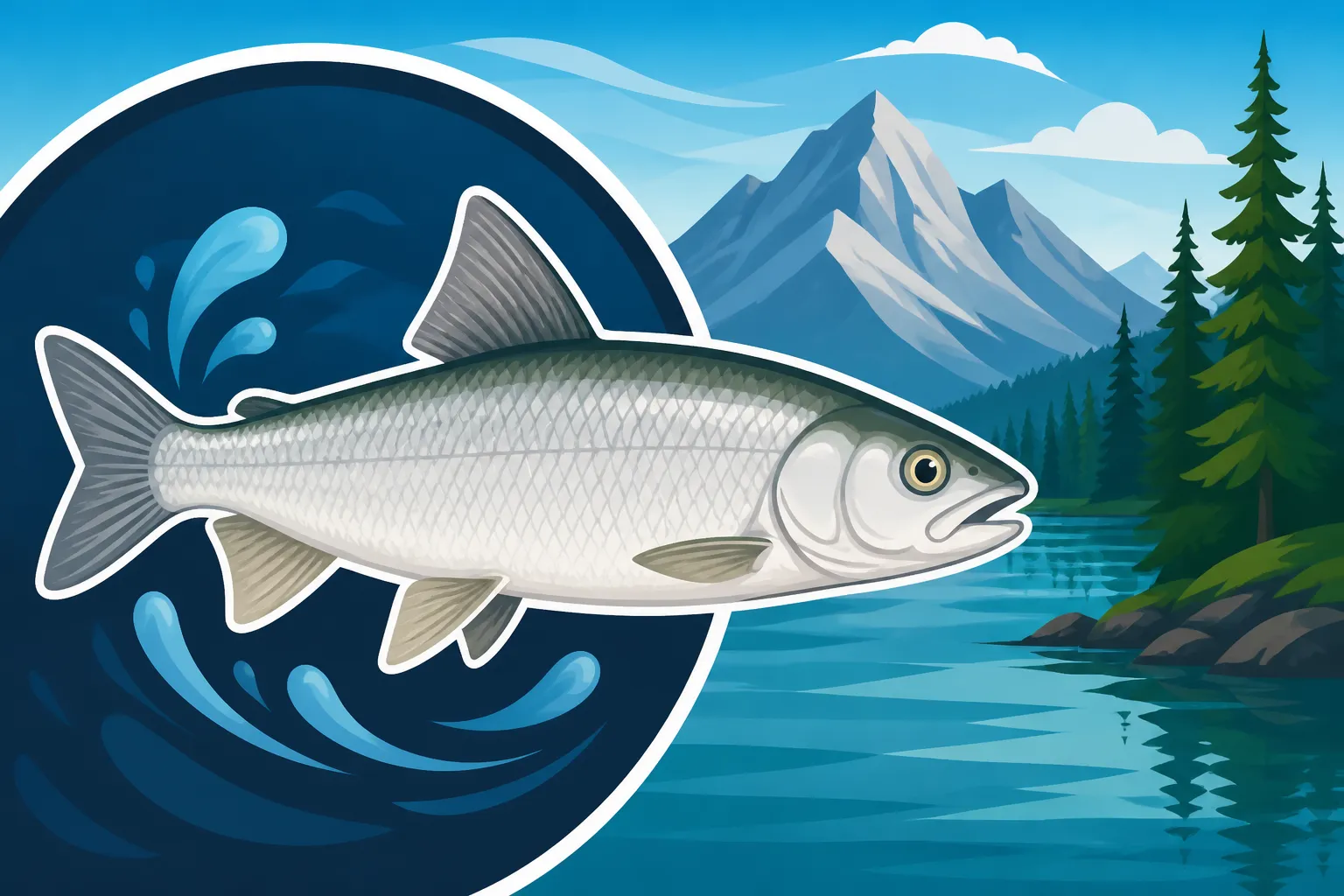
The lake whitefish (Coregonus clupeaformis) is a member of the salmon family (Salmonidae), though its appearance might lead you to believe otherwise. They have a sleek, silvery body, often with a slightly green or olive tint on their back, fading to white on their belly. Their scales are relatively large, and they possess a small, almost toothless mouth that is typically sub-terminal, meaning it's located slightly underneath their snout. This mouth structure is a tell-tale sign of their bottom-feeding habits.
Unlike many of their salmonid cousins, lake whitefish don't have the vibrant colors or aggressive predatory look of a trout or char. Instead, they are built for efficiency in colder, deeper waters. They have a small, adipose fin, just like trout and salmon, which confirms their lineage. They prefer large, deep, clear, and cold lakes, often referred to as oligotrophic or mesotrophic lakes, where oxygen levels are high even at considerable depths. These environments provide the stable conditions and abundant invertebrate food sources they need to thrive. While they might not be the largest fish in the lake, they can grow to respectable sizes, with average catches often ranging from 1 to 5 pounds, though much larger specimens are certainly caught by dedicated anglers. Many people often confuse them with their close relatives, the cisco (lake herring) or even the Rocky Mountain whitefish, but the lake whitefish generally has a deeper body and a more pointed snout.
Where Lake Whitefish Thrive in Alberta
In Alberta, lake whitefish are found predominantly in the province's larger, deeper, and cooler lakes. These aren't the fish you're typically going to find in a shallow, warm prairie pothole. Instead, think of our expansive northern lakes and some of the deeper mountain-fed reservoirs. The key factors for a good whitefish lake are depth, stable cold water temperatures, and ample oxygen throughout the water column, especially during the warmer summer months and under the ice in winter.
They rely heavily on diverse populations of benthic invertebrates (insects and other critters living on the lake bottom), zooplankton, and occasionally small baitfish. Lakes with rich invertebrate communities, often supported by healthy aquatic plant life or specific bottom substrates like gravel and rock, tend to hold the most robust whitefish populations. You'll find them schooling around structural elements like humps, drop-offs, submerged islands, and deep flats where these food sources are concentrated. Some of Alberta's most renowned whitefish fisheries include the mighty Cold Lake, a deep, clear body of water that supports a fantastic population, and Lesser Slave Lake, which, despite its shallower average depth compared to Cold Lake, still holds significant numbers of these fish, particularly in its deeper basins. Other notable lakes include Lac La Biche and the vast expanses of Lake Athabasca. Understanding the specific characteristics of these lakes is crucial for successful whitefish targeting.
Life Cycle and Habits of Lake Whitefish
To consistently catch lake whitefish, it’s not enough to know where they live; you also need to understand how they live. Their behaviors, particularly around spawning and feeding, dictate their movements and vulnerability to different angling techniques throughout the year.
Spawning Habits and Reproduction
Lake whitefish have a fascinating reproductive cycle, typically spawning in the late fall or early winter, often under the ice or just before ice-up, when water temperatures are hovering around 3 to 7 degrees Celsius (37 to 45 degrees Fahrenheit). This timing makes them a unique target compared to many other popular game fish in Alberta that spawn in spring. They are broadcast spawners, meaning they don't build nests or guard their eggs. Instead, female whitefish release their eggs, and males release milt, with fertilization occurring as the eggs drift to the bottom.
They usually seek out shallow, rocky shoals, gravel bars, or sometimes even submerged vegetation beds in relatively protected bays or along shorelines for their spawning grounds. These hard bottom areas provide a stable substrate for the eggs to settle and develop. After spawning, the adult whitefish generally disperse back to deeper waters. The eggs incubate over the winter months, typically hatching in the early spring as the ice melts, allowing the tiny fry to emerge into a plankton-rich environment. Factors like water level fluctuations, siltation on spawning beds, and extreme cold snaps can significantly impact spawning success from year to year. Knowing these spawning areas and times can give you a clue as to where to find concentrations of fish both before and after they lay their eggs.
Feeding Patterns and Diet
The diet of a lake whitefish is incredibly varied and largely depends on the specific lake ecosystem and the time of year. Given their small, sub-terminal mouth, they are primarily adapted for bottom-feeding, sifting through substrate for various invertebrates. Their menu frequently includes insect larvae, nymphs, and pupae (like chironomids and mayflies), small crustaceans such as amphipods (scuds) and copepods, and even freshwater shrimp. In some lakes, particularly larger systems, they will also actively feed on zooplankton, tiny aquatic animals suspended in the water column, and sometimes even small forage fish, though this is less common than with species like pike or walleye.
Their feeding patterns are highly influenced by temperature and depth. In the summer, when the shallower waters warm up, whitefish will often retreat to deeper, cooler sections of the lake where oxygen is still plentiful and their preferred food sources are concentrated. During spring and fall, as the entire water column cools and oxygen is more evenly distributed, they might be found shallower. In winter, under the ice, they continue to feed actively, often patrolling structures and flats, making them a prime target for ice anglers. Understanding the prevailing invertebrate hatches or available forage in a specific lake can be a game-changer; as anglers say, "match the hatch" with your lure or bait choice.
Seasonal Movements and Depths
Lake whitefish are highly migratory within their home lakes, constantly moving in response to food availability, water temperature, oxygen levels, and spawning impulses. These movements dictate where you'll find them throughout the year. In the spring, after ice-out, they may be shallower, actively feeding and recovering from the spawn. As summer progresses and surface waters warm, they descend to deeper, cooler parts of the lake, often congregating in the thermocline layer or just below it, where the cold water meets warmer water and oxygen remains abundant. Look for them on deep flats, along breaklines, and around submerged humps or islands that provide access to these cooler depths.
Come fall, as the lake's water column begins to cool and "turn over" (mixing the oxygen and temperature more evenly), whitefish will start moving back to shallower structures, particularly those gravelly areas they favor for spawning. This is often an excellent time to target them before the ice forms. During winter, once the ice is solid, they continue to patrol these deeper flats and structural elements, sometimes moving into shallower bays to feed, especially at dawn or dusk. Modern fish finders and portable sonar units, many of which can be found on Amazon, are incredibly valuable tools for tracking these movements and pinpointing schools of whitefish, especially through the ice. Ignoring their seasonal depth preferences is one of the biggest mistakes anglers make when chasing these elusive fish.
Top Alberta Lakes for Lake Whitefish
Alberta boasts several exceptional lakes for lake whitefish, each offering its own unique characteristics and angling opportunities. Understanding these prime locations is key to successful whitefish pursuits.
Cold Lake: A Whitefish Mecca
Cold Lake, straddling the Alberta-Saskatchewan border, is undoubtedly one of Alberta's premier lake whitefish destinations. It's a massive, deep, and oligotrophic lake, meaning it's typically clear, cold, and well-oxygenated—perfect conditions for whitefish to thrive. Its vast expanse and significant depths allow for stable cold water habitats even during peak summer, ensuring a healthy population year-round. While many anglers come here for the legendary lake trout, the whitefish population is equally impressive and often less pressured.
You'll find lake whitefish distributed throughout Cold Lake, but key areas to focus on include large, deep flats, submerged humps, and extended breaklines that drop off into deeper water. Structure around islands and points can also hold congregating schools. Depths can vary dramatically depending on the season, from 20-40 feet in early spring and late fall to 60-100+ feet during the summer heat. During the ice fishing season, anglers often target humps and flats in the 40-70 foot range, as whitefish actively cruise these areas for food. Keep an eye on your fish finder, as whitefish often show up as distinct arches near the bottom, or suspended just above it. Their abundance and size potential make Cold Lake a true mecca for those seeking a challenging and rewarding whitefish angling experience. For more insights on fishing here, you might want to check out Cold Lake Lake Trout Fishing, which often covers similar deep-water strategies.
Lesser Slave Lake and Its Whitefish Potential
Lesser Slave Lake, Alberta's largest lake entirely within the province, is famous for its walleye and northern pike, but it also supports a robust and often overlooked lake whitefish population. While not as deep as Cold Lake, its sheer size and diverse habitat provide ample opportunities for whitefish, particularly in its deeper western basin. The whitefish here might not reach the trophy sizes seen in Cold Lake as frequently, but they are plentiful and provide fantastic action.
Anglers targeting whitefish on Lesser Slave Lake should focus on the deeper sections of the lake, particularly the "west basin," which boasts the most significant depths. Look for gradual slopes, transitions from mud to hard bottom, and submerged structure like old river channels or humps. During the open water season, trolling with small spoons or jigging near the bottom can be effective. Come winter, Lesser Slave Lake becomes an ice fishing hot spot for whitefish. Anglers typically set up over deep flats and drop-offs, using small jigs tipped with bait. The lake's vastness means understanding subtle depth changes and bottom contours is crucial for locating active schools. While Lesser Slave Lake Fishing Guide primarily focuses on walleye and pike, many of the navigational and structural insights shared can also be applied to finding whitefish.
Other Notable Whitefish Lakes
Beyond the marquee lakes of Cold and Lesser Slave, Alberta offers several other excellent lake whitefish fisheries, each with its own charm and challenges.
Lac La Biche: This large lake in northeastern Alberta is another excellent choice for whitefish. Like Lesser Slave, it's renowned for other species but holds a healthy whitefish population, especially in its deeper sections. Anglers can find success here by exploring the numerous bays and submerged points that transition into deeper water, focusing on areas with a gravelly or rocky bottom.
Lake Athabasca: While largely remote and known for its monster pike and lake trout, the Alberta portion of Lake Athabasca also supports a significant whitefish fishery. Its immense size and cold, clear waters create ideal conditions. Angling here is often an expedition, and whitefish are a common and welcome catch for those exploring its vast depths.
Sylvan Lake: A popular recreational lake in central Alberta, Sylvan Lake also has a surprising whitefish population in its deeper basins. While not as numerous as in the northern lakes, they provide a great local option for anglers looking to target this species closer to population centers. Focus on the central, deeper areas, particularly during the ice fishing season.
Ghost Reservoir: Located in the foothills, Ghost Reservoir can also produce whitefish, especially in its deeper sections, though these are often smaller than those found in larger northern lakes. The ever-changing water levels can make finding consistent whitefish patterns a bit more challenging, but persistence can pay off.
When exploring these or any other lake, remembering the whitefish's preference for cold, clean, deep water with plenty of benthic food sources will always guide you to the right spots. Each lake has its nuances, but the core principles of whitefish habitat remain consistent.
Effective Techniques for Catching Lake Whitefish
Lake whitefish are not always the easiest fish to fool, often requiring a bit of finesse and the right presentation. Their bottom-feeding nature and preference for specific forage mean tailored techniques are essential for consistent success.
Ice Fishing for Whitefish: The Winter Delight
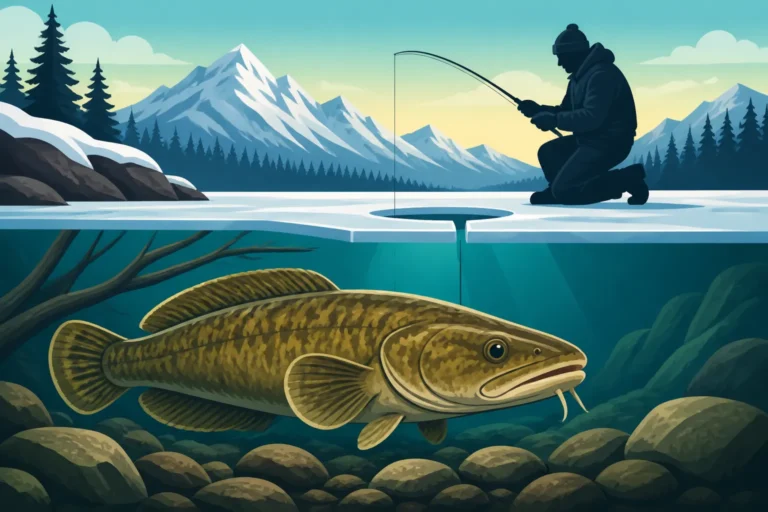
Ice fishing for lake whitefish is arguably the most popular and productive way to target this species in Alberta. When the lakes freeze over, whitefish remain active, often schooling up and patrolling specific depths and structures, making them accessible to anglers. The key to ice fishing success for whitefish lies in a combination of precision and presentation.
Anglers typically use light to medium-light action rods with sensitive tips, paired with small spinning reels spooled with light monofilament or fluorocarbon line, or even a thin braid with a fluorocarbon leader. The most effective lures are small, compact jigs, often weighing between 1/16 to 1/8 ounce, in colors like chartreuse, white, pink, or glow. These jigs are commonly tipped with natural bait such as maggots (wax worms, mealworms), or a small piece of minnow or shrimp. A popular setup is a small jigging spoon or a "wireworm" jig, often enhanced with a plastic grub or bait. The presentation is crucial: a slow, subtle jigging action, often just off the bottom, is usually most effective. Whitefish bites can be incredibly subtle, feeling like a slight tap or just added weight. Having a good quality fish finder or flasher, many options for which are available on Amazon, is almost essential. It allows you to mark fish, identify their depth, and adjust your presentation in real-time, giving you a significant edge on the ice. Ice Fishing in Alberta provides a great overview of the general conditions and equipment needed for winter angling in the province.
Open Water Tactics: From Trolling to Still Fishing
While ice fishing gets a lot of attention for whitefish, they can certainly be caught during the open water season using a variety of techniques. Adapting to their seasonal movements and feeding habits is paramount.
Jigging: Similar to ice fishing, vertical jigging is effective in open water, especially when you can locate schools of whitefish over deep structure. Use small jigs or spoons, again often tipped with live bait or a small plastic trailer, and work them close to the bottom. This is particularly effective from a boat equipped with a fish finder that can pinpoint fish.
Slip Bobber Fishing: If whitefish are suspended at a specific depth or cruising shallower flats in spring or fall, a slip bobber rig can be highly effective. A small jig or baited hook suspended beneath a bobber allows for a natural presentation. This is a great technique for covering larger areas from a stationary boat or even from shore in appropriate locations.
Bottom Bouncing/Drifting: For fishing large flats or gently sloping bottoms, drifting with a bottom bouncer rig or a simple lead-head jig tipped with bait can be productive. The key is to keep your bait just off the bottom, allowing it to move naturally with the current or drift of your boat. This technique works well in moderate depths and helps cover more ground to find active fish.
Small Crankbaits/Blade Baits: While less common, very small crankbaits or blade baits can entice an opportunistic whitefish, especially if they are actively chasing small baitfish. Ensure the lures are small enough to fit their mouth and are retrieved slowly near the bottom. The effectiveness of these techniques largely depends on scouting and identifying where whitefish are actively feeding and at what depth.
Essential Gear and Tackle
Having the right gear makes all the difference when targeting lake whitefish. They are often shy biters and require a delicate touch.
Rods and Reels: A light to medium-light spinning rod, typically 6 to 7 feet in length, with a fast action tip is ideal. This sensitive tip allows you to detect the subtle bites of whitefish. Pair it with a small, smooth spinning reel (size 1000 or 2000) that has a good drag system.
Line: For main line, a thin braided line (6-10 lb test) is excellent for sensitivity and strength, especially when fishing deeper. However, a fluorocarbon leader (4-6 lb test, 6-8 feet long) is crucial for invisibility in clear water and for abrasion resistance. Some anglers prefer straight fluorocarbon or monofilament if fishing shallower.
Lures and Baits:
- Jigs: Small tungsten jigs (1/16 – 1/8 oz) in bright or glow colors are go-to. Tiny tube jigs or small plastic grubs on lead heads also work.
- Spoons: Small jigging spoons (1/8 – 1/4 oz) like the Swedish Pimple or Acme Kastmaster, often tipped with a maggot or small minnow head, are very effective.
- Wireworms: These specialized jigs, often made with a wire body wrapped with thread, are deadly for whitefish, especially when tipped with bait.
- Natural Bait: Maggots (wax worms, mealworms), pieces of shrimp, small minnows (where legal), or even a kernel of corn can be highly enticing.
Electronics: A quality fish finder or flasher is an invaluable tool for locating schools of whitefish, especially when ice fishing or targeting deep open water. It helps identify structure, depth, and the presence of fish, allowing you to quickly adjust your presentation. You can find a wide array of reliable fish finders and other essential tackle components on Amazon. For comprehensive information on choosing the right electronics, refer to Best Fish Finders for Alberta Lakes. Don't forget a good landing net with fine mesh to protect these delicate fish if you plan on releasing them.
| Lake Name | Typical Depth Range for Whitefish | Preferred Habitat | Best Season for Whitefish | Key Bait/Lure Types |
|---|---|---|---|---|
| Cold Lake | 40-100+ feet | Deep flats, humps, breaklines | Winter (Ice), Fall, Spring | Small jigs, spoons, maggots |
| Lesser Slave Lake | 30-70 feet | Deep western basin, slopes | Winter (Ice), Fall | Small jigs, wireworms, minnows |
| Lac La Biche | 25-60 feet | Deeper bays, gravel bars | Winter (Ice), Fall | Small jigs, maggots, shrimp |
| Lake Athabasca | 50-150+ feet | Vast deep basins, submerged points | Summer, Winter (Ice) | Jigs, spoons, small crankbaits |
| Sylvan Lake | 30-70 feet | Central deep basins | Winter (Ice) | Small jigs, wax worms |
Regulations and Conservation
As with all fishing in Alberta, understanding and adhering to regulations is crucial not only for avoiding penalties but also for ensuring the health and sustainability of our lake whitefish populations for future generations.
Alberta Regulations for Whitefish
Alberta's fishing regulations are designed to manage fish populations responsibly, and lake whitefish are no exception. While they are generally a robust species, specific rules apply. You'll need an Alberta Sportfishing License and a valid WIN card to fish for whitefish, just like any other species in the province. The regulations can vary significantly by waterbody and management zone, so it's absolutely vital to consult the most current Alberta Guide to Sportfishing Regulations before heading out.
Key regulations to watch out for include:
- Season Dates: While many lakes offer year-round fishing for whitefish, some waters may have specific closures or open seasons, particularly during spawning periods. Always double-check.
- Bag and Possession Limits: There will be specific limits on how many whitefish you can keep per day (bag limit) and how many you can have in your possession at any given time (possession limit). These are often quite generous for whitefish due to their abundance, but it’s still important to know.
- Size Limits: Less common for whitefish, but some lakes might have minimum or maximum size limits.
Always carry a copy of the regulations, whether physical or digital, and ensure you understand the rules for the specific lake or river you are fishing. Ignoring regulations can lead to hefty fines and loss of fishing privileges. For a general overview, refer to Alberta Fishing Regulations Explained and specifically for limits, check Alberta Bag and Possession Limits by Species.
Conservation Status and Best Practices
Globally, lake whitefish are generally considered a species of "Least Concern," thanks to their widespread distribution and healthy populations in many areas. In Alberta, they are not typically listed as a species at risk. However, responsible angling practices are still incredibly important to maintain these healthy fisheries. Habitat degradation, climate change affecting water temperatures and oxygen levels, and overfishing in localized areas can all impact whitefish populations over time.
As anglers, we play a critical role in conservation. If you're practicing catch and release for whitefish, especially larger specimens, follow these best practices:
- Minimize Fight Time: Bring the fish in quickly to reduce exhaustion.
- Wet Hands: Always handle fish with wet hands to protect their protective slime coat.
- Support the Fish: Support the entire body of the fish, especially larger ones, to avoid damaging internal organs.
- Quick Release: Remove hooks quickly and gently. Barbless hooks can make this much easier.
- Revive If Necessary: If the fish seems sluggish, hold it gently in the water, facing into the current (if applicable), until it swims away under its own power.
Consider keeping only what you need for a meal, and releasing the rest, especially larger breeding-sized fish. This approach ensures that future generations of whitefish can continue to thrive in Alberta's beautiful lakes, providing sustenance and sport for years to come.
Disclaimer
This article is for general informational purposes only and does not constitute professional advice. Laws, prices and regulations vary by location and change over time. Consult a qualified professional for guidance on your specific situation.