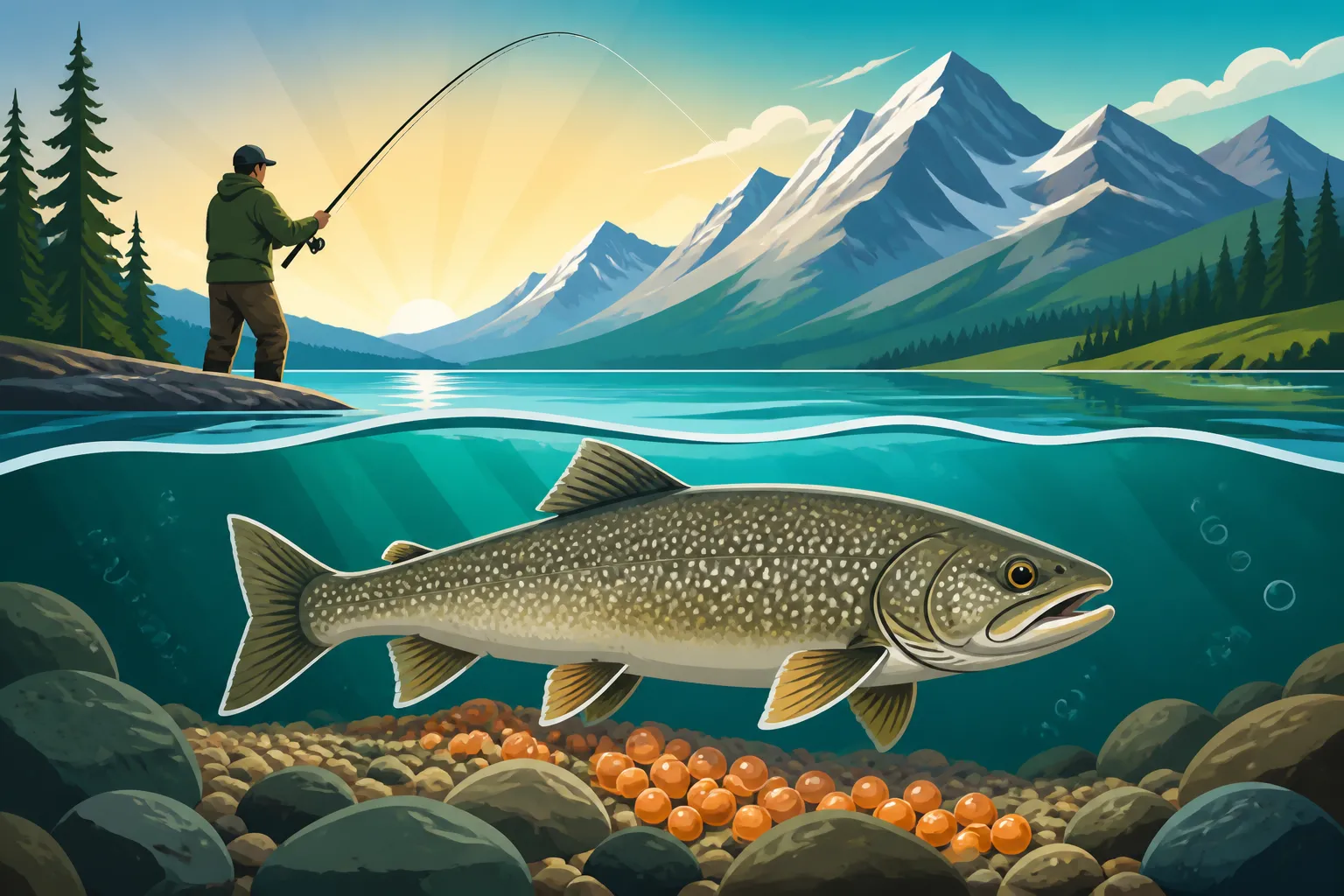
Lake Trout Spawning Season in Alberta
There’s nothing quite like the thrill of chasing Alberta’s magnificent lake trout, but understanding their life cycle, especially their spawning season, is crucial for both successful angling and responsible conservation. Many anglers struggle with knowing when and where these elusive fish gather to reproduce, leading to frustration or, worse, inadvertently disturbing vital spawning grounds. This comprehensive guide will demystify the lake trout spawning season in Alberta, explaining the biological triggers, prime locations, and how you can be a more ethical and effective angler during this critical time.
The Ritual of Reproduction: Understanding Lake Trout Spawning Biology
Lake trout, or "lakers" as we affectionately call them, are a true jewel of Alberta's cold, deep waters. Their spawning ritual is a fascinating and delicate process, driven by ancient instincts that ensure the continuation of their species. Unlike some salmon species that migrate long distances up rivers, most lake trout spawn in their resident lakes, though some populations might utilize tributary rivers or streams. Understanding this biology is key to respecting and enjoying these incredible fish.
The Urge to Spawn: Hormones and Readiness
As autumn days shorten and water temperatures begin their steady decline, a profound change takes place within mature lake trout. Their bodies, governed by intricate hormonal shifts, begin to prepare for the arduous task of reproduction. Both males and females undergo significant physiological changes. Males develop a more pronounced kype (a hooked jaw), and their colours often intensify, becoming more vibrant and darker, a signal of their readiness. Females, meanwhile, are focused on developing their eggs, which swell to a significant portion of their body mass. This internal clock is remarkably precise, honed over millennia to coincide with optimal environmental conditions for egg survival. It's a period where their energy reserves are heavily invested, making them particularly vulnerable.
Courtship and Nest Building: "Redds" and Gravel Beds
While not true "redds" in the classic salmonid river sense, lake trout do prepare specific areas for egg deposition, often referred to as spawning beds. These are typically areas of clean, coarse gravel or rubble, free from fine silts that could suffocate eggs. In the days leading up to the main event, males often arrive first at these chosen sites. They might engage in territorial displays, bumping and finning to establish dominance and attract females. The actual "nest building" involves the female using her tail to fan away finer sediments, creating a clean depression or simply finding existing crevices and spaces within the rock and gravel where eggs can settle securely. This meticulous preparation is vital, as the eggs need protection from currents, predators, and silting.
Egg Deposition and Fertilization: The Future Generation
The actual act of spawning is often a communal affair, with multiple males attending a single female. The female will release her eggs in batches over the cleaned gravel, and as she does, one or more males will simultaneously release their milt (sperm) over them, fertilizing the eggs in the water column. Lake trout eggs are quite hardy and adhesive, quickly sinking into the interstitial spaces within the gravel bed, where they gain protection. This process can continue for several days, with females returning to the spawning grounds repeatedly until all their eggs are laid. Once fertilized and settled, the eggs are left to develop, relying on the cold, oxygenated water and the protection of the gravel to see them through the long winter months until hatching in spring. It's a testament to nature's resilience, as countless potential predators, from other fish to waterfowl, are constantly on the lookout for this valuable food source.
When and Where: Timing and Environmental Factors Affecting Spawning
Pinpointing the exact lake trout spawning season in Alberta can feel a bit like chasing a ghost, as it varies significantly from lake to lake and even year to year. However, there are very clear environmental cues that trigger this annual event. Understanding these factors is paramount for any angler hoping to respect the fish and plan their trips effectively.
Water Temperature: The Primary Trigger
Of all the environmental variables, water temperature is arguably the most critical trigger for lake trout spawning. Lakers are cold-water fish, and they require very specific temperature windows for successful reproduction. Generally, spawning begins when surface water temperatures cool down to between 8 to 12 degrees Celsius (46 to 54 degrees Fahrenheit), with the sweet spot often being closer to the lower end of that range. As fall progresses, the thermocline (the layer separating warm surface water from cold deep water) breaks down, allowing the entire water column to cool and circulate. This process, known as "lake turnover," is a key indicator that spawning is imminent. A prolonged warm fall can delay spawning, while a sudden cold snap can bring it on quickly. Knowing the typical cooling patterns of your target lake can give you a significant advantage in predicting when the lakers will be on the beds.
Day Length and Seasonal Changes
While water temperature is the immediate catalyst, the decreasing day length (photoperiod) of autumn plays a significant, albeit indirect, role. The shortening days signal to the lake trout's internal biological clock that winter is approaching, initiating the hormonal changes that lead to spawning readiness. This longer-term signal prepares them, while the specific water temperature acts as the final green light. The interplay between decreasing daylight and cooling waters ensures that spawning occurs at the optimal time for the eggs to incubate over winter and hatch in the spring when food sources become more available. Think of it as a natural symphony where photoperiod sets the stage, and temperature brings in the main act. For anglers keen on specific timing, observing the gradual shortening of the days can give you a heads-up before the water temperatures even hit their prime.
The Moon's Influence and Other Subtle Cues
Some experienced anglers and researchers also suggest that lunar cycles, particularly the full moon phases in late fall, might play a subtle role in synchronizing lake trout spawning activity. While not as definitively proven as temperature, many believe that increased lunar illumination during the night might influence the timing of spawning migrations to shallow areas. Additionally, increased water levels or specific current flows in lakes that have tributary spawning grounds could also be minor factors. The key takeaway here is that while temperature and day length are the main drivers, nature often works with a complex array of subtle cues that we are still learning to fully understand. If you're looking for gear to help you track these things, there are some great fishing apps available on platforms like Amazon that combine weather, moon phases, and historical data to help predict fish activity.
Alberta's Spawning Sanctuaries: Prime Locations in Key Lakes
Lake trout are particular about where they lay their eggs. They don't just spawn anywhere; they seek out specific habitats that offer the best chance of survival for their offspring. Knowing these "sanctuaries" is incredibly important for responsible angling and appreciating the lifecycle of these magnificent fish.
Classic Spawning Grounds: Reefs, Shoals, and Rock Rubble
When it comes to prime lake trout spawning grounds, you're generally looking for areas with clean, hard bottom structure in relatively shallow water. Reefs, prominent underwater shoals, and rocky points are classic locations. The ideal substrate is typically composed of cobble, gravel, and large rock rubble, offering interstitial spaces where eggs can settle and be protected from predation and currents. These areas often have a good flow of oxygenated water, which is crucial for egg development. You won't find them spawning in soft, silty, or muddy bottoms, as these environments can suffocate eggs. Look for depths ranging from just a few feet down to 30 or 40 feet, depending on the lake's clarity and structure. Often, these spots are on the windward side of islands or mainland shorelines, where wave action helps keep the gravel clean.
Specific Lake Examples: Cold Lake, Lake Athabasca, and Beyond
Alberta is home to some incredible lake trout fisheries, and many of these have well-known spawning grounds. For example, Cold Lake Lake Trout Fishing is legendary, and this vast body of water boasts numerous reefs and rocky points, especially along its northern and eastern shores, where lakers gather in the fall. Lake Athabasca, with its immense size and countless rocky structures, also provides critical spawning habitat. Other notable lakes that support healthy lake trout populations and thus have designated spawning grounds include Lesser Slave Lake, particularly deeper sections with appropriate structure, and various mountain lakes in the Kananaskis region. Each lake will have its unique hotspots, often marked on older fishing maps or known by local guides. Learning When lake trout spawn on Cold Lake or other major lakes will give you a leg up in understanding broader provincial trends.
The Importance of Clean Gravel: Habitat Requirements
The health of lake trout populations is inextricably linked to the quality of their spawning habitat. Clean gravel is not just preferred; it's essential. Fine silts and organic debris can settle into the spaces between rocks, reducing oxygen flow to the eggs and making them susceptible to fungal infections. Pollution, excessive shoreline development, and runoff from land can all contribute to siltation, degrading these vital spawning grounds. Conservation efforts often focus on protecting these sensitive areas. For anglers, this means being mindful of where you anchor, avoiding disturbing the bottom in known spawning zones, and supporting initiatives that protect water quality. The future of Lake Trout Fishing in Alberta depends heavily on these fragile environments.
Fishing Responsibly: Ethics and Regulations During the Spawn
Fishing during the lake trout spawning season in Alberta presents a unique set of ethical considerations. While it can be a time when large numbers of fish are concentrated and potentially easier to catch, it's also a period of immense vulnerability for the species. Responsible angling is not just about following the rules; it's about making conscious choices that support the long-term health of the fishery.
Understanding Seasonal Closures and Restrictions
Alberta's fisheries management understands the vulnerability of spawning fish, which is why specific regulations are put in place. Many lakes or specific areas within lakes will have seasonal closures during the lake trout spawning period. These closures are designed to give the fish a reprieve from angling pressure when they are most susceptible and concentrated. For instance, parts of Cold Lake might have restrictions, and various other lakes across the province will have their own specific rules. It is absolutely vital that you consult the current Alberta Guide to Sportfishing Regulations every single year, as rules can change. This guide, often available physically or digitally, outlines Alberta Fishing Regulations Explained and all zone-specific season dates and closures. Ignoring these regulations can lead to hefty fines and, more importantly, can severely impact the future of our lake trout populations.
Minimizing Impact on Spawning Fish
Even in areas that remain open during the spawning window, ethical anglers take extra steps to minimize their impact. Spawning lake trout are highly focused on reproduction, and catching them repeatedly can cause stress, interrupt their natural behaviour, and even injure them, compromising their ability to successfully spawn. If you do fish during this time, consider switching to barbless hooks, practicing catch-and-release with extreme care, and avoiding handling fish excessively. Keep them in the water as much as possible, especially if you're taking a quick photo. Some anglers choose to avoid targeting spawning aggregations altogether, opting to fish for other species or in different areas to give the lakers their space. This mindful approach is a hallmark of a truly conservation-minded angler.
| Lake Name (Example) | General Spawning Window (Approx.) | Typical Depths (Feet) | Preferred Bottom Type | Key Considerations |
|---|---|---|---|---|
| Cold Lake | Late Sept – Mid-Nov | 10-40 | Rock/Cobble Reefs | Extensive, well-known spawning grounds. Check for closures. |
| Lake Athabasca | Mid-Sept – Late Oct | 5-30 | Large Rock Rubble | Remote, vast. Significant wave action often helps clear beds. |
| Lesser Slave Lake | Late Oct – Early Dec | 15-50 | Gravel/Boulder Shoals | Deeper spawning areas compared to some. |
| Ghost Reservoir | Mid-Oct – Late Nov | 5-25 | Gravelly Points | Accessible, but often subject to specific local rules. |
| Upper Kananaskis | Early Oct – Mid-Nov | 5-30 | Rocky Shorelines | Mountain lake conditions; can vary with early ice. |
The Role of Anglers in Conservation
Anglers are often the first line of defense for our fisheries. By understanding and respecting the lake trout spawning season, we contribute directly to their long-term health. This isn't just about avoiding a fine; it's about being an active steward of Alberta's natural resources. Supporting organizations that work on habitat restoration, reporting poaching or environmental damage, and educating fellow anglers about responsible practices are all ways we can play a positive role. Learning about Alberta Fishing Seasons by Zone and Month and sharing that knowledge responsibly helps ensure everyone is on the same page. Remember, a thriving lake trout population means better fishing for generations to come. Many resources, including specialized tackle and books on conservation, are readily available through online retailers like Amazon, making it easier to equip yourself for responsible fishing.
Life After the Spawn: Post-Spawning Behavior and Fishing Opportunities
Once the arduous process of spawning is complete, lake trout enter a recovery phase. They've expended an incredible amount of energy and stored resources, making the post-spawn period a crucial time for them to recuperate and rebuild. Understanding their behaviour during this phase can help anglers target them effectively and ethically.
Recovering and Feeding: Depleted Energies
After depositing their eggs or milt, lake trout are often exhausted and nutritionally depleted. Their focus immediately shifts from reproduction to recovery. This means they will be actively seeking food to replenish their fat reserves and regain their strength. They become opportunistic feeders, often targeting baitfish that are abundant in the deeper parts of the lake. While they might still be somewhat concentrated near spawning areas initially, they will soon disperse to deeper feeding grounds. This hunger makes them more aggressive feeders, which can present excellent fishing opportunities for anglers who understand their movements. It's a prime time to use lures that imitate their natural prey, like those found in a well-stocked tackle box you might have purchased from Amazon.
Changing Depths and Habits: Locating Post-Spawn Lakers
Immediately following the spawn, lake trout might linger around the edges of their spawning grounds for a short period, picking off any missed eggs or unsuspecting prey. However, they will quickly move back to deeper, more stable thermal zones where they feel secure and can hunt effectively. Their habits become more aligned with their typical deep-water patterns, often relating to submerged structures, deep points, and thermocline edges if one has re-established. Best Techniques for Winter Lake Trout often starts to apply soon after the spawn, as the waters continue to cool. Anglers should be prepared to use fish finders to locate structure and schools of baitfish in deeper water, typically anywhere from 50 to 150 feet or more, depending on the lake. They'll be less focused on shallow, exposed areas and more on efficient feeding.
Ethical Fishing for Post-Spawn Trout
While post-spawn lakers are often hungry and willing to bite, it's still important to maintain ethical angling practices. Fish that have just spawned are still in a vulnerable state, and undue stress can impact their long-term health. If you are practicing catch-and-release, handle them gently and release them quickly. Avoid keeping fish for consumption if you notice them to be particularly thin or "spawned out," as their flesh quality might be lower, and releasing them allows them to fully recover. Targeting these fish with methods like Trolling Techniques for Alberta Lake Trout or deep jigging can be very effective, allowing you to cover water and find active fish without necessarily targeting them on sensitive spawning beds. The focus should be on healthy, robust fish that have had time to recover.
Protecting the Future: Conservation Efforts for Alberta's Lake Trout
Alberta's lake trout are an integral part of our aquatic ecosystems and a prized sportfish. Ensuring their survival and healthy populations requires ongoing dedication from fisheries managers, scientists, and, crucially, from anglers themselves. Conservation is a collective responsibility, and every action contributes to the bigger picture.
Stocking Programs and Habitat Restoration
To bolster lake trout populations, especially in lakes where natural reproduction is limited or where historical populations have declined, Alberta often implements stocking programs. These programs introduce hatchery-raised fingerlings or larger juvenile fish into designated lakes, aiming to supplement natural recruitment and provide angling opportunities. However, stocking is only one piece of the puzzle. Habitat restoration is equally, if not more, vital. This involves projects that protect and improve water quality, prevent shoreline erosion, and restore critical spawning and rearing habitats. This might include stabilizing shorelines, removing barriers to fish movement, or mitigating pollution sources. Such efforts directly address the core needs of lake trout for clean, healthy environments throughout their life cycle.
Research and Monitoring: Understanding Lake Trout Health
Fisheries biologists and researchers are constantly studying Alberta's lake trout populations. Through scientific research and monitoring programs, they collect invaluable data on fish numbers, age and growth rates, spawning success, and overall population health. This data helps them understand trends, identify potential threats (like invasive species or climate change), and adapt management strategies accordingly. Techniques like fish tagging, population surveys, and genetic analysis provide crucial insights into where the fish go, how long they live, and what factors might be impacting their survival. This scientific foundation is what allows for informed decisions on everything from Alberta Bag and Possession Limits by Species to specific lake management plans, ensuring that regulations are based on the best available knowledge.
The Angler's Contribution to Long-Term Sustainability
As anglers, our direct involvement is paramount. Beyond simply following regulations like checking Alberta Fishing License Age Requirements and securing your own fishing license, our actions on and off the water have a tangible impact. Participating in citizen science initiatives, volunteering for habitat clean-up days, and advocating for responsible land and water management are powerful ways to contribute. Even simpler acts, like ensuring your boat is clean and free of invasive species before launching, or practicing careful catch-and-release with fish like Bull Trout: Alberta's Threatened Native Fish, make a huge difference. By appreciating the delicate balance of the ecosystem and respecting the life cycle of fish like the lake trout, we ensure that the breathtaking experience of fishing in Alberta's wild waters remains for future generations.
Disclaimer
This article is for general informational purposes only and does not constitute professional advice. Laws, prices and regulations vary by location and change over time. Consult a qualified professional for guidance on your specific situation.