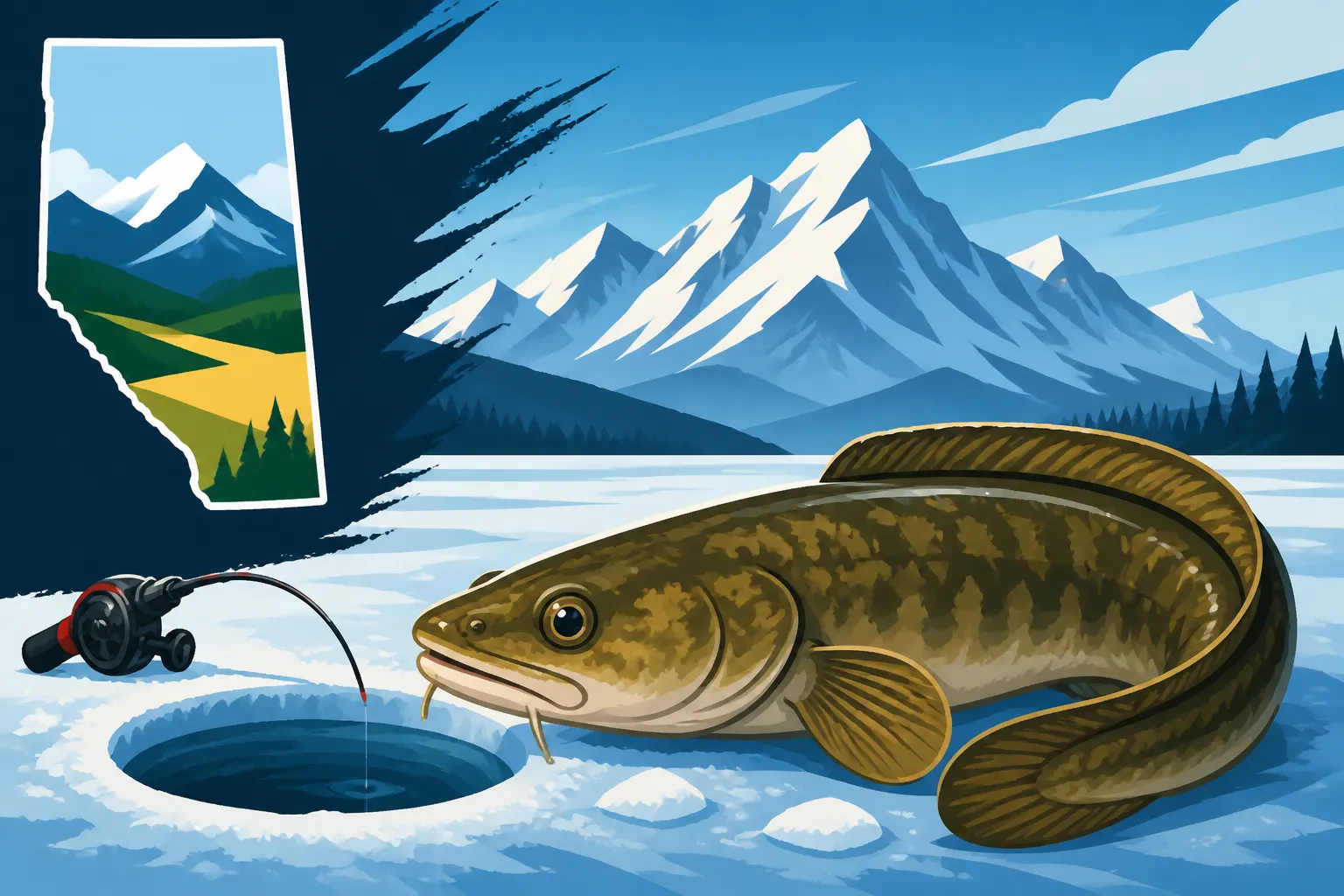
Burbot Fishing in Alberta
For many anglers, the thought of landing a big, slimy burbot in the dead of winter can be a bit polarizing. Often called the "poor man's lobster" or just plain "eelpout," these unique fish are a fantastic sportfish that offer incredible eating, yet they sometimes get overlooked. If you've been curious about targeting these bottom-dwelling beauties but aren't sure where to start, you've come to the right place. This comprehensive guide will walk you through everything you need to know about burbot fishing in Alberta, from their preferred habitats to the most effective techniques to get them on your line.
Getting to Know Alberta's Burbot: The Freshwater Cod
Alright, let's talk about the burbot. If you've ever hooked one, you know they're unlike most other freshwater fish in Alberta. They've got a distinctive, almost prehistoric look that can sometimes surprise anglers. But don't let their appearance fool you; these fish are a blast to catch, especially when the weather turns cold, and they are absolutely delicious. They’re the only freshwater member of the cod family in North America, which instantly tells you a lot about their habits and where you might find them.
What Makes a Burbot Unique? Identification and Features
Identifying a burbot isn't too tricky once you know what to look for. They have an elongated, almost snake-like body, often mottled with shades of brown, green, and yellow, helping them blend perfectly with the rocky or silty bottoms they inhabit. Their most striking feature is that single, prominent barbel (a fleshy whisker-like appendage) under their chin, which gives them a bit of a catfish-like appearance. This barbel isn't just for show; it's a sensory organ they use to root around in the dark for food.
You'll also notice two dorsal fins, one short and spiny, the other long and soft, extending almost to their rounded tail fin. Their small, beady eyes are adapted for low-light conditions, which makes sense given they're primarily nocturnal feeders. When you compare them to other common Alberta species like walleye or pike, their difference is stark. They don't have the sharp teeth of a pike, nor the spiny dorsal fin and distinct eye of a walleye. They are built for scavenging and hunting in the depths, a true bottom dweller through and through.
Burbot vs. Other Alberta Fish Species: Clearing Up Confusion
It’s easy to confuse burbot with other fish, especially if you’re new to Alberta’s waters. Sometimes, people might mistake them for a large eel due to their body shape, but true eels are not native to Alberta’s freshwater systems. Others might confuse them with a lingcod, though lingcod are a saltwater species found on the Pacific coast. The key identifying feature for our Alberta burbot is that single chin barbel.
They also have very small, smooth scales that are deeply embedded in their skin, giving them a rather slick, almost scaleless feel. This can be surprising to anglers used to the rough scales of a pike or the sliminess of a bull trout. Their overall texture and coloration make them quite distinct. Remember, if it's got that one chin barbel and looks like a freshwater cod, you've got yourself a burbot! Understanding these unique characteristics not only helps with identification but also hints at their preferred environment and feeding habits, which is crucial for successful fishing.
Where to Find Burbot in Alberta: Their Preferred Haunts
Burbot are a widespread species across Alberta, but they certainly aren't found just anywhere. They're quite particular about their environment, preferring specific conditions that cater to their unique lifestyle. Knowing where they like to hang out is half the battle when it comes to successfully targeting these fascinating fish.
Typical Burbot Habitats: Deep, Cold, and Dark
Burbot are creatures of the deep and dark. They thrive in cold water environments, which is why they are often most active during the winter months, especially under the ice. You'll typically find them in deeper lakes and larger, cooler rivers. They prefer areas with soft, silty, or rocky bottoms where they can scour for invertebrates, small fish, and other bottom-dwelling prey. Structure is key for burbot; think drop-offs, underwater humps, rock piles, old river channels, and areas where currents create distinct features on the lakebed. They use these structures for cover and as ambush points.
During the warmer summer months, burbot will retreat to the deepest, coolest parts of the water body, often becoming less active. This is why ice fishing is such a popular and productive way to target them – the cold water brings them into shallower areas and increases their activity. They are incredibly sensitive to warm water, so if you're fishing in summer, you'll need to go deep! Look for areas where the thermocline provides that crucial cooler water.
Top Burbot Lakes and Rivers in Alberta
Alberta boasts several fantastic burbot fisheries, from massive northern lakes to significant river systems. One of the most renowned spots is Lesser Slave Lake, famous for its incredible walleye fishing but equally impressive for its burbot population. Anglers often pull out some real monsters here, especially through the ice. Lesser Slave Lake Burbot Fishing is a popular topic for a reason!
Other fantastic lakes include Cold Lake, which is deep and cold enough to support a robust population, and Lac La Biche. For river fishing, the Peace River and Athabasca River systems are known to hold good numbers of burbot, particularly in their deeper pools and slower sections. When scouting for a new burbot spot, check the local Alberta Fishing Regulations Explained for any specific rules for that water body. Always remember that while burbot are widespread, their populations can vary greatly even within the same lake or river system depending on available habitat and food sources. It pays to do a little research and talk to local bait shops or other anglers to find those sweet spots.
Understanding Burbot Behavior: Keys to Success
Unlocking the secrets to successful burbot fishing largely depends on understanding their unique behavior patterns. These aren't your typical sight-feeders; they rely heavily on other senses and specific conditions to hunt and thrive.
What Do Burbot Eat? Their Diet and Feeding Habits
Burbot are opportunistic predators and scavengers, perfectly adapted to life on the bottom. Their diet is quite varied, but they primarily feast on smaller fish, crustaceans, and invertebrates. In Alberta, this often means they're munching on species like minnows, sticklebacks, shiners, and even the occasional smaller perch or walleye fry if the opportunity presents itself. They're not picky! They also consume insects, worms, and even detritus, especially when they're young.
Their feeding strategy is less about a high-speed chase and more about ambush and scavenging. Using that prominent chin barbel, they 'feel' along the bottom, detecting vibrations and chemical cues from potential prey. This means presentations that stay close to the bottom and create scent trails or vibrations are often the most effective. They'll often suck in their prey rather than aggressively strike it, so a subtle approach can often be more rewarding than a flashy one.
Burbot Spawning and Seasonal Movements
Burbot have a fascinating spawning ritual that sets them apart from many other fish. Unlike most species that spawn in spring or summer, burbot are winter spawners! This is a major reason why ice fishing for them is so popular and productive. Spawning typically occurs from late December through March, often under the ice, in shallow to moderate depths (around 3 to 15 feet) over gravel, sand, or rocky bottoms. They gather in large groups, forming "spawning balls" where multiple males will intertwine around a single female.
After spawning, they'll often retreat back to deeper waters but remain relatively active throughout the winter months, continuing to feed to regain energy. As the ice melts and water temperatures rise in spring and summer, they become more lethargic and move into the deepest, coolest parts of the lakes and rivers. This seasonal movement is critical to understand. If you're targeting them, you'll want to align your efforts with their activity cycles – which overwhelmingly points to the colder months.
When are Burbot Most Active? Day vs. Night
Here's another crucial piece of the burbot puzzle: they are primarily nocturnal creatures. While you can certainly catch burbot during the day, especially if you're fishing in deep, dark waters or under thick ice, their activity truly ramps up as dusk settles and throughout the night. Their large eyes are perfectly adapted for low-light conditions, giving them an advantage over their prey when the sun goes down.
Many dedicated burbot anglers swear by night fishing, often setting up their ice huts or anchoring their boats for an evening of angling. This isn't just anecdotal; scientific observations confirm their increased activity in the darker hours. If you're struggling to find them during the day, don't give up! Pack a headlamp, some extra layers, and try fishing from late afternoon into the evening. The shift in light often triggers their feeding instincts, and you might be surprised by the action.
Best Times to Fish for Burbot in Alberta
Knowing when to hit the water is paramount for any type of fishing, and burbot are no exception. Their cold-water preference dictates that certain times of the year and specific conditions are far more productive than others.
The Peak Season: Winter Ice Fishing for Burbot
Without a doubt, winter is the prime season for burbot fishing in Alberta. As mentioned, these fish thrive in cold water, and the period when lakes and rivers are covered in ice offers the perfect conditions. The cold temperatures not only make burbot more active but also often draw them into more accessible depths as their food sources become concentrated. Ice Fishing in Alberta is synonymous with burbot for many enthusiasts.
From late fall, as soon as safe ice forms, right through to early spring when the ice starts to break up, you can have fantastic burbot action. The pre-spawn period (early to mid-winter) and the post-spawn recovery period (late winter) are particularly hot. During these times, burbot are either bulking up for spawning or replenishing energy afterward, making them highly aggressive feeders. Many anglers plan their trips around these windows, knowing that the chances of a trophy burbot are at their highest.
Best Time of Day: Embracing the Darkness
While you can certainly catch burbot during daylight hours, especially in deep, dark water or during cloudy days, their true prime time kicks off as the sun dips below the horizon. As natural nocturnal predators, burbot become significantly more active from dusk through the night. This is when they move out from their daytime hiding spots to actively forage along the bottom.
Many seasoned burbot anglers will attest that the bite picks up dramatically in the evening, often peaking a few hours after dark and continuing into the early morning. If you're going for burbot, especially through the ice, be prepared for a night session. Make sure you have good lighting for your gear and fish handling, a comfortable setup, and plenty of hot beverages to keep warm. It's a unique and rewarding experience to feel that strong tug on your line in the stillness of a winter night.
Weather and Water Conditions that Influence Burbot Activity
Beyond the time of year and day, certain weather and water conditions can also play a role in burbot activity. Generally, stable weather conditions are preferred. Dramatic swings in barometric pressure or sudden warm fronts can sometimes slow them down. However, unlike some species that get finicky, burbot tend to be quite consistent in their cold-water feeding.
Overcast days can sometimes extend their daytime feeding periods, as the reduced light mimics their preferred low-light environment. During periods of heavy snow cover on the ice, light penetration into the water is minimized, which can also make burbot more active even during daylight hours. Regarding water clarity, burbot can be found in both clear and somewhat stained waters. Their sensory system, particularly that chin barbel, allows them to effectively hunt even in turbid conditions where sight might be limited for other predators. The key takeaway is always cold water, and usually, the darker, the better!
Essential Burbot Fishing Gear: Equipping Your Expedition
To effectively target burbot, you'll need the right tools for the job. While you don't need highly specialized gear, having the correct setup will greatly improve your success and comfort, especially during those chilly winter nights.
Rods, Reels, and Line: Strength for the Depths
When it comes to burbot, you'll want gear that has a bit of backbone. These fish can grow quite large, and they put up a surprisingly strong fight, especially when pulled from deep water.
- Rods: For ice fishing, a medium-heavy to heavy action rod, around 28-36 inches long, is ideal. This length provides good leverage over the hole and enough power to handle a feisty burbot. For open water, a medium-heavy spinning or baitcasting rod, 6 to 7 feet in length, will serve you well. Look for rods with a sensitive tip to detect subtle bites but a strong backbone for hook sets and fighting power.
- Reels: A sturdy spinning reel in the 2500-4000 size range, or a baitcasting reel with a good drag system, is recommended. You want something that can handle heavy lines and the occasional big fish. Ensure your reel is well-maintained, especially for ice fishing, as cold weather can affect performance.
- Line: Burbot aren't typically line-shy, so you can go with a heavier test line. 10-20 lb monofilament or fluorocarbon is a good choice for its abrasion resistance, which is helpful when fishing near rocky bottoms. Many anglers opt for braided line (20-30 lb test) for its sensitivity and strength, often adding a 2-3 foot fluorocarbon leader (15-20 lb) to protect against abrasion and provide a bit of invisibility near the bait. You can find a good selection of durable lines and reels on platforms like Amazon to get you started.
Lures and Baits: What Burbot Can't Resist
Burbot are scent-driven and bottom-oriented, so your lure and bait choices should reflect that.
- Jigging Lures: Heavy jigging spoons, like the Northland Buck-Shot Rattle Spoon or Williams Wabler, are excellent choices. They get down fast and create vibrations that attract burbot. Marabou jigs or lead head jigs tipped with bait also work wonderfully. The key is to choose lures that can be worked close to the bottom and create some commotion.
- Live Bait: While regulations on live bait vary by water body and province (always check the Alberta Fishing Regulations Explained), dead bait is often just as effective and sometimes preferred. Cut bait, such as pieces of herring, smelt, cisco, or even a robust frozen minnow, are incredibly popular. The strong scent trail they leave is irresistible to burbot. Many anglers will "sweeten" their jigs with a piece of cut bait or a whole dead minnow.
- Scented Baits: Soft plastics designed to hold scent, or commercial scent attractants applied to lures and baits, can significantly increase your strike rate. Remember, burbot use their barbels and sense of smell to locate food in low light and murky conditions.
Essential Accessories for Cold Weather Fishing
Since burbot fishing often happens in cold, dark conditions, some crucial accessories will make your experience much more enjoyable and safer.
- Ice Auger: A powerful ice auger is essential for cutting holes through thick winter ice. Whether it's a hand auger, gas, propane, or electric, ensure it's sharp and ready.
- Warm Clothing: Layers are your best friend. Thermal underwear, fleece, a waterproof and windproof outer shell, insulated boots, and warm gloves or mitts are non-negotiable.
- Headlamp/Lighting: As most action happens after dark, a reliable headlamp with fresh batteries is critical for tying knots, baiting hooks, and safely moving around. Portable lights for your ice hut are also a good idea.
- Fish Finder/Flasher: While not strictly necessary, a fish finder or flasher (like those from Garmin or Vexilar) will help you locate structure, see your bait, and detect fish near the bottom. This can drastically reduce time spent in unproductive spots.
- Portable Shelter (Ice Hut): For comfort and warmth during extended night sessions, a portable ice hut is invaluable. It protects you from the wind and elements, making those long waits much more bearable.
- Ice Scoop/Skimmer: Keep your hole clear of ice slush, especially important when fighting a fish.
- Pliers/Forceps: Burbot can sometimes swallow hooks deeply. A good pair of long-nosed pliers or forceps will help with hook removal, minimizing stress on the fish if you plan to release it.
- Sled/Pulk: To transport all your gear across the ice, a sturdy sled or pulk will be a lifesaver. You can find various sizes and styles, including affordable options on Amazon.
- Safety Gear: Never forget ice picks, a throwable rope, and always inform someone of your fishing plans and expected return time. Life Jacket Requirements for Alberta Boaters are important for open water, and even on ice, knowing self-rescue techniques is critical.
Effective Burbot Fishing Techniques: Getting Them on the Hook
With the right gear in hand, it's time to talk about techniques. Burbot might be bottom-dwellers, but there are specific methods that consistently outperform others, whether you're braving the ice or fishing from a boat.
Ice Fishing Strategies for Burbot
Ice fishing is by far the most popular and productive way to target burbot in Alberta. The unique conditions of hard water allow for direct access to their preferred cold-water habitats.
- Hole Placement: Don't just drill anywhere. Focus on areas with structure: drop-offs, underwater humps, points, and old river channels. If possible, use a lake map and a fish finder to pinpoint these zones. Drilling multiple holes in a grid pattern across a potential area can help you locate active fish more quickly. Once you find one, there are often more nearby.
- Presentation is Key: Burbot are rarely far from the bottom. Your bait needs to be presented right on or just a few inches off the bottom. Drop your jigging spoon or baited hook down until it hits the bottom, then reel up a few inches. This allows the scent to disperse effectively and keeps the bait in their strike zone.
- Aggressive Jigging: Burbot are attracted by commotion. Don't be shy with your jigging. Lift your rod tip sharply 1-2 feet, then let the lure flutter back down. Repeat this every 10-30 seconds. The idea is to create noise and vibration to get their attention, mimicking a struggling baitfish or a creature stirring up the bottom. After a series of aggressive jigs, let the bait rest for 10-20 seconds before repeating. This "pause" is often when the burbot strikes.
- Setting Multiple Lines (Check Regulations!): In many areas of Alberta, you are allowed to fish with more than one line while ice fishing (always confirm this in the Alberta Fishing Regulations Explained). This can be a huge advantage for burbot. Set up one rod with an active jigging presentation and another with a dead stick, simply leaving a baited hook suspended a few inches off the bottom. Often, the dead stick will get hit as the burbot are drawn in by the jigging commotion but prefer an easy meal.
Open Water Techniques: Boat and Shore Fishing
While less common, you can certainly catch burbot in open water, especially during cooler periods of spring and fall, or by targeting deep areas in summer.
- Boat Fishing – Bottom Bouncing and Drifting: From a boat, focus on deep channels, structure, and steep drop-offs. Bottom bouncing rigs with cut bait or a large jig tipped with bait are very effective. You can slowly troll or drift these rigs, keeping them in constant contact with the bottom. Electric trolling motors are great for maintaining slow speeds.
- Anchoring on Structure: If you locate a promising piece of structure, like an underwater point or a rock pile, anchor upwind or upstream and cast your baited rig directly onto or near the structure. Let it settle to the bottom and allow the scent to drift. Use heavier sinkers to ensure your bait stays put in current or wind.
- Shore Fishing (Limited): Shore fishing for burbot can be challenging due to their preference for deep water. However, if you have access to a deep drop-off directly from shore, such as a pier, dock, or a steeply sloped bank, it can be possible. Use heavy weights to cast your bait as far and deep as possible, and let it sit on the bottom. Night fishing from shore is almost a necessity for burbot.
Signs of a Burbot Bite and Hook Setting
Burbot bites can vary. Sometimes it's a subtle tap, a heavy feeling on the line, or simply a dead weight. Other times, especially with an aggressive jigging presentation, it can be a solid thud. Often, you'll feel a slight pull or pressure rather than a sharp strike.
- Patience is Key: Don't be too quick to set the hook. Burbot oftenmouth the bait before fully inhaling it. If you feel something, give it a second or two, or gently lift your rod tip a few inches. If the pressure increases, then it's time to set the hook.
- Solid Hook Set: Once you're confident it's a fish, lay into a firm, sweeping hook set. Their mouths can be tough and bony, so a good solid set is crucial to embed the hook properly.
- Fighting the Fish: Burbot can put up a surprising fight, especially when brought up from deep water. They often twist and roll. Keep steady pressure on the fish and use your rod's backbone to guide it in. If ice fishing, be ready to lift them quickly through the hole to prevent them from getting caught on the edge.
Burbot Regulations and Conservation: Fishing Responsibly
As with any fish species in Alberta, responsible angling and adherence to regulations are crucial for maintaining healthy fish populations. Burbot are no exception, and knowing the rules before you head out is a fundamental part of the sport.
Understanding Alberta's Fishing Regulations for Burbot
Alberta's fishing regulations are designed to protect fish stocks and ensure sustainable angling opportunities. For burbot, this means specific regulations concerning possession limits, size limits (though less common for burbot than for trout or walleye), and sometimes even specific seasons or gear restrictions for particular water bodies.
- Possession Limits: Always check the current Alberta Bag and Possession Limits by Species for the specific water body you plan to fish. Limits can vary, and what's legal in one lake might not be in another. Possessing more than the legal limit can result in significant penalties.
- Zone-Specific Rules: Alberta is divided into different fishing zones, and regulations can change from zone to zone. A lake in the Eastern Slopes Zone might have different rules than one in the Prairie Zone. It's imperative to consult the Alberta Guide to Sportfishing Regulations or use the official MyWildAlberta app to confirm rules for your exact location. Alberta Fishing Regulations App and Zone Lookup, Explained can be incredibly helpful for this.
- Bait Restrictions: Pay close attention to bait regulations. Some water bodies might have restrictions on certain types of bait (e.g., live minnows are generally prohibited in many areas to prevent the spread of disease or invasive species). Always check if cut bait or dead bait is allowed.
- Fishing Without a License: This is a big one. You must have a valid Alberta fishing license, along with your WIN card, to fish for burbot or any other species (unless exempt). Fishing without one can lead to hefty fines. Fishing Without a License in Alberta: Penalties can be severe. Remember to renew your license annually and carry it with you. Alberta Fishing License Guide for 2026 and Alberta WIN Card, Explained are essential reads.
Catch and Release Best Practices
While many anglers target burbot for their excellent table fare, catch and release is also an option, especially if you're not planning to keep fish or are fishing a trophy-potential spot. Practicing proper catch and release techniques helps ensure the fish you return to the water have the best chance of survival.
- Minimize Handling: Try to handle the fish as little as possible. If you can unhook it in the water, even better.
- Wet Hands: Always wet your hands before touching a burbot. This protects their protective slime coat, which is their first defense against disease and infection.
- Quick Hook Removal: Have your long-nosed pliers or forceps ready. Burbot can be slimy and squirmy, and their mouths can be a bit tricky. Get that hook out quickly and efficiently.
- Support the Fish: If you need to lift the fish for a photo, support its body horizontally with two hands, one near the head and one near the tail. Avoid holding it vertically by the jaw, as this can damage its internal organs.
- Revive If Needed: If the fish seems sluggish, hold it gently in the water, facing into any current, until it regains its strength and swims away on its own.
The Importance of Conservation and Ethical Angling
Every angler plays a role in conservation. Burbot, while not usually considered a sensitive species like bull trout, are still a valuable part of Alberta's aquatic ecosystems. Adhering to regulations is the minimum, but going further by practicing ethical angling helps ensure future generations can enjoy burbot fishing.
- Leave No Trace: Pack out everything you pack in, including any discarded fishing line, bait containers, or trash.
- Report Poaching: If you witness any illegal fishing activity, report it to the Report A Poacher line.
- Respect Private Property: Always be mindful of land ownership and access points.
- Learn More: Educate yourself on fish biology, habitats, and local conservation efforts. Understanding the fish you target fosters a deeper appreciation and commitment to their well-being.
Preparing Your Burbot Catch: From Water to Plate
One of the greatest rewards of burbot fishing is enjoying the delicious taste of your fresh catch. Often referred to as "poor man's lobster," burbot flesh is firm, white, and flaky, with a sweet, mild flavor that truly shines when prepared correctly.
Cleaning a Burbot: The Art of the Fillet
Cleaning a burbot might seem a little daunting due to their slimy skin, but once you get the hang of it, it's quite straightforward. Many anglers prefer to skin them rather than scale them, which is a much easier process.
- Preparation: Have a sharp fillet knife, a sturdy cutting board, and a bucket of water nearby. Some people even use gloves due to the slime.
- Head Removal: Lay the burbot on its side. Make a deep cut behind the head, down to the backbone, but don't cut through.
- Skinning: Flip the fish to its belly. Grip the skin at the top of the head cut with pliers. With your other hand, use the knife to separate the skin from the flesh, working your way down the body. It might take a bit of effort, but once you get a good grip, you can often pull the skin off in one go, much like peeling a banana or, indeed, a lobster tail. Alternatively, you can make a circular cut around the body just behind the gills, then make a cut along the top of the back to the tail. With pliers, grip the skin firmly and pull it off like a sock, starting from the head end.
- Filleting: Once skinned, you'll find the fish has a substantial amount of firm, white meat. Proceed to fillet it as you would a walleye or pike, running your knife along the backbone to remove the fillets. Burbot have very few small bones, making them a joy to eat.
- Rinsing: Rinse the fillets thoroughly in cold water to remove any remaining slime or blood. Pat them dry before cooking.
Simple and Delicious Burbot Recipes
Burbot's mild, sweet flavor and firm texture make it incredibly versatile in the kitchen. Here are a couple of popular ways to prepare it, highlighting why it's called "poor man's lobster."
"Poor Man's Lobster" – Boiled Burbot
This is a classic preparation that truly showcases the burbot's lobster-like qualities.
Ingredients:
- Burbot fillets, cut into 1-inch chunks
- Water or fish broth
- Salt
- Melted butter (for dipping)
- Lemon wedges (optional)
Instructions:
- Bring a pot of salted water or fish broth to a rolling boil.
- Add the burbot chunks.
- Boil for 3-5 minutes, or until the fish turns opaque and flakes easily with a fork. Be careful not to overcook, as it can become rubbery.
- Remove the burbot with a slotted spoon and drain thoroughly.
- Serve hot with plenty of melted butter for dipping. A squeeze of fresh lemon juice adds a lovely brightness. This method is incredibly simple and highlights the natural deliciousness of the fish.
Pan-Fried or Baked Burbot
For a crispy exterior and tender interior, pan-frying or baking are excellent choices.
Ingredients:
- Burbot fillets
- Flour or breadcrumbs (seasoned with salt, pepper, garlic powder, paprika)
- Egg wash (1-2 eggs beaten with a splash of milk)
- Oil (vegetable, canola, or butter for frying)
- Lemon wedges
Instructions for Pan-Frying:
- Pat the fillets dry.
- Set up a dredging station: one shallow dish with seasoned flour/breadcrumbs, one with egg wash.
- Dip each fillet first in the egg wash, then coat thoroughly in the seasoned flour or breadcrumbs.
- Heat a generous amount of oil or butter in a skillet over medium-high heat.
- Carefully place the coated fillets in the hot pan.
- Fry for 3-5 minutes per side, or until golden brown and cooked through.
- Serve immediately with lemon wedges.
Instructions for Baking:
- Preheat oven to 400°F (200°C).
- Lightly grease a baking dish.
- Dredge fillets as described for pan-frying (or simply brush with olive oil and sprinkle with seasonings).
- Place fillets in the prepared baking dish.
- Bake for 12-18 minutes, depending on thickness, or until the fish is opaque and flakes easily.
- Finish with a squeeze of lemon juice.
Burbot is a truly underrated fish for the dinner plate. Experiment with different seasonings and preparations, and you'll quickly understand why so many anglers brave the cold to target these freshwater cod. Whether you're looking for new culinary adventures or a rewarding fishing challenge, burbot offer both in spades.
Burbot Fishing at a Glance: Key Considerations
To help summarize the core aspects of burbot fishing in Alberta, here’s a quick overview of what makes them unique and how to approach targeting them. This table brings together some of the key pieces of information we’ve covered, helping you plan your next burbot adventure.
| Feature | Description | Angling Implication |
|---|---|---|
| Identification | Elongated, mottled body; single chin barbel; two dorsal fins; small, embedded scales. | Distinctive look prevents misidentification; confirm regulations for specific water bodies. |
| Habitat | Deep, cold lakes and rivers; prefers silty, rocky bottoms; seeks structure (drop-offs, humps). | Focus fishing efforts on deep areas, especially where structure is present. Use fish finders to locate. |
| Diet | Small fish, crustaceans, invertebrates; opportunistic scavenger. | Use scented baits (cut bait, dead minnows) and lures that create vibration/scent trails close to the bottom. |
| Spawning | Winter spawners (Dec-Mar), often under ice, in shallower depths (3-15 ft) over gravel/sand. | Peak fishing coincides with pre- and post-spawn periods, often bringing fish to more accessible depths. |
| Activity | Primarily nocturnal; most active from dusk through night. Less active in warm summer months. | Plan fishing trips for evening and night hours, especially during winter. Pack appropriate lighting and warm gear. |
| Prime Season | Winter (ice fishing) is most productive. Spring/Fall can be good in deep spots. Summer is challenging. | Ice fishing is highly recommended. Dress warmly for cold conditions. |
| Gear | Medium-heavy to heavy action rods; sturdy reels; 10-30 lb line with fluorocarbon leader. | Strong gear is needed for fighting large fish and pulling from deep water. |
| Technique | Aggressive jigging with heavy spoons/jigs tipped with bait, kept on/near bottom. Dead-sticking. | Actively work your lure to attract fish; patience for subtle bites. Check Alberta Fishing License Age Requirements. |
Always remember to cross-reference with the current Alberta fishing regulations before heading out, as rules can change. Resources like Reading the Alberta Guide to Sportfishing Regulations are your best friend!
Fishing for burbot is a truly unique Alberta experience. It combines the challenge of cold-weather angling with the reward of catching a fantastic fighting fish that doubles as an incredible meal. So, bundle up, brave the cold, and get ready to discover the "poor man's lobster" this winter!
Disclaimer
This article is for general informational purposes only and does not constitute professional advice. Laws, prices and regulations vary by location and change over time. Consult a qualified professional for guidance on your specific situation.