Best technique for lake trout in cold water
Lake trout behavior, vertical jigging, slow trolling, and deep water haunts in Alberta explain cold water fishing techniques.
Match the method to the moment.
Seasonal patterns, proven tactics, rigging and presentation basics, bait choices, and how to adapt as conditions change.
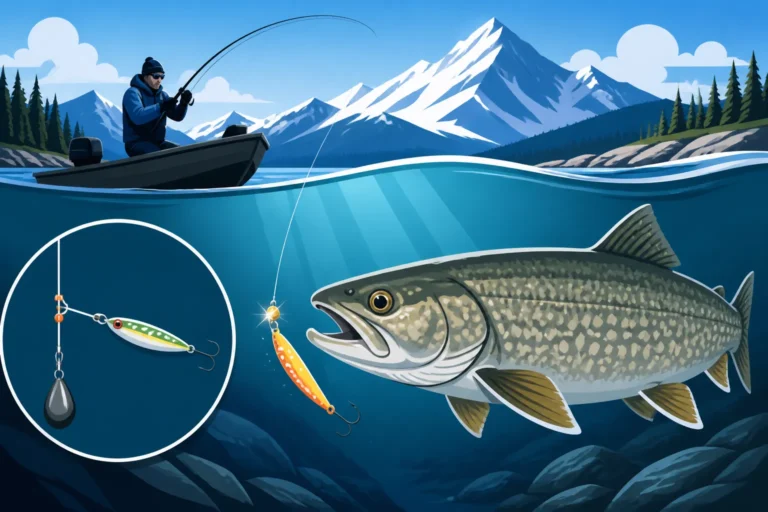
Lake trout behavior, vertical jigging, slow trolling, and deep water haunts in Alberta explain cold water fishing techniques.
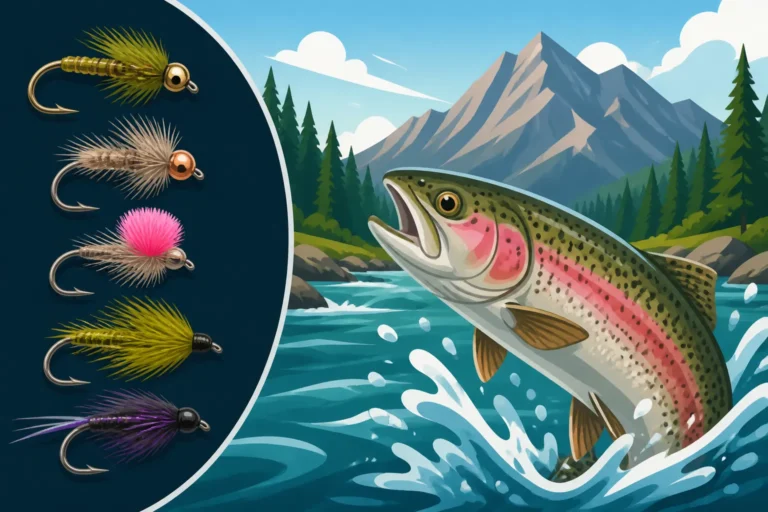
Effective Crowsnest River rainbow trout flies include specific mayfly, caddisfly, stonefly, and terrestrial patterns for successful fishing.
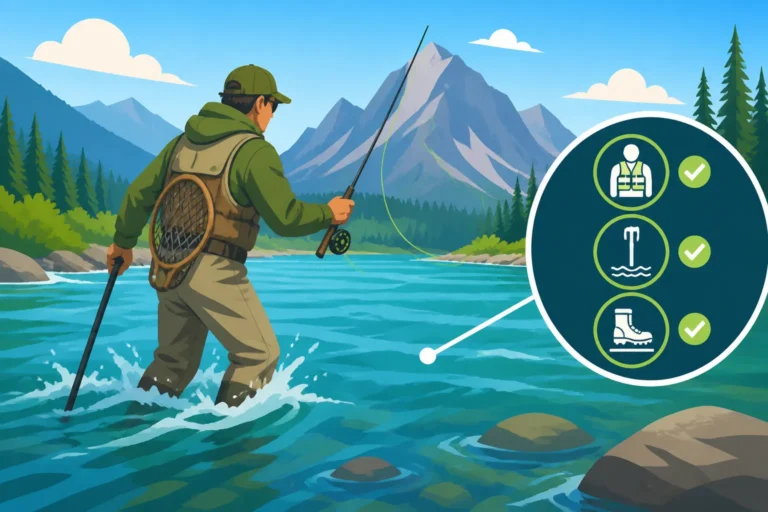
Proper wading boots, sturdy staffs, and water level data help anglers safely navigate strong currents and hidden river hazards.
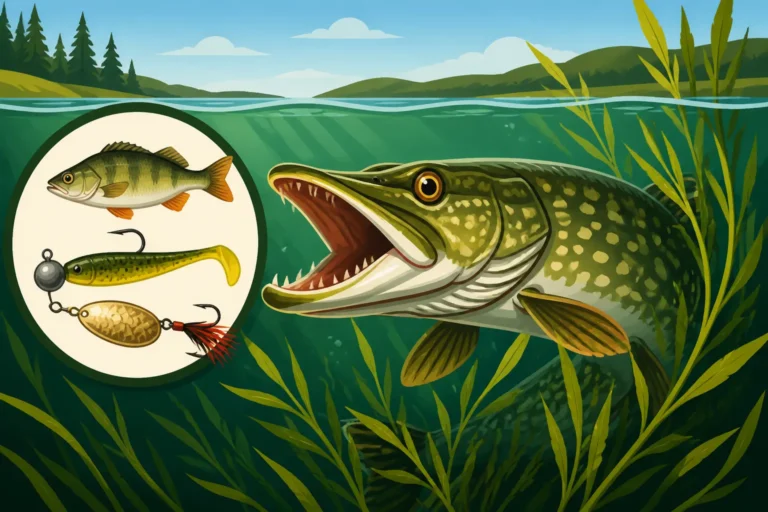
Northern pike bait choices like hollow-bodied frogs, spinnerbaits, and weedless swimbaits target fish hiding in thick Alberta weed beds.
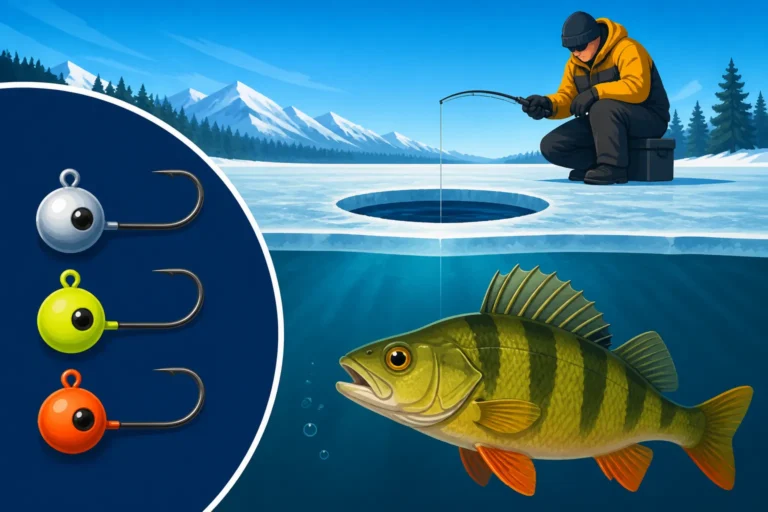
Selecting the correct ice fishing jig weight helps anglers target finicky yellow perch effectively in various water depths.
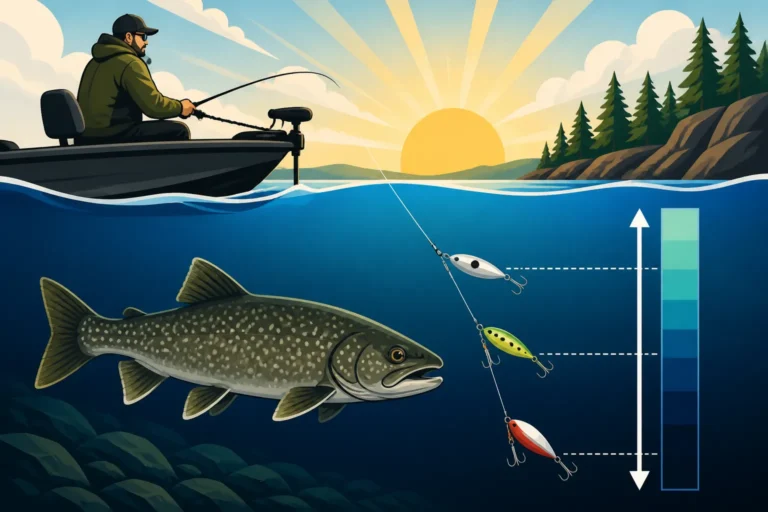
Lake trout depth on Cold Lake ranges from 15 to 40 feet in spring, shifting down to 60 to 120 feet during mid-summer months.
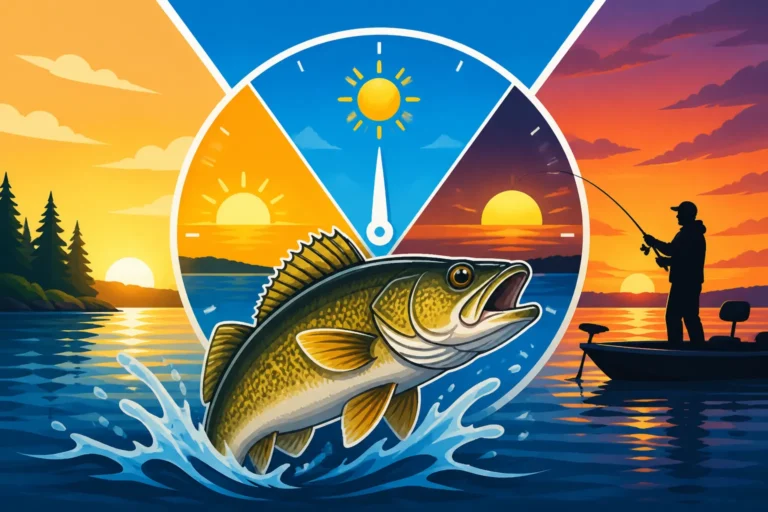
Pigeon Lake walleye feed actively during dawn and dusk, but anglers can also catch these fish during the day using deeper water and sonar.
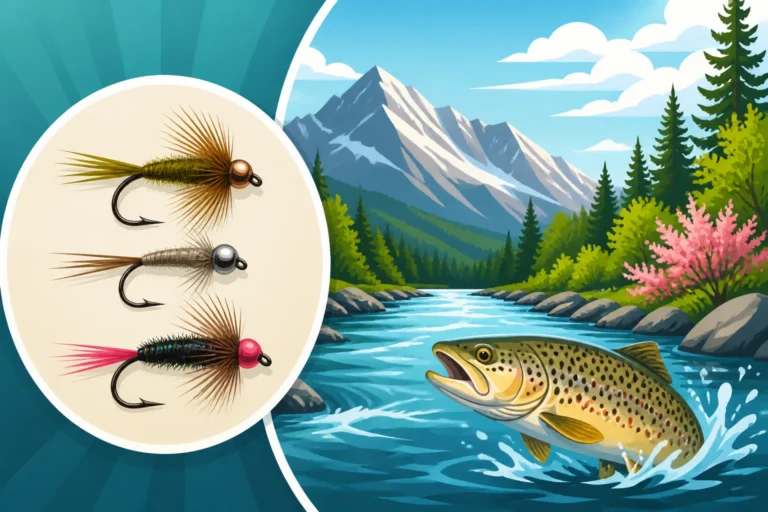
Spring fly sizes for the Bow River help anglers select correct patterns during thaws, runoff periods, and late spring hatches.
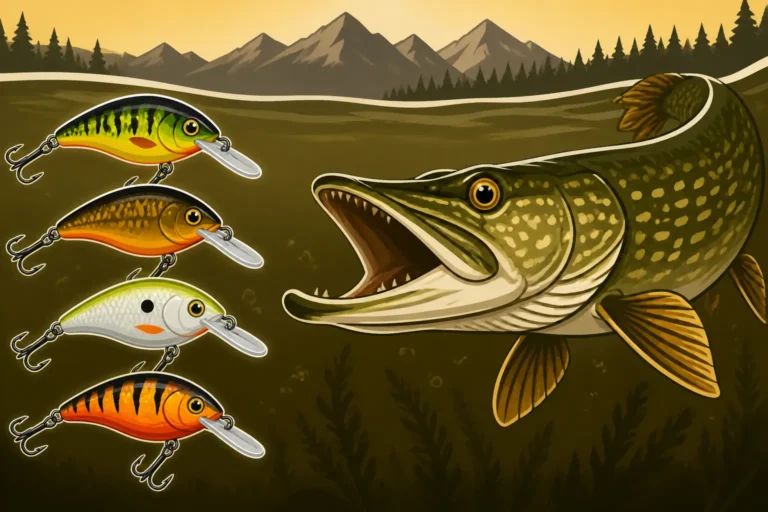
Chartreuse, Fire Tiger, fluorescent orange, and dark silhouettes are effective crankbait colors for catching northern pike in Alberta stained water.
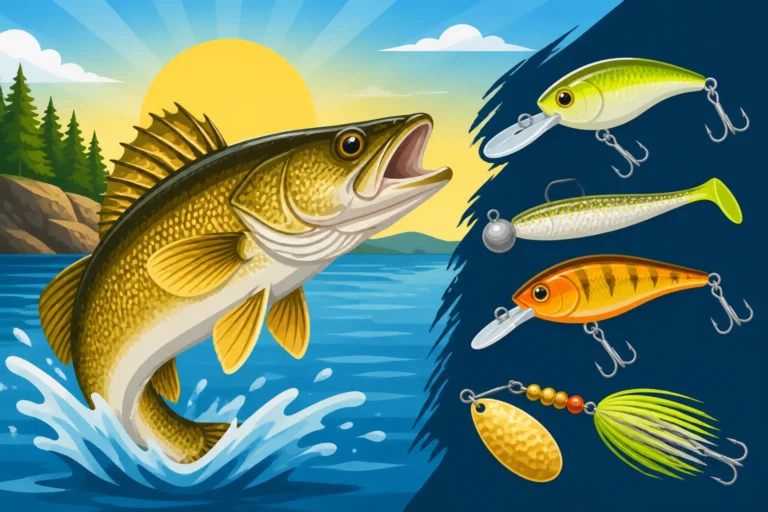
Effective summer walleye lures for Lesser Slave Lake include deep-diving crankbaits, vertical jigging baits, and bottom-bouncing spinner rigs.