Best time to fish before a cold front
There's nothing quite as frustrating as planning a fishing trip, getting out on the water, and then watching the bite completely shut down because a cold front has just rolled in. That sudden shift can turn a promising day into a baffling struggle, leaving you wondering where all the fish went. But what if I told you there's a secret window of opportunity just before that front arrives, a time when fish often go on an absolute feeding frenzy? This guide is all about understanding that crucial pre-front period and how to capitalize on it to fill your livewell or simply enjoy some incredible action before the tough fishing truly sets in.
Understanding the Dynamics of a Cold Front
Before we can exploit the pre-front window, it's really helpful to grasp what exactly a cold front is and how it plays havoc with our finned friends. It's more than just a drop in temperature; it's a fundamental change in the atmospheric conditions that fish, being creatures finely tuned to their environment, feel acutely.
What is a Cold Front, Anyway?
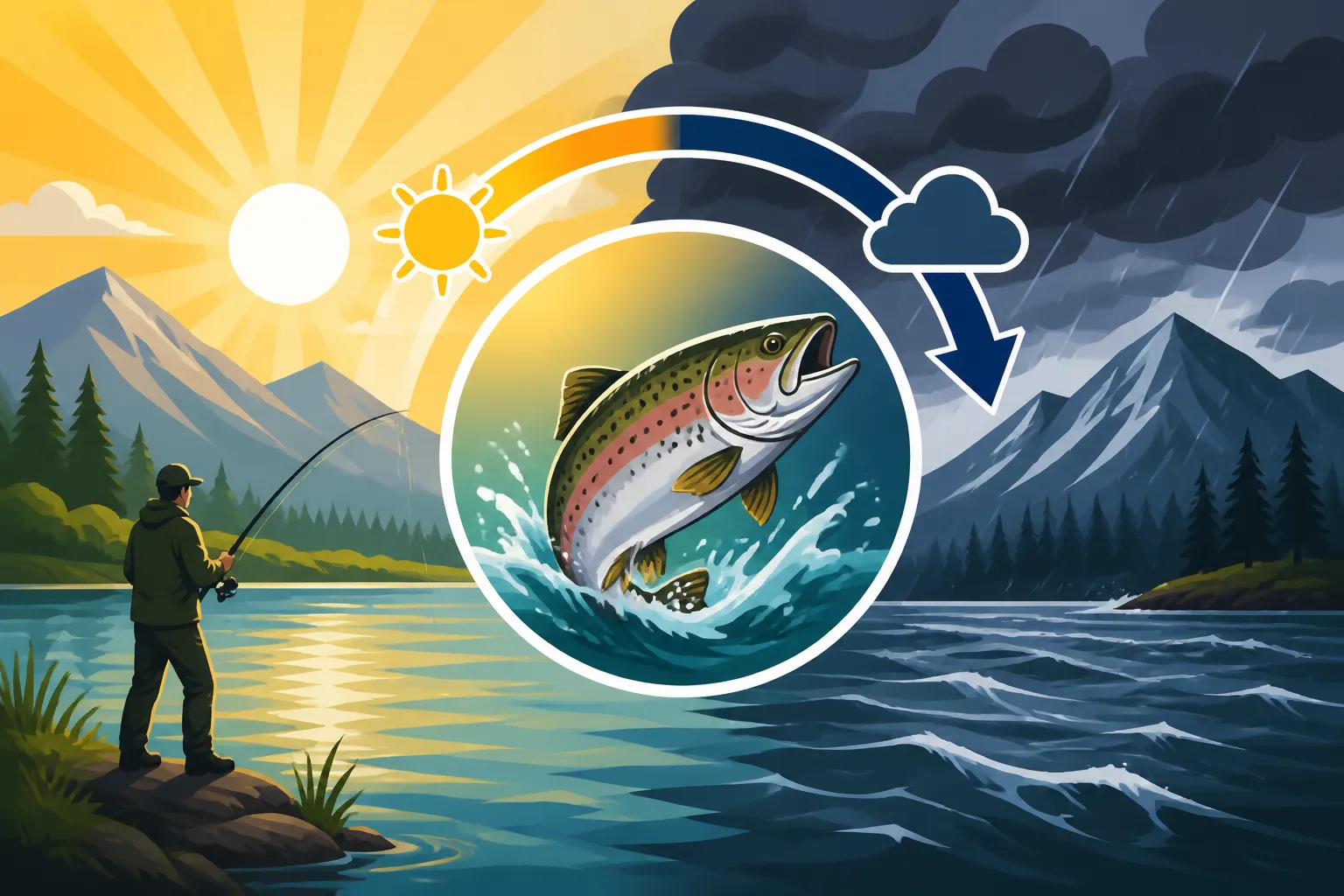
From a meteorological standpoint, a cold front occurs when a mass of cooler air moves into and replaces a mass of warmer air. This transition isn't always gentle; it's often accompanied by a dramatic shift in weather. Think about it: before a front, you might have stable, warm, sunny conditions. Then, the front approaches, bringing with it increasing winds, cloud cover, and often precipitation like rain or even thunderstorms. Once it passes, the air becomes clearer, drier, and significantly colder, with high pressure dominating.
For us anglers, the most critical aspect of a cold front isn't just the temperature dip, but the rapid change in barometric pressure. This pressure, the weight of the air above us, directly impacts the underwater world where fish live. It's a subtle force, but one that dictates their comfort and activity levels more than many people realize.
How Fish React to Barometric Pressure Changes
Imagine feeling a sudden, intense pressure in your ears when you go up a mountain or dive deep underwater – that's a tiny fraction of what fish experience during significant barometric shifts. Fish have a swim bladder, an air-filled organ that helps them maintain buoyancy at different depths. This swim bladder is highly sensitive to changes in external pressure.
As a high-pressure system associated with a cold front moves in, the increased atmospheric weight presses down on the water, which in turn compresses a fish's swim bladder. To compensate and remain comfortable, fish often have to move deeper, where the water pressure matches the new atmospheric pressure, or they have to work harder to maintain their current depth. This physiological stress can make them feel uncomfortable and less inclined to feed aggressively. Their metabolism can slow down, and they might become lethargic, hugging the bottom or dense cover. This is why fishing during a cold front can be so challenging; the fish are simply not in a feeding mood, nor are they in their usual haunts.
The "Pre-Front" Window: A Brief but Golden Opportunity
Now, here's where it gets interesting! Before that high-pressure system fully takes over, there's often a period of falling or unstable barometric pressure. This is the "pre-front" window, and it's gold. As the warm, stable air mass gives way to the approaching cooler air, the barometric pressure often drops. For fish, this decrease in pressure makes their swim bladders expand slightly, which can actually make them feel a bit more comfortable and, crucially, stimulate their feeding instincts.
Think of it as their alarm clock telling them to "eat now, because things are about to get tough!" They sense the impending change and know that once the cold front passes, food sources might become scarcer or they'll be less inclined to chase prey in the tougher conditions. This urgency often triggers a heightened feeding frenzy. This window can be short – sometimes just a few hours – but it can be incredibly productive if you hit it right. It's the best time to fish before a cold front, when many species in Alberta waters, from walleye in Lesser Slave Lake to trout in the Bow River, will actively seek out food.
Identifying the Signs of an Approaching Cold Front
To truly take advantage of this pre-front phenomenon, you need to become a bit of a weather detective. Learning to recognize the subtle and not-so-subtle cues will help you time your trips perfectly.
Reading the Sky and Atmospheric Cues
One of the oldest and most reliable ways to predict weather changes is by simply looking up. Before a cold front, you might notice a shift from clear, blue skies to increasing cloud cover. Often, these aren't just fluffy cumulus clouds; look for higher, wispy cirrus clouds that gradually thicken and lower into stratus clouds. This increasing cloud cover can bring a darker, more oppressive feel to the air.
You'll also often feel a noticeable shift in wind. Winds tend to pick up and change direction, sometimes becoming gusty, often blowing from the south or southwest before shifting to the west or northwest as the front passes. The air might also feel warmer and more humid than usual before the actual cold air arrives. Then, as the front gets closer, you might feel a sudden, sharp drop in temperature, often accompanied by rain or even a thunderstorm. Pay attention to these environmental signals; they're nature's way of telling you that the bite is about to change.
Using Weather Forecasts and Technology
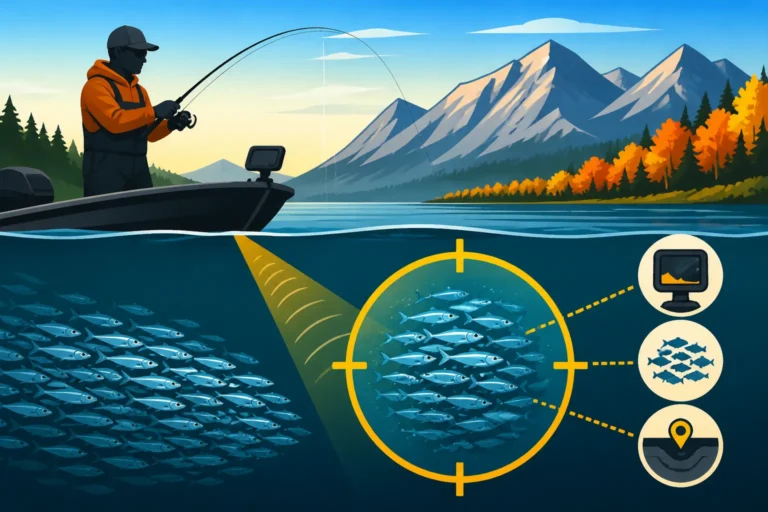
While old-school observation is great, modern technology is your best friend for pinpointing that pre-front window. Don't just check the temperature for your fishing day; look at the hourly forecast and, more importantly, the barometric pressure trends. Many weather apps and websites provide detailed barometric pressure graphs. You're looking for a steady or rapid drop in pressure, followed by a sharp rise. That falling pressure period is your window.
I also find it useful to check marine forecasts, even if I'm not on a huge lake, as they often give more detailed wind predictions, which are directly tied to frontal activity. Websites and dedicated fishing apps can also give you a heads-up on incoming systems. You can even find portable weather stations on platforms like Amazon that can give you real-time barometric pressure readings right there on the water, helping you track the exact moment of the front's arrival. This information allows you to plan your trip to hit the water just as the pressure begins to fall.
Observing Wildlife and Insect Activity
Nature itself often gives us clues about impending weather changes. Before a cold front, you might notice increased activity from other animals, particularly birds. Birds often feed more actively, sometimes frantically, before a storm or major weather shift, stocking up on energy knowing that hunting might become difficult.
Similarly, insect activity can change. You might notice a sudden surge in hatches on the water just before a front. Fish key into this, knowing a good meal might be harder to come by soon. Conversely, as the front passes and the high pressure settles in, you might notice a distinct lack of insect activity, and the sounds of wildlife quiet down significantly. These are subtle but valuable indicators that can confirm what your weather app is telling you.
Strategies for Fishing Before a Cold Front Hits
Alright, you've identified the pre-front window. Now, how do you actually catch fish during this magical time? It's all about playing into their urgency and aggressiveness.
Targeting Active Fish in Shallow Water
During the pre-front frenzy, fish often move into shallower water, especially those areas where they usually hunt for prey. Why? Because the impending weather change makes them hungry, and shallow water often holds abundant baitfish, insects, or crustaceans. Predators like northern pike and walleye will often patrol weed lines, rocky points, and shallow flats with renewed vigor. Trout in rivers like the Bow River might actively feed on emerging insects in riffles and runs.
Your goal here is to find these active fish quickly. Don't be afraid to fish areas you might typically reserve for prime feeding times. This isn't the time for finesse; it's time to find the hungry ones who are actively searching for a meal. Look for areas with quick access to deeper water, as these provide an escape route for fish once the front actually hits, but during the pre-front, they'll be pushed up shallow.
Best Lures and Baits for Aggressive Feeding
When fish are actively feeding before a cold front, they're often less discerning and more willing to chase down a meal. This is your cue for "power fishing." Forget the slow, subtle presentations you might use during a post-front lull.
For species like walleye, consider aggressive retrieves with crankbaits, lipless crankbaits, or even spinnerbaits that cover a lot of water. If you're on Lesser Slave Lake, knowing the Best Baits for Walleye on Lesser Slave Lake can be crucial. These lures imitate fleeing baitfish and trigger a reaction strike. For northern pike, larger, flashier spoons, spinnerbaits, or topwater lures can be incredibly effective. Take a look at Best Lures for Northern Pike in Alberta for some top choices. The goal is to create commotion and mimic prey that's trying to get away.
If you're fly fishing for trout on a river like the Bow River Fishing Guide, this might mean throwing larger streamers or aggressively dead-drifting nymphs to imitate a sudden burst of activity. Live bait can also be dynamite during this time, as it presents an easy, high-calorie meal for fish looking to bulk up.
Covering Water Efficiently
The pre-front window is typically short, so you don't have time to painstakingly pick apart every piece of structure. You need to move, cover water, and find the fish that are actively biting. This means making long casts, using fast retrieves, and systematically working through promising areas.
If you're boating, use your trolling motor to move along shorelines, across flats, or over humps, fanning casts in every direction. If you're bank fishing, walk the shoreline, making several casts at each spot before moving on. Don't get stuck in one area for too long if you're not getting bites. The fish are often scattered and aggressively searching, so you need to be doing the same. Remember, this isn't about coaxing reluctant fish; it's about intercepting hungry ones. Many of Alberta's Best Fishing Rivers in Alberta offer ample opportunity for covering water, especially if you're targeting hungry trout before a front.
Species-Specific Pre-Front Tactics in Alberta
While the general principles apply, understanding how different Alberta species react specifically before a cold front can fine-tune your approach.
Walleye Wisdom Before the Drop
Walleye are incredibly sensitive to barometric pressure changes, making them prime targets during the pre-front feeding binge. As pressure drops, they'll often move from deeper holding areas onto shallower flats, humps, and points, particularly those with access to weeds or rocks.
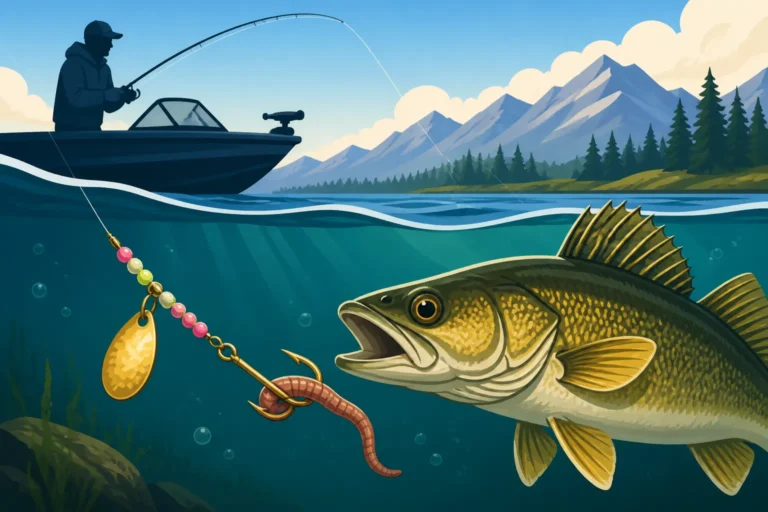
Focus your efforts on depths of 5-15 feet, depending on the lake's overall depth profile and water clarity. Trolling with crankbaits is a fantastic way to cover water and find these aggressive fish. Try different sizes and colours until you hit on what they're keying in on. Jigs tipped with minnows or soft plastics can also be deadly when cast or slowly retrieved along contours. Lakes like Pigeon Lake, Wabamun Lake, and especially Lesser Slave Lake are phenomenal for this. Check out this guide on How to Catch Walleye in Alberta for more detailed techniques that can be adapted for the pre-front bite. Remember to pay attention to your retrieve speed; often, a slightly faster retrieve will trigger more strikes from these actively feeding fish.
Northern Pike Power Play
Northern pike are already aggressive predators, and an approaching cold front just dials that aggression up to 11. They become incredibly opportunistic and will often throw caution to the wind, venturing into very shallow water to ambush prey.
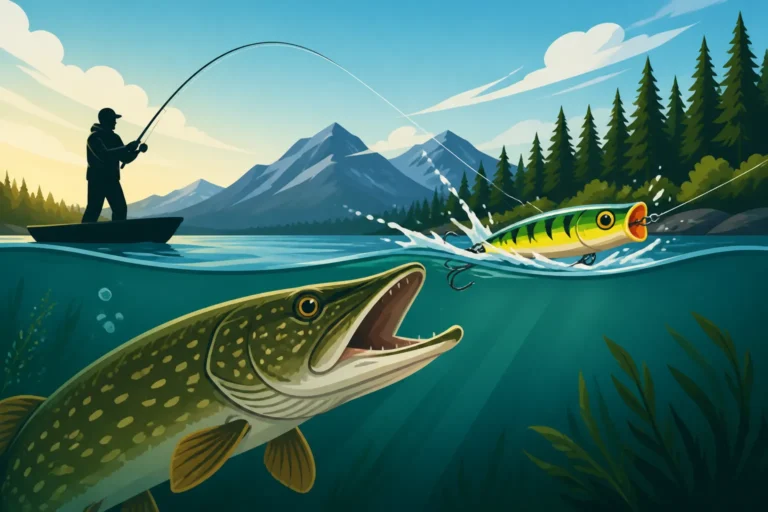
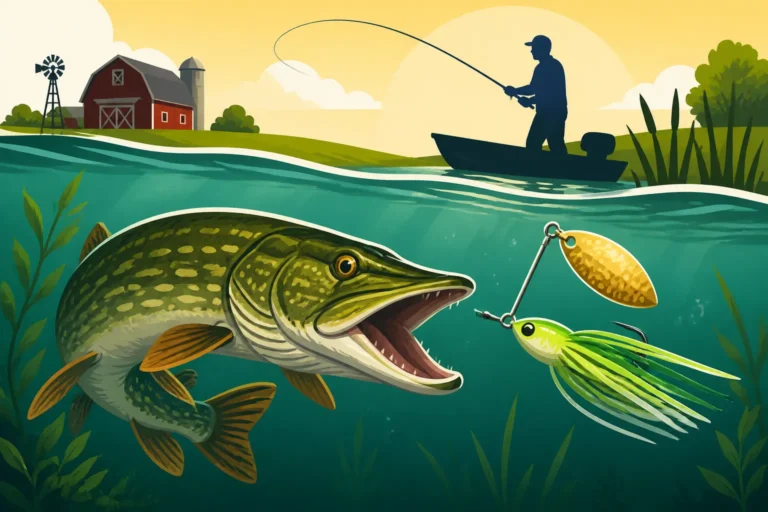
Look for pike in dense weed beds, around submerged timber, and near sudden drop-offs. Throw large, flashy lures – big spoons, spinnerbaits with oversized blades, or even walking baits on the surface if the water is calm enough. The key is to make a lot of noise and flash to draw them out. Don't be shy about using a stout rod and strong line; these pike will hit hard. Many of Alberta's Best Fishing Lakes in Alberta hold fantastic pike populations. Consider using a heavy fluorocarbon or wire leader, as their razor-sharp teeth can make short work of regular monofilament. You can learn more about How to Catch Northern Pike in Alberta to understand their general habits and adapt to the pre-front conditions.
Trout on the Tug in Rivers and Lakes
Trout in Alberta's renowned rivers, like the Bow River, or in countless mountain streams and stocked lakes, also respond to frontal changes. Before a cold front, especially if there's an increase in cloud cover, trout might become more active, moving into feeding lanes and becoming less wary.
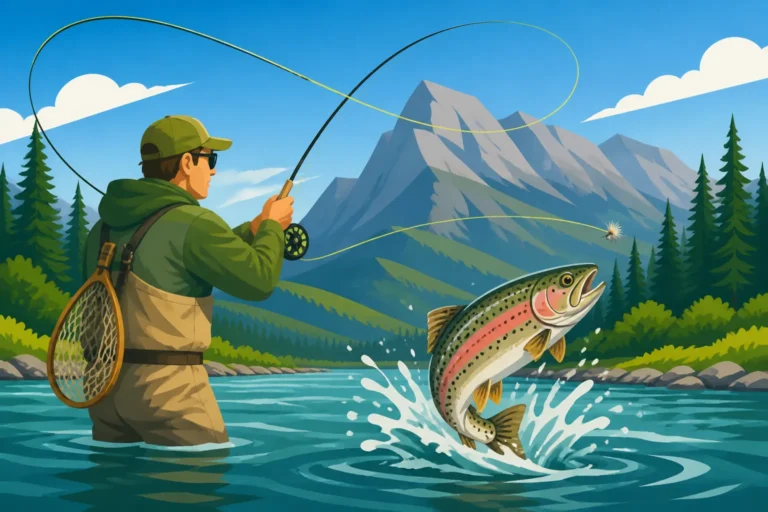
For river trout, this can mean a strong nymphing bite, as the fish sense an increase in subsurface insect activity. Larger, heavier nymphs can be effective. If insects are hatching, even a brief dry fly bite can erupt. For lake trout, often found in deeper, colder waters, the pre-front might push them a bit shallower or make them more willing to chase trolled presentations. They might even move up onto rocky shoals or points. Knowing the Alberta Trout Season Opener Dates by Zone can help you time your trips perfectly with these pre-front opportunities, especially during early season when fish are already eager to feed. Don't forget to review Fly Fishing for Trout on the Bow River for specialized tactics if you're headed to that iconic fishery.
Maximizing Your Short Pre-Front Window
This "golden hour" or "golden few hours" before a front is fleeting. You need to be prepared, efficient, and focused to make the most of it.
Gear Preparation is Key
There's nothing worse than wasting precious pre-front minutes fumbling with tackle or realizing you've left a crucial piece of gear at home. Before you even head out, have your rods rigged, your tackle boxes organized, and your boat (if you're using one) ready to go. Think about the lures and baits you're most likely to use for aggressive fish and have them tied on or easily accessible.
Check your line for nicks, ensure your reels are spooled correctly, and have your landing net ready. If you need new line, leaders, or even a new set of lures, a quick search on Amazon can get you stocked up for these prime conditions. Being prepared means you can literally hit the water running, maximizing your fishing time during that critical window.
| Fishing Conditions | Fish Behavior (General) | Recommended Tactics (Pre-Front) |
|---|---|---|
| Pre-Front | Active, aggressive, shallow, feeding urgently | Fast retrieves, reaction baits, cover water, bold colors, power fishing |
| During Front | Seeking cover, lethargic, deeper, subtle bites, uncomfortable | Slow, finesse, vertical jigging, live bait, target structure |
| Post-Front | Reluctant, deep, cautious, slow metabolism, finicky | Ultra-finesse, light line, small baits, precise presentations, patience |
Timing Your Trip to Perfection
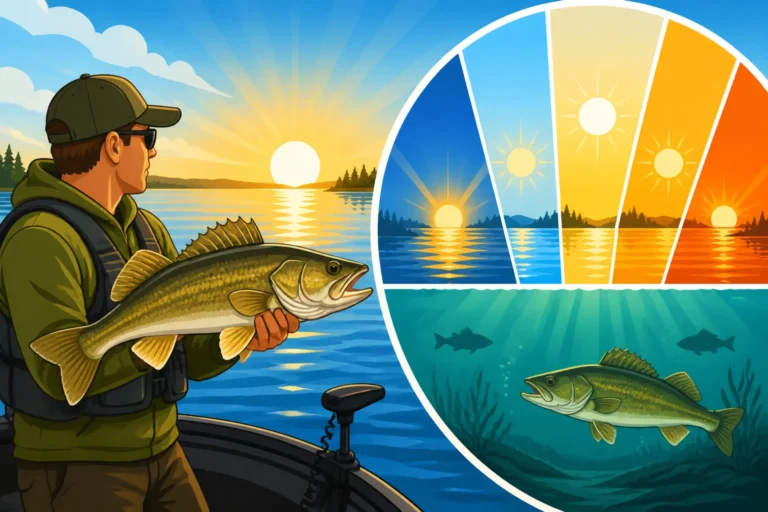
This is arguably the most important aspect. You need to be on the water as the pressure is falling, not when the storm hits or after it passes. This means closely monitoring the weather forecast right up until you leave home. If the forecast shows a cold front approaching in the afternoon, plan to be on the water first thing in the morning. If it's expected overnight, try to get out in the late afternoon or evening before it arrives.
It requires flexibility and a willingness to drop everything when the opportunity arises. Sometimes, that window is only a couple of hours, so being ready to seize it is paramount. Consult the Alberta Fishing Seasons by Zone and Month to ensure you're even allowed to fish for your target species during that specific time, as regulations can vary. For those targeting walleye, understanding the Best Time of Day to Catch Walleye can give you an edge, especially when combined with pre-front knowledge.
Safety First: Don't Get Caught in the Storm
While it's tempting to push your luck and stay out as long as possible during a hot bite, safety must always come first. Cold fronts often bring strong winds, sudden drops in temperature, and sometimes even dangerous thunderstorms. If you're on a boat, high winds can quickly turn calm waters into treacherous waves, especially on larger Alberta lakes.
Keep a close eye on the sky and continue monitoring your weather app. Have appropriate foul-weather gear readily available. If you see lightning or hear thunder, get off the water immediately. That incredible fishing opportunity isn't worth risking your life or limb. Remember, the fish will be there another day, but you need to be safe to enjoy it.
Disclaimer
This article is for general informational purposes only and does not constitute professional advice. Laws, prices and regulations vary by location and change over time. Consult a qualified professional for guidance on your specific situation.