How to locate perch in Alberta lakes
Finding yellow perch in Alberta lakes can feel like chasing ghosts sometimes, especially if you're new to a body of water or the fish just aren't biting where you expect them to be. It's incredibly frustrating to spend a whole day on the water, moving from spot to spot, only to come up empty-handed while hearing stories of others filling buckets. But don't despair! These feisty panfish are definitely out there, and with a little knowledge of their habits and the right approach, you can significantly increase your chances of finding those elusive schools. This guide will walk you through the seasonal movements, preferred habitats, and effective techniques to help you locate perch in Alberta's diverse lakes, turning those frustrating blank days into memorable catches.
Understanding Perch Behavior in Alberta Lakes
To consistently find perch, you first need to think like a perch. Their movements and preferences are heavily influenced by the seasons, the structure of the lake, and their constant search for food. Understanding these foundational elements is key to unlocking their hiding spots.
Seasonal Movements of Perch
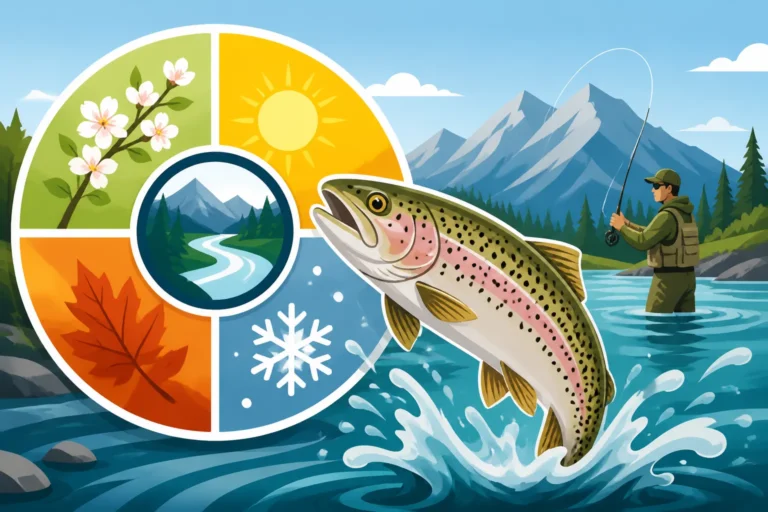
Perch are creatures of habit, but those habits change dramatically with the shifting seasons in Alberta. What works in spring won't necessarily work in winter, and vice-versa. Knowing these patterns is your first step to narrowing down your search.
Spring: Spawning and Shallow Water Draws
As the ice retreats and water temperatures begin to rise, perch start to move into shallower areas, driven by their urge to spawn. This is often around bays, submerged vegetation, and rocky shorelines where they can lay their egg strands. Think of sheltered spots that warm up first under the sun. They're often found in waters anywhere from 3 to 15 feet deep during this time, actively feeding to build energy for the spawn. Once spawning is done, they might hang around these areas for a bit before scattering. Many anglers find success targeting them in these shallower zones during late spring, often casting small jigs or bobber-fishing with worms.
Summer: Deeper Water, Weed Lines, and Thermoclines
When the summer sun heats up the surface water, perch tend to migrate to deeper, cooler areas of the lake. They'll often relate strongly to the thermocline – that invisible boundary between warm surface water and cold deep water – as this layer often concentrates baitfish and oxygen. You'll find them hugging the edges of dense weed beds, especially coontail or cabbage weeds, which provide cover, food, and slightly cooler water. Drop-offs, submerged humps, and points extending into deeper water become prime locations. In larger lakes like Lesser Slave Lake, this can mean targeting depths of 15-30 feet or even more, looking for defined underwater structures.
Fall: Aggressive Feeding and Return to Shallows
As autumn arrives and water temperatures begin to drop again, perch go on a feeding frenzy, packing on weight for the lean winter months. This is often a fantastic time for perch fishing, as they become incredibly active. They'll start to move shallower once more, cruising along the weed lines, points, and flats, often in depths similar to what you'd find in late spring. Look for baitfish activity; if you see schools of minnows flickering near the surface or along structure, you can bet perch aren't far behind. Their hunger makes them less cautious, presenting excellent opportunities for anglers.
Winter: Schooling in Specific Ice Fishing Hotspots
Under the ice, perch tend to school up tightly, often in large groups. While they can be found anywhere from shallow bays to deep main lake basins, they frequently concentrate around key underwater features. This includes deep weed lines, rock piles, humps, and gradual breaklines where the bottom transitions from shallow to deep. Once you find a school, you can often catch many fish from the same spot. Successful ice anglers will drill multiple holes, moving until they mark fish on their sonar or get a bite. Understanding where perch typically congregate in winter is vital for productive Ice Fishing in Alberta, as they don't roam as widely as in open water.
Preferred Habitat and Structure
Beyond seasonal movements, perch have a strong preference for certain types of underwater habitat. Learning to "read" a lake for these features is crucial, whether you're staring at a map or scanning with your fish finder.
Weed Beds: The Perch Pantry
Weed beds are absolute magnets for perch. Specifically, coontail and cabbage weeds are prime real estate, offering both cover from predators and an abundant food source. These weeds are teeming with small insects, crustaceans, and baitfish that perch feast upon. When searching, focus on the edges of these weed beds, especially where they meet open water or a drop-off. Perch will often stage here, darting into the weeds to ambush prey or retreating for safety. Even sparse weed growth in otherwise barren areas can hold a few fish, but the dense, healthy beds are usually the jackpot.
Drop-offs and Transition Zones: The Highways and Byways
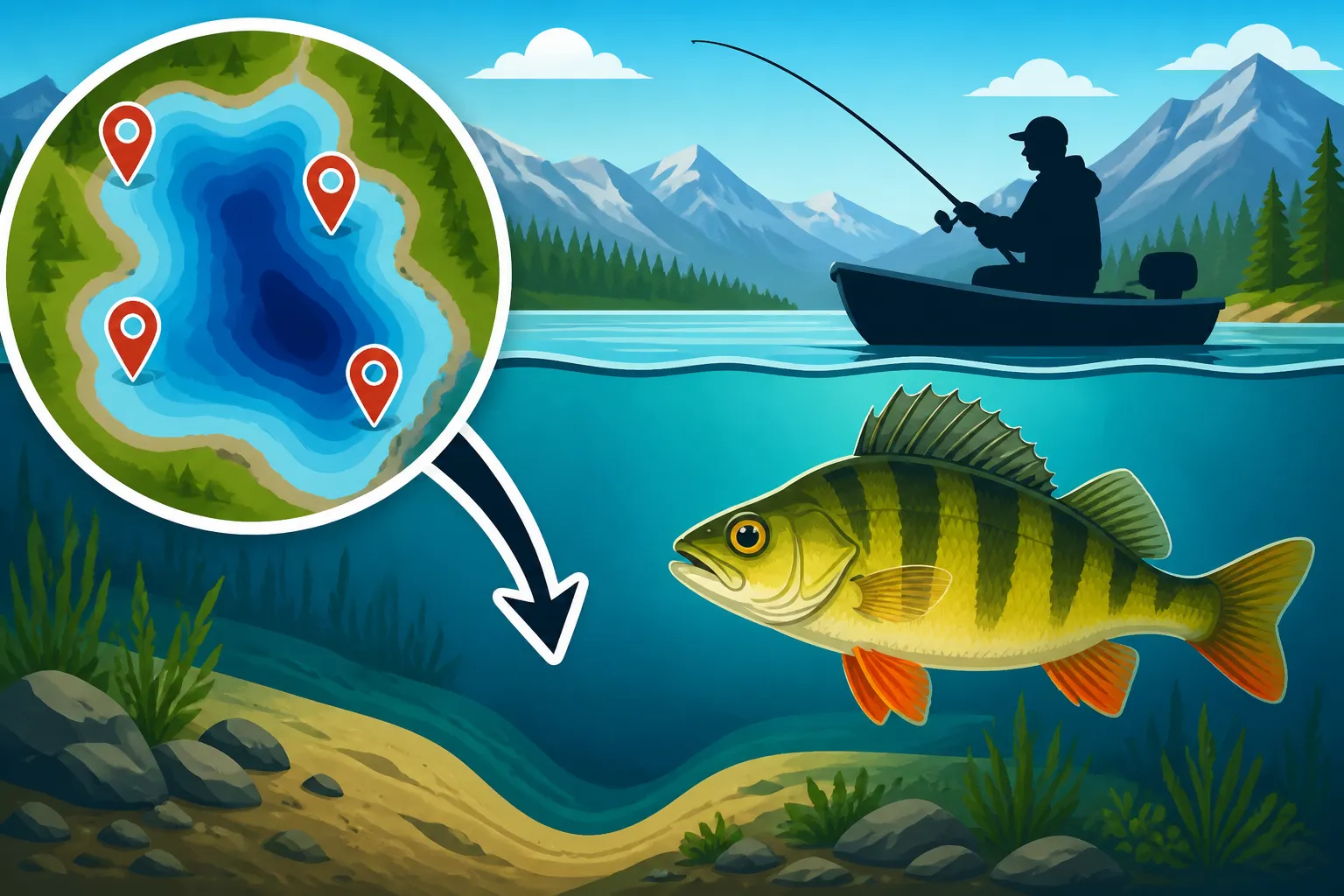
Perch love transitions. A sudden change in depth, known as a drop-off, is a classic perch magnet. These areas provide easy access to both shallow and deep water, allowing perch to move vertically with changing conditions or to follow baitfish. Similarly, transition zones where different bottom types meet—like sand meeting mud, or rock meeting weeds—are often highly productive. These seams concentrate food and provide distinct foraging areas. Use your boat's sonar or a lake map to identify these underwater highways, as perch will often cruise along them.
Submerged Timber, Rock Piles, and Bottom Composition
Any form of submerged structure can hold perch. Fallen trees (timber), brush piles, and rock piles offer excellent ambush points and protection. These features can be found in various depths and provide a home for the smaller organisms perch feed on. Even the composition of the lake bottom matters; perch often prefer areas with a mix of sand and gravel, or softer mud bottoms where invertebrates might burrow. Pay attention to how the bottom changes as you move across a lake. Sometimes, even subtle changes can make a big difference. For instance, knowing the bottom composition can guide your choice of lure when Best Techniques for Perch Through the Ice comes around.
Diet and Foraging Habits
A perch's location is intrinsically linked to its stomach. They are opportunistic feeders, and understanding their diet helps you predict where they'll be.
Insects, Crustaceans, and Small Baitfish
Perch primarily feed on aquatic insects, small crustaceans (like scuds and crayfish), and the fry of other fish species, including their own. This diverse diet means they can be found in various environments where these food sources are abundant. For example, during a strong insect hatch, you might find them shallower than usual, gorging on larvae or emerging adults. If a lake has a healthy population of minnows or young-of-the-year panfish, perch will often key in on those baitfish schools. This is why when you're looking for perch, you're also often looking for their food.
The Importance of Baitfish Schools
Nothing attracts perch like a school of baitfish. Whether it's minnows, shiners, or young perch themselves, these concentrations of food are like a flashing neon sign for hungry perch. When you mark baitfish on your sonar, especially in open water, there's a very good chance that predatory fish, including perch, will be nearby, either actively feeding or waiting for an opportunity. In a lake like Sylvan Lake, known for its healthy baitfish populations, learning to spot these schools with your electronics is a game-changer. Often, the bigger perch will hang just below or to the sides of the main bait ball, waiting to strike.
Tools and Techniques for Locating Perch
Finding perch isn't just about understanding their habits; it's also about employing the right tools and techniques to actively search for them. Modern technology, combined with traditional angling wisdom, can make all the difference.
Using Sonar and Fish Finders
In today's angling world, a good fish finder is almost indispensable for efficiently locating fish, especially schooling species like perch. These devices give you an invaluable peek beneath the surface.
Side Imaging, Down Imaging, and 2D Sonar for Comprehensive Views
Modern fish finders offer various technologies that provide different perspectives of the underwater world. 2D sonar is your traditional view, showing depth and echoes of fish and structure directly beneath your boat. Down Imaging (or DownScan) gives you a photographic-like view directly below, excellent for identifying submerged timber, rock piles, or distinguishing between weeds and hard bottom. Side Imaging (or SideScan) is a game-changer for searching large areas, allowing you to scan wide swaths of water on either side of your boat, spotting schools of fish or subtle structural elements you might otherwise miss. Many anglers find that investing in a quality unit, often available on Amazon, with these multi-frequency capabilities significantly cuts down search time and improves their catch rates. Learning to interpret the images on your screen can take some practice, but it's well worth the effort to find those tightly packed perch schools.
Identifying Schools and Structure with Electronics
When using your fish finder, you're looking for specific patterns. Perch often appear as dense blobs or arcs on 2D sonar, sometimes stacked vertically if they're actively feeding. On Down Imaging, they'll look like a "cloud" of individual fish or a distinct shadow if they're hugging the bottom. On Side Imaging, you might see them as a "carpet" of dots or a faint haze extending away from your boat, often associated with a weed line or a drop-off. Structure, like rock piles or submerged trees, will show up clearly, and you can then zoom in on these areas to see if fish are present. Pay attention to baitfish, too, as they appear as smaller, more numerous dots or clouds, often drawing in the perch. A good starting point for learning these patterns is by consulting specific guides like Best Fish Finders for Alberta Lakes to optimize your settings and understanding.
Reading the Water: Visual Cues and Environmental Factors
While technology is great, some of the best clues for locating perch come from simply observing your surroundings and understanding how environmental factors impact fish behavior.
Water Clarity, Temperature, and Wind
Water clarity plays a huge role. In clear water, perch might be deeper or more spread out, seeking cover. In stained or murky water, they might be shallower and more active. Surface water temperature also guides their depth; warmer surface water in summer pushes them deeper. Wind, believe it or not, can be your friend. A steady wind pushing across a lake can create a current that concentrates baitfish and plankton on the leeward side (the side downwind). Perch will often follow this food source, making those windy banks and points productive. Conversely, flat calm conditions can make perch lethargic and less inclined to feed aggressively.
Bird Activity and Insect Hatches
Keep an eye on the birds! Diving terns, gulls, or loons often indicate that baitfish are schooling near the surface, and where there's baitfish, there are usually predatory fish like perch. If you see birds actively feeding, it’s a good idea to investigate that area. Similarly, strong insect hatches, especially in spring and fall, can draw perch into shallower waters as they feast on emerging insects. Observing what’s happening on the surface and along the shoreline can provide valuable clues about what's going on below.
Trial and Error and Pattern Recognition: The Angler's Instinct
Ultimately, finding perch often comes down to persistent trial and error, especially on a new lake. Start with your best guesses based on maps and general knowledge, then systematically work through areas. If you find fish, try to identify the specific pattern: What depth were they at? What kind of structure were they holding to? Was it a particular time of day? Over time, you'll develop a "perch sense" for a given lake or type of water body. Keeping a fishing journal, even a simple one, can help you remember successful patterns and locations. This iterative process of searching, catching, and analyzing is how true angling wisdom is built.
Alberta Lake Types and Perch Location Strategies
Alberta is home to an incredible diversity of lakes, from vast glacial waters to smaller prairie ponds. Each type of lake presents unique challenges and opportunities for locating perch.
Large, Deep Lakes: Strategies for Vast Waters
Lakes like Cold Lake or Lesser Slave Lake are massive, and trying to find perch without a plan can feel like searching for a needle in a haystack. These waters demand a different approach.
Focus on Major Structures and Expansive Flats
In large lakes, perch will still relate to structure, but on a grander scale. Look for expansive main lake flats that have some subtle depth changes, submerged humps, or long tapering points that extend far into the lake. These areas might be miles from shore. Large, defined breaklines—where the bottom contour changes significantly over a short distance—are also key. Perch will use these as travel corridors and feeding grounds. Focus your initial search on these significant underwater features, often marked clearly on detailed lake maps. For instance, on Lesser Slave Lake Walleye Fishing is popular, and perch often share similar expansive flats and structure.
Trolling or Extensive Searching with Electronics
Covering water efficiently is paramount in large lakes. Trolling with small crankbaits or spinner rigs is an excellent way to locate active schools of perch. Pay close attention to your fish finder while trolling; when you start marking fish, slow down or stop to jig the area more thoroughly. If you're not trolling, make sure you're systematically searching with your side imaging sonar, zig-zagging across promising areas like flats or along major breaklines until you find those telltale schools. Don't be afraid to move if you're not finding fish; the sheer size of these lakes means perch could be concentrated in a relatively small area, but that area might be far from where you started.
Smaller, Shallow Lakes: Strategies for Contained Environments
Many of Alberta's smaller lakes and ponds are ideal perch habitats, often teeming with fish. While less intimidating than the giants, they still require thoughtful tactics.
Weed Lines and Channels: The Obvious Choices
In smaller, shallower lakes, weed lines are often the most obvious and productive places to start. These lakes often have extensive areas of submerged vegetation. Look for the distinct edges of these weed beds, especially where they might form a channel or open pocket. Perch will patrol these edges for food and shelter. Even sparse clumps of weeds can hold fish. Channels connecting different parts of the lake or leading into bays can also be hotspots, as perch use them to travel. Places like Pigeon Lake Fishing Guide often highlight the importance of weed-edge fishing for perch and other species.
Shoreline Breaks and Submerged Features
Even in shallower lakes, perch will utilize depth changes. Look for subtle shoreline breaks that drop into slightly deeper water, especially if these breaks are rocky or have some timber. Submerged humps, even small ones, or isolated rock piles away from the main weed beds can hold surprisingly large schools. These "hidden" structures often get less pressure and can produce excellent fishing. Don't overlook old flooded creek channels or dug-out areas if they exist, as these provide deeper pockets that perch appreciate, especially in summer.
Rivers and Reservoirs: How Current and Flow Affect Perch
While commonly associated with lakes, perch can also be found in slower-moving sections of rivers and in reservoirs, where current becomes a significant factor.
Eddies and Slack Water: Current Breaks are Key
In rivers or reservoirs with some flow, perch will always seek out current breaks. Eddies—areas where the current swirls back on itself—provide a calm haven where food accumulates. Slack water behind a large rock, log, or point also offers a reprieve from the current. Perch will conserve energy in these areas, waiting to ambush anything that drifts by. Look for any feature that disrupts the main flow. The slower, deeper sections of rivers, especially those with some submerged timber or bedrock, can also hold perch.
Inflow/Outflow Areas: Food and Oxygen Sources
The areas where creeks or tributaries flow into a reservoir or lake (inflow) or where water exits (outflow) can be prime perch territory. Inflows often bring in cooler, oxygenated water and new food sources, attracting baitfish and, consequently, perch. Outflow areas can also concentrate fish, as the current can wash food items past them. However, be mindful of strong currents; perch will typically be in the calmer zones adjacent to these faster-moving waters. Always exercise caution when fishing near strong currents or dam outflows.
Practical Tips for Finding Perch in Alberta
Beyond the general principles, a few practical tips can further refine your search for perch and help you put more fish in the net.
Start Shallow, Go Deep: A Common Search Pattern
A great strategy for any new body of water or when starting your day is to begin your search in shallower water (say, 5-10 feet) and gradually work your way deeper. This allows you to eliminate water quickly. Perch are often shallower during low light conditions (dawn/dusk) or in cooler weather, and retreat deeper as the sun climbs or the water warms. If you're not finding them shallow, systematically move out to 15, 20, or even 30 feet, focusing on those key structures we discussed. It's much easier to move deeper than to try and cover miles of shallow water from a deep starting point.
Look for Baitfish: Where the Food Is, the Perch Will Be
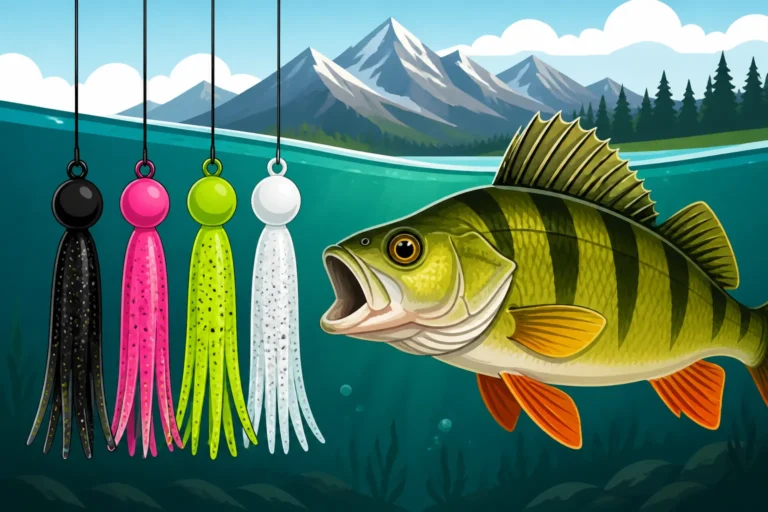
This can't be stressed enough: perch follow the food. If you're marking schools of baitfish, whether on your sonar or visually on the surface (like those birds we talked about), you are in a high-probability area. Perch will often suspend just below or around these baitfish schools, waiting for an opportunity to strike. Small, silver-coloured lures that mimic baitfish are often highly effective in these situations. If you're not seeing bait on your electronics, you're likely not in the right spot for perch, unless they are exclusively feeding on bottom-dwelling insects and crustaceans. Many anglers even keep a pack of small minnows from a local bait shop (if allowed in your specific body of water, always check regulations!) to tip their jigs, knowing that fresh baitfish are an irresistible treat for perch. You can often find a good selection of perch-specific jigs and baits on Amazon for quick delivery.
Adapt to Conditions: How Weather and Time of Day Impact Location
Perch, like all fish, are sensitive to environmental changes. A drastic shift in weather, like a cold front, can push them deeper and make them less active. Conversely, a stable weather pattern with consistent temperatures often results in more predictable and active fish. Bright sunny days might see them holding tighter to cover or in deeper water, while overcast days might encourage them to roam shallower. The time of day also matters; perch often have feeding windows during dawn, dusk, and sometimes a midday peak. Be flexible in your approach. If your go-to spot isn't producing, don't be afraid to try a different depth, a different type of structure, or even a completely different part of the lake. Successful anglers are always adapting.
Ice Fishing Specifics: Unique Challenges and Tactics for Winter
Ice fishing for perch in Alberta presents its own set of challenges and opportunities. Under the ice, perch tend to be more concentrated, but finding that concentration is key.
Drilling Multiple Holes and Using Electronics
When ice fishing for perch, don't be a "one-hole wonder." You need to be mobile. Drill a series of holes in a grid pattern or along a breakline, covering different depths and types of structure. This allows you to quickly sample an area. A portable fish finder (flasher or LCD unit) is invaluable here, letting you scan each hole for fish before you even drop a line. Many anglers invest in compact, portable units, readily available on Amazon, that fit perfectly in an ice fishing sled. Once you mark fish, stay put and work that hole thoroughly. If the bites stop, don't hesitate to move to the next hole or drill new ones nearby. Finding the school is 90% of the battle, and once found, the action can be fast and furious.
Popular Winter Perch Lakes and Specific Tactics
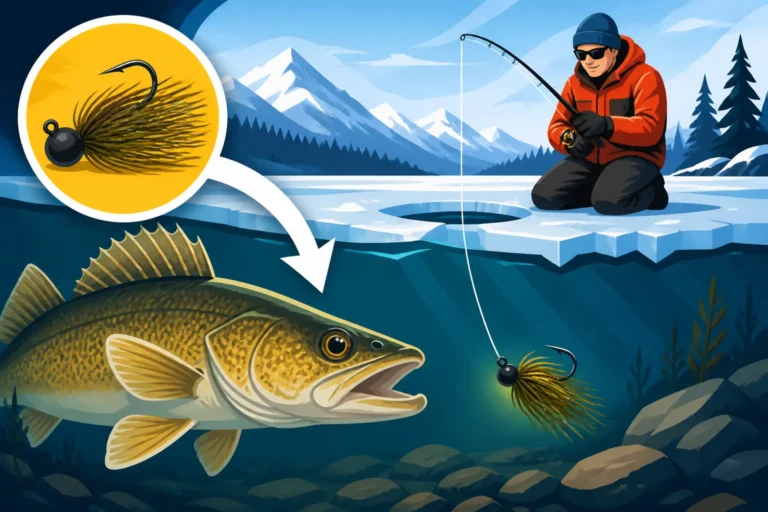
Many Alberta lakes are renowned for their winter perch fishing. Lakes like Pigeon Lake, Sylvan Lake, and even some bays on larger bodies like Cold Lake can be excellent. In these lakes, focus on areas known for extensive weed beds in summer, as the dying vegetation still provides structure and harbors invertebrates under the ice. Look for points, humps, and the edges of large flats. Small jigs tipped with a maggot, wax worm, or a small piece of perch eye are often irresistible. A tactic called "pounding" – aggressively jigging your lure to attract attention, then holding it still – can often trigger bites from hesitant perch. Always check the current regulations for the specific lake you are fishing, as rules can vary, and also be sure to know how to safely judge How thick ice needs to be to fish safely in Alberta.
Remember, locating perch in Alberta lakes is a continuous learning process. Each lake is a little different, and the fish can change their habits from year to year. But by understanding their fundamental behaviors, utilizing your tools effectively, and staying persistent, you'll be well on your way to consistent success.
Disclaimer
This article is for general informational purposes only and does not constitute professional advice. Laws, prices and regulations vary by location and change over time. Consult a qualified professional for guidance on your specific situation.