How to wade the Bow River safely
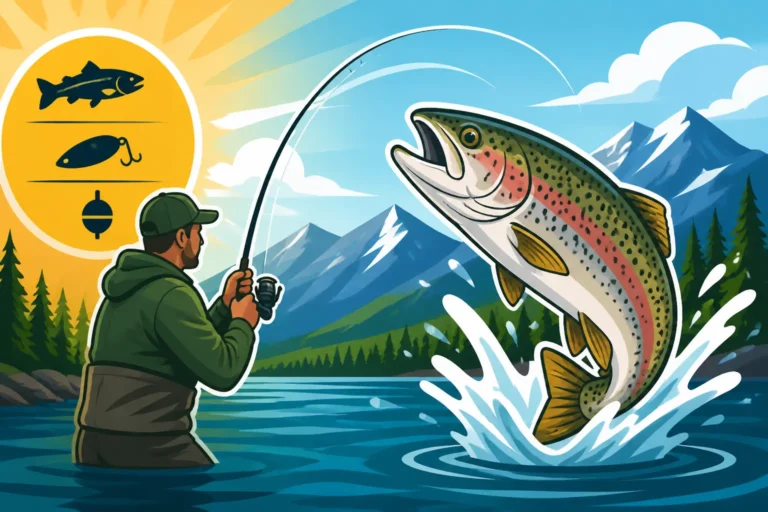
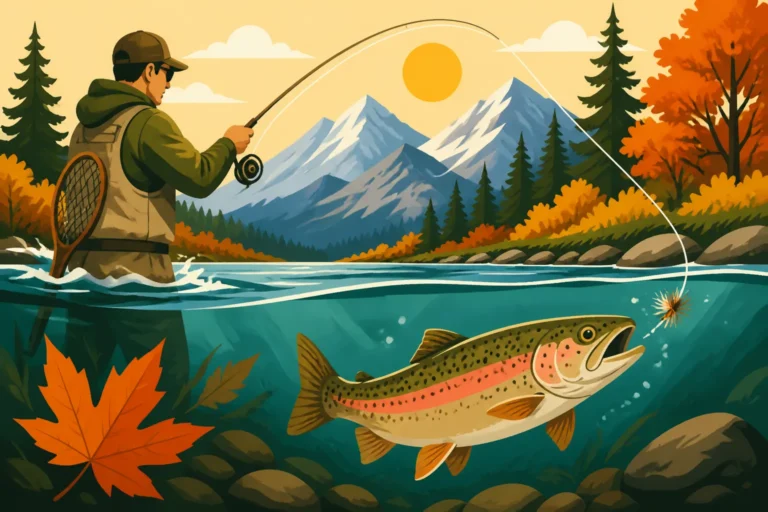
The mighty Bow River, a true gem for anglers in Alberta, offers some of the most spectacular trout fishing experiences you could ever dream of. But let's be honest, standing in the middle of that clear, cold water, casting your line, feels amazing until you take a wrong step. Many of us have felt that heart-stopping moment when the current threatens to sweep your feet out from under you, or you slip on a moss-covered rock. Wading the Bow River safely isn't just about comfort; it's about staying alive and enjoying your passion without incident. This comprehensive guide is here to walk you through everything you need to know to navigate those currents with confidence, ensuring your fishing trips are memorable for all the right reasons.
Understanding the Bow River's Wading Challenges
Wading the Bow River isn't like stepping into a placid pond. This is a powerful, dynamic ecosystem, and it demands respect and careful preparation. Understanding what you're up against is the first step to staying safe and upright.
The Power of the Current and Water Levels
The Bow River, especially below the city of Calgary, is a tailwater fishery, meaning its flows are regulated by upstream dams like the Bearspaw and Ghost Dams. While this provides consistent cold water for trout, it also means water levels and current speeds can change rapidly and be incredibly powerful. A section that looked calm and inviting one day might be a raging torrent after a significant release from the dam, or even just heavy rainfall upstream. You might find yourself in water that feels manageable, only for the current to pick up, making it tough to maintain your footing. I've personally seen anglers misjudge a seemingly gentle riffle only to be knocked off balance by a sudden surge, losing their gear and getting a cold, unwelcome dunking. This is why always checking the Alberta Environment and Protected Areas water level data before heading out is crucial. It’s not just a recommendation; it’s a non-negotiable safety check.
The riverbed itself is another major challenge. It's rarely smooth. You'll encounter a mix of softball-sized rocks, larger boulders, sand, and slick, algae-covered stones. Trying to walk on this uneven, slippery terrain while battling current and focusing on your cast is a recipe for disaster if you're not prepared. The depth also varies dramatically, often within a few steps. A shallow flat can quickly drop into a deep, fast-moving channel. This unpredictability makes every step a potential hazard, and trying to push beyond your comfort zone in deeper, faster water is a risk that rarely pays off. Remember, the fish aren't worth a broken leg or worse.
Hidden Obstacles and Submerged Hazards
Beyond the obvious current and uneven bottom, the Bow River holds a myriad of hidden dangers. Over time, trees fall into the river, creating snags and logjams that can be incredibly dangerous. These "sweepers" or "strainers" might look like harmless cover for fish, but if you get caught in the current and swept into one, the force of the water can pin you against the debris, making escape incredibly difficult. Even smaller branches or submerged debris can trip you up or wrap around your legs, causing you to lose balance.
Muddy or murky sections, often found after heavy rains or in areas with disturbed banks, obscure these hazards entirely. You won't see the deep hole, the slippery rock, or the submerged log until you're right on top of it. This is particularly true in spring runoff or after significant weather events. Always assume there are unseen obstacles, especially in unfamiliar stretches of the river. Another less obvious hazard can be old fishing lines or discarded tackle. While not life-threatening, stepping on a sharp hook or getting tangled in heavy mono can certainly ruin your day and even cause an injury. Being aware of these potential pitfalls will keep you more cautious and focused on safety rather than just the next cast.
Essential Gear for Safe Bow River Wading
Successfully and safely wading the Bow River relies heavily on having the right equipment. This isn't just about comfort; it's about stability, protection, and preparedness for the unexpected. Investing in quality gear is an investment in your safety and enjoyment.
Waders and Wading Boots: Your Foundation
When it comes to staying dry and maintaining warmth in the Bow's notoriously cold water, good waders are non-negotiable. Chest waders are typically preferred over waist-high models because they offer greater protection in deeper sections and prevent an unexpected splash from ruining your day (and chilling you to the bone). Breathable waders, often made from Gore-Tex or similar materials, are excellent for preventing sweat buildup during warmer months or long hikes, keeping you comfortable while still providing that crucial waterproof barrier. Neoprene waders, while less breathable, offer superior insulation in frigid conditions, making them a popular choice for early spring or late fall fishing. You can find a fantastic selection of both types on Amazon, with various brands like Simms, Orvis, and Redington offering different fits and features.
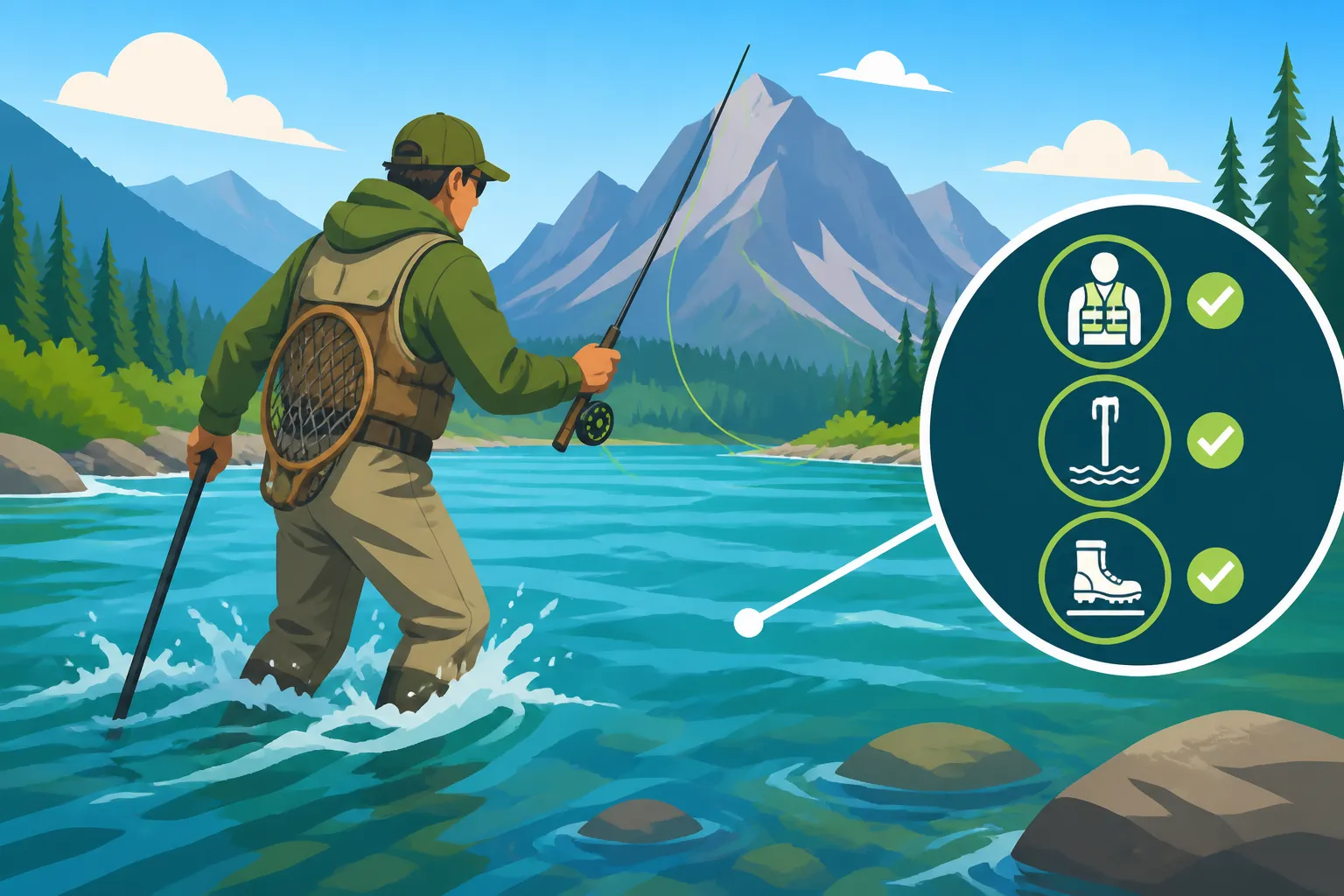
However, your waders are only half the story. Your wading boots are arguably the most critical piece of safety gear. They provide the grip you need on those slick, uneven riverbeds. Felt soles used to be the gold standard for their incredible grip on algae-covered rocks, but many river systems now ban them due to their potential to harbor and spread invasive species like Whirling Disease. Rubber soles with aggressive tread patterns are a common alternative. Look for boots with cleats or studs, either built-in or attachable, to significantly enhance traction. These studs bite into the slippery surface, giving you a much more secure footing. It's a small detail that makes a huge difference between a confident stride and a dangerous slip. For more detailed advice, check out our guide on the Best Wading Boots for Rocky Rivers.
| Wading Boot Sole Type | Pros | Cons | Best Use |
|---|---|---|---|
| Felt | Excellent grip on slick, algae-covered rocks | Can spread invasive species (often banned) | Restricted to specific clean water bodies |
| Rubber | Durable, good general traction | Can be slippery on wet, smooth rocks | Versatile, good for diverse terrain |
| Rubber with Studs | Superior grip on varied slippery surfaces | Can damage boat floors, heavier, noisy | Fast currents, rocky riverbeds |
Wading Staff and Personal Flotation Device
A good wading staff is often overlooked by anglers, but it is an absolute lifesaver. Think of it as your third point of contact with the riverbed, providing crucial stability and helping you probe depths and test footing before you commit your weight. A collapsible, lightweight wading staff that can be easily stowed on your vest or pack is ideal. When in doubt about a step, extend your staff, feel around, and only then move your foot. This simple practice can prevent countless falls. Brands like Simms, Orvis, and even some budget-friendly options on Amazon offer excellent staffs. For tips on choosing the right one, take a look at our article on the Best Wading Staff for Fast Current.
Equally important, especially for those venturing into deeper or faster sections, is a personal flotation device (PFD). While it might seem overkill for wading, if you take an unexpected tumble in a strong current, a PFD can keep your head above water, prevent hyperthermia by conserving body heat, and buy you precious time to recover or signal for help. There are low-profile fishing PFDs available that are designed not to interfere with casting or movement, some even inflate automatically upon immersion. It’s a small piece of gear that can make a monumental difference in a worst-case scenario. Even a simple, lightweight inflatable PFD could save your life if you were to fall into a deep, fast-moving section of the river, especially if you're alone or fishing in a remote area. If you're using a float tube or kayak, you'd certainly wear one, so why not when wading in equally precarious situations?
Wading Techniques and Best Practices
Knowing how to wade properly is just as important as having the right gear. There are specific techniques and mental approaches that will greatly enhance your safety and confidence on the Bow River.
Reading the Water and Planning Your Route
Before you even step into the water, take a moment to "read the water." This means observing the current, identifying potential hazards, and looking for areas of shallower, slower flow that might offer a safer crossing. Look for seams where faster currents meet slower water, riffles that indicate shallower, broken bottoms, and any visible debris. High, clear banks often suggest deeper, faster water below, while areas with exposed gravel bars usually mean shallower, more wadeable sections.
Plan your route meticulously. Don't just charge in. Identify an entry point, a path across, and an exit point. If you're unsure, choose an alternative route or avoid wading that section altogether. It’s always better to walk an extra distance along the bank than to risk a dangerous crossing. Consider the "triangle" method: always have two points of contact (your feet and/or wading staff) with the riverbed at all times. Shuffle your feet rather than lifting them high, feeling for stable ground with each movement. This slow, deliberate approach, combined with using a wading staff to probe ahead, helps prevent unexpected slips and falls. When moving across the current, face slightly upstream, letting the current push against your side rather than directly against your back, which can easily knock you off balance. For more on navigating river currents, consult our guide on Wading Techniques for Alberta Trout Rivers.
Angling and Casting While Wading
Once you're in a stable wading position, the focus shifts to fishing, but safety should always remain a priority. When casting, avoid making sudden, sweeping movements that could throw you off balance. Keep your weight low and your stance wide. If you need to turn, do so slowly and deliberately, again, using your wading staff as an anchor if necessary.
Moving downstream is generally easier than moving upstream against the current. If you're moving upstream, hug the slower water along the banks where possible. When moving downstream, again, face slightly upstream or directly across, keeping your eyes peeled for hidden obstacles that the current might push you into. Never turn your back completely to a strong current. This advice holds true for any angler, whether you're fly fishing or spin casting for trout. Staying aware of your surroundings, even when a big fish is rising just out of reach, is paramount. Remember, a lost fish is better than a lost life or serious injury. If you're unsure about a spot, it's always safer to stick to shore fishing. You can find excellent shore access points and tactics in our Best Shore Fishing Spots in Alberta guide.
Safety Precautions and Emergency Preparedness
Even with the best gear and techniques, accidents can happen. Being prepared for emergencies can drastically improve outcomes if things go wrong.
The Buddy System and Communication
One of the simplest yet most effective safety precautions is the buddy system. Always try to fish with a partner, especially in unfamiliar or challenging waters. A second person can provide immediate assistance if you slip, get tangled, or face an unexpected medical emergency. They can also help spot hazards you might miss and simply make the experience more enjoyable and secure. If fishing alone is unavoidable, inform someone of your exact fishing location and your expected return time. Give them a clear plan for when to initiate a search if they don't hear from you.
Carrying a fully charged cell phone in a waterproof case is also critical. While service can be spotty in some remote sections of the Bow, especially in the canyons, having it available for emergency calls can be a lifesaver. Consider a satellite communication device like a Garmin inReach Mini if you frequent very remote areas with no cell service. It's a small investment for incredible peace of mind, allowing you to send SOS messages or check-in with loved ones no matter where you are. These devices are often available for purchase through retailers like Amazon.
First Aid, Hydration, and Hypothermia Prevention
Beyond immediate rescue, being prepared for common mishaps is vital. A compact, waterproof first-aid kit is essential. It should contain items for cuts, scrapes, blisters, and minor sprains. Think about pain relievers, antiseptic wipes, bandages, and any personal medications you might need. Dehydration can quickly sap your strength and judgment, making you more prone to accidents. Always carry plenty of water, even on cool days. A reusable water bottle or a hydration pack is a smart addition to your gear.
Hypothermia is a serious risk when wading in cold water, especially if you take an unexpected swim. Even on a warm day, the Bow's glacial meltwater is shockingly cold. If your waders fill with water or you get soaked, your core body temperature can drop rapidly. Always pack extra layers of non-cotton clothing (wool or synthetics are best) in a dry bag. A warm hat and gloves can also make a huge difference in staying warm, even if just your feet get wet. If you do get wet and start to shiver uncontrollably, get out of the water immediately, change into dry clothes, and try to get warm. Have a plan for a hot drink or even a small, portable emergency blanket (also available on Amazon) to help raise your core temperature. Being aware of the signs of hypothermia and having the means to address it quickly is critical for safe winter fishing or even fishing during brisk shoulder seasons.
Legal and Environmental Awareness
Finally, safe wading extends to being a responsible angler. Always be aware of the Alberta Fishing Regulations Explained. This includes understanding specific zone regulations, special harvest licenses, and catch-and-release rules. Respect private property and only access the river through designated public access points. Avoid trampling sensitive riparian vegetation along the banks. When in the water, be mindful of spawning beds (redds), which are often visible as clean gravel patches. Wading through these can destroy fish eggs, impacting future generations. Understanding where and when fish spawn, particularly for species like trout, will help you avoid these crucial areas. Being a good steward of the river means not just keeping yourself safe, but also protecting the very resource that brings us so much joy.
Disclaimer
Please remember that fishing and wading in natural environments carry inherent risks. This guide provides general safety information and recommendations, but it cannot cover every possible scenario. Always use your best judgment, assess local conditions, and prioritize your personal safety above all else. Local conditions, regulations, and hazards can change rapidly.