Jigging for Burbot Through the Ice
The chill wind whips across the frozen lake, and as you stare down your ice hole, hoping for a bite from that elusive bottom-dwelling burbot, you might feel a familiar frustration. These peculiar fish, often called freshwater cod, can be incredibly finicky, especially when you’re out on the ice. This comprehensive guide is here to unravel the mysteries of jigging for burbot through the ice in Alberta, equipping you with the knowledge, gear, and techniques to turn those frozen frustrations into exciting catches and delicious meals.
Understanding Burbot in Alberta's Ice Fishing Scene
Burbot, or "ling" as many old-timers call them, are truly unique fish, and understanding their habits is the first step to successfully targeting them through the ice. They're often overlooked by anglers obsessed with walleye or pike, but those who discover the thrill of jigging for burbot know just how rewarding it can be.
The Unique Appeal of Burbot
There's something incredibly special about landing a burbot. Perhaps it's their snake-like appearance and single barbel, or maybe it's their firm, flaky white meat that rivals many saltwater fish. Unlike many other species, burbot are most active when the water is coldest, making them a prime target for hardwater enthusiasts who crave action during the depths of winter. They thrive in deep, cold lakes and rivers, often found near the bottom, patiently waiting for an unsuspecting meal to swim by. This distinct preference for frigid temperatures means that when other fish species slow down significantly, burbot are just hitting their stride, offering a unique opportunity for dedicated ice anglers. Plus, there’s little competition out there, as many folks don't even know what a burbot is, let alone how to catch one.
Burbot Behavior Under Ice
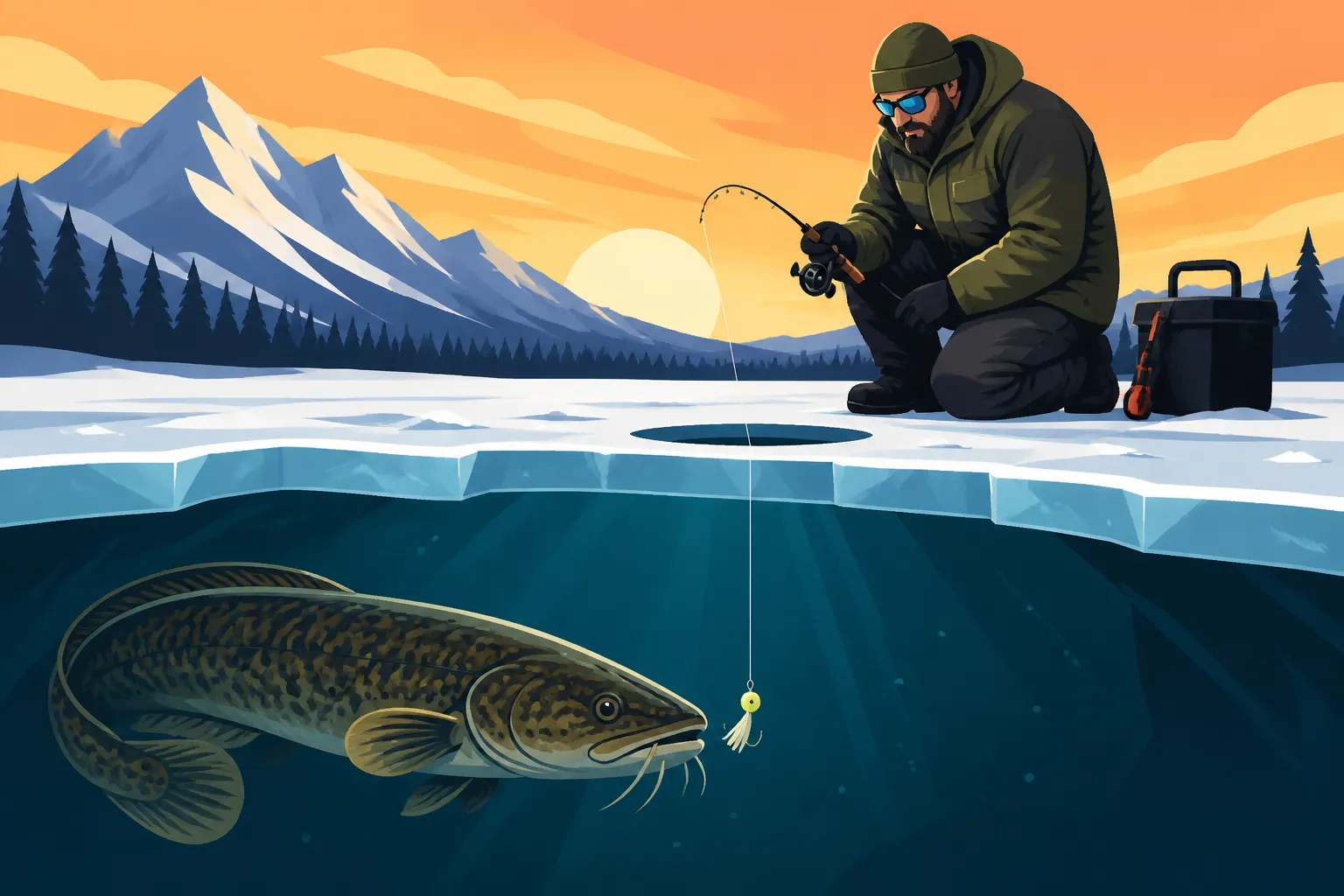
When lakes freeze over, burbot don't slow down; they actually become more active, especially at night. They are predominantly nocturnal hunters, using their keen sense of smell and their barbel (a chin whisker) to locate food in the dark, murky depths beneath the ice. During the day, they tend to hug the bottom, often tucked into structure or depressions, conserving energy. As dusk approaches, they begin to roam more widely, venturing into shallower flats or along drop-offs in search of baitfish, crustaceans, or anything else they can get their mouths on. Understanding this shift in behavior is critical. You might spend all day jigging over a prime spot with little success, only for the action to explode as the sun dips below the horizon. They're not exactly speedsters, but they are opportunistic feeders, making them responsive to well-presented jigs and baits. For more on these fascinating creatures, check out our guide to Burbot Fishing in Alberta.
Identifying Key Burbot Habitats
Successfully jigging for burbot means knowing where they hang out. While they are bottom-dwellers, they aren't just anywhere on the bottom. Look for structural elements like steep drop-offs, sunken islands, humps, and points that extend into deep water. Burbot often position themselves along these features, using them as ambush points or travel corridors. Underwater cameras or good fish finders become invaluable tools here, helping you identify these subtle bottom changes. Depths can vary significantly depending on the lake, but generally, targeting burbot in Alberta means focusing on areas ranging from 20 to 60 feet, sometimes even deeper. However, don't ignore shallower flats adjacent to these deep areas, especially during their nocturnal feeding forays. Think about where baitfish would congregate for safety or food, and burbot won't be far behind.
Essential Gear for Ice Jigging Burbot
Having the right equipment makes all the difference when you're battling the elements and trying to entice a burbot from the frosty depths. From specialized rods to the perfect jig, every piece plays a role in your success. Investing in reliable gear means more time fishing and less time wrestling with frozen equipment or missed opportunities. If you're looking for a broader overview of what you'll need, our Best Ice Fishing Gear for Alberta article is a great resource.
Rods, Reels, and Line Selection
For burbot, you need a setup that can handle some serious weight and the aggressive head shakes of a hooked fish.
- Rods: A medium-heavy to heavy action ice fishing rod, typically 28 to 36 inches long, is ideal. The stiffer backbone allows for solid hooksets and muscling a fish up from deep water, while a sensitive tip is still crucial for detecting those often subtle burbot bites. Many anglers prefer a spring bobber or a very flexible rod tip for this reason, as burbot bites can sometimes feel more like added weight than a distinct tap. Brands like Fenwick, Ugly Stik, and Clam offer excellent ice rods suitable for this purpose.
- Reels: A sturdy spinning reel in the 2000-3000 size range is perfect. It needs a smooth drag system to prevent line breaks, especially when a larger burbot decides to make a run. Even though you're fishing through a hole, fighting a big fish straight up can still put a lot of strain on your gear.
- Line: Braided line, in the 15-20 lb test range, is highly recommended as your main line. Its no-stretch property significantly improves bite detection in deep water and provides excellent strength. Always add a fluorocarbon leader (10-15 lb test, 18-36 inches long) to your braid. Fluorocarbon is nearly invisible underwater, which can be an advantage, and it's also more abrasion-resistant, protecting against sharp ice edges or burbot's rough mouths.
Jigs, Baits, and Attractors
This is where the magic happens! Burbot respond very well to scent and motion.
- Jigs: Heavy, glow-in-the-dark jigs are your best friend. Think spoons, rattling jigs, or even specialized burbot jigs that incorporate a glow stick. Sizes typically range from 1/2 ounce to 1.5 ounces, allowing you to get down to the desired depth quickly and effectively. Popular choices include Northland Buck-Shot Rattle Spoons, Custom Jigs & Spins Slender Spoons, or even larger Swedish Pimples. The glow factor is non-negotiable; burbot hunt by smell and low-light vision, so a glowing lure acts like a beacon in the dark depths. You can find a wide variety of these specialized jigs on Amazon, making it easy to stock up before your next trip.
- Baits: The best bait for burbot is undoubtedly a piece of cut fish. Smelly, oily fish like herring, smelt, or even a piece of frozen sardine or minnow are highly effective. A strip of whitefish or sucker fillet also works wonders. Thread the bait onto the hook of your jig, ensuring it's securely attached so it doesn't get ripped off by a curious tug. The key is to maximize the scent trail.
- Attractors: Some anglers add small glow sticks or rattles directly to their leader above the jig. The extra flash and sound can draw in burbot from a wider area, especially in low-light conditions or murky water.
Portable Shelters and Warmth Essentials
Comfort on the ice is not just about luxury; it's about safety and endurance. Alberta winters are no joke, and a long night of burbot fishing can quickly turn unpleasant without proper protection.
- Shelters: A portable ice fishing shelter is a game-changer. Whether it's a pop-up hub-style shelter or a flip-over model, it provides a crucial barrier against the wind, snow, and extreme cold. Inside, you can run a small propane heater, making the experience vastly more enjoyable and allowing you to focus on fishing rather than shivering. Some excellent, well-insulated shelters can be found on Amazon, offering different sizes and features to suit individual needs.
- Heaters: A portable propane heater, like those from Mr. Heater, is essential. Always ensure proper ventilation when using a heater inside a shelter to prevent carbon monoxide buildup.
- Warm Clothing: Layer, layer, layer! Thermal base layers, fleece mid-layers, and waterproof, insulated outer layers are a must. Don't forget a warm hat, gloves or mitts (with some dexterity for tying knots), and insulated, waterproof boots. You'll be standing on ice for hours, so keeping your feet warm is paramount. Hand warmers and toe warmers can also provide a welcome boost of heat on particularly frigid nights.
Prime Locations and Times for Burbot
Knowing when and where to drop your line is as important as having the right gear. Burbot have specific preferences that, once understood, can dramatically increase your success rate. For a general overview of great places to start, our guide to the Best Ice Fishing Lakes in Alberta might spark some ideas.
Top Alberta Lakes for Burbot
Alberta boasts several fantastic lakes for burbot ice fishing. Some perennial favourites include:
- Lesser Slave Lake: This massive northern lake is renowned for its excellent burbot fishery. The lake's vast expanses offer endless opportunities, with burbot often found along the deep edges of historical river channels, sunken humps, and major drop-offs. Anglers often target areas where the depth transitions from 30 to 60 feet. The sheer size of the lake means there's always a new spot to explore, though local knowledge or a good lake map is invaluable here. Our guide to Burbot in Alberta Lakes has even more specific locations.
- Cold Lake: A very deep lake that holds substantial populations of burbot, often found in similar deep water structures. This lake is also known for its incredible lake trout, so don't be surprised if you hook into a different species! The depths here can be extreme, sometimes exceeding 100 feet, but burbot are typically found in the 40-80 foot range, especially where underwater points or humps break up the otherwise flat bottom.
- Lac La Biche: Another large lake with a healthy burbot population. Look for deeper basins and transitions around underwater points.
- Lake Athabasca: While often known for its monster pike and walleye, Lake Athabasca also holds impressive burbot, particularly in its deeper sections.
- Pigeon Lake: A shallower, productive lake that can offer good burbot action, often around the edges of the deeper basin.
Remember, conditions can vary year to year, so always check local reports and talk to bait shop owners for the most current intel.
Best Time of Day and Season
Burbot are a winter specialty, and for good reason.
- Season: The prime time for ice fishing burbot in Alberta typically starts around December, once the ice is safe, and continues through March. Their spawning period usually occurs in late winter (February to March), during which they can become incredibly active and aggressive feeders. This is often when anglers experience their best success rates.
- Time of Day: While you can catch burbot during the day, their activity peaks from dusk through the night, often continuing well into the early morning hours. Plan your trips to coincide with these low-light periods. Many dedicated burbot anglers arrive in the late afternoon, set up their shelters, and fish through the night, as that's when the bites are most consistent. The transition from daylight to darkness is often a particularly hot bite window.
Reading the Ice and Structure
Before you even think about jigging, you need to be safe and smart about where you set up.
- Ice Safety: Always prioritize ice safety. Check ice thickness regularly, especially early and late in the season. A minimum of 4 inches of clear, new ice is generally considered safe for individual foot travel, but 8-10 inches is recommended for snowmobiles and ATVs, and even more for larger vehicles. Be aware of pressure ridges, currents, and springs that can create unsafe thin ice. Our guide on How thick ice needs to be to fish safely in Alberta provides crucial information for staying safe on the ice.
- Structure: Once on safe ice, use a good depth finder/fish finder (flasher or LCD unit) to locate underwater structure. Look for those drop-offs, humps, and points we discussed earlier. Drill a series of holes along these contours to pinpoint exactly where the fish are holding. Don't be afraid to move if you're not getting bites; burbot are often concentrated in specific areas. A reliable auger, perhaps one discussed in Best Ice Auger for Alberta Lakes, will make this process much easier and quicker. Pay attention to how the bottom transitions – a sudden change from flat to a steep slope is a classic burbot hotspot.
Effective Jigging Techniques for Burbot
Now that you're geared up and on the right spot, it's time to learn how to actively entice these bottom-dwellers. Burbot fishing isn't just about dropping a line and waiting; a little finesse and understanding of their predatory nature goes a long way.
Mastering the Jigging Motion
The key to jigging for burbot is to create a compelling, yet not overly aggressive, presentation.
- Finding the Bottom: First, drop your jig down until it hits the bottom. Burbot are almost exclusively bottom-feeders, so keeping your bait in their strike zone is critical. Many anglers even like to let their jig sit on the bottom for a few moments, stirring up a little cloud of sediment, which can attract curious fish.
- The Lift and Drop: The most common and effective technique involves lifting your rod tip about 1 to 2 feet, then letting the jig flutter back down to the bottom. The lift creates motion and sound, while the controlled fall mimics a wounded baitfish or something stirred up from the bottom. This isn't a violent jig; it's more of a gentle enticing motion.
- Pauses are Key: After letting the jig settle, pause for 5 to 15 seconds. Burbot aren't always aggressive strikers; sometimes they'll simply nose up to the bait and suck it in. It's during these pauses that many bites occur. Pay close attention to your rod tip or spring bobber for any unusual movement, or even just a feeling of added weight.
- Vary Your Retrieve: Don't be afraid to experiment. Sometimes a slower, more deliberate lift and longer pause is effective. Other times, a slightly more aggressive series of short hops and drops might trigger a bite. If you're not getting action, change up your rhythm. Try incorporating a few sharp taps on the bottom to kick up sediment.
Scent and Sound Attraction
Burbot rely heavily on their sense of smell and lateral line (to detect vibrations) to find food in the dark depths.
- Scent is King: As mentioned, fresh, oily cut bait is paramount. The stronger the scent trail, the more likely a burbot will find your offering. Refresh your bait frequently, especially if you're fishing for several hours. If your bait starts to look washed out or loses its aroma, it's time for a fresh piece. Some anglers even use commercially available fish attractant sprays to enhance their baits, though fresh fish is hard to beat.
- Rattles and Glow: Jigs with internal rattles or those designed to hold a small glow stick are incredibly effective. The sound created by the rattles travels through the water, drawing fish in, and the glow provides a visual target in the low-light environment. Recharge your glow jigs regularly using a flashlight or UV light to maintain maximum luminosity. The combination of strong scent, enticing motion, and visual/auditory appeal creates an irresistible package for burbot.
Setting the Hook and Fighting Burbot
Burbot bites can be subtle, but once they commit, they usually inhale the bait.
- Detecting the Bite: A burbot bite often feels like a subtle mushy weight, or a slight slowing of the drop, rather than a sharp tug. Sometimes your rod tip will just load up, or your spring bobber will slowly dip. Don't second-guess it! If anything feels different, assume it's a fish.
- The Hookset: When you suspect a bite, reel up any slack and set the hook with a firm, upward sweep of the rod. Because of their soft, fleshy mouths, a hard, violent hookset can sometimes tear the hook out. A solid, steady sweep is usually enough to secure the treble hook.
- Fighting the Fish: Burbot are not known for their spectacular fights, but they can be surprisingly strong and stubborn. They tend to make powerful, short runs back towards the bottom or simply bulldog their way around. Keep steady pressure on the fish, reel consistently, and use your rod's backbone to guide them up the hole. Be prepared for them to twist and turn when they get near the surface. Have your landing net ready if you plan to keep them, or be prepared to grab them firmly to unhook. Handle them gently if you intend to release them, as detailed in our guide on How to Catch Bull Trout and Release Them Safely (many of those gentle handling principles apply).
Safety Considerations and Regulations
Ice fishing for burbot in Alberta is an exhilarating experience, but it comes with responsibilities – both for your own safety and for the health of the fishery. Ignoring these can lead to dangerous situations or hefty fines.
Ice Safety First
This cannot be stressed enough. The allure of a hot bite should never outweigh common sense when it comes to ice conditions.
- Check Local Conditions: Before heading out, always check local ice reports from bait shops, fishing forums, or provincial parks. These reports are often your best bet for real-time information.
- Be Prepared for Emergencies: Always fish with a buddy. Carry ice picks around your neck, a throw rope, and a fully charged cell phone. Dress in layers to prevent hypothermia. Tell someone where you're going and when you expect to return.
- Beware of Varying Ice: Ice thickness can vary dramatically on the same body of water, even within a few feet. Areas with currents, points, inlets, and outlets are particularly prone to thinner ice. Darker ice indicates thinner, less stable ice. Spreading your weight, especially when operating snowmobiles or ATVs, is always a good idea. For detailed safety guidelines, refer to How thick ice needs to be to fish safely in Alberta.
Alberta Regulations Specific to Burbot
Alberta's fishing regulations are designed to protect fish populations and ensure sustainable angling for everyone. It's your responsibility to know and follow them.
- Alberta Guide to Sportfishing Regulations: This is your bible. Always consult the most current version. You can find it online through the MyWildAlberta portal or pick up a physical copy at most fishing license vendors. The regulations are broken down by management zone, and then by specific water bodies.
- Bag and Possession Limits: Burbot have specific bag and possession limits, which vary by zone and sometimes by lake. These limits specify how many fish you can keep in a single day (bag limit) and how many you can have in your possession at any given time, including those at home (possession limit). For instance, in some zones, the burbot limit might be 10, while in others it could be less. Always confirm the specific rules for the waterbody you are fishing. Our Alberta Bag and Possession Limits by Species article can give you a good starting point.
- Barbless Hooks: While not universally required for burbot, many special regulation waters in Alberta mandate the use of barbless hooks for all species. Always check if the water you're fishing is one of these. Using barbless hooks makes catch and release much easier and less harmful to the fish.
- Licensing: Of course, you need an Alberta Fishing License Guide for 2026 and a valid Wildlife Identification Number (WIN) card to legally fish in Alberta. Don't forget to review Alberta Fishing Regulations Explained for general rules.
Ethical Angling and Catch Care
Being an ethical angler means more than just following the rules; it means showing respect for the fish and the environment.
- Selective Harvest: Even if the limit is generous, consider practicing selective harvest. Keep only what you will eat, and release larger, older fish that are valuable for spawning. Burbot are slow-growing, so allowing big ones to go can help maintain a healthy population.
- Proper Release: If you're releasing burbot, handle them gently. Keep them in the water as much as possible, use wet hands, and use a de-hooking tool to minimize handling time. Revive them by holding them upright in the water until they swim away strongly.
- Waste Disposal: Pack out everything you pack in. This includes bait containers, fishing line, and any other trash. Leave the ice cleaner than you found it. This helps preserve the pristine beauty of Alberta's lakes for everyone.
Beyond the Basics: Advanced Tips for Burbot Jigging
Once you've mastered the fundamentals, there are always ways to refine your technique and enhance your burbot success. These advanced tips can help you locate and entice even the most stubborn of these freshwater cod.
Using Electronics for Burbot
Modern ice fishing electronics are powerful tools that can transform your burbot game, taking the guesswork out of finding fish and understanding their behaviour.
- Fish Finders (Flashers & LCD Units): A good quality flasher (like those from Vexilar or Marcum) or an LCD fish finder (Humminbird, Lowrance) is invaluable. These devices show you your jig in real-time, as well as any fish that swim into its cone. You can see how fish react to your presentation: are they approaching? Are they ignoring it? Are they rising to meet it or just casually swimming by? This allows you to adjust your jigging cadence or lure choice instantly. Burbot often appear as thick bands or arcs near the bottom.
- Underwater Cameras: An underwater camera can offer incredible insights, especially for burbot. You can visually identify bottom structure, observe how burbot react to your lure, and even confirm what species you're seeing. This visual feedback can teach you a tremendous amount about burbot behaviour that a flasher alone can't convey. It's particularly useful for confirming subtle bites. Some anglers even use them to scout areas before drilling, identifying promising rocky bottoms or weed lines. You can often find a wide range of reliable portable fish finders and underwater cameras on Amazon, offering different price points and features.
- GPS and Mapping: For larger lakes like Lesser Slave or Cold Lake, a GPS unit with detailed lake maps is essential for navigating, marking hotspots, and returning to productive areas. Many modern fish finders come with integrated GPS capabilities and allow you to upload high-definition contour maps, helping you pinpoint those subtle underwater features that burbot love.
Team Tactics and Multi-Hole Strategies
Ice fishing doesn't have to be a solitary pursuit, especially when targeting burbot.
- Spread Out: When fishing with a group, spread out your holes over a wider area, covering different depths and structural elements. This acts as a scouting mission, allowing you to quickly identify where the fish are concentrated. Once one angler starts getting bites, others can move closer to that productive zone.
- Vary Presentations: Have each angler use a slightly different jig or bait combination. One person might try a rattling spoon, another a plain glow jig, and a third a jig with a glow stick. This helps you quickly "dial in" what the burbot are preferring on that particular night. One person might use a whole minnow, while another uses cut smelt.
- The Scent Trail: When fishing multiple holes, the combined scent from several baits creates a larger, more attractive scent plume in the water, potentially drawing in more burbot from a greater distance. This communal effort can lead to more consistent action for the entire group.
Cooking Your Catch
One of the greatest rewards of jigging for burbot is their exceptional table fare. Known as "poor man's lobster," their firm, flaky white meat is truly a delicacy.
- Cleaning and Filleting: Burbot have slimy skin, which can be easily removed. A common method is to make a cut behind the head, circle the fish with the knife, and then use pliers to peel the skin off from head to tail, much like skinning a catfish. Once skinned, they are relatively easy to fillet, yielding beautiful, boneless white pieces of meat.
- Popular Cooking Methods:
- Boiled "Lobster Style": Cut the fillets into bite-sized chunks, boil them briefly in seasoned water (with a dash of lemon and Old Bay seasoning, for example) until they turn opaque. Serve with melted butter for a truly lobster-like experience. This is arguably the most popular and celebrated way to enjoy burbot.
- Fried: Dredge fillets in seasoned flour or a cornmeal mixture and pan-fry them until golden brown. Their firm texture holds up well to frying.
- Baked/Broiled: Season fillets with herbs and spices, then bake or broil them until cooked through. A simple lemon-dill butter sauce works wonderfully.
- Soups and Stews: Burbot meat holds together well in stews and chowders, absorbing flavors beautifully.
No matter how you prepare them, burbot are a fantastic addition to any angler's dinner plate, making the effort of ice fishing for them all the more worthwhile.
Disclaimer
Always check the latest Alberta Sportfishing Regulations before heading out on the ice. Fishing conditions and regulations can change, and it is the individual angler's responsibility to be aware of and comply with all current rules and safety guidelines.