Ice Fishing in Alberta
There's a special kind of stillness that settles over Alberta when the lakes and rivers freeze solid, transforming vibrant summer waters into a vast, white playground. But beneath that seemingly impenetrable surface, a whole new world of angling adventure awaits, drawing thousands of dedicated anglers who brave the elements for the unique thrill of ice fishing. If you've ever felt the sting of cold wind on your cheeks but the warmth of a good catch in your heart, or if you're curious about venturing onto the hardwater for the first time, this guide is your comprehensive companion to unlocking the frozen riches of Alberta's ice fishing season.
The Allure of Alberta's Hardwater Season
For many, the idea of sitting on a bucket in sub-zero temperatures, staring down a small hole in the ice, might seem a little… extreme. But trust me, there's a profound magic to ice fishing in Alberta that captivates anglers season after season. It's a blend of serene solitude, thrilling anticipation, and the sheer satisfaction of outsmarting fish in their winter hideouts.
Why Ice Fishing Captivates Anglers
Ice fishing offers a stark contrast to open-water angling, presenting its own unique set of challenges and rewards. For starters, it’s an incredibly social activity, often bringing together friends and family in a way that other forms of fishing don't. You'll see groups huddled around a portable heater in a pop-up shelter, sharing stories, hot coffee, and tips on what the fish are biting. It's a chance to connect not just with nature, but with fellow enthusiasts.
Beyond the camaraderie, there’s a captivating simplicity to it. You’re often targeting fish in a very focused, vertical manner, which can be incredibly effective. Fish behavior changes dramatically under the ice; they become more lethargic, conserving energy, but they still need to eat. Understanding these subtle changes and presenting a bait just right can lead to phenomenal success. There's also the element of exploration – using a fish finder to map out structure and locate fish under the ice feels like a treasure hunt, and when that transducer lights up with a school of walleye, the adrenaline kicks in. And let's not forget the sheer joy of pulling a vibrant, healthy fish from beneath a thick layer of ice, a testament to your patience and skill in a challenging environment.
When the Ice Takes Hold: Typical Season Dates
The ice fishing season in Alberta is heavily dependent on weather conditions, but generally, it kicks off in late November or early December, once consistent freezing temperatures have created safe ice thickness. It typically runs well into March, and sometimes even into early April in the northern parts of the province or on deeper, slower-to-melt lakes.
Early season ice fishing, usually in December, often sees anglers venturing out onto "first ice," which can be incredibly productive as fish haven't experienced much pressure yet. However, this is also the most dangerous time, requiring extreme caution and constant ice thickness checks. Mid-season, from January through February, is often the most stable, with thick ice on most major lakes, allowing for more comfortable fishing and travel by snowmobile or ATV. Late season, in March, can be a mixed bag. As the sun gets stronger, the ice begins to degrade, especially along shorelines and over moving water. This period can offer some fantastic fishing as fish become more active with increasing light penetration and warming water, but safety becomes paramount. Always, and I mean always, check local ice conditions and never assume the ice is safe just because it’s winter. The general rule of thumb for safe foot travel is at least 4 inches of clear, hard ice, but more is always better, especially if you plan to bring a shelter or equipment.
Essential Gear for a Successful Alberta Ice Fishing Trip
Venturing out onto a frozen lake unprepared is a recipe for a miserable, or even dangerous, experience. Ice fishing demands specific gear to keep you warm, safe, and effective. Think of it as gearing up for a mini-expedition every time you go.
Staying Warm: Layering and Shelters
Staying warm is not just about comfort; it's about safety. Hypothermia is a real risk. The key is proper layering. Start with a moisture-wicking base layer against your skin (merino wool or synthetic, never cotton). Add a warm fleece or down mid-layer for insulation. Finally, an insulated, waterproof and windproof outer layer is crucial. Look for ice fishing suits specifically designed for the sport, often featuring built-in flotation for added safety. Brands like Striker Ice or IceArmor by Clam offer excellent options. Don't forget insulated, waterproof boots (Sorel or Baffin are popular choices), warm gloves or mitts (with a spare pair!), a toque, and a neck gaiter.
Beyond personal attire, a good shelter makes a world of difference.
- Portable shelters (like flip-overs or pop-ups) are fantastic for mobility, allowing you to easily move to new spots. Brands like Clam, Eskimo, and Shappell are leaders in this field. They're quick to set up and take down, making them ideal for exploring. You can even find good deals on portable shelters through general retailers like Amazon.
- Permanent shelters (ice shacks) are for dedicated spots, usually on popular lakes. These are heavier, more robust, and often equipped with wood stoves or propane heaters for maximum comfort. Just be aware of local regulations regarding leaving permanent shelters on the ice – they often need to be removed by specific dates to avoid being swallowed by the spring thaw.
A portable propane heater, like those from Mr. Heater, is a must-have for any shelter to maintain a comfortable temperature inside, allowing you to shed bulky outer layers and focus on fishing.
The Right Tools: Augers, Rods, and Electronics
Your main tool for getting to the fish is an auger.
- Hand augers are excellent for beginners, budget-friendly, and perfect for drilling a few holes in thinner ice (under 12-18 inches).
- Power augers (gas, propane, or electric) are a game-changer, especially on thick Alberta ice. Electric augers, like those from Ion or K-Drill, are becoming incredibly popular for their quiet operation, lack of fumes, and ease of use. They make drilling multiple holes a breeze, which is key for finding active fish.
Ice fishing rods are specialized, much shorter than open-water rods (typically 24-36 inches), allowing you to fish comfortably inside a shelter. They come in various actions (ultra-light for perch, medium for walleye, heavy for lake trout) and are paired with small spinning reels. Spool your reels with specialized ice fishing line, usually monofilament or fluorocarbon, that resists freezing and retains flexibility in cold water.
Finally, electronics are arguably the most crucial piece of gear for serious ice anglers.
- Flashers (like a Vexilar or Marcum) provide real-time readings of fish and your lure, showing depth, fish arches, and even how fish react to your presentation. This instant feedback is invaluable.
- Fish finders/graphs (from brands like Humminbird or Lowrance) offer a more detailed view, often with GPS capabilities to mark hotspots. They allow you to see contours, structure, and fish at varying depths. Knowing How to use the Alberta sportfishing regulations app can also be a handy digital tool for on-the-go regulation checks.
Safety First: Ice Picks, Spud Bars, and Flotation
No amount of fish is worth risking your life. Ice safety should always be your top priority.
- Ice picks worn around your neck are non-negotiable. If you fall through, they provide grip to pull yourself out.
- A spud bar is essential for checking ice thickness as you walk, especially during early and late season. Use it to vigorously strike the ice ahead of you. If it punches through easily, turn back.
- Wearing a flotation suit or a personal flotation device (PFD), even on seemingly safe ice, provides critical buoyancy if you do go through. These are often integrated into modern ice fishing suits.
- Always let someone know where you're going and when you expect to return. Better yet, fish with a buddy. Never venture onto the ice alone, especially if you're new to the sport.
- Carry a throw rope, a first-aid kit, and an emergency phone. Familiarize yourself with how to rescue yourself or others. Remember that conditions can change rapidly, and thin ice can form over springs, currents, or pressure ridges, even on otherwise thick ice.
Alberta's Top Ice Fishing Species and How to Target Them
Alberta boasts an incredible diversity of fish species that offer fantastic ice fishing opportunities. Each species has its own preferred habitat, feeding patterns, and best techniques, making every trip a unique challenge.
Walleye: Winter Warriors
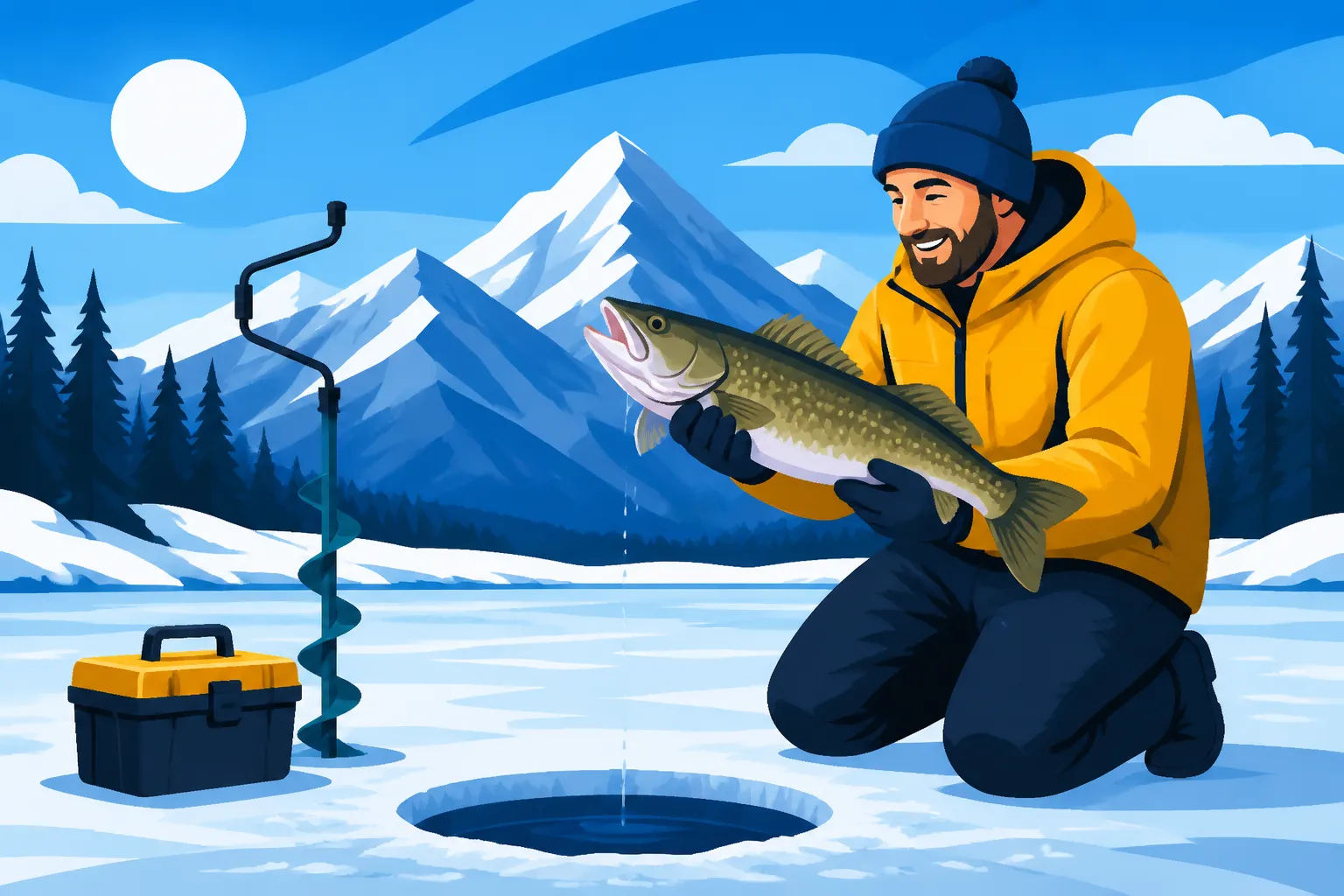
Walleye are one of Alberta's most sought-after fish, and they offer incredible action through the ice. Known for their delicious white flesh and aggressive strikes, they tend to congregate in deeper areas of lakes, often near structure like humps, points, or the edges of weed beds. They can be found from Lesser Slave Lake to Pigeon Lake, and many other prime spots.
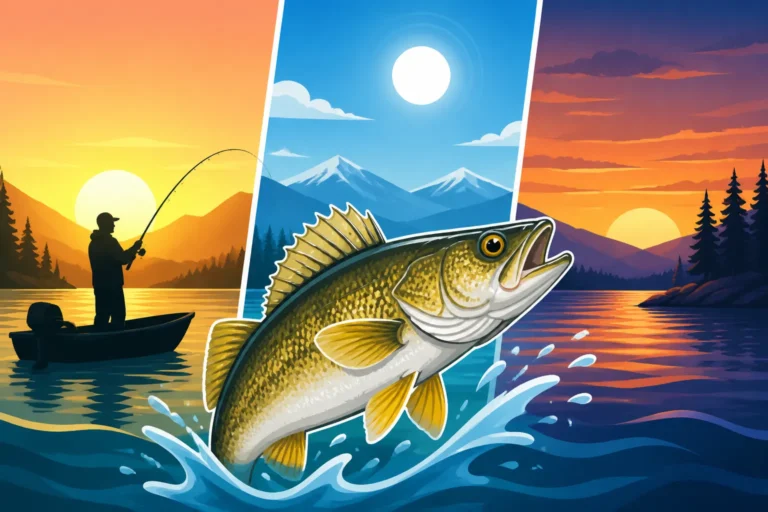
When targeting walleye, the magic often happens during low-light conditions – dawn and dusk. They become more active as the light fades. Popular baits include jigging spoons (like a Northland Buck-Shot Rattle Spoon or an Acme Kastmaster), often tipped with a piece of minnow or a maggot. Vertical jigging is the primary technique; lower your spoon to the bottom, give it a few sharp jigs, then hold it still a foot or two off the bottom. Experiment with different jigging cadences. Minnows fished on a deadstick (a second rod with a slip bobber set just off the bottom) can also be incredibly effective, especially when the walleye are finicky. Understanding How to Catch Walleye in Alberta involves patience, precision, and knowing when to aggressively jig and when to be subtle.
Northern Pike: Aggressive Coldwater Predators
Northern Pike are another popular target, prized for their explosive fights and impressive size. These toothy predators are widespread across Alberta, inhabiting many of the same lakes as walleye, and often found in shallower areas with remnant weed growth or along sharp drop-offs. Lakes like Keho Lake are renowned for their pike populations.
For pike, tip-ups are incredibly effective. Set them up with large dead baitfish (like herring or sardines) suspended just off the bottom or midway through the water column. When that flag goes up, it’s a rush! Jigging with large spoons or lipless crankbaits can also entice aggressive pike. Heavy tackle is recommended, including a stout rod, strong line, and a wire or heavy fluorocarbon leader to prevent bite-offs from their razor-sharp teeth. Unlike walleye, pike are often active throughout the day, so you don't always need to wait for low light. For more in-depth strategies, check out our guide on How to Catch Northern Pike in Alberta.
Lake Trout: Deepwater Giants
For those seeking a true challenge and a potential trophy, Alberta's lake trout offer just that. These deepwater giants are found in clearer, colder, and often deeper lakes, with Cold Lake being one of the most famous destinations for them. They relate to deep main lake basins, underwater humps, and steep drop-offs.
Lake trout fishing requires patience and specialized tackle. Heavy jigging spoons, tube jigs, and large soft plastics (like Berkley Gulp! Alive! Minnows) are excellent choices, often fished on heavy monofilament or fluorocarbon line. A good fish finder is absolutely critical for locating lake trout, which can suspend at various depths. Trolling with downriggers in open water is common during summer, but through the ice, it’s all about vertical jigging. Drop your lure to the desired depth, often near the bottom in 60-100+ feet of water, and work it with strong lifts and falls. Be prepared for a powerful fight; these fish are built for endurance. For more details on targeting these magnificent fish, dive into our How to Catch Lake Trout in Alberta article.
Panfish: Perch, Whitefish, and Burbot
While walleye, pike, and lake trout grab a lot of attention, don't overlook the fantastic panfish opportunities Alberta offers through the ice. These species are often abundant, provide consistent action, and are excellent table fare.
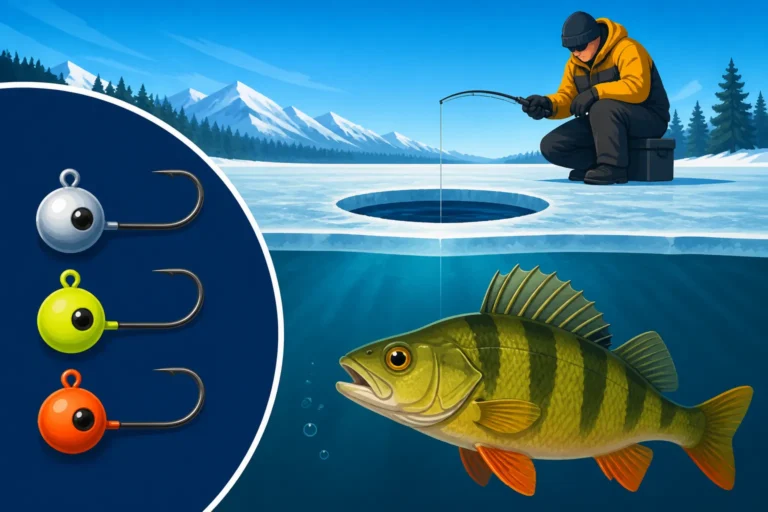
- Yellow Perch: Found in many of Alberta's prairie lakes, perch are schooling fish that offer non-stop action, making them perfect for kids or beginner anglers. They love small jigging spoons, tiny tungsten jigs tipped with maggots, wax worms, or a piece of perch eye. Look for them over flats or the edges of weed beds in 10-30 feet of water.
- Lake Whitefish: These firm-fleshed fish are bottom feeders, often found in deeper lakes. They can be tricky to entice but are a delicious reward. Tiny jigging spoons or small jigs tipped with a maggot or a plastic fly are effective. They have a very light bite, so a sensitive rod tip is key. Our Panfish Fishing in Alberta guide covers them in more detail.
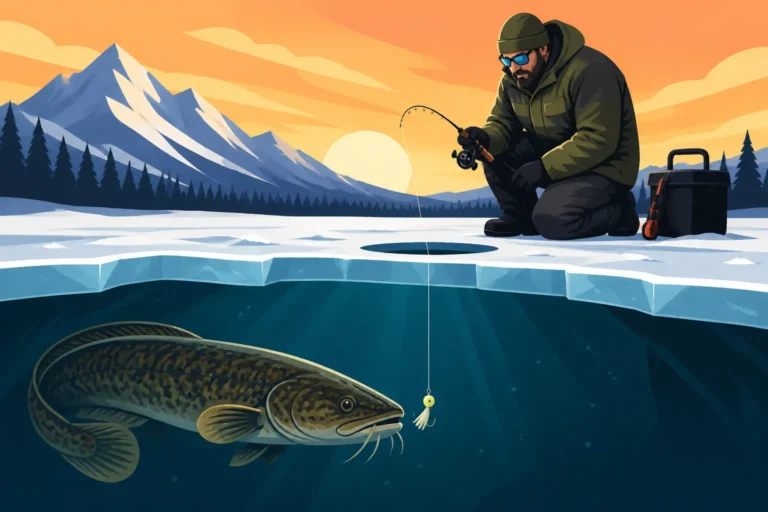
- Burbot: Also known as "eel-pout" or "poor man's lobster," burbot are unique, snake-like bottom dwellers that are most active after dark. They're often caught when fishing for walleye in deeper water. Scent is key for burbot; a glow-in-the-dark jigging spoon tipped with a generous piece of fresh bait (like a minnow head or belly meat) fished right on the bottom is a classic setup. They're surprisingly good eating! Learn more about Burbot Fishing in Alberta for successful night expeditions.
| Species | Typical Depths (Feet) | Preferred Baits/Lures | Notes |
|---|---|---|---|
| Walleye | 15-40 | Jigging Spoons, Minnows, Lipless Crankbaits | Low light activity, structure oriented |
| Northern Pike | 5-25 | Large Dead Baits (Tip-ups), Large Spoons, Tubes | Weed beds, aggressive strikes |
| Lake Trout | 40-100+ | Heavy Jigging Spoons, Tube Jigs, Large Plastics | Deep, cold lakes, powerful fighters |
| Yellow Perch | 10-30 | Small Tungsten Jigs, Maggots, Wax Worms | Schooling, constant action |
| Lake Whitefish | 20-60 | Small Jigs, Maggots, Plastic Flies | Bottom feeders, light bite |
| Burbot | 20-50+ | Glow Spoons, Minnow Heads, Scented Baits | Night fishing, bottom dwelling |
Choosing Your Ice Fishing Destination in Alberta
Alberta is blessed with an abundance of lakes and reservoirs, each offering its own unique ice fishing experience. From vast prairie lakes to secluded mountain gems, there's a spot for every angler and every target species.
Popular Lakes for Walleye and Pike
When it comes to pursuing walleye and pike through the ice, some lakes consistently deliver.
- Lesser Slave Lake: This massive northern lake is an absolute mecca for both walleye and pike. Its vastness means there's always a new spot to explore. Anglers flock here, especially during the peak season, setting up numerous ice shacks. For walleye, focus on main lake points, transition areas from soft to hard bottom, and deeper flats. Pike will be found in shallower bays and around remaining weed beds. Our specific guide on Lesser Slave Lake Walleye Fishing can provide even more detail.
- Pigeon Lake: Located southwest of Edmonton, Pigeon Lake is another fantastic multi-species lake, famous for its walleye and abundant perch. It's a shallower lake, making fish location sometimes easier, but also more susceptible to varying ice conditions. Look for structure like the rock piles or subtle depth changes.
- Gull Lake: North of Red Deer, Gull Lake is a popular choice for pike and walleye. It's known for its relatively clear water and varied structure. Early and late ice can be particularly good here, but always prioritize safety, especially in areas with currents or springs.
- Lac La Biche: Northeast of Edmonton, this large lake offers excellent opportunities for walleye, pike, and perch. Its numerous bays and islands provide ample habitat.
- Keho Lake: Near Bashaw, Keho Lake is a long-standing favourite for northern pike, often producing impressive specimens. It has good weed beds even under ice that hold these aggressive predators.
These lakes are often busy, especially on weekends, so be prepared for company. They also typically have good access points and sometimes even ice road infrastructure. If you're looking for the best places for these species, check out our Best Walleye Lakes in Alberta guide.
Mountain Lakes for Trout and Whitefish
For a different kind of ice fishing experience, often surrounded by stunning Rocky Mountain scenery, Alberta’s mountain lakes are hard to beat, particularly for lake trout, rainbow trout, and whitefish.
- Cold Lake: Straddling the Alberta-Saskatchewan border, Cold Lake is legendary for its massive lake trout. It's a deep, clear lake, and anglers here often use heavy jigging spoons in depths exceeding 100 feet to entice these leviathans. The sheer size of this lake means endless exploration, but also requires specialized gear and caution. For the full scoop on targeting lakers, see our Cold Lake Lake Trout Fishing guide.
- Kananaskis Lakes (Upper and Lower): These picturesque lakes in Kananaskis Country offer stunning views and opportunities for rainbow trout, cutthroat trout, and sometimes even brook trout. They are generally shallower than Cold Lake and can be very productive with smaller jigs, maggots, or even tiny spoons. Always check specific regulations for these lakes, as some may have special limits or bait restrictions.
- Stocked Ponds: Alberta has numerous small ponds and lakes across the province that are regularly stocked with rainbow trout, offering easy access and consistent action, especially for families and beginners. These spots are fantastic for a quick trip, often producing good numbers of pan-sized trout. Many of these are listed in our guide to Alberta Stocked Trout Lakes. Just be aware that ice safety can vary quickly on smaller bodies of water.
Lesser-Known Gems and Local Favorites
Beyond the well-known hotspots, Alberta has countless smaller lakes, reservoirs, and even some rivers (with extreme caution and knowledge of currents) that offer fantastic ice fishing. These spots often see less pressure and can provide a more secluded experience.
- Sylvan Lake: While popular in summer, Sylvan Lake offers good ice fishing for pike, walleye, and whitefish.
- Sturgeon Lake: Near Grande Prairie, this lake is known for walleye and pike, and can be very productive.
- Chain Lakes: In the foothills, Chain Lakes offers trout and pike, with beautiful scenery.
- Oldman Reservoir: This large reservoir in southern Alberta can hold pike, walleye, and burbot.
The key to finding these "hidden" gems is to talk to local tackle shops, check regional fishing forums, and consult the latest "Alberta Guide to Sportfishing Regulations." Local knowledge is gold, and sometimes, a short drive to a less-pressured lake can yield incredible results. Just remember to always practice good etiquette and leave these spots cleaner than you found them.
Mastering Ice Fishing Techniques and Strategies
Ice fishing isn't just about drilling a hole and dropping a line. While that can work, consistently successful anglers employ a range of techniques and strategies to locate, attract, and catch fish.
Reading the Ice: Structure, Depths, and Fish Location
One of the biggest challenges in ice fishing is that you can't see the water. This is where modern electronics and a good understanding of fish behavior come into play.
- Using Electronics: Your fish finder (flasher or graph) is your window to the underwater world. Learn to interpret the signals: hard bottoms, soft bottoms, weeds, baitfish, and most importantly, your target fish. Pay attention to how fish react to your lure – are they rising to meet it? Ignoring it? Following it then turning away? Adjust your presentation accordingly. Mark promising spots with your GPS.
- Understanding Contours and Structure: Just like open water, fish relate to structure. On a lake map (many apps like Navionics or Lakemaster offer detailed bathymetry), look for points, humps, sharp drop-offs, submerged islands, and channels. These are natural highways and feeding grounds for fish. Walleye might be on the edges of a deep flat, while pike might be cruising a shallow weed line. Trout could be suspended over the deepest part of the lake or relating to an underwater hump.
- Finding Transition Areas: The intersection of different habitats often holds fish. A sand-to-rock transition, or a weed line meeting open water, can be a hotspot. These are where baitfish often gather, and predators follow. Don't be afraid to drill a grid of holes to explore an area thoroughly. The most successful ice anglers are often the most mobile.
Jigging and Deadsticking: The Dynamic Duo
These two techniques often go hand-in-hand and can be incredibly effective when used together.
- Jigging: This is an active form of fishing where you use short, sharp lifts and falls of your rod tip to impart action to your lure. Different jigging styles work for different species:
- Walleye: Often prefer a more subtle presentation. A few sharp lifts followed by a pause, letting the bait fall naturally, can trigger a strike.
- Pike: Can respond to aggressive, erratic jigs that mimic a fleeing baitfish.
- Lake Trout: Often require long, sweeping lifts followed by a slow fall, or a rapid "power jig" to draw them in from a distance.
The key is to experiment until you find what the fish want on a particular day.
- Deadsticking: This involves using a second rod (where legal, check Alberta Bag and Possession Limits by Species for specific rules) with a bait, often a live or dead minnow, suspended motionless or with minimal movement. This acts as a 'set-line' that fish can commit to, especially finicky ones. A slip bobber can indicate bites with incredible sensitivity. Deadsticking often complements an active jigging rod; the jigging attracts fish, and the deadstick offers an easy meal. Many anglers find their biggest fish come off the deadstick.
Setting Up Tip-Ups for Passive Angling
Tip-ups are a quintessential ice fishing tool, especially popular for targeting aggressive species like northern pike and walleye. They allow you to cover a wider area and present bait passively.
- When to Use Tip-Ups: They are fantastic when you want to fish multiple holes simultaneously (again, check regulations on the number of lines allowed). They're particularly effective for pike, who often hit a suspended dead bait with conviction. Walleye also respond well to tip-ups, especially in conjunction with active jigging.
- Proper Baiting and Setup: Set your tip-up with a sturdy leader (wire for pike, heavy fluorocarbon for walleye), a sharp hook, and a suitable bait. For pike, a large frozen herring or sardine suspended a few feet off the bottom is common. For walleye, a lively minnow is hard to beat. Ensure your line spools freely.
- Monitoring and Excitement: Space your tip-ups out strategically to cover different depths or structural elements. The thrill of seeing a flag pop up, indicating a fish has taken the bait, is one of the most exciting moments in ice fishing! Be ready to carefully approach the hole, feel for the fish, and hand-line it in.
Alberta Ice Fishing Regulations and Ethical Practices
Responsible angling is paramount, ensuring that Alberta's fisheries remain healthy and productive for generations to come. Familiarizing yourself with the rules isn't just about avoiding fines; it's about respecting the resource.
Understanding Your License and WIN Card
Before you even think about stepping onto the ice, you need to ensure you're legally equipped.
- Alberta Fishing License: Everyone 16 years of age and older needs a valid Alberta Sportfishing License to fish in Alberta, with very few exceptions (like some Indigenous rights or specific provincial park rules, which you should always confirm). This license helps fund conservation efforts. You can purchase it online through the MyWildAlberta portal or from authorized vendors. Our Alberta Fishing License Guide for 2026 provides a detailed breakdown of options and requirements.
- Alberta WIN Card: In addition to your fishing license, you need a Wildlife Identification Number (WIN) card. This card is your unique identifier for all hunting and fishing licenses in the province. It's valid for five years, and you'll need its number to purchase any license. If you don't have one, or yours has expired, you'll need to purchase or renew it. Understanding your Alberta WIN Card, Explained is crucial for any Alberta angler.
Always carry your valid license and WIN card with you while fishing, either in physical form or digitally, as enforcement officers can request to see them.
Bag Limits, Bait Bans, and Zone-Specific Rules
Alberta's fishing regulations are designed to protect fish populations and ensure sustainable angling. These rules can be complex and vary significantly by region, water body, and even by time of year.
- The Alberta Guide to Sportfishing Regulations: This is your bible for Alberta fishing. You absolutely must carry a current copy (physical or digital) and consult it before every trip. It details general regulations, as well as specific rules for each of Alberta's numerous fishing zones and individual water bodies. Our guide on Reading the Alberta Guide to Sportfishing Regulations can help you navigate its complexities.
- Bag and Possession Limits: These specify how many fish of a certain species you can keep per day (bag limit) and how many you can have in your possession, including at home (possession limit). These limits are critical for maintaining healthy fish stocks. For example, some lakes have zero possession limits for certain trout species, while others might allow a generous number of perch. Check out Alberta Bag and Possession Limits by Species for a general overview, but always verify with the official guide.
- Bait Bans and Gear Restrictions: Many waters in Alberta, particularly those with sensitive trout populations, have bait bans or restrictions on specific types of bait (e.g., no live minnows, no scented baits). Some waters also mandate the use of barbless hooks only. These rules are in place to prevent the spread of aquatic invasive species and to increase the survival rate of released fish. Ignoring these can result in significant fines.
Always confirm the specific regulations for the lake or river you plan to fish before you head out. These rules are subject to change annually.
Keeping the Ice Clean and Safe
Beyond regulations, ethical angling includes being a good steward of the environment and respectful of other users.
- Pack It In, Pack It Out: Whatever you bring onto the ice – food wrappers, bait containers, broken line, empty propane canisters – must be packed out. There’s nothing worse than arriving at a beautiful spot only to find it littered with trash from previous anglers. Leave no trace.
- Responsible Ice Hut Practices: If you use a permanent ice hut, ensure it is clearly marked with your name and address (or WIN number) and removed by the designated date to avoid it becoming litter or a hazard during spring melt. If you use a portable shelter, always clean up any debris around your fishing hole.
- Disposal of Fish Waste: If you clean fish on the ice, be sure to dispose of the offal properly. Do not just leave it on the ice for animals to spread or for it to create an unsightly mess when it thaws. Take it home for proper disposal, or if allowed, deep-freeze it for later use as compost or bait. In some areas, scattering it widely in deep water might be permissible, but confirm this locally.
- Respect Private Land and Other Users: Always respect private property boundaries and access points. Be mindful of noise, especially if you're using power augers or snowmobiles. Share the resource responsibly.
Tips for an Enjoyable and Safe Ice Fishing Experience
Ice fishing can be one of the most rewarding ways to enjoy Alberta's winter, but a little planning goes a long way in making it safe and enjoyable for everyone.
Preparing for the Elements
Alberta winters are no joke, and the weather on a frozen lake can change rapidly and be far more extreme than in town.
- Check the Forecast: Before heading out, always check the weather forecast for temperature, wind chill, and precipitation. Wind is often the biggest factor on the ice, making even mild temperatures feel frigid. Dress for colder conditions than forecast, especially for wind chill.
- Emergency Kit Essentials: Beyond fishing gear, pack a dedicated emergency kit. This should include extra warm clothing layers, a fire starter, a small shovel, a charged power bank for your phone, a first-aid kit, a whistle, and a headlamp (even if you plan to be back before dark, delays happen).
- Stay Hydrated and Fueled: It's easy to get dehydrated in cold, dry air. Bring plenty of water, and consider a thermos of hot coffee, tea, or soup. Pack high-energy snacks like granola bars, nuts, and sandwiches. Your body burns more calories staying warm.
- Recognize and Prevent Hypothermia: Know the signs of hypothermia (shivering, confusion, clumsiness). If you or a fishing partner start showing symptoms, get warm immediately, change into dry clothes, and seek shelter. Prevention is key: dress in layers, stay dry, and don't push your limits.
Group Trips and Family Fun
Ice fishing is uniquely suited for group outings and family adventures, creating lasting memories and fostering a love for the outdoors.
- Make It a Social Event: Invite friends or family. Sharing a heated shelter, chatting, and cheering each other on when a flag goes up enhances the experience tenfold. It’s an ideal way to bond.
- Teach the Kids: Ice fishing is fantastic for introducing children to angling. The enclosed nature of a shelter provides warmth, and the vertical presentation is often easier for little hands to manage. Panfish, like perch, provide consistent action, keeping kids engaged. A portable buddy heater, perhaps sourced from Amazon for convenience, can keep everyone toasty inside the shelter.
- Share Responsibilities: Divide up the tasks: one person drills holes, another sets up the shelter, another prepares the deadsticks. Sharing the workload makes the setup and takedown much faster and more enjoyable. Everyone contributes to the success of the trip.
- Embrace the Camaraderie: There's a special unspoken connection among ice anglers. Don't be shy to strike up a conversation with folks in the next shack, share tips, or even ask for help if you need it. The ice fishing community in Alberta is generally friendly and supportive.
Planning Your Day and Maximizing Success
A well-planned trip is often a successful trip, both in terms of fish caught and overall enjoyment.
- Pre-Trip Planning: Before you even leave home, consult your maps, check the regulations for your chosen lake, and ensure all your gear is in working order. Spool fresh line, sharpen your auger blades, and charge all your electronics batteries.
- Timing is Everything: While you can catch fish all day, certain times are often more productive. For walleye, dawn and dusk are prime. For pike, mid-day can be great, especially if the sun is out and hitting shallow weed beds. Trout often have active periods throughout the day. Don't be afraid to be on the ice early or stay a little later if conditions allow and fish are biting.
- Stay Mobile: Don't be afraid to move if the fish aren't biting. Drill a few holes, fish for 15-30 minutes, and if there's no action or you're not seeing fish on your finder, move to a new spot. Sometimes moving just 50 feet can make all the difference. The fish aren't always where you drop your first line.
- Adapt to Conditions: Every day on the ice is different. The weather, fish activity, and bite can change. Be ready to adjust your bait choice, jigging style, or depth until you crack the code. Persistence and adaptability are key attributes of a successful ice angler.
Disclaimer
The information provided in this guide is for general informational purposes only and is not intended as legal or professional advice. Fishing regulations in Alberta are subject to change and vary by water body and season. Always consult the most current "Alberta Guide to Sportfishing Regulations" published by the Government of Alberta before heading out to fish. Ensure you possess all necessary licenses and comply with all safety protocols. Ice conditions can be extremely dangerous; always exercise extreme caution and prioritize safety above all else. The author and publisher are not responsible for any accidents, injuries, or legal issues resulting from the use of this information.