Best walleye spots on the Battle River
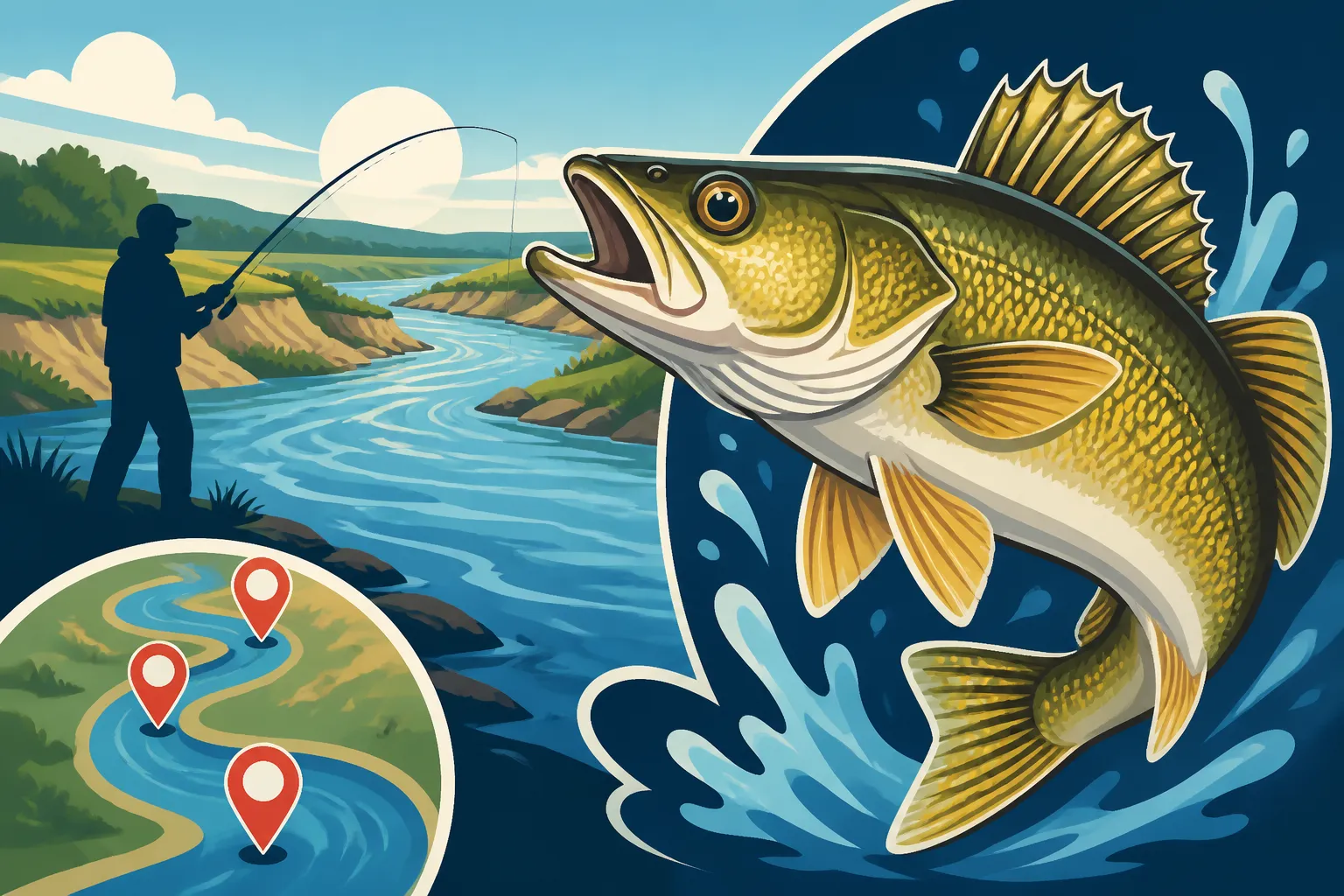
Trying to find those sweet, sweet walleye honey holes on a river like the Battle River can feel like a real puzzle. It's not like a big lake where you can just troll endlessly; river walleye demand a different kind of detective work, often hiding in plain sight or in subtle breaks. This guide is going to cut through the guesswork, pointing you directly to some of the most promising walleye spots on the Battle River and arming you with the knowledge to make your next trip a success.
Understanding the Battle River's Walleye Habitat and Behavior
The Battle River, winding its way through central Alberta's diverse landscapes, is a quintessential prairie river. It's known for its meandering course, often slower flow compared to mountain rivers, and a bottom composition that varies from silty mud to stretches of gravel and sand. This unique environment dictates where walleye live, feed, and spawn, making a deep understanding of its character crucial for success.
River walleye are often more current-oriented than their lake-dwelling cousins. They're masters of conserving energy, preferring to lie in ambush in slower water just out of the main current, waiting for unsuspecting baitfish to drift by. Think of them as opportunistic diners; they don't want to fight the buffet line if they don't have to. Key features like current breaks, depth changes, and submerged structure become absolute magnets for these fish. A sharp bend in the river that creates an eddy, a deeper hole scoured out by faster flows, or a submerged log jam can hold multiple walleye. These spots offer both refuge from the current and prime feeding lanes. Unlike still waters, the river is constantly bringing food to them.
Water clarity and flow rates are also huge factors. After heavy rains, the Battle River can become quite turbid, making sight fishing impossible and pushing walleye towards structure where they can feel vibrations or rely more on scent. During periods of low, clear water, they might become more skittish and hug deeper channels or heavy cover. Understanding these subtle shifts is what separates a good day from a frustrating one. The river's ecosystem supports various forage species, from minnows and shiners to crayfish and smaller rough fish, all of which contribute to the diet of a healthy walleye population. Knowing what the walleye are likely feeding on at any given time can help you choose the most effective bait or lure. For more general insights into their feeding habits, you might want to check out our guide on What Walleye Eat in Alberta Lakes.
Top Walleye Hotspots and Access Points on the Battle River
Identifying the prime locations on the Battle River for walleye often comes down to finding accessible spots that offer the structural elements walleye love. While the river itself is extensive, certain stretches and access points consistently produce better results for anglers targeting these tasty fish.
Wainwright Area: Historical Productivity
The stretch of the Battle River near Wainwright, specifically where Highway 14 crosses, has historically been a reliable area for walleye. This section of the river tends to have a good mix of deeper bends, cut banks, and some gravelly bottoms that create ideal walleye habitat. Public land access points, often unmarked trails or road allowances leading down to the river, can be found around this area. Anglers frequently target the deeper pools just downstream of significant current breaks or natural constrictions in the river.
One common strategy here is to hike a bit away from the immediate bridge access to find less pressured water. Look for areas where the river widens slightly or where submerged debris (like old fallen trees) has accumulated. These spots provide excellent cover and current breaks. Early morning or late evening fishing, especially during the warmer months, can be particularly productive as walleye move into shallower feeding areas. When the river is running a bit higher, these deeper pockets offer refuge, concentrating the fish.
Hardisty and Forestburg Sections: Hidden Gems
Further upstream, the areas around Hardisty and Forestburg offer some fantastic, albeit sometimes less accessible, walleye opportunities. The river here continues its meandering journey, creating numerous oxbows, deeper bends, and pinch points that are classic walleye holding areas. Access in these rural areas often requires a bit of local knowledge or careful scouting of public road allowances.
Near Forestburg, for example, there are stretches where the river flows through more wooded areas, providing plenty of natural structure in the form of fallen timber. These log jams and submerged trees can be challenging to fish due to snags, but they are often teeming with walleye. Using weedless jigs or bottom bouncer rigs can help minimize frustration while maximizing your chances. The river in these parts is often slower, making it ideal for drifting with live bait or slowly dragging jigs. If you're looking for guidance, sometimes local bait shops in towns like Hardisty can offer up-to-date information on river conditions and specific access points. You might even find local guides through platforms like FishingBooker who specialize in these less-traveled stretches, providing invaluable insight and access.
Downstream Towards Highway 41: Less Pressure, More Promise
As you move downstream, east of Wainwright towards the Highway 41 crossing, the Battle River can offer excellent, less-pressured fishing. This section becomes even more remote in parts, rewarding anglers willing to explore. Here, the river still maintains its characteristic prairie meanders, with significant turns and deeper cut banks providing prime walleye real estate.
Anglers often focus on the outside bends of the river, where the current has carved out deeper channels. These deeper sections often hold concentrations of walleye, especially during colder water periods or when they're retreating from bright sunlight. Additionally, look for any feeder creeks or smaller tributaries joining the main river. These confluences often bring in fresh oxygen and food, attracting walleye to the immediate area. While finding specific named "spots" can be harder in these more remote areas, using mapping apps to identify public access points and then systematically fishing likely structural features will pay dividends. Always respect private property and ensure you have permission before accessing land that isn't publicly designated for recreation.
Here's a quick overview of what to look for at these general locations:
| Battle River Section | Key Features for Walleye | Best Approach | Access Considerations |
|---|---|---|---|
| Wainwright Area | Deeper bends, cut banks, gravel, current breaks. | Jigging, bottom bouncing, slip bobbers near structure. | Highway crossings, public land allowances; scout for walking trails. |
| Hardisty Area | Oxbows, slow pools, submerged timber, varied bottom. | Slow drifting live bait, weedless jigs, trolling small crankbaits. | Rural roads, some unmarked points; local knowledge helpful. |
| Forestburg Area | Wooded sections, log jams, deep scour holes, natural cover. | Heavy cover fishing, weedless rigs, focused casting into eddies. | Similar to Hardisty; often requires more scouting and effort. |
| Highway 41 East | Deep outside bends, tributary confluences, remote channels. | Long drifts with bait, methodical jigging, trolling longer stretches. | More remote, requires maps for public access; less pressure. |
Effective Techniques and Seasonal Strategies for Battle River Walleye
Catching walleye on the Battle River, like any moving water, requires adapting your techniques to the flow, depth, and time of year. These fish are masters of their environment, and understanding their seasonal patterns is key to consistent success.
Springtime: Pre-Spawn and Post-Spawn Opportunities
Spring is a high-energy time on the Battle River. As the ice melts and water temperatures begin to rise, walleye start thinking about spawning. The Battle River walleye typically spawn in shallow, rocky, or gravelly areas, often in the main river or sometimes in tributary streams if conditions are right. Before the spawn, walleye will stage in deeper pools adjacent to these spawning grounds, feeding aggressively to build up energy. This is a fantastic time for targeting them with lipless crankbaits, jigs tipped with minnows or soft plastics, and even slowly trolled crankbaits. For more details on this crucial period, you might want to read about Walleye Spawning Season in Alberta.
After the spawn, which usually occurs when water temperatures are between 6°C and 10°C (43-50°F), walleye will be recuperating and gradually spreading out. They'll still be found relating to current breaks and structure, but might be less aggressive immediately post-spawn. Focus on slower presentations with live bait like minnows or worms on a simple hook-and-sinker rig, or slowly jigging plastics. Remember to always be aware of specific zone regulations during the spring, as some areas may have closures or special restrictions to protect spawning fish.
Summer: Current Breaks and Deep Structure
As summer progresses and water temperatures climb, Battle River walleye typically settle into predictable patterns. They'll gravitate towards cooler, oxygenated water and strong current breaks. Deep scour holes, the downstream side of large boulders or log jams, and eddies created by sharp bends are prime targets. During the heat of the day, they might be found in the deepest available water, moving shallower during low light conditions in the early morning or late evening.
Effective techniques for summer walleye on the Battle River include jigging with heavier jigs (1/4 to 3/8 oz, depending on current) tipped with a Berkley Gulp! minnow or a real minnow. Bottom bouncer rigs paired with a spinner and a leech or worm are also deadly for covering water from a boat or even slowly wading. For those fishing from shore, a slip bobber rig drifted into current breaks with a live minnow can be incredibly effective. Consider a guided trip if you're unfamiliar with the area; a local expert knows the nuances. You can often find experienced guides through services like FishingBooker who specialize in river walleye. Our comprehensive guide on How to Catch Walleye in Alberta provides even more detailed strategies.
Fall: The Pre-Winter Feeding Frenzy
Fall on the Battle River is often heralded as one of the best times for walleye fishing. As water temperatures drop, walleye sense the approaching winter and begin a massive feeding frenzy to pack on reserves. They become more aggressive and less particular about baits. This is when you can really clean up!
Walleye will often move shallower during the day, particularly on overcast days, but still relate heavily to structure. Trolling crankbaits that mimic baitfish, like Rapala Shad Raps or Berkley Flicker Shads, can be incredibly productive, especially in wider, deeper stretches of the river. Vertical jigging in deeper holes with heavy spoons or large jigs tipped with plastics or shiners is another go-to tactic. Look for large schools of baitfish, as walleye will often be close behind. This intense feeding period makes for some of the most memorable fishing experiences.
Winter: Ice Fishing Opportunities
While the Battle River is primarily thought of as open-water fishing, some stretches offer limited ice fishing opportunities, particularly in wider, slower pools or oxbows that freeze safely. Always exercise extreme caution when ice fishing on a river, as current can create unstable ice conditions even in very cold temperatures. Always check local conditions and ice thickness before venturing out.
If conditions are safe, winter walleye can be found in deeper holes or basins where the current is minimal. Jigging spoons tipped with a minnow head or small scented plastics are effective. Flashers or sonar units are invaluable for locating fish holding tight to the bottom. Though less common than lake ice fishing, Battle River walleye caught through the ice can be some of the biggest and most rewarding.
| Season | Key Walleye Behavior | Recommended Techniques | Best Lures/Baits |
|---|---|---|---|
| Spring | Pre-spawn staging, post-spawn recovery. | Jigging, slow trolling, slip bobbers. | Jigs (minnow/plastic), lipless crankbaits, live minnows/worms. |
| Summer | Holding in current breaks, deeper structure. | Jigging, bottom bouncing, drifting slip bobbers. | Jigs (minnow/plastic), spinner rigs (leech/worm), live minnows. |
| Fall | Aggressive pre-winter feeding frenzy. | Trolling crankbaits, vertical jigging, casting jigs. | Crankbaits (shad/minnow imitations), heavy jigs (plastic/shiner), spoons. |
| Winter | Concentrated in deep, slow pools (ice fishing). | Vertical jigging. | Jigging spoons (minnow head), small scented plastics. |
Remember that walleye in rivers can be nomadic, moving with baitfish and changing river conditions. Be prepared to move and experiment with different presentations until you crack the code for the day. And always consult the latest Alberta Guide to Sportfishing Regulations for specific limits and seasonal restrictions in the zone you are fishing. For instance, understanding the Alberta Walleye Limit by Zone is crucial.
Local Considerations and Conservation Efforts
Fishing the Battle River is a privilege, and it comes with the responsibility of adhering to regulations and practicing good conservation habits. The health of the walleye population depends on all of us. Always be aware of the specific fishing regulations for the particular zone of the Battle River you are on, as rules can vary. This includes bag and possession limits, size restrictions, and any bait restrictions. You can find detailed information in the annual Alberta Guide to Sportfishing Regulations, which is your go-to resource for all legal requirements.
Conservation efforts are vital for maintaining healthy fish stocks in Alberta. For walleye, this often means respecting catch and release practices, especially for larger, older spawning fish. If you do keep fish, only take what you need and adhere strictly to the legal limits. Proper handling of fish you intend to release, minimizing their time out of water, and using appropriate landing nets (like rubberized nets) can significantly increase their survival rates. Avoiding fishing during peak spawning times in sensitive areas, or adhering to specific closures, helps ensure future generations of walleye.
The Battle River, like many prairie rivers, is susceptible to environmental changes, including water levels influenced by precipitation and agricultural runoff. Being mindful of your impact on the shorelines and surrounding environment is also part of being a responsible angler. Pack out all your trash, avoid disturbing riparian zones, and generally leave no trace. If you're passionate about the future of fishing in Alberta, consider getting involved with local conservation groups or reporting any suspicious activity to Alberta Fish and Wildlife.
Disclaimer
The information provided in this guide is for general informational purposes only and is subject to change. Always consult the most current Alberta Guide to Sportfishing Regulations and obtain the necessary licenses before engaging in any fishing activities. Fishing conditions can vary, and personal safety should always be your top priority.