Best burbot lakes in northern Alberta
Finding the best spots to chase burbot in northern Alberta can feel like searching for a hidden treasure, especially with their elusive, bottom-dwelling nature and preference for deep, cold waters. Many anglers get frustrated trying to pinpoint where these unique fish lurk, often resorting to guesswork or sticking to overcrowded, less productive areas. This comprehensive guide is here to change that, revealing the top burbot lakes across northern Alberta and equipping you with the knowledge, techniques, and planning tips you'll need to successfully target these delicious "freshwater cod."
Understanding Burbot in Northern Alberta Waters
Burbot, often affectionately known as "mariah" or the "poor man's lobster," are truly unique fish. Unlike most freshwater species, they belong to the cod family, and their solitary, nocturnal habits make them a fascinating target for dedicated anglers. Northern Alberta, with its vast network of deep, cold lakes, provides an ideal environment for these intriguing creatures to thrive.
The Allure of the "Poor Man's Lobster"
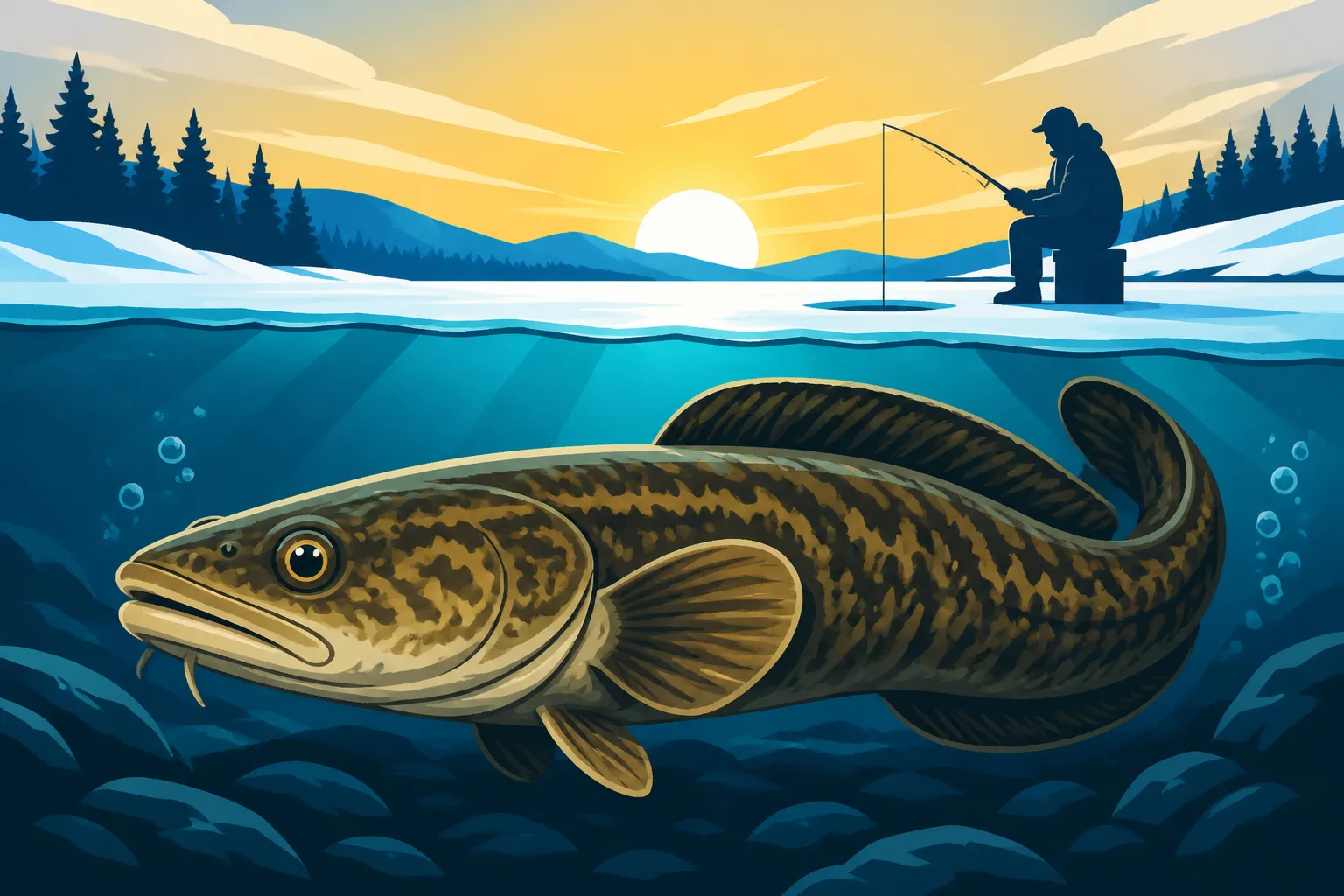
There's something incredibly satisfying about catching a burbot. For starters, their firm, white, flaky meat is absolutely delicious – many compare it to lobster, especially when boiled and dipped in butter. Beyond their culinary appeal, burbot offer a different kind of angling challenge. They're not flashy fighters like trout or pike, but they put up a steady, powerful pull that can be quite exciting, especially when you're pulling them up from significant depths. Their smooth, eel-like body and single barb under their chin give them a prehistoric charm that sets them apart from other species in Alberta's waters. They're primarily sought after during the colder months, making them a fantastic target for dedicated ice anglers looking for something other than the usual walleye or pike.
Burbot Habitat and Behavior
Burbot are fundamentally a cold-water species, preferring the deep, dark recesses of large lakes and rivers. In northern Alberta, this means they're often found hugging the bottom, congregating around underwater structures like rock piles, humps, sharp drop-offs, and submerged timber. They are quite sensitive to light, which is why they tend to be most active from late afternoon through the night, particularly during the twilight hours and early morning. During the day, they'll usually retreat to the deepest, darkest holes, only emerging to feed as light levels drop.
Their diet is quite varied, consisting mainly of smaller fish like cisco, perch, and even juvenile whitefish, along with crayfish and other invertebrates found on the lakebed. This predatory nature, combined with their preference for deep, structured environments, gives anglers clear clues as to where and how to target them. Understanding their tendency to stay close to the bottom is key; your bait needs to be right in their strike zone, often within a foot or two of the lakebed. While they are resilient fish, it's always good practice to handle any species you intend to release with care, minimizing air exposure and using appropriate landing gear. Anglers should also always be aware of the specific rules for any body of water they are fishing, including Alberta's bag and possession limits by species, which ensures sustainable fishing practices.
Top Burbot Lakes in Northern Alberta
Northern Alberta boasts some truly exceptional burbot fisheries, thanks to its extensive network of deep, cold-water lakes. While many lakes hold burbot, a few stand out for their consistent productivity and the potential for catching larger specimens.
Lesser Slave Lake: A Renowned Burbot Fishery
Without a doubt, Lesser Slave Lake is often crowned as the premier burbot destination in Alberta. This massive, shallow-basin lake might seem counterintuitive for a deep-water species, but its vast size and abundant forage base make it incredibly productive. The burbot here are known for their impressive size and numbers, especially during the ice fishing season.
The key to Lesser Slave Lake's burbot success lies in its vast flats and gradual drop-offs that eventually lead to deeper channels and basins. While the lake isn't exceptionally deep overall, there are plenty of areas, particularly in the eastern basin near Faust or the deeper stretches north of Canyon Creek, where burbot congregate. These areas offer consistent cold temperatures and access to ample food. Anglers often target depths ranging from 20 to 50 feet, focusing on areas where the bottom structure changes, like subtle humps or the edges of historical river channels.
During the winter, when the ice is thick and safe, Lesser Slave Lake transforms into a burbot paradise. Many anglers set up permanent shacks or portable shelters and fish through the night, as this is when the burbot are most active. You can find excellent information about specific tactics in our guide on Lesser Slave Lake burbot fishing. Furthermore, understanding the best ice fishing access on Lesser Slave Lake can make a huge difference in your success, leading you to prime locations safely and efficiently. Local fishing reports often highlight the importance of mobile electronics to identify bottom features and concentrations of baitfish, which are crucial for finding these bottom-dwellers.
Cold Lake: Deep Waters and Abundant Opportunities
While Cold Lake is widely celebrated for its incredible lake trout fishing, it's also a fantastic, often overlooked, burbot fishery. As one of Alberta's deepest lakes, reaching depths of over 100 meters (around 328 feet), Cold Lake provides vast expanses of prime, cold-water habitat that burbot absolutely love.
The burbot in Cold Lake tend to be found in deeper water than on Lesser Slave, often in the 60 to 120-foot range, especially during open water seasons. When ice fishing, they can be found shallower, but still often relate to the deepest accessible areas or steep breaks leading into them. Focus your efforts on the extensive underwater structure that characterizes Cold Lake, such as prominent points, deep humps, and the edges of sharp drop-offs. These features provide burbot with both ambush points for feeding and cover for resting during daylight hours.
Many anglers who come for Cold Lake lake trout fishing find themselves pleasantly surprised by the burbot they pull up, especially when jigging spoons or large tube jigs near the bottom. The key here is patience and thoroughly working deep structure. Just remember, while targeting lake trout you also need to be mindful of the Alberta lake trout limit on Cold Lake, and similar regulations apply to burbot. Cold Lake's sheer size means there are endless opportunities, and local knowledge or a good depth map can be invaluable for pinpointing these deep-water gems.
Other Productive Northern Alberta Burbot Spots
While Lesser Slave and Cold Lake are top-tier, northern Alberta offers several other excellent lakes where you can find good burbot action. Each has its own unique characteristics and offers a slightly different fishing experience.
- Lac La Biche: Located southeast of Lesser Slave Lake, Lac La Biche is another large, productive lake that holds a healthy population of burbot. Similar to Lesser Slave, its depths are more moderate, and burbot tend to relate to the deeper channels and structural changes on its extensive flats. Winter fishing is particularly popular here, with anglers often targeting depths of 20-40 feet. The lake also offers good public access, making it a convenient option for many. Knowing the best public fishing access on Lac La Biche can save you valuable fishing time.
- Lake Athabasca: Extending into both Alberta and Saskatchewan, Lake Athabasca is a truly massive body of water, offering incredible wilderness fishing opportunities. While famous for its trophy pike and lake trout, it also supports a substantial burbot population. Due to its remote nature, accessing prime burbot spots often involves a bit more planning, perhaps even a fly-in trip or extensive boat travel. The burbot here are often found in very deep water, similar to Cold Lake, relating to complex underwater topography. For a deeper dive into this remote fishery, consult a Lake Athabasca fishing guide.
- Pigeon Lake: While not as far north as some others, Pigeon Lake is an accessible and popular lake near Edmonton that surprisingly yields good numbers of burbot, especially through the ice. Its deeper basin areas, particularly the central and western parts of the lake, hold burbot. While individual fish might not reach the trophy sizes seen in Lesser Slave or Cold Lake, the consistent action makes it a great choice for a day trip.
- Other smaller, regional lakes: Many other lesser-known lakes across northern Alberta, especially those with good depth and forage, will hold burbot. Exploring local maps and asking at bait shops or local fishing forums can often reveal hidden gems that aren't as heavily pressured. Always check the Alberta Guide to Sportfishing Regulations for specific rules on these smaller lakes, as regulations can vary significantly.
| Lake Name | Primary Burbot Season | Typical Depths (feet) | Key Features for Burbot | Notes |
|---|---|---|---|---|
| Lesser Slave Lake | Winter (Ice Fishing) | 20-50 | Vast flats, gradual drop-offs, deeper channels in eastern basin | Premier burbot destination, excellent numbers and size, busy ice fishery |
| Cold Lake | Winter & Open Water | 60-120+ | Deep humps, steep breaks, extensive underwater structure | Excellent trophy potential, often caught while targeting lake trout |
| Lac La Biche | Winter (Ice Fishing) | 20-40 | Deeper channels, structural changes on flats | Consistent action, good accessibility |
| Lake Athabasca | Winter & Open Water | Very deep (variable) | Remote, complex deep structure, wilderness experience | Trophy potential, requires more planning and access |
| Pigeon Lake | Winter (Ice Fishing) | 25-45 | Central/western basin deeper areas | Accessible, good numbers, closer to Edmonton |
Proven Techniques for Catching Northern Alberta Burbot
Burbot fishing can be incredibly rewarding, but it often requires a specific approach tailored to their bottom-dwelling habits and nocturnal tendencies. Whether you're drilling holes in the ice or exploring open water, certain techniques consistently prove more effective.
Ice Fishing: The Prime Time for Burbot
Winter is undeniably the prime season for burbot in northern Alberta. Once the ice is safely formed and thick enough, anglers flock to the best lakes, often setting up for overnight stays to capitalize on the burbot's peak activity periods. Our comprehensive guide to ice fishing in Alberta covers many of the general safety and setup tips you'll need.
- Jigging and Deadsticking: These are the two most common and effective methods.
- Jigging: Active jigging with heavy spoons or weighted jigs (1/2 oz to 1 oz or more, depending on depth and current) is excellent for attracting burbot. Drop your lure to the bottom, kick up some silt, then lift it 6-12 inches and let it flutter back down. Repeat this motion, sometimes adding pauses. The idea is to mimic a struggling baitfish or a foraging creature on the bottom, creating vibrations and visual appeal. You'll often feel a subtle weight or "mushy" bite rather than a hard strike.
- Deadsticking: This involves setting up a second rod (where regulations allow) with a baited hook suspended just off the bottom in a separate hole. Often, a simple dropper rig or a slip sinker rig with a large hook (like a 2/0-4/0 octopus hook) and a generous piece of cut bait (see below) works wonders. This passive approach often catches burbot that are cruising through the area and pick up on the scent. Combining active jigging with a deadstick offers the best of both worlds, covering both aggressive and hesitant fish. For more detailed insights, check out our article on jigging for burbot through the ice.
- Night Fishing: Burbot are primarily nocturnal feeders. While you can catch them during the day, your success rates will skyrocket from dusk till dawn. This means bringing a good lantern or headlamp, and if you plan to stay out overnight, a portable ice shelter with a heater is essential for comfort and safety.
- Hole Placement: Focus on areas with known structure, like points, humps, or the edge of a drop-off into deeper water. Don't be afraid to drill a series of holes to cover a wider area and find the fish. A fish finder or flasher is incredibly useful for identifying bottom structure and showing you when burbot are approaching your bait.
Open Water Burbot Strategies
While less common than ice fishing, targeting burbot during the open water season can also be productive, especially in late fall or early spring. The key is to remember their deep-water, nocturnal habits.
- Nighttime Bottom Bouncing: This technique is highly effective from a boat. Anchor over known deep structure (rock piles, drop-offs, sunken islands) and present baited rigs on the bottom. A three-way swivel rig or a slip sinker rig with a heavy weight (1-3 oz) to keep your bait pinned to the bottom is ideal. Fish multiple rods at varying depths if regulations allow, using lights or bells to detect subtle bites.
- Deep Water Trolling: In very large, deep lakes like Cold Lake or Lake Athabasca, slow trolling with deep-diving crankbaits or large spoons tipped with bait can entice burbot. Focus on speeds that keep your lure near the bottom, often directly on structure. This is a more active way to cover ground and find scattered fish.
- Electronics are Critical: A good fish finder with down and side imaging can be invaluable for locating the deep-water structures and even individual fish that burbot relate to during open water. Marking these waypoints will allow you to return to productive spots.
Baits and Lures That Attract Burbot
Burbot are primarily scent-driven predators, so smelly baits are often the most effective, especially when paired with visual attractors.
- Cut Bait: This is perhaps the most universal and effective burbot bait. Pieces of oily fish like cisco, herring, smelt, or even strips of sucker work exceptionally well. The oil and scent disperse in the water, drawing burbot in from a distance. Cut the bait into chunks roughly 1-2 inches long, making sure it stays securely on your hook.
- Shrimp: Believe it or not, raw shrimp (the kind you buy at the grocery store) is a phenomenal burbot bait. It's incredibly smelly and burbot seem to find it irresistible. It's often used in conjunction with a jig or a bottom rig.
- Glow Jigs and Spoons: Since burbot are light-sensitive and often feed in low-light conditions or deep water, glow-in-the-dark lures are highly effective. Charge them frequently with a strong light source (UV flashlights work best). Colors like chartreuse, orange, and white are also excellent choices, especially when tipped with a piece of cut bait or shrimp. Common lures include Northland Buck-Shot Rattle Spoons, Swedish Pimples, or various soft plastic jigs.
- Scent Additives: Even if you're using bait, adding a commercial scent spray or gel specifically designed for fish can boost its drawing power, especially for slower-moving burbot.
Planning Your Northern Alberta Burbot Adventure
A successful burbot trip to northern Alberta isn't just about knowing where the fish are; it's also about proper planning, understanding the seasons, having the right gear, and prioritizing safety.
When to Go: Seasonal Burbot Peaks
While burbot can be caught year-round in northern Alberta's deep lakes, certain times of the year offer significantly better fishing. The Alberta fishing season dates by zone are important to review, as regulations can dictate when you can target certain species.
- Winter (Ice Fishing): This is hands down the best time to target burbot. From late December through March, once safe ice has formed, burbot are highly active and accessible through ice holes. Their spawning season typically occurs in late winter (February-March), during which they can be particularly concentrated and aggressive. The peak fishing often aligns with the coldest months, when other fish might be less active, making burbot a winter hero.
- Late Fall / Early Spring (Open Water): As water temperatures cool down in the fall or are still cold in early spring, burbot activity picks up in shallower areas before they retreat to their deepest haunts for summer. Night fishing from a boat during these shoulder seasons can be very productive.
- Summer: While possible, summer burbot fishing is generally the most challenging. They move to the deepest, coolest parts of the lakes and are less active during daylight hours. This typically requires specialized deep-water electronics and techniques. Most anglers prefer to target other species during the warmer months.
Essential Gear and Safety Considerations
Equipping yourself properly is crucial, especially for winter burbot fishing in northern Alberta's often harsh conditions.
- Rods and Reels: A medium-heavy to heavy action ice fishing rod (30-40 inches) or a medium-heavy conventional rod (6-7 feet) for open water, paired with a durable spinning or baitcasting reel, is ideal. You'll want something stout enough to handle heavy weights and potential larger fish from deep water.
- Line: 10-20 lb monofilament or fluorocarbon is sufficient, but many anglers prefer 20-30 lb braided line for its sensitivity and strength, often with a fluorocarbon leader for abrasion resistance.
- Shelter and Heater: For winter, an insulated portable ice shelter or a permanent shack is almost a necessity for overnight comfort and safety. A propane heater (like a Buddy Heater) will keep you warm. Always ensure proper ventilation to prevent carbon monoxide buildup.
- Electronics: A good ice flasher or fish finder is invaluable for identifying depth, bottom structure, and even fish present under your hole. For open water, a boat-mounted fish finder is essential.
- Safety Gear: Ice picks, a throw rope, and a fully charged cell phone are non-negotiables for ice fishing. Always tell someone where you're going and when you expect to return. For open water, a well-maintained boat with all required safety equipment, including life jackets, is paramount. Our guide to the best ice fishing gear for Alberta covers these items in more detail.
- Lighting: Headlamps, lanterns, and portable lights are essential for night fishing.
Hiring a Guide or Booking a Trip
While going DIY is always an option, especially with the information in this guide, hiring a local fishing guide can significantly increase your chances of success, particularly if you're new to burbot fishing or unfamiliar with northern Alberta's vast lakes. Guides have intimate knowledge of local conditions, fish movements, and hotspots that only come with years of experience. They can also provide all the necessary gear, bait, and safety equipment, making your trip much smoother and more enjoyable.
For those looking to secure a professional guide or book an all-inclusive fishing trip to some of these prime burbot lakes, platforms like FishingBooker offer a convenient way to connect with local outfitters and charter services. They list numerous experienced guides who specialize in specific species and seasons, including ice fishing for burbot. Whether you're looking for a day trip on Lesser Slave Lake or a more extensive adventure on Cold Lake, FishingBooker can help you find the perfect match. Utilizing a guide not only boosts your chances of catching fish but also ensures you're fishing legally and safely. For instance, a local guide will ensure all anglers have their Alberta fishing license guide for 2026 in order and understand the specific regulations for the water you're on. Booking through reputable services like FishingBooker can offer peace of mind, especially when venturing into remote northern territories.
Disclaimer
Fishing regulations and conditions in Alberta can change. Always consult the most current Alberta Guide to Sportfishing Regulations before heading out on the water. Ice conditions can be unpredictable; always exercise extreme caution and prioritize safety. This guide is for informational purposes only.