Best fall fishing spots in Alberta
As the vibrant greens of summer begin to fade and the crisp chill of autumn settles over Alberta, many anglers feel a pang of sadness, thinking the best fishing is behind them. But trust me, that couldn't be further from the truth! Fall fishing in Alberta offers some of the most rewarding, beautiful, and often solitary experiences of the year, provided you know where to cast your line. This comprehensive guide will take you through the absolute best fall fishing spots across our magnificent province, helping you extend your angling season with unforgettable catches.
Why Fall Fishing in Alberta is Absolutely Worth It
There's a unique magic that settles over Alberta's landscapes in the autumn months. The air is clear, the crowds thin out, and the fish, well, the fish are often more active than at any other time of the year. It's a sweet spot between the heat of summer and the icy grip of winter that serious anglers eagerly anticipate.
The Magic of Cooler Temperatures and Active Fish
When those summer heatwaves finally subside and the water temperatures start to dip, something truly incredible happens beneath the surface. Many of our prized fish species, especially trout, walleye, and pike, get a serious case of the munchies. They know winter is coming, and they need to pack on as much weight as possible to survive the leaner months ahead. This pre-winter feeding frenzy means they're often more aggressive, less selective, and willing to chase down a well-presented lure or fly. You'll often find fish in different areas than during the summer, moving from deep, thermocline-dependent zones to shallower, more accessible haunts as the lake water begins to turn over and cool uniformly. This makes them easier to locate and often results in more consistent bites throughout the day.
Another fantastic aspect of cooler temperatures is the comfort level for us anglers. Gone are the sweltering days, the relentless sun, and the pesky insects that can make a summer day on the water less enjoyable. Instead, you're greeted with crisp air that invigorates the senses, making long hours of casting feel much more pleasant. It's a chance to really connect with the natural world without the distractions of peak season. Just remember to layer up!
Breathtaking Scenery and Solitude
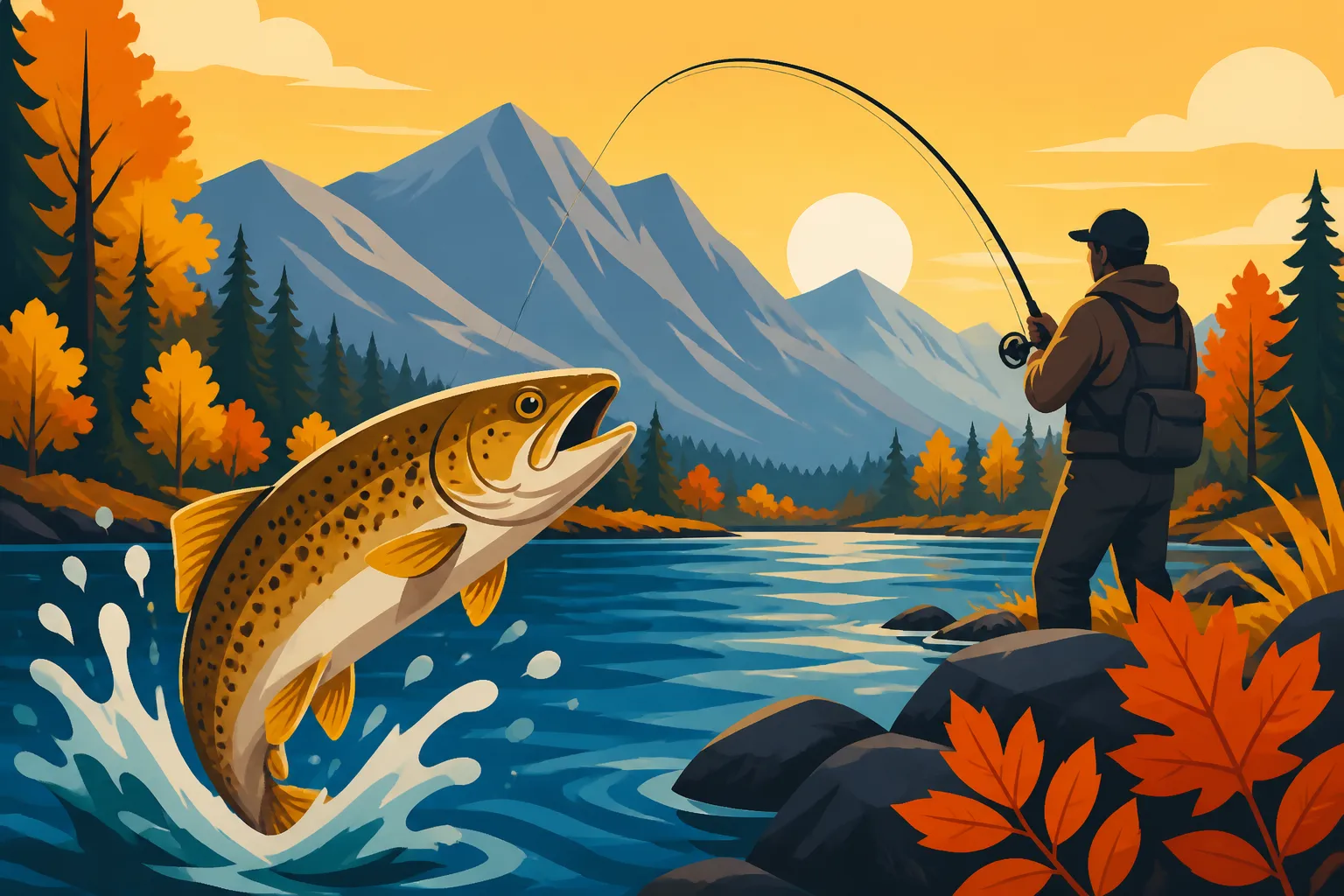
Beyond the fantastic fishing opportunities, fall in Alberta delivers some of the most stunning scenery imaginable. Imagine casting your line against a backdrop of golden aspen, fiery red maple, and deep green pine forests reflected on a glassy lake. The air often has a certain clarity, and the light is softer, creating picturesque moments that fill your soul as much as your creel. These are the kinds of days you remember forever, not just for the fish, but for the sheer beauty of being out there.
One of the biggest advantages of hitting the water in the fall is the significant drop in angling pressure. Most fair-weather anglers have packed up their gear, leaving many prime spots quieter and more serene. You'll often find yourself with entire stretches of river or vast expanses of lake all to yourself, allowing for a more peaceful and contemplative fishing experience. This solitude is a precious commodity in our busy world, and fall provides an abundance of it. Whether you're seeking a moment of quiet reflection or simply want to avoid the crowds, the autumn months are your best bet. If you're looking for an isolated experience, consider booking a remote trip with services like FishingBooker to guide you to truly secluded waters.
Prime River Spots for Autumn Angling
Alberta is blessed with an incredible network of rivers, and many of them truly shine during the fall. The decreasing water levels in some streams can concentrate fish, making them more predictable, while others experience fantastic insect hatches that keep trout looking up.
The Mighty Bow River
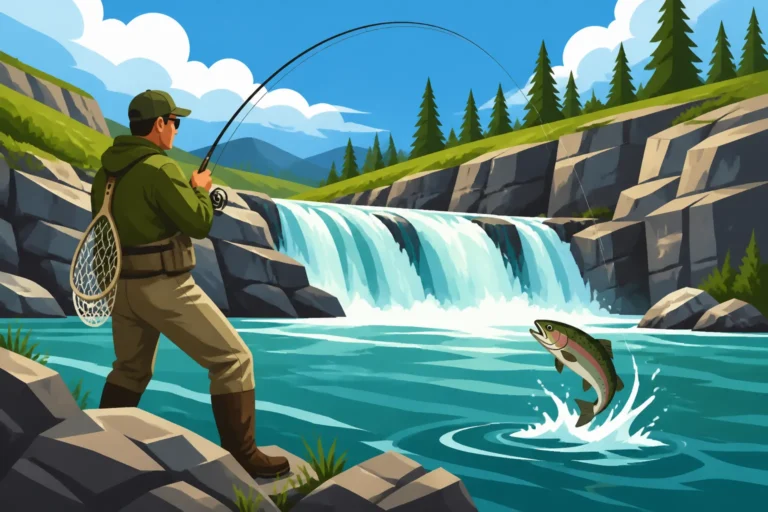
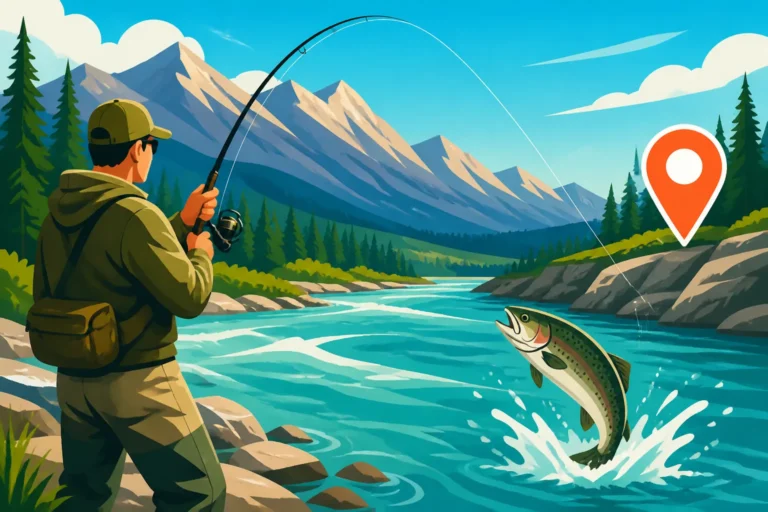
When we talk about river fishing in Alberta, the Bow River immediately springs to mind, and for good reason. It's world-renowned for its trophy rainbow and brown trout, and fall is arguably one of the best times to experience it. As the temperatures drop, these trout become incredibly active, feeding aggressively in preparation for winter.
The stretch of the Bow River from Calgary downstream to Carseland Dam is particularly famous. In the fall, you'll often find big brown trout moving into shallower spawning areas, though remember to handle them with extreme care and release them quickly. Rainbows are also prevalent, often holding in the deeper runs and pools, or cruising the riffles for late-season insect activity. Fly fishing for trout on the Bow River during this time can be exceptional, with streamers and nymphs being particularly effective patterns. Look for the October Caddis hatch, which can bring some truly massive fish to the surface. Wading access can be found at various public points, or consider hiring a drift boat guide for a full-day float, which covers more water and gets you into less pressured spots. For a deeper dive into this incredible fishery, check out our Bow River Fishing Guide The Alberta Fishing Regulations Explained guide is crucial here, as regulations can vary by specific river sections.
Crowsnest River's Mountain Charms
Heading south into the scenic Crowsnest Pass, the Crowsnest River offers another spectacular fall fishing experience, particularly for cutthroat and bull trout. This river is a true gem, winding through stunning mountain landscapes, and in the fall, the colours are simply breathtaking.
The cutthroat trout here are vibrant and willing to take a variety of presentations. You'll often find them in the deeper pools and runs, but don't overlook the seams and eddies where current meets slack water. Streamer patterns, small nymphs, and even larger dry flies on warmer days can be very effective. It's important to remember that bull trout in Alberta have a Alberta Bull Trout Zero Possession Rule due to their threatened status, meaning they must be released immediately and unharmed. If you're lucky enough to hook one of these majestic native char, admire its beauty and ensure a quick, gentle release. The sections around Lundbreck Falls and further upstream offer fantastic opportunities, with plenty of public access points. Early morning or late afternoon can be prime times as fish actively forage before the night's chill sets in.
Lesser-Known Gems: Oldman and Red Deer Rivers
While the Bow and Crowsnest rivers often steal the spotlight, Alberta boasts other fantastic river systems that come alive in the fall. The Oldman River, particularly its lower sections, can be excellent for northern pike and walleye as they start to congregate in deeper pools and slow stretches. The scenery here is more prairie and badlands, offering a different, rugged beauty.
Similarly, the Red Deer River, especially downstream of the city of Red Deer, can be highly productive. While known for its goldeye and pike, the fall often sees an increase in walleye activity. These rivers require a bit more exploration, but the reward can be substantial – less competition and some truly fantastic fishing. Techniques here often lean towards traditional spinning gear with jigs, crankbaits, or even dead bait for pike. Always check the current Alberta Fishing Season Dates by Zone for these specific river sections, as regulations can change by zone and species.
Top Lakes for Fall Lunkers
If you're more of a lake angler, Alberta's vast and numerous lakes offer phenomenal fall opportunities. As the water cools, fish often move shallower, making them more accessible from shore or small boats, and their feeding patterns become more predictable.
Cold Lake for Lake Trout
Cold Lake, straddling the Alberta-Saskatchewan border, is a bucket-list destination for any angler seeking a truly magnificent lake trout. Fall is prime time here, as these deep-water giants move up into shallower depths, often congregating around structures, points, and sudden drop-offs.
During late fall, as the water continues to cool and approaches turnover, lake trout can be found anywhere from 20 to 60 feet deep, much shallower than their summer haunts of 80+ feet. Trolling with large spoons, swimbaits, or even downriggers with dodgers and flies can be incredibly effective. Jigging spoons or heavy tubes vertically over structure can also produce spectacular results. A good fish finder is invaluable here to locate schools of baitfish and the lakers pursuing them. For more specific insights on targeting these magnificent fish, explore our guide on How to Catch Lake Trout in Alberta. The sheer size of the lake offers endless possibilities for exploration, and services like FishingBooker can help connect you with experienced guides who know the autumn patterns on Cold Lake intimately.
Lesser Slave Lake for Walleye and Pike
Lesser Slave Lake, Alberta's largest lake, is legendary for its walleye and northern pike fishing, and the fall bite can be absolutely insane. As the water cools, both species become voracious feeders, schooling up and moving closer to shallower foraging grounds.
For walleye, look for them staging along weed edges, rocky points, and submerged humps at depths of 10-30 feet. Jigs tipped with minnows or plastics, bottom bouncers with crawler harnesses, and trolling crankbaits are all highly effective. The cooler water also tends to improve the firmness and flavour of the walleye, making them even more desirable table fare (within the specific Alberta Walleye Limit by Zone of course!). Pike, too, go on a feeding frenzy. They'll often be found cruising weed lines and shallow bays, ready to ambush unsuspecting baitfish. Large spoons, spinnerbaits, and swimbaits cast into these areas can lead to explosive strikes. The sheer size of Lesser Slave Lake means there's always a new spot to explore, and the fall colours around the shoreline only add to the experience. Dive deeper into this fishery with our Lesser Slave Lake Fishing Guide.
Other Productive Lakes
Don't overlook other fantastic lakes scattered across the province for fall action. Pigeon Lake, just southwest of Edmonton, is a popular spot for walleye and pike, and the fall bite can be fantastic. Its relatively shallow nature means it cools down quicker, triggering earlier feeding. Gull Lake, also known for its walleye and northern pike, and even decent yellow perch, sees a resurgence of activity in autumn.
For those looking for a different experience, some of Alberta's stocked trout lakes remain open and can provide excellent action through the fall, especially for rainbow and brook trout that have grown larger throughout the summer. Check the regulations carefully, as some lakes have earlier closures, but many offer extended seasons. These lakes might offer a more relaxed atmosphere and easier access for a casual fall outing.
| Fall Fishing Spot | Primary Species | Key Fall Attraction | Typical Techniques |
|---|---|---|---|
| Bow River | Rainbow Trout, Brown Trout | Aggressive feeding, pre-spawn movements (browns), insect hatches (October Caddis) | Fly fishing (streamers, nymphs, dries), spin fishing (spoons, jerkbaits) |
| Crowsnest River | Cutthroat Trout, Bull Trout | Active feeding, stunning mountain scenery, less pressure | Fly fishing (nymphs, small streamers, dries), spin fishing (small spinners) |
| Cold Lake | Lake Trout | Moving shallower, aggressive feeding | Trolling (spoons, swimbaits), jigging (spoons, tubes), downrigging |
| Lesser Slave Lake | Walleye, Northern Pike | Pre-winter feeding frenzy, schooling behavior | Jigging (minnows, plastics), trolling (crankbaits), casting (spoons, spinnerbaits) |
| Oldman River (lower) | Northern Pike, Walleye | Congregated in deeper pools, less crowded | Spin fishing (jigs, crankbaits, dead bait for pike) |
| Red Deer River (lower) | Walleye, Northern Pike | Increased walleye activity, diverse fishery | Spin fishing (jigs, crankbaits), casting (spoons) |
| Pigeon Lake | Walleye, Northern Pike, Perch | Consistent walleye bite, active pike | Jigging, trolling, casting, dead sticking for perch |
Essential Fall Fishing Tips for Alberta
Fall fishing is a different beast than summer. The conditions can change rapidly, and the fish behave a little differently. Being prepared is key to a successful and enjoyable outing.
Gear Up for the Cold
The biggest challenge in fall fishing is often the weather. What starts as a crisp, sunny morning can quickly turn into a chilly, damp, and even snowy afternoon. Layering is not just recommended; it's absolutely essential. Start with a moisture-wicking base layer, add insulating fleece or wool layers, and top it off with a waterproof and windproof outer shell. A good quality toque (beanie), warm gloves, and insulated waterproof boots are non-negotiable. Cold hands and feet can quickly cut a fantastic fishing trip short. Hand warmers are also a great addition, especially if you're planning an all-day excursion.
Don't forget about safety gear. While boating in fall, the water temperatures are dangerously cold. If you fall in, hypothermia can set in quickly. Always wear a PFD (personal flotation device) – not just have it in the boat. For those exploring remote areas or using services like FishingBooker for guided trips, confirm that your outfitter provides all necessary safety equipment and that you're dressed appropriately for the conditions.
Adjusting Your Tactics
Fish behavior changes significantly in the fall. While they are often more aggressive, they might also be holding in different parts of the water column or structure. In rivers, trout will often be found in deeper runs or pools, but might still rise to a hatch on warmer, sunny afternoons. Streamers that imitate larger baitfish are deadly for hungry trout and pike, as they're trying to pack on calories. For walleye and lake trout, presentations can sometimes be slower. A jig-and-minnow combo fished patiently along a drop-off can be more effective than a fast-moving crankbait.
Consider the depth. As surface waters cool, the entire water column can become more uniform in temperature, allowing fish to roam more widely. However, they'll still be looking for structure and ambush points. Pay attention to how deep the baitfish are holding, as the predators won't be far behind. Experiment with different depths and retrieves until you find what triggers a strike. Fall often means less light penetration due to lower sun angles and potentially more cloudy days, so don't shy away from brighter, more visible lure colours. Our guide on Best Techniques for Fall Trout Fishing and Best Techniques for Early Spring Pike (many of which apply to fall) can offer more specific tactical advice.
Pay Attention to Regulations and Conditions
Fall fishing, while incredible, also brings with it important considerations regarding regulations and environmental conditions. Many specific zones and water bodies have season closures that start in late fall, particularly for certain species or in spawning areas. Always consult the most current Alberta Guide to Sportfishing Regulations before heading out. This critical document will outline specific dates, bag limits, and any special restrictions like bait bans or barbless hook requirements.
Water levels can also fluctuate significantly in the fall, especially in rivers. Lower water can make some areas more accessible but also concentrate fish, making them more sensitive to pressure. Conversely, heavy autumn rains can cause rivers to swell and become turbid, making fishing challenging. Keep an eye on local weather forecasts and river flow reports. Remember that ice can start to form in shallower, northern lakes towards late fall, creating unsafe conditions. Prioritize safety above all else, and if in doubt, choose a different location or postpone your trip. The fall also marks a time when some fish species, like brown trout, begin their spawning rituals. It's crucial to exercise extreme caution and practice diligent catch and release if you encounter spawning fish to ensure the health of future populations.
Disclaimer
Fishing regulations and conditions in Alberta can change frequently. Always consult the current Alberta Guide to Sportfishing Regulations before planning any fishing trip. This article is for informational purposes only and does not supersede official government regulations.