Best Crown land fishing lakes near Grande Prairie
For many anglers, the thought of escaping the crowds and finding a truly wild fishing experience is a powerful draw. But actually finding those hidden gems, especially on Crown land, can feel like trying to locate a secret treasure map. You might spend hours scouring satellite images, driving down obscure logging roads, only to hit a dead end or find private property. This guide is here to cut through that frustration, helping you uncover some of the best Crown land fishing lakes near Grande Prairie, Alberta, and offering practical advice to make your adventure a success.
Understanding Crown Land Fishing in Alberta
Before we dive into specific locations, let's clarify what "Crown land" means for an angler in Alberta. Essentially, Crown land is public land managed by the provincial government, distinct from provincial parks, national parks, or private property. It's often vast, undeveloped, and offers a more rugged, self-reliant fishing experience. Unlike many developed campgrounds or resort lakes, Crown land access usually means fewer amenities, less infrastructure, and a greater sense of wilderness.
What Makes Crown Land Unique for Anglers
The appeal of Crown land for fishing is undeniable. For starters, you're looking at much less pressure on the fish. While popular lakes see constant angling, these more remote spots often harbour healthier populations of various species, simply because fewer people venture out to them. This can translate into better catch rates and, sometimes, larger fish that haven't seen every lure in the tackle box.
Another significant draw is the solitude. If you're tired of rubbing elbows with other boats or casting shoulder-to-shoulder on a busy shoreline, Crown land offers a chance to truly immerse yourself in nature. Imagine hearing nothing but the wind in the trees and the splash of your lure – it’s a therapeutic experience that's hard to find elsewhere. However, this solitude also means you need to be prepared. There are no convenience stores for forgotten items, no park rangers just around the corner if you run into trouble.
Essential Rules and Regulations for Crown Land
Just because it's "wild" doesn't mean it's a free-for-all. All provincial fishing regulations apply on Crown land, just as they would anywhere else in Alberta. This includes needing a valid Alberta fishing license, adhering to specific season dates, and respecting bag and possession limits for each species and zone. You'll definitely want to grab the latest copy of the "Reading the Alberta Guide to Sportfishing Regulations" before you head out. Additionally, many Crown land areas around Grande Prairie fall within specific Wildlife Management Units (WMUs), and these can have their own rules regarding access, camping, and fire bans. Always check the Alberta Environment and Protected Areas (AEPA) website for current advisories and specific land use regulations for the area you plan to visit. While basic fishing is usually permitted, setting up a long-term camp or engaging in certain recreational activities might require specific permits, so it's best to be informed.
Top Crown Land Fishing Lakes Near Grande Prairie
The Grande Prairie region, nestled in Alberta's Peace Country, offers a wealth of incredible fishing opportunities, many of which are on lesser-known Crown land lakes. These spots often require a bit more effort to reach, but the reward of unpressured fish and pristine natural beauty is well worth it.
Smaller, Secluded Lakes for Trout and Perch
When you're looking for those truly secluded spots, often stocked with trout or brimming with feisty perch, you'll generally be aiming for smaller, sometimes unnamed or lesser-known lakes that dot the landscape beyond the major highways. These often involve driving down forestry trunk roads or even hiking in.
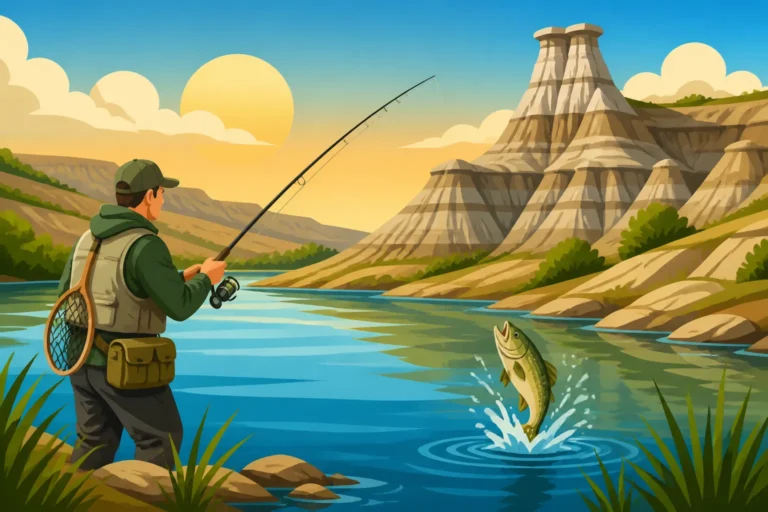
One such example is Muskoseepi Creek Lakes (though some parts are within municipal boundaries, extensive areas flow through Crown land surrounding Grande Prairie). While not technically a "lake" system entirely, the ponds and wider sections of Muskoseepi Creek and its tributaries that wind through Crown areas can hold surprising numbers of smaller trout (often stocked rainbow trout) and, in some deeper pockets, even decent perch. Access might be off quieter service roads or even short walks from designated access points along the creek's broader reaches outside city limits. It’s perfect for a quick evening session with a light spinning rod or fly gear.
Further afield, exploring some of the smaller, unpaved roads leading off Highway 43 or Highway 34 can reveal numerous small, unnamed potholes or dugout lakes. These are often stocked by Alberta Environment and Protected Areas (AEPA) with rainbow trout or tiger trout, offering fantastic, low-pressure angling. For instance, many small lakes in the Saskatoon Mountain Natural Area region, or further west towards the BC border, are nestled within Crown land. You'll need good maps (digital or paper), possibly a reliable GPS, and a keen eye for subtle access points. These often require a short hike through bush or along ATV trails, so prepare to carry your gear in. These waters are often "catch and release only" or have strict limits, so always consult the regulations carefully.
Larger Lakes with Diverse Fisheries
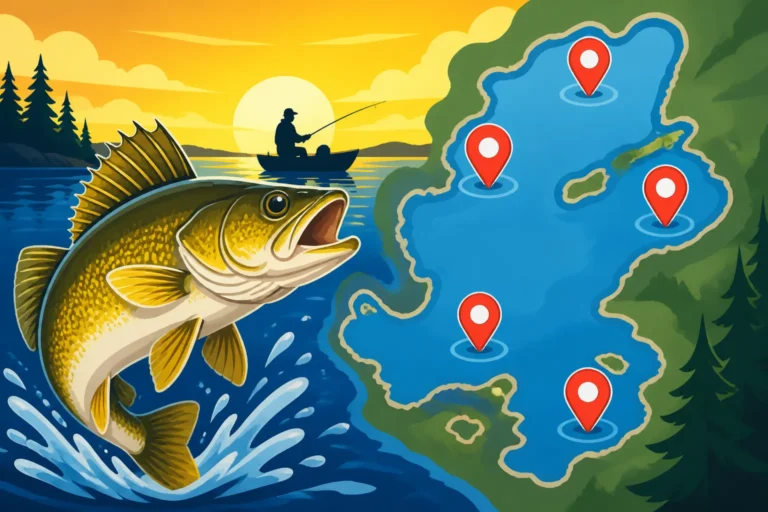
For those seeking a bit more space and the chance to target larger species like walleye, northern pike, or lake whitefish, some of the bigger, more established lakes in the region have extensive Crown land access points. While these might not be as "secret" as the small trout ponds, their vastness means you can still find plenty of solitude away from popular boat launches.
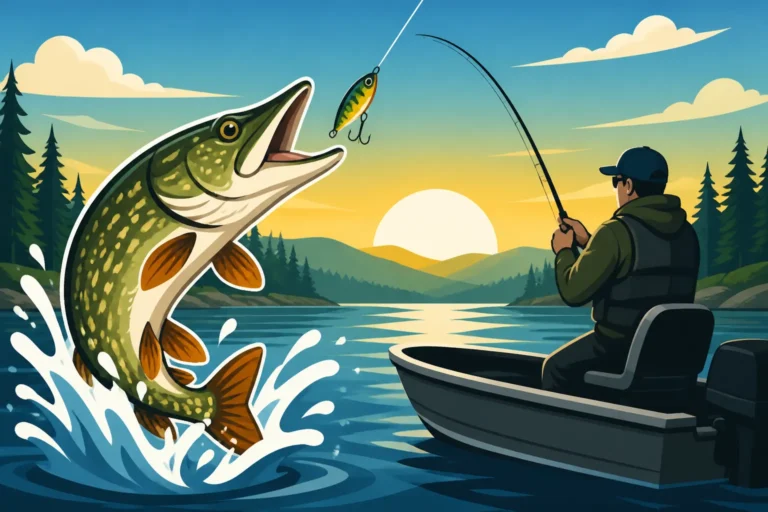
Sturgeon Lake, located east of Grande Prairie near Valleyview, is a prime example. While it has developed areas and campgrounds, large sections of its shoreline, particularly on the northern and eastern sides, are Crown land accessible. Here, you can target substantial populations of northern pike, walleye, and lake whitefish. Access points might involve navigating gravel roads that lead to undeveloped shorelines where you can launch a canoe, kayak, or smaller boat directly into the water. For an informational article on how to approach these species, you might want to read our guide on "How to Catch Walleye in Alberta" or "Northern Pike Fishing in Alberta". These kinds of lakes offer excellent opportunities for boat or shore fishing, and you can often find quiet bays or points that rarely see other anglers. FishingBooker can sometimes list local fishing guides who specialize in these larger lakes if you prefer a guided experience to get acquainted with the prime spots on Crown land sections.
Another significant body of water with Crown land access is Gunderson Lake, located northwest of Grande Prairie. This lake is well-regarded for its northern pike and yellow perch populations. While there are some private properties, numerous unofficial access points allow entry to Crown land sections. Anglers often find success by exploring the various bays and weed lines that characterize the lake. Again, a good map and perhaps some local advice are invaluable here. The sense of exploring and discovering new spots on these larger, yet less developed, shorelines is a huge part of the allure.
Here's a quick comparison of some types of fishing you can expect:
| Lake Type/Example | Target Species | Typical Access | Key Feature for Anglers |
|---|---|---|---|
| Small Pothole Lakes | Rainbow Trout, Perch | Hike-in, ATV trails | High solitude, stocked fish, light tackle |
| Muskoseepi Creek* | Rainbow Trout, Perch | Short walks, service roads | Convenient yet quiet sections, small stream fishing |
| Sturgeon Lake | Walleye, Northern Pike, Whitefish | Gravel roads, unofficial launches | Diverse fishery, larger water, boat/shore options |
| Gunderson Lake | Northern Pike, Yellow Perch | Gravel roads, informal pull-offs | Good pike and perch action, less crowded than others |
*Note: Muskoseepi Creek flows through varied land statuses; focus on Crown land sections for this experience.
Navigating Access and Planning Your Trip
Accessing Crown land lakes near Grande Prairie often requires more than just knowing where they are on a map. It demands preparation, self-reliance, and a respectful approach to the wilderness. Don't expect paved roads, boat launches with docks, or even clear signage directing you to prime fishing spots.
Road Conditions and Vehicle Requirements
Many of the routes leading to Crown land fishing lakes are unpaved forestry roads, gravel paths, or even two-track trails. These roads can be highly variable in condition, depending on recent weather, logging activity, or seasonal use. After heavy rain, they might become muddy and rutted, making them impassable for a regular sedan. A high-clearance vehicle, preferably a 4×4 truck or SUV, is often necessary to reach more remote locations. Always check local road conditions and potential closures before you head out. Websites like MyWildAlberta or even local forestry office contacts can provide crucial updates.
It’s not uncommon to encounter washouts, fallen trees, or areas where the road simply dwindles into a trail. Be prepared to turn back if conditions are beyond your vehicle's capability or your comfort level. Carrying a spare tire, a full-size one, along with basic recovery gear like a shovel, tow strap, and a reliable jack, is highly recommended. These areas are truly remote, and cell service can be spotty or non-existent, meaning a breakdown could leave you stranded for a while.
Tools for Finding Crown Land Access
Modern technology has made finding Crown land much easier than in decades past, but it still takes some effort.
- Alberta's Recreational Access Tool (RAT): This online mapping tool from the province is invaluable. It displays public and private land boundaries, allowing you to identify Crown land and potential access routes. It's a must-have for planning any Crown land adventure.
- Satellite Imagery: Google Maps, Gaia GPS, or other mapping apps with satellite views can help you scout potential trails, clearings, and shoreline access points from the comfort of your home. Look for signs of older logging roads or ATV trails that might lead to a lake.
- Local Knowledge: Sometimes, the best information comes from local anglers. Visit a local tackle shop in Grande Prairie or consult online fishing forums for the region. Be respectful and understand that some anglers might guard their secret spots closely, but many are willing to share general access tips. You can also connect with guides through platforms like FishingBooker who have intimate knowledge of these areas.
- Paper Maps: Don't underestimate the value of a good old-fashioned paper map, especially if your electronics run out of battery or lose signal. Topographic maps can reveal elevation changes, trails, and water features that are less obvious on satellite views.
Ethical Angling and Leave No Trace Principles
Fishing on Crown land comes with a responsibility to protect these wild spaces. Practice strict "leave no trace" principles:
- Pack it in, pack it out: This means absolutely everything you bring in, including all trash, food waste, and fishing line scraps.
- Dispose of waste properly: If there are no outhouses, dig a cat hole well away from water sources for human waste.
- Minimize impact: Stay on existing trails, avoid disturbing wildlife, and camp in established areas if possible.
- Catch and Release: Consider releasing a portion of your catch, especially larger fish, to help sustain the populations in these less-pressured waters. Familiarize yourself with "Best Techniques for Bull Trout Catch and Release" if you're targeting sensitive species.
- Fire Safety: Always be aware of fire bans. If fires are allowed, keep them small, contained, and ensure they are completely extinguished before you leave.
Essential Gear and Safety Considerations
A trip to a remote Crown land lake isn't like a day at a stocked pond. The lack of services and the potential for challenging conditions mean you need to be prepared for anything. Your gear choices and safety planning are paramount.
Recommended Fishing Gear for Crown Land Lakes
Your tackle choice will largely depend on the target species and the size of the lake.
- Versatile Rod & Reel Combos: For smaller trout lakes, a lightweight spinning rod (6-7 feet, light to medium action) with 4-8 lb monofilament or fluorocarbon is ideal. For pike and walleye on larger lakes, a medium-heavy spinning or baitcasting setup (6.5-7.5 feet, medium-heavy action) with 10-20 lb braid and a fluorocarbon leader is a good starting point. Check out our guide on "Best Spinning Rods for Walleye" for more detailed suggestions.
- Lure Selection: Pack a variety. For trout, think small spoons, spinners, and soft plastics. For pike, a selection of spoons, inline spinners, jerkbaits, and soft plastic swimbaits will cover most situations. Walleye will respond well to jigs, crankbaits, and bottom bouncers with worms or leeches. Don't forget an article like "Best Tackle for Alberta Walleye" when planning your tackle box.
- Waders/Waterproof Boots: Essential for shore access in marshy areas or if you plan to wade. The terrain can be unpredictable, and staying dry will make your trip much more enjoyable.
- Portable Craft: If you want to explore beyond the shoreline, a float tube, kayak, or inflatable boat can be invaluable. These are often easier to transport to remote locations than a full-sized aluminum boat. Read up on "Best Kayaks for Alberta Fishing" if you're considering this option.
Crucial Safety Equipment for Remote Trips
This is where planning truly pays off. You are your own first responder on Crown land.
- First-Aid Kit: A comprehensive kit capable of handling cuts, sprains, insect bites, and other common outdoor ailments.
- Navigation Tools: A reliable GPS device (separate from your phone), a compass, and paper maps. Know how to use them.
- Communication: A satellite messenger (like an InReach or Spot device) is highly recommended, as cell service is often unavailable. Inform someone of your itinerary and expected return time.
- Bear Spray and Bear Bell: You are in bear country. Know how to use bear spray and keep it readily accessible.
- Plenty of Water and Food: Pack more than you think you'll need. Dehydration and hunger can quickly turn a fun trip into a dangerous one.
- Appropriate Clothing: Dress in layers, suitable for varying weather conditions. Waterproof outerwear is a must.
- Headlamp/Flashlight: Even if you plan to be back before dark, unforeseen delays can happen.
- Fire Starter: Waterproof matches, a lighter, or a ferro rod for emergency fires.
- Knife/Multi-tool: Always handy for various tasks.
Dealing with Wildlife Encounters
Alberta’s Crown land is home to diverse wildlife, including black bears, grizzlies, moose, and wolves. While encounters are rare, being prepared is key. Make noise while hiking to avoid surprising animals. Store food in bear-resistant containers or hung from a tree, away from your camp. If you encounter a bear, remain calm, make yourself look large, and slowly back away. Never run. Knowing the difference between defensive and predatory behaviour can be critical. This wild environment is their home, and we are guests. For a guided experience that can help with navigating the wilderness, consider looking up local outfitters on FishingBooker who are familiar with specific Crown land regions.
Maximizing Your Crown Land Fishing Experience
Fishing Crown land is about more than just catching fish; it's about the entire experience—the adventure, the solitude, and the connection to nature. To truly maximize your time, a thoughtful approach goes a long way.
Best Times of Year to Visit
The Grande Prairie region offers year-round fishing opportunities, but each season brings its own challenges and rewards on Crown land.
- Spring (Ice-off to mid-June): This is often prime time for pike and walleye as they become more active after spawning. Trout in stocked lakes are also very aggressive. However, roads can be muddy, and lingering ice might block access to some lakes.
- Summer (Mid-June to August): Warm weather means easier access and comfortable camping. Fish can be deeper, requiring different techniques like trolling or deeper jigging for species like lake trout (if present) or walleye. This is a great time for exploring by kayak or canoe.
- Fall (September to Ice-on): Many anglers consider fall the absolute best. Fish, particularly pike and walleye, feed heavily before winter, often becoming more aggressive. The changing leaves create a stunning backdrop, and insect pressure is lower. Access is generally good, as roads are usually dry. This is also a fantastic time for "Fall Trout Fishing Techniques".
- Winter (Ice Fishing): Ice fishing on Crown land lakes can be incredibly rewarding. The peace and quiet of a frozen wilderness are unparalleled. Access can be via snowmobile or tracks in the snow. Just be sure to check "How thick ice needs to be to fish safely in Alberta" before venturing out.
Embrace the Exploration Mindset
Crown land fishing is not about hitting a known honey hole every time. It's about being a detective, reading the water, and embracing the journey.
- Scout New Locations: Use your mapping tools to identify potential new lakes or stretches of river. Even if a spot doesn't produce many fish, the experience of discovering it is a reward in itself.
- Adapt to Conditions: Don't get fixated on one technique or lure. If the fish aren't biting on what you're throwing, switch it up. Experiment with different depths, retrieves, and colors.
- Learn from Every Trip: Pay attention to weather, water conditions, fish behavior, and successful techniques. Keep a fishing journal to record your observations, which will help you on future trips.
Remember, the beauty of Crown land fishing near Grande Prairie lies in its untamed nature. It's a chance to challenge yourself, disconnect from the everyday, and forge a deeper connection with Alberta's stunning wilderness. Prepare well, respect the land, and enjoy the adventure!
Disclaimer
The information provided in this guide is for general informational purposes only. Fishing regulations, access points, and environmental conditions can change frequently. Always consult the official Alberta Guide to Sportfishing Regulations and Alberta Environment and Protected Areas for the most current and accurate information before planning any fishing trip. Be aware of private property boundaries and obtain proper permissions where required. Fishing on Crown land involves inherent risks; proceed with caution and prioritize your safety.