Best fishing spots in Dinosaur Provincial Park
It’s a truly unique experience to combine a passion for angling with the awe-inspiring landscape of a UNESCO World Heritage Site, but knowing where to cast a line in a place like Dinosaur Provincial Park can feel a bit daunting. You want to respect the protected environment while still enjoying a fantastic fishing trip. This comprehensive guide will walk you through the best fishing opportunities within and around Dinosaur Provincial Park, ensuring you're well-prepared for an unforgettable adventure.
Dinosaur Provincial Park: A Unique Angling Experience
Dinosaur Provincial Park isn't just about ancient fossils and otherworldly badlands; it's also home to a surprisingly vibrant aquatic ecosystem. The park's main artery, the Red Deer River, offers a distinct fishing experience that's different from the mountain streams or large prairie lakes many Albertans are accustomed to. For many anglers, the challenge lies in understanding how this unique environment impacts fish behavior and where to find the most productive spots.
The Red Deer River: Heart of the Park's Fishery
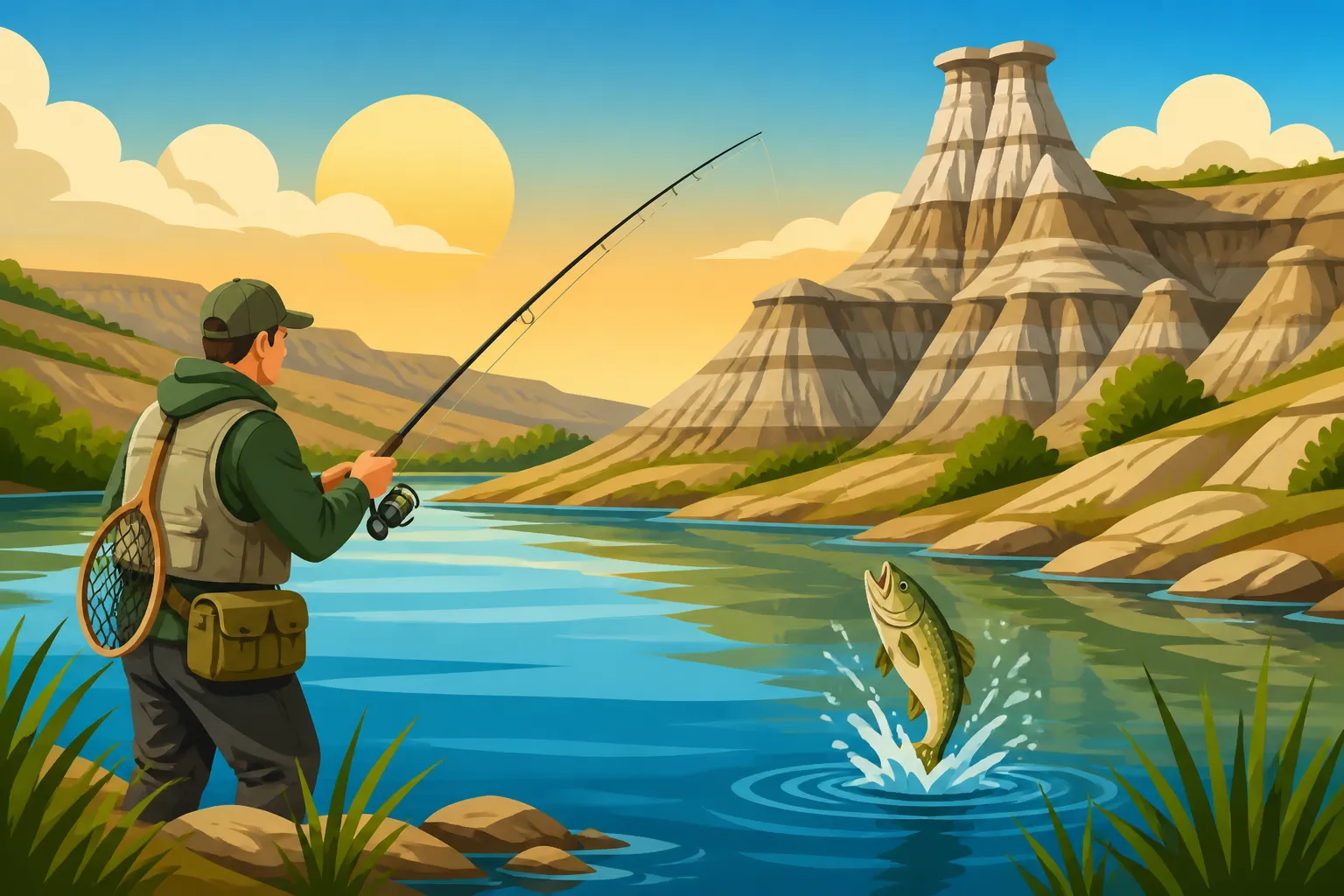
The Red Deer River winds its way through the dramatic badlands of Dinosaur Provincial Park, providing a lifeblood for a variety of fish species. Unlike the fast, cold waters of the Rockies, this section of the Red Deer is typically slower, warmer, and often quite turbid, especially after significant rainfall. This creates a different habitat, favoring species adapted to these conditions. You'll find a mix of sportfish and coarse fish, each presenting their own unique challenge and reward. Anglers often appreciate the solitude and the chance to witness abundant wildlife, from deer and coyotes to various bird species, all against the backdrop of an ancient landscape. It's truly a place where you feel connected to something much older than yourself.
Understanding Park-Specific Regulations
When fishing in a provincial park, it's absolutely crucial to remember that you're in a protected area, and special rules often apply on top of the general provincial regulations. This isn't just about preserving fish stocks; it's about protecting the entire ecosystem and historical significance of the park. Before you even think about packing your gear, you need to ensure you have a valid Alberta fishing license. Knowing the rules isn't just good practice; it's a legal requirement, and penalties for non-compliance, such as those for Alberta fishing without a license penalty, can be severe. Always carry your license and be familiar with the regulations specific to the Red Deer River, especially concerning bait restrictions, bag limits, and specific conservation measures like mandatory catch and release for certain species. Checking the Alberta Guide to Sportfishing Regulations is your first step. It's often helpful to cross-reference the provincial guide with any specific park advisories or signage you might encounter upon arrival, as local variations can occur.
Prime Fishing Spots Within the Park Boundaries
While the entire stretch of the Red Deer River flowing through Dinosaur Provincial Park offers potential, some areas are more accessible or known for better fishing opportunities. The key here is often accessibility and understanding river dynamics rather than pinpointing a specific hidden honey hole.
The Red Deer River's Accessible Banks
For most visitors to Dinosaur Provincial Park, fishing opportunities will be concentrated along the more accessible banks of the Red Deer River. The main park access road typically provides several points where you can get down to the river's edge.
- Near the Campground: The areas closest to the main campground often provide decent shore fishing. The river here can have varying depths, with some deeper bends and slower eddies that can hold fish. These spots are convenient if you're staying in the park and offer relatively easy access for families or those not wanting to hike too far. Expect to find species like walleye, northern pike, and goldeye in these stretches. Casting spoons, spinners, or bait fishing with worms and cut bait can be effective here.
- Downstream Sections: As you move further downstream within the park, the river might become slightly more remote, offering increased solitude. These areas can sometimes feature more defined structure, such as submerged logs or deeper cut banks, which are prime holding areas for fish. Access might require a bit more walking, but the peace and quiet, coupled with the dramatic scenery, can be well worth the effort. Always be mindful of the unstable badlands terrain; stick to marked trails or established paths.
Navigating the Red Deer River by boat, whether a small jon boat or a canoe, can open up many more fishing opportunities. However, boaters must be acutely aware of Alberta Boating Laws for Anglers and river conditions, which can change rapidly. The Red Deer River can have submerged hazards and sandbars, making navigation tricky for the inexperienced.
Target Species and Seasonal Considerations
The Red Deer River through Dinosaur Provincial Park is a warm-water fishery for the most part, though you might encounter some cold-water species too. Understanding what you're likely to catch and when is key to success.
- Walleye: These are a prized catch in the Red Deer. They tend to hang out in deeper pools, behind current breaks, or along submerged structure. The best time to target walleye is generally early morning or late evening, especially during summer. Live bait like leeches or minnows (where permitted), or artificial lures such as jigs and crankbaits, are very effective. You can learn more about How to Catch Walleye in Alberta for general techniques that apply well here.
- Northern Pike: Pike are ambush predators often found in slower-moving sections, near weed beds (if present) or submerged timber. They'll readily strike larger spoons, spinnerbaits, or even topwater lures during warmer months. Pike fishing can be excellent through much of the open water season. If you're keen on pike, checking out How to Catch Northern Pike in Alberta can give you some excellent starting points.
- Goldeye: These acrobatic fighters are abundant and provide consistent action. They are often found in schools, especially in moderately flowing water. Small spoons, spinners, or a simple worm under a bobber can lead to a fun day catching goldeye. They are particularly active during daylight hours.
- Sauger: A close cousin to the walleye, sauger share similar habits and can often be caught using the same techniques. They tend to prefer slightly more turbid water than walleye, making them well-suited to the Red Deer River's conditions.
- Lake Sturgeon: This is a truly ancient and magnificent fish, and critically, Lake Sturgeon in Alberta are a protected species. If you happen to hook one, it must be released immediately and unharmed. This is a strict catch and release rule, and violating it can carry significant penalties. Always be prepared for safe, quick release, minimizing handling time.
Here's a quick overview of what to target:
| Species | Preferred Habitat | Best Techniques | Prime Season/Time |
|---|---|---|---|
| Walleye | Deeper pools, current breaks, structure | Jigs, crankbaits, live bait (minnows) | Summer, early morning/late evening |
| Northern Pike | Slower sections, weeds, submerged timber | Spoons, spinnerbaits, topwater lures | Spring to Fall, anytime |
| Goldeye | Moderate current, schools | Small spoons, spinners, worm & bobber | Spring to Fall, daylight |
| Sauger | Deeper, turbid water, similar to walleye | Jigs, crankbaits, live bait | Summer, early morning/late evening |
| Lake Sturgeon | Deep pools, slow current (Protected) | Accidental catch – release immediately | Year-round (release) |
Remember, always consult Alberta Fishing Season Dates by Zone for the specific regulations for the Eastern Slopes (ES) zones that cover this area, as dates and limits can vary.
Essential Gear and Responsible Practices for Park Anglers
Fishing in Dinosaur Provincial Park isn't just about catching fish; it's about connecting with nature and doing so responsibly. Packing the right gear and adopting ethical practices are paramount.
Recommended Tackle for the Red Deer River
Given the varied species and conditions of the Red Deer River, a versatile tackle setup is your best bet.
- Rods and Reels: A medium-power spinning rod (6'6" to 7'0") paired with a 2500-3000 series spinning reel is highly adaptable. It's suitable for casting various lures and handling the different species you might encounter. For heavier lures or targeting bigger pike, a medium-heavy baitcasting setup could also be beneficial, allowing for more precise casts and stronger retrieves.
- Line: Spool your reels with 10-15 lb braided line for its sensitivity and strength, and attach a 10-12 lb fluorocarbon leader. Fluorocarbon is less visible to fish in clearer water sections and provides good abrasion resistance against submerged snags.
- Lures and Bait:
- Jigs: ¼ to ½ oz jigs tipped with soft plastic grubs or paddle tails in natural colors (green pumpkin, brown, white) are excellent for walleye and sauger.
- Crankbaits: Medium-diving crankbaits in perch, shad, or firetiger patterns work well for walleye and pike.
- Spoons: Classic silver, gold, or five-of-diamonds spoons are irresistible to pike and can also attract goldeye.
- Spinnerbaits: Chartreuse, white, or black spinnerbaits are great for covering water and enticing aggressive pike.
- Live Bait (where permitted): Worms, leeches, or minnows under a bobber or on a bottom rig can be incredibly effective, especially for walleye and goldeye. Always check regulations to ensure live bait use is allowed in the specific area you're fishing.
- Essential Accessories: Don't forget long-nosed pliers for hook removal, a good quality landing net (preferably rubberized to protect fish), a sturdy tackle bag or box to organize your gear, sunscreen, bug spray, a first-aid kit, and plenty of water. A multi-tool with various functions is also always a good idea to have on hand.
Embracing Catch and Release and Conservation Ethics
Fishing in Dinosaur Provincial Park means being a steward of a precious natural and historical environment. Many anglers come here specifically for the chance to fish unique species or simply to enjoy the serenity, and respecting the resource is paramount.
- Catch and Release: While you can keep certain species within legal limits, practicing catch and release for many fish, especially larger breeding-size individuals, helps ensure healthy fish populations for future generations. For species like the Lake Sturgeon, Alberta Catch and Release Only Waters rules are absolute, and it's essential to handle them with extreme care, keeping them in the water as much as possible.
- Minimize Stress: When releasing fish, handle them gently with wet hands, support their body weight, and release them into the water headfirst, allowing them to swim off on their own. Avoid excessive handling or dropping fish.
- Leave No Trace: Pack out everything you pack in, including all trash, broken fishing line, and bait containers. This pristine environment relies on visitors to keep it that way. Avoid disturbing wildlife or geological formations.
- Stay Informed: Conditions and regulations can change. Before you head out, use tools like the How to use the Alberta sportfishing regulations app to get the most current information right on your phone. This ensures you're always fishing legally and responsibly.
Planning Your Fishing Adventure and Nearby Alternatives
A successful fishing trip to Dinosaur Provincial Park involves more than just knowing where to fish; it’s about careful planning and knowing your options.
Logistics: Licenses, Accommodations, and Timing
Preparing thoroughly for your trip will ensure a smoother, more enjoyable experience.
- Licenses: As mentioned, securing your Alberta Fishing License Guide for 2026 is non-negotiable. You can usually purchase these online through the MyWildAlberta portal or at licensed vendors throughout Alberta. Don't forget your Wildlife Identification Number (WIN card) which is required for purchasing licenses.
- Accommodations: Dinosaur Provincial Park offers a beautiful campground with basic amenities, which is ideal for anglers looking to maximize their time on the river. Booking well in advance is highly recommended, especially during peak seasons. Alternatively, nearby towns like Brooks offer hotels and motels, though they are a drive from the park entrance.
- Best Time to Visit: The open-water fishing season generally runs from late spring through early fall. Summer can be quite hot in the badlands, so early morning or late evening fishing is often more comfortable and productive. Spring and fall offer milder temperatures and often good fishing, particularly for walleye and pike as they become more active with changing water temperatures. Always check the long-range weather forecast, as conditions can be extreme. If you're looking for broader trip planning assistance, especially for guided fishing outside the immediate park, services like FishingBooker can sometimes help you find local guides or charters operating on other sections of the Red Deer River or nearby bodies of water that might offer specific species or experiences.
Exploring Beyond the Park: Other Red Deer River Hotspots
While Dinosaur Provincial Park offers a fantastic experience, the Red Deer River is extensive, and there are many other excellent fishing opportunities both upstream and downstream. If you find the fishing within the park too challenging or you're simply looking for variety, consider venturing to these areas.
- Upstream near Drumheller: The Red Deer River around Drumheller offers similar species and conditions to the park, with numerous access points for shore anglers and boat launches. The scenery is equally dramatic, and it can be a great option if the park campground is full or you're approaching from the north. These sections are also detailed in guides like Red Deer River Fishing Spots, which can provide specific locations and advice.
- Downstream Towards Saskatchewan: As the Red Deer River flows east, it continues to offer excellent warm-water fishing. Public access points can be found along various municipal and provincial lands. Fishing these areas often requires more local knowledge or willingness to explore, but the rewards can be significant, especially for trophy pike and walleye. Always confirm land access and respect private property boundaries.
- Nearby Lakes: While the Red Deer River is the main attraction here, there are some smaller lakes in the general region that might offer different fishing experiences, such as stocked trout ponds or lakes known for perch. These would require a separate search, but diversifying your options can lead to a more fulfilling trip if the river isn't cooperating.
Ultimately, fishing in Dinosaur Provincial Park is an adventure, a chance to wet a line in a truly iconic Alberta landscape. By understanding the environment, respecting the regulations, and being prepared, you're set for an experience that transcends just catching fish.
Disclaimer
The information provided in this guide is for general informational purposes only and is not intended as legal advice or a substitute for official regulations. Fishing regulations in Alberta are subject to change. Always consult the most current Alberta Guide to Sportfishing Regulations and any specific park advisories before planning and commencing your fishing trip to ensure compliance with all applicable laws and rules.