Banff National Park best fishing lakes
Trying to figure out where to cast a line in the stunning Banff National Park can feel like a daunting task, especially when every lake looks equally inviting and the regulations can be a bit tricky to navigate. It's easy to get overwhelmed by the sheer beauty and worry you're missing out on the best spots or, worse, accidentally breaking a rule. This guide is here to cut through the confusion, helping you discover the very best fishing lakes within Banff National Park, complete with essential tips and local insights so you can have a truly memorable and compliant angling adventure.
Understanding Fishing Within Banff National Park Boundaries
Fishing in a national park is a completely different ballgame than fishing in provincial waters or on Crown land. The primary goal in national parks is conservation, meaning stricter rules are in place to protect the delicate ecosystems and native fish populations. You can't just show up with your Alberta fishing license and expect to be good to go; you'll need a specific Parks Canada fishing permit, which operates under its own set of guidelines. This permit ensures that Parks Canada can track fishing pressure, fund conservation efforts, and manage species effectively within the park's protected areas.
The Importance of a Parks Canada Fishing Permit
One of the biggest pitfalls new anglers face when heading into Banff is assuming their standard Alberta license covers them. This is a common misconception and one that can lead to disappointment or even fines. A Parks Canada fishing permit is mandatory for anyone planning to fish in any of the waters within Banff National Park, regardless of age or residency status, unless a specific exemption applies. It’s critical to obtain this permit before you even wet a line. You can usually purchase these permits at park visitor centres, some tackle shops in gateway towns like Canmore or Banff, or online through the Parks Canada website. Make sure you understand the validity period and any specific conditions attached to it. For instance, the permit often outlines catch limits, permitted gear, and restricted areas that might differ significantly from the broader Alberta regulations you might be used to. This dedicated permit helps Parks Canada enforce specific rules designed to protect the park's unique aquatic environments.
General Regulations to Keep in Mind
Beyond the permit, there are several key regulations that apply generally across Banff National Park waters. These are non-negotiable and designed for the sustainability of the fishery. Firstly, only single barbless hooks are permitted. This is a huge one, and it's strictly enforced. Barbless hooks minimize harm to fish, increasing their survival rate upon release, which is crucial for catch-and-release practices. Secondly, bait bans are very common, especially in sensitive areas or for certain species. Using live bait or even scented soft plastics might be prohibited, so always double-check the specific regulations for the water body you plan to fish. You'll often find that only artificial flies or lures are allowed. Thirdly, there are often season dates and catch limits that are distinct from provincial ones. For example, some lakes might be open year-round, while others have very specific windows. Always consult the most current Parks Canada fishing regulations for Banff National Park. These details can change year to year, so relying on old information is a recipe for trouble. Being well-informed is your best friend when angling in these pristine environments.
Iconic Lakes for Fishing in Banff
Banff National Park is home to numerous stunning lakes, but when it comes to fishing, a few stand out for their accessibility, fish populations, and breathtaking scenery. These lakes offer different experiences, from family-friendly outings to more serious angling pursuits. It's always a good idea to check local conditions, as water levels and clarity can vary throughout the season, impacting fishing success. Booking a guided trip through platforms like FishingBooker can sometimes offer insights into current hot spots and conditions if you're feeling a bit lost on where to start.
Lake Minnewanka: The Big Lake Experience
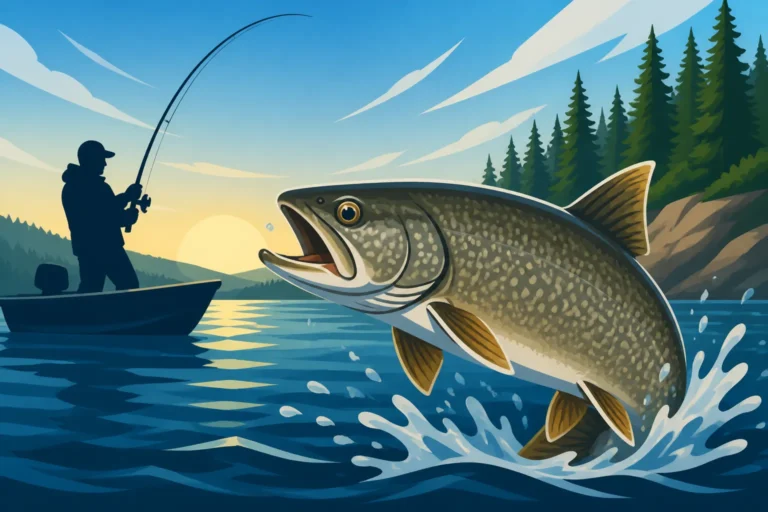
Lake Minnewanka, the largest lake in Banff National Park, is arguably the most famous fishing destination within its borders, especially for those seeking large lake trout. The lake's deep, cold waters provide an ideal habitat for these impressive fish, and its sheer size means there’s plenty of room for anglers to explore. Access is relatively easy, with a paved road leading right to the shore, complete with boat launches and ample parking. This makes it a popular choice for both motorized and non-motorized boating. When you’re considering an outing to Lake Minnewanka, it's worth noting that guides often run trips specifically targeting the depths for lake trout, and securing a spot with someone experienced can drastically improve your chances. If you are looking for specific advice or to find a local expert for a guided experience, searching on platforms like FishingBooker can connect you with knowledgeable charters.
Targeting Lake Trout and Whitefish
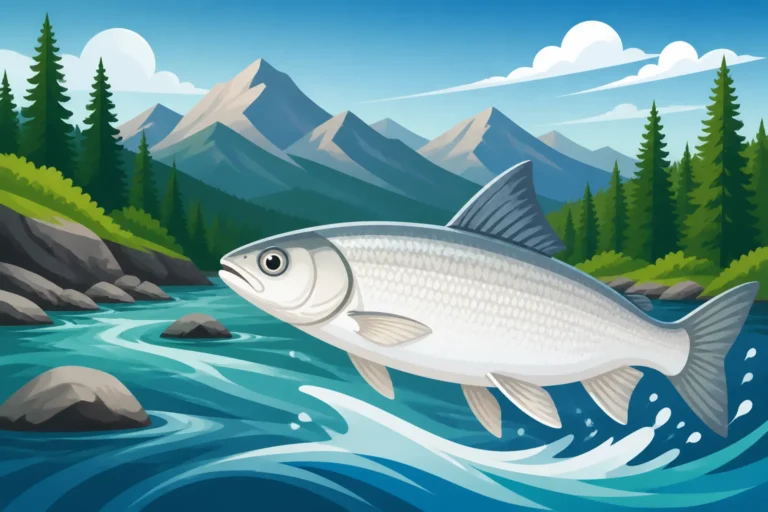
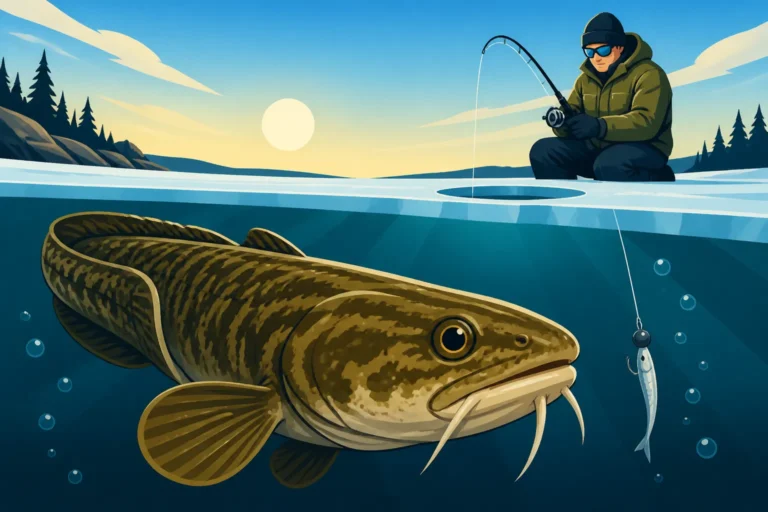
Lake Minnewanka is synonymous with lake trout. These powerful fish can grow quite large here, often topping the 10-pound mark, making for an exciting fight. The best techniques usually involve trolling with downriggers or heavy sinking lines to present large spoons, plugs, or even herring at depths ranging from 50 to 150 feet, especially during warmer months when the trout retreat to cooler waters. Early morning or late evening often yields the best results. Besides lake trout, you'll also find mountain whitefish in Minnewanka. These are often targeted using small jigs or flies, especially around drop-offs and structure. While not as flashy as lake trout, whitefish offer a fun challenge on lighter tackle and are excellent table fare if regulations permit retention. Remember, catch and release is highly encouraged for lake trout to help sustain their population.
Boat Access and Rental Options
Given the size and depth of Lake Minnewanka, fishing from a boat is almost essential for serious lake trout anglers. There's a public boat launch, and motorized boats are allowed, which isn't the case on all park lakes. This makes it a versatile option for those with their own watercraft. If you don't have a boat, don't fret! Boat rentals are available directly at Lake Minnewanka, offering everything from motorboats to canoes and kayaks. This convenience allows even visitors without their own gear to experience fishing on this iconic lake. Always be mindful of the wind, as Minnewanka can get surprisingly choppy, especially in the afternoons. Make sure all your Life Jacket Requirements for Alberta Boaters are met, even if you are just renting a boat for the day. For those looking for a fully outfitted experience, guides found on services like FishingBooker often provide all necessary equipment and local expertise, making your trip stress-free.
Two Jack Lake: A Serene Setting for Smaller Trout
Just a short drive from the town of Banff, Two Jack Lake offers a much different fishing experience than its larger neighbour, Minnewanka. This smaller, shallower lake is incredibly picturesque and more accessible for shore anglers or those using non-motorized boats like canoes and kayaks. It's often less crowded than Lake Minnewanka, providing a more peaceful angling experience. The calm, clear waters make it an excellent spot for families or those just looking to enjoy the stunning mountain backdrop while casting a line.
Fishing for Stocked Rainbow Trout
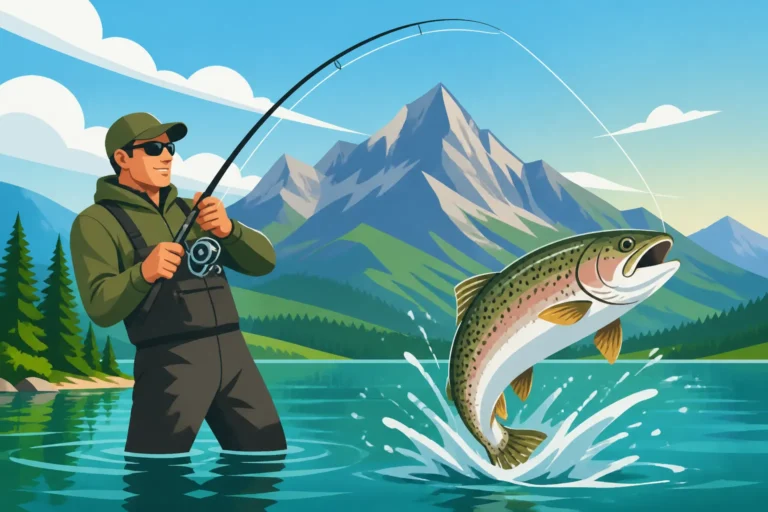
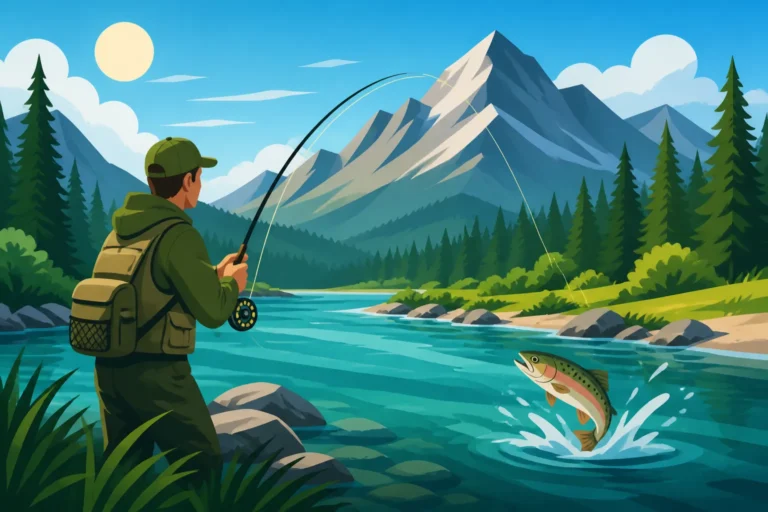
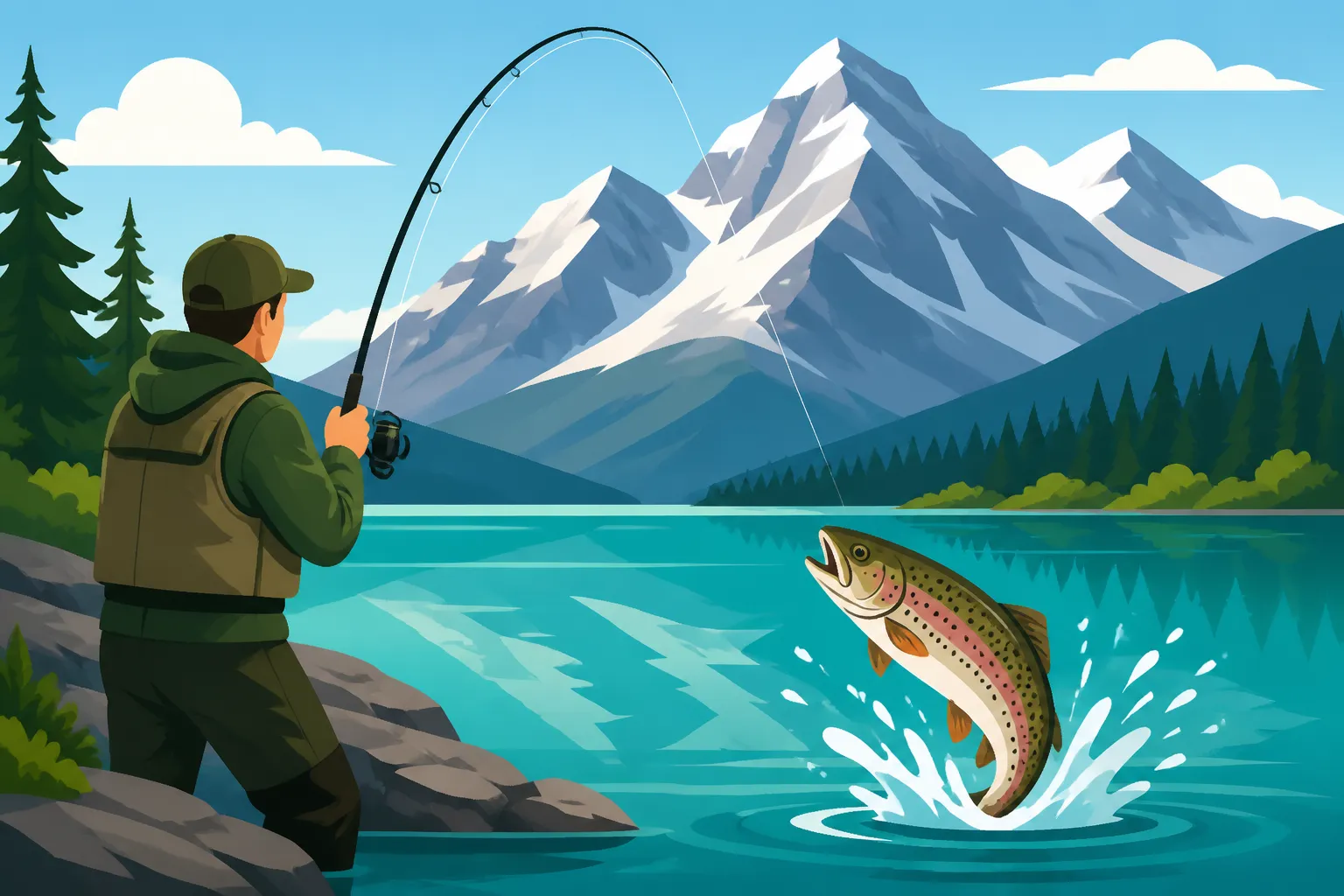
Two Jack Lake is primarily known for its stocked rainbow trout. While these fish won't rival the size of Minnewanka's lake trout, they offer consistent action and are perfect for light tackle. Spin fishing with small spoons, spinners, or powerbait is often effective. Fly anglers can also do very well, especially during insect hatches, using nymph patterns or small dry flies. The best fishing tends to be in the spring and fall when the water is cooler, and the fish are more active near the surface. Throughout summer, early mornings and evenings are still productive. This is a fantastic lake for beginners to hone their skills or for experienced anglers to enjoy a relaxing day. Many of Alberta's stocked lakes offer great opportunities for new anglers, and Two Jack is no exception.
Shoreline and Non-Motorized Boat Access
One of the great advantages of Two Jack Lake is its excellent shoreline access. There are numerous spots along the lake's edge where you can comfortably cast from shore. For those with canoes, kayaks, or stand-up paddleboards, there's an easy launch point, allowing you to explore the shallower bays and submerged structure that hold fish. The calm waters make it safe and enjoyable for paddlers of all skill levels. Remember, no motorized boats are allowed on Two Jack Lake, preserving its tranquility and offering a true paddling and angling escape. The picturesque campgrounds nearby also make it an ideal spot for a multi-day fishing and camping trip, further enhancing its appeal as a serene fishing destination.
Johnson Lake: Family-Friendly and Convenient
Nestled just off the Minnewanka Loop, Johnson Lake is another fantastic option, particularly popular with families and those looking for a quick and easy fishing trip. It’s a smaller, shallow lake with a beautiful sandy beach, making it a popular swimming spot in the summer. Don't let its family-friendly vibe fool you, though; Johnson Lake also offers some decent fishing opportunities, especially for those targeting stocked trout. Its accessibility and amenities make it a top choice for a casual day out.
Pursuing Stocked Trout and Panfish
Like Two Jack Lake, Johnson Lake is regularly stocked with rainbow trout, providing reliable action for anglers. Due to its size and depth, the trout here are generally on the smaller side, but they are eager biters. Standard trout fishing techniques like casting small spinners, spoons, or floating powerbait under a bobber work very well. It's an excellent lake for kids to catch their first fish, making it a truly rewarding experience. In addition to trout, you might also find some smaller panfish species, though the focus is generally on the stocked trout. Keep an eye out for any specific size or daily limits for stocked fish, as these can change.
Accessibility and Amenities
Johnson Lake boasts excellent accessibility. There's a well-maintained parking area and a short, easy walk to the lake's edge. The sandy beach is perfect for setting up a base camp for the day, and there are picnic tables and washroom facilities, adding to the convenience. Non-motorized boats are permitted, so kayaks, canoes, and paddleboards are a common sight. Its close proximity to the Banff townsite makes it an ideal spontaneous outing. It's a great spot to combine a refreshing swim with a bit of fishing, offering a relaxed environment for everyone to enjoy the park's natural beauty.
Navigating Regulations and Ethical Angling Practices
Fishing in a national park carries a special responsibility. Beyond just following the rules, ethical angling practices are paramount to preserving these incredible resources for future generations. It’s not just about what you can do, but what you should do to minimize your impact. The pristine nature of Banff’s lakes and rivers demands a higher level of care and awareness from every angler. Ignoring these principles could lead to changes in regulations or even closures, diminishing access for everyone.
Catch and Release Best Practices
Many of Banff's waters, especially those with native or sensitive species like lake trout in Minnewanka or any bull trout (which are strictly catch-and-release and require immediate release if caught anywhere in Alberta, including Banff), heavily promote or mandate catch and release. This isn't just about quickly unhooking a fish; it's about doing it correctly to maximize the fish's survival rate. Always use barbless hooks, as mandated, and consider using artificial lures or flies that are easier for fish to dislodge.
When you land a fish you intend to release, try to keep it in the water as much as possible. If you must remove it, do so quickly and gently. Use wet hands to avoid removing the protective slime layer from the fish's skin. Support the fish horizontally, especially larger ones, to avoid damaging internal organs. Have your camera ready so you can snap a quick photo and return the fish to the water promptly. Avoid excessive handling, especially around the gills, and if the fish seems lethargic, hold it upright in the current until it regains its strength and swims away on its own. These practices are crucial for the health of the fishery and ensure others can experience the same joy of catching fish in these incredible waters.
Understanding Species-Specific Rules
Banff National Park, like all managed fisheries, has specific rules for different fish species, and these can vary from lake to lake. For instance, while Lake Minnewanka allows for the retention of some lake trout under certain conditions, other lakes might be strictly catch-and-release for all species, or have specific slot limits (e.g., only fish between a certain size can be kept). It's also vital to be able to accurately identify the fish you catch. Misidentifying a protected species, like a bull trout (which has a Alberta Bull Trout Zero Possession Rule), can lead to significant penalties.
Before you head out, make sure you've thoroughly read the current Parks Canada fishing regulations for Banff National Park. These regulations often include helpful identification guides for common species. If you're unsure about a fish, it's always best to practice catch and release. Remember that species like brook trout and rainbow trout, often stocked, may have different rules than native species like cutthroat trout or bull trout, which are often more heavily protected. Understanding these nuances is critical for responsible angling.
Preventing the Spread of Aquatic Invasive Species
The threat of aquatic invasive species (AIS) is a serious concern for all water bodies, and especially so for the pristine lakes of Banff National Park. Species like zebra and quagga mussels or whirling disease can devastate native fish populations and aquatic ecosystems, and once established, they are incredibly difficult, if not impossible, to eradicate. As an angler, you play a crucial role in preventing their spread.
The "Clean, Drain, Dry" protocol is your first line of defense. Always clean your boat, waders, and all fishing gear thoroughly before moving between different water bodies. Remove any visible plants, mud, or debris. Drain all water from your boat, livewell, and bilge. Finally, dry your gear completely before your next outing. This means drying for at least 48 hours, or longer if conditions are cool and damp. Some regions also require mandatory boat inspections, so always check if this applies when entering or leaving the park. Failing to adhere to these measures not only puts the environment at risk but can also result in significant fines. Protecting these waters from AIS is a shared responsibility that safeguards the future of fishing in Alberta's national parks.
Essential Tips for a Successful Banff Fishing Trip
A successful fishing trip in Banff isn't just about catching fish; it's about enjoying the experience, being prepared, and respecting the environment. The weather can change rapidly in the mountains, and being caught off guard can quickly turn a fun day into a miserable one. Planning ahead for everything from gear to safety can make all the difference.
Packing the Right Gear and Supplies
Mountain weather is famously unpredictable. Even on a sunny summer day, a sudden thunderstorm or a significant drop in temperature is not uncommon. Layered clothing is your best friend – think moisture-wicking base layers, insulating mid-layers, and a waterproof/windproof outer shell. Bring a hat and sunglasses for sun protection, and don't forget insect repellent, especially during the warmer months. Sturdy, waterproof footwear is also highly recommended, whether you're wading or just hiking to a shore spot.
Beyond personal comfort, consider your fishing setup. For lake trout on Minnewanka, you'll need heavier gear capable of handling deep trolling and larger fish. For stocked trout in Two Jack or Johnson Lake, lighter spinning gear or a 3-5 weight fly rod will suffice. Always pack extra line, hooks, leaders, and a variety of lures/flies to adapt to changing conditions. And remember, a landing net with rubberized mesh is ideal for catch and release, minimizing harm to fish. A small first-aid kit, a headlamp, and a map of the area are also smart additions to any fishing backpack. It's also wise to check current Alberta Fishing Regulations Explained to ensure your gear aligns with all local rules.
Best Times to Fish in Banff Lakes
Knowing the best time to fish can significantly impact your success. Generally, the spring (May-June) and fall (September-October) offer excellent fishing opportunities in Banff National Park. During these cooler months, fish are often more active and closer to the surface, making them easier to target. Early mornings and late evenings are typically the most productive times of day, regardless of the season, as fish tend to feed more actively during lower light conditions.
Summer fishing (July-August) can be great, but it often requires adapting your techniques. With warmer water temperatures, fish, especially trout, will often retreat to deeper, cooler sections of the lakes. This is when trolling deep for lake trout on Minnewanka becomes particularly effective. If you're targeting stocked rainbows, focus on dawn and dusk, or seek out areas with springs or deeper pockets that offer cooler water refuges. Always remember to check Alberta Fishing Season Dates by Zone to ensure the specific lake or river you're interested in is open. For a more precise understanding of optimal fishing times based on lunar cycles and local conditions, some anglers use specialized apps or resources, or simply consult with local tackle shops.
| Lake | Primary Species | Typical Techniques | Boat Access | Key Regulations | Notes |
|---|---|---|---|---|---|
| Lake Minnewanka | Lake Trout, Mountain Whitefish | Trolling (spoons, plugs), Jigging | Motorized/Non-motorized (rentals available) | Barbless hooks, specific season/limits for Lake Trout, bait restrictions | Largest lake, potential for trophy Lake Trout |
| Two Jack Lake | Stocked Rainbow Trout | Spin fishing (spinners, powerbait), Fly fishing | Non-motorized (canoe, kayak, SUP) | Barbless hooks, specific season/limits for Rainbow Trout, bait restrictions | Scenic, popular for families, calm waters |
| Johnson Lake | Stocked Rainbow Trout | Spin fishing (spinners, powerbait), Fly fishing | Non-motorized (canoe, kayak, SUP) | Barbless hooks, specific season/limits for Rainbow Trout, bait restrictions | Family-friendly, easy access, swimming beach |
Safety in the Backcountry and on the Water
Safety should always be your top priority when fishing in Banff National Park. The park is wilderness, and conditions can change rapidly. Always let someone know where you're going and when you expect to return. Carry bear spray and know how to use it, as encounters with wildlife are possible. Be aware of your surroundings, especially if you're hiking to more remote spots.
On the water, always wear a properly fitting life jacket – this isn't just a suggestion, it's a critical safety measure, especially on larger, potentially windy lakes like Minnewanka. Check weather forecasts before heading out and be prepared for sudden changes. If you're new to paddling or boating in mountain lakes, consider taking a guided tour or sticking to smaller, calmer waters until you gain experience. Even seemingly calm waters can quickly become dangerous with strong winds. Having a communication device (satellite messenger or fully charged cell phone, though service can be spotty) is also a good idea. Knowing basic first aid and how to deal with minor injuries can also be a lifesaver when you're far from immediate help. For anyone interested in boating, make sure to review Alberta Boating Laws for Anglers.
Disclaimer
The information provided in this guide is for general informational purposes only and is subject to change. Anglers are responsible for consulting the most current Parks Canada fishing regulations for Banff National Park before heading out. Always verify all rules, regulations, and permit requirements directly with official sources to ensure compliance and a safe fishing experience.