Where to set up an ice hut on Lesser Slave Lake
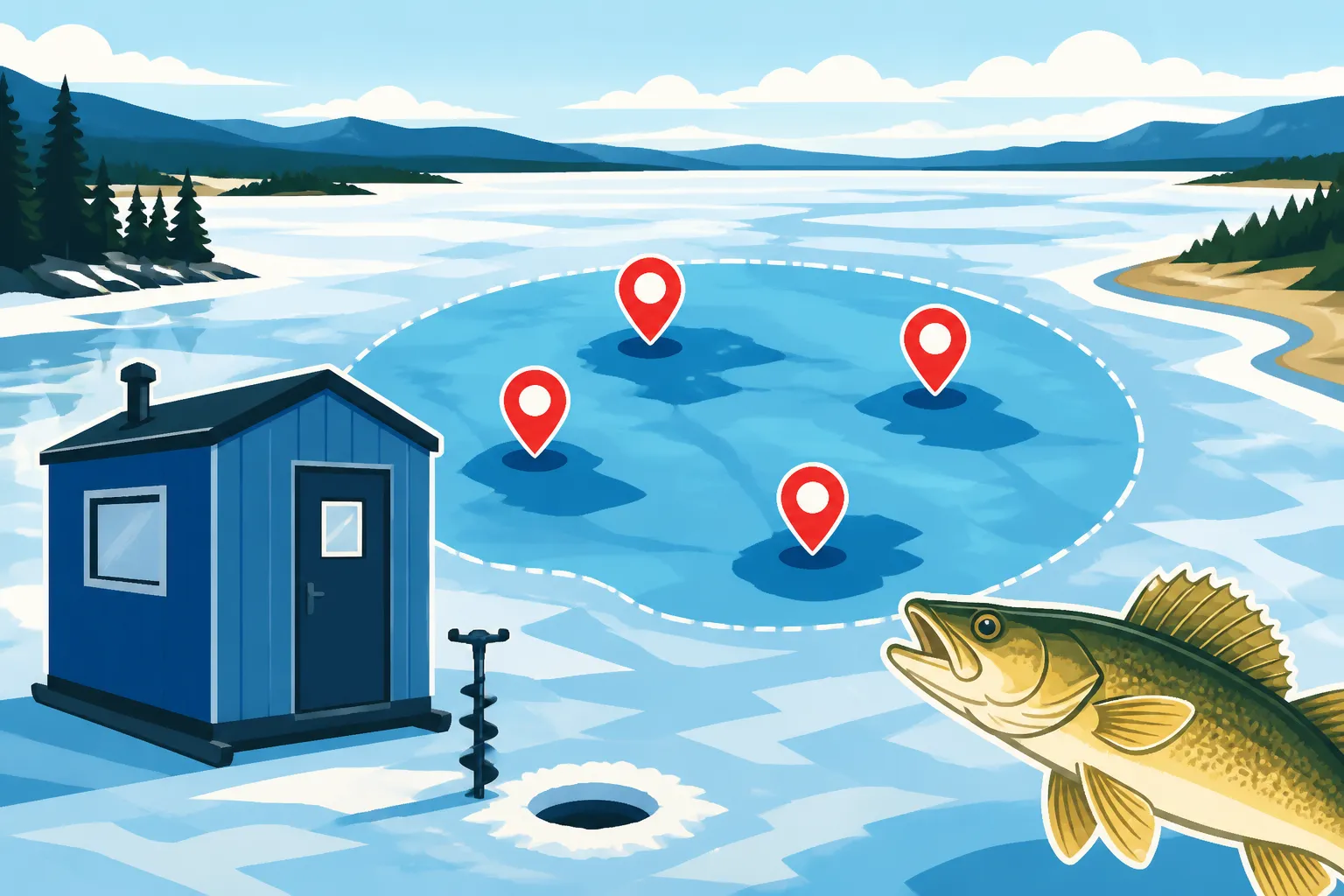
Deciding where to set up your ice hut on a massive body of water like Lesser Slave Lake can feel overwhelming, especially when you're dreaming of reeling in those legendary walleye or burbot but aren't sure where to drop your auger. This guide will walk you through the prime locations, crucial safety considerations, and essential tips to help you choose the perfect spot for your ice hut, making your next ice fishing adventure a success.
Understanding Lesser Slave Lake's Ice Fishing Dynamics
Lesser Slave Lake, Alberta's largest lake entirely within the province, is a true ice fishing mecca, but its sheer size also means conditions and fish concentrations can vary wildly. Knowing the lake's unique characteristics is paramount to successful ice hut placement.
Key Factors Influencing Ice Hut Placement
When you're looking to set up your ice hut, you're essentially trying to guess where the fish are hiding, and that often comes down to structure and depth. Lesser Slave Lake offers a diverse underwater landscape, from shallow bays to sprawling flats and deeper channels. Walleye, which are a major draw here, often relate to breaks, points, and transitions between different bottom types. They'll cruise these areas, especially during low-light periods, looking for baitfish. Burbot, another popular ice target, tend to hang out in deeper, muddier bottoms but will move shallower to feed. Understanding these preferences helps narrow down the vastness of the lake.
Consider the time of season too. Early ice might see fish lingering in shallower bays where they were actively feeding before the freeze-up. As winter progresses, and deeper areas offer more stable temperatures and oxygen, fish might shift to main lake structure or deeper basins. Later in the season, just before ice-out, fish might once again stage closer to potential spawning areas, often in shallower zones or river mouths. Always check the current fishing reports and talk to local bait shops, as they often have the most up-to-date information on where the bite is hot.
Navigating Ice Conditions and Safety
Before you even think about drilling a hole, ice safety has to be your absolute top priority. Lesser Slave Lake is known for its size, which means it can be subject to strong winds, significant snowfalls, and pressure ridges that can form quickly and unexpectedly. These factors can create highly variable ice thickness across the lake. Always verify the ice conditions through multiple sources: local fishing forums, bait shops, and even official park or town advisories. Never rely solely on tracks from previous vehicles, as conditions can change overnight. A good rule of thumb is at least 4 inches of clear, new ice for walking, 5-7 inches for ATVs/snowmobiles, and 8-12 inches for cars or light trucks. For setting up a heavy ice hut, especially if it's going to be there for an extended period, you want substantially more. You can find more detailed safety guidelines in guides like How thick ice needs to be to fish safely in Alberta.
Another critical aspect is being aware of active pressure ridges. These are areas where sheets of ice push against each other, creating large cracks, heaves, and unstable sections. While they can sometimes be fish highways, they are incredibly dangerous, especially when crossing them with heavy equipment. Always scout ahead, even if it means walking a bit further to ensure safe passage. The wind can also blow snow across the open ice, covering dangerous spots or making travel difficult. A GPS with offline maps can be a lifesaver, helping you navigate back to shore safely, especially if a whiteout rolls in.
Prime Locations for Setting Up Your Ice Hut on Lesser Slave Lake
Lesser Slave Lake is massive, stretching over 100 kilometers. Knowing the general areas that tend to produce, and what species are typically found there, will save you a lot of time and effort.
Eastern Basin Hotspots
The eastern basin, particularly around the town of Slave Lake, is often the first to freeze and a very popular starting point for ice anglers. The accessibility from Highway 2 makes it convenient, and there are several reliable areas. The delta of the Lesser Slave River, as it flows into the lake near the town, is a classic hotspot. This area features varying depths and current, attracting walleye throughout the winter. Anglers often target the breaks and channels where the river current has scoured out deeper pockets. You'll find huts dotted all along the shoreline here, extending out onto the main lake.
Further west from Slave Lake, the Widewater area offers excellent opportunities. It's known for consistent walleye action, with anglers often setting up along the deeper edges of the flats. The bottom here can be quite varied, providing plenty of structure for fish to relate to. Access points near Widewater are generally good, making it easier to transport huts onto the ice. Look for contour changes on your mapping system – subtle humps or drops can concentrate fish. This region is particularly productive for those looking for decent numbers of eater-sized walleye, though bigger fish are certainly present.
Central and Western Basin Gems
Moving into the central and western basins, you start exploring areas like Canyon Creek, Joussard, and Faust. These areas are further from the town of Slave Lake but often boast fantastic fishing, particularly for larger walleye and some of the lake's impressive burbot. Canyon Creek, on the north shore, is renowned for its excellent walleye fishing. Anglers often target the extensive flats and drop-offs that characterize this section of the lake. The area around the creek mouth can be very productive, especially if there's any residual flow under the ice, attracting baitfish and predators.
Joussard, on the south shore, is another prime location. The fishing here can be spectacular, with a good mix of walleye and burbot. Access is good, and you'll often see a small village of ice huts forming in the deeper sections of the bay and along the main lake points. Look for the transition zones where the shallower waters of the bay meet the deeper lake basin. These edges are natural patrol routes for hungry fish. Faust, also on the south shore, is another excellent option. It offers similar opportunities to Joussard, with good structure and consistent catches. Many anglers find success by focusing on the deeper breaks adjacent to the main lake points, especially during evening and nighttime hours for burbot. If you're planning a trip, exploring services like FishingBooker can help you find local guides who are intimately familiar with these specific spots and can save you valuable time on the ice.
Practical Tips for a Successful Ice Hut Setup
Setting up an ice hut involves more than just drilling a hole; it requires preparation, the right gear, and an understanding of local regulations to ensure a safe and enjoyable experience.
Essential Gear and Preparations
Before you even leave your driveway, ensure your ice hut is in good working order. Check for any damage, confirm all windows and doors seal properly, and make sure your heating system (propane or wood stove) is functioning and well-ventilated. Carbon monoxide poisoning is a serious risk in enclosed spaces, so a reliable CO detector is non-negotiable. Don't forget proper lighting – battery-powered LED lanterns or strips are fantastic for keeping your hut illuminated. Consider how you'll anchor your hut; ice anchors are crucial to prevent it from blowing away in a strong Alberta wind. If you’re hauling a larger, heavier hut, a good sled, snowmobile, or ATV is essential, and always carry a recovery kit (tow rope, shovel) in case you get stuck in deep snow or slush.
Your fishing gear should be tailored to the species you're targeting. For Lesser Slave Lake walleye and burbot, a medium-heavy ice rod with a sensitive tip is ideal. Spool up with strong braided line and a fluorocarbon leader. Pack a variety of jigs, spoons, and soft plastics in different sizes and colors, along with dead bait like minnows or smelt, which can be highly effective for both species. An ice auger, whether hand, power, or propane, is obviously vital. Don't cheap out on electronics: a good fish finder or flasher will show you depth, fish presence, and your lure, significantly increasing your success rate. For more general advice on what to pack, check out our guide on Ice Fishing in Alberta.
Regulations and Responsible Angling Practices
Alberta has specific regulations for ice fishing, and Lesser Slave Lake has its own nuances. Always consult the current Alberta Guide to Sportfishing Regulations before heading out. This guide details bag and possession limits for species like walleye, northern pike, and burbot, as well as specific season dates for different zones. For Lesser Slave Lake, special harvest licenses might apply for walleye, which means you need to be very clear on whether you can keep them and what the size restrictions are. Ignoring these rules can lead to hefty fines and a ruined trip. You can also review general guidelines in our Alberta Fishing Regulations Explained article.
Responsible angling also extends to the environment. Pack out everything you pack in, including any trash, broken line, or discarded bait. Leave the lake cleaner than you found it. If you're using a permanent ice hut, be aware of the rules regarding removal dates; these are strictly enforced to prevent huts from becoming hazards during ice-out. Always practice proper fish handling, especially for catch-and-release fish. Minimize air exposure, handle fish gently with wet hands, and use appropriate tools like de-hookers to ensure a quick release. Services like FishingBooker often emphasize responsible fishing practices, and many guides listed on such platforms are excellent resources for local regulations and ethical angling.
Maximizing Your Catch from an Ice Hut on Lesser Slave Lake
Once your hut is set up, the real fun begins. But simply sitting over a hole isn't always enough. Strategic fishing techniques and an understanding of fish behavior will significantly boost your chances.
Targeting Walleye and Burbot
Lesser Slave Lake is legendary for its walleye, and targeting them from an ice hut is a quintessential Alberta experience. Walleye are often most active during low-light periods – dawn, dusk, and even after dark. When targeting them, focus on structures like humps, drop-offs, and points. Jigging spoons, lipless crankbaits, or even a simple jig head tipped with a minnow or a scented soft plastic are highly effective. Vary your retrieve, from aggressive lifts and drops to subtle shakes, until you find what triggers a bite. Often, a "dead stick" – a second rod set up with a live or dead minnow suspended just off the bottom – can be incredibly productive while you actively jig another hole. For more in-depth walleye tactics, read our guide on How to Catch Walleye in Alberta.
Burbot, often called "freshwater cod," are another popular target, especially at night. They prefer deeper, muddier bottoms and are scavengers, so dead bait fished on the bottom is often key. A common setup is a heavy jigging spoon or a glow-in-the-dark jig tipped with a piece of bait (like a minnow, smelt, or even a piece of another fish). Jig this setup near the bottom, then let it sit for extended periods, occasionally giving it a gentle lift to stir up the bottom and attract attention. Burbot have excellent senses and are drawn to scent. Having a good light source in your hut that illuminates your hole can sometimes attract plankton, which in turn attracts baitfish, creating a feeding frenzy that burbot can't resist. For detailed burbot strategies, check out How to Catch Burbot Through the Ice.
Adjusting to Fish Movement and Weather
Fish aren't static; their locations and feeding patterns change with conditions. A spot that was hot yesterday might be cold today. Pay attention to your fish finder: if you're not seeing fish for an extended period, it's time to consider moving. If you have multiple holes drilled around your hut, try rotating between them, fishing different depths or slightly different pieces of structure. Sometimes, moving your bait just a few feet deeper or shallower can make all the difference.
Weather plays a huge role in ice fishing. Barometric pressure changes, often associated with approaching cold fronts, can shut down the bite, making fish lethargic. Conversely, stable high-pressure systems or the approach of a warm front can often stimulate feeding activity. Strong winds can also impact fishing by stirring up the water column and affecting fish comfort. On days with tough conditions, finesse tactics and slower presentations might be more effective. Don't be afraid to experiment with different baits, sizes, and colors. Sometimes a subtle change is all it takes to trigger a bite from a wary walleye or burbot. Many experienced anglers, often found through resources like FishingBooker, swear by keeping detailed logs of their trips, noting weather, moon phase, and what worked (or didn't) to build their own patterns over time.
| Location Name | Primary Target Species | Typical Depth Range (feet) | Key Structure | Accessibility | Notes |
|---|---|---|---|---|---|
| Lesser Slave River Delta (near Slave Lake town) | Walleye, Pike | 10-25 | River channels, breaks | High | Excellent early ice, current can affect ice stability. Good for both numbers and size. |
| Widewater | Walleye, Perch, Pike | 8-20 | Extensive flats, drop-offs | High | Consistent walleye action, good for families. Look for subtle humps. |
| Canyon Creek | Walleye, Pike | 15-35 | Main lake flats, creek mouth | Moderate | Known for larger walleye. Can be further to access, requiring snowmobile/ATV. |
| Joussard | Walleye, Burbot, Pike | 20-40+ | Deep bays, main lake points | Moderate | Prime burbot spot, especially after dark. Good for both walleye size and numbers. |
| Faust | Walleye, Burbot, Pike | 20-40+ | Deep breaks, points | Moderate | Similar to Joussard, excellent for night fishing burbot and larger walleye. |
Disclaimer
The information provided in this guide is for general informational purposes only. Fishing conditions, ice safety, and regulations on Lesser Slave Lake can change rapidly. Always exercise extreme caution on the ice, check current local conditions, and consult the official Alberta Guide to Sportfishing Regulations before any fishing trip. Your safety is your responsibility.