Waterton Lakes best fishing spots
Waterton Lakes National Park, a true gem nestled in Alberta's southwest corner, offers a unique and breathtaking backdrop for anglers. But let's be real, showing up to a place like this, especially a National Park, and expecting to know exactly where the fish are biting can feel incredibly overwhelming. With its distinct regulations and diverse water bodies, it's easy to get lost before you even cast a line. This comprehensive guide is here to unravel the mysteries of fishing in Waterton, helping you pinpoint the best fishing spots, understand the resident species, and arm you with the knowledge for an unforgettable angling adventure.
Understanding the Unique Waters of Waterton Lakes National Park
Fishing in a National Park isn't quite the same as fishing in a provincial lake or river. There's a different layer of rules, a stronger emphasis on conservation, and a distinct ecosystem that makes it both challenging and incredibly rewarding. Before you even think about what lure to tie on, you need to understand the fundamental differences.
Navigating Fishing Regulations in a National Park
This is where many anglers can get tripped up. While you're used to adhering to the general provincial rules you'd find in the Alberta Fishing Regulations Explained, National Parks operate under their own specific set of regulations, enforced by Parks Canada. This means your standard Alberta Fishing License Guide for 2026 isn't what you need here. Instead, you'll need to purchase a Parks Canada fishing permit, specifically for Waterton Lakes National Park.
It’s absolutely critical to pick up a copy of the Waterton Lakes National Park Fishing Regulations upon arrival or review them online. These guides outline specific seasons, catch limits, and permitted fishing methods for each body of water within the park. For instance, certain lakes might be open to bait fishing, while others are strictly fly-fishing only, or even single barbless hook rules might apply. Ignoring these rules can lead to hefty fines and impact the delicate ecosystem the park works so hard to protect. Don't assume anything – always check the local park regulations, as they supersede provincial ones.
Species You'll Encounter in Waterton's Clear Waters
Waterton Lakes National Park is home to a fantastic array of fish species, each offering a unique challenge and experience. The pristine, cold, and often deep waters are particularly well-suited for trout.
One of the most prized native species you'll find here is the Cutthroat Trout. These beautiful fish, with their distinctive red slash under the jaw, are a testament to the health of the park's aquatic environments. They prefer cold, clear mountain streams and lakes, and catching one is a truly special experience. For more on these beautiful fish, check out our guide on Cutthroat Trout in Alberta's Mountain Streams.
Waterton Lake itself, being a large and deep glacially-fed body of water, is also famous for its robust population of Lake Trout. These powerful fish can grow to impressive sizes and offer a serious fight. If you're keen on targeting them, our article on Lake Trout Fishing in Alberta provides a great overview. Rainbow Trout are also present, often stocked in some of the smaller, more accessible lakes to provide consistent angling opportunities.
It's important to also be aware of Bull Trout. These are a provincially threatened species and are strictly catch-and-release only throughout Alberta, including Waterton. If you happen to hook into one, it's crucial to handle it with extreme care and release it safely and quickly. Our detailed guide on How to Catch Bull Trout and Release Them Safely offers essential tips for doing so. While less common, you might also find Mountain Whitefish in some of the park's rivers and streams, adding to the diversity of your catch.
Top Fishing Destinations Within Waterton Lakes National Park
Waterton offers a variety of fishing experiences, from vast, deep lakes perfect for trolling to serene, shallow tarns ideal for a quiet afternoon with a fly rod. Knowing which spot suits your style and target species is key.
Waterton Lake: The Big Water Experience
This is the big one, literally. Waterton Lake is a sprawling, deep, and often windy body of water that extends into Montana. It’s famous for its impressive Lake Trout population, which often hold in the deeper, colder sections. Shore fishing here can be quite challenging due to the steep drop-offs and limited access points, though you might find some success near the Waterton townsite docks or along specific sections of the shoreline where the bottom levels out slightly.
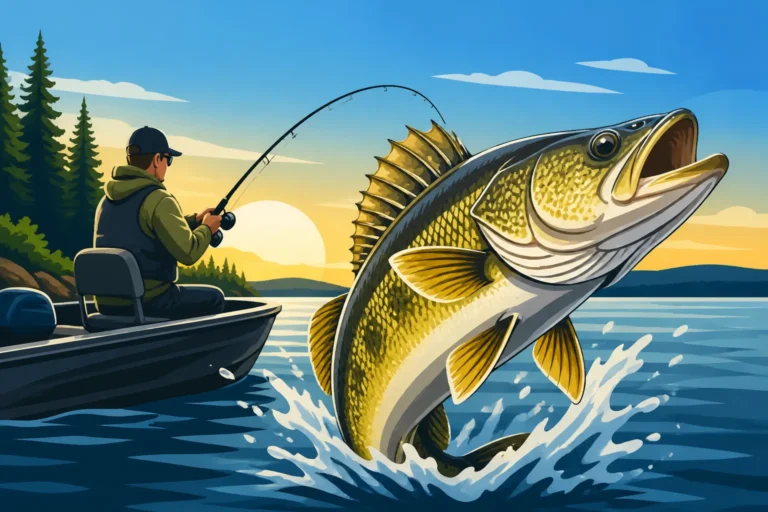
For serious Lake Trout fishing on Waterton Lake, a boat is almost essential. Trolling with downriggers or heavy jigging spoons in depths ranging from 50 to 150 feet are common and effective techniques. The lake’s depth and size mean fish can be spread out, making a good fish finder and understanding of lake contours invaluable. Early mornings or late evenings when the winds are calmer often provide the most pleasant and productive boating conditions. If you're looking to learn more about how to tackle these deep-water giants, our article How to Catch Lake Trout in Alberta offers some excellent strategies. You can often find experienced local guides familiar with these waters through platforms like FishingBooker, which can be a huge advantage if you're not familiar with big lake trolling.
Cameron Lake: Serenity and Beautiful Trout
Nestled high in the mountains at the end of the Akamina Parkway, Cameron Lake offers a stark contrast to the vastness of Waterton Lake. This smaller, picturesque lake is typically closed to motorboats, making it an incredibly peaceful spot for canoe, kayak, or float tube anglers. The serene atmosphere, surrounded by towering peaks, makes for an unforgettable experience.
Cameron Lake is renowned for its population of Rainbow Trout and Cutthroat Trout. These fish are often found cruising the shallower edges, especially during spring and fall. Fly fishing here can be fantastic, with various nymph and streamer patterns working well. During hatches, dry flies can also provide exciting surface action. For those using spinning gear, small spinners like Panther Martins or Mepps, as well as tiny spoons, are very effective. Shore access is good around much of the lake, making it a great option for anglers without a boat. Many experienced guides, often found through services like FishingBooker, specialize in these unique waters and can teach you the nuances of mountain lake fishing.
Other Hidden Gems: Stream and Pond Opportunities
Waterton isn't just about its two main lakes. The park also boasts several smaller streams and ponds that offer more intimate angling experiences, though often with stricter regulations to protect sensitive habitats.
Cameron Creek, for instance, which flows out of Cameron Lake, is a beautiful mountain stream that can hold good numbers of Cutthroat Trout. Many sections of the creek are designated as catch-and-release only, and often mandate single, barbless hooks, or even fly-fishing-only rules. It’s a prime spot for anglers who enjoy wading and delicate presentations with a fly rod, seeking the thrill of stalking native trout in clear, flowing water. Similar restrictions may apply to other smaller feeder streams throughout the park, so always consult the park's specific regulations before fishing.
Maskinonge Lake, located closer to the park entrance, is a shallower, warmer body of water. While less of a trout fishery, it can sometimes offer opportunities for species like Northern Pike and Yellow Perch, though these are not as abundant or as frequently targeted as the trout in the colder waters. Always double-check the current regulations for Maskinonge, as species present and regulations can shift. These smaller, sometimes overlooked spots can be rewarding if you're looking for a different experience. If you're unsure where to start or prefer an expert's insights, consider checking out guides available on FishingBooker for a stress-free day on the water.
Here’s a quick overview of some of Waterton’s prime fishing locations:
| Location | Primary Species | Best Season | Recommended Technique | Notes |
|---|---|---|---|---|
| Waterton Lake | Lake Trout, Lake Whitefish | Summer, Fall | Trolling, Deep Jigging | Best with boat, can be very windy. |
| Cameron Lake | Rainbow, Cutthroat Trout | Spring, Fall | Fly fishing, Light Spin | Non-motorized boats only, picturesque. |
| Cameron Creek | Cutthroat Trout | Summer (late) | Fly fishing, C&R | Check specific sections; often barbless, C&R. |
| Maskinonge Lake | Northern Pike, Yellow Perch | Summer | Spin, Bait | Warmer, shallower water; less popular for trout. |
| Blakiston Creek | Cutthroat Trout | Summer (check rules) | Fly fishing, C&R | Small stream, delicate presentations. |
Essential Techniques and Seasonal Insights for Waterton Anglers
Timing and technique can make all the difference, especially when you're fishing in a diverse and ecologically sensitive area like Waterton Lakes National Park. Understanding the rhythms of the seasons and matching your approach to the fish's behavior will significantly increase your chances of success.
Best Times to Fish Waterton's Lakes and Streams
The fishing in Waterton is highly dependent on the season. Each period offers unique opportunities and challenges:
- Spring (Ice-off to June): This can be a fantastic time to fish. As the ice recedes from the lakes, trout become very active and often feed closer to shore in the warmer shallows. Water levels in streams can be high due to snowmelt, making them challenging to fish, but by late spring, conditions improve. For the lakes, streamers, nymphs, and small spinners can be very effective. This period offers some of the most consistent action before the summer crowds and deeper fish movements. Our Spring Trout Fishing Techniques for Alberta Streams guide offers tips that can be adapted to Waterton's similar waters.
- Summer (July to August): This is peak tourist season, and the park is bustling. Fishing on the main lakes often means targeting Lake Trout in deeper, cooler waters as they retreat from the surface heat. Trolling and deep jigging become the go-to methods. For streams and smaller lakes, early mornings and late evenings are often the most productive, as the fish are more active during cooler parts of the day. Fly anglers might find some dry fly action during insect hatches, but general activity can slow down during midday.
- Fall (September to October): Many consider autumn to be the best time to fish in Waterton. The crowds thin out, the scenery is spectacular with changing leaves, and the trout become very aggressive as they prepare for winter. Fish in both lakes and streams will feed heavily, often moving back into shallower waters. Large streamers and spoons can entice trophy Lake Trout, while Cutthroat and Rainbows in streams and Cameron Lake will readily take nymphs, streamers, and even dry flies on overcast days. Check out our general advice on the Best Time of Year to Fish in Alberta for broader seasonal patterns, keeping in mind the park's specific regulations for fall closures or changes.
Recommended Gear and Lures for Success
Having the right tackle for Waterton's diverse waters is paramount.
For Waterton Lake's deep Lake Trout, you'll want a medium-heavy to heavy action spinning or baitcasting rod, capable of handling heavier lures and potentially large fish. A robust reel spooled with 20-30 lb braided line and a fluorocarbon leader is a good setup. Spoons like the Williams Wabler, Crocs, or Five of Diamonds, often in silver or blue/silver combinations, trolled or jigged, are incredibly effective. Large tube jigs or soft plastics fished vertically can also produce.
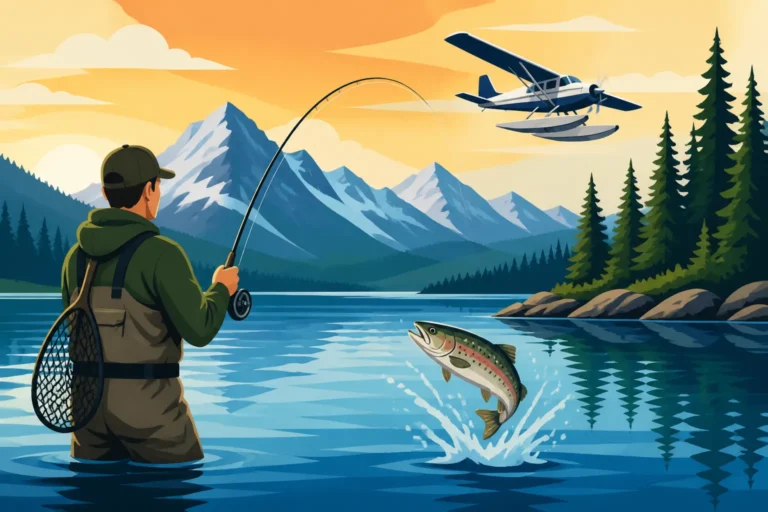
When targeting Rainbow and Cutthroat Trout in Cameron Lake or the park's streams, a lighter approach is better. A 4-6 weight fly rod with a floating line is ideal for most fly-fishing scenarios, allowing for delicate presentations with nymphs, dry flies, or small streamers. For spin anglers, an ultralight to light action spinning rod paired with a small reel spooled with 4-6 lb monofilament or fluorocarbon line will be perfect. Small spinners (like Mepps Aglias or Panther Martins), tiny spoons, or even small minnow imitation crankbaits work well. Our guide on Best Fishing Rods for Alberta Rivers offers good general advice on rod selection that can apply here, particularly for the streams. For more specific fly-fishing patterns and techniques, you might find inspiration in our Best Fly Fishing Rivers in Alberta content.
Always bring a landing net with a rubberized mesh to minimize harm to fish, especially if you plan on practicing catch and release. Pliers or forceps are essential for easy hook removal. And of course, don't forget bear spray – you are in bear country! A local guide, often found through services like FishingBooker, will also be able to provide the most current and effective gear recommendations based on recent conditions.
Planning Your Waterton Lakes Fishing Adventure
A successful fishing trip to Waterton is about more than just knowing where to cast; it's about preparation, respect for the environment, and adherence to the park's ethos.
Securing Your Permits and Staying Legal
As mentioned, the number one rule in Waterton Lakes National Park is to obtain a Parks Canada fishing permit. These permits are available at the Waterton Park gate, the Visitor Centre, or the park's administration building. Make sure you understand the permit's duration (daily or annual) and keep it on your person while fishing. It’s also crucial to pick up the park's specific fishing regulations guide and carry it with you. These regulations detail everything from catch limits for various species (like the strict zero possession rule for Bull Trout) to specific gear restrictions on certain waters.
Do not assume that because you have a provincial license, you are covered in the National Park. They are entirely separate entities. Familiarizing yourself with these specific park rules, rather than relying solely on the broader Alberta Fishing Regulations Explained, will save you from potential fines and help conserve the park's unique fisheries. They can navigate the nuances of the park's fishing regulations and reveal those productive spots, which is why consulting with local experts, perhaps arranged via FishingBooker, is always a smart move.
Respecting the Environment and Wildlife
Waterton Lakes National Park is a protected area, and responsible angling is paramount. This means practicing "Leave No Trace" principles: pack out everything you pack in, and leave the natural environment undisturbed.
Wildlife encounters, particularly with bears, are common. Always carry bear spray, know how to use it, and make noise while hiking or fishing in dense vegetation. Keep your food stored properly and dispose of fish guts far from shorelines or camping areas to avoid attracting wildlife.
When it comes to the fish, especially native species like Cutthroat and the protected Bull Trout, handle them with the utmost care. Use barbless hooks whenever possible to facilitate easy release. If a fish is deeply hooked, cut the line rather than trying to rip the hook out. Wet your hands before handling fish to protect their protective slime coat, and keep them in the water as much as possible, especially during warmer weather. The long-term health of Waterton's fisheries depends on every angler's commitment to responsible practices.
Waterton's fishing can be truly world-class, but it demands respect for its unique natural setting and its carefully managed fisheries. With the right preparation, understanding, and respectful approach, you’re in for an unforgettable angling experience amidst some of Canada’s most stunning scenery.
Disclaimer
The information provided in this guide is for general informational purposes only and is subject to change. Always consult the official Parks Canada regulations for Waterton Lakes National Park before planning your fishing trip, as specific rules, seasons, and limits can vary and be updated. It is the angler's responsibility to know and follow all applicable regulations.