Best fishing access on the Oldman River
Finding reliable public access points to fish on a new river can feel like solving a puzzle, especially on a diverse system like the Oldman River in Alberta, where stretches can be bordered by private land. It's frustrating to drive past promising water only to realize you can't get to it. This comprehensive guide is here to unravel the mystery, showing you exactly where and how to find the best fishing access points, from the headwaters to the prairie sections, ensuring your next angling adventure on the Oldman is a success.
Understanding the Oldman River Fishery
The Oldman River is a truly remarkable water system in Southern Alberta, originating in the Rocky Mountains and eventually flowing east across the prairies to join the South Saskatchewan River. This journey gives it incredible diversity, offering a wide range of fishing experiences depending on where you decide to drop a line. Understanding its character and what species thrive in different sections is key to successful access.
The Character of the Oldman River
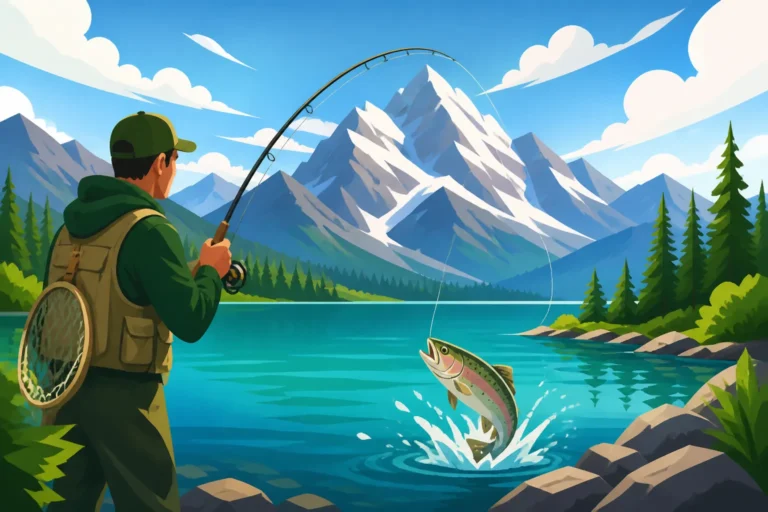
In its upper reaches, nestled in the mountains and foothills west of Fort Macleod, the Oldman River is a classic freestone trout stream. Here, it's typically colder, clearer, and features a mix of riffles, runs, and deep pools that are perfect habitat for various trout species and mountain whitefish. The scenery is breathtaking, with towering peaks and lush forests providing a serene backdrop to your fishing. As the river flows eastward, passing through communities like Fort Macleod and eventually Lethbridge, it transforms. The current slows, the water often becomes warmer and murkier due to agricultural runoff, and the river broadens. This transition signals a shift from a predominantly trout fishery to one dominated by warm-water species more typical of prairie environments.
This change in character means you need to adjust your expectations and your approach to finding access. The narrow, intimate sections up high often mean more walk-in opportunities, while the wider, slower sections downstream might be more suited for boat access. The river offers something for everyone, from the solitude of a mountain stream to the productive fishing of a prairie river.
What You Can Expect to Catch
The species you'll encounter on the Oldman River are directly tied to the section you're fishing. Upstream, in the clear, cold waters of the foothills, you can expect to find a healthy population of rainbow trout, brown trout, and cutthroat trout. These fish are often wary and require a more stealthy approach, making it a favorite for fly anglers. You'll also find abundant mountain whitefish, which are fantastic on the fly or with small jigs. Depending on the specific regulations, you might even encounter the revered bull trout, though these often have strict catch-and-release rules in Alberta to protect their threatened populations. If you're targeting mountain whitefish, make sure you know the Alberta mountain whitefish limit for your specific zone.
As you move further downstream into the central and prairie sections, the game changes. Here, the water warms up, and species like walleye, northern pike, goldeye, and sauger become the primary targets. These fish thrive in the slower, nutrient-rich waters. You might find some surprisingly large pike lurking in weedy backwaters, or aggressive walleye concentrated in deeper holes or around structure. For those venturing into the walleye fishery, it's always wise to be aware of the Alberta walleye daily limit and whether a Alberta Walleye Special Harvest Licence Program is in effect for that year. Knowing what to expect helps you prepare the right gear and focus on the most productive areas for your target species.
Key Fishing Access Points on the Oldman River
Accessing the Oldman River can be a joy, but it requires a bit of local knowledge to navigate public versus private lands effectively. The river winds through diverse landscapes, each offering unique opportunities to get your line in the water.
Upper Reaches and Foothills Access
The upper Oldman River, particularly west of Fort Macleod, is a gem for trout anglers. This is where the river maintains its cold, clear, mountain stream characteristics. One of the most popular and readily accessible areas is around the Highway 3 corridor, which parallels the river for significant stretches.
- Lundbreck Falls Provincial Recreation Area: While technically on the Crowsnest River (a major tributary that meets the Oldman nearby), this area offers excellent fishing and a good base for exploring the surrounding waters. You can find detailed information on Crowsnest River Lundbreck Falls Fishing, but it gives you a sense of the accessible mountain stream fishing in the region. Further downstream from the falls, the Crowsnest meets the Oldman, and public access points along Highway 3 and range roads are common. Look for bridge crossings or designated day-use areas.
- Oldman River Dam and Reservoir: East of Lundbreck, the Oldman River Dam creates a large reservoir. This spot offers boat launches and shore access, providing a different fishing experience. While the reservoir itself holds diverse species, the river sections immediately below the dam can be fantastic for trout, especially during consistent water releases. Always check local signage and regulations for specific access rules around the dam.
- Kootenai Brown Pioneer Village (Fort Macleod area): As the river nears Fort Macleod, it begins to transition but still holds good trout populations in sections. While much land here is private, there are often public bridge crossings or municipal parks that provide river access. Always look for clear signage indicating public access or consult land ownership maps (like those available through Alberta's Crown Land tools or specific angling apps) to ensure you're not trespassing. Wading is often a productive way to explore these sections, but be mindful of fluctuating water levels, especially during spring runoff.
Central and Prairie Section Access
Once the Oldman River leaves the foothills and sprawls onto the prairies, the access points shift. Here, the river is wider, often slower, and the species change to warm-water varieties.
- Fort Macleod and Area: Around Fort Macleod, the river starts to show its prairie character, but still provides decent opportunities for both trout and the incoming warm-water species. Public parks and bridge crossings within and just outside the town often offer reasonable access points. These areas are excellent for casting spoons or spinnerbaits for northern pike or drifting worms for goldeye and even some lingering trout.
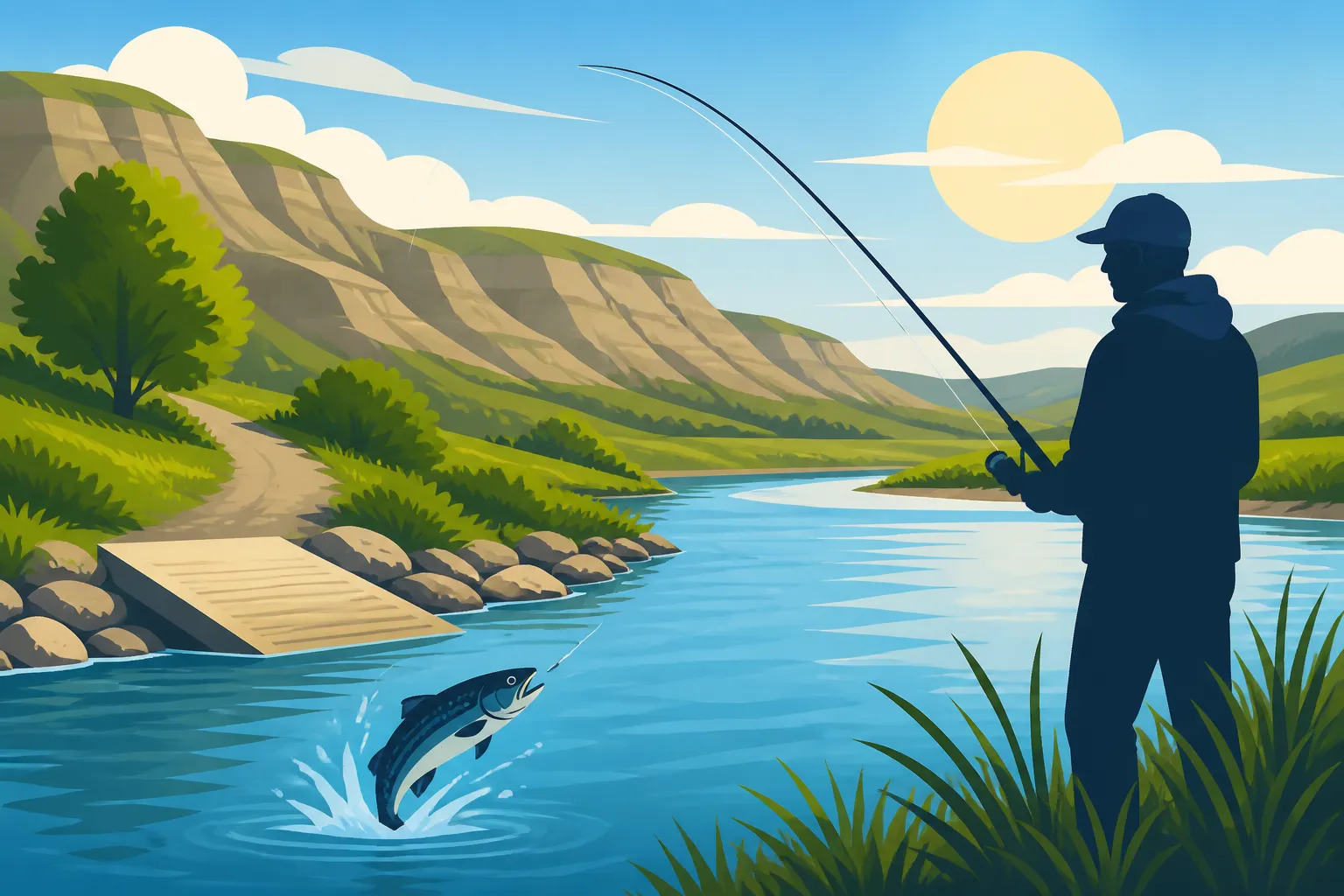
- Lethbridge and Downstream: As the Oldman River flows through Lethbridge, public access becomes more concentrated around urban parks and designated recreation areas. The river here is wide and often murky, making it prime habitat for walleye, northern pike, and sauger.
- Indian Battle Park (Lethbridge): This large urban park offers extensive river frontage below the famous High Level Bridge. It's a popular spot for shore anglers, with walking trails leading to various fishing spots. You can access deeper pools and slower currents, perfect for targeting walleye or pike with jigs, crankbaits, or even a simple worm and bobber rig.
- Bridge Crossings East of Lethbridge: Beyond the city, access points typically revolve around bridge crossings on secondary highways and gravel roads. While some areas might require a bit of a hike, these often lead to less pressured water. Look for pull-offs or small parking areas near bridges. These spots are fantastic for launching small boats, canoes, or kayaks, especially for those interested in drift fishing for walleye or pike. Finding these spots can sometimes be easier with a local guide, or by searching platforms like FishingBooker, which often list charter services operating on specific river sections.
- Private vs. Public Land Navigation: Alberta's land access rules can be confusing. Many prime river stretches are bordered by private agricultural land. It is critical to understand that riverbeds are generally considered public Crown land below the 'ordinary high water mark,' but accessing them over private property is not allowed without permission. Always look for clearly marked public access points, such as bridge crossings, provincial parks, or designated recreation areas. Tools like Alberta's iHunter app or MyWildAlberta website can provide land ownership maps that show Crown land boundaries, which are invaluable for identifying legal access points. When in doubt, assume it's private and seek permission or find another spot. Ignoring property lines can lead to fines and strained relationships with landowners, which none of us want.
Practical Tips for Accessing the Oldman River
Making the most of your Oldman River fishing trip involves more than just knowing where to go. It's about being prepared for the conditions, understanding the regulations, and being smart about your gear.
Wading and Boating Considerations
The Oldman River, with its diverse sections, offers both excellent wading and boating opportunities, but each comes with its own set of considerations.
- Wading: In the upper, shallower, and clearer sections, wading is often the most effective way to fish for trout. Good quality chest waders and sturdy wading boots with felt or rubber soles are essential for navigating rocky bottoms and swift currents. Always use a wading staff, especially when the current is strong or visibility is poor, as it can prevent nasty falls. Check the river's flow rates online before heading out; high water levels can make wading dangerous or impossible. Even in seemingly calm spots, hidden drop-offs or slippery rocks can surprise you. When walking near banks, be mindful of unstable edges.
- Boating: For the wider, slower sections, particularly downstream from Fort Macleod, various boats can unlock access to otherwise unreachable spots.
- Drift Boats and Rafts: These are excellent for the upper-mid sections, allowing anglers to float quietly through prime trout water. They require two people: one to row, one to fish, and a shuttle plan. You'll need to know where safe launch and take-out points exist.
- Jet Boats: In the lower, shallower prairie sections, jet boats are popular for covering long distances and navigating braided channels. They allow access to remote walleye and pike hot spots.
- Canoes and Kayaks: These offer a more intimate experience and are fantastic for exploring the mid-to-lower river sections. They are relatively easy to launch from many public access points and allow you to stealthily approach fish in shallower waters or around weed beds. Remember that Life Jacket Requirements for Alberta Boaters apply to all watercraft, so ensure everyone has a properly fitting PFD. If you're planning a multi-day float trip, mapping out your launch and retrieval points is crucial. For longer floats, platforms like FishingBooker can help you connect with local outfitters who offer guided float trips, handling the logistics of boat rentals and shuttles.
Essential Gear and Regulations
No matter where you choose to fish on the Oldman, being properly equipped and legally compliant is paramount.
- Licensing: First and foremost, you need a valid Alberta Fishing License Guide for 2026 and an Alberta WIN Card, Explained. This is non-negotiable for anyone over the age of 16 (and some exceptions apply, so check the details). You can purchase these online through the MyWildAlberta portal or at authorized vendors. Keep your license and WIN card readily accessible, either a printed copy or a digital version on your phone, as fisheries officers conduct routine checks.
- Regulations: Alberta's fishing regulations can be complex, with specific rules varying by management zone and even individual water bodies. Always consult the current Reading the Alberta Guide to Sportfishing Regulations before you head out. This guide, available online and at most tackle shops, details season dates, bag and possession limits for species like Alberta walleye daily limit, special harvest license opportunities, and gear restrictions (e.g., bait bans or barbless hook requirements). Fishing without knowing the rules can lead to significant penalties.
- Tackle: Your gear should match your target species and the river section.
- Trout (Upper River): A light to medium-light spinning rod (6' to 7') with 4-8 lb monofilament or fluorocarbon is great for throwing small spinners, spoons, or jigs. Fly anglers will typically use 4 to 6-weight fly rods with appropriate fly lines, leaders, and a selection of local fly patterns (nymphs, dry flies, streamers). For those seeking an immersive fly fishing experience, considering a guided trip found on sites like FishingBooker can provide expert insight into the best flies and techniques for the specific conditions.
- Pike & Walleye (Lower River): A medium to medium-heavy spinning or baitcasting rod (6'6" to 7'6") with 10-20 lb braided line and a fluorocarbon or wire leader is suitable. Lures like crankbaits, spinnerbaits, soft plastic swimbaits, and jigs with plastic trailers are highly effective. Live bait (where legal) can also be a game-changer for walleye.
- Safety Gear: Beyond the PFDs for boating, consider a first-aid kit, bear spray (especially in the upper reaches), insect repellent, sunscreen, plenty of water, and appropriate clothing layers for changing weather conditions. A good map or GPS device is also wise, particularly when exploring less-trafficked areas.
Seasonal Access Considerations and Best Times to Visit
The Oldman River offers fishing opportunities throughout the open water season, but the best access and fishing techniques will shift with the changing seasons. Understanding these nuances can significantly improve your success rate and overall enjoyment.
Spring Fishing Access
Spring on the Oldman River is a time of transition. As the snow melts and temperatures rise, the river typically experiences its annual runoff, leading to higher, colder, and often murkier water, especially in the central and lower sections.
- Early Spring (April-May): During this period, the river can be a challenging beast. Wading can be difficult or even dangerous due to high flows and cold water. Access might be limited to areas with solid, elevated banks. However, this is prime time for targeting northern pike in the slower backwaters, eddies, and flooded vegetation of the prairie sections. These fish are often recovering from spawn and are aggressive feeders. Walleye can also be found in predictable pre-spawn staging areas or post-spawn recuperation zones in the lower river, but often require deeper presentations with jigs or heavier baits. Trout fishing in the upper river can be slow due to cold water and high flows, but some larger trout may be caught as they become active.
- Late Spring (May-June): As runoff subsides and waters begin to clear and warm slightly, access improves dramatically. Trout opener on many mountain streams is usually June 15th, and this can significantly affect the upper Oldman's trout activity. The mid-sections might start to see more consistent trout action, while the prairie sections continue to be strong for pike and walleye. Public launch points become more viable for smaller boats like canoes and kayaks, allowing you to explore more water. Just be sure to always check Alberta Trout Season Opener Dates by Zone to ensure you're compliant.
Summer Fishing Access
Summer is arguably the most popular time to fish the Oldman River, offering generally stable flows and pleasant weather, though the prairie sections can get quite warm.
- Upper River (Trout): In the headwaters and foothills, summer brings consistent dry fly fishing, nymphing, and streamer action for rainbow, brown, and cutthroat trout. Water levels are typically lower, making wading excellent. Access points along the Highway 3 corridor and into the Oldman River Dam area are in full swing. Early mornings and late evenings are often the most productive, especially during hot spells. These are fantastic times for a guided fly-fishing excursion, and a quick search on FishingBooker can connect you with experienced local guides who know the best runs and hatches.
- Lower River (Walleye, Pike, Goldeye): The central and prairie sections offer fantastic opportunities for warm-water species. Walleye will relate to deeper channels, current breaks, and structural elements like bridge pilings. Pike will be in weed beds and ambush points. Shore access in Lethbridge's Indian Battle Park, or boat launches east of the city, provide excellent starting points. Topwater lures can be exciting for pike in the mornings and evenings. When water temperatures are consistently high, focusing on deeper, cooler water is key for walleye.
Fall Fishing Access
Fall can be a truly magical time to fish the Oldman River, often offering some of the best angling of the year with fewer crowds and aggressive fish.
- Stable Flows and Active Fish: As temperatures cool and precipitation decreases, river flows tend to stabilize, and the water often clears beautifully. Both trout in the upper reaches and warm-water species downstream become incredibly active as they feed heavily in preparation for winter.
- Trophy Opportunities: Fall is renowned for producing trophy-sized fish. Big brown trout in the upper and mid-river sections will be chasing streamers and larger nymphs. Downstream, walleye and pike are often at their most aggressive, gorging on baitfish, making them susceptible to a variety of lures. Access points that might have been crowded in summer are often quieter, providing a more peaceful angling experience.
- Cooler Temperatures: While the fishing can be exceptional, the weather can be unpredictable. Be prepared for crisp mornings, potential snow squalls, and fluctuating daytime temperatures. Layered clothing is essential. Many anglers find the comfortable conditions and active fish in the fall to be their favorite time. If you're looking for a specific target species or a guided experience during the prime fall bite, booking through platforms like FishingBooker can help ensure you get on the best water with a knowledgeable local.
| Access Point/Area | Best Section | Primary Species | Best Access Method | Key Features |
|---|---|---|---|---|
| Lundbreck Falls Area | Upper/Foothills | Rainbow, Brown, Whitefish | Walk-in/Wading | Scenic, clear water, trout habitat. Access for Best Fly Fishing Rivers in Alberta nearby. |
| Oldman River Dam | Upper/Mid | Trout, Pike, Walleye | Boat/Shore | Reservoir and river below dam, diverse species. |
| Fort Macleod Area Bridges | Mid-River | Trout, Pike, Walleye, Goldeye | Walk-in/Shore | Transition zone, mixed fishery, road accessible. |
| Indian Battle Park (Lethbridge) | Lower/Prairie | Walleye, Pike, Sauger, Goldeye | Shore/Walk-in | Urban access, deeper pools, current breaks. |
| Bridges East of Lethbridge | Lower/Prairie | Walleye, Pike, Sauger, Goldeye | Boat (small)/Shore | Remote feel, good for floating, structure fishing. |
Disclaimer
The information provided in this guide is for general informational purposes only and is subject to change. Fishing regulations, access rules, and environmental conditions on the Oldman River can vary. Always consult the most current Alberta Guide to Sportfishing Regulations and local advisories before planning your trip. Angling involves inherent risks; prioritize safety and practice responsible fishing to protect yourself and Alberta's valuable fisheries.