Cold Lake Lake Trout Fishing
Navigating the vast, often intimidating waters of Cold Lake in search of its legendary lake trout can feel like an overwhelming challenge for even seasoned anglers. With its incredible depths and diverse underwater topography, knowing where to start, what gear to use, and which techniques will actually put you on these powerful fish can be a real head-scratcher. This comprehensive guide is here to demystify Cold Lake's lake trout fishery, providing you with the knowledge and strategies to confidently pursue these magnificent creatures.
Understanding Cold Lake's Unique Lake Trout Fishery
Cold Lake isn't just any lake; it's a massive, deep body of water that straddles the Alberta-Saskatchewan border, famous for its substantial lake trout population. Unlike smaller, shallower lakes, Cold Lake presents a unique set of circumstances that dictate how these fish live, feed, and can be caught. Understanding these nuances is the first step to success.
The Cold Lake Advantage: Depth, Structure, and Forage
What makes Cold Lake such a prime habitat for lake trout? It boils down to three critical factors: depth, complex underwater structure, and an abundant forage base. This lake plummets to depths exceeding 100 meters (over 325 feet) in some areas, providing the cold, oxygen-rich water that lake trout absolutely thrive in, especially during the warmer months. These deep zones offer thermal refuge when surface temperatures rise, keeping the trout comfortable and active.
Beyond sheer depth, the lake's bottom is a mosaic of fascinating structures. You'll find everything from steep drop-offs and rocky shoals to submerged islands and vast flats. These features are not just pretty scenery; they are vital highways and hunting grounds for lake trout. For example, a sharp underwater ledge could be a perfect ambush point, while a sprawling shoal might hold schools of baitfish, attracting hungry trout. Learning to interpret your electronics and identify these structures is crucial.
And what do these lake trout eat in such a colossal larder? Cold Lake boasts a rich forage base, including Cisco (lake herring), lake whitefish, and a variety of smaller baitfish. These fatty, protein-rich prey items are what allow Cold Lake lake trout to grow to such impressive sizes. Knowing what the trout are feeding on at different times of the year, or even at different depths, can dramatically inform your lure and presentation choices, helping you "match the hatch" of their natural diet. This understanding of their food source is paramount to consistent success.
Identifying Cold Lake's Lake Trout: Size and Habits
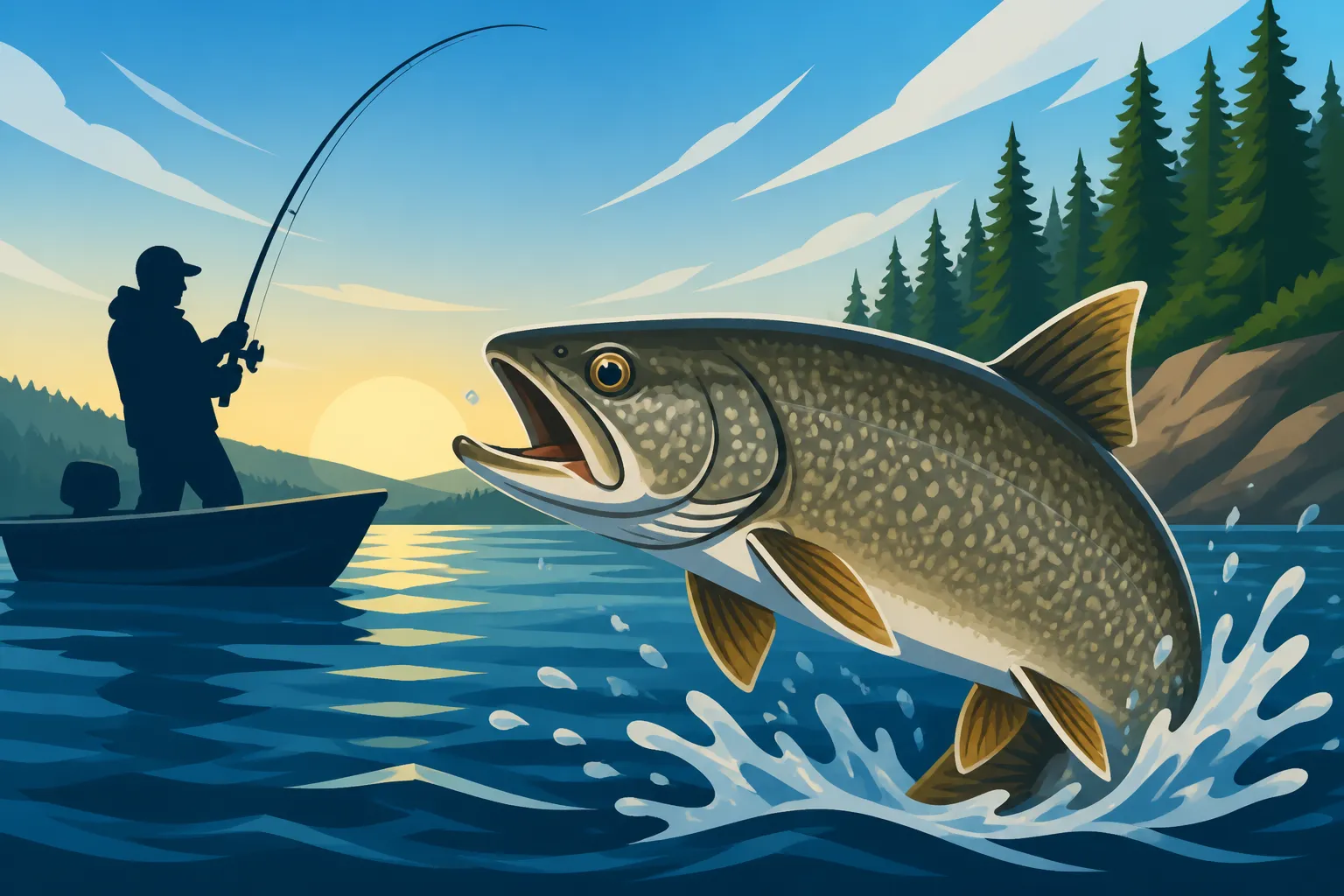
Cold Lake is renowned for producing truly substantial lake trout. While the average size of lake trout in Alberta can vary, Cold Lake regularly kicks out fish in the 5 to 15-pound range, with true monsters exceeding 20 or even 30 pounds not uncommon. These are powerful, hard-fighting fish that demand proper gear and technique.
Visually, Cold Lake's lake trout are typically dark green to grey on their backs, fading to lighter sides and a white belly, covered in distinct cream or yellow spots that are often irregular in shape. They have a deeply forked tail, a key identifier that distinguishes them from other trout species you might encounter. If you're curious about the general range, our guide on Lake Trout Average Size in Alberta Lakes offers more insight.
Their habits are largely dictated by water temperature and the availability of their preferred forage. In the colder months, they can be found throughout the water column, often shallower. As summer progresses, they retreat to the cooler, deeper parts of the lake, frequently suspending over deep water or hugging structure that provides thermal relief. They are predatory fish, often found patrolling drop-offs, underwater points, and the edges of expansive flats, constantly on the hunt for baitfish. Their movements can be predictable if you understand these environmental drivers. Learning how to locate them by understanding their seasonal movements is one of the biggest keys to success on such a large body of water.
Essential Gear for Cold Lake Lake Trout
You wouldn't bring a butter knife to a sword fight, and you certainly wouldn't tackle Cold Lake's lakers with flimsy gear. These fish are strong, the lake is deep, and the conditions can be demanding. Having the right tools for the job isn't just about comfort; it's about efficiency, safety, and ultimately, success.
Rods, Reels, and Line Selection for Deep Water
When it comes to battling heavy lake trout in deep water, your rod and reel setup needs to be robust and reliable. For trolling, which is a very popular and effective method here, you'll want medium-heavy to heavy action rods, typically 7 to 9 feet long. The extra length helps with lure presentation, especially when running multiple lines, and provides leverage for fighting big fish. Think sturdy graphite or composite blanks that can handle the strain of heavy weights and powerful runs.
Matching those rods with quality baitcasting or conventional reels is crucial. Look for reels with strong drags, high line capacity, and durable gears. A good reel will allow for smooth line retrieval even under pressure and will hold up to repeated fights with heavy fish. Models from brands like Daiwa, Shimano, or Abu Garcia are popular choices among serious lake trout anglers.
Line selection is another critical component. For main lines, many anglers opt for braided line in the 30-50 pound test range. Braid offers incredible strength, minimal stretch (which translates to better bite detection and solid hooksets), and a thinner diameter for its breaking strength, helping lures run deeper. However, braid is visible in clear water, so it's almost always paired with a fluorocarbon leader, typically 15-25 pound test, which offers excellent abrasion resistance and near invisibility underwater. For those opting for monofilament, a 20-30 pound test line offers more stretch, which can be forgiving, but might require different hookset techniques. Choosing the right line can make a significant difference in how your lures perform and how many fish you convert into catches.
Lures and Baits: Matching the Hatch on Cold Lake
Cold Lake lake trout are opportunistic feeders, but they do have preferences, especially when it comes to imitating their primary forage. The most effective lures tend to be those that mimic the size, profile, and action of Cisco and whitefish.
Large spoons are perennial favourites. Think classic patterns like the Daredevil, Five of Diamonds, or locally preferred colours such as silver, blue/silver, white, or glow patterns, especially in deeper, darker water. Sizes ranging from 3 to 6 inches are common, but don't shy away from larger spoons if you're targeting truly massive fish. Trolling spoons behind a downrigger or weighted system is incredibly effective.
Deep-diving crankbaits and stickbaits are also deadly. Look for models designed to reach significant depths, or use them in conjunction with downriggers or diving planes. Colours that mimic natural baitfish (silver, blue, perch patterns) or vibrant, attention-grabbing colours (firetiger, hot pink) can both produce. Some popular choices might include Bomber Long A, Rapala Deep Dive Husky Jerk, or similar profiles.
When jigging, especially during the ice fishing season or when vertically fishing suspended fish in open water, heavy jigging spoons (like the Swedish Pimple or Crippled Herring) or tube jigs (4-6 inches in white, silver, or glow) are excellent choices. Tipping these jigs with a piece of cut bait, like a minnow head or a small chunk of sucker meat, can often entice hesitant bites. The general rule is to start with larger presentations and downsize if fish are finicky. Our guide on Best Bait for Lake Trout in Deep Water can offer more specialized advice here.
Sonar and Navigation: Key to Finding Fish
On a lake as vast and deep as Cold Lake, going out without reliable electronics is akin to searching for a needle in a haystack blindfolded. A good fish finder (sonar unit) is an indispensable tool for finding both fish and the structure they relate to. Modern units with GPS, down imaging, and side imaging capabilities can paint a detailed picture of the underwater world, showing you drop-offs, submerged humps, bait schools, and even individual fish.
For deep-water lake trout, a unit with a powerful transducer capable of accurately reading depths over 100 feet is essential. Understanding how to interpret the returns from your sonar is a skill that develops with practice, but it's vital for identifying thermoclines (the layer where water temperature changes rapidly, often where lake trout suspend) and detecting the subtle arches that indicate fish. Brands like Humminbird, Lowrance, and Garmin offer excellent options for various budgets. You can explore options in our article Best Fish Finders for Alberta Lakes.
Beyond finding fish, GPS navigation is critical for marking productive spots, trolling precise paths, and safely navigating the lake, especially in adverse weather or low light conditions. You can mark waypoints on submerged structure, record successful trolling passes, and easily return to hot spots. Many anglers also utilize digital lake maps integrated into their sonar units, which provide detailed contour lines and navigation aids, making the immense size of Cold Lake feel much more manageable.
Proven Techniques for Catching Cold Lake Lake Trout
Cold Lake's lake trout respond to various presentations depending on the season, depth, and their current feeding mood. Mastering a few key techniques will significantly increase your chances of success. It's often about persistence and adapting to what the fish are telling you.
Trolling Strategies: Covering Water Effectively
Trolling is arguably the most consistent method for catching lake trout on Cold Lake, especially during the open water season. It allows you to cover vast amounts of water and present lures at precise depths, crucial when fish are scattered or holding deep.
The core of effective trolling lies in depth control and speed. Lake trout prefer cold water, typically in the 45-55°F (7-13°C) range. As the seasons change, you'll need to adjust your depth to find this comfort zone. Downriggers are the ultimate tool for this, allowing you to present lures at exact depths, regardless of boat speed or lure action. Planer boards can be used to spread out lines, especially for shallower presentations or when running multiple rods. Without downriggers, heavy weights (like diving planes or bottom bouncers) or specialized deep-diving crankbaits can get your lures into the strike zone. If you're wondering How deep to troll for lake trout on Cold Lake, it often depends on the season, but summer depths can easily exceed 60-100 feet.
Your trolling speed will also vary. Generally, a speed between 1.8 to 3.5 mph is a good starting point for spoons and crankbaits, but observing your lure action and experimenting is key. Some days, a slower, more methodical pace entices bites, while other days, a faster, erratic retrieve triggers strikes. Pay attention to your rod tips for the tell-tale pulsing action of your lure and any sudden changes that might indicate a hit. Trolling along depth contours, over submerged humps, and around points are prime strategies. Don't be afraid to experiment with S-curves and turns; these variations in speed and depth can often provoke a following fish into striking.
Jigging Techniques: Vertical Presentation for Suspended Fish
While trolling covers horizontal distance, jigging is about vertical precision. This technique is incredibly effective when you've located a school of fish or identified specific structure on your sonar, whether in open water or through the ice.
In open water, vertical jigging involves positioning your boat directly over fish or structure. Heavy jigging spoons, tube jigs, or even large soft plastics rigged on heavy jig heads are dropped to the target depth. The retrieve typically involves lifting the rod tip sharply, allowing the lure to flutter back down on a semi-slack line, mimicking a wounded baitfish. The strike often occurs on the fall, so paying close attention to your line and feel is paramount. Some days, aggressive, high lifts are best, while others, subtle twitches and long pauses are the ticket.
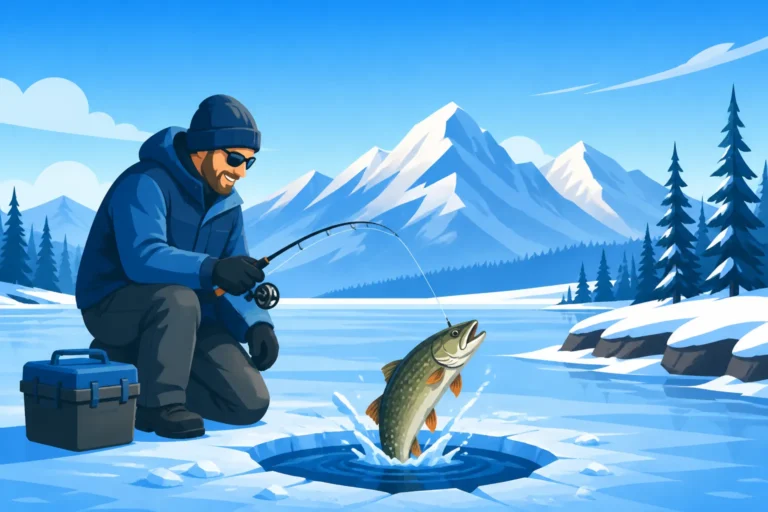
For ice fishing, jigging is the primary method. Anglers use specialized ice fishing rods, often shorter and stiffer, paired with small spinning reels. Small jigging spoons (like the classic Swedish Pimple), lipless crankbaits, or even weighted plastics are jigged through the ice hole. The key here is to stay mobile if fish aren't biting in one spot, and to use your flasher (a type of sonar for ice fishing) to observe fish reactions to your lure in real-time. Often, lake trout will rise to investigate, and you might need to "play" with them, lifting the lure away to provoke an aggressive chase. Tipping your jig with a minnow head or small piece of sucker meat can be an irresistible offering.
Ice Fishing for Lake Trout: Winter's Deep Challenge
Cold Lake transforms into an ice fishing paradise in winter, offering a unique opportunity to target lake trout. The frozen surface opens up vast areas that are inaccessible during the open water season, but it also brings its own set of challenges and safety considerations.
The key to successful ice fishing for lakers on Cold Lake lies in mobility and precision. Don't just drill one hole and sit there all day. Lake trout are often nomadic, cruising vast underwater territories. Use a powerful ice auger (gas or electric are ideal for the thick ice and numerous holes you might drill) and your portable sonar (flasher) to quickly scout different depths and structures. Target familiar open-water hotspots like points, drop-offs, and humps, but also explore deeper flats where schools of Cisco might be holding.
Your ice fishing setup should be robust. Medium-heavy to heavy action ice rods, paired with strong spinning reels spooled with heavy braid (20-40lb test) and a fluorocarbon leader (15-25lb test) are standard. Lures include large jigging spoons (3-6 inches), lipless crankbaits, or even large tube jigs. As mentioned earlier, tipping your lures with bait is highly effective. Remember to always prioritize safety on the ice. Understanding How thick ice needs to be to fish safely in Alberta is crucial, as is carrying safety gear like ice picks, a throw rope, and knowing how to use them.
Seasonal Strategies and Best Times to Fish Cold Lake
Lake trout behavior on Cold Lake is heavily influenced by the changing seasons, primarily due to water temperature fluctuations and the availability of their preferred forage. Understanding these seasonal shifts is fundamental to consistently finding and catching fish.
Spring and Early Summer: Post-Spawn Opportunities
As the ice recedes and water temperatures begin to rise in spring, Cold Lake's lake trout become more active and accessible. This is a fantastic time to target them, as they are often recovering from the spawn and feeding aggressively. You'll typically find them shallower than in mid-summer, often in depths ranging from 20 to 60 feet.
During this period, lake trout might be cruising along shorelines, points, and the edges of shallower bays, especially where baitfish are congregating or where warmer water is flowing in from tributaries. Trolling medium-sized spoons and crankbaits is highly effective, as is casting larger jerkbaits or swimbaits towards visible structure or baitfish schools. The fish are often more willing to chase a lure during this cooler water period. Early season brings incredible opportunities for active fish. Our guide on Alberta Trout Season Opener Dates by Zone can offer more context on general trout seasons.
Mid-Summer: Deep Water Dominance
As summer progresses and surface water temperatures soar, Cold Lake's lake trout retreat to their deep-water sanctuaries. This is when the lake's incredible depth becomes both a challenge and an advantage. Finding the thermocline (that distinct temperature break where cold water meets warmer water) is paramount, as this is often where lake trout will suspend or relate to structure.
During mid-summer, lake trout will typically be found in depths from 60 to over 150 feet. Trolling with downriggers becomes almost essential to consistently present lures at these precise depths. Large spoons and deep-diving crankbaits in natural baitfish colours are top producers. Focus your efforts over deep water structure like submerged humps, significant drop-offs, and the edges of main lake basins. Vertical jigging can also be very effective if you locate schools of suspended fish on your sonar. Remember that for lake trout, generally, the deeper you go, the cooler the water, and the happier the fish. Knowing What water temperature lake trout prefer is key to finding them.
Fall: Pre-Spawn Aggression
As the days shorten and water temperatures cool in the fall, Cold Lake's lake trout undergo another significant shift. This is often when some of the biggest fish are caught, as they feed heavily in preparation for their upcoming spawn. They become incredibly aggressive, making for some truly exciting fishing.
In the fall, lake trout will often move shallower again, similar to spring, though not always as shallow as right after ice-out. They'll be found relating to rocky shoals, points, and reefs, which are often their spawning grounds. Trolling large spoons and crankbaits, or casting big jerkbaits and swimbaits, can be incredibly productive. The fish are eager to gorge before the spawn, making them less finicky about presentations. This pre-spawn period is a prime time for trophy hunters. Our article on Lake Trout Spawning Season in Alberta might offer more specifics for Cold Lake.
Winter: Under the Ice Tactics
Once Cold Lake freezes solid, usually from late November/early December through to March/April, ice fishing for lake trout kicks into full swing. This is a very popular time for anglers to target these deep-water predators.
As mentioned in the techniques section, mobility is key. Lake trout can be found anywhere from 30 feet to over 100 feet deep through the ice, often relating to structure but also cruising vast expanses of the lake. Heavy jigging spoons, lipless crankbaits, and tube jigs are the go-to lures. Pay attention to changes in pressure systems, as these can impact fish activity. Sunny, stable days are often best. Always prioritize safety, and be prepared for changing weather conditions. Cold Lake in winter is a force to be reckoned with, but it rewards those who brave its chill with magnificent lake trout.
Navigating Cold Lake: Access, Safety, and Regulations
Cold Lake is an impressive body of water, and while it offers incredible fishing opportunities, its size and conditions demand respect. Proper planning, adherence to safety protocols, and a clear understanding of regulations are essential for a successful and enjoyable trip.
Public Access Points and Boat Launches
Accessing Cold Lake is relatively straightforward, with several public boat launches available around the city of Cold Lake and other communities.
- Cold Lake (City) Marinas: The main city of Cold Lake offers excellent infrastructure, including marinas with multiple boat launches, ample parking, and often services like fuel and bait shops. These are typically well-maintained and provide easy access for larger fishing boats. The Kinosoo Beach area often has good access.
- Provincial Park Access: Cold Lake Provincial Park, located on the northern shore, provides additional access points, though these might be more suitable for smaller boats or hand launches, depending on the specific site. Always check the park's website for current conditions and regulations.
- Other Community Launches: Depending on which part of the lake you plan to fish, other smaller communities or designated public access points might be available. It's always a good idea to research these beforehand, especially if you're bringing a larger boat or looking for specific fishing grounds.
Before heading out, it's wise to consult local bait shops or the city of Cold Lake's tourism information for the most up-to-date information on launch conditions, parking availability, and any fees.
Essential Safety Considerations on a Large Lake
Fishing on a large body of water like Cold Lake comes with inherent risks, and safety should always be your top priority, whether in open water or on the ice.
- Weather: Cold Lake can get incredibly rough, incredibly fast. High winds can whip up large waves, making navigation dangerous for smaller boats. Always check the marine forecast before heading out and be prepared to cut your trip short if conditions deteriorate.
- Boating Safety: Ensure your boat is properly maintained and equipped with all required safety gear, including life jackets for every person on board, a sound-signalling device, bailing bucket, navigation lights, and a first-aid kit. Consider taking a boating safety course if you haven't already. Our guide on Life Jacket Requirements for Alberta Boaters has crucial details.
- Communication: Cell service can be spotty in certain areas of the lake. Carry a marine radio (VHF) for emergencies, especially if you plan to venture far from shore. Inform someone of your float plan – where you're going and when you expect to return.
- Ice Safety: For winter fishing, never venture onto the ice alone. Always check ice thickness in multiple spots, bring ice picks, a throw rope, and know what to do if someone falls through. Ice conditions can vary dramatically across the lake, even over short distances. Avoid areas with currents or open water.
- Emergency Contacts: Keep local emergency services numbers readily available.
For those new to navigating large lakes or who prefer the expertise of a local, consider hiring a guide. Services like FishingBooker can help you find experienced charter captains on Cold Lake who can not only put you on fish but also ensure a safe and enjoyable outing on these vast waters.
Understanding Alberta's Lake Trout Regulations
Staying within the law is a fundamental part of responsible angling. Alberta's fishing regulations are in place to manage fish populations and ensure sustainable fisheries. For Cold Lake lake trout, there are specific rules you must be aware of:
- Fishing License: A valid Alberta fishing license (and a Wildlife Identification Number, or WIN card) is required for all anglers aged 16 to 64. Non-residents will also need appropriate licenses. Our guide to the Alberta Fishing License Guide for 2026 covers all the essentials.
- Bag and Possession Limits: Cold Lake typically has specific bag and possession limits for lake trout, which can change year to year. It's crucial to consult the current Alberta Guide to Sportfishing Regulations for the most up-to-date information. These limits dictate how many fish you can keep daily and how many you can have in your possession at any given time (including at home).
- Season Dates: While lake trout are often open year-round in some zones, Cold Lake may have specific season dates for particular species or methods. Always verify these before your trip.
- Methods of Capture: Be aware of legal methods of capture. Typically, angling with a rod and line is permitted, but rules around spear fishing, set lines, or other methods can vary.
- Bait Restrictions: Some waters have restrictions on what bait can be used. While cut bait is often allowed for lake trout, always double-check the regulations for Cold Lake specifically.
Ignorance of the regulations is not an excuse. Always have a copy of the current Sportfishing Regulations with you, either a physical copy or the digital version available through the MyWildAlberta app. These regulations are designed to protect the very fishery you've come to enjoy, ensuring future generations can experience the thrill of Cold Lake lake trout fishing.
Cold Lake Lake Trout Fishing Techniques and Conditions Table
To help you quickly reference some key aspects of fishing for lake trout on Cold Lake, here's a handy table outlining optimal techniques and conditions:
| Season | Typical Depth Range | Primary Techniques | Recommended Lures/Baits | Notes |
|---|---|---|---|---|
| Spring | 20-60 feet | Trolling, Casting | Medium Spoons, Crankbaits, Jerkbaits | Post-spawn aggression, fish are shallower and actively feeding. |
| Early Summer | 30-80 feet | Trolling, Vertical Jigging | Large Spoons, Deep Crankbaits, Tube Jigs | Fish start moving deeper, follow baitfish. |
| Mid-Summer | 60-150+ feet | Trolling (Downriggers), Jigging | Extra Large Spoons, Heavy Jigs, Cut Bait | Deepest presentations needed, target thermocline and deep structure. |
| Fall | 40-100 feet | Trolling, Casting, Jigging | Large Spoons, Crankbaits, Swimbaits, Jigs | Pre-spawn feeding frenzy, aggressive bites, often shallower than mid-summer. |
| Winter (Ice) | 30-100+ feet (variable) | Vertical Jigging | Heavy Jigging Spoons, Lipless Crankbaits, Tube Jigs + Bait | Mobility is key, use sonar, target humps and deep flats. |
Disclaimer
The information provided in this guide is for general informational purposes only and is based on typical conditions and regulations. Fishing conditions, fish behavior, and specific regulations in Alberta can change rapidly. Always consult the most current Alberta Guide to Sportfishing Regulations, available from MyWildAlberta, before planning any fishing trip. Always prioritize safety on the water and ice.