Bow River Trout Fishing Near Calgary
The Bow River near Calgary is legendary, drawing anglers from all corners of the globe, but let's be honest, trying to navigate its vast stretches and understand its intricacies for the first time can feel incredibly overwhelming. Where do you even start? What gear do you need? This comprehensive guide is designed to demystify trout fishing on the iconic Bow, providing you with practical, in-depth information to plan your next successful angling adventure just outside the city.
Understanding the Allure of Bow River Trout Fishing
For many anglers, the Bow River isn't just another body of water; it's a pilgrimage. Its reputation as a world-class trout fishery is well-earned, but understanding why it holds such a special place, and what makes it tick, is key to appreciating and ultimately conquering its waters.
Why the Bow River is a World-Class Fishery
The Bow River’s fame isn't accidental. It's a perfect storm of environmental factors and thoughtful management that creates an unparalleled habitat for trout. Originating in the Bow Glacier in Banff National Park, the river flows through a diverse landscape, from alpine valleys to the prairies, collecting nutrients and carving out a rich ecosystem along the way. Below Calgary, particularly after the city's treated wastewater outflow, the river experiences a significant nutrient boost. This might sound counterintuitive, but this nutrient enrichment, coupled with the consistent cold water temperatures from its glacial source, fuels an explosive invertebrate population. Think caddisflies, mayflies, stoneflies, and scuds – all primary food sources for trout. The sheer abundance of this bug life means the trout grow incredibly fast and attain impressive sizes, making it common to hook into browns and rainbows pushing 20 inches or more.
The geology of the river also plays a huge role. The Bow's constant flow carves out deep runs, intricate riffles, and wide, slow pools, providing diverse holding lies for trout in all water conditions. The substrate is a mix of gravel and larger rocks, offering excellent spawning grounds and habitat for those invertebrates. This robust ecosystem means that even during slower periods, there's always a chance to find actively feeding fish. When you hear anglers rave about the Bow, they’re talking about these healthy, hard-fighting fish in a truly beautiful setting.
Common Trout Species You'll Encounter
While the Bow River is primarily known for its formidable rainbow and brown trout, you might also encounter other species, especially if you venture into its upper reaches or tributaries. Each species has its own characteristics and preferred habitats, which can influence your approach.
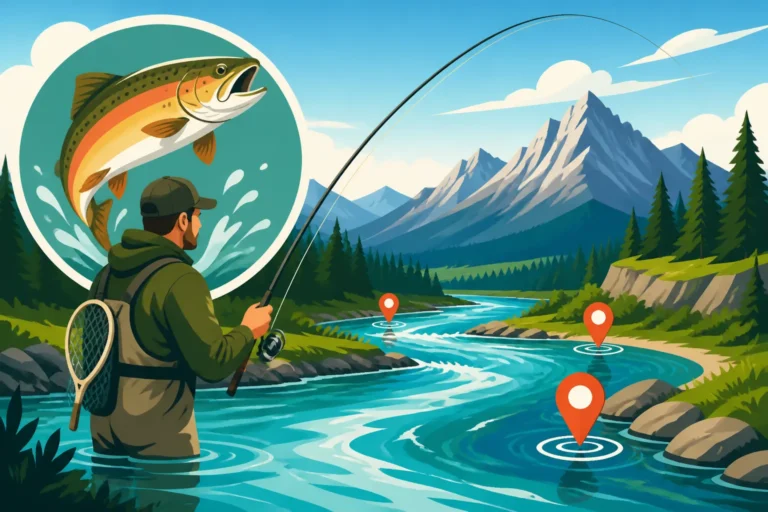
Rainbow Trout: These are the superstars of the Bow River, known for their acrobatic jumps and powerful runs. Bow River rainbows are typically a stunning chrome with a pronounced red band along their lateral line, often reaching impressive sizes. They are prolific feeders, often rising to dry flies during hatches and aggressively hitting nymphs and streamers. You'll find them throughout the Bow, particularly in the swifter, oxygenated runs and riffles where they can ambush prey. Their fighting spirit makes them a favourite target for many, and a 20-inch Bow River rainbow is a truly memorable catch.
Brown Trout: While perhaps not as numerous as rainbows in some stretches, the Bow River boasts some truly enormous brown trout. These elusive giants are often more territorial and prefer deeper, slower pools, undercut banks, and submerged structure where they can hide and ambush larger prey like baitfish. Their camouflage, a mottled brown and gold pattern, helps them blend seamlessly into these environments. Brown trout can be incredibly aggressive, especially on streamers or large nymphs, and landing a trophy brown from the Bow is a badge of honour among local anglers. It's not uncommon to hear tales of browns exceeding 25 inches, making them a true challenge.
Mountain Whitefish: Often overlooked, but abundant and a blast to catch, mountain whitefish are native to the Bow. While not a trout, they are a member of the salmonid family and provide excellent sport, especially on light tackle or small nymph patterns. They typically inhabit similar waters to trout, often found in deeper runs and pools, and can sometimes be frustratingly competitive for the same food sources you're targeting for trout. They put up a respectable fight and are a good indicator of a healthy river system.
Top Fishing Access Points Near Calgary
One of the biggest challenges for new Bow River anglers is figuring out where to go. The river is long, and access points vary wildly. Knowing the popular and productive spots, and how they differ, can save you a lot of time and frustration.
North of the City: Cochrane and Upstream
Venturing northwest of Calgary will take you to the quaint town of Cochrane and the upper stretches of the Bow River. This section offers a slightly different angling experience compared to the urban or downstream areas, with clearer water and often a more intimate feel, though fish numbers might be slightly lower than immediately below Calgary.
The Bow River near Cochrane is beautiful, flowing through a mix of ranch land and rolling foothills. Access here can be found at various bridge crossings and designated public lands. For instance, areas around Highway 1A offer decent public access points, allowing for wade fishing or launching smaller watercraft. The fish here are still healthy and vibrant, with a good mix of rainbows and browns. This stretch tends to have clearer water, making sight fishing a more viable option on bright days. Anglers often find success drifting nymphs through deeper runs or targeting rising fish with dry flies during hatches. Because it's a bit further from the immediate Calgary hustle, it can sometimes feel less crowded than the more popular city parks, offering a more serene angling experience. Remember to always respect private property and access the river only through designated public areas.
Within Calgary City Limits
Believe it or not, some of the Bow River’s most productive stretches flow right through Calgary, offering incredible urban fishing opportunities. You don't always need to drive hours to find fantastic trout. The accessibility of these spots means you can often squeeze in a quick fishing session before or after work.
One prime example is the section around Pierce Estate Park and Fish Creek Provincial Park. These areas provide extensive public access, including well-maintained pathways and various entry points for wade fishing. Fish Creek Park, in particular, boasts miles of riverfront that consistently hold large populations of both rainbow and brown trout. Anglers can explore deep pools, strong riffles, and classic runs. Another popular spot is Bowness Park and the surrounding areas, which offer convenient access and relatively gentle flows, making it suitable for waders of all experience levels. Further downstream, but still within the city, areas like McKenzie Lake and Maple Ridge also offer good access points. While fishing in the city, you’ll want to be mindful of park users and ensure you’re adhering to all local bylaws. Despite the urban backdrop, the fishing here can be truly world-class, making it a unique experience. If you’re visiting and looking for a quick outing, checking out a service like FishingBooker can help you find local guides who specialize in these accessible urban stretches.
South of Calgary: Fish Creek Park and Below Carseland Dam
As the Bow River leaves Calgary and flows southeast, it morphs into a wider, more powerful river, offering a different set of challenges and rewards. The section immediately below the city, particularly from Fish Creek Park extending down towards the Carseland Weir/Dam and beyond, is arguably the most famous and productive stretch of the entire river.
This is where the river truly earns its "world-class" moniker. The consistent flow and nutrient-rich waters contribute to an incredible biomass of insects and baitfish, leading to exceptional trout growth. Anglers often launch drift boats or rafts here to cover significant water, but there are also ample wade fishing opportunities at various bridge crossings and designated public access points. For instance, the public land around the Highway 24 bridge (known to many as the "Carseland Bow River" area) offers fantastic access, often with plenty of parking. This stretch features broad, sweeping runs, deep channels, and plenty of gravel bars. Fish here are abundant and aggressive, making it a prime location for both fly anglers and spin fishers. The trout in this section are often larger, with 20-inch-plus rainbows and browns being a regular occurrence. Understanding the Bow River Carseland Dam Fishing Access specifically can give you an edge in this highly productive area. When planning a trip here, especially if you're unfamiliar with the drift boat launches and take-outs, using a service like FishingBooker to connect with a guide can be invaluable for maximizing your time and safety on the water.
Here’s a quick overview of popular Bow River access points near Calgary:
| Access Point Area | Primary Access Type | Typical Species | Key Features | Best Suited For |
|---|---|---|---|---|
| Cochrane & Upstream | Wade, Small Watercraft | Rainbow, Brown, Whitefish | Clearer water, less crowded, scenic | Wading, fly fishing, serene experience |
| Calgary City Parks | Wade, Bank Fishing | Rainbow, Brown, Whitefish | Easy access, urban backdrop, productive runs | Quick trips, beginners, all-around fishing |
| Below Carseland Dam | Drift Boat, Wade | Rainbow, Brown, Whitefish | Large, powerful river, trophy fish potential, heavy hatches | Serious anglers, guided trips, drift fishing |
Essential Gear and Tackle for Bow River Trout
Approaching a river like the Bow without the right gear is like showing up to a fancy dinner in your pajamas – you might get in, but you won't feel comfortable or perform your best! The Bow can be powerful and the fish are strong, so having appropriate tackle is crucial.
Fly Fishing Essentials
Fly fishing on the Bow River is an art form, and having the right tools makes all the difference. You need gear that can handle large, hard-fighting trout and the diverse conditions of a big river.
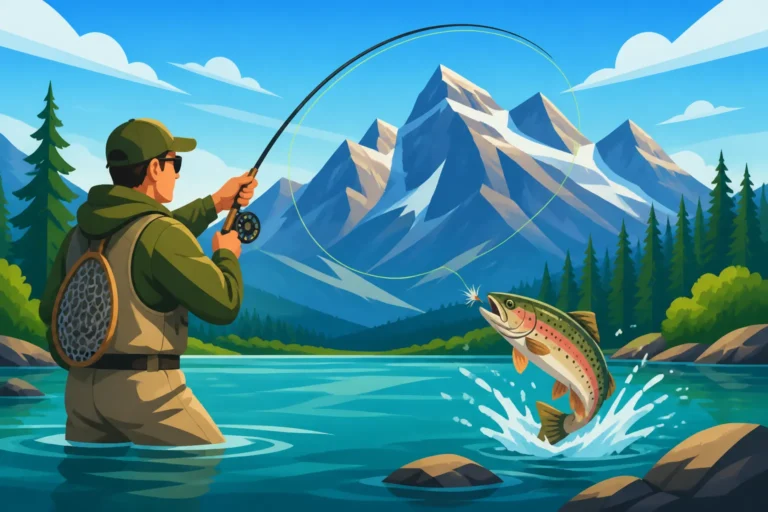
For a general setup, a 9-foot, 5-weight or 6-weight fly rod is the workhorse of the Bow. A 5-weight is versatile for most dry fly and nymphing situations, while a 6-weight offers more backbone for throwing heavier streamers, managing larger fish in strong currents, or dealing with windy conditions. Pair this with a reliable large arbor reel that has a smooth drag system and enough backing for those powerful runs. A quality weight-forward floating line is standard for most dry fly and nymphing applications. You’ll also want a good selection of leaders and tippet ranging from 3X to 5X for leaders, and 3X to 6X for tippet, depending on fly size and water clarity.
When it comes to flies, variety is key. The Bow River is famous for its prolific insect hatches, so having a selection of dry flies like various Caddis (Elk Hair Caddis), Mayflies (Parachute Adams, BWOs), and Stoneflies (Stimulator) is a must. For subsurface fishing, nymphs are incredibly effective. Think about patterns like San Juan Worms, Pheasant Tails, Prince Nymphs, and a variety of Scud imitations, especially in smaller sizes. Lastly, don't underestimate the power of streamers for targeting the larger brown trout or aggressive rainbows. Patterns like Woolly Buggers (black, olive), Sculpzillas, and various articulated streamers can be deadly, especially when fished near structure or during lower light conditions. Beyond the rod and reel, invest in good waders and wading boots for navigating the river's varied terrain; you’ll find our guide on Best Waders for Alberta Trout Rivers quite helpful. A reliable landing net with a rubberized mesh is essential for safe catch and release, and our piece on Best Landing Net for Trout offers great advice. Don't forget polarized sunglasses, nippers, hemostats, and a reliable fly box to keep your precious patterns organized.
Spinning and Conventional Gear
While fly fishing gets a lot of attention on the Bow, spinning and conventional gear can be incredibly effective and is often a more accessible entry point for many anglers. The key is to select gear that matches the strong currents and the size of the trout you’re targeting.
A medium-light to medium-action spinning rod in the 6-foot 6-inch to 7-foot range is ideal. This length provides good casting distance and sensitivity, while the action allows for solid hooksets and fights. Pair this with a quality spinning reel in the 2000-3000 size range, spooled with 6-10 lb test monofilament or fluorocarbon line. Many anglers prefer braided line (10-15 lb test) for its sensitivity and casting distance, often using a fluorocarbon leader (6-10 lb test) for abrasion resistance and stealth. This setup gives you the versatility to throw a range of lures suitable for Bow River trout.
When it comes to lures, a diverse selection will serve you well. Spinners are classic trout attractors, with brands like Mepps and Blue Fox producing reliable results in various sizes (e.g., #2 to #4). Spoons are also highly effective, particularly for casting into runs and allowing them to flutter through the current; try Little Cleos or Five of Diamonds. For deeper holes and structure, jigs tipped with soft plastics (e.g., small tubes or grub bodies) can be deadly, especially when imitating baitfish or scuds. Don't shy away from small crankbaits that mimic baitfish; Rapala Countdown or Shad Rap models in natural colours can entice aggressive strikes from larger trout. Always remember that the Bow River has a barbless hook requirement in certain sections and for certain species (always check the current regulations), so be prepared to crimp down your barbs or use barbless hooks for easy and safe release.
Best Techniques and Strategies for Success
The Bow River is a complex ecosystem, and successful trout fishing here often comes down to more than just having the right gear. It's about understanding the water, adapting your approach, and respecting the resource.
Reading the Water and Identifying Holding Lies
One of the most crucial skills for any Bow River angler is learning to "read the water." This isn't just about finding pretty spots; it's about identifying where trout are most likely to be holding, feeding, and resting. Trout are ambush predators and energy conservationists, so they'll position themselves in spots that offer food, cover, and a break from strong currents.
Look for areas where the current changes speed or direction. Seams are prime examples – the line where fast water meets slow water. Trout will often sit in the slower water, waiting for food to drift by in the faster current. Riffles, those shallower, choppy sections, are oxygen-rich and often hold abundant insect life, making them excellent feeding grounds, especially for rainbow trout. Below riffles, the river often deepens into runs and pools, which are classic holding lies for larger brown trout, offering depth and shelter. Pay attention to any structure in the river: submerged rocks, logs (snags are less common on the Bow due to its maintained flow), or even subtle changes in bottom contour. Undercut banks are classic hideouts for wary browns. On the Bow, particularly in the wider sections, understanding how depth changes and current speed interact is paramount. Use a long leader and adjust your weight (split shot or fly line type) to get your flies or lures down to where the fish are holding, often near the bottom in deeper water during non-hatch periods. Observing the river for a few minutes before casting can reveal feeding patterns or where fish might be positioned.
Seasonal Approaches to Trout Fishing
The Bow River offers fantastic fishing year-round, but your techniques and strategies will need to adapt significantly with the changing seasons. The trout’s behaviour, their food sources, and even the river's flow and clarity can vary drastically.
Spring (April-June): Spring on the Bow is characterized by rising water levels and often some turbidity due to snowmelt, particularly as the season progresses. Early spring (April-May) can be excellent for nymphing and streamer fishing as trout are actively feeding after winter. The Spring Trout Fishing Techniques for Alberta Streams article covers this in more detail. As the water warms, hatches of blue-winged olives (BWOs) and caddis become more consistent, offering opportunities for dry fly fishing. Large brown trout are often targeted with streamers during this period. The runoff period (late May-early June) can be challenging with high, fast, and dirty water, but persistent anglers can still find success by targeting slower seams and eddies with heavy nymphs or large, dark streamers. This is also a good time to target fish near the banks.
Summer (July-August): Summer is prime time for dry fly fishing on the Bow, with prolific hatches of caddis, mayflies (like Pale Morning Duns, PMDs), and especially grasshoppers and terrestrials in late summer. Trout will often be very active on the surface, making for exciting sight fishing. Nymphing remains highly effective, particularly with scuds and smaller mayfly patterns. Streamer fishing can also be productive during lower light conditions or when targeting bigger, aggressive fish. Water levels are typically more stable, but can still fluctuate with rain. Early mornings and late evenings are often the most productive times, especially on hot days when the midday sun can push fish into deeper, cooler water.
Fall (September-November): Fall fishing on the Bow is revered by many. The crowds thin out, the scenery is spectacular, and the big brown trout become incredibly aggressive as they prepare for spawning. This is prime time for streamer fishing, as browns will eagerly chase larger baitfish imitations. Nymphing with larger patterns, scuds, and egg patterns (especially after spawning begins) can also be highly effective. Dry fly opportunities can still exist, particularly with late-season BWO hatches, but overall, subsurface techniques tend to dominate. The cooler temperatures mean trout are active throughout the day, and their vibrant fall colours are a sight to behold.
Winter (December-March): While many put their rods away, winter fishing on the Bow can be surprisingly productive and incredibly peaceful. The river typically runs low and clear, making stealth paramount. Nymphing is the primary technique, with small patterns like midge larvae, scuds, and small pheasant tails being excellent choices. Fish tend to congregate in deeper, slower pools and runs, conserving energy. A slower retrieve with small streamers can sometimes entice a bite. Ice fishing is also popular on various Alberta lakes, but the Bow River itself remains open and flowing, offering a unique cold-weather challenge.
Ethical Angling and Catch and Release Best Practices
The Bow River’s reputation is sustained by the health of its fish population, which is why ethical angling and strict catch and release practices are not just encouraged, but vital for its long-term viability. When you’re reeling in a magnificent Bow River trout, you want to ensure it swims away strong to be caught another day.
Minimize Fight Time: Use appropriately sized tackle to land fish quickly, reducing stress. Overly long fights exhaust the fish and decrease their chances of survival. For tips on specific tackle, you can check out guides like Best Fishing Rods for Alberta Rivers.
Wet Hands: Always wet your hands before handling a fish. Dry hands can remove the protective slime layer (mucus) from a fish's skin, leaving it vulnerable to infection and disease.
Keep Fish in Water: Try to keep the fish in the water as much as possible, especially during unhooking and photography. Holding a large trout out of the water, especially horizontally by the tail, can damage its internal organs and spinal column. If you must lift it for a quick photo, support its weight horizontally with two hands (one under the belly, one near the tail) for only a few seconds.
Barbless Hooks: The Bow River often requires barbless hooks, or it's simply best practice. They cause less damage and allow for quicker, easier release. If your hooks have barbs, crimp them down with pliers.
Proper Unhooking: Use forceps or hemostats to quickly and gently remove the hook. If a fish is deeply hooked, it's sometimes best to cut the line as close to the hook as possible, as attempting to remove a deeply set hook can cause more harm.
Revival: After unhooking, gently hold the fish in the current, facing upstream, until it regains its strength and can swim away on its own. Never push it forward or backward, and avoid tossing it back into the river. Look for strong tail movements as a sign it’s ready.
By following these practices, you contribute directly to the health and abundance of the Bow River's incredible trout fishery, ensuring future generations can experience the same thrill.
Navigating Regulations and Permits
Fishing in Alberta, especially on a celebrated river like the Bow, comes with a set of rules designed to protect the fisheries. Ignoring these regulations isn't just irresponsible; it can lead to hefty fines and impact your ability to fish in the future.
Alberta Fishing License and WIN Card Requirements
Before you even think about wetting a line in the Bow River, or any waterbody in Alberta, you absolutely need a valid Alberta fishing license and a Wildlife Identification Number (WIN) card. This isn't just a bureaucratic formality; the fees collected from these sales directly fund fisheries management, conservation programs, and habitat restoration efforts across the province.
The WIN Card is your personal identification number for all hunting and fishing licenses in Alberta. It’s a one-time purchase (though it needs to be renewed every five years for a small fee) and is essential for purchasing any license. You can typically get a WIN card online through the MyWildAlberta portal or at authorized license vendors. Once you have your WIN card, you can purchase your Alberta fishing license. There are different license types depending on your residency (Alberta resident, Canadian non-resident, non-Canadian non-resident) and duration (annual, 1-day, 7-day). For example, a Non-Resident Annual Fishing License Cost in Alberta will differ significantly from a resident license. You can purchase these online, print them at home, or carry a digital copy on your phone, though always have a backup! For a detailed breakdown, consult our Alberta Fishing License Guide for 2026 and understand How Much Does an Alberta Fishing License Cost. Remember, youth under 16 and Alberta seniors over 65 have specific exemptions, but it’s still critical to be aware of them, as covered in Alberta Youth Fishing License Exemption Under 16 and Alberta Senior Fishing License Exemption at 65.
Understanding Zone-Specific and Special Regulations
The Bow River, like many major waterbodies in Alberta, is subject to a range of general and specific regulations that anglers must be familiar with. Simply having a license isn't enough; you need to understand the local rules for the section you're fishing. The overarching document for all these rules is the Alberta Guide to Sportfishing Regulations, which is updated annually.
The Bow River falls within specific fishing zones, and within these zones, particular stretches of the river often have Special Regulations. For example, certain sections of the Bow River below Calgary are designated as "Trout Management Areas" with specific catch limits (often zero possession for certain species), size restrictions, and mandatory catch-and-release rules. The barbless hook requirement is one such special regulation that applies to many trout waters, including the Bow. This means you must pinch down the barbs on all your hooks to facilitate safe release. Other special regulations might include specific bait bans, "fly fishing only" sections, or seasonal closures to protect spawning fish. It's not uncommon for limits to be different for rainbow trout versus brown trout, or for certain stretches to be catch-and-release only for specific species, such as the Alberta Bull Trout Zero Possession Rule. Always check the current year's regulations guide – it’s available online or at license vendors. You can also explore our Alberta Fishing Regulations Explained guide for a comprehensive overview. The MyWildAlberta website and app are excellent resources for looking up regulations by waterbody, which is particularly useful for complex rivers like the Bow.
Planning Your Bow River Fishing Trip
A successful Bow River fishing trip requires more than just good casting; it's about smart planning. From finding local expertise to ensuring you have a place to stay, a little foresight goes a long way.
Guided Trips and Local Expertise
If you’re new to the Bow River, or perhaps new to trout fishing in general, one of the best investments you can make is hiring a professional fishing guide. Local guides possess an unparalleled knowledge of the river, its various stretches, current conditions, and the specific techniques that are working at any given time. They can cut your learning curve dramatically and significantly increase your chances of a successful day on the water.
A guided trip typically includes all necessary gear (rods, reels, flies/lures), transportation to and from prime fishing spots, and invaluable instruction on casting, presentation, and reading the water. They know exactly where the fish are holding, what they're eating, and how to approach them without spooking them. This is especially true for the Bow River, where conditions can change rapidly. Many guides operate drift boat trips on the lower Bow, allowing you to cover vast amounts of productive water and access areas that would be challenging for wade anglers. Whether you're looking for an intensive fly fishing clinic or a relaxing day catching fish, a guide can tailor the experience to your skill level and preferences. Platforms like FishingBooker are excellent resources for finding reputable, experienced Bow River guides who can provide a safe and productive outing. They offer detailed profiles, reviews, and booking options, making it easy to connect with the right expert for your trip.
Accommodation and Logistics
Calgary serves as an excellent basecamp for your Bow River fishing adventures. The city offers a vast array of accommodation options to suit every budget, from luxurious downtown hotels to more economical motels and campsites in surrounding areas. Given the Bow River flows through and around Calgary, you can easily find lodging that puts you within a short drive of prime fishing spots.
For those looking to fish the upper river near Cochrane, there are smaller, charming hotels and B&Bs in town. If you're focusing on the lower Bow, staying on the south side of Calgary or in nearby towns like Chestermere or Strathmore might reduce your travel time to popular drift boat launches. When considering logistics, factor in transportation. Having your own vehicle is highly recommended to access various fishing spots and move between different sections of the river. If you're coming from out of province or country, Calgary International Airport (YYC) is a major hub with numerous car rental agencies. Additionally, remember to pack appropriate clothing for Alberta's changeable weather – layers are always a good idea, as temperatures can swing significantly even within a single day. Sun protection, including a wide-brimmed hat and polarized sunglasses, is also crucial. For longer trips, consider mapping out your access points and potential take-out locations in advance, especially if you plan to float or use a drift boat. Planning ahead ensures a smooth, stress-free trip, allowing you to focus on what truly matters: catching those magnificent Bow River trout.
Disclaimer
The information provided in this guide is for general informational purposes only and is subject to change. Anglers are responsible for consulting the most current Alberta Guide to Sportfishing Regulations before engaging in any fishing activities. Ensure you have the required licenses and adhere to all local, provincial, and federal laws. Fishing inherently carries risks, and safety precautions should always be observed.