Alberta Lake Athabasca fly-in fishing access rules
The dream of casting a line into the vast, untouched waters of Alberta's Lake Athabasca, where trophy-sized fish lurk in pristine wilderness, calls to many an angler. However, turning that dream into a reality, especially when planning a fly-in trip, involves navigating a complex web of permits, regulations, and logistical challenges that can feel overwhelming. This comprehensive guide is here to demystify the fly-in fishing access rules and help you meticulously plan your unforgettable journey to one of Alberta's most remote and rewarding fishing destinations.
The Allure and Intricacies of Fly-In Fishing on Lake Athabasca
Lake Athabasca isn't just a lake; it's an inland sea, a colossal body of water spanning both Alberta and Saskatchewan, renowned for its incredible fishing opportunities and breathtaking, unspoiled wilderness. For many, a fly-in trip here represents the pinnacle of Canadian angling adventures, but it's crucial to understand both its magnetic pull and the practical hurdles involved.
Why Anglers Dream of Lake Athabasca's Remote Waters
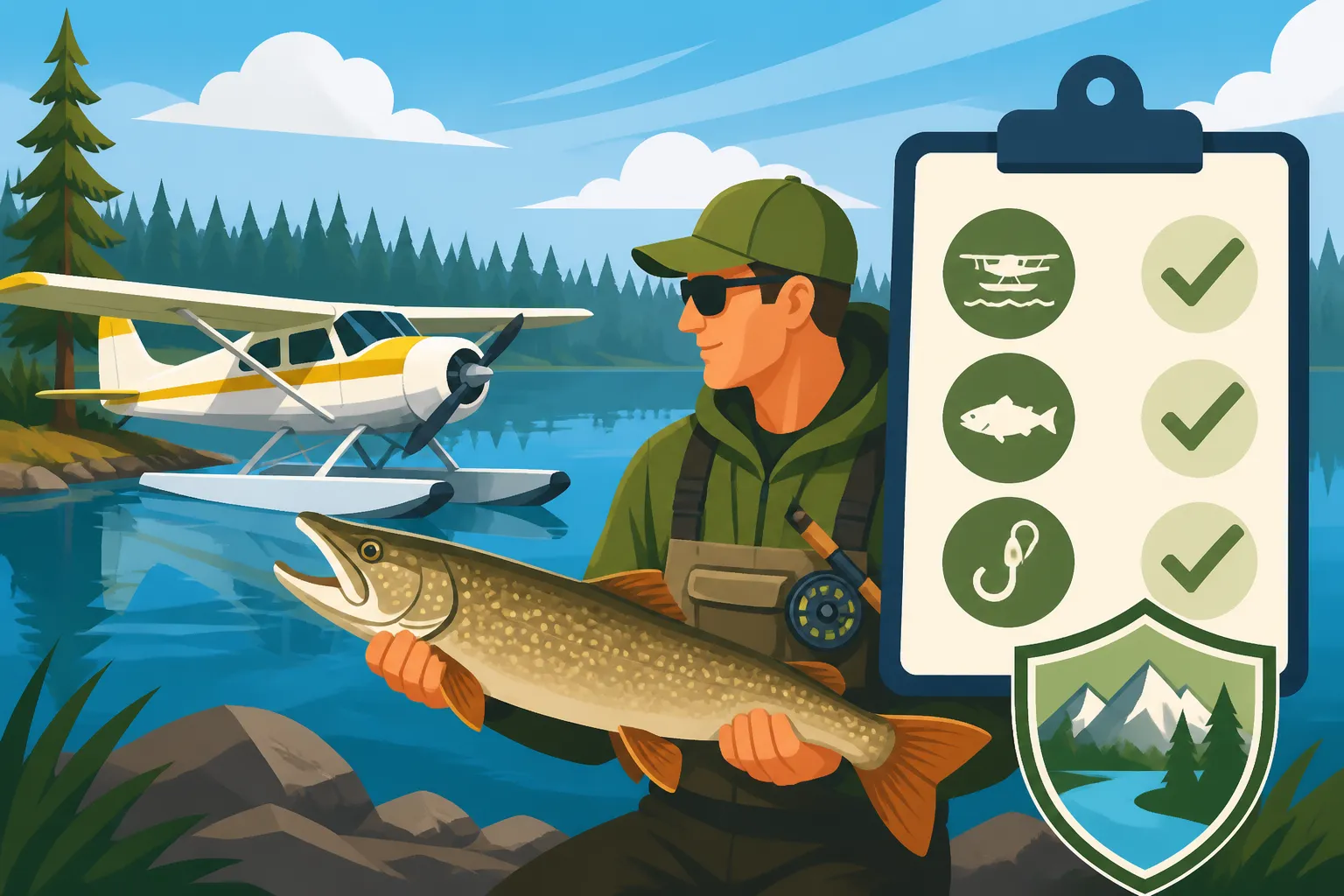
Imagine a place where the biggest challenge isn't crowded boat launches or overfished shores, but the sheer vastness of the water and the unpredictable wilderness itself. That's Lake Athabasca. It's legendary for producing truly colossal northern pike, often pushing into the 40-inch range and beyond, alongside robust lake trout that can stretch over three feet. The sheer isolation means minimal fishing pressure on many of its bays and reefs, allowing fish to grow to impressive sizes. Beyond the fish, the landscape itself is a major draw: rugged boreal forests, endless clear waters, and the chance to spot diverse wildlife like moose, bears, and eagles in their natural habitat. This isn't just a fishing trip; it's an immersive wilderness experience, a true escape from the hustle and bustle of modern life, offering a profound sense of solitude and connection with nature.
The Unique Challenges of Remote Access
While the idea of flying into a remote fishing paradise sounds idyllic, the reality comes with its own set of challenges. Unlike easily accessible lakes, fly-in access to Lake Athabasca isn't merely a convenience; it's often the only practical way to reach the most productive and untouched fishing grounds. This immediately adds layers of complexity and cost. You're entirely dependent on air charters, which are subject to weather conditions, mechanical issues, and strict weight restrictions. Forget about last-minute grocery runs or popping into a tackle shop if you forget something. Everything you need, from your fishing gear to your food and emergency supplies, must be carefully planned, packed, and flown in. This remote nature also means a complete absence of cell service in most areas, demanding reliance on satellite communication devices and a robust plan for emergencies. It's an adventure, but one that requires meticulous preparation and a healthy respect for the wilderness.
Essential Regulations and Licensing for Your Fly-In Trip
Embarking on a fly-in adventure to Lake Athabasca, while remote, doesn't exempt you from Alberta's comprehensive fishing regulations. In fact, ensuring you have all your ducks in a row regarding licenses and understanding species-specific rules is paramount to a legal and enjoyable trip.
Your Alberta Fishing License and WIN Card
Before you even start thinking about packing your tackle box, the absolute first step for any angler, regardless of residency or fishing location within the province, is to secure an Alberta fishing license. Even for the most remote corners of Lake Athabasca, this isn't negotiable. You can find a complete overview in the Alberta Fishing License Guide for 2026.
In addition to your license, every angler over 16 years of age in Alberta, resident or non-resident, needs a Wildlife Identification Number (WIN) card. This card is essentially your permanent ID for all hunting and fishing licenses in the province. If you don't have one, you'll need to purchase and activate it before you can buy a fishing license. You can learn more about this crucial requirement in our guide on the Alberta WIN Card, Explained. The WIN card ensures that all your license purchases are tracked under a single, unique identifier, simplifying future renewals.
The type of fishing license you need will depend on your residency status and the duration of your trip. Alberta offers various options, including annual licenses for residents and non-residents (both Canadian and non-Canadian), as well as shorter-term 1-day or 7-day licenses for non-residents, which can be particularly convenient for fly-in trips of limited duration. Make sure you understand the cost differences and choose the one that fits your plans. Our article on Resident vs Non-Resident Fishing License Costs in Alberta provides a detailed breakdown, and for those planning a shorter stay, you might also find the Alberta 1-Day Non-Resident Fishing License Cost helpful. Always purchase your license through the official MyWildAlberta portal or a licensed vendor to ensure it's valid.
Understanding Lake Athabasca's Specific Fishing Regulations
While Lake Athabasca is remote, it falls under specific Alberta regulations, and these are critical to understand to avoid penalties. The province's general rules are laid out in the Alberta Fishing Regulations Explained, but you'll need to pay close attention to the specific zone that covers the portion of Lake Athabasca you intend to fish. Most of the Alberta side of Lake Athabasca falls within the Northern Boreal (NB2) Management Zone.
Regulations can vary significantly by species and even by specific water bodies, so always consult the most current Alberta Guide to Sportfishing Regulations before your trip. For Lake Athabasca, you'll typically encounter specific limits for key species like Northern Pike, Lake Trout, Walleye, and Arctic Grayling. For instance, while specific limits can change annually, generally, Northern Pike often have a generous limit in northern zones, but there might be size restrictions or slot limits. Our guide on the Alberta Northern Pike Limit can give you general context, but remember to verify for Athabasca specifically.
Lake Trout are a prized catch, and their regulations are often designed to protect larger, spawning fish. You might find a single fish limit, often with a minimum or maximum size restriction, or even catch-and-release rules in certain areas or for specific sizes. While our guide on the Alberta Lake Trout Limit on Cold Lake offers insight into another major lake trout fishery, Lake Athabasca's rules should be checked directly. Similarly, Arctic Grayling, a beautiful and sensitive species, are frequently under catch-and-release only regulations in many Alberta waters, including portions of Lake Athabasca. Understanding the Alberta Arctic grayling limit is essential.
It's not uncommon for these remote areas to have more stringent rules, sometimes even requiring barbless hooks for certain species or in specific areas to promote catch-and-release survival. Never assume; always verify. Fishing without the correct license or violating possession limits can result in significant fines and penalties, which you can read more about in Alberta fishing without a license penalty.
Markdown Table: Key License & Regulatory Considerations
To help you keep track, here's a quick overview of critical licensing and regulatory considerations for your Lake Athabasca fly-in trip:
| Item | Requirement | Details/Action | Important Note |
|---|---|---|---|
| Fishing License | Mandatory for all anglers 16+ | Purchase via MyWildAlberta.ca or licensed vendor. Annual, 1-day, 7-day options available. | Check residency requirements. Carrying proof (digital or print) is essential. |
| WIN Card | Mandatory for all anglers 16+ | Purchase/renew via MyWildAlberta.ca. Unique ID for all licenses. | Must be active before purchasing a fishing license. |
| Regulation Guide | Essential reading | Consult the current Alberta Guide to Sportfishing Regulations for Zone NB2 (Northern Boreal). | Regulations change! Always check the latest guide for species limits, size restrictions, and special rules. |
| Species Limits | Varies by species (Pike, Lake Trout, Walleye, etc.) | Pay close attention to daily bag and possession limits, and any size restrictions (slot limits). | Catch-and-release for sensitive species (e.g., Arctic Grayling) is common; practice safe handling. |
| Hook Type | May be restricted | Some areas or species might require single, barbless hooks. | Always carry pliers to de-barb hooks if necessary, or use barbless hooks from the start. |
| Boating Safety | Mandatory for powerboats | Pleasure Craft Operator Card (PCOC) if operating a motorized boat. Life jackets for all on board. | Ensure all Life Jacket Requirements for Alberta Boaters are met. |
Navigating Air Charters, Outfitter Services, and Remote Logistics
The heart of a fly-in fishing trip to Lake Athabasca lies in its logistical execution. Getting there, staying there, and fishing effectively requires careful planning around air transport and understanding what services are available.
Choosing Your Air Charter and Outfitter
For most anglers, a fly-in trip to Lake Athabasca involves two key partners: an air charter service and often a dedicated fishing outfitter. Reputable air charter companies, such as McMurray Aviation or Lakeland Aviation, specialize in bush plane operations and are your literal lifeline to the remote wilderness. They operate from key hubs like Fort McMurray, and booking their services requires significant advance planning, especially during peak fishing seasons. It's not just about getting a flight; it's about securing a reliable air transport partner who understands the nuances of flying into remote, unimproved landing strips or onto lakes.
Many anglers opt for a fully guided experience through a fishing outfitter. These operations typically provide a comprehensive package that includes your air transport, comfortable remote camp accommodations (ranging from rustic tent camps to more established lodges), boats, experienced fishing guides, and often all your meals and basic supplies. Outfitters like Pasfield Lake Lodge or Turnor Lake Lodge (though some may be Saskatchewan-based, they often access parts of Athabasca) have the local knowledge, equipment, and expertise to ensure a successful and safe trip. They know where the fish are, what they're biting on, and how to navigate the massive lake safely. When choosing an outfitter, research their reputation, read reviews, and clarify exactly what's included in the package. Don't be shy about asking for references from past clients.
Alternatively, some experienced anglers prefer a self-guided fly-in trip. This means you arrange your own air charter but are responsible for everything else: setting up your own camp, bringing your own boats (often inflatable or collapsible models due to plane size), food, cooking gear, and navigating the waters yourself. This option can be more cost-effective but requires a much higher level of wilderness experience, navigational skills, and self-sufficiency. You'll need to consider how to manage waste, store food safely from wildlife, and handle any unexpected situations without immediate professional assistance.
Weight Limits, Gear Transport, and Remote Camp Setup
This is where the rubber meets the runway (or the water!). Bush planes have strict weight and space limitations, and adhering to these is absolutely non-negotiable for safety. Every pound counts. You'll need to pack extremely efficiently, prioritizing essential gear and minimizing bulky or heavy items. Expect to receive detailed packing instructions from your charter company or outfitter, often including advice to use soft-sided duffel bags rather than rigid suitcases.
Think carefully about your fishing tackle. While you might dream of bringing every rod and reel you own, choose versatile setups suitable for the trophy pike and lake trout you'll be targeting. Consider multi-piece travel rods that break down compactly. For other gear, prioritize durable, lightweight, and multi-functional items. Many fly-in camps provide basic necessities, so confirm what you need to bring. For specialized items like a high-quality satellite messenger (essential for communication when cell service is non-existent) or specific first-aid kits, online retailers like Amazon can be a convenient source to find compact, durable options suitable for wilderness travel.
When it comes to camp setup for self-guided trips, think about what it takes to be truly self-sufficient. This means robust tents, sleeping bags rated for cold northern nights, a reliable cooking system, and ample food and water purification. Bears are a reality in this wilderness, so bear-resistant food storage containers (or hanging systems) and bear spray are non-negotiable. Again, many reputable brands offer specialized gear perfect for these conditions, often available through platforms like Amazon. Transporting larger items like canoes or motorboats will require specific arrangements with your air charter, and sometimes specialized sling loading capabilities.
Key Regulations and Best Practices for Anglers on Lake Athabasca
Beyond the licenses, there are broader regulations and best practices that ensure a sustainable fishery and a safe, respectful wilderness experience. Fly-in fishing on Lake Athabasca is about more than just catching fish; it's about preserving a unique ecosystem.
Minimizing Your Impact in a Pristine Environment
Remote wilderness environments like Lake Athabasca are incredibly fragile, and human impact can be long-lasting. Embracing "Leave No Trace" principles is not just a suggestion; it's a responsibility. This means everything you pack in must be packed out, including all garbage, food scraps, and even human waste in some areas (especially for self-guided camping). Biodegradable soaps should be used sparingly and away from water sources.
Anglers should also practice ethical fishing techniques. This includes properly handling fish, especially those intended for release. Minimize their time out of water, use wet hands, and support their weight horizontally. For species like bull trout, which are often catch-and-release only in many Alberta waters (and are a protected species), extreme care is paramount. Understanding How to Catch Bull Trout and Release Them Safely provides excellent guidance. Protecting the habitat means avoiding disturbing nesting birds, sensitive vegetation, or wildlife. This ensures that the pristine nature of Lake Athabasca endures for generations to come, and that your fishing adventure doesn't leave a negative footprint.
Safety, Communication, and Emergency Preparedness
In a remote fly-in setting, safety takes on an entirely new level of importance. There's no corner store or hospital just down the road. Comprehensive emergency preparedness is essential. As mentioned, cell service is virtually non-existent, so reliable satellite communication is a must. Devices like satellite phones or personal locator beacons (PLBs) are critical for emergencies and can be found on Amazon. These devices allow you to send SOS signals and communicate with emergency services or loved ones, offering peace of mind in the vast wilderness.
Weather on Lake Athabasca can change dramatically and rapidly. High winds can turn calm waters into dangerous waves, making travel by boat hazardous. Always check weather forecasts diligently and be prepared to hunker down if conditions turn sour. Always wear an approved life jacket when on the water; this is a non-negotiable safety rule for all boaters in Alberta, as detailed in Life Jacket Requirements for Alberta Boaters. Make sure your boat is equipped with all mandatory safety gear.
Wildlife encounters, particularly with bears, are a distinct possibility. Carry bear spray, know how to use it, and store all food and scented items properly to avoid attracting animals to your camp. A comprehensive wilderness first-aid kit is also crucial, and having at least one person in your group trained in wilderness first aid is highly advisable. Before departure, ensure someone back home knows your exact itinerary, including your flight details and expected return time. This "float plan" can be invaluable if you encounter unexpected delays or problems. By embracing these best practices, you're not just ensuring your own safety, but also contributing to the responsible stewardship of one of Alberta's most incredible natural treasures. For those looking for more guidance on where to explore after Athabasca, remember there are many Best Fishing Rivers in Alberta and other fantastic locations in the province.
Planning Your Lake Athabasca Fly-In Trip: Gear and Safety Considerations
A successful fly-in trip to Lake Athabasca isn't just about knowing the rules; it's about having the right gear and a robust safety mindset. Being prepared for anything the northern wilderness can throw at you is key.
Essential Gear for the Remote Angler
Your gear list for a Lake Athabasca fly-in trip will be more curated than for a typical car-accessible lake. Because of strict weight limits on bush planes, every item must earn its place.
First, your fishing gear: consider durable, multi-piece travel rods that can handle big fish but pack down small. For targeting trophy northern pike and lake trout, a medium-heavy to heavy casting or spinning setup with robust reels spooled with strong braided line is recommended. Pack an assortment of heavy-duty spoons, large crankbaits, and swimbaits designed for big predators. Don't forget quality leaders! For those interested in the specific techniques, our guides on How to Catch Northern Pike in Alberta and How to Catch Lake Trout in Alberta offer excellent starting points. A good quality, large landing net with rubberized mesh for catch and release is essential. You can find many suitable options for Best Tackle for Alberta Walleye or pike specific gear on Amazon, ensuring you have the right tools for the job.
Beyond fishing, wilderness essentials are paramount. High-quality waterproof and windproof outerwear is a must, as northern weather can be unpredictable and harsh, even in summer. Layering is key. Durable, comfortable hiking boots are important for exploring shorelines. A well-stocked first-aid kit, a reliable headlamp with extra batteries, a knife, fire-starting materials, and water purification tablets or a filter are all non-negotiables. Again, Amazon is a great place to source these specialized items, ensuring you're fully equipped. For those planning a self-guided trip, a portable and efficient cooking system, along with freeze-dried or shelf-stable food, will be critical.
The Importance of a Detailed Emergency Plan
In such a remote setting, anticipating potential emergencies is not being paranoid; it's being responsible. Your detailed emergency plan should cover various scenarios. What if someone gets injured? This is where your satellite communication device becomes your most valuable asset. Know how to activate an SOS and communicate your exact location. Consider enrolling in a wilderness first aid course before your trip; knowing how to stabilize an injury or handle hypothermia can make all the difference.
What if the weather turns, and your plane can't land for your scheduled pickup? You must be prepared to be self-sufficient for an extended period. This means having extra food, water, fuel, and a robust shelter plan. Inform your air charter and outfitter of any medical conditions in your group. If you're planning a self-guided trip, file a detailed float plan with a trusted contact who can initiate a search if you don't check in.
Finally, while Lake Athabasca is renowned for its fishing, remember that the "access rules" extend beyond licenses. They encompass a deep respect for the environment, a commitment to safety, and a readiness for the challenges of true wilderness. By meticulously planning and preparing, you can ensure your fly-in fishing trip to Lake Athabasca Fishing Guide is not just successful, but also safe, responsible, and an experience you'll cherish for a lifetime.
Disclaimer
The information provided in this guide is for general informational purposes only and is subject to change. Fishing regulations, license requirements, and access rules in Alberta can be updated annually. Always consult the most current official Alberta Guide to Sportfishing Regulations and Alberta Environment and Protected Areas for the latest and most accurate information before planning and embarking on any fishing trip. The author and publisher are not responsible for any inaccuracies or outdated information.