Alberta maximum fine for no Pleasure Craft Operator Card
That knot in your stomach when you see a patrol boat approaching, or the sudden panic when you realize you might have forgotten something crucial—it’s a feeling many Alberta boaters know all too well. Navigating the waters, whether it’s a serene lake or a bustling river, comes with responsibilities, and few are as critical as having your Pleasure Craft Operator Card (PCOC). If you're wondering about the consequences of not having one, this guide will meticulously break down the maximum fine you could face and how to ensure you're always on the right side of the law.
Understanding the Pleasure Craft Operator Card Requirement in Alberta
Boating in Alberta, and indeed across Canada, isn't just about dropping your boat in the water and going. It’s governed by federal regulations, primarily the Canada Shipping Act, 2001, and its associated Competency of Operators of Pleasure Craft Regulations. These rules are in place to ensure everyone's safety on the water, preventing accidents and promoting responsible boating. A key component of these regulations is the Pleasure Craft Operator Card (PCOC), which is essentially your license to operate most recreational boats.
What Exactly is a PCOC and Why is it Mandatory?
The PCOC is proof that you've passed an accredited boating safety course and demonstrated a basic understanding of boating rules, safety procedures, and emergency responses. It's not just a piece of plastic; it represents a commitment to safe boating practices. Transport Canada introduced the PCOC requirement in stages, and it's now mandatory for anyone operating a pleasure craft with a motor in Canada, regardless of horsepower or length. This means if you're taking your fishing boat out on Lesser Slave Lake, or even just a small tinner with an electric motor on a quiet pond, you need this card. The only real exemptions are for vessels without a motor, or if you are operating a boat in a regulated competition or under direct supervision as part of an approved course.
The "why" is simple: safety. Imagine a busy summer day on Sylvan Lake with dozens of boats, kayaks, and swimmers. Without a basic understanding of navigation rules, right-of-way, and emergency protocols, the potential for collisions and serious incidents skyrockets. The PCOC aims to standardize this knowledge, making our waterways safer for everyone.
Who Needs a PCOC and What Boats Are Included?
Essentially, if your boat has an engine, you need a PCOC. This covers everything from personal watercraft (PWCs) like jet skis to large cabin cruisers, and yes, even small fishing boats powered by electric trolling motors. There's no minimum age to obtain a PCOC, but age restrictions apply to who can operate certain types of vessels based on their age and horsepower. For instance, children under 12 years old with a PCOC can operate a boat with a motor of up to 10 horsepower. Those aged 12 to under 16 with a PCOC can operate a boat with a motor up to 40 horsepower. Anyone 16 years of age or older, regardless of the horsepower, and without age or horsepower restrictions, must hold a valid PCOC.
This also applies to non-residents operating a Canadian-registered pleasure craft, or a pleasure craft they've been using in Canada for more than 45 consecutive days. So, if you're visiting Alberta from outside Canada and planning to rent a boat, you'll need proof of competency, which could be a PCOC or an equivalent license from your home country. It’s crucial to understand that simply having a driver's license doesn't cut it. Operating a boat requires specific knowledge that differs significantly from driving a car. For more details on what permits you need, check out our guide on Alberta Pleasure Craft Operator Card Requirement.
The Steep Reality of Fines: Alberta's Maximum Penalty
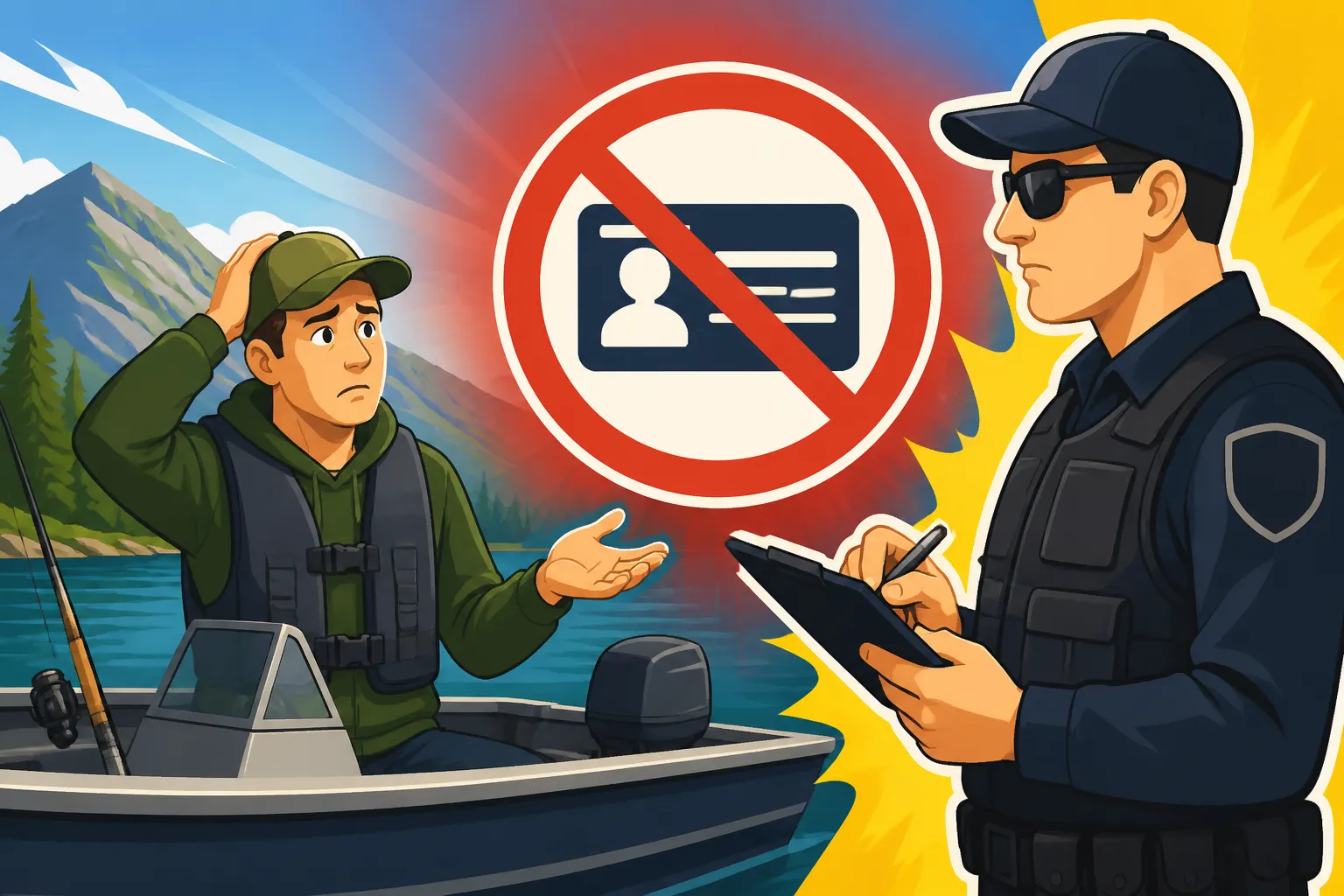
Now, let's talk about the cold, hard facts of non-compliance. When a conservation officer or RCMP marine unit stops you on an Alberta lake or river and you cannot produce your Pleasure Craft Operator Card, you're looking at a penalty. While there's a standard ticket fine, it's crucial to understand the maximum legal ramifications under Canadian federal law.
The Standard Fine Versus the Maximum Legal Penalty
For individuals operating a pleasure craft without a PCOC, the standard fine issued by an enforcement officer is often $250. This is typically the amount you'd find on a ticket issued under the Contraventions Regulations, which provides a list of pre-set fines for common infractions of federal laws, including boating regulations. It's a straightforward penalty for a specific contravention.
However, the question asks about the maximum fine. The Competency of Operators of Pleasure Craft Regulations fall under the larger umbrella of the Canada Shipping Act, 2001. This act outlines the general penalties for contravening its regulations. For an individual, if an offense is prosecuted by summary conviction (a less serious criminal offense), the maximum penalty can be a fine of up to $10,000 or imprisonment for a term of up to six months, or both.
This is a significant distinction. While a $250 ticket is common for simply not having the card, if the situation is deemed more serious by an enforcement officer – perhaps combined with other reckless behavior, endangering others, or repeated offenses – the authorities could choose to pursue a summary conviction. In such a scenario, a judge could impose a much higher fine, up to that $10,000 maximum. It’s rare for a simple "no PCOC" to escalate to this level without other contributing factors, but it's important to be aware of the full legal framework that underpins boating safety. For comparison, you might also be interested in learning about Fishing Without a License in Alberta: Penalties, which similarly outlines fines for non-compliance with fishing regulations.
Associated Costs Beyond Just the Fine
Beyond the immediate fine, whether it's the standard $250 or a more severe judicial penalty, other costs and inconveniences can quickly add up.
- Boat Impoundment: In some cases, especially if an operator is deemed unsafe or multiple infractions occur, your boat could be impounded. The costs associated with towing, storage, and retrieving your vessel can easily run into hundreds or even thousands of dollars. Imagine your fishing trip on Cold Lake being cut short, and then facing a hefty bill just to get your boat back.
- Legal Fees: If the case escalates beyond a simple ticket and you choose to dispute it or face a summary conviction, you might incur significant legal fees to defend yourself in court.
- Wasted Time and Disruption: A stop by enforcement officers, regardless of the outcome, eats into your precious time on the water. If your boat is impounded, it's not just the financial cost, but the disruption to your plans, potentially ruining a family outing or a much-anticipated fishing trip.
- Increased Scrutiny: Once you've been flagged for an infraction, even a minor one, you might find yourself subject to increased scrutiny from enforcement officers in the future. Building a reputation as a responsible boater is always the best approach.
It's clear that the hassle and expense of not having a PCOC far outweigh the relatively small effort and cost of obtaining one. The peace of mind alone is worth it.
Avoiding the Fines: How to Get Your PCOC and Stay Compliant
The good news is that avoiding these fines is incredibly simple and entirely within your control. Obtaining your Pleasure Craft Operator Card is a straightforward process that will equip you with essential knowledge for safe boating and keep you compliant with the law.
Step-by-Step Guide to Obtaining Your PCOC
Getting your PCOC typically involves these steps:
- Choose an Accredited Course Provider: Transport Canada approves various private companies to offer boating safety courses and issue PCOCs. These courses are almost exclusively offered online, making them incredibly convenient. A quick search for "PCOC online course Alberta" will give you plenty of options, such as those from BOATsmart! or MyBoatCard.
- Complete the Course Material: The courses cover everything from basic navigation rules, buoy systems, and safety equipment requirements to environmental responsibilities and emergency procedures. Many providers structure the course with engaging modules, quizzes, and videos to help you absorb the information. You can often find study guides or supplementary materials to help you prepare; sometimes, checking sites like Amazon for "PCOC study guide" can yield useful resources to complement your learning.
- Pass the Final Exam: After completing the course, you'll take a proctored online exam. The exam typically consists of multiple-choice questions, and you need to achieve a passing grade (usually 75% or 80%). Don't worry, if you've paid attention during the course, it's very manageable. Most providers offer a free re-test if you don't pass on your first attempt.
- Receive Your PCOC: Once you pass the exam, your official Pleasure Craft Operator Card will be mailed to you. In the interim, most providers will give you a temporary card that you can print out and use immediately, so you don't have to wait for the physical card to arrive.
The cost for an Alberta Pleasure Craft Operator Card is generally quite reasonable, typically ranging from $40 to $60, depending on the provider and any special offers. This is a small investment for lifetime validity!
Carrying and Presenting Proof of Your PCOC
Once you have your PCOC, it's crucial to always have it with you when operating a pleasure craft. This is akin to carrying your driver's license when driving a car.
- Physical Card: The most common way is to carry the physical plastic card. Ensure it's kept safe from water damage; a waterproof wallet or pouch is a good idea.
- Digital Copy: While a physical card is preferred, some jurisdictions or officers might accept a clear digital copy on your phone or other device, but it's always best practice to have the physical card. The regulations technically require "proof of competency," and a physical card is definitive.
- Know Your Card Number: Even if you lose your card, knowing your PCOC number can sometimes help an officer verify your competency through their system, though this isn't a guarantee, and you should always endeavor to have a physical or temporary copy. If your card is lost or damaged, you can typically order a replacement through your original course provider. Also, it’s good to know that Does a Pleasure Craft Operator Card Expire in Alberta? The answer is no, it's valid for life!
The ease of obtaining and carrying your PCOC makes any fine for not having one truly avoidable. It's a small administrative task that ensures you can enjoy Alberta's beautiful waters without any legal worries.
Broader Boating Laws and What Else to Look Out For
Having your PCOC is a fantastic start, but it's just one piece of the puzzle when it comes to safe and legal boating in Alberta. Enforcement officers, when they pull you over, aren't just looking for your PCOC; they're also checking for a host of other critical safety requirements and compliance with general boating laws. Ignoring these can lead to additional, sometimes even more severe, penalties.
Common Infractions Beyond the PCOC
Many boaters are surprised by the sheer number of regulations governing pleasure craft. Here are some of the most common infractions that can land you in trouble, often carrying their own set of fines:
- Insufficient Life Jackets/PFDs: This is perhaps the most common safety violation. You must have a Canadian-approved life jacket or PFD (Personal Flotation Device) of appropriate size for every person on board, easily accessible. This isn't just for children; adults need them too. Failure to comply can result in fines for each missing or improperly stored PFD. For detailed information, see our guide on Life Jacket Requirements for Alberta Boaters.
- Missing Safety Equipment: Beyond PFDs, pleasure craft must carry a specific set of safety equipment depending on their length and type. This can include a bailer or pump, a watertight flashlight, a sound-signaling device (like a whistle or horn), a throw line, paddles or oars, and a fire extinguisher. Many boaters, especially those new to the hobby or with smaller vessels, overlook these critical items.
- Improper Vessel Lighting: If you're out on the water between sunset and sunrise, or during periods of restricted visibility (fog, heavy rain), your boat must display appropriate navigation lights. Running without lights at night is incredibly dangerous and a serious offense.
- Operating a Vessel in an Unsafe Manner: This covers a broad range of behaviors, from speeding in restricted zones, creating excessive wake near shore, or reckless operation that endangers other vessels or swimmers. The definition of "unsafe" can be quite broad and left to the discretion of the enforcement officer.
- Impaired Operation: Similar to driving a car, operating a boat under the influence of alcohol or drugs is strictly prohibited and carries very severe penalties, including hefty fines, license suspension, and even jail time. You can learn more about this in our article on Alberta boating under the influence penalties.
- No Vessel Registration or Licensing: While the PCOC is for the operator, larger boats (those with 10 horsepower or more) must also be registered or licensed with Transport Canada. This is distinct from your PCOC. If you’re curious about the difference, check out Alberta Pleasure Craft License, Explained.
- Failure to Report an Accident: If you're involved in a boating accident that results in injury, loss of life, or significant damage, you are legally required to report it to Transport Canada.
How Multiple Infractions Can Compound Penalties
It's rare for an officer to only find one issue if they've stopped you for an inspection. For example, if you're found operating without a PCOC, and also don't have enough PFDs, and are missing a fire extinguisher, you could be ticketed for all three separate infractions. Each of these carries its own fine, which quickly escalates the total penalty you face.
Consider this hypothetical: you're stopped on the Bow River. You don't have your PCOC ($250 fine). You have two people on board, but only one PFD ($250 for the missing PFD). Your boat is over 6 meters, but you don't have a throw bag or a sound-signaling device ($250 for each of those). Suddenly, a single stop has turned into over $1,000 in fines, not to mention the time spent dealing with the officer and the potential for your trip to be cut short.
Staying informed about all aspects of Alberta Boating Laws for Anglers and ensuring your vessel is fully equipped according to the Alberta required boat safety equipment checklist is paramount. It’s not just about avoiding fines; it’s about contributing to a safe and enjoyable environment for everyone on the water.
The Value of Education and Staying Safe on Alberta Waters
Beyond the fear of fines and penalties, there's a much more profound reason to get your Pleasure Craft Operator Card and meticulously follow all boating regulations: safety and peace of mind. The financial hit from a fine is temporary, but the consequences of an accident can be life-altering, or even fatal.
More Than Just Avoiding Fines: The True Cost of Ignorance
When you choose to operate a boat without proper training or disregard safety regulations, you're not just risking a ticket; you're putting yourself, your passengers, and every other person on the water at risk. Accidents can happen in a split second, and without knowledge of how to prevent them or what to do in an emergency, a fun day on the lake can turn into a nightmare.
Think about common scenarios:
- Sudden Storms: Alberta weather can change in an instant. Do you know how to safely navigate back to shore in high winds and waves? Or how to deploy an anchor effectively in an emergency?
- Man Overboard: What if someone falls out of your boat, perhaps a child? Do you know the quickest, safest way to retrieve them without causing further injury or risking your own safety?
- Engine Trouble: If your engine sputters and dies, do you have the necessary safety equipment on board to signal for help or to paddle back to safety?
- Navigation Hazards: Many Alberta lakes and rivers have submerged hazards or changing sandbars. Understanding navigation markers and safe channels can prevent costly damage to your boat or grounding.
These are the real-world scenarios that the PCOC course prepares you for. It's not just about memorizing rules; it's about developing the instincts and knowledge to react appropriately when things go wrong.
Peace of Mind and Being a Responsible Boater
There's a genuine sense of calm that comes with knowing you've done your due diligence. When you're out on the water, you want to be focused on the joy of fishing, the beauty of the landscape, or the company of your friends and family. You don't want to be constantly looking over your shoulder for patrol boats or worrying if you've forgotten something.
Having your PCOC means:
- Confidence: You'll feel more confident in your ability to handle your boat, navigate safely, and respond to emergencies. This confidence enhances your entire boating experience.
- Respect: Other boaters, and certainly enforcement officers, will recognize and appreciate your commitment to safety and compliance. You become part of the solution, not a potential problem.
- Protection: You're protecting yourself and your loved ones from preventable accidents and ensuring that your boating adventures remain positive memories.
Investing a few hours and a small amount of money in getting your PCOC is an investment in your safety, your enjoyment, and your peace of mind on Alberta's incredible waterways. It’s a fundamental part of responsible boating, akin to getting a valid Alberta Fishing License Guide for 2026 before hitting the water with your fishing rod. Many approved courses offer comprehensive learning experiences, and you might even find additional safety gear and resources on Amazon that complement your PCOC education. Knowing your Alberta required boater safety course rules is the foundation for countless safe and enjoyable adventures.
Summary of Common Boating Infractions and Penalties
To help you keep track, here's a quick overview of some common boating infractions and the typical fines associated with them, as per federal regulations. Remember, these are typical ticket fines; more severe situations can lead to higher penalties under the Canada Shipping Act, 2001.
| Infraction | Typical Fine (Individual) | Notes |
|---|---|---|
| Operating without a PCOC | $250 | Maximum legal penalty can be $10,000 for summary conviction. |
| Insufficient Number of PFDs/Life Jackets | $250 (per missing PFD) | Must have one approved PFD for each person on board. |
| Missing Required Safety Equipment | $250 (per missing item) | Varies by boat length; includes bailer, whistle, throw line, etc. |
| Operating Unsafe Vessel/Reckless Operation | $350 – $500+ | Can vary widely based on severity and local bylaws. |
| Operating between Sunset/Sunrise without Lights | $250 | Crucial for visibility and accident prevention. |
| Impaired Operation | $1,000+ | Can include license suspension, vehicle impoundment, and jail time. |
| Failure to Report a Boating Accident | $400 | Required for accidents involving injury, death, or significant damage. |
Disclaimer
Please note that boating regulations and associated fines can change. This information is provided for general guidance and informational purposes only, and does not constitute legal advice. Always refer to the most current Transport Canada regulations and provincial bylaws, or consult with legal professionals, for the most accurate and up-to-date information.