Does a Pleasure Craft Operator Card Expire in Alberta?
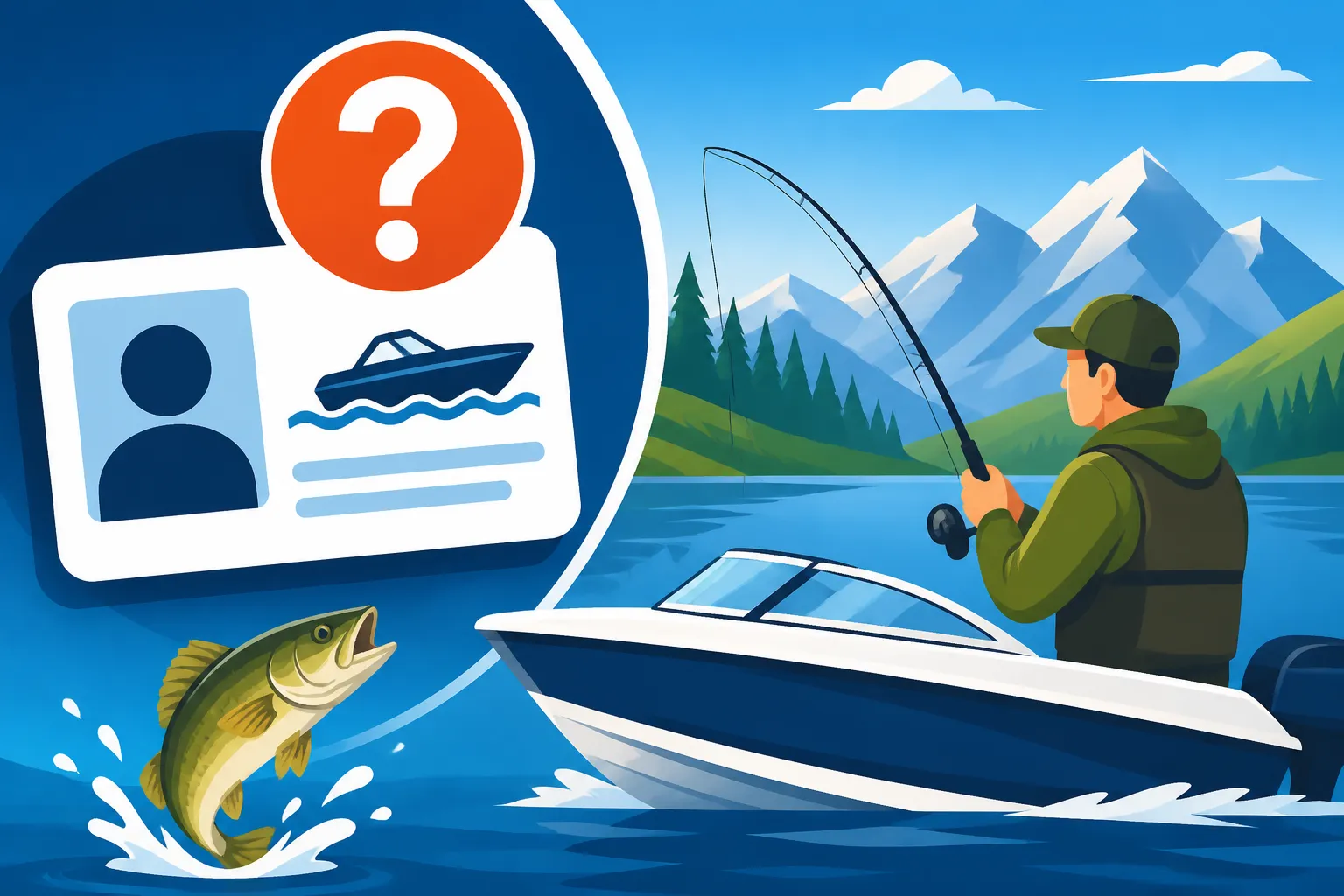
It's a common question that crosses the minds of many anglers and boaters in Alberta: "Does my Pleasure Craft Operator Card (PCOC) expire?" There's a lot of confusion out there, especially with so many licenses and permits having expiry dates. Nobody wants to be caught off guard on the water, facing fines simply because they misunderstood a regulation. This comprehensive guide will clear up the mystery once and for all, explaining what a PCOC is, what makes it unique, and what other boating documents you do need to keep current.
Understanding the Pleasure Craft Operator Card
The Pleasure Craft Operator Card, or PCOC, is a document that certifies you have met the minimum requirements for operating a powered recreational vessel in Canada. It's a federal requirement, mandated by Transport Canada, and it applies across all provinces, including our beautiful Alberta. This isn't just a suggestion; it's the law. If you're caught operating a boat with a motor – even an electric trolling motor – without a valid PCOC or equivalent proof of competency, you could be looking at a hefty fine. This is a critical piece of information for anyone looking into Alberta Boating Laws for Anglers.
Why the PCOC is Different from Other Licenses
Unlike your driver's license or even your Alberta Fishing License Guide for 2026, the PCOC isn't something you need to renew periodically. Once you successfully complete an approved boating safety course and pass the exam, that card is yours for life. Yes, you read that right – it does not expire. This is a huge relief for many people who worry about administrative overhead and recurring costs. The idea behind this "one and done" approach is that once you've proven your knowledge of boating safety rules and regulations, that core understanding doesn't just vanish over time. The fundamental principles of safe boating, like navigation rules, aids to navigation, and emergency procedures, remain constant.
However, the "for life" aspect often leads to confusion because almost everything else in our regulatory world has an expiry date. People often conflate their PCOC with their Alberta WIN Card, Explained, which does require renewal every few years to keep your hunting and fishing profile active, or with their actual fishing permits, which are annual. The PCOC is a certification of competency, not an annual permit to operate a specific vessel or engage in a specific activity. It's similar to a high school diploma or a first-aid certificate in that the certification itself doesn't have an expiry date, even if the knowledge might need a refresher.
Federal vs Provincial Regulations
It's important to understand the distinction here. The PCOC falls under federal jurisdiction, specifically Transport Canada's Boating Safety program. This means the rules around its validity are uniform across Canada. Provincial governments, like Alberta's, manage other aspects of boating, such as environmental regulations, specific lake restrictions, or local enforcement details, but they don't dictate the expiry of the PCOC itself. This split in jurisdiction is a common source of confusion for many outdoor enthusiasts who are just trying to enjoy a day on the water without breaking any rules. Knowing this helps clarify why some documents have provincial expiry dates, while your PCOC remains perpetually valid.
What Does and Doesn't Expire
While your PCOC itself is a lifetime achievement, there are other crucial documents and certifications related to boating and fishing in Alberta that absolutely do have expiry dates. Keeping track of these is essential for a smooth, legal, and stress-free experience on the water.
Documents That Require Renewal
Let's talk about what actually expires and needs your attention to stay current:
- Your Alberta Fishing License: This is perhaps the most common annual renewal for anyone enjoying our lakes and rivers. Whether you're a resident or a non-resident, your fishing license is typically valid for a specific season or a year, expiring on March 31st of the following year. This is not tied to your PCOC at all. You can easily find information on how to obtain one, including the steps outlined in Alberta fishing license steps on the MyWildAlberta portal.
- Your Alberta WIN Card: The Wildlife Identification Number (WIN) card is your unique identifier for purchasing hunting and fishing licenses in Alberta. While it establishes your profile, the card itself needs to be renewed every five years to remain active. Without an active WIN card, you can't purchase a fishing license, even if your PCOC is in perfect standing. Don't forget to check the Alberta WIN Card Activation Fee, Explained if you're new or reactivating.
- Your Pleasure Craft License (Boat Registration): This is not your PCOC, and this is where a lot of people get mixed up. A Pleasure Craft License (note the "License" vs. "Operator Card") is a document required for most recreational vessels powered by an engine of 10 horsepower (7.5 kW) or more. This license involves registering your boat with Transport Canada, getting a unique license number, and displaying it on your vessel. This is essentially your boat's identification, and it does expire every 10 years. You are responsible for ensuring your boat's registration is current. Failing to renew your Alberta Pleasure Craft License, Explained could lead to fines, so mark your calendar!
- Proof of Boater Competency (PCOC Equivalent): While the PCOC itself doesn't expire, if you're using an equivalent form of proof of competency, such as a master's or mate's certificate, or a commercial mariner's certificate, those specific certifications might have their own expiry or renewal requirements based on their issuing authority. For the vast majority of recreational boaters, the PCOC is the simplest and most common proof, and thankfully, it's permanent.
Why the Confusion Persists
The persistent confusion around PCOC expiry stems from several factors. Firstly, the sheer volume of different permits, licenses, and cards required for various outdoor activities. It's easy for the details of one to bleed into the understanding of another. Secondly, the term "license" itself often implies a temporary privilege that needs renewal, and "Pleasure Craft Operator Card" sounds very much like a license. Thirdly, the requirement to keep your boat's registration (Pleasure Craft License) current, which does expire, is often conflated with the PCOC. Many boaters simply hear "boat license" and assume it all falls under the same expiring umbrella.
To truly clarify, think of it this way: your PCOC certifies you as competent. Your boat's Pleasure Craft License registers your boat. They are distinct, federally regulated documents, with one being permanent and the other requiring renewal.
| Document / Card | Issuing Authority | Expiration Status | Renewal Period | Purpose |
|---|---|---|---|---|
| Pleasure Craft Operator Card (PCOC) | Transport Canada | Does NOT Expire | N/A (Permanent) | Certifies individual boater competency |
| Alberta Fishing License | Alberta Environment and Protected Areas | Expires | Annual (March 31) | Allows individual to legally fish |
| Alberta WIN Card | Alberta Environment and Protected Areas | Expires | Every 5 years | Unique ID for purchasing hunting/fishing licenses |
| Pleasure Craft License (Boat Registration) | Transport Canada | Expires | Every 10 years | Registers the boat itself, requires display on vessel |
| Provincial Boater Safety Course Certificates (non-PCOC) | Provincial Body | May Expire | Varies (if applicable) | Provincial-level boating education (less common than PCOC) |
This table should help to clearly differentiate what stays with you forever and what needs a bit more attention to keep current.
Safeguarding Your PCOC and Proof of Competency
Since your PCOC is a lifetime certification, it's incredibly important to treat it like a valuable document. Losing it or having it damaged can be a real headache, even if the underlying certification never expires. You'll always want to have proof of your competency readily available when operating your vessel, as requested by law enforcement like the RCMP or Fish and Wildlife officers.
What to Do if You Lose Your Card
Let's be realistic: life happens. Wallets get lost, cards get damaged, or maybe it just vanishes into the Bermuda Triangle of your tackle box. If your physical PCOC goes missing, don't panic! You can easily get a replacement. The process usually involves contacting the original course provider you took your PCOC exam through. They maintain records of your certification and can issue a new card for a nominal fee. This is why it's a good idea to keep a record of which company you used, like BOATERexam.com or MyBoatCard.com, for future reference. Many providers also offer a digital copy of your card which you can carry on your phone, though a physical copy is always recommended as backup.
While you're waiting for a replacement, if you have a digital copy or a clear photograph of your card with your name and unique PCOC number, that might suffice as temporary proof, but it's always best to check with enforcement guidelines. The key is to be able to demonstrate that you have the certification. You wouldn't want to be in a situation where you're out on Chestermere Lake or the Bow River without the necessary documentation, potentially incurring an Alberta maximum fine for no Pleasure Craft Operator Card.
Carrying Proof of Competency
Transport Canada requires that you carry proof of competency whenever you're operating a powered recreational vessel. This means having your PCOC with you. While a physical card is the most straightforward, there are a few other options that might be accepted:
- A PCOC: The most common and direct proof.
- A lease or rental agreement: If you're renting a boat, the rental company can provide a temporary proof of competency as part of the rental agreement, allowing you to operate their vessel.
- Proof of residency and a valid marine certificate issued by your home country: For visitors to Canada.
- A completed pre-PCOC safety checklist: If you've been boating for a long time and are over a certain age (born before April 1, 1983), you might be exempt from needing a PCOC, but you still need to complete a safety checklist.
- A certificate issued by a recognized boating safety course: Some other equivalent certifications are accepted, though the PCOC is universal.
Always make sure whatever proof you carry is easily accessible and legible. It's a good habit to keep it in a waterproof bag or compartment on your boat, along with other essential documents like your boat's registration and your fishing license. You can even find waterproof document holders on platforms like Amazon that are perfect for keeping these critical papers safe and dry.
Related Boating Regulations and Safety
Having your PCOC is just one piece of the puzzle for safe and legal boating in Alberta. There are many other regulations you need to be aware of, all designed to ensure the safety of everyone on the water.
Essential Safety Equipment
Beyond carrying your PCOC, your boat must be equipped with specific safety gear. This isn't just about avoiding fines; it's about protecting yourself, your passengers, and others. The required equipment varies slightly depending on the size and type of your vessel, but generally includes:
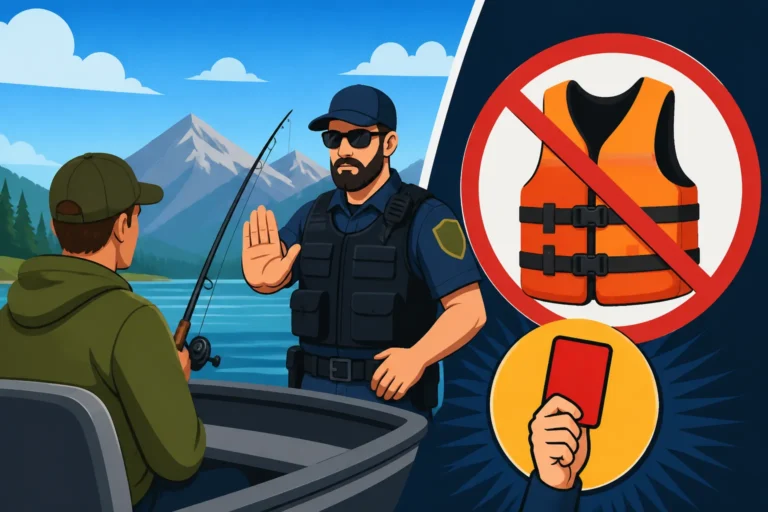
- Life Jackets or PFDs: You need one approved life jacket or Personal Flotation Device (PFD) for every person on board, readily accessible. This is a non-negotiable safety item, and the fines for not having enough or having them inaccessible can be steep. Understanding Life Jacket Requirements for Alberta Boaters is crucial.
- Bailing Device or Manual Pump: To remove water from the boat.
- Sound-Signalling Device: A whistle or horn to signal your presence.
- Navigation Lights: If operating after sunset or before sunrise, or in periods of restricted visibility.
- Fire Extinguisher: For boats with an inboard engine, fixed fuel tank, or cooking/heating appliance.
- Throw Line: A buoyant heaving line at least 15 meters (50 feet) long.
- Watertight Flashlight or Flares: For signaling distress at night.
This is not an exhaustive list, and it's always best to consult Transport Canada's official safety checklist for your specific vessel. Keeping an organized safety kit on board, perhaps even purchasing a pre-made PCOC-compliant kit from a retailer like Amazon, can save you a lot of hassle and ensure you're always prepared.
Boating Under the Influence
Just like driving a car, operating a boat under the influence of alcohol or drugs is illegal and extremely dangerous. Canada has strict laws against impaired boating, with severe penalties that can include hefty fines, jail time, and even the loss of your driving privileges on land. There's no distinction between being impaired on a highway and being impaired on a lake; the risks are just as high, if not higher, on the water. Educating yourself on Alberta Boating Under the Influence Penalties is essential for responsible operation. Always have a designated operator if you plan on consuming alcohol while out fishing or cruising.
Respecting Local Regulations and Marine Life
Alberta's waters offer incredible fishing and boating opportunities, from the vast expanse of Lesser Slave Lake to the winding currents of the Bow River. However, with these privileges come responsibilities. Always be mindful of local regulations, which can include speed limits, restricted areas (especially near spawning grounds or wildlife habitats), and specific rules for certain species. For instance, some areas may have special regulations for Alberta Bull Trout Zero Possession Rule to protect this vulnerable species. Staying informed and practicing ethical boating and fishing contributes to the preservation of our natural resources for generations to come.
Wrapping Up the PCOC Expiry Myth
So, to reiterate the core message: your Pleasure Craft Operator Card (PCOC) does not expire in Alberta or anywhere else in Canada. It's a permanent certification of your boating competency, a lifetime achievement that signifies you understand the fundamental rules of safe operation on the water. This provides immense peace of mind, knowing that once you've earned it, that particular piece of documentation is one less thing to worry about renewing annually.
However, don't let this permanent status lull you into complacency about other crucial documents. Remember that your Alberta fishing license, your WIN card, and your boat's Pleasure Craft License (registration) all have expiry dates and require timely renewal. Regularly checking these dates and keeping all your documents safe, preferably in a waterproof container, will ensure you can enjoy Alberta's beautiful waterways legally and safely for years to come. Tight lines and smooth sailing!
Disclaimer
The information provided in this guide is for general informational purposes only and does not constitute legal advice. While we strive for accuracy, regulations can change. Always consult the official Transport Canada and Alberta Environment and Protected Areas websites or contact the relevant authorities directly for the most current and authoritative information.