Alberta Walleye Special Harvest Licence Program
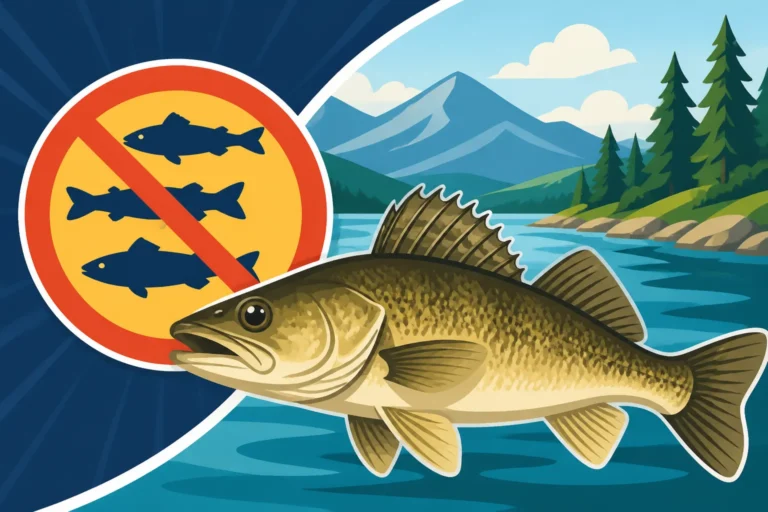
For many Alberta anglers, the dream of a walleye dinner can feel like a distant one, especially with strict regulations and catch-and-release rules in place for these prized fish across much of the province. It's a common frustration to know that healthy walleye populations exist, yet harvesting them requires navigating a unique system. This guide will demystify the Alberta Walleye Special Harvest Licence Program, explaining exactly what it is, how it works, and how you might get the chance to take a few walleye home.
Understanding the Walleye Special Harvest Licence Program
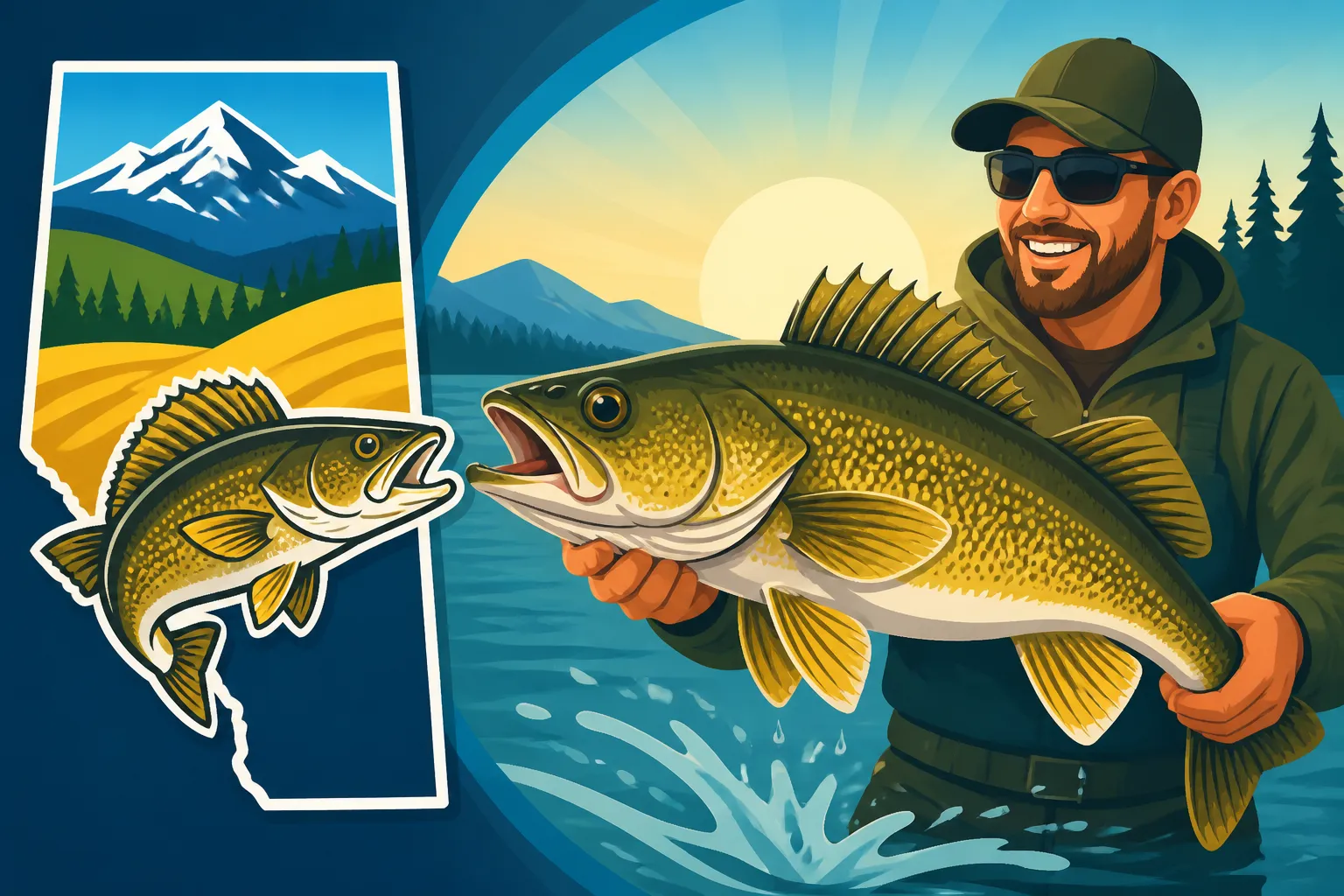
The Alberta Walleye Special Harvest Licence Program is a unique initiative designed by the provincial government to manage and allow for the sustainable harvest of walleye in specific lakes that have healthy, resilient populations. Unlike your standard Alberta fishing license, which generally dictates catch-and-release for walleye in many areas or has extremely limited possession, this special license offers a controlled opportunity for anglers to retain a certain number of walleye. It's not a free-for-all; it's a carefully balanced program rooted in conservation, ensuring that while anglers can enjoy their catch, the walleye populations remain robust for future generations.
This program was introduced as a way to provide limited harvest opportunities while continuing to recover walleye populations that had been severely depleted in previous decades. Historically, overfishing led to widespread catch-and-release policies for walleye across Alberta. As various lakes have shown significant recovery thanks to careful management, the Special Harvest Licence acts as a tool to reintroduce controlled harvesting without jeopardizing those hard-won conservation gains. It's a testament to how dedicated management and angler cooperation can bring back a fishery from the brink.
The license itself is issued through a draw system, which means it’s not guaranteed simply by applying. This competitive aspect underscores the limited nature of the harvest opportunity and reinforces the value of each walleye that is allowed to be kept. It also encourages anglers to be particularly mindful and responsible when they do receive a license, understanding the privilege it represents.
The Purpose Behind the Program
At its heart, the Walleye Special Harvest Licence Program is a conservation success story and a carefully managed approach to sport fishing. Alberta Environment and Protected Areas (AEPA) uses scientific data to assess walleye populations in various lakes. When a lake's walleye population reaches a certain threshold of health and sustainability, a limited number of harvest opportunities are made available. This isn't about simply giving out licenses; it's about ecosystem management.
The program's primary goal is to maintain the long-term health and abundance of walleye populations. By controlling the number of fish removed, fisheries biologists can prevent overfishing and ensure that the population structure remains balanced, with enough breeding-size fish to reproduce successfully. It's a tricky balance to strike – satisfying angler demand for harvest while safeguarding the resource. The draw system helps achieve this by capping the total number of fish that can be removed from a given lake in a season.
Furthermore, the program helps generate crucial data for fisheries management. Anglers who receive a license are often required to report their catch, providing valuable information on the size, number, and location of harvested fish. This data feeds back into the scientific models, allowing AEPA to fine-tune future harvest quotas and regulations, ensuring the program remains responsive to the actual state of the walleye populations. It’s a dynamic system, not a static one, constantly adapting to the health of our fisheries.
Balancing Harvest Opportunities and Conservation Needs
The special harvest license is a direct reflection of years of dedicated conservation efforts and management plans that have brought walleye populations back from the brink in many Alberta lakes. For decades, walleye were severely overfished, leading to widespread closures and strict catch-and-release regulations. These measures, while tough on anglers, were vital for the species' recovery. Now, in lakes where walleye have demonstrated robust recovery and sustainable numbers, the province can cautiously reintroduce limited harvest opportunities.
This balancing act isn't easy. On one hand, anglers understandably desire the chance to take home some of their catch, especially a delicious species like walleye. On the other, the long-term health of the fishery must always come first. The draw system ensures that only a predetermined, scientifically defensible number of fish are removed from the system. If a walleye population shows signs of decline, or if conditions change, the number of licenses issued can be adjusted, or the program suspended for that specific water body. It's a fluid system designed to protect the resource above all else.
Supporting Fisheries Management Through Data Collection
Every angler who participates in the Walleye Special Harvest Licence Program plays a small but significant role in the ongoing management of Alberta's fisheries. The licenses typically come with specific reporting requirements, meaning that after your fishing trip, you're usually required to submit details about any walleye you harvested. This might include the date, location, size, and even sex of the fish. This information is absolutely invaluable to fisheries biologists.
Imagine hundreds of anglers providing this data; it paints a detailed picture of the walleye population across various lakes. This collected data allows AEPA to monitor harvest rates, track population trends, identify potential issues, and assess the effectiveness of their management strategies. Without this input from anglers, it would be much harder and more costly to gather the necessary information to make informed decisions about future regulations and harvest quotas. It's a collaborative effort, and your participation helps ensure the program's continued success and the health of our walleye fisheries.
How to Participate: The Application and Draw Process
Getting your hands on an Alberta Walleye Special Harvest Licence isn't as simple as walking into a sporting goods store. It operates on a draw system, meaning you have to apply and hope your name is selected. This process is managed through the MyWildAlberta portal, which is the central hub for all things related to hunting and fishing licenses in the province. It’s crucial to understand the application windows and deadlines, as missing them means missing out for the year.
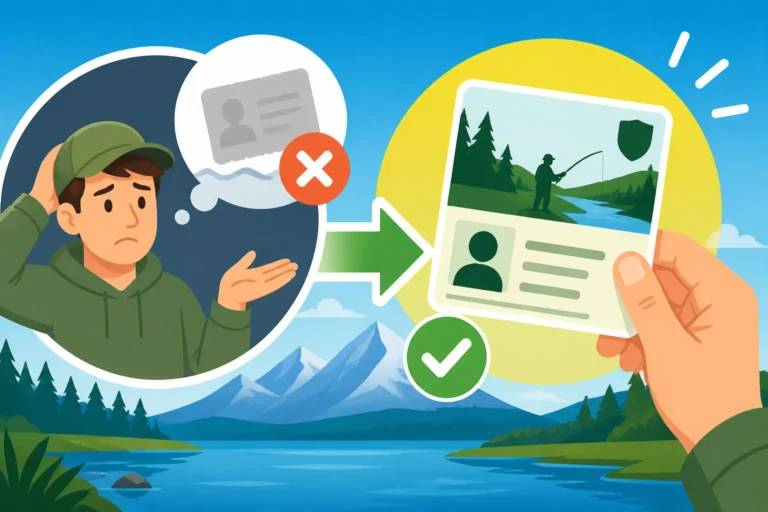
The first step is ensuring you have an active Wildlife Identification Number (WIN) card. This card is your unique identifier for all hunting and fishing activities in Alberta. If you don't have one, or if yours has expired, you'll need to renew it before you can even think about applying for the draw. You can get an Alberta WIN Card, Explained right on the MyWildAlberta website, and it's a necessary prerequisite. Once your WIN card is sorted, you can log into your account and navigate to the Special Harvest Licence draws section.
Applications typically open in late spring or early summer, and the draw results are usually announced a few weeks later. When applying, you'll select the specific lakes or regions you're interested in, and there might be options for different harvest quotas (e.g., one walleye vs. two). You'll pay a small application fee, and then it's a waiting game. If you're successful, your special harvest license will be automatically added to your MyWildAlberta account, which you can then print or display digitally. Remember, success in the draw for one lake doesn't exclude you from applying for others in future draws, but you can usually only hold one Walleye Special Harvest License per season.
Eligibility Requirements and WIN Card Importance
Before you even think about applying for the Walleye Special Harvest Licence, there are a few fundamental requirements you need to meet. First and foremost, you must be a resident of Alberta, as this program is typically designed for local anglers to manage local resources. Non-residents, unfortunately, are generally not eligible to apply for these special harvest draws. This residency requirement helps focus the limited harvest opportunities on those who live in the province and directly contribute to its conservation efforts.
Secondly, and critically, you must possess a valid Wildlife Identification Number (WIN) card. Think of your WIN card as your angler's passport in Alberta; it’s essential for purchasing any hunting or fishing license, including special draws. If you don't have one, or if yours has expired, you'll need to obtain or renew it before the application period for the Walleye Special Harvest Licence draw begins. You can easily manage your WIN card through the MyWildAlberta portal. Without an active WIN card, your application for the draw simply won't be processed. It's a non-negotiable step in participating in Alberta’s regulated fishing activities.
Navigating the MyWildAlberta Portal for Applications
The MyWildAlberta portal is your digital gateway to all things related to wildlife and fishing licenses in Alberta, and it’s where you’ll apply for the Walleye Special Harvest Licence. The process is designed to be user-friendly, but it's important to follow each step carefully. Once you're logged in with your WIN card number, look for the section dedicated to "Draws" or "Special Licences." You'll find a list of available draws, including the Walleye Special Harvest Licence.
When you select the walleye draw, you'll typically be prompted to choose the specific water bodies or management zones where you'd like to apply. These are often the "Alberta Walleye Special Harvest Licence Eligible Lakes." It's wise to do some research beforehand to know which lakes offer the best chance or are most convenient for you. You may be able to indicate multiple choices, ranked by preference, but this can vary by year. You’ll also confirm your personal details and pay a nominal application fee. After submitting, you’ll receive a confirmation, and then it's a matter of patiently waiting for the draw results. Many anglers find it useful to keep a digital copy of their application confirmation, perhaps stored on a device or in a cloud service like Amazon Drive, for easy reference.
Key Dates and Important Deadlines
Timing is everything when it comes to the Walleye Special Harvest Licence Program. Miss a deadline, and you miss your chance for the entire season. The program operates on a fixed schedule each year, and while the exact dates can shift slightly, the general windows remain consistent. It’s vital for any interested angler to mark these dates on their calendar, set reminders, and regularly check the MyWildAlberta website for official announcements.
Generally, the application period for the walleye draws opens in late May or early June and usually closes around mid-June. This gives you a few weeks to get your application submitted. Following the application closure, there's a processing period where the draw is conducted. The results are typically announced in late June or early July. If you're successful, your license is immediately valid, and you can begin planning your harvest trip according to the specific season dates for your chosen lake.
It's also important to remember that these harvest licenses are separate from your general Alberta fishing license. You still need a valid general license to fish for any species, including walleye (even if you're planning catch-and-release), during the appropriate seasons. Make sure to check the Alberta Fishing Season Dates by Zone to align with your special harvest license. Always double-check the current Alberta Guide to Sportfishing Regulations for the most up-to-date and precise dates, as they are the definitive source for all fishing rules and regulations.
Annual Application Periods
The Walleye Special Harvest Licence draw adheres to an annual schedule, and being aware of these periods is paramount to participation. Typically, the application window swings open in late spring, often towards the end of May or the beginning of June. This allows anglers a couple of weeks to submit their applications, choose their preferred lakes, and pay the associated application fee. It's a short but crucial window, and once it closes, there are no extensions or late entries.
I've heard stories from many excited anglers who just missed the deadline by a day or two, and that's always a tough pill to swallow. To avoid that heartache, I highly recommend signing up for email notifications from MyWildAlberta or checking their official website regularly as May approaches. Think of it like booking a popular campsite: you need to be ready when the window opens. Ensure your Alberta WIN Card, Explained is active well in advance, as an expired WIN card can cause delays when you're trying to apply. This preparation will make the application process much smoother.
Draw Results and Harvest Seasons
Once the application period closes, there's a brief but tense waiting period while the draw is conducted. The results are typically announced in late June or early July, and successful applicants will receive notification, usually via email, and the special license will appear in their MyWildAlberta account. This is usually when the real planning begins, as you now know if you've been granted the privilege of harvesting walleye.
Upon receiving a successful draw, it’s critical to understand the specific harvest season dates and regulations for your chosen lake. While the draw results are released in early summer, the actual harvest period for walleye can vary. Some lakes might have a harvest season that opens immediately after the draw results, while others might have later opening dates. These dates are always clearly outlined in the Alberta Guide to Sportfishing Regulations, under the specific lake or zone details. Always confirm the Alberta Walleye Limit by Zone and any size restrictions that might apply to your specific harvest license, as these are non-negotiable rules.
Specific Regulations and Harvest Limits
The Walleye Special Harvest Licence comes with its own set of very specific rules, which are different from general fishing regulations. These rules are non-negotiable and are designed to ensure the highly controlled nature of the harvest. Failing to adhere to them can result in significant penalties, including fines and potential loss of future fishing privileges. It’s absolutely essential to read and understand the detailed regulations that come with your specific license and are outlined in the annual Alberta Guide to Sportfishing Regulations.
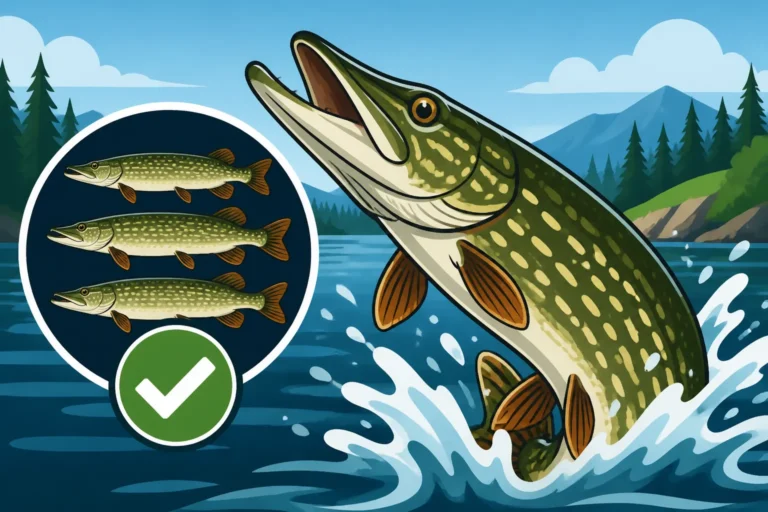
Typically, a Walleye Special Harvest Licence allows an angler to keep a very limited number of walleye, often one or two, and usually within a specific size slot. This slot limit is critical; it often means you can't keep very small walleye (to protect juveniles) or very large walleye (to protect prime breeding stock). For example, a common regulation might be "one walleye between 43 cm and 55 cm." Catching a fish outside that slot, even with a harvest license, means it must be immediately released.
Furthermore, the license is typically valid for a specific water body or a defined group of lakes. You cannot simply use your harvest license on any lake where walleye are present. Your license will clearly state where you are permitted to harvest. Some lakes may also have specific gear restrictions during the harvest period, or perhaps even specific times of day when harvest is allowed. This level of detail ensures that the limited harvest is conducted precisely as intended by fisheries managers. Always refer to the Reading the Alberta Guide to Sportfishing Regulations to clarify any nuances.
Size and Bag Limits for Harvested Walleye
One of the most critical aspects of the Walleye Special Harvest Licence is understanding the specific size and bag limits that apply. Unlike a general catch-and-release scenario, here you’re looking to harvest, so precision matters. Most special harvest licences will specify not just the number of walleye you can keep (your bag limit), but also a very strict size slot within which those fish must fall.
For instance, your license might state "one walleye between 43 cm and 55 cm." This means if you catch a walleye that is 40 cm, it must be released. If you catch one that is 60 cm, it also must be released. Only a walleye that measures perfectly within that specific slot can be retained. This is done to protect both the young, immature fish and the larger, reproductively valuable broodstock. It ensures that the fish removed from the population are typically those in a more abundant, middle-aged class, which helps maintain the overall health of the walleye population. Always carry a reliable measuring tape or bump board (you can find various options on Amazon) when targeting walleye with a special harvest license, as accurate measurement is crucial.
Designated Lakes and Zones
Your Walleye Special Harvest Licence is not a blanket permission to harvest walleye anywhere in Alberta. Far from it. Each license is tied to specific, designated lakes or clearly defined management zones. This is a crucial distinction that many new to the program sometimes overlook. The lakes included in the program are carefully selected by Alberta Environment and Protected Areas based on scientific assessments of their walleye populations – these are the lakes where walleye numbers are deemed robust enough to sustain a limited harvest.
When you apply for the draw, you'll select from a list of eligible lakes. If successful, your license will explicitly state the lake(s) where you are permitted to harvest. Fishing for walleye with the intent to harvest on any other lake, even one with a healthy walleye population, would be a serious violation. It's imperative to consult the Alberta Walleye Special Harvest Licence Eligible Lakes section of the annual regulations or on the MyWildAlberta portal before you apply and certainly before you head out fishing. Always verify your specific license details to avoid any misunderstandings or potential enforcement issues.
Responsible Angling and Ethical Harvesting
Receiving a Walleye Special Harvest Licence is a privilege, and it comes with a significant responsibility to practice ethical and responsible angling. This isn't just about following the letter of the law; it's about respecting the resource and contributing to the sustainability of the fishery. Even though you have a license to harvest, the principles of conservation and minimizing harm to fish remain paramount.
One of the most important aspects is understanding proper fish handling, especially for those walleye you intend to release. Even when you're targeting fish for harvest, you'll inevitably catch others that are either outside the slot limit or simply not the ones you want to keep. Knowing how to quickly and safely release a fish, minimizing its stress and injury, is crucial. This includes using appropriate tackle, avoiding prolonged fights, handling the fish minimally with wet hands, and using proper de-hooking tools.
For the fish you do harvest, ethical harvesting means dispatching the fish quickly and humanely. This respects the animal and ensures the quality of your catch. It also means properly caring for your catch after harvest, keeping it cool and clean to preserve its meat quality. This might involve using a quality cooler with ice, similar to those you can find by searching "fishing coolers" on Amazon, to ensure your walleye stays fresh until you can process it.
Best Practices for Catch and Release
Even with a special harvest license, you'll find yourself practicing catch and release for many walleye that don't meet the specific size slot or if you've already filled your quota. Therefore, knowing and applying best practices for catch and release is absolutely crucial to minimize stress and maximize the survival rate of the fish you send back. A healthy released fish is a fish that can continue to grow and reproduce, contributing to the very population you're hoping to manage sustainably.
One of the golden rules is to use appropriate tackle. Avoid overly light gear that prolongs the fight, as a long, exhausting battle significantly stresses the fish. Use barbless hooks, or pinch down the barbs on your hooks, as this makes removal much quicker and causes less damage to the fish's mouth. Handle the fish as little as possible, and always with wet hands to protect their protective slime coat. Never hold a walleye by its eye sockets or gills if you intend to release it. Quickly measure, photograph if desired, and return it gently to the water, ensuring it swims away strongly. These small actions collectively make a huge difference in the survival rates of released fish.
Humane Dispatch and Storage of Harvested Fish
If you've been fortunate enough to harvest a walleye under the Special Harvest Licence program, the next step is to ensure a humane and ethical dispatch, followed by proper storage to maintain the quality of the meat. A quick and humane dispatch shows respect for the fish and contributes to better tasting fillets. The most common and recommended method is a swift blow to the head, often referred to as "ikanajime" or simply "brain spiking," which instantly renders the fish unconscious and quickly leads to death. This minimizes stress and the release of lactic acid into the muscle, which can negatively impact flavor and texture.
Once the fish is dispatched, it's vital to get it on ice as quickly as possible. The goal is to chill the fish rapidly to stop bacterial growth and preserve the meat. A good quality cooler filled with plenty of ice is indispensable. Some anglers prefer to bleed their fish immediately after dispatch by cutting a gill arch, as this also improves meat quality by removing blood from the flesh. Regardless of your method, proper handling and cooling from the moment of harvest until you clean your fish will ensure that your well-earned walleye dinner is as delicious as possible.
What Happens After the Harvest?
Once you've successfully harvested your walleye and brought it home, there's still one crucial step that often goes overlooked but is vital for the long-term success of the Walleye Special Harvest Licence Program: reporting your catch. This isn't just a suggestion; it's a mandatory requirement associated with most special harvest licenses. Your catch data provides invaluable information to fisheries managers, helping them assess the health of the walleye population and make informed decisions about future harvest opportunities.
Typically, you'll be required to report your harvest online through the MyWildAlberta portal. This report will ask for details such as the date of harvest, the specific lake, the size of the fish, and sometimes other information like the sex. Even if you were unsuccessful in harvesting a walleye, some licenses may still require a "nil" report, indicating you fished but did not retain any fish. Ignoring this reporting step undermines the scientific basis of the program and could even lead to penalties or future ineligibility. Think of it as your civic duty as a responsible angler.
Beyond reporting, once you’ve harvested your walleye, you are no longer permitted to possess or target walleye with the intent to harvest on that specific license. Your special harvest opportunity for that lake is concluded for the season. You can, of course, continue to fish for other species or for walleye on a catch-and-release basis in other legal waters with your general Alberta Fishing License Guide for 2026, always adhering to all other regulations.
Mandatory Catch Reporting
The requirement for mandatory catch reporting is a cornerstone of the Alberta Walleye Special Harvest Licence Program. It's not just a formality; it's how fisheries biologists gather critical real-world data that is impossible to collect otherwise. Every successful applicant, and sometimes even unsuccessful ones, will have a reporting obligation. This typically involves logging into your MyWildAlberta account after your fishing trip and submitting details about any walleye you harvested under your special license.
The information requested usually includes the date of harvest, the specific lake where the walleye was caught, and its length. In some cases, you might be asked for the sex of the fish or even to submit a scale sample. This data is aggregated and used to monitor the actual harvest rates, assess the age and size structure of the population, and track the overall health of the walleye fishery in that particular lake. Without this accurate reporting from anglers, the province would lack the necessary feedback to adjust the program, potentially leading to unsustainable harvest levels or missed opportunities. It’s a crucial link in the chain of responsible fisheries management.
Future Program Adjustments and Walleye Recovery
The Alberta Walleye Special Harvest Licence Program is not static; it's a dynamic system that adapts based on the health of the walleye populations and the data collected from anglers like you. The success of the program directly influences future opportunities. If catch reporting shows that harvest rates are sustainable and populations are thriving, the province might maintain or even cautiously expand harvest opportunities in subsequent years. Conversely, if data indicates a decline or if there are other environmental concerns, harvest quotas might be reduced, or the program might be temporarily suspended for certain lakes.
The ultimate goal is continued walleye recovery and long-term sustainability. The program is a living testament to how careful management, combined with angler cooperation, can bring back a prized fishery. By participating responsibly, adhering to all regulations, and diligently reporting your catch, you are actively contributing to the ongoing recovery efforts and helping to ensure that future generations of Albertans will also have the chance to enjoy a walleye dinner. Your engagement helps shape the future of Walleye Fishing in Alberta.
Disclaimer
The information provided in this guide is for general informational purposes only and is based on typical regulations and program structures. Fishing regulations in Alberta are subject to change, and specific rules for the Walleye Special Harvest Licence Program, including application dates, eligible lakes, and harvest limits, are updated annually. Always refer to the most current Alberta Guide to Sportfishing Regulations and the official MyWildAlberta website as the definitive sources for all legal requirements before planning any fishing trip. Failure to comply with regulations can result in significant penalties.