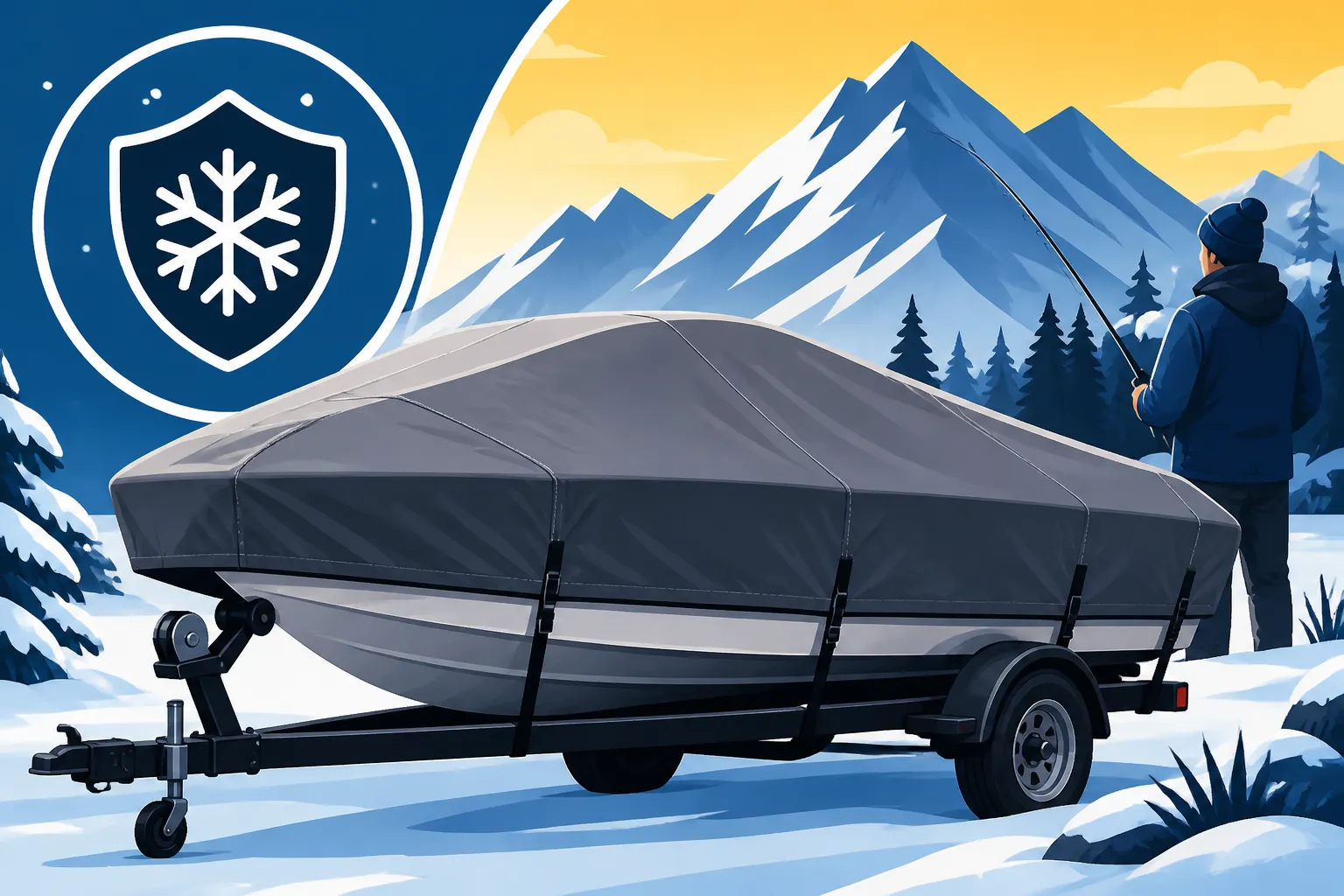
Best boat cover for winter storage
The thought of leaving your beloved boat exposed to Alberta's brutal winter can be enough to give any angler sleepless nights. From relentless snow and ice to harsh winds and even opportunistic critters, the elements here are truly unforgiving. This comprehensive guide will walk you through everything you need to know about choosing and installing the best boat cover for winter storage, ensuring your vessel is well-protected and ready for action when spring finally arrives.
Why a Quality Boat Cover is Non-Negotiable for Alberta Winters
Alberta winters are legendary, and not in a good way for boat owners. Freezing temperatures, heavy snowfall, and icy conditions are the norm for months on end. Skimping on your boat's winter protection is a recipe for expensive repairs, premature wear, and a whole lot of heartache. A good boat cover isn't just an accessory; it's an essential investment in the longevity and value of your watercraft.
Protection from Snow, Ice, and Harsh Winds
Imagine a heavy snowfall dumping several feet of wet, dense snow onto your boat. Without proper support and a robust cover, that snow can accumulate, putting immense stress on your boat's structure, seating, and even the cover itself. Snow turns to ice, expanding and contracting, working its way into every crevice, potentially cracking gel coats, upholstery, or even plastic components. Then there are the winds – those biting Alberta gusts that can tear at flimsy covers, rip seams, and whip grit and debris against your boat's hull. A quality cover acts as a shield, deflecting the worst of these elements and ensuring that your boat remains structurally sound and cosmetically pristine through the deepest freeze. It's about preventing the kind of deep-seated moisture damage and strain that can degrade your boat over a single winter.
Guarding Against UV Damage and Pests
You might think UV damage is a summer-only concern, but even in winter, Alberta experiences clear, sunny days where UV rays can bounce off snow and ice, causing damage. These rays can fade upholstery, crack dashboards, and degrade plastic components over time. A good winter cover provides a vital barrier against this less obvious, but equally insidious, form of damage. Beyond the elements, your boat, especially if stored outside, becomes an attractive shelter for all sorts of unwelcome guests. Mice, squirrels, spiders, and other critters are constantly looking for a warm, dry place to nest, and your boat offers a perfect haven. They can chew through wiring, build nests in engines and upholstery, and leave behind unpleasant messes. A well-fitted, durable cover deters these pests, keeping your boat clean and critter-free throughout the cold months. It's not just about keeping the weather out, but also about securing your investment from tiny invaders.
Maintaining Your Boat's Value and Longevity
Think of your boat as a long-term asset. Just like your home or vehicle, proper maintenance and protection directly impact its lifespan and resale value. A boat that has endured multiple winters unprotected will show it – faded paint, cracked vinyl, corroded metal, and water damage all tell a story of neglect. When it comes time to sell or upgrade, a well-maintained boat with a clean interior and exterior will command a significantly higher price and sell much faster. Investing in a quality winter cover is a proactive step in preserving your boat's aesthetic appeal, structural integrity, and mechanical health. It means less time spent on spring cleaning and repairs, and more time enjoying the water when the season finally rolls around. This preventative measure is far more cost-effective than dealing with the aftermath of winter's wrath.
Key Features to Look For in a Winter Boat Cover
Choosing the right boat cover can feel like a daunting task with so many options out there. However, focusing on a few critical features will help you narrow down the field and find a cover that truly stands up to Alberta's winter challenges.
Material Matters: Durability and Waterproofing
The material of your boat cover is arguably its most important feature. For Alberta winters, you need something that is not just waterproof but incredibly durable.
Heavy-duty polyester is a popular choice, often treated with UV inhibitors and water-repellent coatings. It's known for its resistance to tears, mildew, and UV degradation. Look for denier counts (a measure of fabric density) upwards of 600D, with 900D or even 1200D offering superior strength. Marine-grade canvas, like those offered by brands you might find on Amazon or at Bass Pro Shops, is another excellent option. It's naturally breathable but usually requires a waterproofing treatment and can be heavier.
The key here is not just water resistance but waterproof. Water-resistant fabrics might bead water initially, but under constant snowmelt or heavy, wind-driven rain, they can eventually soak through. A truly waterproof material with sealed seams will prevent any moisture from reaching your boat, keeping mold and mildew at bay. Also, consider materials that resist shrinking or stretching, which can compromise the fit over time.
Fit and Fastening Systems
A cover is only as good as its fit. A loose, baggy cover will flap in the wind, chafing your boat's finish and eventually tearing itself apart. It will also allow snow and water to pool, creating heavy pockets that can damage the cover and allow moisture to seep underneath. You want a cover that fits snugly, hugging the contours of your boat without being so tight that it's difficult to install or prone to tearing.
Look for covers with robust fastening systems. Strong elastic hems are a good start, but they aren't enough on their own for winter. Reinforced tie-down loops or D-rings around the perimeter, coupled with heavy-duty adjustable straps that go under the hull, are crucial. These straps secure the cover against strong winds, preventing it from lifting or blowing off. Some covers feature quick-release buckles for easier installation and removal, which is a nice bonus on a freezing winter day. Consider how easily you can tighten these straps to create a drum-tight fit, minimizing movement and maximizing protection.
Ventilation and Mildew Prevention
While it might seem counterintuitive to allow air in when trying to keep elements out, proper ventilation is absolutely critical for winter storage, especially in a humid environment like Alberta when snow melts and refreezes. Trapping moisture under a completely sealed cover creates a greenhouse effect where condensation can form, leading to mildew, mold, and unpleasant odors. These can not only damage upholstery and carpeting but also corrode electrical components and metal fittings.
Look for covers that incorporate integrated ventilation systems. These are typically covered vents or breathable panels positioned high on the cover to allow air circulation while still preventing rain and snow intrusion. Some designs use a "tenting" effect, where the cover is raised by a support system to create an airspace, naturally promoting airflow. Even with these features, it's a good idea to ensure there's enough space under the cover to allow air to move. This vital feature protects your boat from the hidden dangers of trapped moisture, ensuring it emerges from winter storage smelling fresh and looking clean.
Types of Boat Covers for Winter Storage
When it comes to boat covers, one size definitely does not fit all. The type of cover you choose will depend on your boat's specific design, your storage conditions, and your budget. Understanding the differences between custom-fit, semi-custom, and universal covers is key to making the best decision for your Alberta winter storage needs.
Custom-Fit Covers
Custom-fit covers are the crème de la crème of boat protection. These covers are specifically designed and cut to match the exact make, model, and year of your boat, often accounting for unique features like wake towers, swim platforms, or bow-mounted trolling motors. The fit is incredibly precise, like a second skin, which virtually eliminates flapping, pooling of water, and vulnerability to wind.
Pros: The superior fit offers unmatched protection from the elements, prevents chafing, and provides the best aesthetic. They last longer due to less stress from wind and water accumulation. If you're looking for the ultimate protection, especially if you have a high-value boat, this is generally the gold standard.
Cons: The main drawback is the cost; custom covers are significantly more expensive than other options. They also usually have a longer lead time for manufacturing, so you need to plan ahead. Finding a local canvas shop that specializes in marine covers can be a great option for a truly bespoke fit. While you can sometimes find "custom-fit" options online, a truly custom cover often requires measurements from your actual boat.
Semi-Custom (Styled-to-Fit) Covers
Semi-custom covers, sometimes referred to as "styled-to-fit" covers, offer a fantastic middle ground between the precision of a custom cover and the affordability of a universal one. These covers are designed for specific boat styles and lengths (e.g., V-hull runabouts, pontoon boats, center console fishing boats) but aren't tailored to a particular make and model. They come in a range of sizes that accommodate boats within a certain length and beam range.
Pros: They provide a much better fit than universal covers, reducing flapping and pooling. They are more affordable and readily available from retailers like Bass Pro Shops or online platforms like Amazon. They offer good protection for most winter conditions.
Cons: While a good fit, it won't be as perfect as a truly custom cover, so there might still be some minor areas where pooling or flapping could occur, requiring more robust support systems underneath. You'll need to carefully measure your boat's length (centerline), beam (widest point), and sometimes height to ensure you select the correct size.
Universal (Runabout) Covers
Universal covers, sometimes called "runabout covers," are the most budget-friendly option. These are designed to fit a wide range of boat styles and lengths with a very generic cut. They often come with drawstrings or elastic hems and a few tie-down straps.
Pros: They are inexpensive and widely available, making them a quick solution if you're in a pinch. They offer basic protection from light elements.
Cons: The fit is usually quite loose and baggy, making them highly susceptible to wind damage, chafing, and significant water/snow pooling. This pooling can lead to cover failure and allow moisture onto your boat. They also tend to wear out faster due to constant movement and stress. For Alberta winters, a universal cover should only be considered a very temporary solution or for boats stored indoors where the primary concern is dust. You'll definitely need a robust support system underneath to prevent snow and ice buildup from destroying the cover and damaging your boat.
Here's a quick comparison of the different types:
| Feature | Custom-Fit Cover | Semi-Custom Cover | Universal Cover |
|---|---|---|---|
| Fit | Exact, tailored to boat's contours | Good, designed for boat styles/lengths | Loose, generic fit for wide range of boats |
| Protection | Excellent, minimal pooling/flapping | Very Good, some potential for minor pooling | Basic, significant pooling/flapping likely |
| Durability | Highest, due to reduced stress | High, if properly sized and supported | Lowest, prone to tearing/wear from wind/pooling |
| Cost | Highest | Moderate | Lowest |
| Availability | Specialized marine shops, custom order | Marine retailers, online (e.g., Bass Pro Shops) | Most general retailers, online (e.g., Amazon) |
| Winter Use | Ideal for long-term outdoor storage | Recommended for outdoor storage with support system | Not recommended for outdoor Alberta winter storage |
Setting Up Your Boat for Winter Storage and Cover Installation
Putting on a boat cover isn't just about throwing it over your boat. Proper preparation and installation are crucial for maximizing its protective qualities and ensuring your boat makes it through the winter unscathed. Overlooking these steps can lead to damage even with the best cover.
Pre-Cover Prep: Cleaning, Draining, Removing Gear
Before you even think about putting that cover on, your boat needs a thorough going-over. First, give your boat a good wash, both inside and out. Remove any dirt, grime, or fish scales that could attract pests or cause mildew under the cover. Pay special attention to the bilge and other areas where moisture might collect. Once clean, ensure everything is bone-dry. Any trapped moisture, no matter how small, can lead to mold and mildew during storage.
Next, it's time to drain all water systems. This includes your livewells, bilge, and any freshwater systems. Frozen water expands, and even a small amount can crack pumps, hoses, and tanks, leading to costly repairs. Remove all valuables and easily damaged items like electronics, fishing rods, tackle boxes, and life jackets. While it might seem obvious, often small items are forgotten, only to be found corroded or damaged in the spring. Remember to also remove your boat's battery and store it in a cool, dry place, charging it periodically. If you have an outboard engine, consider linking to Best Boats for Alberta Lakes and Rivers to ensure proper winterization. Taking these steps not only protects your gear but also removes any potential food sources or nesting materials for critters.
Supporting the Cover for Snow Load
This is a critical step for Alberta winters that many boat owners unfortunately overlook. Without proper support, snow and ice will accumulate on your cover, creating heavy pockets that stretch, tear, and eventually fail. A sagging cover will also allow water to pool, which can freeze and put immense pressure on your boat's hull or deck. The goal is to create a "tent" effect, allowing snow and water to shed off naturally.
You can achieve this with a dedicated boat cover support system, which often includes adjustable poles and straps. These systems create high points and slopes to prevent pooling. Another common method is to use PVC piping to create a ridge or frame that spans the length of your boat, distributing the load evenly. Ensure the supports are placed strategically, particularly over areas prone to sagging, and are stable enough to withstand the weight of heavy snow. Consider the advice from Best Kayaks for Alberta Fishing when thinking about how even small craft need proper support for covers. The higher the peak you can create, the better the runoff will be.
Securing and Ventilating
Once your boat is clean, drained, and supported, it's time to install the cover. Carefully spread the cover over your boat, ensuring it's centered and covers all areas evenly. Begin securing it from bow to stern, making sure the elastic hem is properly seated around the hull. Then, attach all the tie-down straps, running them under the hull and cinching them down tightly. The goal is a taut, drum-like fit with minimal slack. Don't underestimate the power of Alberta winds to exploit any loose edges.
After securing, double-check that any ventilation points on your cover are open and clear. If your cover doesn't have built-in vents, consider adding small, covered vents or using moisture-absorbing packets inside the boat to combat condensation. You might also prop open a small window or access hatch slightly to aid airflow, provided it's protected from direct weather ingress. This delicate balance of security and airflow is what will truly protect your boat from both the external elements and internal moisture build-up. Regular checks throughout the winter, especially after heavy snowfalls or windstorms, will ensure your cover remains secure and effective. Before hitting the water next season, make sure you're up to date on your Alberta Boat Registration Rules and have your Life Jacket Requirements for Alberta Boaters sorted.
Disclaimer
This article is for general informational purposes only and does not constitute professional advice. Laws, prices and regulations vary by location and change over time. Consult a qualified professional for guidance on your specific situation.