Best flat-bottom boat for river fishing
The challenge of fishing Alberta's rivers often comes down to accessibility. Many of our most productive stretches are shallow, rocky, and have unpredictable currents, making traditional V-hull boats impractical or even dangerous. This guide will walk you through everything you need to know about choosing the best flat-bottom boat to confidently navigate these waters, ensuring you can reach those hidden honey holes and focus on catching fish.
Why a Flat-Bottom Boat is Perfect for Alberta River Fishing
When you picture fishing Alberta's magnificent rivers, you might envision towering mountains, serene forests, or vast prairies. What you might not always consider is the intricate network of shallow riffles, rocky beds, and varying current speeds that define these waterways. This is precisely why a flat-bottom boat isn't just a good idea; it's often the ideal choice for anglers looking to seriously fish these environments.
Navigating Shallow and Rocky Waters
One of the biggest frustrations for river anglers is encountering water too shallow for their boat. Many of Alberta's best fishing rivers, like the upper sections of the Bow or the Crowsnest, can become incredibly skinny in late summer or during dry spells. A traditional deep-V hull boat will quickly find itself scraping bottom, risking damage to the hull and propeller, and potentially leaving you stranded. Flat-bottom boats, with their minimal draft, are designed to glide over these shallow areas with incredible ease. This means you can get into backwaters, navigate skinny channels, and access stretches of river that other boats simply can't reach. Imagine pulling up to a gravel bar where larger boats dare not tread, knowing you have prime, undisturbed fishing grounds all to yourself.
Stability for Casting and Standing
Picture this: you've spotted a rising trout or a lurking pike in a prime seam. You need to make a precise cast, and you need to do it with confidence. A flat-bottom boat offers exceptional stability, which is a game-changer for active fishing. Unlike V-hulls that can rock and roll, especially when moving around or casting from the bow, a flat bottom distributes weight evenly, providing a solid platform. This extra stability allows you to stand up and cast comfortably, giving you a better vantage point to spot fish and make accurate presentations. Whether you're fly fishing the Bow River Fishing Guide or casting for pike in a slow-moving channel, being able to move freely without worrying about tipping makes for a much more enjoyable and effective fishing experience.
Ease of Launch and Retrieval
Alberta's rivers don't always come with concrete boat ramps. Often, you're looking at gravel access points, sandy beaches, or even just pulling off the side of a rural road to get your boat in the water. The relatively light weight and flat profile of these boats make them far easier to launch and retrieve, even in less-than-ideal conditions. You don't need a huge truck or a specialized trailer; a smaller vehicle can often manage, and in some cases, you can even hand-launch a very small model. This flexibility in access points means you're not limited to heavily used public launches, opening up many more fishing opportunities. It reduces the stress of getting on and off the water, allowing you to maximize your fishing time.
Essential Features to Look for in an Alberta River Fishing Boat
Choosing the right flat-bottom boat isn't just about picking one off the shelf; it's about matching the boat's features to the specific demands of Alberta's rivers and your personal fishing style. Thinking through these details before you buy can save you a lot of headaches and ensure you have a boat that truly enhances your time on the water.
Material and Construction
The material your flat-bottom boat is made from is paramount, especially given the rocky nature of many Alberta rivers.
- Aluminum: This is by far the most popular choice for river boats in Alberta, and for good reason. Aluminum is incredibly durable, lightweight, and resistant to corrosion. You're going to encounter rocks, gravel, and submerged timber, and a robust aluminum hull can take a beating and keep going. Look for models with thicker gauge aluminum, especially on the bottom, and reinforced ribs. Welded seams generally offer superior strength and longevity compared to riveted constructions, though both can be perfectly adequate depending on the quality of craftsmanship. Brands like Lowe, Alumacraft, and even some Bass Pro Shops house brands offer excellent aluminum jon boats that are well-suited for river abuse.
- Rotomolded Polyethylene: While less common for dedicated river fishing, some smaller flat-bottom boats or kayaks are made from rotomolded plastic. These are incredibly durable against impacts and often lighter than aluminum, but they can be harder to repair if severely damaged, and larger versions are less common.
- Inflatable PVC/Hypalon: For ultimate portability, some anglers opt for heavy-duty inflatable flat-bottom boats. These are puncture-resistant and can be deflated for easy transport. They offer great stability but are not as durable as aluminum against sharp rocks and certainly require more careful handling. They're excellent for remote access where launching a hard-sided boat is impossible.
Size and Weight Considerations
The size and weight of your boat directly impact its performance, your comfort, and your ability to transport it.
- Length: For most Alberta rivers, a flat-bottom boat between 12 to 16 feet is a sweet spot. A 12-foot boat is incredibly nimble and easy to handle in tight spots or solo. A 14 to 16-foot boat offers more interior space, allowing for more gear, an extra fishing buddy, and greater stability in slightly larger or choppier river sections. Anything longer can become cumbersome to navigate in winding rivers or shallow areas.
- Width (Beam): A wider beam translates directly to greater stability, which is excellent for standing and casting. It also offers more internal space. Aim for a beam of at least 48 inches (4 feet) at the bottom, or wider if possible, for optimal stability.
- Weight: Lighter is almost always better for river fishing. A lighter boat is easier to push off sandbars, load onto a trailer, and manage at sketchy launch points. It also requires less horsepower to move efficiently, saving on fuel. However, don't sacrifice durability for lightness; a flimsy light boat won't last long against Alberta's riverbeds. There's a balance to be struck.
Transom Height and Motor Compatibility
Your boat's transom, the flat section at the stern where you mount your outboard motor, is critical.
- Short Shaft vs. Long Shaft: Most smaller flat-bottom river boats are designed for a short-shaft (15-inch) outboard motor. Ensure your chosen boat has a transom height compatible with a short shaft. Using a long-shaft motor on a short-shaft transom will result in the propeller being too deep, creating unnecessary drag and potentially hitting bottom more often.
- Horsepower Rating: Every boat has a maximum horsepower rating. Never exceed this rating, as it can be dangerous and void warranties. For typical river fishing, a 9.9 to 25 HP outboard is often sufficient for a 12-16 foot flat-bottom boat. This range offers enough power to fight current, get to your spots quickly, and handle some gear, without being overkill for shallow water. Many anglers opt for a small, fuel-efficient 4-stroke motor for quiet operation and minimal environmental impact.
Storage and Customization Options
While flat-bottom boats are often utilitarian, good design can incorporate smart storage and customization.
- Bench Seating: Most flat-bottom boats come with simple bench seats. Consider if these are sufficient or if you'll want to add swivel seats for comfort during long days.
- Storage Compartments: While rare in basic models, some slightly more advanced jon boats offer small dry storage compartments or areas under the benches. These are invaluable for keeping safety gear, snacks, and extra tackle dry and organized.
- Flooring: Many basic models have an open hull. Adding a flat, non-skid floor (marine plywood with carpeting or non-slip coating) can significantly improve comfort, stability, and footing, especially when standing. This can be a DIY project or an optional extra.
- Mounting Tracks/Rails: Look for boats with gunnel rails or internal tracks that allow for easy mounting of rod holders, fish finders, and other accessories without drilling directly into the hull. This is particularly useful if you want to rig a dedicated system, perhaps with a portable Best Fish Finders for Alberta Lakes unit for scouting river channels.
Popular Flat-Bottom Boat Types for Alberta Anglers
When you're trying to find that perfect flat-bottom boat for navigating Alberta's diverse river systems, you'll generally encounter a few distinct styles that have proven themselves over time. Each has its own set of advantages, making them suitable for different kinds of anglers and waterways.
Traditional Jon Boats
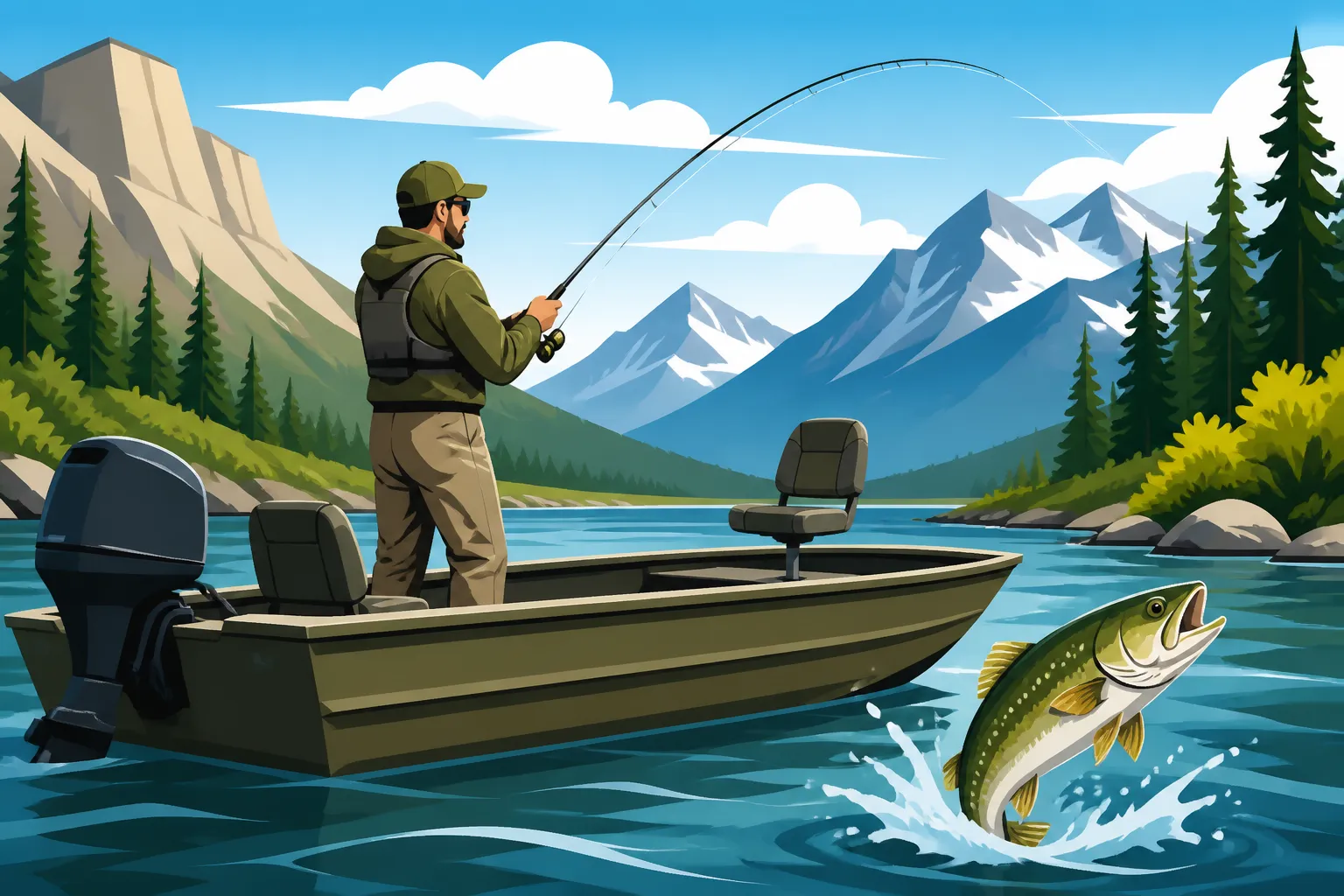
The jon boat is arguably the quintessential flat-bottom fishing boat, and for good reason. They are simple, rugged, and highly functional. Typically made from aluminum, they feature a flat bottom, square bow, and bench seating. This design gives them incredible stability and a very shallow draft, making them champions of skinny water.
- Advantages:
- Exceptional Shallow Water Performance: Their flat bottom allows them to plane out quickly and run in very little water, navigating over submerged rocks and gravel bars with ease. This is critical for accessing many prime fishing spots on rivers like the Oldman or portions of the Red Deer.
- Durability: Aluminum construction means they can withstand the inevitable bumps and scrapes of river life. They're built tough.
- Stability: The wide, flat bottom provides a very stable platform for casting, standing, and moving around, which is a huge plus for active anglers or those who prefer to fly fish.
- Affordability: Compared to V-hull boats, jon boats are generally very economical, both to purchase and to maintain. You can often find a good entry-level model from a retailer like Amazon or specialized marine shops.
- Customization Potential: Their basic design makes them a blank canvas for customization. Anglers often add casting decks, storage compartments, rod holders, and even livewells to tailor the boat to their specific needs.
- Considerations:
- Rough Water Ride: While great in calm or gently flowing water, the flat bottom will pound mercilessly in choppy conditions. Alberta's larger rivers or windy days on bigger sections can be uncomfortable.
- Tracking: In strong currents, a jon boat can be harder to steer than a V-hull, requiring more attention to the tiller.
- Wakes: They tend to throw a larger wake than V-hulls, which can be a minor nuisance if you're frequently passing other anglers or shorelines.
Small Utility Skiffs
While often resembling a jon boat, utility skiffs can sometimes offer a slightly different hull design that balances the shallow draft of a flat bottom with a bit more of a modified V-shape towards the bow. This "modified V" can help cut through chop a little better, offering a slightly smoother ride than a pure flat bottom without significantly increasing the draft.
- Advantages:
- Improved Ride: The subtle V at the bow can make a noticeable difference in reducing pounding when encountering small waves or boat wakes. This can be more comfortable on slightly wider or windier river sections.
- Versatility: They retain much of the shallow water capability of a jon boat while offering a tad more comfort in varied conditions.
- Good for Mixed Waters: If your river fishing sometimes takes you onto larger lake-like sections or wide, slower rivers, a utility skiff can be a good compromise.
- Considerations:
- Slightly Deeper Draft: While still very shallow, they might not run in quite as little water as a pure flat-bottom jon boat.
- Potentially Higher Cost: The slightly more complex hull design can sometimes translate to a slightly higher price point.
Inflatable Flat-Bottom Boats
For those prioritizing extreme portability, stealth, and access to truly remote locations, heavy-duty inflatable flat-bottom boats, often with a rigid floor option, can be an excellent choice. Think of brands like Zodiac or similar heavy-duty rafts, not pool toys!
- Advantages:
- Ultimate Portability: These boats can be deflated, rolled up, and stored in a truck bed or even carried to remote put-in points. This is ideal for fly-in fishing trips or accessing wilderness rivers where no road exists.
- Exceptional Stability: The wide, air-filled tubes provide incredible buoyancy and stability, making them very forgiving and difficult to tip.
- Soft Ride: The inflatable hull absorbs chop and bumps, providing a surprisingly smooth and comfortable ride compared to hard-sided boats.
- Less Damage from Impacts: Bumping into rocks or logs is less likely to cause structural damage compared to aluminum.
- Stealth: They are very quiet on the water, allowing for a stealthy approach to wary fish.
- Considerations:
- Puncture Risk: While durable, they are still susceptible to punctures from sharp objects, though repair kits are usually effective.
- Inflation/Deflation Time: Setting up and packing down takes time and effort.
- Speed: They are generally slower than hard-sided boats with the same horsepower.
- Interior Space: While stable, usable interior space can feel more limited due to the wide tubes.
- Cost: Quality inflatable boats designed for serious fishing can be surprisingly expensive.
Regardless of the type, remember to always equip your boat with the necessary Alberta required boat safety equipment checklist and understand the Alberta Boating Laws for Anglers before heading out.
Crucial Safety and Operational Tips for River Boating in Alberta
River fishing in Alberta is an incredibly rewarding experience, but the dynamic nature of rivers demands a heightened awareness of safety and operational best practices. Unlike lakes, rivers present continuous challenges and conditions that can change rapidly. Being prepared and understanding these elements isn't just about compliance; it's about ensuring a safe and enjoyable trip for everyone on board.
Understanding River Currents and Hazards
Rivers are living entities, and their currents, eddies, and hazards are constantly shifting. What was a clear run last week might be a log jam this week.
- Reading the Water: Before you even launch, spend time observing the river. Look for areas of faster current (V-shapes pointing downstream), slower water, eddies, and riffles. Understanding how your flat-bottom boat will react to these is crucial. Flat-bottom boats, while shallow, can be pushed around by strong currents more easily than boats with a deeper keel.
- Submerged Hazards: Alberta's rivers are often riddled with submerged rocks, gravel bars, and deadfall. Learn to spot the signs: discolored water, unusual ripples, or patches of calm water in a fast current can all indicate hidden dangers. Always trim your motor up as much as safely possible in shallow or uncertain areas.
- Obstructions and Log Jams: Rivers collect debris, and log jams can form quickly, creating impassable or dangerous obstacles. Always maintain a vigilant lookout downstream, especially around bends. Never assume a path is clear. If you encounter a situation that seems too risky, err on the side of caution. It's better to portage or turn back than to risk your boat and your safety.
- Water Levels: River levels fluctuate significantly with rainfall and snowmelt. Always check current conditions before heading out. High water can create powerful, dangerous currents and obscure hazards, while extremely low water can make navigation impossible. Websites like MyWildAlberta often provide real-time water level data for key rivers.
Required Safety Gear and Regulations
Operating any boat in Alberta, especially on rivers, comes with specific legal obligations regarding safety equipment. Ignoring these can lead to hefty fines and, more importantly, put lives at risk.
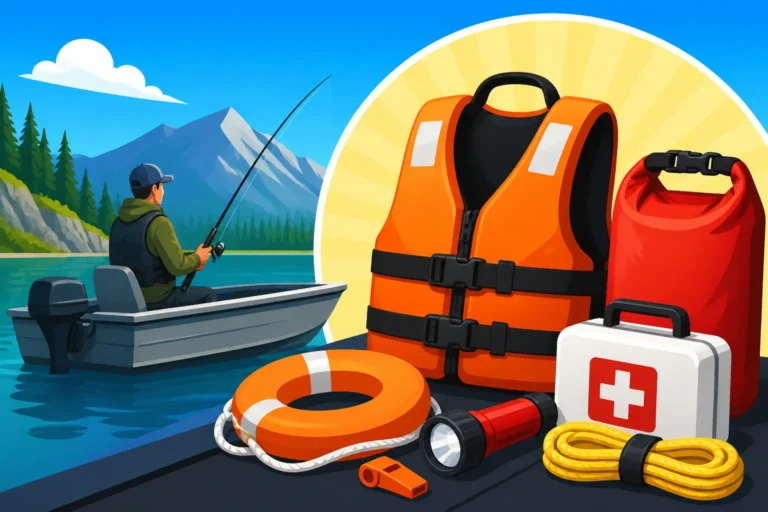
- Personal Flotation Devices (PFDs): This is non-negotiable. Every person on your boat must have an approved PFD of the correct size. Even if you're a strong swimmer, a PFD is your best defense against cold shock, exhaustion, or injury if you unexpectedly enter the water. For fast-moving rivers, wearing your PFD at all times is highly recommended. For more details, check out Life Jacket Requirements for Alberta Boaters.
- Sound Signaling Device: A pealess whistle or horn is required to signal other vessels or for distress.
- Bailer or Hand Pump: Even a small leak or splash can accumulate water, so a means to remove water is essential.
- Throw Bag or Buoyant Heaving Line: This is crucial for retrieving someone who has fallen overboard or aiding another boater in distress.
- Manual Propulsion Device: Paddles or oars are a must in case of motor failure. A river current won't wait for you to fix an engine.
- Navigation Lights: If operating after sunset or before sunrise, or in periods of restricted visibility, proper navigation lights are legally required.
- Pleasure Craft Operator Card (PCOC): If you're operating a boat with a motor in Canada, you'll need this. It proves you have basic boating knowledge. If you don't have one, consider obtaining your Alberta Pleasure Craft Operator Card Requirement before your next trip.
- Boat Registration: While smaller non-motorized boats may be exempt, any motorized vessel requires proper registration. Be familiar with Alberta boat registration rules.
Maintenance for Longevity
A flat-bottom river boat, especially an aluminum one, is built tough, but neglect can shorten its lifespan and lead to costly repairs. Regular maintenance is key to keeping your vessel reliable.
- Hull Inspection: After every trip, especially after running shallow or rocky sections, thoroughly inspect your hull for dents, dings, and especially punctures or cracks. Small dings are normal, but any deep gouges or signs of structural stress should be addressed promptly. Aluminum can be welded, but it's best to catch issues early.
- Motor Care: Your outboard motor is the heart of your river boat. Flush the cooling system with fresh water after every use, especially if fishing in silty or sandy rivers. Check your propeller regularly for dings, bends, or missing pieces, as these can severely impact performance and cause vibrations. Keep an eye on your oil levels, fuel filter, and spark plugs as per the manufacturer's recommendations.
- Trailer Maintenance: Don't forget your trailer! Check tire pressure, wheel bearings, lights, and ensure the hitch and safety chains are in good working order. A breakdown on the highway to your favorite river spot is nobody's idea of a good time.
- Cleanliness and Storage: Rinse your boat thoroughly after each outing to remove dirt, mud, and any aquatic invasive species. Store your boat in a way that allows it to drain completely to prevent water accumulation and potential freezing damage in winter. Cover it to protect it from UV rays and weather.
- Anchoring System: If you plan on anchoring in current, invest in a quality anchor system designed for river use. A proper Best Anchor System for River Fishing can hold your boat steady in strong flows, but always be aware of anchor retrieval in swift water or potential snagging.
By combining the right boat with a mindful approach to safety and maintenance, you'll be set for countless successful and safe fishing adventures on Alberta's incredible rivers.
Here's a quick comparison of common flat-bottom boat types:
| Feature | Traditional Aluminum Jon Boat | Small Utility Skiff | Heavy-Duty Inflatable Flat-Bottom Boat |
|---|---|---|---|
| Typical Material | Aluminum | Aluminum (often) | PVC or Hypalon |
| Shallow Draft | Excellent | Very Good | Excellent |
| Stability | Excellent (especially wider models) | Very Good | Outstanding |
| Rough Water Ride | Poor (pounds heavily) | Fair (modified V helps) | Good (absorbs chop) |
| Durability (River) | High (abrasion resistant) | High | High (impact resistant) |
| Portability (Trailer) | Moderate | Moderate | Excellent (deflates) |
| Ease of Repair | Good (welding) | Good (welding) | Fair (patch kits) |
| Stealth | Good | Good | Excellent (quiet) |
| Cost | Low to Moderate | Moderate | Moderate to High |
| Best Use Case | Dedicated shallow river fishing, backwaters | Mixed river/calm lake use, slightly wider rivers | Remote access, ultra-portability, very shallow rivers |
Choosing the best flat-bottom boat for river fishing in Alberta comes down to understanding your specific needs and the rivers you intend to explore. Whether it's a rugged aluminum jon boat for battling the Bow's currents, a versatile utility skiff for a blend of river and lake action, or a highly portable inflatable for those truly remote spots, there's a perfect option out there. Focus on durability, shallow water performance, and stability, and you'll be well on your way to countless successful and enjoyable days on the water.
Disclaimer
This article is for general informational purposes only and does not constitute professional advice. Laws, prices and regulations vary by location and change over time. Consult a qualified professional for guidance on your specific situation.