Best boat for shallow rocky rivers
Navigating Alberta's stunning, yet often challenging, shallow and rocky rivers can be a real headache for anglers. It's a common frustration to worry about dinging your hull, bending a prop, or even getting stranded when you're just trying to find that perfect fishing spot. This guide is here to walk you through the best boat options and essential considerations to help you confidently conquer those trickier waterways and enjoy more time on the water, worry-free.
Understanding the Challenges of Shallow, Rocky Rivers
Anyone who's spent time on rivers like the Bow, the Oldman, or even some stretches of the Red Deer knows that they can be incredibly beautiful, but also notoriously tricky. These aren't your typical deep, clear lakes. We're talking about dynamic environments with ever-changing water levels, hidden hazards, and currents that can catch you off guard. It's a dance between finding the fish and keeping your boat in one piece, and often, the latter feels like the bigger challenge.
The Risks of Shallow Water Navigation
It might seem obvious, but shallow water is the number one enemy of most boaters. When you're running a traditional prop-driven boat, even a few inches of reduced depth can turn a calm ride into a heart-stopping scrape. Imagine easing through a beautiful riffle, eyes scanning for rising trout, only for your prop to suddenly grind against unseen gravel or a submerged log. The jolt alone is enough to ruin your day, let alone the potential for bent props, damaged skegs, or even cracks in your lower unit.
Beyond the mechanical damage, there's the very real risk of getting stuck. Picture this: you've slowly navigated a winding channel, found a promising eddy, and decided to anchor up. A couple of hours later, the river level drops just enough, or you’ve drifted slightly, and suddenly your boat is firmly aground, leaving you pushing and pulling in the current, far from any launch point. It’s not just an inconvenience; it can be a serious safety issue, especially if you’re fishing alone or in remote areas.
The Impact of Rocks and Obstacles
Rocks aren't just a concern for your prop; they're a threat to your entire hull. Many Alberta rivers, particularly those flowing out of the mountains or through glacial till, are strewn with rocks of various sizes, from small gravel beds to large, submerged boulders. A glancing blow from a rock at speed can gouge fiberglass or aluminum, leading to leaks, structural weakness, and costly repairs. Over time, repeated impacts can seriously compromise your boat's integrity.
Hidden obstacles, like deadfall trees, root wads, or even discarded debris, add another layer of complexity. These can be particularly insidious as they often float just below the surface or are camouflaged by murky water. A direct hit from one of these can not only damage your boat but also throw passengers off balance or even eject them from the vessel. Navigating these waterways demands constant vigilance and a boat designed to take a beating, or, even better, avoid it entirely.
Key Considerations for Alberta's River Systems
Alberta's rivers are incredibly diverse, and what works on one might not be ideal for another. The lower Bow River near Calgary, for instance, can have relatively consistent flows, but still features numerous rock gardens and shallow runs. The Oldman River, depending on the section and time of year, can fluctuate wildly, revealing expansive gravel bars one day and running swift and deep the next. Then you have smaller, more remote streams which might be incredibly shallow throughout.
Understanding the specific river you intend to fish is paramount. Are there long stretches of very shallow water? Is the current consistently strong? Are you dealing primarily with gravel beds, or are there significant bedrock outcrops and boulders? These local characteristics heavily influence the best boat choice. For example, a river with numerous shallow riffles and predictable channels might be fine for a modified jon boat, but a river with braided channels and unpredictable log jams might demand something with a jet drive. Consider checking local forums or guides, like a Bow River Fishing Guide or Oldman River Fishing Spots, to get a sense of the specific challenges before you commit to a boat.
Types of Boats Suited for Shallow, Rocky Rivers
When it comes to tackling those tricky, shallow, and rocky rivers in Alberta, not just any boat will do. You need something purpose-built or at least highly adaptable to the unique challenges these waterways present. Thankfully, there are several categories of boats that excel in such conditions, each with its own set of advantages and considerations. Choosing the right one often comes down to balancing performance, durability, and your specific fishing style.
Jet Boats: The Ultimate Shallow Water Solution
If you're looking for the absolute king of shallow water navigation, a jet boat is often your best bet. Instead of a propeller hanging down below the hull, these boats use an impeller to draw water in and then force it out through a nozzle at high pressure, propelling the boat forward. This design means there's no prop to worry about hitting rocks or getting tangled in weeds, allowing them to run in incredibly shallow water – often just a few inches deep.
Jet boats are phenomenal for covering long distances on rivers with variable depths, allowing anglers to access remote sections that traditional prop boats simply can't reach. They are typically made from heavy-gauge aluminum, which is more forgiving when encountering unseen obstacles. However, this shallow water capability comes with its own learning curve. Jet drives require continuous positive thrust to steer effectively, meaning you can't just 'idle' through tight spots in the same way you might with a prop boat. They also tend to be less fuel-efficient than their prop counterparts and can be susceptible to sucking up debris into the intake, which can cause blockages or damage to the impeller. Still, for many serious river anglers, the ability to run in inches of water outweighs these considerations.
Jon Boats: Versatility and Durability
Jon boats are the workhorses of shallow water fishing. These flat-bottomed, often aluminum, vessels are renowned for their stability, durability, and relatively low cost. Their flat bottom allows them to sit high in the water, giving them a very shallow draft, even with a traditional outboard motor. While they do have a prop, their design often allows for easy tilting of the motor in very shallow areas, and they are typically much lighter than V-hull boats, making them easier to push off if you do run aground.
Many anglers who run jon boats on rocky rivers will opt for a smaller, high-thrust outboard and often install a prop guard to protect against impacts. The open, utilitarian layout of a jon boat is also a big plus for anglers, providing plenty of space for gear, coolers, and multiple fishing partners. While they don't handle rough, open water as well as a V-hull, for confined river channels and backwaters, they are incredibly effective. You can find a wide variety of jon boats and accessories, including aftermarket prop guards, at retailers like Bass Pro Shops or through online platforms like Amazon. Their simplicity also makes them popular for DIY modifications, such as adding specialized decking or storage solutions.
Drift Boats: Traditional River Navigation
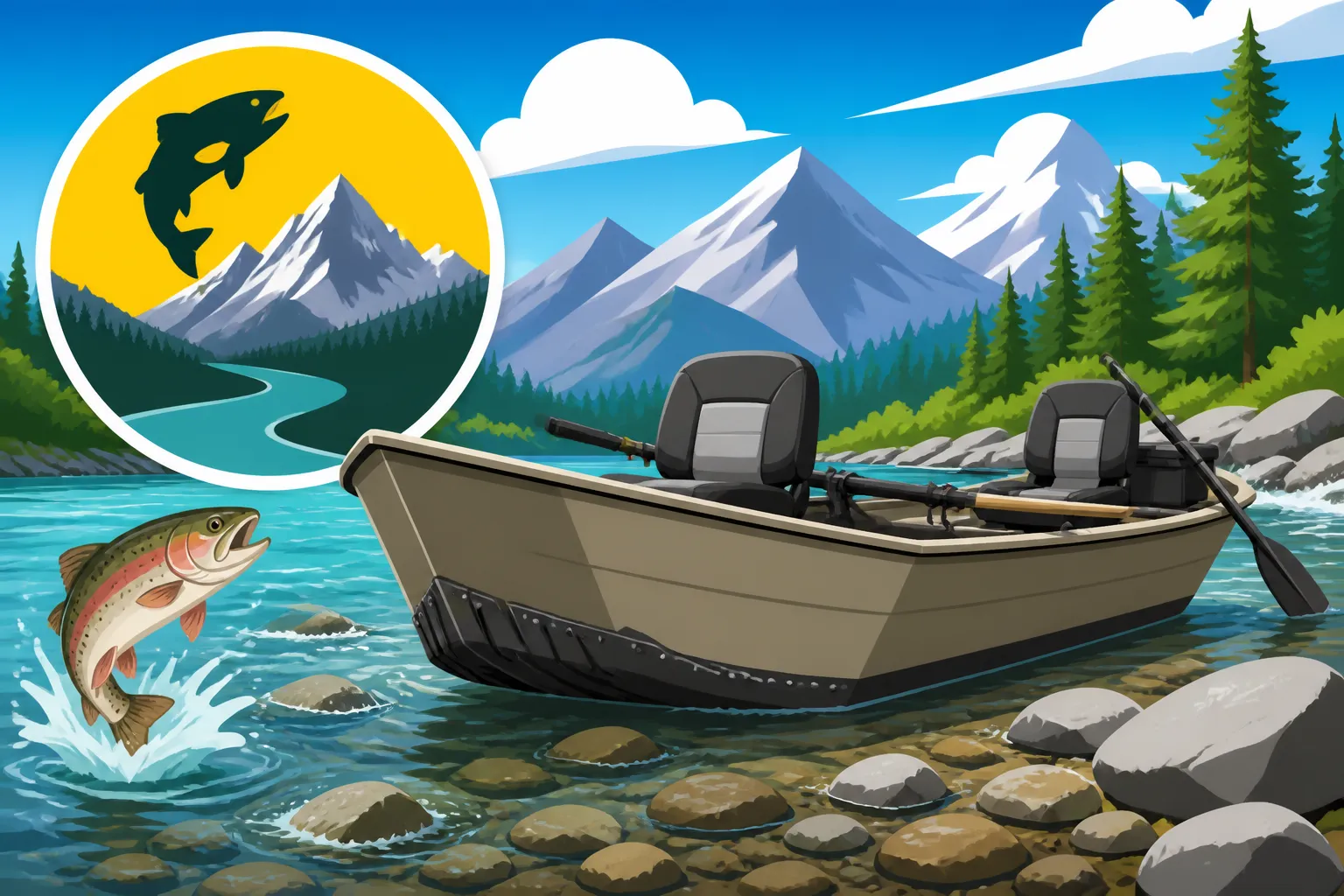
For the fly-fishing purist or those who prefer a quieter, more controlled river experience, drift boats are an iconic choice. These specialized boats are designed to be rowed downstream, often by a guide, allowing anglers to cast to prime spots with precision. Their unique design, featuring a flared bow and stern and a flat bottom, allows them to navigate swift currents and shallow riffles by essentially 'drifting' over obstacles rather than powering through them.
Drift boats are not typically motorized, though some will use a small electric trolling motor for subtle positioning. Their main advantage lies in their maneuverability in current and their ability to keep anglers focused on fishing rather than boat operation. They are extremely quiet, which is a huge benefit for stealthy approaches to wary trout. However, they are designed for downstream travel and require a shuttle service to retrieve them at a downstream access point. They are also not ideal for covering vast distances or fighting strong upstream winds. For specific techniques, like fly fishing the Bow River, a drift boat is often considered the gold standard for a reason.
Inflatable Boats and Kayaks: Portable and Agile Options
Sometimes, the best boat isn't a boat at all, but a highly portable craft. Inflatable boats, often made from heavy-duty PVC or Hypalon, can be incredibly tough and forgiving in rocky rivers. Their flexible hulls can absorb impacts that would dent or puncture rigid boats, and their shallow draft allows them to float over many obstacles. They are also incredibly stable for their size and can be deflated and packed away for easy transport, making them ideal for accessing remote locations or smaller streams.
Fishing kayaks, particularly those designed for stability and durability, are another excellent option for shallower rivers. Many modern fishing kayaks are built with incredibly tough plastic and can take a surprising amount of abuse from rocks. Their low draft and ability to be paddled or even pedaled (hands-free for fishing!) make them perfect for sneaking into tight spots. While they limit the amount of gear you can carry, their stealth and accessibility are unmatched. When considering these options, also think about safety gear like life jackets; it's a Life Jacket Requirements for Alberta Boaters that you have one for everyone on board, regardless of the vessel type. Don't forget to check out articles like Best Kayaks for Alberta Fishing for more detailed information on choosing the right model.
| Boat Type | Pros for Shallow/Rocky Rivers | Cons for Shallow/Rocky Rivers | Best Use Case |
|---|---|---|---|
| Jet Boat | Extremely shallow draft, no prop to hit, durable aluminum | Higher cost, less fuel efficient, learning curve for handling | Long stretches of variable depth rivers, remote access |
| Jon Boat | Very shallow draft, stable, durable, customizable, affordable | Prop exposed (unless guarded), not for rough open water | Moderate currents, gravel bars, general river fishing |
| Drift Boat | Excellent maneuverability in current, quiet, controlled drift | Requires shuttle, not motorized for upstream travel, limited gear | Fly fishing, controlled downstream drifts, stealth |
| Inflatable | Highly durable (absorbs impacts), portable, very shallow draft | Slower, less storage, susceptible to punctures from sharp objects | Remote access, very shallow streams, exploratory trips |
| Fishing Kayak | Highly agile, stealthy, very shallow draft, portable | Limited gear capacity, slower travel, exposed to elements | Small streams, tight spots, solo or duo anglers |
Essential Features and Modifications for River Boats
Once you've zeroed in on the type of boat that best suits your river fishing adventures, it’s time to think about the nitty-gritty: the specific features and modifications that will truly make it shine on Alberta’s shallow and rocky waterways. A boat straight off the lot might be functional, but with a few strategic upgrades, you can transform it into a true river warrior, protecting your investment and enhancing your fishing experience.
Hull Material and Design
The material and design of your boat's hull are perhaps the most critical factors for river use. For shallow, rocky rivers, heavy-gauge aluminum is almost universally preferred over fiberglass. Aluminum is incredibly durable, forgiving, and easier to repair after impacts. It flexes rather than shatters, which is a huge advantage when you inevitably encounter a submerged rock. Look for hulls made from at least .125-inch thick aluminum, with even thicker gauges (.190-.250 inch) on the bottom for maximum protection.
Beyond the material, the hull's shape plays a significant role. Flat-bottomed or modified V-hulls are generally better for shallow water than deep V-hulls, as they draw less water. However, a completely flat bottom can be rougher in choppy water. A modified V or a slight tunnel hull can offer a good compromise, providing some rough water performance while still maintaining a shallow draft. Some specialized river boats also feature an 'oversized' or heavily reinforced keel, sometimes called a 'shoe,' which is designed to be the first point of contact with obstacles, protecting the rest of the hull. This kind of protection is invaluable for longevity on rivers that constantly test your boat's limits.
Propulsion Systems
For river running, your propulsion system is where you'll see the most significant departure from typical lake setups. As discussed, jet drives are king for their ability to run prop-free in mere inches of water. If you opt for a jet boat, ensure the intake grate is robust and easily accessible for clearing debris.
If a traditional outboard with a propeller is your choice (common on jon boats or smaller V-hulls), protecting that prop is paramount.
- Prop Guards: These are cages or shrouds that surround the propeller, preventing direct impacts with rocks and reducing the risk of entanglement with weeds or fishing lines. While they can introduce some drag and potentially affect performance slightly, the peace of mind they offer on rocky rivers is often well worth it. You can find various styles and materials through marine suppliers or platforms like Bass Pro Shops.
- Jack Plates: A hydraulic jack plate allows you to raise or lower your outboard motor vertically while underway, on the fly. This is a game-changer for shallow rivers, as you can quickly raise the motor to clear shallow spots and then drop it back down for better performance in deeper water.
- Power Trim/Tilt: Even without a jack plate, a motor with good power trim and tilt is essential. Being able to quickly raise the motor to clear an obstacle or navigate a very shallow section can prevent serious damage.
When choosing a prop, consider a stainless steel prop for its durability, as aluminum props can bend or chip more easily. Some anglers even carry spare props, knowing that damage is a possibility.
Protection and Reinforcement
Beyond the basic hull material and propulsion system, specific reinforcements can significantly extend your boat's life on rocky rivers.
- Skid Plates: These are additional layers of thick aluminum or ultra-high-molecular-weight polyethylene (UHMW) plastic attached to the bottom of the hull. They act as sacrificial armor, taking the brunt of impacts from rocks and gravel. UHMW is particularly popular because it’s incredibly slick and allows the boat to slide over obstacles more easily, minimizing friction and wear.
- Keel Guards: Similar to skid plates, these are specific reinforcements for the keel, which is often the first part of the boat to make contact. A robust keel guard can protect this critical area from abrasion and impacts.
- Transom Reinforcement: The transom, where the engine is mounted, takes a lot of stress. Ensuring it’s well-braced and reinforced is crucial, especially if you’re frequently bumping obstacles or beaching the boat.
- Bow Protection: The bow also takes its share of abuse when navigating tight turns or nudging against banks. Additional plating or rubber bumpers can help.
Investing in these protective measures upfront can save you a fortune in repairs down the line, allowing you to focus on your fishing rather than worrying about the next submerged hazard.
Storage and Accessibility
While not directly about river navigation, effective storage and accessibility features are crucial for a productive and safe day on the river. You’ll be carrying more than just your rods; think about anchor systems, repair kits, spare parts, and safety gear.
- Dry Storage: Keep your electronics, extra clothing, and emergency supplies dry. Watertight compartments or sturdy dry bags (you can find many options on Amazon) are essential.
- Rod Holders: Secure rod holders keep your expensive gear safe from accidental knocks and splashes, especially when navigating turbulent water.
- Anchor Systems: For rivers, a robust anchor system is vital. Consider a reliable anchor pulley system that allows you to deploy and retrieve your anchor easily from a seated position, as getting up in a moving current can be risky. A strong, flexible anchor rope or chain is also important, as is choosing the right Best Anchor System for River Fishing for your specific boat and river conditions.
- Access Ladders/Steps: If you plan to frequently wade or get in and out of the boat, sturdy steps or a small ladder can make entry and exit safer, especially with waders on. Always prioritize stability and ease of use in a dynamic river environment.
- Integrated Coolers: Having a cooler that's secured and easily accessible for drinks and your catch can make a big difference, especially on long summer days.
Thoughtful organization keeps your boat clutter-free, making it safer to move around and easier to react quickly if conditions change. Always remember to also factor in Alberta Boating Laws for Anglers and what essential safety equipment you need to have on board, beyond just life jackets.
Practical Tips for Navigating Shallow Rocky Rivers
Even with the perfect boat, navigating shallow, rocky rivers requires skill, practice, and a healthy respect for the water. It’s a dynamic environment where conditions can change rapidly, and being prepared and knowing how to 'read' the river can make all the difference between a fantastic fishing trip and a frustrating, or even dangerous, ordeal.
Reading the Water
This is perhaps the most critical skill for any river boater. The river itself often tells you where the safe passages are and where the hazards lie, if you know how to listen.
- Look for Darker Water: Generally, darker-looking water indicates deeper sections, while lighter areas, especially those with visible gravel or rock, usually mean it’s shallow. However, this isn't foolproof, as deep shadows or murky water can be deceiving.
- Observe Current Breaks and Eddies: The way the current flows around obstacles can give you clues. A smooth, even flow often indicates a clear channel, while turbulent, boiling water can signal submerged rocks or sharp drops. Eddies, or areas of calmer water behind obstacles, can indicate a potential hazard upstream.
- Follow the Path of Least Resistance: Watch for other boats or even debris floating downstream. Often, the main current will carve the deepest channel. If you see a subtle path that seems to have more flow, it's often the safest route.
- Look for "V" Shapes: A "V" shape in the water, with the point of the V pointing upstream, typically indicates a safe channel around an obstacle. If the "V" points downstream, it usually means there's a submerged obstruction directly in its path.
- Use a Fish Finder: Even in rivers, a good fish finder can be invaluable for showing you real-time depth and identifying submerged structure. A portable model, like many found on Bass Pro Shops or Amazon, can be great for smaller boats or kayaks. Learn how to Best portable fish finder for kayak fishing to make the most of this tech.
Always proceed slowly when unsure of the depth, especially in new or unfamiliar sections of a river. If you can see the bottom, you can likely run it – but be ready to react if the color of the bottom suddenly changes, indicating a drop-off or a shift from gravel to bedrock.
Maintenance and Pre-Trip Checks
Preventative maintenance and thorough pre-trip checks are non-negotiable for river boats. A small oversight at the launch can lead to a major headache miles downstream.
- Inspect Your Hull: Before every trip, visually inspect the bottom and sides of your hull for any new dents, gouges, or signs of stress. Pay extra attention to the keel, chines, and transom. If you have skid plates or keel guards, ensure they are securely attached and show no signs of catastrophic wear.
- Check Your Propulsion System:
- Jet Drives: Inspect the intake grate for any blockages or damage. Check the impeller for nicks or bends. Ensure all connections are tight.
- Prop Motors: Examine your propeller for bends, chips, or cracks. Even minor damage can affect performance and eventually lead to more serious issues. Check your skeg for impacts. Ensure your power trim/tilt system is functioning smoothly.
- Test Steering and Controls: Make sure your steering is responsive and there's no excessive play. Check throttle and shift controls for smooth operation.
- Fluid Levels: Verify engine oil, lower unit oil (for prop motors), and trim/tilt fluid levels.
- Safety Gear Check: Always ensure all required Life Jacket Requirements for Alberta Boaters are on board and accessible. Check your bailer, paddle, sound-signaling device, and throw rope. Make sure your first-aid kit is stocked and easily reachable.
- Fuel and Battery: Top off your fuel tank and check your battery charge, especially if running a trolling motor or other electronics.
- Anchor System: Test your anchor system, ensuring the anchor is secure, the rope is free of tangles, and the cleat or anchor lock is functioning.
A few minutes spent on these checks can save you from a breakdown in a remote location and keep you safely on the water.
Safety Gear and Practices
Even the most experienced river anglers can find themselves in unexpected situations. Having the right safety gear and adhering to best practices can mitigate risks.
- Always Wear Your Life Jacket: This isn't just a rule; it's a lifeline. Alberta's rivers can be cold and swift. Falling overboard in current, especially if you hit your head, can be fatal without a properly fitted PFD.
- File a Float Plan: Let someone know where you're going, your planned route, who's with you, and when you expect to return. This is crucial for search and rescue efforts if you don't check in.
- Carry Communication Devices: A fully charged cell phone (in a waterproof bag!) is a start, but consider a satellite messenger or a VHF radio for areas with no cell service.
- Emergency Repair Kit: Duct tape, zip ties, a multi-tool, marine sealant, a spare prop (if applicable), and basic wrenches can get you out of a bind for minor issues.
- Never Overload Your Boat: Respect your boat's capacity limits. An overloaded boat handles poorly, sits deeper, and becomes unstable, especially in current.
- Avoid Boating Alone if Possible: Having a partner can be invaluable in an emergency, whether it's helping to push off a sandbar or administering first aid.
- Know Your Limits: If the water conditions look too rough, the river too high and swift, or the weather turns foul, don't risk it. There's always another day to fish.
- Understand Alberta Boating Laws: Familiarize yourself with the Alberta Pleasure Craft Operator Card Requirement and other regulations to ensure you're operating your vessel legally and safely. You can find a summary in the Alberta Guide to Sportfishing Regulations.
By prioritizing safety and understanding the nuances of river navigation, you’ll not only protect yourself and your boat but also enhance your enjoyment of Alberta’s incredible fishing opportunities.
Disclaimer
This article is for general informational purposes only and does not constitute professional advice. Laws, prices and regulations vary by location and change over time. Consult a qualified professional for guidance on your specific situation.