Best boat for fishing Lesser Slave Lake
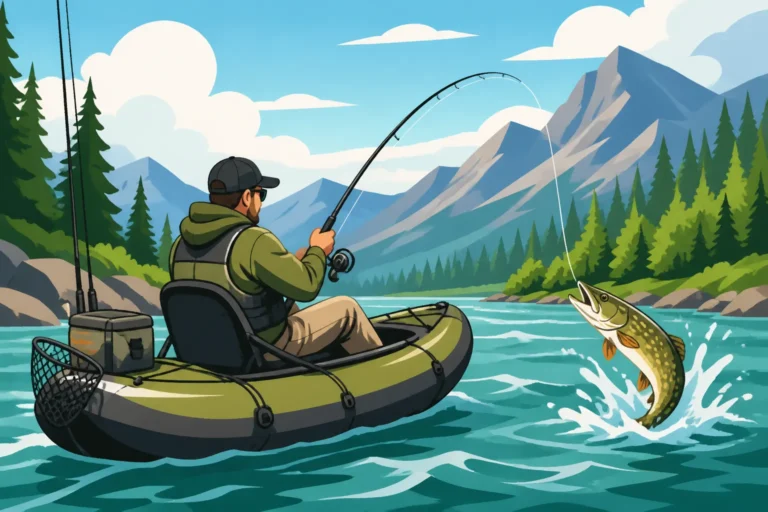
Choosing the right boat for Lesser Slave Lake can feel like a daunting task. This massive body of water, known for its incredible walleye and northern pike fishing, demands a vessel that can handle its sometimes unpredictable nature, from calm, glassy mornings to choppy, windswept afternoons. This guide will walk you through the essential considerations, boat types, and features to help you find the perfect fishing boat to conquer Lesser Slave Lake.
Understanding Lesser Slave Lake's Unique Characteristics for Boating
Before you even start dreaming about specific boat models, it's crucial to understand what makes Lesser Slave Lake special. This isn't your average small pond or gentle river; it's a significant inland sea that demands respect and a capable vessel. Ignoring these characteristics could lead to uncomfortable, unproductive, or even unsafe fishing trips.
Size and Scope of Lesser Slave Lake
Lesser Slave Lake is Alberta’s second-largest lake entirely within the province, stretching about 100 kilometers long and 15 kilometers wide at its broadest point. That’s a lot of open water! This sheer size means that weather systems can develop rapidly and affect large areas, turning calm conditions into significant waves in a relatively short amount of time. You might start your day with perfectly smooth water, but a change in wind direction or intensity can quickly whip up two to three-foot waves, sometimes even more. This necessitates a boat that isn't just a fair-weather friend but a robust partner capable of safely navigating these conditions.
The vastness also means that your chosen boat needs to be efficient in covering long distances if you plan to explore different fishing grounds, from the western basin near Grouard to the eastern reaches around Faust and Slave Lake. You might be targeting walleye in one bay and then decide to chase pike across the lake, requiring reliable engine performance and fuel capacity. For more on specific fishing, check out Best walleye spots on Lesser Slave Lake or Best burbot spots on Lesser Slave Lake.
Typical Weather and Water Conditions
Alberta's weather is famously unpredictable, and Lesser Slave Lake is no exception. Summer days can be scorchingly hot, but evenings can bring cool winds. The lake's relatively shallow nature in many areas can contribute to rapidly building waves when strong winds pick up, making for a bumpy ride. You’ll often hear stories from seasoned anglers about getting "blown off the lake" or having to cut a trip short because the waves became too dangerous for their boat. The wind is often the biggest factor here, creating chop that smaller, flatter-bottomed boats struggle with.
When it comes to water conditions, while generally clear, strong winds can stir up sediment in shallower areas, affecting visibility. The temperature can also vary significantly throughout the season. Early spring and late fall bring colder water, meaning you'll want a boat that offers some protection from the elements. Ice fishing is also popular in winter, but that's a whole different ball game! For now, we're focusing on open water season, where managing wind and waves is paramount.
Common Fish Species and Fishing Styles
Lesser Slave Lake is renowned primarily for its walleye and northern pike. Anglers often employ various techniques, which can influence boat choice. Walleye fishing often involves trolling with crankbaits, jigging over structure, or drifting with live bait. For these methods, a stable platform is crucial, especially when multiple anglers are moving around the boat, setting lines, or netting fish. Best walleye lures for Lesser Slave Lake in summer can give you an idea of the tackle you'll be using.
Northern pike, on the other hand, are often found in shallower, weedy bays, requiring a boat that can navigate these areas without getting snagged or grounded. Casting large spoons or spinnerbaits for pike demands ample deck space for casting and easy maneuverability. Given these diverse fishing styles, your boat needs to be versatile enough to accommodate both deep-water trolling and shallow-water casting, with enough room for your gear and your fellow anglers.
Types of Boats Suited for Lesser Slave Lake
Given the characteristics of Lesser Slave Lake, not just any fishing boat will do. You need a vessel that balances stability, maneuverability, and comfort in various conditions. Let's look at the most common and effective boat types for this formidable lake.
Deep-V Aluminum Boats
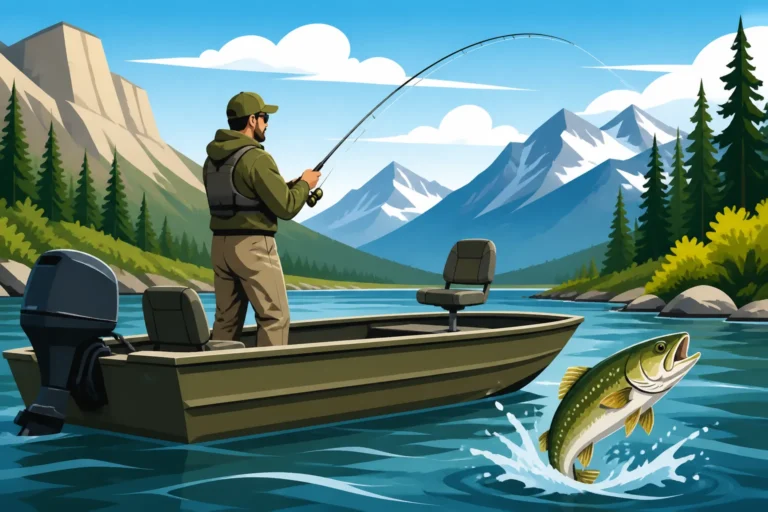
When it comes to versatility and ruggedness for Canadian waters, deep-V aluminum boats are often the first choice for good reason. Their V-shaped hull slices through waves rather than pounding over them, offering a much smoother and drier ride in choppy conditions. This is a huge advantage on a lake like Lesser Slave, where the wind can pick up quickly. Brands like Lund, Crestliner, and Alumacraft are popular choices, and you can often find a good selection or advice from local dealers or outdoor retailers like Bass Pro Shops.
These boats are typically durable, relatively easy to maintain, and lighter than their fiberglass counterparts, which can be a boon for trailering and fuel efficiency. They come in various sizes, but for Lesser Slave Lake, something in the 17 to 20-foot range is generally ideal. This length provides enough mass to handle waves, sufficient deck space for fishing, and stability for multiple anglers. Look for models with a wider beam (width) for even greater stability. Their open layouts often allow for flexible seating and storage arrangements, perfect for holding all your gear, from rods to tackle boxes to a cooler full of snacks.
Fiberglass Multi-Species Boats
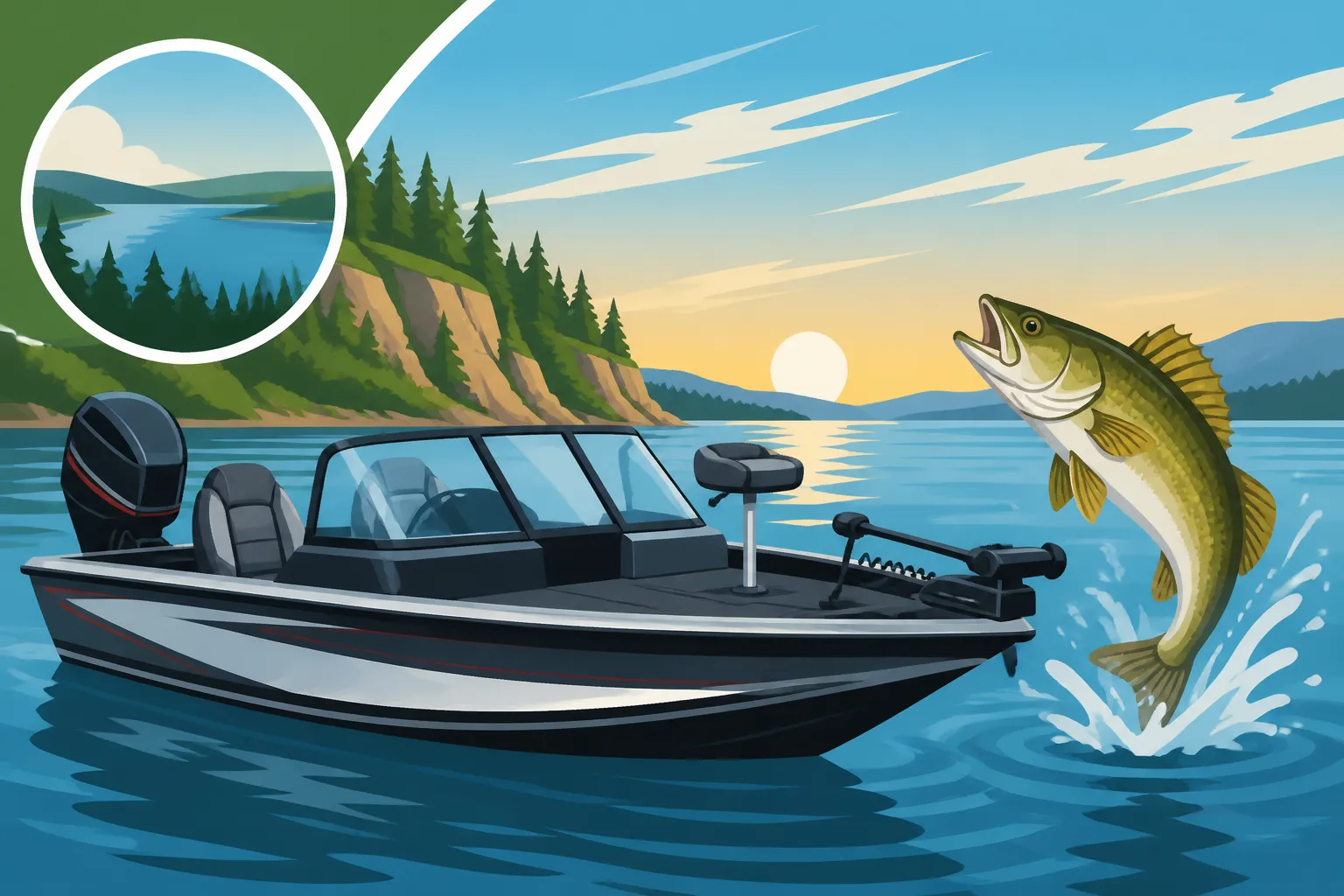
For those who prioritize an even smoother ride, a more refined finish, and potentially higher top speeds, fiberglass multi-species boats are an excellent option. While generally heavier and pricier than aluminum, fiberglass hulls tend to absorb wave impact better, providing a remarkably soft ride, which can be a blessing on long runs across a choppy Lesser Slave Lake. The additional weight also contributes to a more planted feel in the water, further enhancing stability.
These boats are typically designed with serious anglers in mind, featuring well-thought-out livewells, extensive rod storage, and ample casting decks. Brands such as Ranger, Skeeter, and Warrior are highly regarded in this category. They excel in comfort and performance, often boasting higher horsepower ratings, allowing you to reach distant fishing spots quickly. However, their weight means you'll need a capable tow vehicle, and their deeper drafts might limit access to very shallow bays compared to some aluminum models. They also require a bit more care in terms of hull maintenance and repair.
Utility Jon Boats (with caveats)
You might see smaller utility Jon boats on Lesser Slave Lake, especially closer to launch ramps or in very calm conditions. These flat-bottomed boats are incredibly stable in calm water and excellent for navigating extremely shallow areas, making them appealing for accessing weed beds for pike in certain protected bays. They are also typically very affordable and easy to launch and retrieve.
However, a standard Jon boat is not ideal for the open waters of Lesser Slave Lake. Their flat bottom means they will pound mercilessly in any significant chop, making for an incredibly wet, uncomfortable, and potentially unsafe ride. If the wind picks up, you'll be wishing you had a deeper V-hull. If you're considering a Jon boat, it should only be for very specific, protected areas on the lake and strictly on calm days. For the true Lesser Slave Lake experience and safety, a more robust vessel is almost always recommended.
Larger Inflatable Boats (with caveats)
While not a traditional fishing boat for a lake of this size, larger, robust inflatable boats or rigid inflatable boats (RIBs) could be considered, again, with significant caveats. Modern inflatables with rigid floors and transoms for outboard motors offer surprising stability and portability. Their inflatable tubes act as natural shock absorbers, providing a softer ride than a Jon boat in chop, and they are incredibly stable due to their wide footprint. They are also relatively easy to store and transport if you don't have a large tow vehicle or storage space.
However, inflatables are generally slower, more susceptible to punctures (though modern materials are very durable), and offer less internal storage and deck space compared to a purpose-built fishing boat. They also lack the significant freeboard (height of the side of the boat above the water) that a deep-V aluminum or fiberglass boat provides, meaning you'll get much wetter in waves. They can be a decent option for solo anglers or pairs sticking to more sheltered areas on calm days, but they are not the primary recommendation for regularly tackling Lesser Slave Lake’s open waters.
Key Features to Look For in a Lesser Slave Lake Fishing Boat
Once you've narrowed down the general type of boat, it's time to dive into the specific features that will make your Lesser Slave Lake fishing experience enjoyable and successful. These elements contribute directly to safety, comfort, and fishing effectiveness.
Hull Design and Stability
Beyond the general deep-V shape, pay attention to the exact hull design. A sharper V at the bow (front) helps cut through waves, while a flatter section towards the stern (back) provides stability when at rest or trolling. Look for a boat with a decent amount of freeboard; this is the height of the boat's side above the waterline. More freeboard means less water splashing into the boat when you're hitting waves, keeping you and your gear drier and safer.
Beam (width) is also critical for stability. A wider boat will feel much more stable, especially when you and your fishing buddies are moving around, casting, or netting fish. When you're trying to land a trophy walleye, the last thing you want is a tippy boat making you lose your balance. Consider how the boat feels not just when moving, but also when anchored or drifting. Reading reviews or, even better, testing a boat on the water can provide invaluable insight into its stability.
Motorization and Fuel Efficiency
For a lake the size of Lesser Slave, you'll want a reliable and appropriately sized outboard motor. Underpowering your boat is a common mistake that can lead to frustration and even danger. Aim for a motor that is close to the maximum horsepower rating for the boat you choose. This will ensure you have enough power to get on plane quickly, run efficiently, and have extra thrust when you need to outrun a storm or quickly navigate choppy waters.
Four-stroke outboards are generally preferred for their fuel efficiency, quieter operation, and reduced emissions compared to older two-stroke models. Fuel capacity is also a significant consideration. If you plan long runs, ensure your boat has a large enough fuel tank to spend a full day on the water without worrying about running dry. An auxiliary or kicker motor is also highly recommended for peace of mind – if your main engine fails, you'll have a way to get back to shore. This is an essential safety feature on large bodies of water. You might want to review Alberta Boating Laws for Anglers for related regulations.
Storage and Livewell Capacity
Serious fishing requires serious gear, and you need a place to put it all. Look for ample, well-organized storage for rods, tackle boxes, safety equipment, and personal items. Rod lockers, often lockable, are fantastic for protecting your valuable fishing rods. Dry storage compartments are essential for keeping extra clothes, electronics, and snacks safe from spray and rain. Many anglers purchase additional waterproof bags or storage solutions, easily found on Amazon, to supplement built-in storage.
If you plan to keep fish, a good livewell is indispensable. For walleye especially, a well-aerated, appropriately sized livewell will keep your catch healthy until you're ready to clean them or release them after a tournament. Look for livewells with good circulation systems and easy access. Some boats even offer multiple livewells or baitwells, which can be useful if you're using different types of bait or want to separate your catch.
| Feature | Deep-V Aluminum Boat | Fiberglass Multi-Species Boat | Utility Jon Boat | Inflatable Boat (Large) |
|---|---|---|---|---|
| Hull Design | Sharp V-bow, moderate V-stern, high freeboard | Deep V, often wider beam, high freeboard, heavy | Flat bottom (some modified V), low freeboard | Inflatable tubes, rigid floor, low freeboard |
| Ride in Chop | Good, cuts waves, can be wet in heavy chop | Excellent, smooth, dry, heavy, absorbs impact | Poor, pounds, very wet, unsafe in significant waves | Fair to Good (tubes absorb), very wet, slow in chop |
| Stability | Good (especially wider models) | Excellent (due to weight and beam) | Excellent (in calm water), poor (in chop) | Excellent (wide footprint) |
| Speed | Moderate to Fast | Fast to Very Fast | Slow to Moderate | Slow |
| Durability | Very high, resilient to impact | High, but can spiderweb gelcoat with impacts | Moderate (thin aluminum), prone to denting | Moderate (can puncture, but repairable) |
| Maintenance | Low | Moderate (gelcoat care, waxing) | Low | Moderate (cleaning tubes, UV protection) |
| Cost (Boat Only) | Moderate | High | Low | Low to Moderate |
| Recommended HP | 60-150 HP (depending on length) | 150-300 HP+ | 9.9-25 HP (for typical size) | 5-25 HP |
| Lesser Slave Suitability | Highly Recommended | Highly Recommended | Limited Use (calm, sheltered areas only) | Limited Use (calm, sheltered, short trips only) |
Electronics and Navigation Capabilities
On a large lake like Lesser Slave, robust electronics are not just nice-to-haves; they're essential tools for safety and success. A quality fish finder/chartplotter combination will help you identify structure, find fish, and navigate safely, especially in unfamiliar areas or low light. Look for units with clear, high-resolution screens and reliable GPS mapping capabilities. Many modern units integrate sonar, down imaging, and side imaging, giving you a comprehensive view of the underwater world.
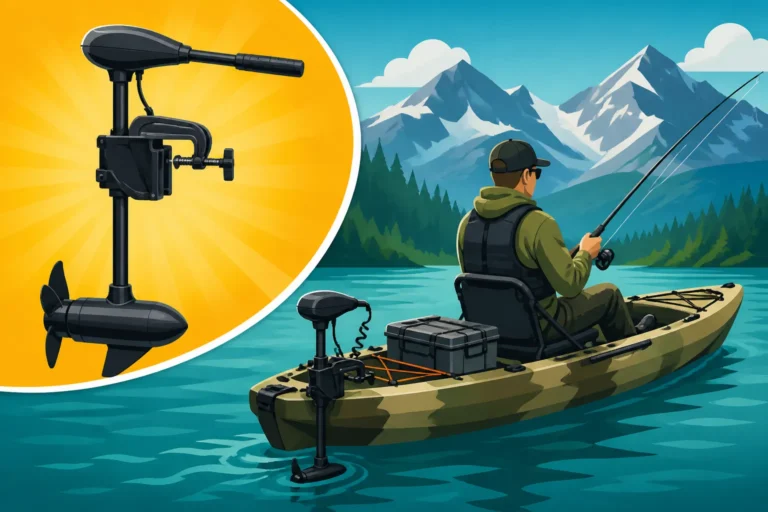
Beyond a fish finder, a marine-band VHF radio is a critical safety device for communicating with other boaters or emergency services, particularly when cell service might be spotty or non-existent in certain parts of the lake. Consider adding a bow-mounted electric trolling motor with GPS capabilities (like Minn Kota's i-Pilot or Motorguide's Xi5). These units allow for precise boat positioning, spot-locking over structure, and quiet trolling, which can be a game-changer for walleye fishing. You'll also want to make sure your boat has a good battery system to power all these electronics, perhaps even a dedicated battery for your trolling motor.
Practical Considerations and Ownership Tips
Owning a boat is more than just buying it; it's about the entire experience, from getting it to the water to keeping it in top condition. These practical aspects are just as important as the boat's features when fishing a large lake like Lesser Slave.
Budget and Maintenance
Let's be real: boats are an investment, and the costs extend beyond the initial purchase price. Factor in the cost of the boat, motor, trailer, electronics, and all the mandatory safety equipment. Don't forget ongoing expenses like fuel, insurance, storage (if you don't have space at home), and regular maintenance. An outboard motor, for instance, requires annual servicing to ensure reliability. While aluminum boats are generally lower maintenance, fiberglass boats require more attention to their gelcoat.
Setting a realistic budget from the start will help you make a wise decision. Sometimes, a slightly older, well-maintained boat can be a better value than a brand-new entry-level model. Always get a professional inspection if you're buying used. And remember, the cheapest boat isn't always the least expensive in the long run if it constantly needs repairs or guzzles fuel. Investing in quality from the outset often pays dividends in reliability and enjoyment.
Trailering and Launching
Getting your boat to and from Lesser Slave Lake requires a capable tow vehicle and a good quality trailer. Ensure your vehicle has the appropriate towing capacity for the total weight of your boat, motor, fuel, and gear. The trailer itself should be well-matched to the boat, with working lights, good tires, and reliable brakes. Trailering a large boat can be intimidating at first, but with practice, it becomes second nature.
Launching and retrieving your boat at the lake's public or private ramps should be a smooth process. Larger boats can be more challenging to maneuver, especially on busy days or at ramps with strong crosswinds. Consider a boat with a self-centering trailer or guide-ons to simplify the process. Understanding how to back up a trailer confidently and efficiently will save you a lot of stress (and potentially embarrassment!) at the boat launch. Familiarize yourself with the Alberta Boat Registration Rules and local launch protocols before your first trip.
Safety Equipment and Regulations
Regardless of the type of boat you choose, safety on Lesser Slave Lake is paramount. Canadian boating regulations are strict, and for good reason. You must have all required safety equipment on board, including life jackets for everyone on board (and ensure they fit!), a bailer or pump, a signaling device (whistle, air horn), navigation lights, a fire extinguisher, and a buoyant heaving line. Always have a first-aid kit, a paddle, and spare engine parts (like spark plugs and a prop wrench). Life Jacket Requirements for Alberta Boaters provides more detailed information.
Furthermore, ensure you have your Pleasure Craft Operator Card (PCOC). This card is mandatory for operating any motorized recreational vessel in Canada. Strong currents, rapidly changing weather, and busy waters mean you need to be prepared for anything. Always tell someone your float plan – where you're going and when you expect to return. Being prepared isn't just about following the rules; it's about ensuring everyone on board has a safe and enjoyable day on the water.
Disclaimer
This article is for general informational purposes only and does not constitute professional advice. Laws, prices and regulations vary by location and change over time. Consult a qualified professional for guidance on your specific situation.