Best rod holder setup for a fishing boat
There's nothing quite as frustrating as trying to navigate your fishing boat, reeling in a catch, or simply moving from one secret spot to another, only to find your rods tangled, tripping hazards, or worse, getting damaged. It's a common struggle for many anglers on Alberta's vast lakes and winding rivers – you need your gear ready, but also safely stowed. This guide is all about helping you figure out the absolute best rod holder setup for your fishing boat, ensuring your rods are secure, accessible, and out of the way, making your time on the water more enjoyable and productive.
Understanding Different Types of Rod Holders
Choosing the right rod holder system for your boat isn't a one-size-fits-all decision, especially when you consider the diverse fishing conditions and species we have here in Alberta. What works perfectly for trolling the depths of Cold Lake for lake trout might be completely impractical for fly fishing the Bow River from a drift boat. It's crucial to understand the main types of rod holders available, each with its own benefits and drawbacks, so you can make an informed decision that suits your specific angling adventures.
Flush Mount Rod Holders
Flush mount rod holders are often seen as the most streamlined and aesthetically pleasing option, as they are installed directly into the gunwale or transom of your boat, sitting "flush" with the surface. These holders are typically made from durable materials like stainless steel or reinforced nylon, designed to withstand the rigors of marine environments. They come in various angles, most commonly 15, 30, or 90 degrees, allowing you to position your rods to spread lines when trolling or hold them vertically for storage.
Installation involves cutting a hole into your boat, which can be daunting for some, but once installed, they offer a very clean look with minimal snag points. Many serious trollers prefer flush mounts because they provide a very sturdy and low-profile anchor point for their rods, especially when battling strong fish like a massive northern pike from Lesser Slave Lake. However, their fixed angle means they aren't adjustable on the fly, so you need to be strategic about where and at what angle you install them. They are a permanent fixture, meaning once they're in, changing their position requires patching and re-drilling.
For anglers running multiple lines, careful planning of flush mount angles is essential to prevent lines from crossing or rods from interfering with each other. While durable, the fixed nature can also be a downside if you fish different techniques that require varied rod angles. For dedicated trolling setups, where consistency and strength are paramount, flush mounts are hard to beat, offering a robust and integrated solution that looks like it's part of the boat's original design.
Rail Mount Rod Holders
Rail mount rod holders offer a fantastic solution for anglers who value versatility and ease of installation without drilling permanent holes into their boat. As the name suggests, these holders clamp directly onto existing rails on your boat – be it the bow rail, stern rail, or side rails. They come in various sizes to fit different rail diameters and are typically secured with strong clamps that hold them firmly in place. Many models also feature a swivel or adjustable angle mechanism, allowing you to fine-tune the rod's position.
The main advantage here is their adaptability. You can easily move them around the boat to accommodate different fishing situations, whether you're trolling, still fishing, or simply need to get a rod out of the way temporarily. This makes them a popular choice for smaller boats, aluminum jon boats, or even larger vessels where permanent modifications are less desirable. Imagine setting up a few extra holders for an impromptu family fishing trip for yellow perch, or quickly repositioning them to target a specific weed line for pike. Alberta Northern Pike Limit rules might mean you're constantly adjusting your strategy, and these holders make that easy.
While incredibly convenient, rail mount holders might not offer the same rock-solid stability as a flush mount, especially under extreme stress from a trophy fish or aggressive trolling. Some cheaper models can also scratch or mar your boat's rails if not installed carefully or if they loosen over time. However, for most freshwater fishing scenarios in Alberta, especially if you're not planning to tackle massive offshore species, a quality rail mount system can provide all the stability and flexibility you need. Brands available through Bass Pro Shops often offer high-quality, durable options in this category.
Clamp-On and Track Mount Rod Holders
Moving beyond rails, clamp-on and track mount rod holders provide even more specialized solutions for adaptability and robust performance. Clamp-on holders typically attach to the gunwale or transom directly, often using a vise-like mechanism, ideal for boats without existing rails or where you want a very specific, temporary placement. These are fantastic for smaller aluminum boats or canoes where drilling isn't an option or desired. You can attach one, fish for an hour, and then remove it without leaving a trace.
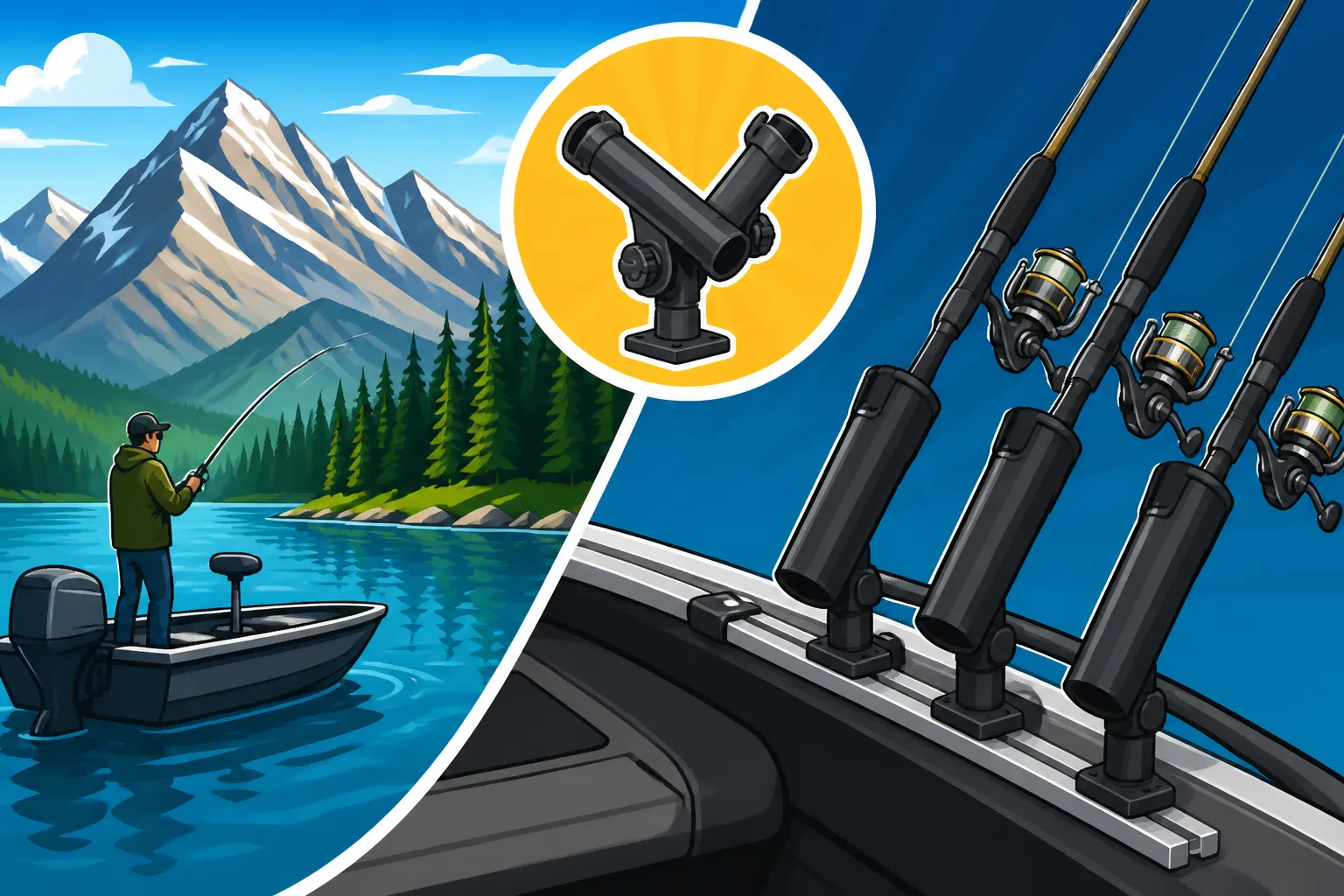
Track mount systems, on the other hand, represent a more integrated yet still highly adjustable approach. These involve installing a mounting track along your boat's gunwale, transom, or even inside the cockpit. Once the track is in place, you can then slide various accessories, including rod holders, along its length, locking them into position wherever needed. This system allows for incredible customization and rearrangement of your gear. Imagine having a track that runs the length of your boat, allowing you to slide a rod holder for trolling on one side, then quickly move it to a vertical position for transport when you’re done.
The beauty of track mount systems lies in their ability to handle multiple accessories, not just rod holders. You can mount fish finders, cutting boards, or tool holders all on the same track, transforming your boat's setup with ease. While the initial installation of the track does involve drilling, it's a one-time process that opens up a world of modular possibilities. Many premium fishing boats come with integrated track systems, but you can also add them to existing boats. Amazon offers a wide selection of track systems and compatible rod holders, making it easy to build a custom setup. These systems offer fantastic flexibility, allowing you to adapt your boat to whatever fishing technique Alberta throws at you, from fly fishing small streams (if you're using a small boat or raft) to trolling for monster lake trout on expansive waters.
Factors to Consider When Choosing Your Setup
Once you've got a handle on the different types of rod holders out there, the next step is to really think about how you fish and what kind of boat you have. This isn't just about picking the flashiest option; it's about finding the practical solutions that enhance your time on the water. Alberta's fishing opportunities are incredibly diverse, from the high-energy fight of a rainbow trout on the Bow River to the deep-water patience required for lake trout in our mountain lakes, and your rod holder setup needs to be up to the task.
Type of Fishing and Target Species
The kind of fishing you primarily do will heavily dictate your rod holder needs. If you're a dedicated troller, slowly motoring along, dragging lures for walleye or northern pike on a lake like Lesser Slave Lake, you'll need robust holders that can withstand constant pressure and the sudden shock of a strike. For this style, fixed-angle flush mount holders or heavy-duty, adjustable rail or track mount holders are often preferred. You'll want multiple holders, spread out to prevent lines from tangling, and angled correctly to present your lures effectively. Best Lures for Northern Pike in Alberta might require specific rod angles for optimal action.
On the other hand, if you're more into still fishing or drifting for panfish or trout in a smaller stream or pond, your needs are much simpler. You might only need one or two basic, easily adjustable clamp-on holders to keep your rod off the deck while you rig up or enjoy a snack. Fly anglers often have very specific requirements, perhaps needing vertical holders for fly rods to keep them safely out of the way while casting or rowing, rather than horizontal holders for trolling. Even for those using Best Spinning Rods for Walleye or Best Baitcasting Reels for Pike Fishing, the holder must accommodate the reel size and rod butt securely without causing damage.
Consider the strength of the fish you're targeting as well. A holder designed for panfish might not cut it when a tenacious lake trout hits your line with the force of a freight train. You want holders that can securely hold your rod, preventing it from being ripped out of the holder or, worse, being dragged overboard. The peace of mind that comes with a secure rod holder allows you to focus on the fishing, not on constantly babysitting your gear.
Boat Type and Construction
Your boat itself plays a massive role in what kind of rod holder system will work best. Are you running a big, fiberglass multi-species boat with wide gunwales, or a smaller, aluminum jon boat perfect for sneaking into shallow backwaters? The material and structure of your boat will determine mounting options. For larger fiberglass boats, flush mount and track mount systems are often preferred, as they can be securely bolted through the hull for maximum strength. Best Boats for Alberta Lakes and Rivers will often have specific areas ideal for these installations.
Aluminum boats, while incredibly versatile, can be trickier for permanent installations due to their thinner material. Clamp-on or rail mount holders often shine here, as they require no drilling and can be easily removed. If you do opt for track mounts on an aluminum boat, ensuring proper backing and reinforcement is crucial to prevent stress cracks over time. The available space on your transom or gunwales also matters. Some boats have limited flat surfaces, making flush mounts difficult, while others have ample rail space, making rail mounts a no-brainer.
Think about your boat's existing features. Does it have built-in rod storage that you already use for transport, but need more holders for active fishing? Are there existing rails that are perfect for adding extra holders without any modification? For kayak anglers, the considerations are even more unique, with Best Kayaks for Alberta Fishing often featuring integrated tracks or dedicated spaces for flush mounts, requiring compact and lightweight options that don't impede paddling. The goal is to integrate the rod holder system seamlessly into your boat's design, enhancing its functionality without compromising its integrity or safety, especially considering general guidelines like Alberta Boating Laws for Anglers.
Number of Rods and Storage Needs
How many rods do you typically bring on a fishing trip? And more importantly, how do you need to store them – both when actively fishing and when in transit or storage? If you're a minimalist, bringing only one or two rods, a couple of simple, adjustable holders might be all you need. However, if you're like many Alberta anglers, you probably bring a selection: a heavy rod for pike, a medium for walleye, and a light one for perch, perhaps even a fly rod for trout. That's three or four rods, minimum!
For active fishing, you might need two or three holders deployed at any given time for trolling or presenting multiple baits. The rest of your rods need a safe place out of the way, where they won't get stepped on, tangled, or knocked overboard. This is where vertical rod storage comes into play, often utilizing additional flush mounts or specific vertical rack systems that hold rods upright and secure. Consider a day on the water where you're constantly switching between techniques, needing quick access to different setups. A well-organized system with ample rod holders, both active and for storage, will save you a lot of headaches.
Finally, don't forget transport and off-season storage. While some rod holders are easily removable, others are permanent. You might have separate rod storage solutions for your garage or while trailering your boat. A good rod holder setup on your boat should not only enhance your fishing experience but also protect your valuable gear from damage. Thinking through your entire rod management strategy – from home to water and back again – will lead to the most effective and satisfying setup.
Installation and Positioning Strategies for Optimal Performance
Getting the right rod holders is only half the battle; knowing where and how to install them can make or break your fishing experience. A poorly placed holder can lead to tangled lines, awkward casting, or even lost gear. When you're out on the water, especially on busy lakes or rivers where you need to be aware of Alberta Pleasure Craft Operator Card Requirement and Life Jacket Requirements for Alberta Boaters, you want your setup to work for you, not against you.
Strategic Placement for Trolling and Drifting
For those who love the rhythm of trolling or the subtle art of drifting, strategic rod holder placement is absolutely critical. The goal is to spread your lines effectively, mimic natural baitfish movement, and prevent tangles, especially when targeting active fish like walleye or pike. When trolling, many anglers use a combination of angles. Holders positioned towards the stern, angled out at 30-45 degrees, help create a wide spread for your main lines. These often hold your longest rods, designed to keep lures running away from the boat's prop wash.
You might then add some holders closer to mid-ship, perhaps at a slightly steeper angle (say, 60 degrees) or even vertically, to run shorter lines or to keep additional rods ready for quick deployment. This staggered approach helps create a "fishing fan" behind your boat, covering a wider swath of water without lines crossing. When you get a strike, you want to be able to grab that rod cleanly and fight the fish without snagging other lines. For example, if you're using heavy gear for large pike, ensure your holders are robust enough and positioned to allow for a powerful hook set and fight without compromising your boat's stability or causing rod damage.
For drifting, the strategy is similar but often involves less spread and more focus on keeping lines vertical, especially if you're jigging. Adjustable rail or track mount holders really shine here, as you can quickly change the angle from a spread-out trolling position to a more vertical orientation for drifting over structure. Consider your line of sight from the helm or your main fishing position – you want to be able to see all your rod tips clearly, reacting instantly to any indication of a bite. Proper spacing also ensures that when you're netting a fish with your Best Landing Net for Pike, you don't accidentally knock another rod overboard.
Securing Rods for Transport and Rough Water
Even the calmest Alberta lake can kick up a chop, and navigating wakes or rough patches requires your rods to be securely stowed. Beyond active fishing, safely transporting your rods is paramount. For this, vertical rod storage is often the best solution. Many boats integrate vertical rod holders into the gunwales or console, keeping rods upright and out of the way. If your boat doesn't have these, you can add vertical flush mounts or specialized rod racks that attach to a track system or even to the side of your console.
When trailering your boat, especially on long hauls to your favourite fishing spots, it’s not enough for rods to simply be "in" a holder; they need to be locked down. Many vertical holders feature bungee cords, elastic straps, or retention clips that secure the rod butt and tip, preventing them from bouncing out. For more delicate fly rods or expensive baitcasting setups, consider additional rod socks or sleeves to prevent scratches during transport. You've invested in your gear, including your Best Tackle Box Setup for Alberta Anglers, so protecting it during transit is just as important as protecting it on the water.
Having a dedicated spot for every rod ensures an organized boat, reduces clutter, and most importantly, prevents damage. There's nothing worse than arriving at the lake only to find a snapped rod tip or a cracked guide because your rods were rattling around unsecured. A well-thought-out system for securing rods, whether actively fishing or simply moving from point A to point B, adds to your safety and enjoyment, letting you focus on the fish rather than worrying about your equipment.
DIY Considerations and Professional Installation
Deciding whether to tackle the installation of your rod holder setup yourself or hire a professional depends on a few key factors: your comfort level with tools, the complexity of the installation, and the value of your boat. For simpler options like clamp-on or rail mount holders, most anglers can easily manage a DIY installation. These usually involve basic hand tools like a wrench or screwdriver and a few minutes of your time. Just be sure to measure your rail diameter or gunwale width accurately to ensure a snug fit.
However, when it comes to flush mount or track mount systems, the DIY aspect becomes a bit more involved. Flush mounts require cutting precise holes into your boat's hull or deck, often using a hole saw. This requires careful measurement, marking, and a steady hand. You also need to consider proper sealing to prevent water intrusion and reinforcing the mounting points, especially on thinner materials like aluminum. Track systems also require drilling multiple holes and ensuring they are perfectly aligned for smooth operation. Mistakes here can be costly, potentially compromising your boat's structural integrity or leading to leaks.
If you're installing on a valuable fiberglass boat, or if you're unsure about drilling into your hull, hiring a marine professional is often a wise investment. They have the right tools, experience, and knowledge to ensure a secure, watertight, and aesthetically pleasing installation. They can also advise on the best placement for optimal performance and safety, taking into account factors like your boat's wiring or fuel lines. While DIY can save money, the peace of mind that comes with a professionally installed, secure rod holder system can be priceless, allowing you to focus on Alberta Walleye Limit by Zone and other regulations, rather than worrying about your gear.
Maintenance and Longevity of Your Rod Holder System
You've invested time and money into finding the perfect rod holder setup for your Alberta fishing boat. Now, the key is to ensure that investment lasts. Just like any other piece of marine equipment, rod holders require a little love and attention to keep them functioning flawlessly season after season. Neglecting them can lead to corrosion, weakened components, and ultimately, a less reliable system when you need it most.
Cleaning and Rust Prevention
Regular cleaning is the simplest yet most effective way to extend the life of your rod holders, regardless of whether you're fishing the freshwaters of Lake Athabasca or smaller, more accessible local ponds. After each trip, especially if you've been in dusty or muddy conditions, take a few minutes to wipe down your holders with a damp cloth. For more stubborn grime or fish residue, a mild soap and water solution will usually do the trick. Pay close attention to any moving parts, clamps, or adjustment points, as these areas can collect dirt and salt buildup, leading to stiffness or corrosion.
Rust prevention is particularly important for any metal components, especially stainless steel or aluminum, although even reinforced plastics can degrade over time. If you're using metal holders, consider applying a thin layer of marine-grade protective spray or wax periodically. For components with springs or pins, a light application of marine lubricant can prevent seizing. Even though Alberta's waters are freshwater, mineral deposits and grime can still cause issues. Think of it as caring for your boat's exterior – a little preventative maintenance goes a long way in preserving its appearance and function.
When cleaning, also inspect the mounting hardware. Loose screws or bolts can allow water to seep into drilled holes, potentially causing damage to your boat's deck or hull over time. Ensure all fasteners are snug, and if you have flush mount holders, check the sealant around the edges to confirm it's still watertight. A little vigilance in cleaning and rust prevention will keep your rod holders looking good and performing reliably for many years of memorable fishing trips across Alberta.
Checking for Wear and Tear
Beyond basic cleaning, a thorough inspection for wear and tear should be part of your routine maintenance. Over time, constant exposure to UV rays, temperature fluctuations, and the stresses of holding a fighting fish can take their toll. Start by examining any plastic components on your rod holders. Look for signs of cracking, brittleness, or fading, which can indicate material degradation. Adjustable parts, such as swivel mechanisms or locking collars, are common points of failure, so check that they still move freely but lock securely.
Metal components, even sturdy stainless steel, can show signs of fatigue or stress, especially around bends or welds. Look for tiny hairline cracks or areas where the finish might be flaking off, which could indicate a weakening point. Pay close attention to the inner lining of the rod holder tube – sometimes a softer plastic or rubber insert is used to protect your rod blanks. Ensure these aren't torn or excessively worn, as they are crucial for preventing scratches to your valuable fishing rods.
Finally, always check the mounting points. For flush mounts and track systems, ensure all bolts are tight and there's no movement or play in the installation. For rail mount or clamp-on holders, confirm the clamps are still holding firm and haven't slipped or caused any damage to your boat's rails. If you notice any significant wear or damage, it's usually best to replace the affected part or the entire holder, rather than risk losing a valuable rod or, worse, having a component fail during a crucial moment when you're fighting a big fish.
Upgrading and Customizing Your Setup
As your fishing techniques evolve or you acquire new rods, you might find your initial rod holder setup no longer perfectly meets your needs. This is where the beauty of modular systems and thoughtful upgrades comes into play. Perhaps you started with a couple of basic clamp-on holders, but now you're getting serious about trolling for lake trout on Cold Lake and need more robust, angled options. Upgrading might involve adding a few flush mount holders specifically for trolling, or investing in a track system that allows for maximum adjustability.
Customizing your setup also means thinking beyond just holding rods. Many track systems allow you to integrate other accessories, like cup holders, tool caddies, or even small cutting boards. This can significantly enhance the functionality of your boat, turning it into a more efficient and comfortable fishing platform. Consider adding vertical storage for rods that aren't in active use, freeing up deck space and preventing tangles. Brands like Bass Pro Shops and products found on Amazon offer a vast array of accessories that can snap into existing track systems or clamp onto rails, allowing you to continually refine your boat to perfectly suit your angling style.
Don't be afraid to experiment with different placements or types of holders. What works one season might be less ideal the next, especially as you explore different species or techniques available across Alberta's diverse waters. The goal is a rod holder setup that is flexible, reliable, and perfectly tailored to make every fishing trip as enjoyable and productive as possible.
Rod Holder Type Comparison
To help you visualize the differences and make the best choice, here's a comparison of the main rod holder types:
| Feature | Flush Mount | Rail Mount | Clamp-On | Track Mount |
|---|---|---|---|---|
| Installation | Permanent drilling | Clamps to existing rail | Clamps to gunwale/transom | Permanent track drilling |
| Adjustability | Fixed angle | Often adjustable | Often adjustable | Highly adjustable (slide/lock) |
| Stability | Very High | Medium to High | Medium | High |
| Aesthetics | Clean, integrated | Visible clamps | Visible clamps | Clean track, visible accessories |
| Boat Damage Risk | Permanent holes | Potential rail scratches | Potential gunwale scratches | Permanent track holes |
| Best Use Case | Dedicated trolling, clean look | Versatility, no drilling, quick changes | Small boats, temporary use, no rails | High customization, multiple accessories |
| Common Materials | Stainless steel, nylon | Aluminum, composite | Composite, aluminum | Aluminum, composite |
Disclaimer
This article is for general informational purposes only and does not constitute professional advice. Laws, prices and regulations vary by location and change over time. Consult a qualified professional for guidance on your specific situation.