Best Wading Boots for Rocky Rivers
There's nothing quite like the thrill of wading into a pristine Alberta river, the cool water swirling around your legs as you cast for a feisty trout or a hungry pike. But if you've ever felt that heart-stopping slip on a mossy boulder or lost your footing in a swift current, you know that the wrong footwear can turn a perfect day into a precarious one. Navigating those notoriously rocky riverbeds, whether it's the legendary Bow or a lesser-known mountain stream, demands more than just any old boot. This guide is all about helping you understand what makes the best wading boots for rocky rivers, ensuring you stay upright, comfortable, and focused on the fish.
Why Specialized Wading Boots are Essential for Alberta's Rocky Rivers
Let's be honest, those beautiful, clear rivers we love to fish in Alberta are also notoriously challenging underfoot. The riverbeds here are often a mosaic of smooth, algae-covered stones, jagged rocks, and unpredictable gravel, all hidden beneath a deceptively gentle current. Trying to navigate this terrain in regular hiking boots or even ill-fitting wading boots is an open invitation for a nasty fall or, at the very least, a day filled with anxiety instead of enjoyment.
The Hazards of Unsuitable Footwear
Imagine this scenario: you're upstream on the Crowsnest River, the water is crystal clear, and you spot a beautiful cutthroat rising just beyond that cluster of submerged rocks. You take a step, confident in your footing, only for your boot to slide across a slick, algae-coated boulder. Your heart jumps into your throat, your arms flail, and for a terrifying second, you're doing a clumsy river dance before miraculously regaining your balance. Sound familiar? It's a common experience, and it's precisely why regular shoes or even cheap, poorly designed wading boots just don't cut it.
The primary hazard is, of course, falling. A fall in a river isn't just about getting wet; it can lead to serious injuries, from twisted ankles and scraped knees to head trauma if you hit a rock hard enough. Beyond personal injury, a slip can damage your expensive gear, dunk your phone, or send your carefully organized Best Tackle Box Setup for Alberta Anglers floating downstream. Moreover, the constant worry about your footing distracts you from the actual fishing. Instead of focusing on your presentation or reading the water, you're constantly looking down, cautiously shuffling your feet, and missing out on the joy of the experience. Unsuitable footwear can also lead to premature fatigue, as your muscles work overtime to compensate for poor stability, turning a leisurely day into an exhausting chore.
Protecting Your Feet and Your Experience
Good wading boots are designed specifically to tackle these underwater challenges. They offer superior traction, crucial ankle support, and robust construction that stands up to constant immersion and abrasion from rocks. Think of them as the foundation of your wading system, working in harmony with your waders to create a secure and comfortable fishing experience. When your feet feel stable, your confidence soars, and you can focus on the fishing, the scenery, and the sheer pleasure of being outdoors.
Proper boots allow you to move with greater purpose and less hesitation. You can wade deeper, explore more challenging runs, and safely access those prime fishing spots that might otherwise be out of reach. This isn't just about safety; it's about unlocking more of Alberta's incredible fishing potential. A solid pair of wading boots can dramatically reduce fatigue, meaning you can stay out longer, cover more water, and enjoy your time on the river to the fullest. They're an investment in your safety, your comfort, and ultimately, your success on the water.
Understanding Wading Boot Sole Types: Felt vs. Rubber
When it comes to wading boots, the first and often most critical decision you'll make revolves around the sole type: felt or rubber. Both have their devout followers and their specific strengths and weaknesses, and understanding these differences is paramount to choosing the right boot for Alberta's diverse river environments.
The Enduring Grip of Felt Soles
For decades, felt soles have been the gold standard for many river anglers, and for good reason. They are renowned for their exceptional grip on slick, algae-covered rocks, a common feature in many of our trout streams and rivers like sections of the Bow River. The dense, fibrous material of a felt sole essentially creates thousands of tiny points of contact, allowing it to "grip" or adhere to smooth, wet surfaces almost like a suction cup. This traction is especially noticeable in slower-moving currents or on extremely slick surfaces where rubber might slide.
However, felt soles aren't without their drawbacks. Their biggest disadvantage is their tendency to hold and transport invasive species, like whirling disease spores or aquatic plants, from one waterway to another. This environmental concern has led to outright bans or strong recommendations against felt in certain regions and specific waters, so it's absolutely vital to check local regulations before heading out. Furthermore, felt offers very little traction on dry land, making treks from the parking lot to the riverbank, or even crossing muddy sections, feel very unstable. They also wear down more quickly than rubber soles, especially if you do a lot of hiking, and they can absorb water, taking longer to dry, which can lead to mildew and unpleasant smells if not properly cared for. Despite these issues, for sheer, uncompromising grip on slick river rocks, felt remains a top contender, particularly if you're fishing one specific, clean waterway and can ensure meticulous cleaning practices.
The Versatility and Durability of Rubber Soles
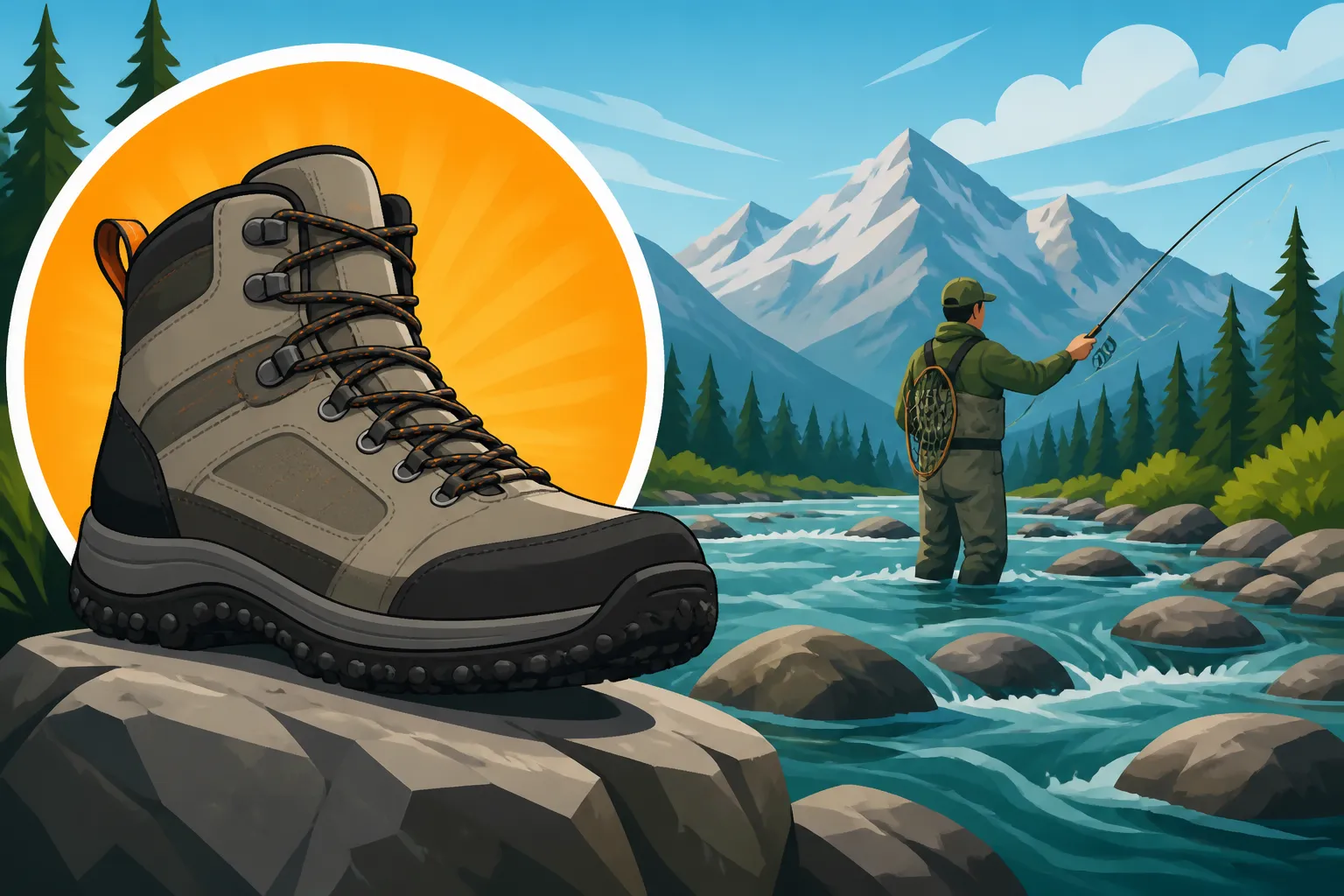
Rubber soles, particularly those with aggressive lug patterns, have come a long way and are now incredibly popular. Modern rubber compounds offer impressive grip, especially on wet rocks that aren't overly slimy, as well as on gravel, dirt, and mud. This versatility makes them an excellent choice for anglers who frequently switch between wading and bank fishing, or who have to hike considerable distances to access their chosen Best Fishing Rivers in Alberta. Brands like Simms and Orvis have invested heavily in developing proprietary rubber compounds (like Simms' Vibram Idrogrip or Orvis's Michelin Outdoor Extreme) that provide excellent wet-traction performance.
The advantages of rubber soles are numerous. They are much easier to clean and dry faster than felt, significantly reducing the risk of spreading invasive species. This makes them the more environmentally responsible choice for most anglers. They are also far more durable, standing up to hundreds of miles of walking without significant wear. On dry land, their grip is superior, providing stability on slippery trails, muddy banks, and snowy paths. The main trade-off is that, in certain specific conditions – particularly on extremely slick, algae-coated rocks in swift currents – a rubber sole might offer slightly less grip than a brand-new felt sole. However, with the addition of studs or cleats (which we'll discuss shortly), rubber soles can easily surpass felt in overall traction across all conditions.
When to Choose Which Sole Type
Deciding between felt and rubber largely depends on your specific fishing habits and the type of water you frequent.
| Feature | Felt Soles | Rubber Soles |
|---|---|---|
| Grip on Algae | Excellent (superior on very slick rocks) | Good (can be improved with studs) |
| Grip on Dry Land | Poor | Excellent |
| Durability | Moderate (wears faster with hiking) | Excellent (highly durable) |
| Invasive Species | High risk (requires meticulous cleaning) | Low risk (easier to clean) |
| Drying Time | Slow | Fast |
| Versatility | Limited (best for pure wading) | High (good for wading and hiking) |
| Stud Compatibility | Can be difficult to add; less effective | Excellent (designed for studs/cleats) |
If you are strictly a wader, rarely leave the river, and fish in waters where felt is permitted and you are committed to rigorous cleaning protocols (like a thorough scrub and soak in a cleaning solution after every trip), felt might still appeal for its raw grip. However, for the vast majority of Alberta anglers, especially those who cherish our diverse ecosystems and need versatility, rubber soles are the recommended choice. Their environmental benefits, durability, and adaptability, particularly when paired with traction enhancements, make them the more practical and responsible option for almost all rocky river scenarios. When considering rubber, look for aggressive lug patterns and reputable brands known for their wet-traction rubber compounds. You can often find a great selection of these boots at retailers like Bass Pro Shops or online through Amazon.
Key Features to Look For in High-Performance Wading Boots
Beyond the crucial sole type, several other design elements contribute significantly to a wading boot's performance, comfort, and longevity on Alberta's rocky rivers. Overlooking these features can lead to discomfort, premature wear, or even a lack of essential support when you need it most.
Ankle Support and Stability
Wading in moving water over uneven, slippery ground is inherently challenging. Your ankles are constantly working to stabilize your body, and without proper support, fatigue sets in quickly, increasing your risk of a sprain or twist. The best wading boots will feature a high-top design that extends well above your ankle bone, providing crucial lateral support. Look for boots with a stiff yet comfortable collar and a lacing system that allows you to cinch them down securely around your ankle without creating pressure points.
A robust midsole also contributes to stability, acting as a buffer between your foot and the unforgiving terrain beneath. It helps distribute pressure, absorb shock, and prevent sharp rocks from jabbing the sole of your foot. Brands like Patagonia and Korkers often excel in this area, designing boots with reinforced sidewalls and anatomical fits that cradle your foot and ankle. When trying on boots, pay close attention to how your ankle feels when you simulate a slight lean or twist – you want to feel locked in, not wobbling. This stability is particularly important on rivers with strong currents or extremely broken, uneven riverbeds, where a momentary loss of balance can quickly escalate.
Drainage and Quick-Drying Materials
You're wading, so your boots are going to get wet – that's a given! But how quickly they shed water and dry out is a major factor in comfort, weight, and preventing mildew and odors. Heavy, waterlogged boots are a drag, quite literally, and can make long days on the water far more exhausting. Look for boots constructed from synthetic materials like durable nylon, synthetic leather, and mesh panels, which are inherently less absorbent than traditional leather and promote faster drying.
Effective drainage ports are also critical. These are small holes or mesh panels strategically placed low on the boot that allow water to quickly escape with each step. Without good drainage, water can slosh around inside your boots, making them heavy and uncomfortable. Not only do quick-drying materials enhance comfort, but they also play a role in preventing the spread of aquatic invasive species, as dry gear is less likely to harbor unwanted hitchhikers. This is especially important for multi-day trips or when you’re moving between different bodies of water, even within the same fishing zone.
Lacing Systems and Durability
A reliable lacing system is more important than you might think. Fumbling with broken laces or constantly re-tying loose boots is frustrating and takes away from your fishing time. Traditional laces are common, but look for sturdy, abrasion-resistant materials and robust eyelets – metal or heavy-duty plastic are preferable to flimsy fabric loops. Some boots feature speed lacing systems with D-rings or hooks, allowing for quick adjustments and easy removal. The Boa system, a dial-based lacing mechanism, is gaining popularity for its ability to provide incredibly consistent tension and rapid on/off, though it does add to the cost.
Durability extends beyond the sole and lacing. The entire construction of the boot needs to withstand constant abuse from rocks, gravel, and water. Reinforced toe caps and heel counters are essential, protecting your feet from impacts and preventing the boot from deforming over time. Stitching should be heavy-duty and preferably reinforced or double-stitched in high-wear areas. Consider the overall construction: is it glued and stitched? Is the sole molded directly to the upper? These details speak volumes about the boot's potential lifespan. A well-constructed boot might cost a bit more upfront, but it will save you money and frustration in the long run, ensuring it stands up to countless fishing adventures on Alberta's wild rivers.
Additional Traction Enhancements for Alberta's Treacherous Terrain
Even the best wading boot soles can benefit from a little extra help when facing Alberta's most treacherous riverbeds. The combination of slick algae, loose gravel, and swift currents can challenge any angler's footing. This is where traction enhancements come into play, offering an added layer of safety and confidence.
Studs, Cleats, and Spikes: Understanding Your Options
When a rubber sole isn't quite cutting it, or you simply want maximum grip in all conditions, you can often augment your boots with studs, cleats, or spikes. These are essentially aggressive, sharp points that embed themselves into slick surfaces, providing an unparalleled bite.
- Tungsten Carbide Studs: These are perhaps the most common and effective option. Small, screw-in studs made of extremely hard tungsten carbide can be added to the rubber soles of most wading boots. They provide excellent grip on everything from slick rocks to ice, making them ideal for shoulder-season fishing or Ice Fishing in Alberta (if you're walking to your spot). The beauty of screw-in studs is that you can customize their placement and replace them as they wear down. Most major wading boot manufacturers, like Simms with their HardBite Studs or Korkers with their OmniTrax system, offer compatible stud kits. You can find these easily at fishing specialty stores or online at places like Amazon.
- Aluminum Bars/Cleats: Another popular option, particularly for incredibly slick, basalt-like rocks, are aluminum bars or cleats. Unlike hard studs, aluminum is a softer metal that deforms slightly under pressure, creating a "gummy" or biting grip on slick surfaces without being overly abrasive to the riverbed. They tend to be larger and more aggressive than studs, making them excellent for challenging wading conditions. Korkers' Kling-On and Studded Kling-On soles are good examples of systems that integrate these types of cleats.
- Spikes: While less common for general wading, some specialized traction devices feature longer, sharper spikes, often integrated into strap-on systems similar to mountaineering crampons. These are usually overkill for typical river fishing but can be beneficial for extremely icy conditions or scrambling over very difficult, wet terrain.
It's important to remember that not all studs or cleats are suitable for all environments. Some areas might have restrictions on certain types of traction devices due to concerns about scratching sensitive streambeds or introducing foreign materials. Always check the Alberta fishing regulations for the specific waters you plan to fish. For instance, some sensitive trout streams might ask you to avoid overly aggressive studs.
The Art of Adding Traction Post-Purchase
The good news is that most quality rubber-soled wading boots are designed with the potential for adding traction enhancements. This means you don't necessarily have to buy a boot with studs already installed; you can add them yourself later, customizing your grip based on your needs.
Here’s a general process:
- Identify Compatible Boots: Ensure your rubber-soled wading boots have a relatively flat and thick enough sole to accept screw-in studs. Most reputable brands will clearly state if their boots are stud-compatible.
- Purchase a Stud Kit: Buy a kit from a brand like Simms or Korkers, or a generic, high-quality tungsten carbide stud kit. These are readily available from outdoor retailers or online. Best Wading Boots for Rocky Rivers often benefit significantly from these additions.
- Plan Placement: Think about where you need the most grip. Concentrating studs around the perimeter of the sole, especially the toe and heel, often provides the most effective traction. Avoid placing them too close to the edges where they might pull out more easily.
- Installation: Most kits come with a simple driver bit that fits into a standard drill or screwdriver. Screw the studs firmly into the sole until they are flush. Don't overtighten, but ensure they are secure.
- Test and Adjust: Take a practice walk on a slippery surface (safely!) to feel the difference and ensure all studs are holding well.
Adding studs to your rubber soles can transform a good wading boot into an exceptional one, providing rock-solid footing even in the most challenging conditions. This customization allows you to adapt your gear to the specific demands of Alberta's diverse and often unpredictable river environments, giving you the confidence to focus on the fishing rather than your feet. You can often find these stud kits at Bass Pro Shops or by browsing options on Amazon.
Sizing, Fit, and Maintenance for Longevity
Investing in quality wading boots is only half the battle; ensuring they fit correctly and are properly cared for will dictate their performance and lifespan. A poorly fitting boot, no matter how expensive or well-made, will lead to discomfort, blisters, and instability. Likewise, neglecting post-trip maintenance can significantly shorten the life of even the most robust pair.
Getting the Right Fit Over Waders
This is perhaps the most crucial step. You won't be wearing these boots with thin socks; you'll be wearing them over the neoprene booties of your waders, which adds significant bulk. Therefore, you almost always need to size up from your regular shoe size.
Here’s how to get it right:
- Wear Your Waders: Always, always try on wading boots while wearing the specific waders (and the socks you typically wear with them) you plan to use. If you're buying online, measure your foot while wearing your wader booties.
- Consider Neoprene Thickness: If your waders have particularly thick neoprene booties (e.g., 5mm for colder water), you might need to size up even more than with thinner 3mm booties.
- Check for Snugness, Not Tightness: The boots should feel snug around your foot and ankle, preventing excessive movement, but not so tight that they pinch or restrict circulation. You should be able to wiggle your toes comfortably. Remember, constricted feet get cold faster.
- Walk Around: If possible, walk around in the boots on a slight incline or uneven surface to simulate wading. Pay attention to any rubbing, slipping in the heel, or pressure points.
- Ankle Support: Ensure the lacing system allows you to cinch the boot securely around your ankle, providing firm support without digging in.
For most people, sizing up one full shoe size from their regular street shoe is a good starting point. If you’re between sizes, or if your wader booties are very thick, going up one and a half or even two sizes might be necessary. It’s always better to have a little extra room than to be too tight. A good fit means happy feet, which means more enjoyable hours on the water chasing those Alberta trout or walleye.
Post-Trip Care and Storage
Your wading boots endure a lot – mud, sand, grit, water, and various organic matter. Proper cleaning and storage are vital for preventing mold, mildew, unpleasant odors, and premature material breakdown.
Here’s a simple care routine:
- Rinse Thoroughly: As soon as you're off the river, rinse your boots thoroughly with fresh water, both inside and out. Pay special attention to the soles, especially if they are felt, to dislodge any mud, sand, or plant matter. This is critical for preventing the spread of aquatic invasive species. For example, if you've been fishing a sensitive area like the Crowsnest River where Which Alberta rivers mandate barbless hooks only might also have specific cleaning protocols, be extra diligent.
- Scrub if Needed: For stubborn dirt or algae, use a stiff brush and mild soap to clean the boot's exterior and sole.
- Drain and Dry: Open the boots up as wide as possible, remove any insoles, and let them air dry completely. Air circulation is key. Avoid direct heat sources like campfires or heaters, as this can damage materials and adhesives. If you have to dry them inside, use a fan. Stuffing them loosely with newspaper can help absorb moisture and speed drying.
- Inspect for Damage: While drying, take a moment to inspect for any wear, tear, or loose studs. Address small issues before they become big problems.
- Proper Storage: Once completely dry, store your boots in a cool, dry, well-ventilated area, ideally away from direct sunlight. Avoid tossing them into a damp basement corner or a sealed plastic bag, which encourages mildew growth. Many anglers use mesh bags or simply keep them upright in an open area.
A little bit of care after each outing goes a long way in extending the life of your wading boots, ensuring they’re ready for your next adventure. Taking care of your gear also means respecting the environment by doing your part to stop the spread of invasive species, keeping our precious Alberta waters healthy for generations of anglers to come.
Disclaimer
This article is for general informational purposes only and does not constitute professional advice. Laws, prices and regulations vary by location and change over time. Consult a qualified professional for guidance on your specific situation.