Differences between Alberta’s mountain and prairie fish populations
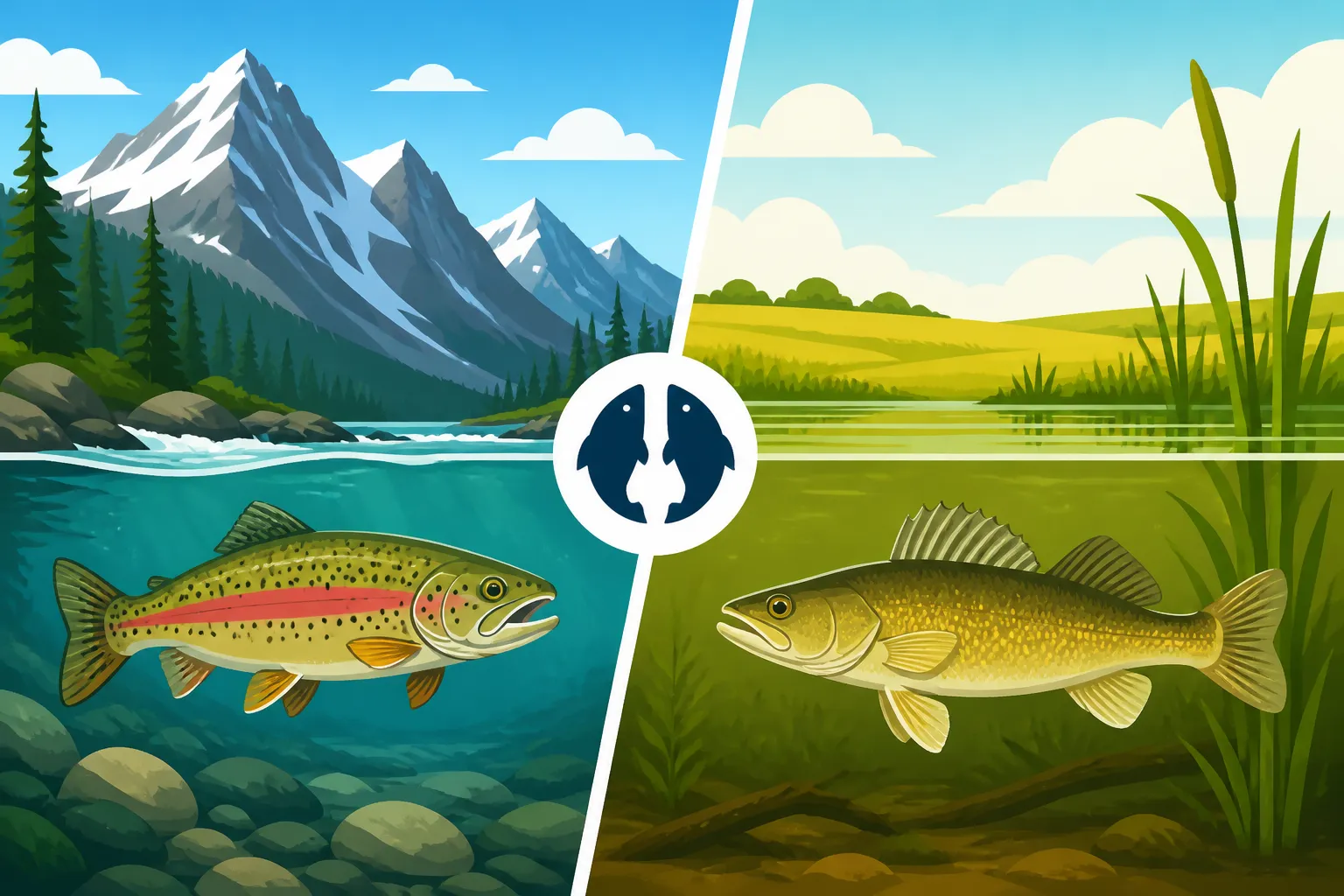
It’s easy to look at a map of Alberta and see the vast differences between the rugged Rocky Mountains and the expansive central plains, but what’s less obvious is how profoundly these landscapes shape the aquatic life beneath the surface. Many anglers, especially those new to exploring beyond their local fishing hole, find themselves wondering why the techniques that work wonders for walleye in a prairie lake fail miserably in a mountain stream, or why they rarely encounter trout in the warm, turbid waters of the badlands. This guide is here to unravel those mysteries, helping you understand the fundamental differences between Alberta's mountain and prairie fish populations so you can approach any body of water with the right expectations and strategies.
The Lay of the Land: Understanding Alberta's Aquatic Geography
Alberta is a land of incredible natural diversity, and this diversity extends directly into its water systems. From the icy peaks of the Rockies to the undulating grasslands, each region presents a unique set of environmental conditions that dictate which fish species can thrive and how they behave. Understanding this geographical foundation is key to appreciating the distinct fish populations you'll encounter.
The Rugged Rockies: Mountain Waters
When we talk about Alberta's mountain waters, we're envisioning those iconic, crystal-clear streams tumbling down from glacial melt, the deep, cold alpine lakes nestled in ancient valleys, and the powerful, fast-flowing rivers that carve through canyons. These waters are generally characterized by low nutrient content, consistent cold temperatures year-round, and high oxygen levels due to their rapid movement and limited decomposition. The substrate is often rocky, gravelly, or sandy, with very little silt. The surrounding environment typically features coniferous forests and rocky outcrops, offering shade and contributing woody debris that creates complex habitats. Think of places like the upper Bow River or the Crowsnest River; these are quintessential mountain fishing experiences.
Because of the extreme conditions, with short growing seasons and intense cold, the fish that inhabit these areas are highly specialized. They need to be efficient feeders, capable of handling strong currents and thriving in chilly temperatures. Often, the food sources are primarily aquatic insects, small baitfish, and terrestrial insects that fall into the water. Anglers looking for the best fly fishing experiences will often head to these Best Fly Fishing Rivers in Alberta, knowing the environment supports a robust insect hatch.
The Vast Prairies: Plains and Parklands Waters
Move east from the mountains, and the landscape gradually flattens into Alberta's vast prairies and parklands. Here, the waters are a stark contrast. We're talking about large, often shallower lakes, slow-moving rivers that meander through farmland, and numerous reservoirs created for irrigation and recreation. These waters tend to be warmer, especially in summer, and can be more nutrient-rich due to agricultural runoff and natural decomposition. Oxygen levels can fluctuate more dramatically, particularly in shallower bodies of water during hot summers or under winter ice. The bottom often consists of soft mud, clay, or dense vegetation, offering different types of cover and food sources.
The surrounding environment is characterized by grasslands, agricultural fields, and deciduous forests, meaning different types of terrestrial input into the water and less shade cover. Fish in prairie waters need to be adaptable to warmer temperatures, lower and more variable oxygen levels, and often more turbid conditions. Their diet is typically broader, including a higher proportion of smaller fish, amphibians, and larger invertebrates. The sheer size and productivity of these waters often lead to opportunities for targeting larger, more numerous fish, often found in the Best Walleye Lakes in Alberta.
Distinct Fish Species: Who Lives Where?
The environmental differences between Alberta's mountain and prairie regions naturally lead to distinct fish communities. Each species has evolved specific adaptations that allow it to thrive in its preferred habitat.
Trout, Grayling, and Whitefish: Mountain Monarchs
When you think of fishing in Alberta's mountains, trout are usually the first fish that come to mind. These cold-water species are perfectly adapted to the clear, oxygen-rich, fast-flowing environments.
- Native Trout: Alberta is home to incredible native trout species, each with its own story. The Bull Trout: Alberta's Threatened Native Fish is a true icon of the province's mountain streams, known for its predatory nature and stunning beauty. They require pristine, cold water and are fiercely protected, often with a Alberta Bull Trout Zero Possession Rule to aid in their recovery. Similarly, the Cutthroat Trout in Alberta's Mountain Streams are native to the eastern slopes, recognizable by the distinctive red slash under their jaw. They thrive in the headwaters and smaller tributaries.
- Mountain Whitefish: Often overlooked, the Mountain Whitefish in Alberta Rivers are another native species that coexists with trout in these cool, clear waters. They are sleek, silvery fish that feed primarily on aquatic insects and are a sign of a healthy mountain ecosystem.
- Stocked Trout: Beyond the natives, many mountain and foothill lakes and rivers are stocked with non-native species like Rainbow Trout and Brown Trout. These species have adapted well to Alberta's cold waters and provide excellent angling opportunities, often growing to impressive sizes in productive systems like the Bow River. Their diets are heavily skewed towards aquatic insects and small minnows.
Angling for these species often involves delicate presentations with artificial flies or light spinning tackle, emphasizing stealth and careful wading to avoid spooking fish in the clear water. The challenge and beauty of mountain fishing lie in connecting with these wild, hard-fighting fish in their pristine habitats.
Walleye, Pike, and Perch: Prairie Powerhouses
Shift to the prairie landscape, and the fish community transforms dramatically. Here, you'll find species that can tolerate warmer temperatures, lower oxygen, and often more turbid conditions, thriving in the nutrient-rich environment.
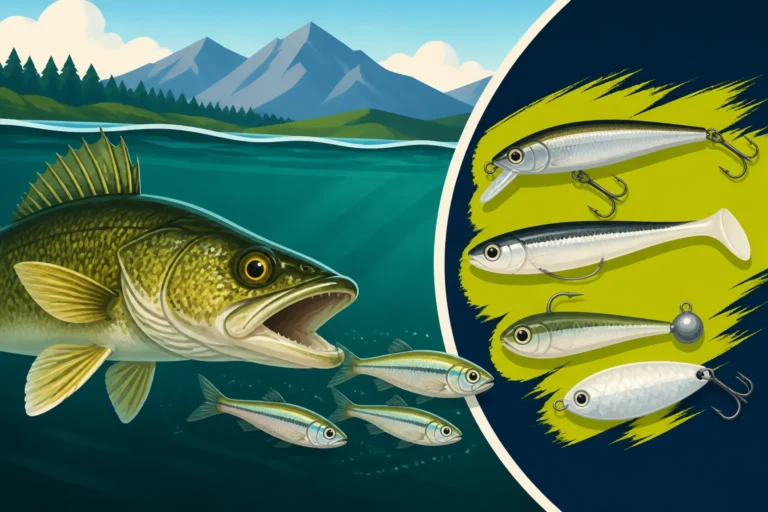
- Walleye: The undisputed king of many prairie lakes and reservoirs, Walleye Fishing in Alberta is a huge draw. These schooling predators prefer deeper, often turbid waters, feeding voraciously on baitfish like ciscoes, shiners, and perch. They are highly sought after for their delicious fillets and challenging fight. Many prairie lakes, like Lesser Slave Lake, are renowned walleye fisheries. Their populations are often managed with programs like the Alberta Walleye Special Harvest Licence Program to ensure sustainability.
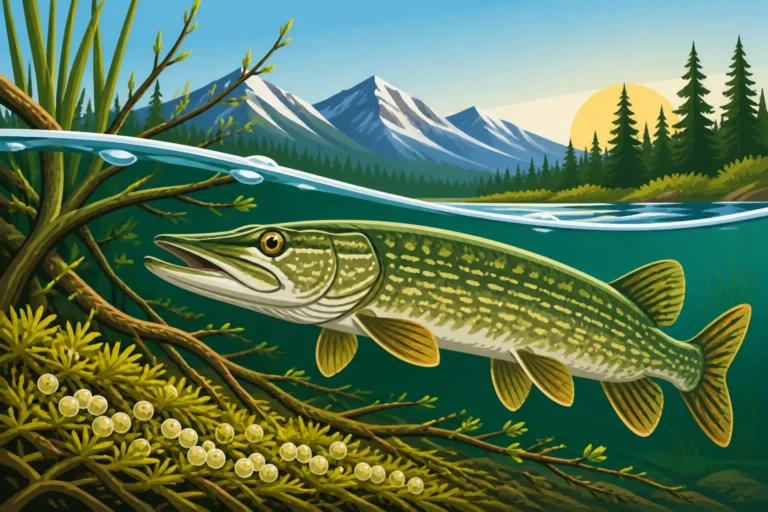
- Northern Pike: If walleye are kings, then Northern Pike Fishing in Alberta offers the toothy, aggressive barons of the prairies. These ambush predators lurk in weed beds and submerged structures, ready to strike anything that swims past. They are incredibly adaptable and can be found in almost any type of water, from shallow prairie sloughs to large lakes. Pike grow to impressive sizes in Alberta's productive prairie waters, providing thrilling action for anglers.
- Yellow Perch: A common panfish in prairie lakes, Yellow Perch are often abundant and provide fantastic action, especially for beginners or those seeking a tasty meal. They are schooling fish that relate to structure and weed lines, feeding on insects, crustaceans, and small minnows. They are a crucial forage base for larger predators like walleye and pike.
- Burbot: Known as "freshwater cod," burbot are another cold-tolerant but adaptable species found in deeper prairie lakes, often becoming active in winter. They're bottom-dwellers, feeding on smaller fish and invertebrates, and are a popular target for ice anglers.
Fishing in prairie waters often involves different tactics, such as trolling with crankbaits, casting large spoons or spinnerbaits for pike, or using jigs and live bait for walleye and perch. Boats are frequently used to cover large expanses of water, and electronics like fish finders are invaluable tools for locating schools of fish in featureless environments. Many anglers find what they need on Amazon when outfitting their boats with the latest sonar or their tackle boxes with a new array of crankbaits.
Environmental Factors Shaping Fish Populations
Beyond just temperature and oxygen, other environmental factors play a crucial role in creating these distinct fish habitats and shaping the success of different species.
Water Temperature and Oxygen Levels
The primary differentiator between mountain and prairie waters is temperature. Mountain streams and high-alpine lakes are fed by snowmelt and glaciers, maintaining consistently low temperatures throughout the year. This cold water holds more dissolved oxygen, which is essential for species like trout and grayling that have high oxygen demands. These fish are metabolically adapted to thrive in cold conditions; warmer temperatures stress them and can be lethal.
Prairie lakes and rivers, conversely, experience much wider temperature fluctuations. Shallow waters can warm considerably in the summer sun, leading to lower dissolved oxygen levels. While this can stress some species, prairie stalwarts like walleye and northern pike have evolved to tolerate these conditions, and even thrive in them. They have lower oxygen requirements and can actively seek out cooler, deeper pockets during heatwaves or utilize areas with submerged vegetation that produce oxygen. This adaptability is key to their success in the prairies. Finding the right gear for varying conditions is essential, and many anglers check Amazon for insulated waders for cold mountain streams or lightweight, breathable clothing for hot prairie days.
Food Availability and Habitat Structure
The type and abundance of food also differ significantly. In mountain streams, the primary food sources are aquatic insects (mayflies, caddisflies, stoneflies), terrestrial insects (grasshoppers, beetles, ants) that fall into the water, and occasionally small minnows. The rocky and gravelly substrate provides ideal habitat for these insect larvae. Structure for fish often comes in the form of boulders, fallen logs, undercut banks, and deep pools created by current erosion.
Prairie waters, especially the larger lakes and reservoirs, tend to be highly productive. They support large populations of baitfish like minnows, suckers, and ciscoes, as well as abundant invertebrate life such as leeches, crayfish, and various insects. This rich food base allows predators like walleye and pike to grow quickly to impressive sizes. Habitat structure in prairies is often dominated by weed beds, submerged timber, humps, drop-offs, and artificial structures like bridge pilings or riprap. The soft bottoms can be home to burrowing invertebrates, adding another layer to the food web. When outfitting a tackle box, anglers might turn to Amazon for a variety of insect imitations for mountain streams or a robust selection of crankbaits and soft plastics that mimic baitfish for prairie lakes.
| Feature | Mountain Waters | Prairie Waters |
|---|---|---|
| Water Temperature | Cold, consistent year-round | Warmer, wider seasonal fluctuations |
| Dissolved Oxygen | High, stable | Variable, can be lower in summer/winter |
| Water Clarity | Generally clear, pristine | Often more turbid, especially after rain |
| Flow Rate | Fast, swift currents in rivers | Slow-moving rivers, still lakes and reservoirs |
| Substrate | Rocky, gravelly, sandy | Mud, clay, silty bottoms, dense vegetation |
| Dominant Fish Species | Trout (Rainbow, Brown, Cutthroat, Bull), Arctic Grayling, Mountain Whitefish | Walleye, Northern Pike, Yellow Perch, Burbot, Lake Whitefish |
| Primary Food Sources | Aquatic and terrestrial insects, small minnows | Baitfish, leeches, crayfish, larger invertebrates |
| Typical Angling Method | Fly fishing, light spinning, wading | Boat fishing, trolling, jigging, bait fishing |
Fishing Strategies and Conservation Approaches
Understanding the ecological differences isn't just academic; it directly influences how we fish and how these precious resources are managed. Alberta Fishing Regulations Explained are designed to protect these distinct ecosystems and their inhabitants.
Mountain Fishing Tactics and Ethics
Fishing in Alberta's mountain waters often calls for a more delicate touch. Fly fishing is incredibly popular, as it perfectly imitates the insect-heavy diet of trout and grayling. Wading quietly, using lighter lines and tippets, and making precise casts are often key to success. Because many mountain fisheries, especially those for native species like bull trout, are fragile and slow to recover, catch-and-release fishing is not just a strong recommendation but often a mandatory regulation. When you do encounter species like bull trout, it's vital to follow strict catch-and-release protocols, minimizing handling and ensuring quick, gentle release.
The seasons for mountain fisheries are often shorter due to ice-over and spring runoff, making precise timing crucial. Conservation efforts in these areas focus heavily on habitat protection, maintaining water quality, and managing angler pressure to preserve wild populations. Checking for specific zone-based regulations and special closures is paramount before heading out.
Prairie Fishing Approaches
Prairie fishing, particularly for species like walleye and pike, often involves more aggressive tactics and can be more gear-intensive. On large lakes, covering water with a boat, using powerful trolling motors, and employing electronic fish finders to locate structure and schools of fish are common strategies. Heavier tackle is often used to handle larger, more powerful fish and to manage lures in thicker cover or deeper water.
While catch-and-release is always a good practice, many prairie fisheries are managed for sustainable harvest, especially for abundant species like walleye and pike. The Alberta Bag and Possession Limits by Species reflect these management goals. Prairie fishing offers excellent opportunities for families and beginners, often with accessible shore fishing spots or well-equipped boat launches. Conservation efforts in prairie regions often focus on habitat enhancement (like managing aquatic vegetation), water quality improvements, and careful population management through stocking programs and harvest limits, such as those seen with the walleye special harvest license program.
Navigating the diverse fishing opportunities Alberta offers is a journey of continuous learning. By understanding the distinct characteristics of mountain and prairie environments and the fish species that call them home, you'll be better equipped to choose your next angling adventure wisely and respectfully.
Disclaimer
This article is for general informational purposes only and does not constitute professional advice. Laws, prices and regulations vary by location and change over time. Consult a qualified professional for guidance on your specific situation.