What to do if you catch an invasive fish species in Alberta
There's nothing quite like the thrill of a tug on your line, the bend in your rod, and the anticipation of seeing what you've caught. But sometimes, that excitement can turn to confusion or even concern when the fish you reel in isn't quite what you expected, or worse, looks like something you've heard shouldn't be in Alberta's waters. It can feel overwhelming to know the right steps to take to protect our precious ecosystems. This guide is here to walk you through exactly what to do if you suspect you've caught an invasive fish species, ensuring you can act confidently and responsibly.
Understanding Invasive Species in Alberta's Waters
The health of Alberta's diverse aquatic ecosystems is incredibly important, not just for the fish themselves, but for every angler who loves to spend time on the water. Unfortunately, invasive species pose a significant threat, altering habitats, outcompeting native fish for food, and even introducing diseases. It's a complex issue, and it really falls on all of us to be vigilant.
Why Invasive Species are a Big Deal
Imagine a peaceful lake, teeming with native trout or walleye, thriving in their natural balance. Then, an invasive species is introduced. These newcomers often have no natural predators in their new environment, can reproduce rapidly, and are incredibly adaptable. They can quickly outcompete native species for food sources, nesting sites, and even oxygen, leading to declines in populations of our beloved sport fish. This isn't just a hypothetical scenario; it's a real threat that has already impacted some of our favourite fishing spots. Beyond the ecological damage, there's an economic toll too, as controlling these species can be incredibly costly, and impacts on recreational fishing can hurt local economies. It’s a stark reminder of how interconnected everything is in our natural world.
Common Invasive Fish to Watch For
While there are many potential invaders, a few have unfortunately established themselves or are a significant concern for Alberta's waterways. Knowing what to look for is your first line of defense.
- Prussian Carp (Carassius gibelio): These small, silvery-gold fish look similar to a common carp but are typically smaller and lack the barbels (whisker-like growths) around their mouths. They are incredibly prolific, able to reproduce through a process called gynogenesis (where females can essentially clone themselves using sperm from other carp species), allowing them to spread rapidly. They can tolerate poor water quality and disrupt habitats by stirring up sediment as they feed, which can muddy the water and impact aquatic vegetation.
- Goldfish (Carassius auratus): Yes, your pet goldfish! When released into ponds or lakes, these seemingly harmless creatures can grow to surprisingly large sizes and become a major invasive threat. They are highly adaptable, can survive harsh conditions, and like Prussian carp, they stir up sediment, reduce water quality, and outcompete native species for food. They often appear as large, orange, or mottled fish, much bigger than their aquarium counterparts, and also lack barbels.
- Rainbow Smelt (Osmerus mordax): These small, slender fish have a characteristic odour resembling fresh cucumbers. They are aggressive predators of larval and juvenile native fish, and they compete with native species for food. Their presence can severely impact populations of other fish.
- Smallmouth Bass (Micropterus dolomieu): While a popular sport fish in other regions, Smallmouth Bass are considered invasive in Alberta. They are voracious predators that can devastate native fish populations, especially trout and other smaller species. They thrive in rocky, clear water habitats, which are common in many of Alberta's pristine lakes and rivers. If you suspect you've caught one, it's critical to follow the reporting guidelines. You can learn more about specific species identification in guides like Trout Species Identification Guide for Alberta or Panfish Species Identification Guide for Alberta.
The Crucial Steps: What to Do When You Catch One
It can be a bit startling to realize you've caught an invasive species. Your immediate reaction might be to just throw it back, but that's actually the worst thing you can do. The key is a clear, confident plan of action.
Identify, Don't Release
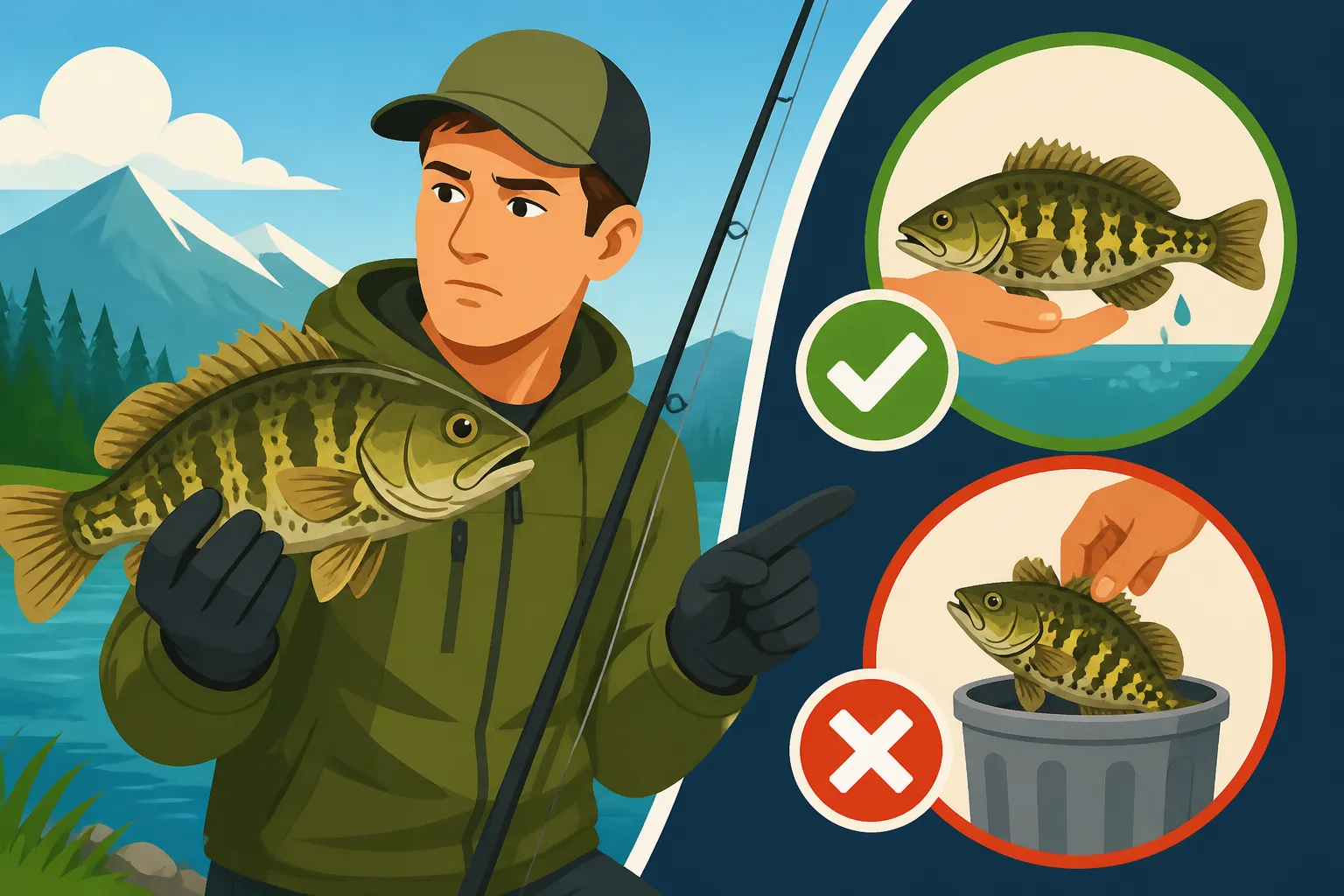
First things first: do not release the fish back into the water. This is perhaps the most critical rule when dealing with an invasive species. Releasing it, even accidentally, contributes to its spread and the problem it poses.
Take a moment to positively identify the fish. If you're not 100% sure, take clear photos from multiple angles, especially showing its mouth, fins, and any distinguishing marks. Comparing it to pictures in the official Alberta Guide to Sportfishing Regulations or online resources can help. For instance, the difference between a Prussian carp and a native sucker might be subtle but crucial. Sometimes, the size and overall shape of a "wild" goldfish can be quite shocking compared to what you see in a pet store. Remember, if in doubt, treat it as invasive until proven otherwise. It's better to be overly cautious than to accidentally contribute to an environmental problem.
Report It Immediately
Once you've identified it (or have strong suspicions), the next step is to report it. This information is vital for Alberta Environment and Protected Areas to monitor populations, understand spread patterns, and develop management strategies.
The most direct way to report an invasive species is through the Report a Poacher line. Don't let the name confuse you; this line is for any suspected wildlife or fisheries violation or concern, including invasive species. The number is well-known to anglers and is your fastest way to get information to the right authorities. You can also use the MyWildAlberta website or app, which often has specific reporting tools for invasive species. When you report, be ready to provide:
- The date and time of your catch.
- The exact location (GPS coordinates are best if you have them, otherwise detailed landmarks).
- Photos of the fish.
- Your contact information, in case they need more details.
Your report helps fisheries biologists understand where these species are spreading and how quickly, which is critical for containment efforts. It truly makes a difference. Reporting is a vital part of Reading the Alberta Guide to Sportfishing Regulations effectively.
Containment and Disposal
After identification and reporting, you'll need to contain and humanely dispatch the fish.
- Humane Dispatch: The most common and humane method is a swift, blunt force blow to the head, often using a fish club or a heavy rock. This should be done quickly to minimize suffering.
- Containment: Keep the fish in a bag or a cooler, preventing any chance of it flopping back into the water or being transferred to another water body.
- Disposal: The best way to dispose of the fish is to take it home and place it in your household garbage. Ensure it's in a sealed bag to prevent scavengers from getting to it. Never release it into another pond, lake, or even a storm drain. This is how invasive species often spread from one water system to another. Also, avoid using it as bait, as eggs or larvae could be present and accidentally introduced elsewhere. This might seem like a lot of steps, but it's a small price to pay to protect our native fish populations. You'll find many anglers carry a small, dedicated fish bag for situations like this, which you can easily find on Amazon.
Here's a quick reference table for common invasive fish and what to look for:
| Invasive Species | Key Identification Features | Primary Concern | Action |
|---|---|---|---|
| Prussian Carp | Small, silvery-gold, no barbels, deep body. | High reproductive rate, habitat disruption, competition. | Identify, do not release, report, dispose. |
| Goldfish | Often large (can be dinner plate size), orange/mottled, no barbels. | Habitat disruption, competition, rapid growth. | Identify, do not release, report, dispose. |
| Rainbow Smelt | Small, slender, silver, strong "cucumber" odour. | Predation on native fry, competition. | Identify, do not release, report, dispose. |
| Smallmouth Bass | Bronze/brown colour, prominent dark vertical bars, upper jaw doesn't extend past eye. | Voracious predator of native fish. | Identify, do not release, report, dispose. |
Preventing the Spread: Every Angler's Responsibility
Catching and correctly handling an invasive species is just one piece of the puzzle. The true preventative measure lies in every angler adopting diligent habits to ensure they aren't accidentally aiding the spread. It's about being proactive, not just reactive.
Clean, Drain, Dry Your Gear
This mantra is probably the single most important action you can take to prevent the spread of aquatic invasive species, whether you're fishing on Best Fishing Lakes in Alberta or a small, local pond. Adult invaders, their eggs, larvae, or even microscopic plant fragments can hitchhike on your equipment and be transported to new waters.
- Clean: Before leaving any water body, inspect your boat, trailer, waders, boots, fishing lines, and tackle. Remove all visible mud, plants, and aquatic organisms. This might seem tedious after a long day of fishing, but it's crucial. You can find robust scrub brushes and even specialized boat washes on Amazon to help with this.
- Drain: Drain all water from your boat (including the bilge, livewells, and motor), bait buckets, and any other water-holding equipment before leaving the access site. Many invasive species, like zebra mussels, have microscopic larvae that can survive in even a small amount of water.
- Dry: This is often the most overlooked step. Allow all your gear to thoroughly dry before using it in another water body. A minimum of 48 hours in warm, dry conditions is often recommended, but longer is better, especially for items that retain moisture, like waders. If you're travelling between different water bodies in a short time, consider having separate sets of gear or diligently disinfecting with hot water (over 60°C) or specific cleaning solutions. This also includes your landing nets – they can harbour all sorts of unwanted hitchhikers! For more information on preventing species transfer, check out resources on Alberta Boating Laws for Anglers.
Bait and Aquarium Trade Awareness
Our good intentions, or sometimes simple ignorance, can inadvertently contribute to the spread of invasive species. Understanding the risks associated with live bait and the aquarium trade is vital.
- Live Bait: In Alberta, the use of live bait fish is generally prohibited in many waters specifically to prevent the introduction of invasive species. It's too easy for a non-native bait fish to escape and establish a breeding population, or for diseases to be transferred. Always check the specific regulations for the water body you are fishing in by consulting Alberta Fishing Regulations Explained. If live bait is allowed for certain species (like worms or leeches), ensure you dispose of any unused bait in the trash, never into the water or on the shore. The bait you buy could inadvertently contain eggs or larvae of undesirable species.
- Aquarium/Pet Trade: This is a huge pathway for species like goldfish and even some aquatic plants to become invasive. The thought process often goes, "My fish is getting too big for its tank, I'll release it into the local pond where it can live happily ever after." Unfortunately, this is a deeply misguided act of kindness. Those released pets can quickly become ecological nightmares. Never, ever release aquarium pets, plants, or pond organisms into natural water bodies. If you can no longer care for a pet fish, consider rehoming it responsibly through a pet store, another hobbyist, or humane euthanasia, but never release it into the wild.
Being a responsible angler means being an environmental steward. By understanding the threats, knowing what to do when you encounter an invasive species, and meticulously practicing "Clean, Drain, Dry," you play a crucial role in protecting Alberta's incredible aquatic resources for future generations. It truly is up to each one of us.
Disclaimer
This article is for general informational purposes only and does not constitute professional advice. Laws, prices and regulations vary by location and change over time. Consult a qualified professional for guidance on your specific situation.