What golden trout are and where they are stocked
For many anglers, the pursuit of truly unique and challenging fish is what makes fishing so much more than just a pastime. If you've ever heard whispers of "golden trout" in Alberta, you might be scratching your head, wondering if it's just a myth or a different name for something common. The truth is, golden trout are a real, albeit rare and highly sought-after, gem in some of Alberta's most remote waters, offering an unparalleled high-country adventure. This guide will take a deep dive into what golden trout are, why they're so special, and where you might begin your quest to find these shimmering beauties in our province.
What Exactly Are Golden Trout, Anyway?
Golden trout are often considered one of the most beautiful freshwater fish in the world, and for good reason. Their striking coloration sets them apart from almost every other trout species you might encounter, making them an instant favourite for those lucky enough to lay eyes on one. They're not just another rainbow trout with a bit of a tan; they are a distinct species with a fascinating history and very specific habitat needs.
A Glimpse into Their Unique Appearance
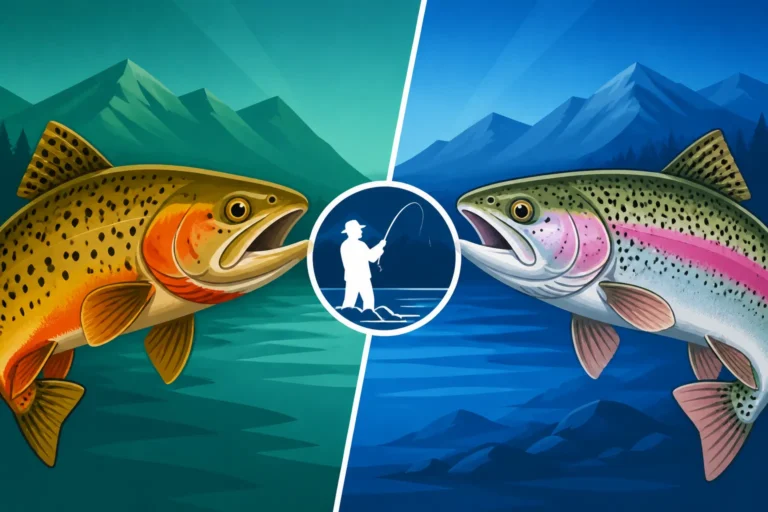
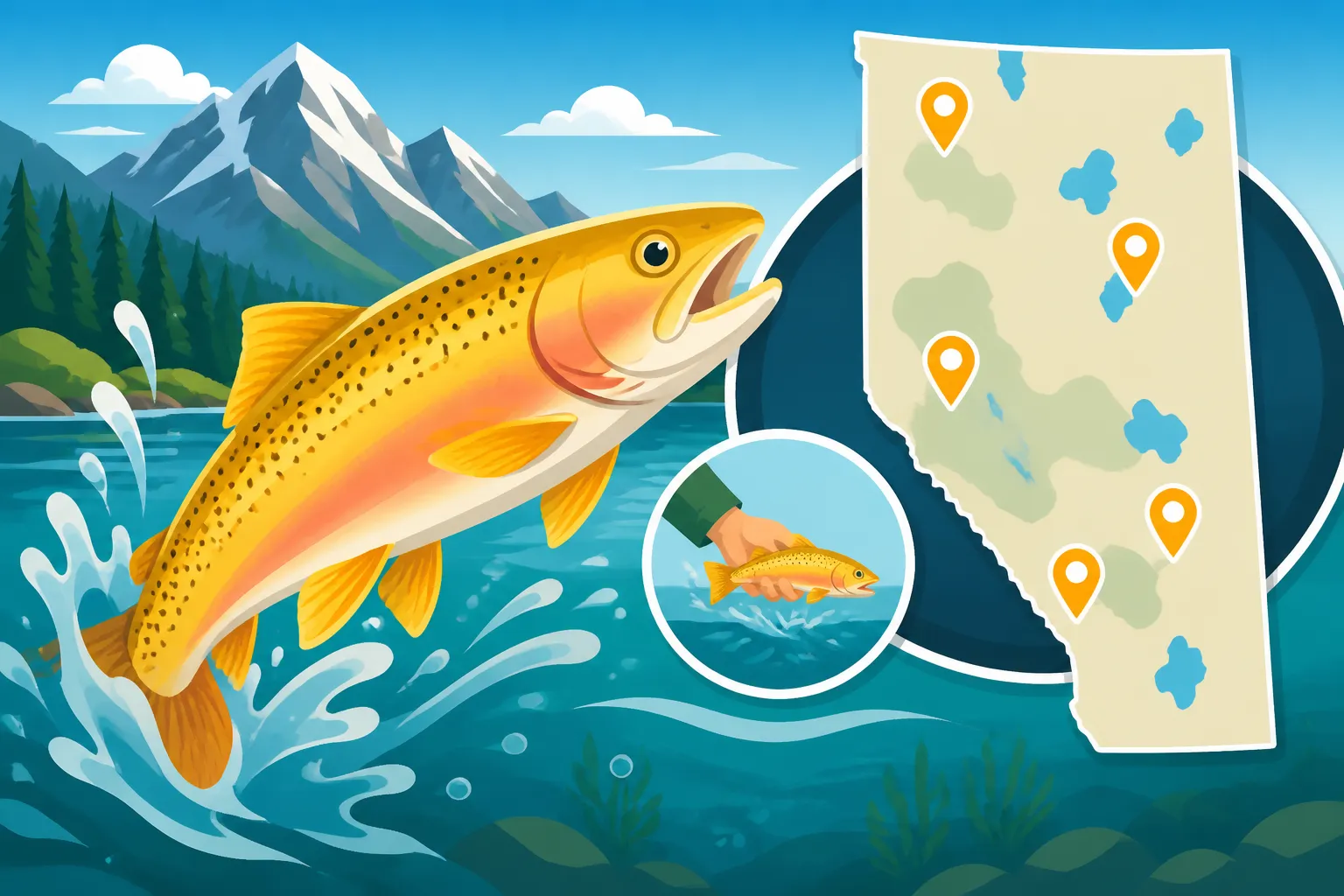
Imagine a fish that looks like it's been dipped in a sunset. Golden trout typically boast a vibrant golden-yellow belly and flanks, often fading into an olive green on their backs. What truly makes them stand out are the prominent red or reddish-orange lateral bands that run along their sides, frequently broken by parr marks – those dark, oval spots – which remain visible even into adulthood. Their gill plates are often a brilliant ruby red, and their fins, especially the anal and pectoral fins, can be a fiery orange with white leading edges. It’s a spectacular display of colour, especially when they’re caught fresh from the pristine, clear waters they inhabit. They truly are living jewels, a sight that makes the arduous journey to their homes entirely worthwhile.
Native Habitat and Why They're So Prized
Originally, golden trout are native to the high-alpine streams and lakes of the Sierra Nevada mountains in California, specifically in the Kern River drainage. They evolved in these isolated, nutrient-poor environments, which shaped their distinct appearance and hardy nature. Their isolation also meant they developed without many natural predators, making them somewhat less wary, but still incredibly challenging to locate due to their remote haunts.
Here in Alberta, they are entirely a stocked species, introduced for sport fishing, but their allure remains the same. Anglers prize them not just for their stunning looks, but for the experience of fishing in the breathtaking, often untouched, wilderness required to reach them. Catching a golden trout is more than just reeling in a fish; it's the culmination of a high-country adventure, a testament to endurance and a deep appreciation for nature. They tend to be smaller than many other trout species, rarely exceeding 10-12 inches, but they are tenacious fighters for their size, adding to the excitement.
The Journey of Golden Trout to Alberta Waters
The presence of golden trout in Alberta isn't a natural phenomenon; it's the result of deliberate and careful management by fisheries biologists decades ago. Introducing a non-native species is always a complex decision, weighed against potential ecological impacts and the benefits for sport fishing and outdoor recreation.
Why Stock an "Exotic" Species?
The decision to stock golden trout in Alberta wasn't taken lightly. The primary reasons revolved around enhancing recreational fishing opportunities and utilizing specific high-alpine environments that were often barren of native fish due to natural barriers like waterfalls or extreme conditions. These remote lakes, typically above the tree line or just at its edge, provided an ideal niche. Golden trout thrive in such cold, clear, oligotrophic (nutrient-poor) waters, and their introduction allowed anglers to experience a unique species without directly competing with or displacing native Alberta trout populations like cutthroat or bull trout, which generally prefer lower elevations and different habitats. It offered something truly special for those willing to put in the effort. The goal was to create a trophy fishery for a highly aesthetic and sporty fish in some of Alberta’s most pristine and inaccessible locations.
The Specific Conditions Golden Trout Thrive In
Golden trout are true connoisseurs of cold, clean water. They require well-oxygenated environments, making high-elevation lakes and ponds fed by snowmelt and natural springs their perfect home. These waters are often crystal clear, which means stealth and presentation are key when fishing for them. They also prefer habitats with limited competition, as they are not overly aggressive feeders compared to some other trout species. The isolation of these high-alpine lakes protects them from warmer water temperatures that many other trout can tolerate, further solidifying their unique niche.
When scouting for potential golden trout waters in Alberta, you're looking for those picturesque, often turquoise-hued lakes nestled high in the Rocky Mountains. Think about those stunning glacial cirques and basins you see in postcards – those are often the kinds of places where golden trout can thrive, far from the madding crowds. Their survival often depends on annual stockings, as many of these lakes lack suitable spawning habitat or have very short growing seasons, meaning natural reproduction is limited or non-existent.
Where to Find Golden Trout in Alberta: The High-Alpine Quest
Finding golden trout in Alberta is less about driving to a popular provincial park and more about strapping on a backpack and embracing a multi-day wilderness excursion. These fish are not found in easily accessible roadside lakes; their habitat is by nature remote and challenging to reach, which is part of their mystique.
Identifying Potential Golden Trout Waters
When you're trying to pinpoint where these elusive fish might reside, think high. Very high. You're typically looking at lakes situated well above 1,800 to 2,000 meters (around 6,000 to 6,500 feet) in elevation, often in cirques or basins carved by glaciers. These lakes are characterized by extremely clear water, rocky or gravelly bottoms, and sparse aquatic vegetation. They are usually small to medium in size, without major inlets or outlets that could introduce other fish species. The surrounding landscape will be classic alpine tundra or subalpine forest, marked by larch trees and rugged peaks.
Seasonality is also a huge factor. Many of these high-alpine lakes are ice-covered for much of the year, sometimes only being fully open from late June or early July until September. This short open-water window means fish activity can be intense when the ice finally breaks, but also that you need to plan your trips carefully to avoid lingering snowfields and dangerous conditions. Checking the Alberta Fishing Season Dates by Zone can give you a general idea, but for specific high-alpine lakes, conditions can vary greatly year to year.
The Challenge of Accessing Golden Trout Lakes
Let's be blunt: if you want to catch a golden trout in Alberta, you're going to earn it. Accessing these lakes almost always involves significant physical effort. We're talking about long, strenuous hikes, often over rugged, uneven terrain with considerable elevation gain. These aren't trails for a casual stroll; they demand good physical fitness, proper outdoor skills, and appropriate gear. Backpacking in for one or more nights is often necessary, requiring you to carry all your camping gear, food, and fishing equipment.
For this kind of trip, lightweight and durable gear is paramount. You'll want sturdy, broken-in hiking boots, a reliable backpack, and essential backcountry safety equipment. Many anglers turn to online retailers like Amazon to find reviews and compare lightweight tents, sleeping bags, cooking systems, and navigational tools like GPS devices or satellite communicators. Preparation is key: always check weather forecasts, tell someone your itinerary, and be prepared for rapidly changing mountain conditions, including sudden storms or cold snaps. There's no corner store out there if you forget something!
Specific Regions and Lakes Known for Golden Trout Stocking
While exact stocking locations are often kept somewhat quiet to protect these delicate fisheries and the wilderness experience, it's generally understood that golden trout in Alberta are found in the remote, high-alpine lakes within the Rocky Mountains. This primarily means areas within Kananaskis Country and some of the more rugged, less-trafficked regions along the continental divide. You won't find them in the Bow River near Calgary or other popular prairie lakes.
Instead, think of the remote headwaters and isolated cirques accessible via long, multi-day backpacking trips. These are not lakes you'll see advertised on tourism brochures for their fishing. Finding specific locations often requires research into older stocking records, consulting with very experienced local anglers, or simply exploring high-alpine areas with a keen eye for suitable habitat. Always consult the current Reading the Alberta Guide to Sportfishing Regulations for any specific lake closures, special harvest licenses, or unique rules regarding these sensitive environments. Many of these waters are strictly catch-and-release, or have very restrictive limits, underscoring their conservation value.
Fishing for Golden Trout: Techniques and Considerations
Once you've made the incredible journey to a golden trout lake, the actual fishing experience is often as unique and rewarding as the hike itself. These fish behave differently than their more common cousins, demanding a refined approach.
Best Approaches for These Elusive Beauties
Given their pristine, clear-water environments and often limited food sources, golden trout can be surprisingly selective. Fly fishing is a hugely popular and effective method. Small, imitative patterns that mimic local aquatic insects (like midges, caddis, mayflies) are often best. Dry flies can be incredibly exciting, especially during hatches, but don't underestimate nymphs and small streamers fished subsurface. Terrestrial patterns like ant or beetle imitations can also be deadly, as these fish often rely on insects falling into the water from the surrounding high-alpine vegetation. Using light tippets, often 5x or 6x, is crucial due to the clear water and the fish's often wary nature.
For those preferring spinning gear, ultralight setups are the way to go. Small inline spinners (like Panther Martin or Mepps, often found on Amazon), tiny spoons (like Kastmasters or Little Cleos), or micro jigs can be very effective. Again, stealth is key: long casts and quiet approaches are necessary to avoid spooking fish in these often shallow, clear waters. Remember, these fish don't typically grow huge, so light tackle makes the fight much more enjoyable and protects the fish during release.
Catch and Release and Conservation
Given the rarity and sensitive nature of golden trout fisheries in Alberta, catch-and-release is often practiced, and in many cases, legally mandated. It's paramount to handle these fish with the utmost care. Use barbless hooks to minimize harm, avoid touching the fish with dry hands, and keep them in the water as much as possible during unhooking and photography. Minimize their time out of water, and allow them to recover fully before releasing them gently.
These high-alpine ecosystems are fragile, and every fish is precious. Anglers who pursue golden trout typically do so with a deep respect for the environment and a strong conservation ethic. Your actions in these remote areas have a magnified impact, so practicing Leave No Trace principles is non-negotiable. This means packing out everything you pack in, staying on marked trails, and respecting wildlife.
Essential Gear for Your Golden Trout Expedition
Beyond the backpacking gear, a few fishing-specific items will make your golden trout quest more successful:
- Lightweight Rod & Reel: A 3 or 4-weight fly rod, or an ultralight spinning rod (5'6" to 6'6") paired with a small reel.
- Appropriate Line: Floating fly line for dries, sink-tip for nymphs/streamers; 2-4lb test monofilament or fluorocarbon for spinning.
- Terminal Tackle: A selection of small dry flies, nymphs, terrestrial patterns, micro-spoons, and inline spinners. Don't forget extra leader and tippet.
- Waders/Wading Boots (Optional but Recommended): While not always necessary, lightweight chest waders can be useful for accessing deeper sections or crossing small streams, especially if the water is very cold. Make sure your Amazon purchase of wading boots has good traction for slippery rocks.
- Polarized Sunglasses: Crucial for spotting fish in clear water and protecting your eyes from glare.
- Small Landing Net: A fine-mesh, rubberized net is ideal for safely landing and handling fish for quick release.
| Feature | Golden Trout | Rainbow Trout | Cutthroat Trout | Bull Trout |
|---|---|---|---|---|
| Appearance | Vibrant gold/yellow, red lateral band, parr marks, red gill plates | Silvery sides, pink/red lateral band, small black spots throughout | Red slash under jaw, large spots towards tail | Olive green/grey, pale yellow/orange spots, no black spots |
| Native Habitat | California Sierra Nevada (stocked in AB) | Pacific Ocean drainages (stocked/wild in AB) | Mountain streams, native to western AB | Cold, clear mountain rivers/lakes, native to AB |
| Typical Size | Small (6-12 inches) | Medium (10-20 inches, larger in big rivers) | Small to Medium (8-16 inches) | Large (1-10+ lbs, often bigger in lakes) |
| Conservation | Stocked, often catch-and-release | Healthy populations, various limits | Protected in many areas, catch-and-release common | Federally protected, Alberta Bull Trout Zero Possession Rule |
| Diet | Aquatic insects, terrestrials | Insects, small fish, crustaceans | Insects, small fish | Primarily fish (piscivorous) |
A True Alberta Adventure
The pursuit of golden trout in Alberta isn't for everyone, and that's precisely what makes it so special. It’s an adventure that combines the physical challenge of backcountry travel with the thrill of fishing for one of the most beautiful and elusive freshwater species. It demands preparation, respect for nature, and a willingness to step far off the beaten path. Whether you find them or not, the journey itself—the breathtaking alpine scenery, the crisp mountain air, and the profound solitude—is an unforgettable reward. Just remember to check the Alberta Guide to Sportfishing Regulations thoroughly before you go, and always prioritize the health of these incredible fish and their pristine environment.
Disclaimer
This article is for general informational purposes only and does not constitute professional advice. Laws, prices and regulations vary by location and change over time. Consult a qualified professional for guidance on your specific situation.